Choose the Work That Fits
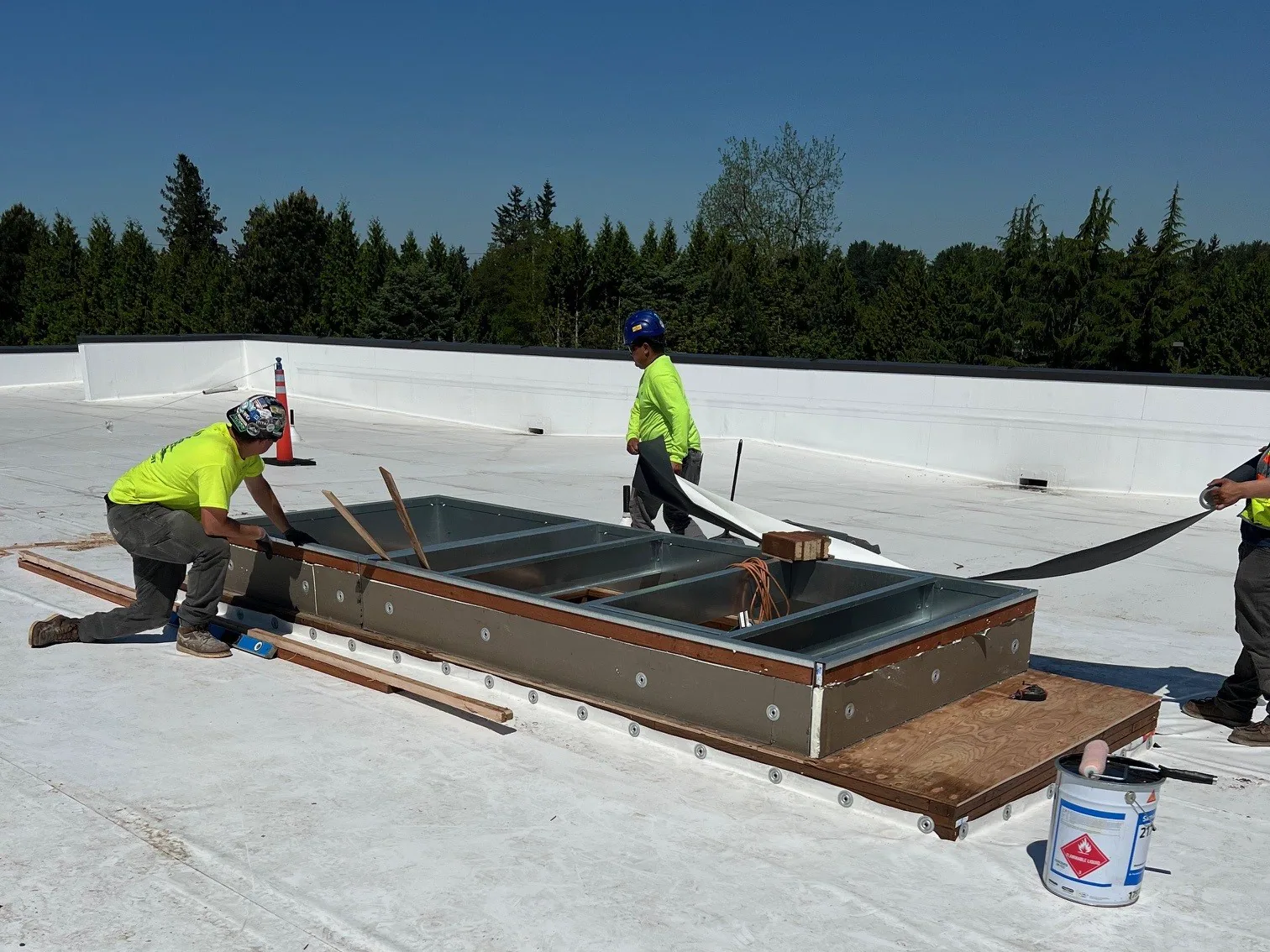
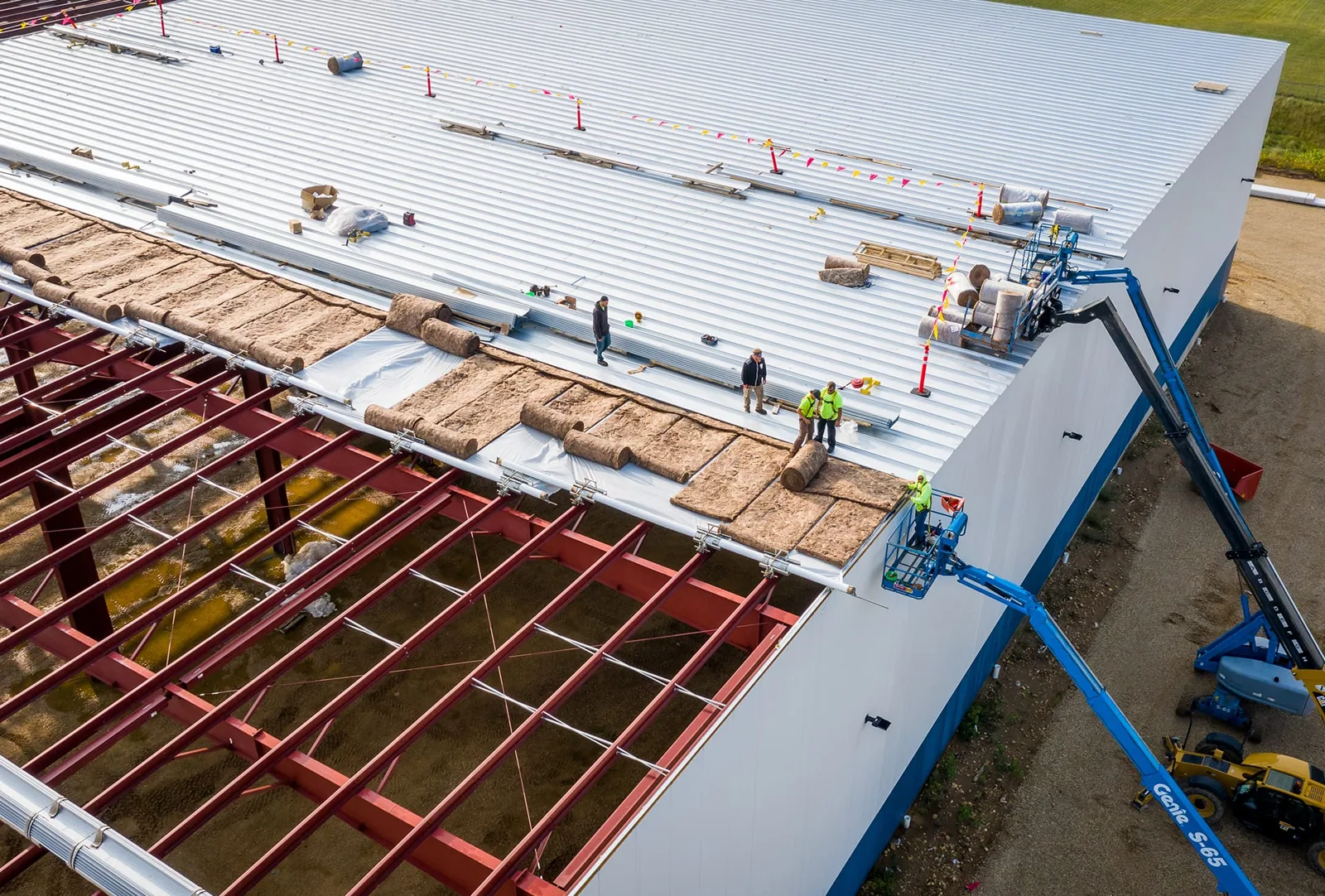
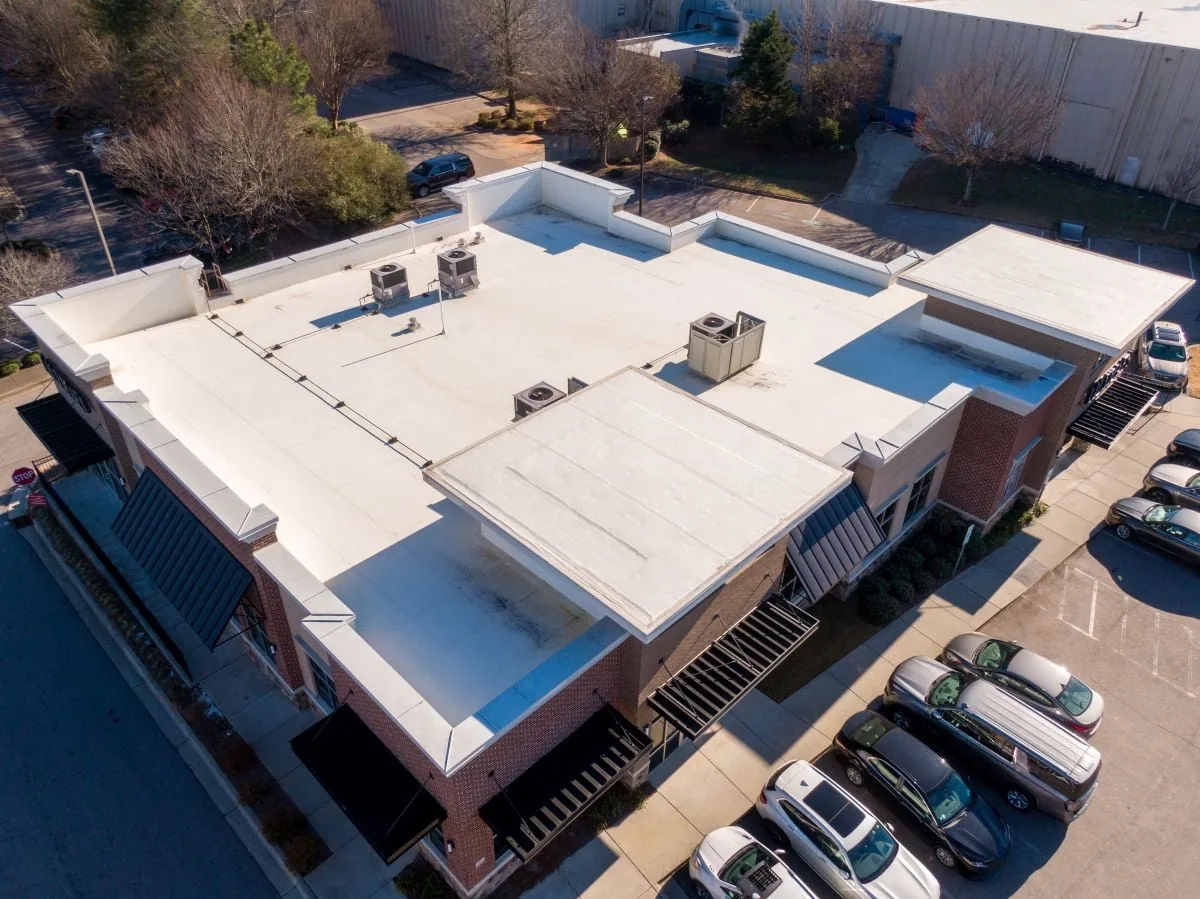
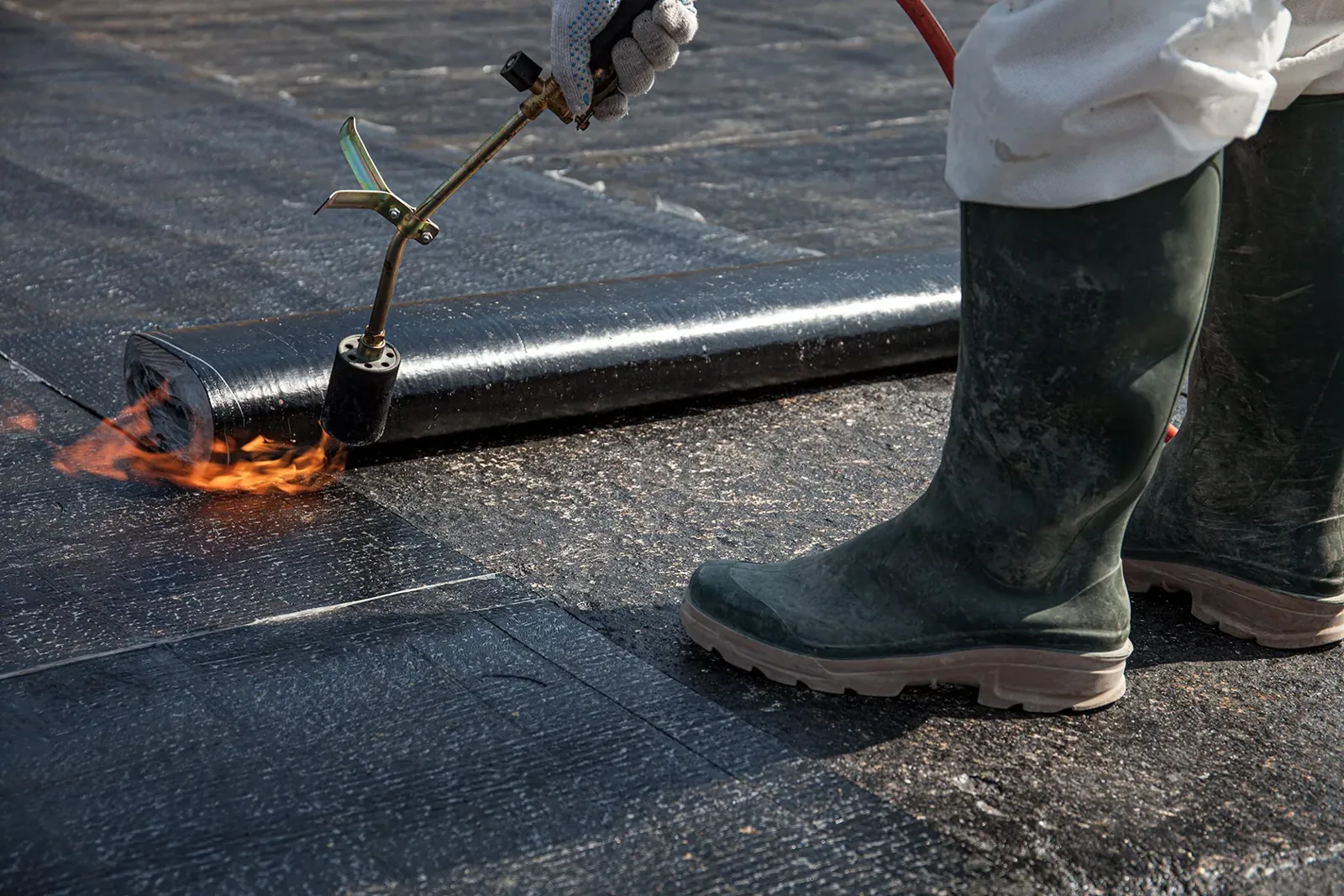
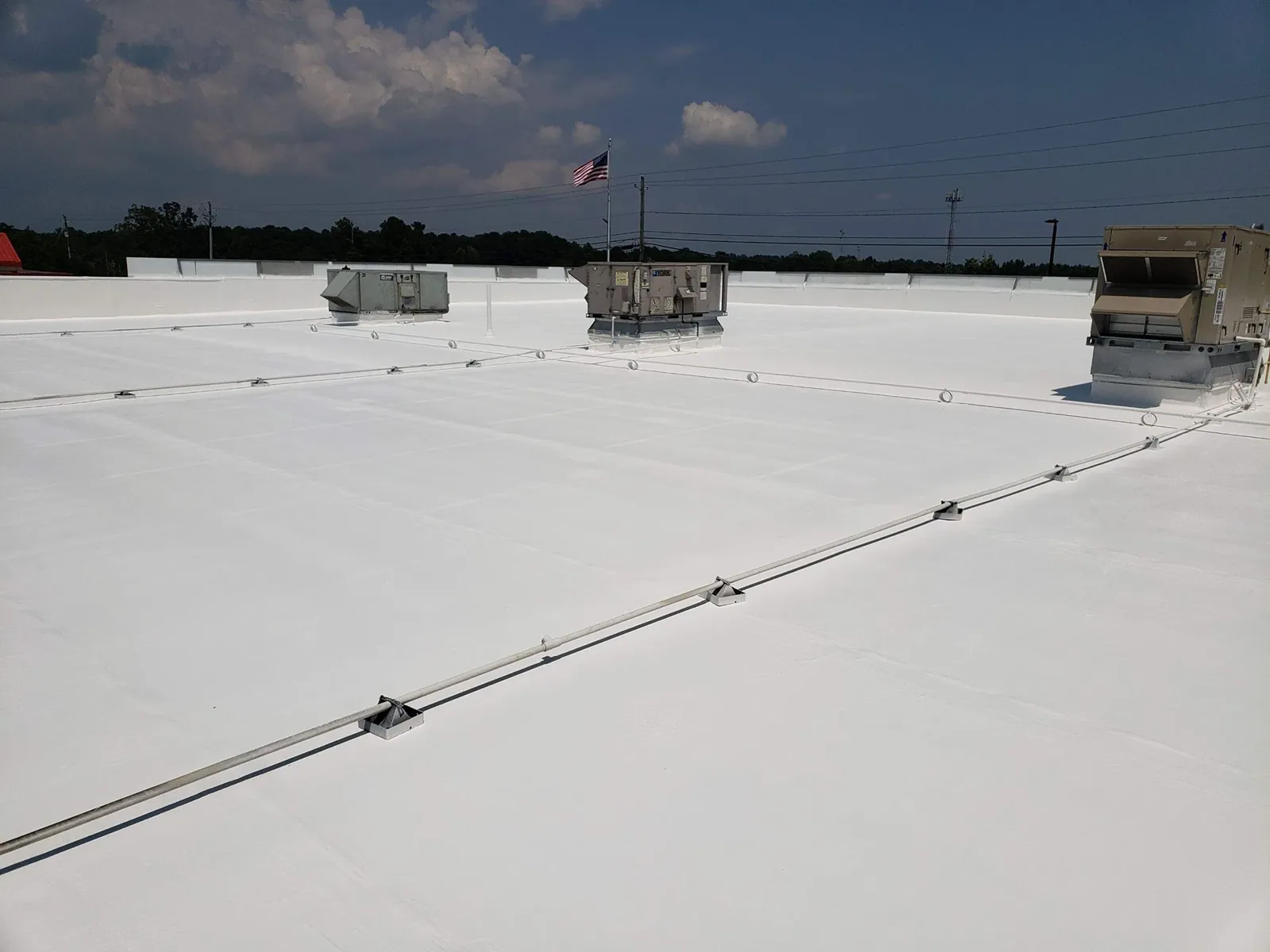
Replacement is appropriate when testing shows repeated failure, widespread moisture, or a substrate that cannot support another repair. We compare removal with a recover only after checking the deck, existing layers, drainage height, code, and attachment. Replacement planning identifies the new membrane or metal, insulation, edges, curbs, and drain tie-ins. The owner sees what is included and which conditions would change the work after tear-off.
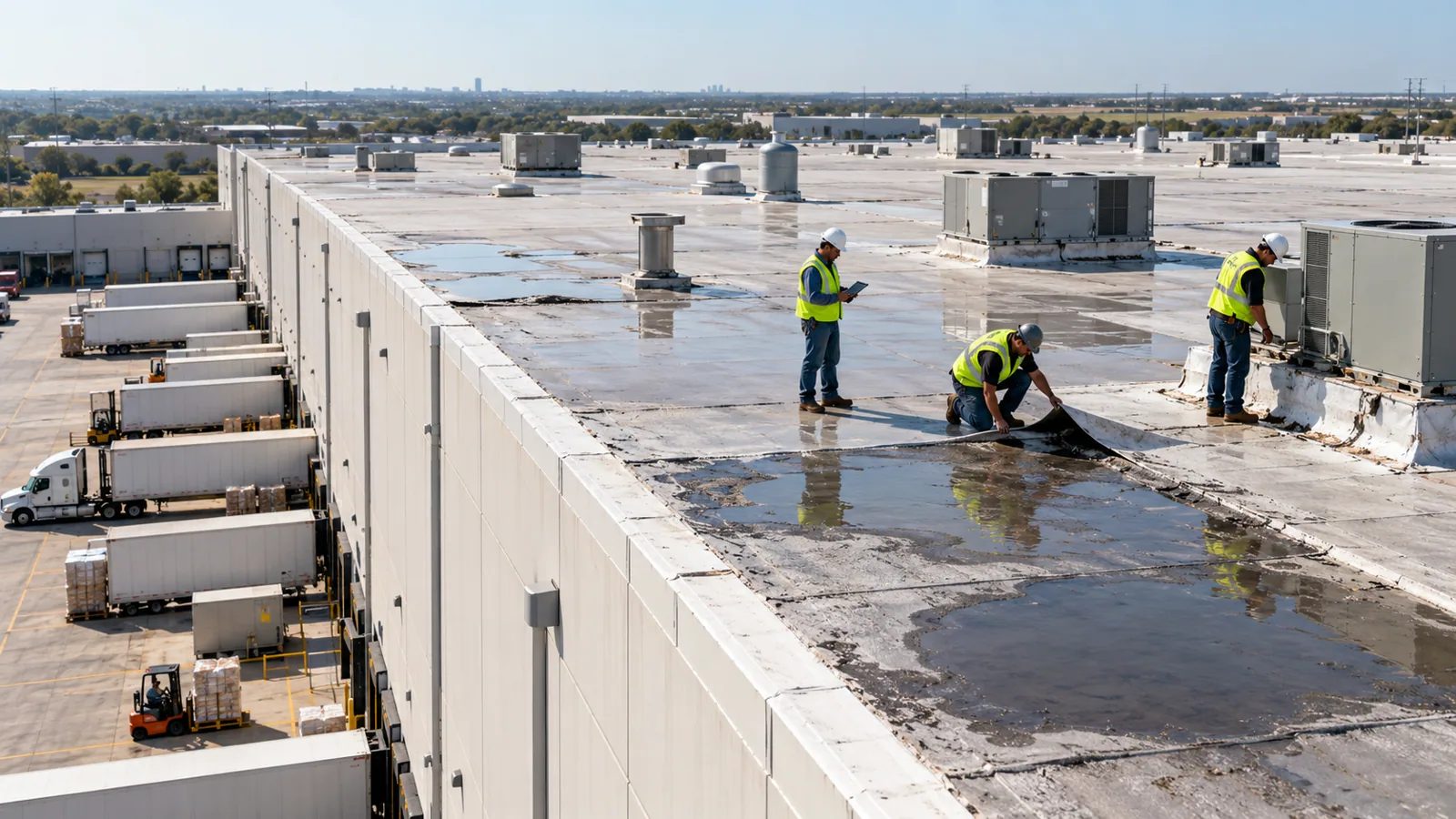
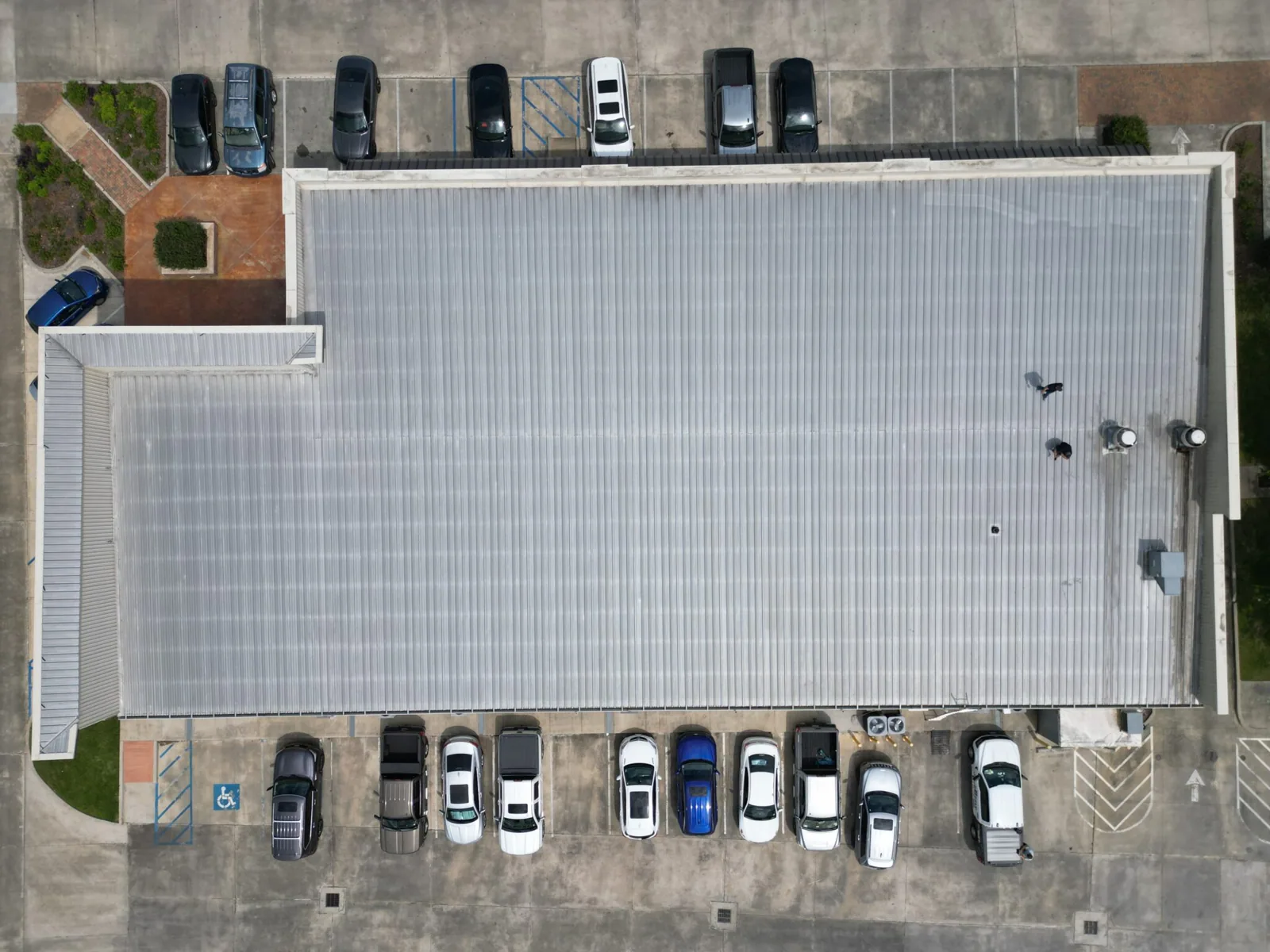
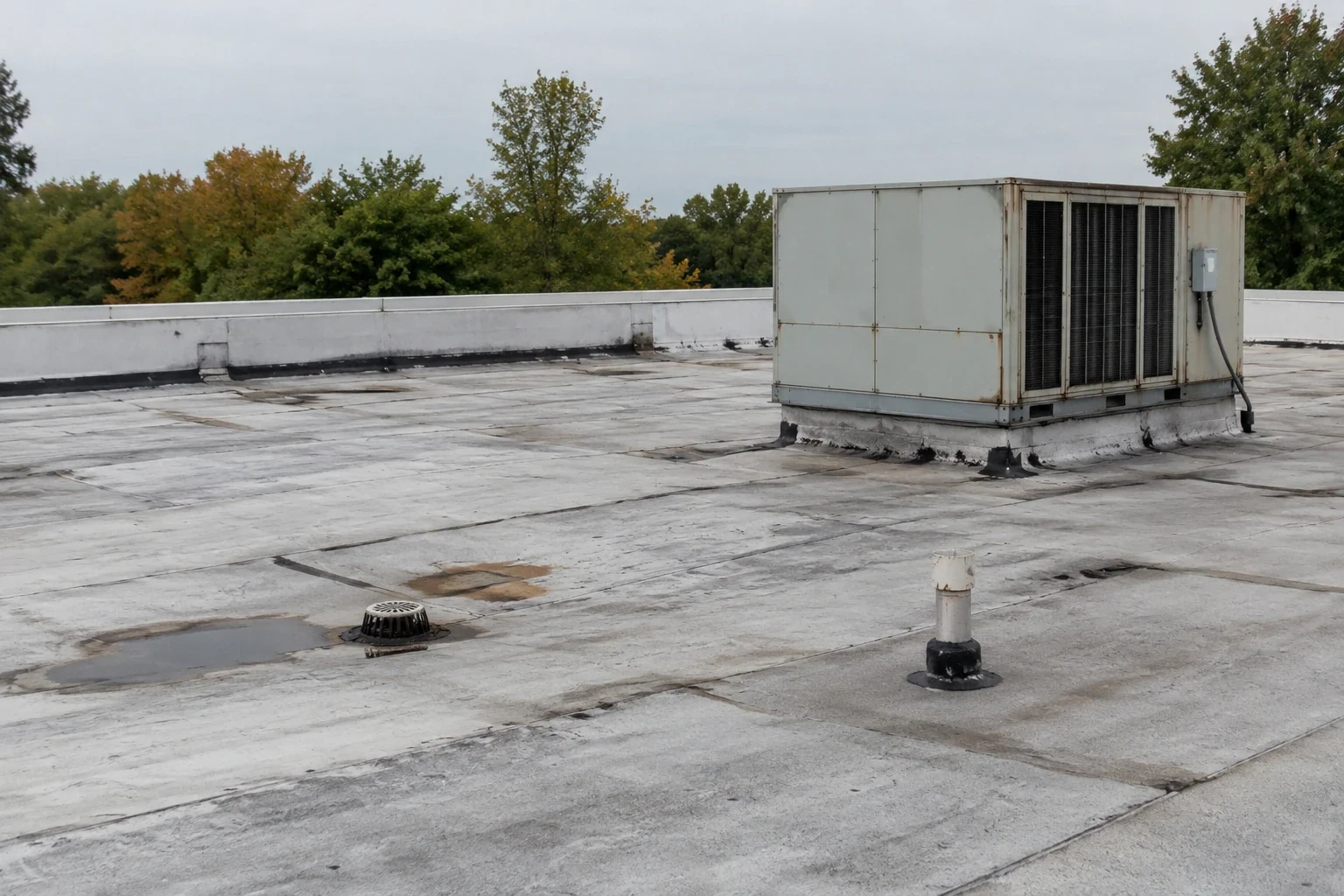
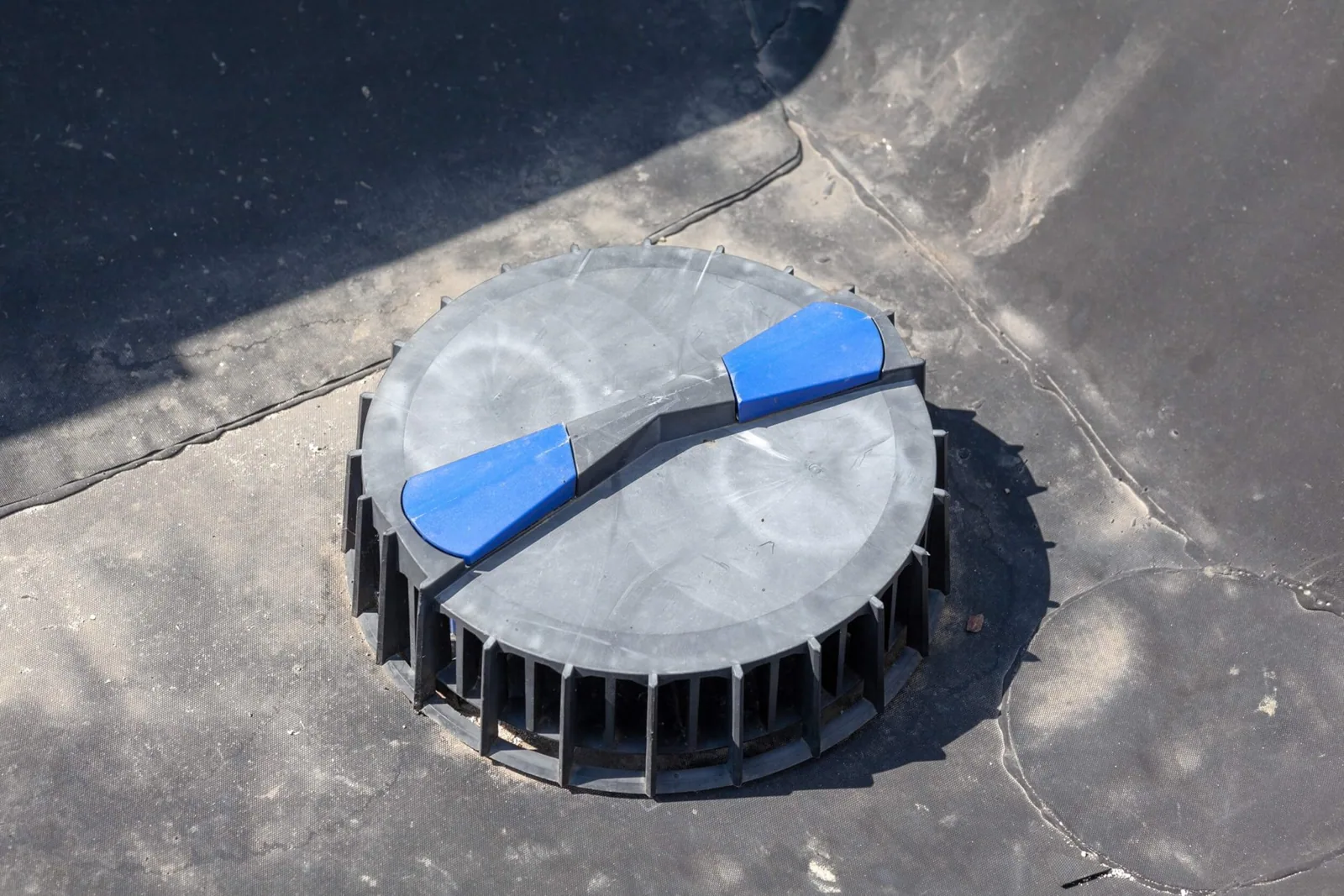
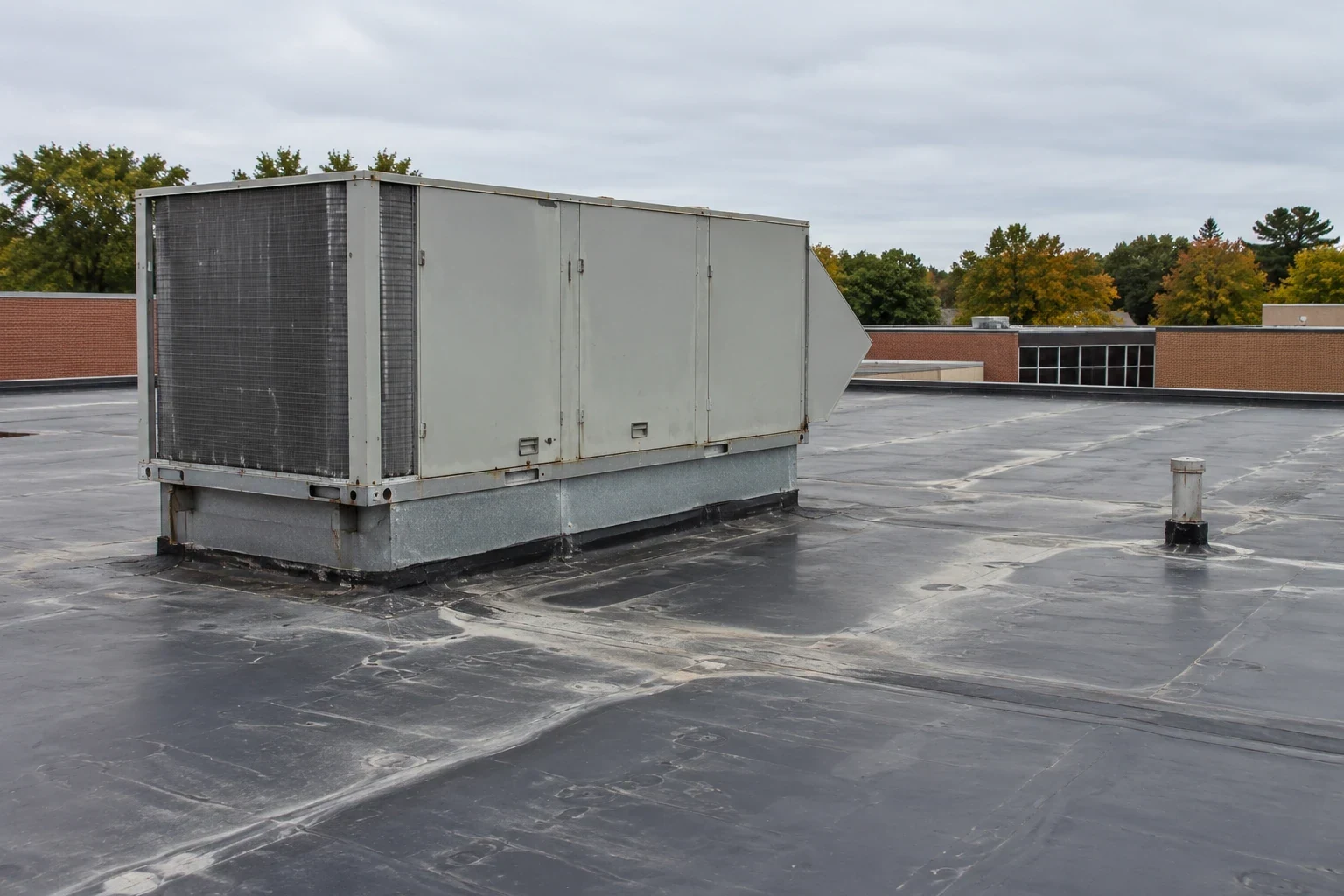
A sound roof still needs attention. Preventive maintenance checks drains, seams, flashings, and perimeter details before minor defects become leaks. If water may be trapped under the membrane, an infrared moisture survey can help select test openings. Findings are marked as confirmed or still needing verification, so testing does not get confused with a completed repair.
Cost and duration depend on roof area, access, tear-off, material selection, interior protection, and weather. We measure the work area where possible and separate confirmed repairs from contingencies for concealed conditions. That makes estimates easier to compare and keeps a future change tied to a photographed finding.
Plan for the Building in Use
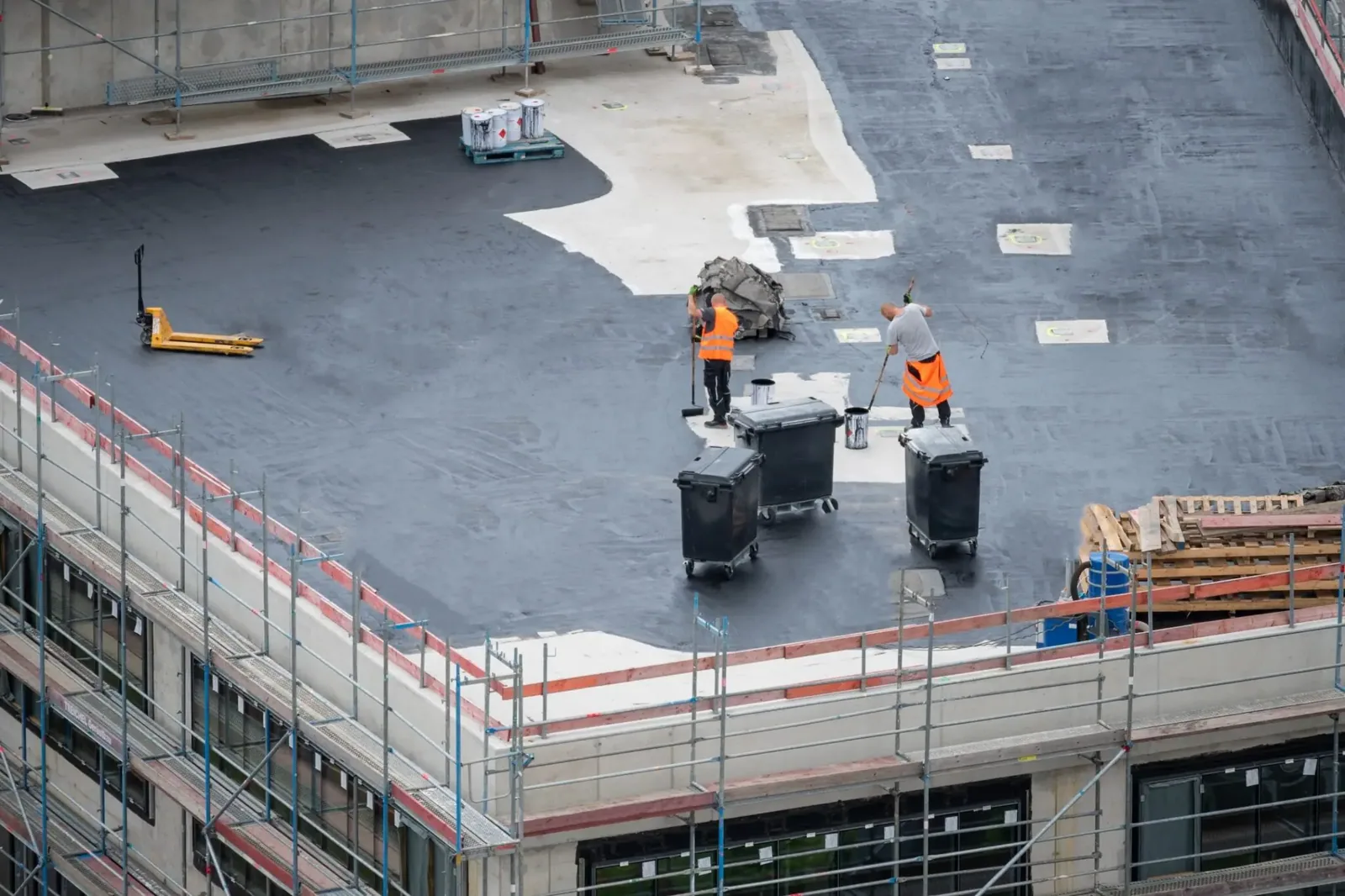
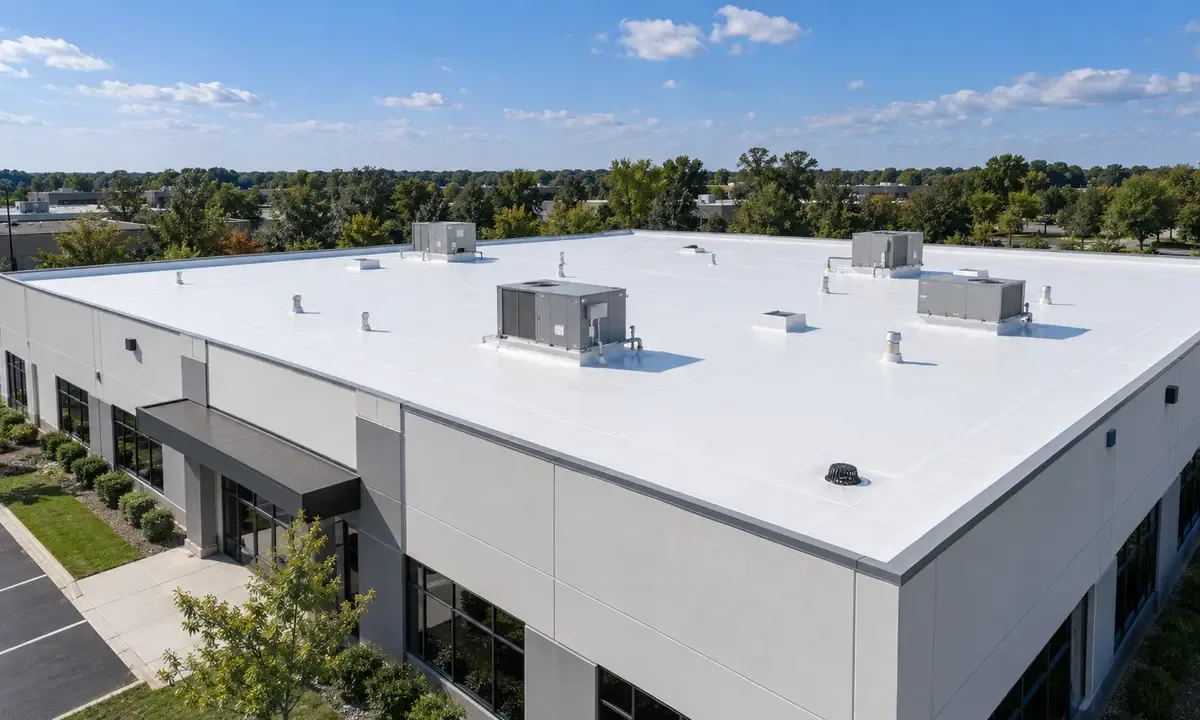
Roof work affects more than the surface. We coordinate access, deliveries, interior protection, noise, and the daily closure point with the property representative. Occupied-building reroofing can divide a large project into areas that can be completed and closed within a shift. For owners managing multiple locations, a multi-site roof program can keep condition reports and priorities consistent while each address retains its own repair scope.
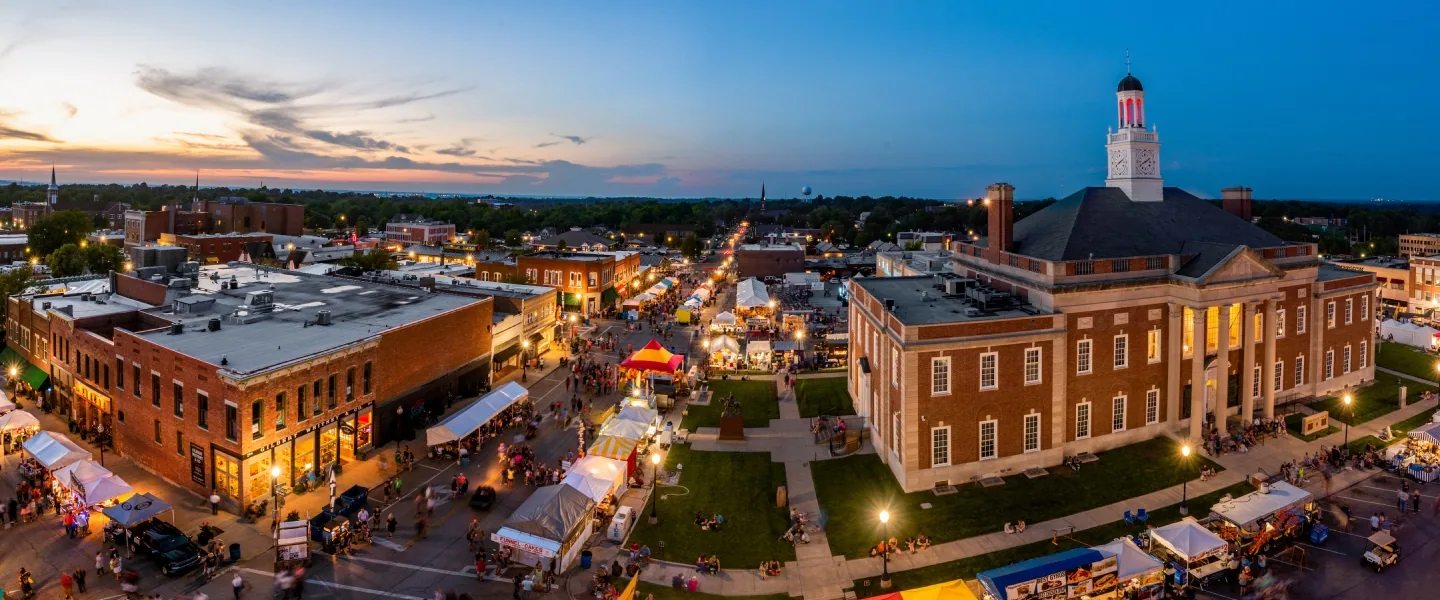
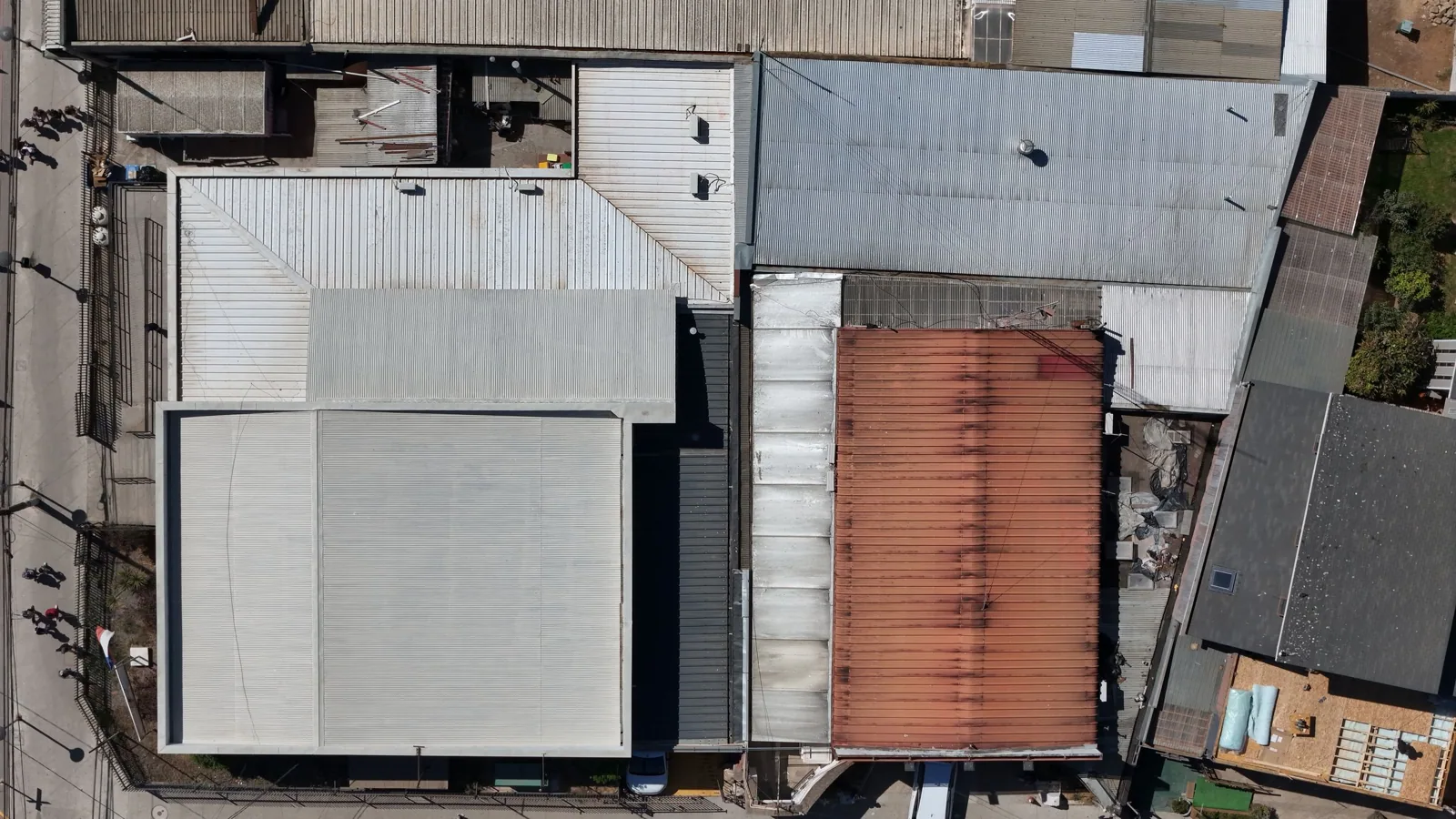
Local setting informs logistics without replacing inspection. Properties around Independence Square, Truman Road, or Eastgate Commerce Center have separate entrances and work conditions. We verify those at each address, then document the roof zone and material repaired. The same process works for industrial, retail, medical, institutional, and other commercial properties. The building's roof assembly and operating requirements determine the service sequence.
Separate the Leak From the Cause
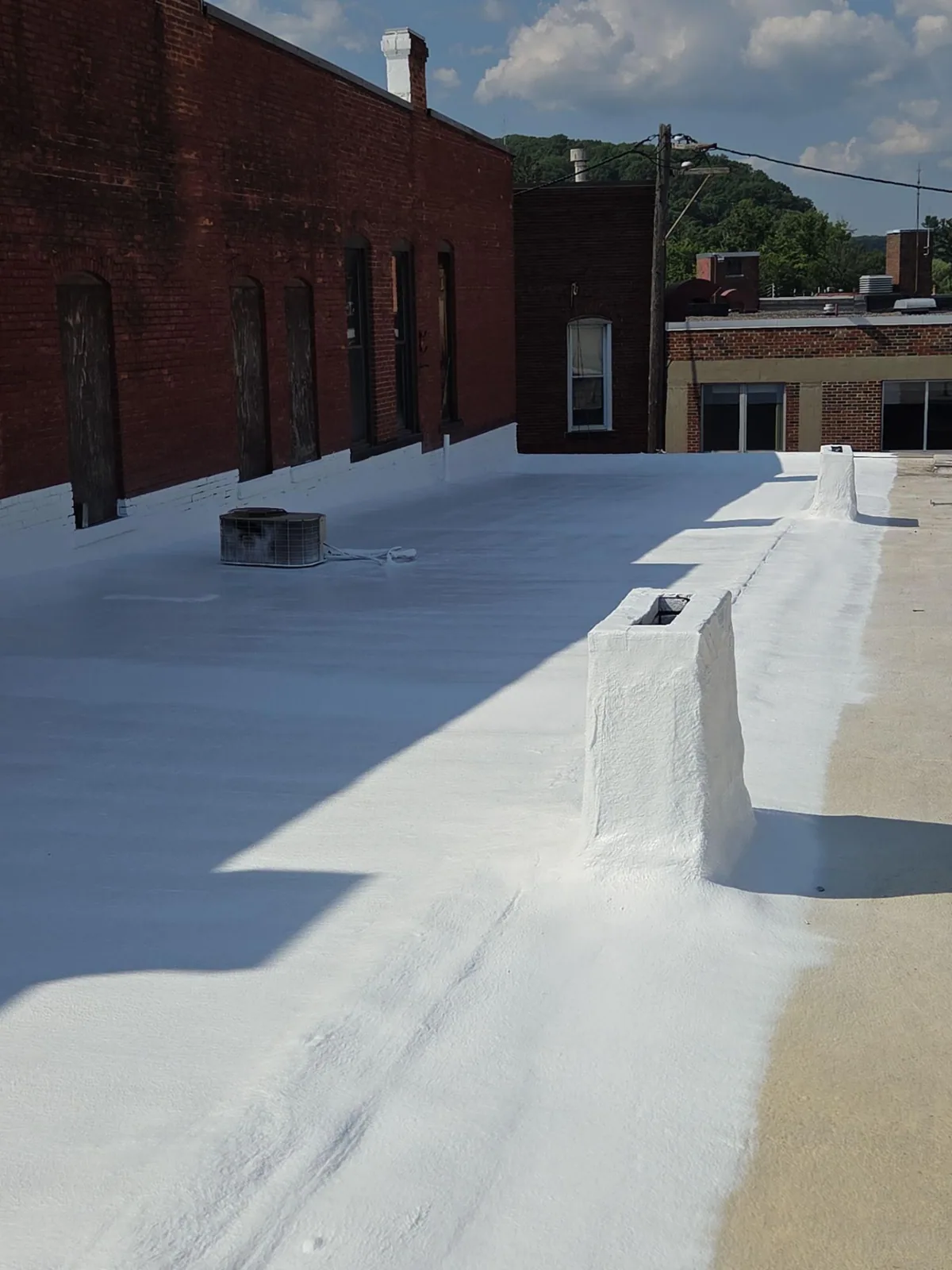
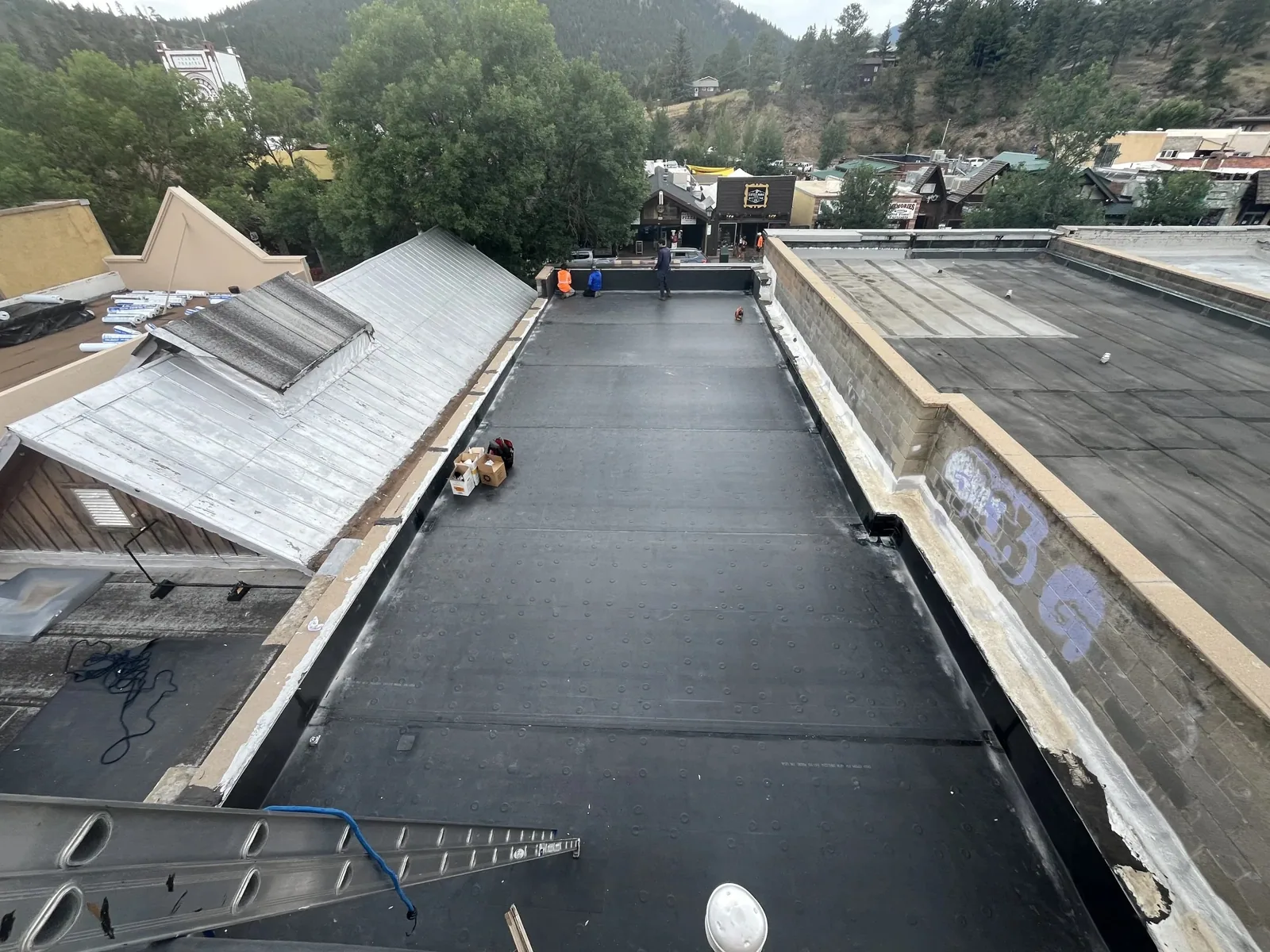
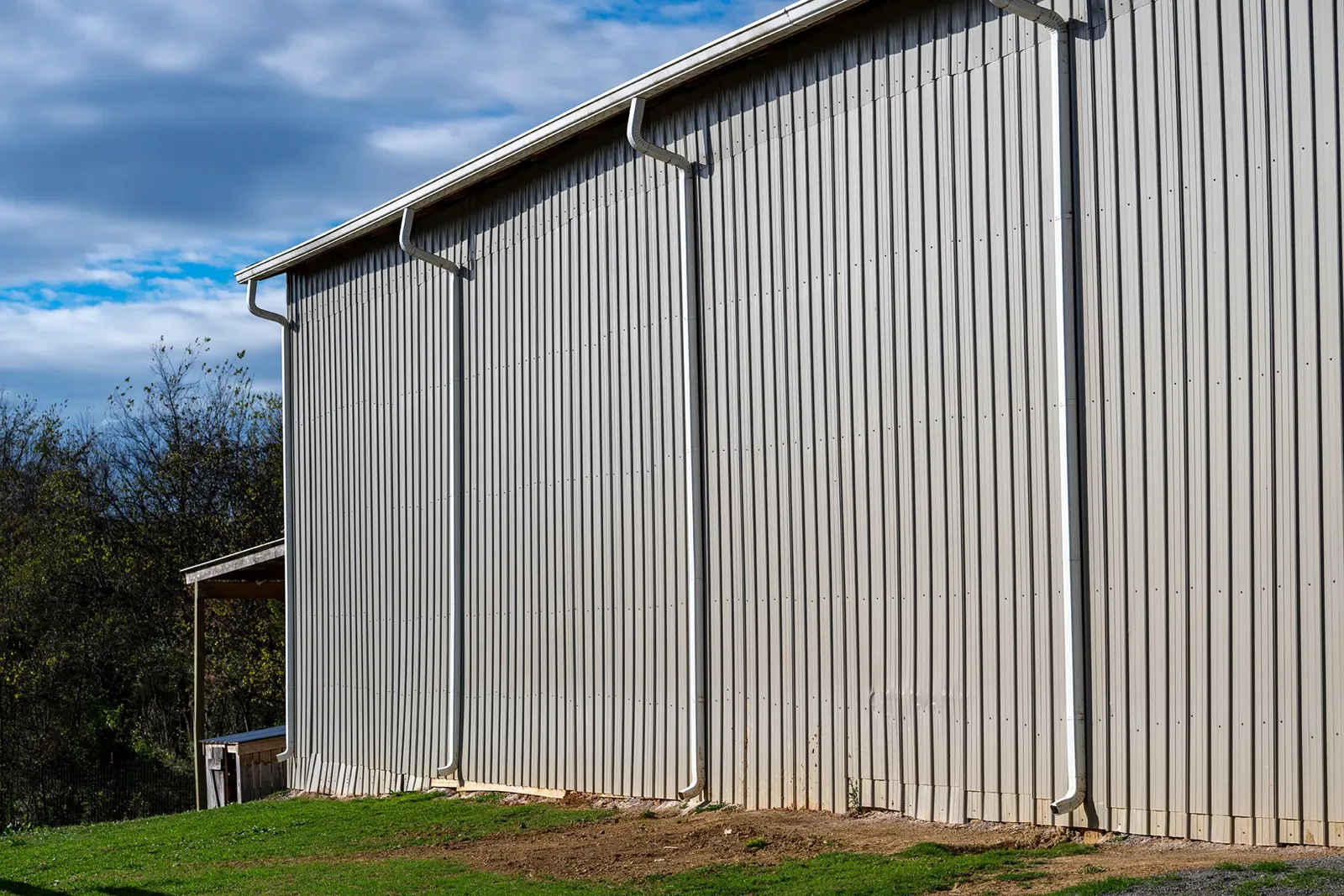
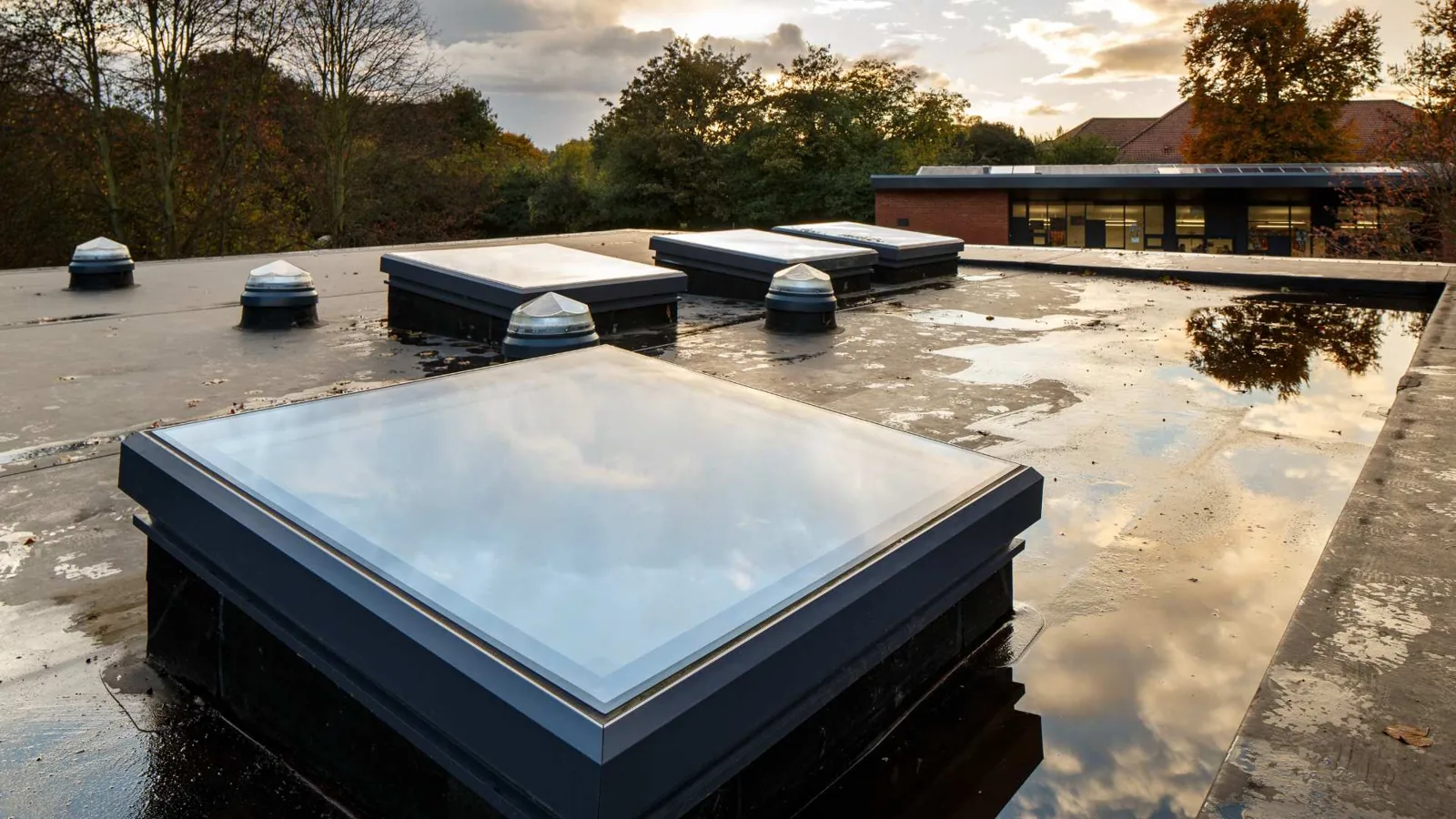
A ceiling stain records where water became visible, not necessarily where the roof opened. We compare interior evidence with seams, penetrations, wall transitions, and drainage points above it. For older commercial blocks near Historic Independence Square, access and roof geometry can differ from a broad retail or industrial building. The report records what was inspected and where a test opening may be needed before repair limits are set.
Set a Clear Work Boundary
Weather exposure and building use shape the sequence. Independence winter freeze and thaw can stress sealants and transitions, while summer heat affects the timing of membrane work. We plan material staging, safe access, protection below, and daily dry-in points with the site contact. A documented boundary distinguishes the area included in the work from concealed conditions that cannot be confirmed until the roof is opened.
Commercial Roofing Questions
How do you decide which service a roof needs?
We inspect the assembly and trace the water path. The documented condition determines whether to repair, maintain, test, or replace.
Can you work while a commercial building remains occupied?
The property contact sets access and interior protection requirements. We phase the roof area and close each section within the approved schedule.
What should a roof report include before I compare bids?
Look for the assembly, observed defects, photographs, repair limits, and unresolved conditions. We separate confirmed scope from items that need testing or tear-off.
Can emergency work become the permanent repair?
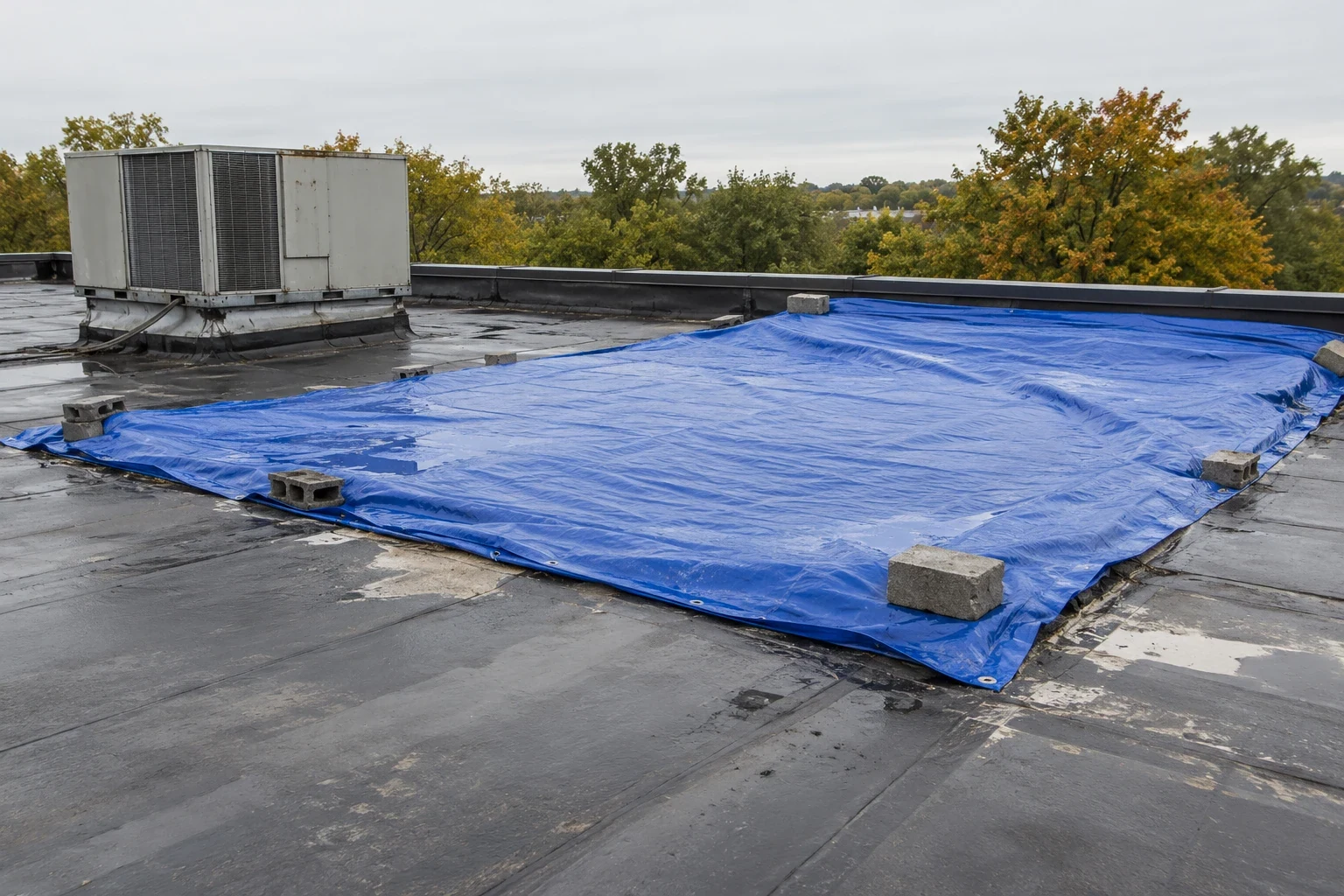
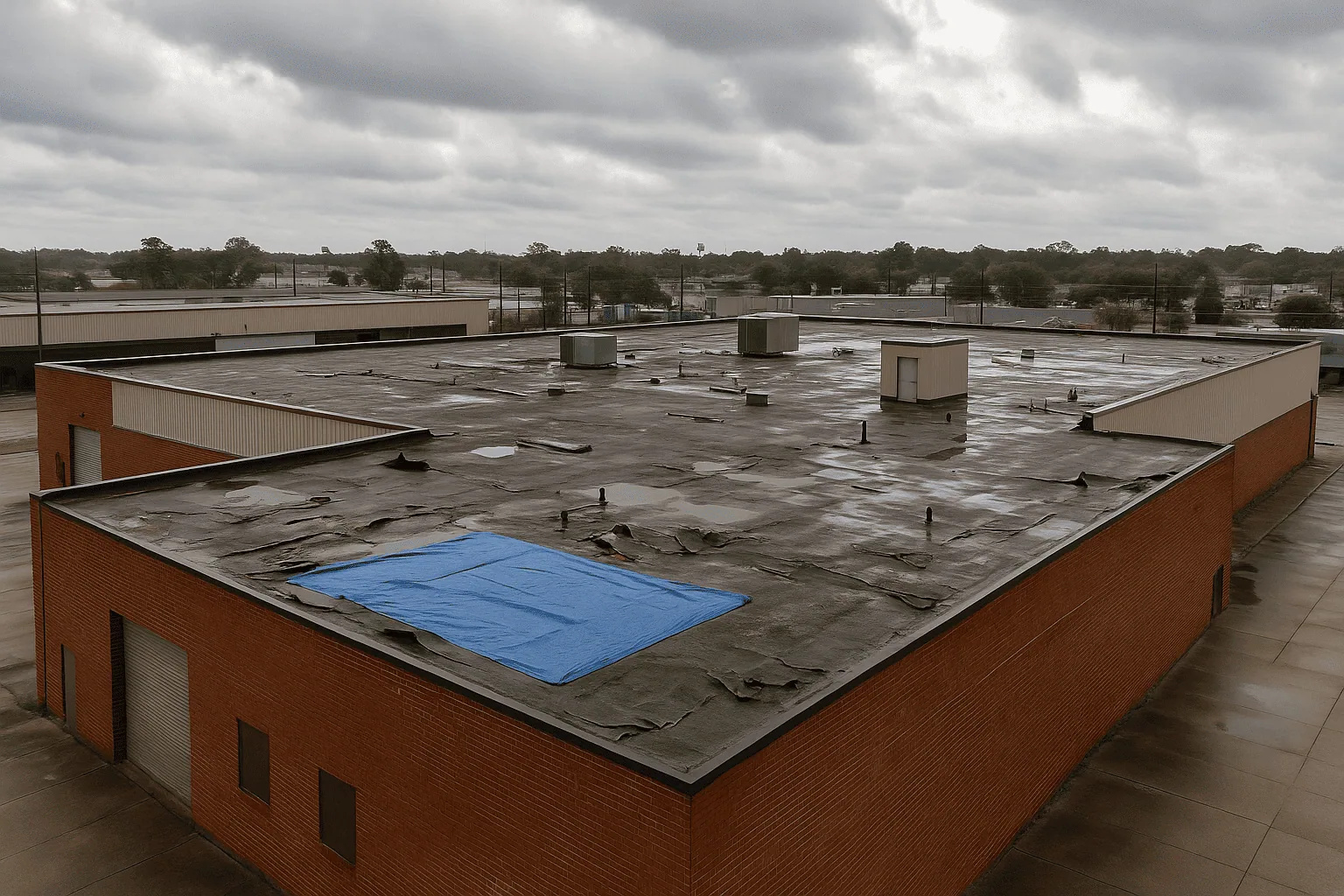
A temporary dry-in protects the building while conditions are assessed. We confirm substrate, moisture, and material compatibility before defining permanent work.