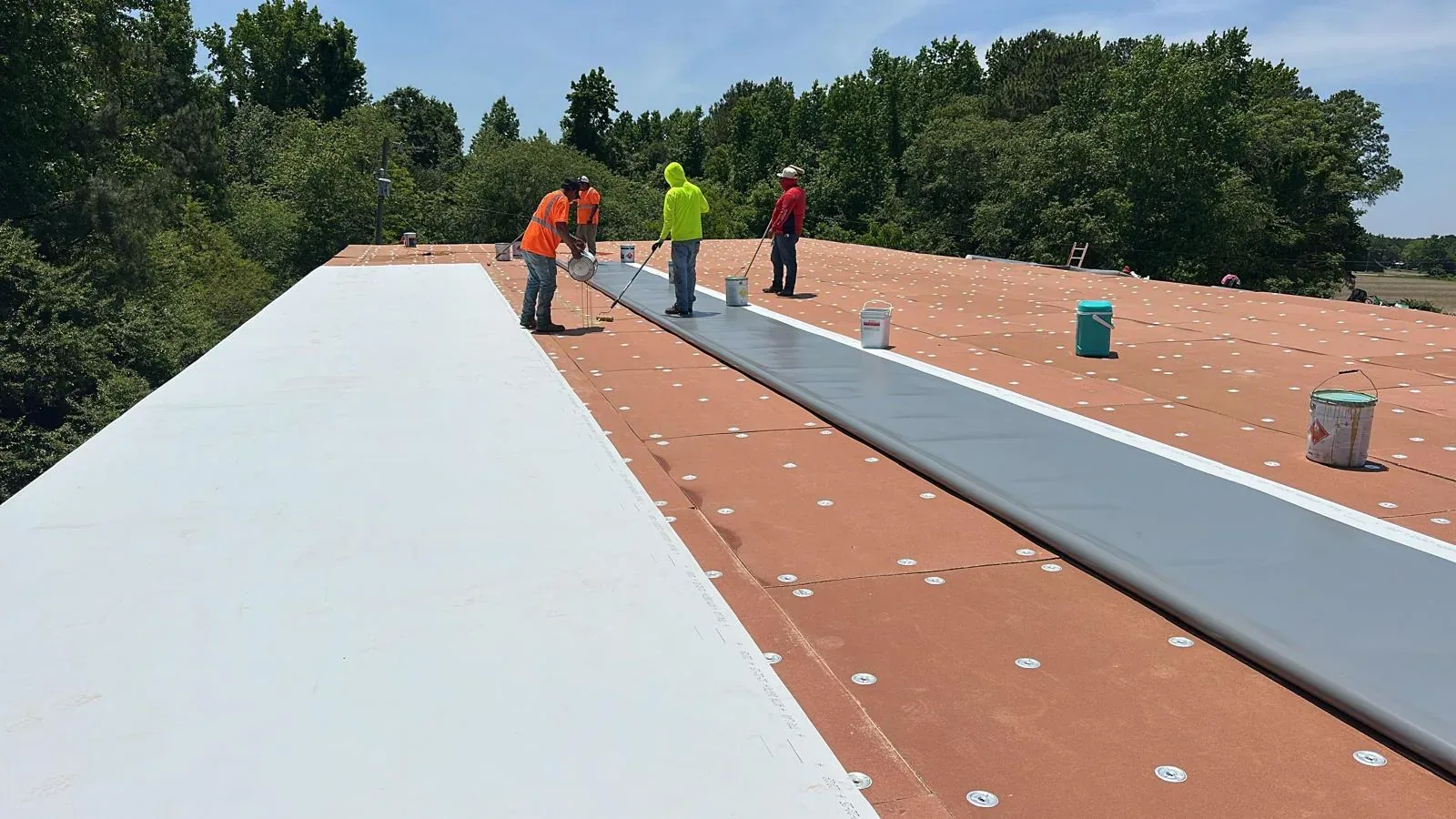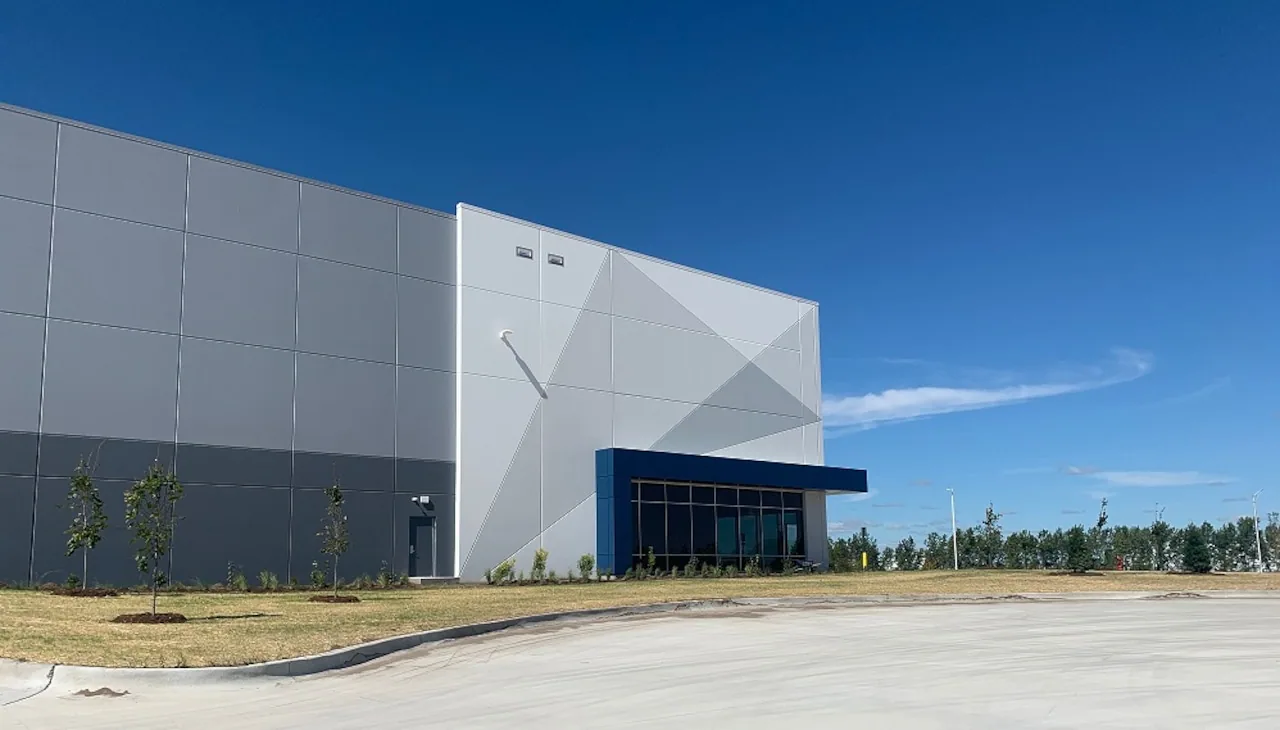
Plan distribution-center roof repair or replacement in Independence, MO with drainage, equipment, attachment, and operating-zone details documented before work.
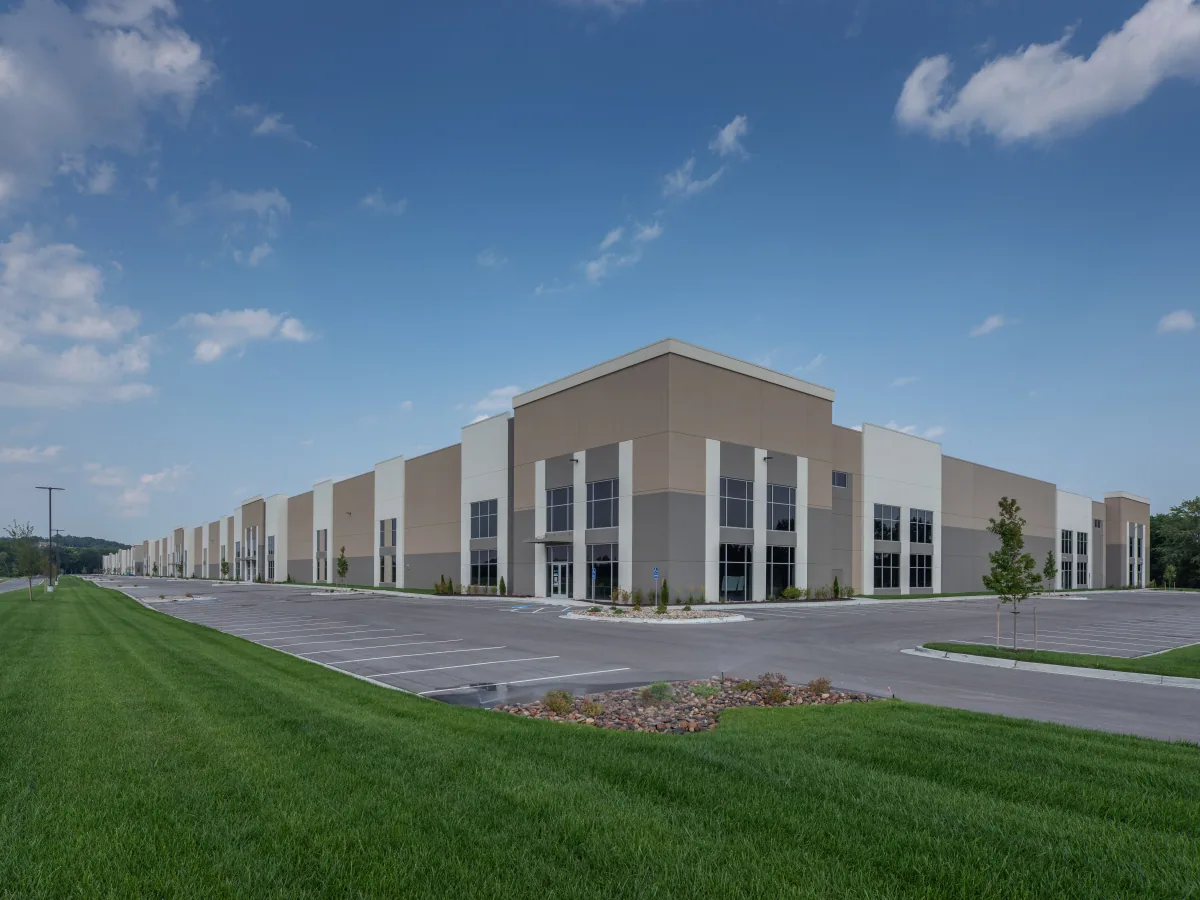
Distribution buildings depend on a predictable roof envelope. A leak over a sortation line, dock, or storage aisle can affect work well beyond the wet area. In Independence, commercial activity extends from Eastgate Commerce Center on Little Blue Parkway to the industrial operations at Buckner, Missouri. Those uses make access and staging real project questions. They do not tell us what a specific roof contains. We identify deck, insulation, membrane, attachment, and drainage before setting a repair or replacement boundary.
Operating Zones Set the Sequence
Distribution centers combine receiving, storage, picking, and outbound activity. The roof work plan has to follow the active zones below it. We locate interior leak reports, rack lines, equipment, and areas that cannot be exposed during operations. Then we compare those constraints with drains, roof openings, and membrane seams. That map helps us phase work in sections the crew can close before a shift ends.
The site contact identifies forklift routes, truck circulation, fire access, and controlled work areas. We confirm where materials can be staged and which roof access point avoids a busy dock. A delivery window can affect when insulation or membrane reaches the building. For a live facility, occupied-building reroofing is planned around a daily dry-in line and clear access for the people using the building.
Work overhead can affect product control even when the roof opening is small. We identify whether a zone needs a temporary barrier, a protected aisle, or a different work window. The site team can also flag temperature-sensitive goods and cleaning requirements. Those details do not change the membrane specification, but they do change how removal, debris handling, and end-of-day inspection are sequenced.
Water Moves Across the Deck
Water may move under a membrane before it appears at a ceiling or wall. A stain near a conveyor does not prove that the opening sits directly above it. We trace the path back through seams, penetrations, drain bowls, and changes in plane. Infrared imaging can help identify temperature patterns for follow-up, but visual checks and selective test cuts establish what the layers actually are. Findings are marked on a roof plan so later repairs can be compared with the same locations.
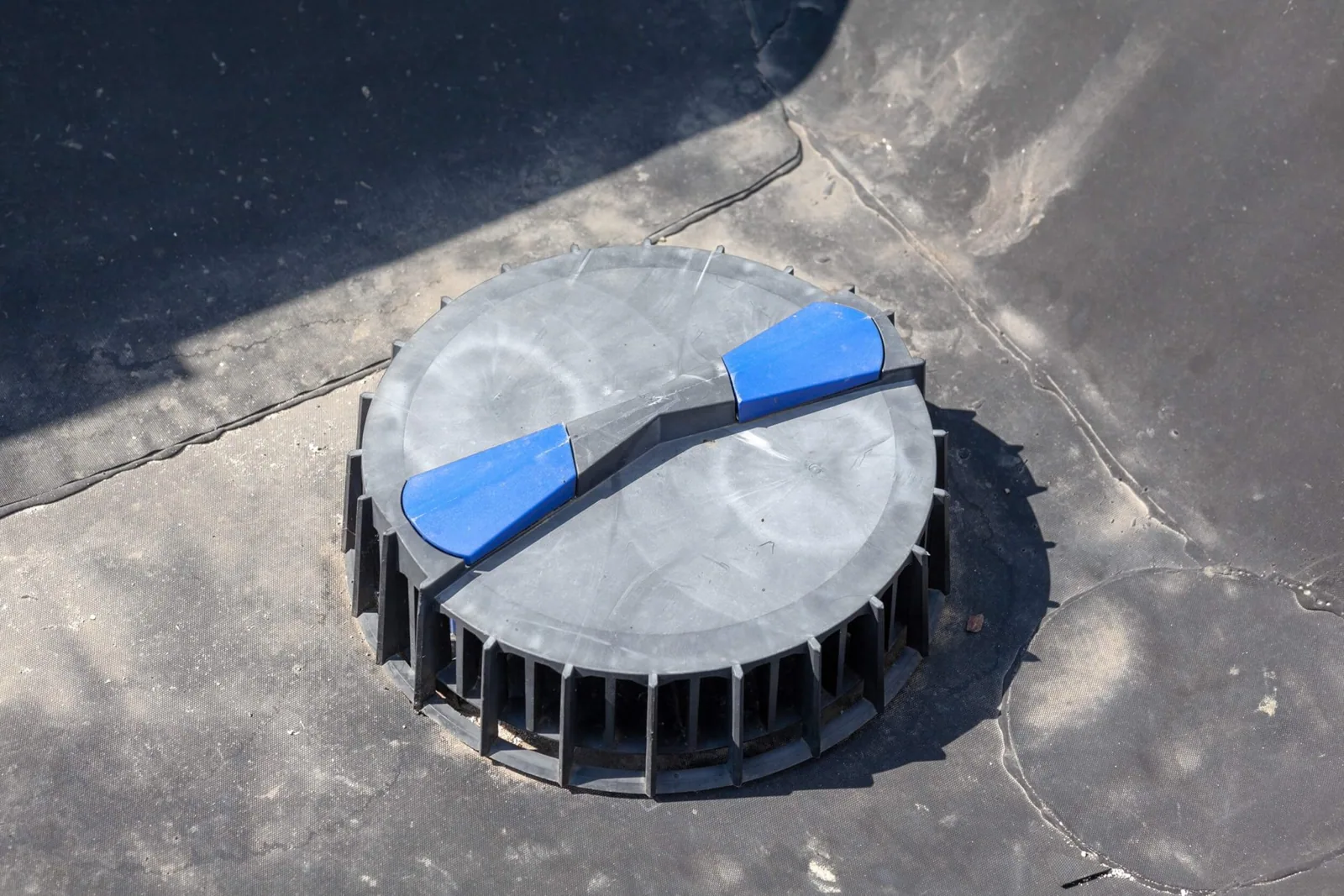
Drainage defects often combine. A clogged strainer, compressed insulation, and a low seam can hold water long enough to test a weak lap. We inspect the outlet and surrounding slope, then check whether the membrane remains bonded and the substrate can accept repair. If the outlet is the failure point, we address the assembly at the bowl and the surrounding field, with drain and scupper work coordinated to preserve the intended water path.
Equipment Loads Meet Wind Uplift
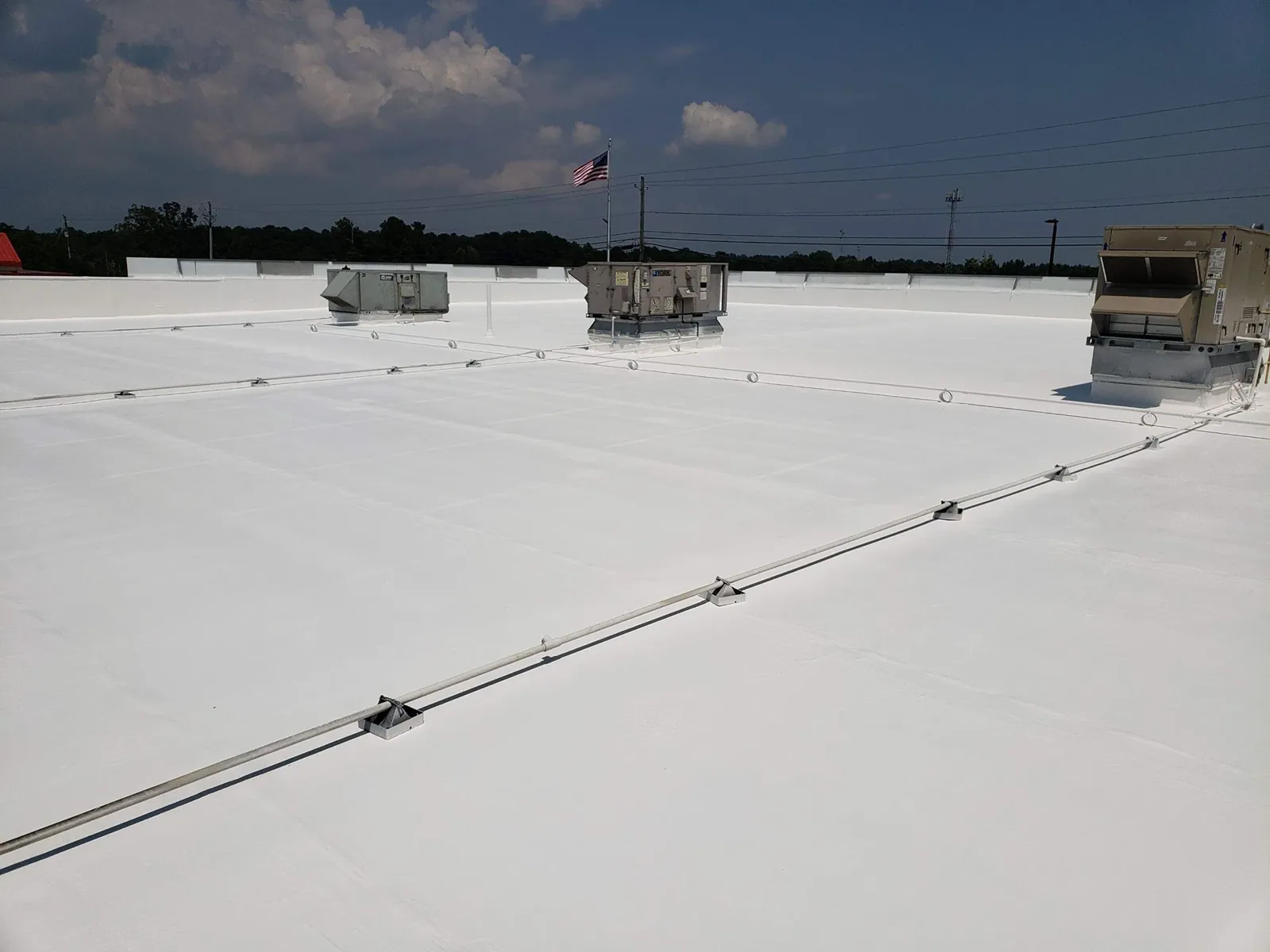
Mechanical units, exhaust fans, pipe stands, and service paths interrupt a large roof plane. Each curb creates a flashing interface, and each support transfers load toward the deck. We look for movement, open counterflashing, cracked sealant, and unsupported conduit that can abrade a membrane. If equipment changes are planned, the roof layout is reviewed before a new support or penetration is placed. That avoids concentrating foot traffic at a seam or blocking an existing drain.
Wind pressure tests attachment at edges and corners. We identify the existing system and fastener pattern, inspect perimeter metal, and verify the deck before considering an attachment change. The 2024 International Building Code and Existing Building Code apply in Independence, with local amendments published by the City. The design team must confirm requirements for the specific project and existing assembly. A TPO field membrane needs compatible flashing and a documented attachment path.
Local Conditions Change the Sequence
Repeated temperature cycling can open a lap or pull on a curb seal. Kansas City's official climate record is collected at its airport station, rather than at a particular distribution facility. The winter lows and summer heat provide context for material movement, while the roof inspection shows which interfaces have actually changed. We check the dry-in line and attachment before the facility chooses a full field repair.
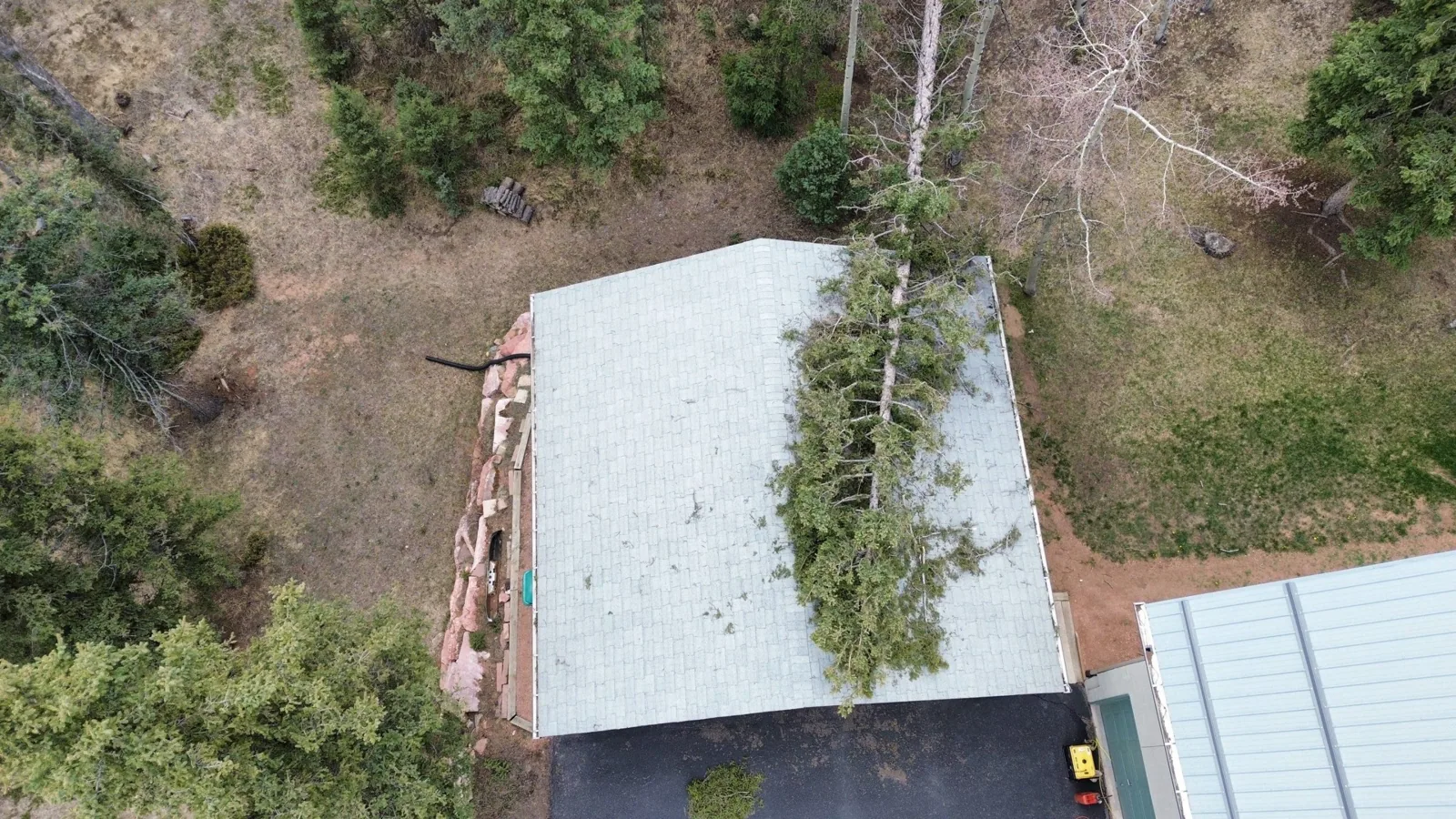
Wind is another local exposure. On June 8, 2022, the EF-2 tornado tracked through Jackson County near Buckner; observers logged wind damage northwest of Independence. That event report does not establish damage at a warehouse. After severe weather, we inspect panel edges, perimeter metal, rooftop accessories, and attachment points for visible displacement. If the roof shows impact or uplift, a wind damage review records the affected zones and their repair limits.
The Finding Sets the Repair Boundary
A localized repair is useful when the membrane is stable around the defect and the substrate is dry enough to bond. We clean and prepare the surface, repair the failed seam or flashing, and inspect the perimeter of the patch. If test cuts show widespread wet insulation, loose attachment, or deck damage, a small surface repair does not resolve the assembly condition. We define the affected area, show the evidence, and compare repair, recover, and replacement options against the operation schedule.
Independence’s industrial employment includes manufacturing and transportation-related activity in nearby communities. Sugar Creek's state-listed business sectors include transportation and warehousing, but those sectors do not describe the roof at any individual property. For multi-building owners, a multi-site roof program can keep observations and timing consistent. On one property, a warehouse roof assessment or cold-storage roof review may address different temperature and access conditions. We invite the contractor to schedule a roof review with the assembly, water path, and work limits recorded before mobilization.
Commercial Roofing Questions
How do you protect an active sortation area during roof work?
We agree on the work boundary with the site contact, match it to interior operating zones, and close each section the same shift. Temporary protection is planned before removal starts. If an opening exposes wet insulation or deck damage, we document the larger condition and confirm the next boundary before work proceeds.
Can a new roof be installed without stopping receiving?
Often the work can be phased, but access and loading schedules set the sequence. We identify safe material routes, staging areas, and any dock periods that must stay clear. A phased plan also needs a dry-in limit that fits the crew and the forecast.
What causes water to show up far from the roof defect?
Water can travel along a deck flute, insulation joint, or membrane interface before entering the occupied area. We compare leak reports with roof penetrations, seams, and drainage, then use test cuts if the layer path remains uncertain. The visible stain is one data point, not the repair location by default.
When should rooftop equipment be moved before reroofing?
Equipment moves when its curb, support, or service clearance prevents a complete and durable roof detail. We identify those conflicts during inspection and coordinate the sequence with the mechanical contractor. The work plan records what is lifted, protected, reset, or left in place. Equipment that blocks access to seams, curbs, or drainage should be identified during preconstruction. The roofing plan needs to state who disconnects and resets each unit, how openings are protected, and who verifies the final curb flashing. Loading patterns and shift changes also affect where materials can be staged. A zone plan should keep receiving routes clear while giving crews enough room to remove wet layers and close each work area at the end of the shift. Before mobilization, reconcile the equipment list with roof access and crane or lift plans. That prevents a unit from being stranded over an open section or requiring a curb detail after the membrane crew has moved on.