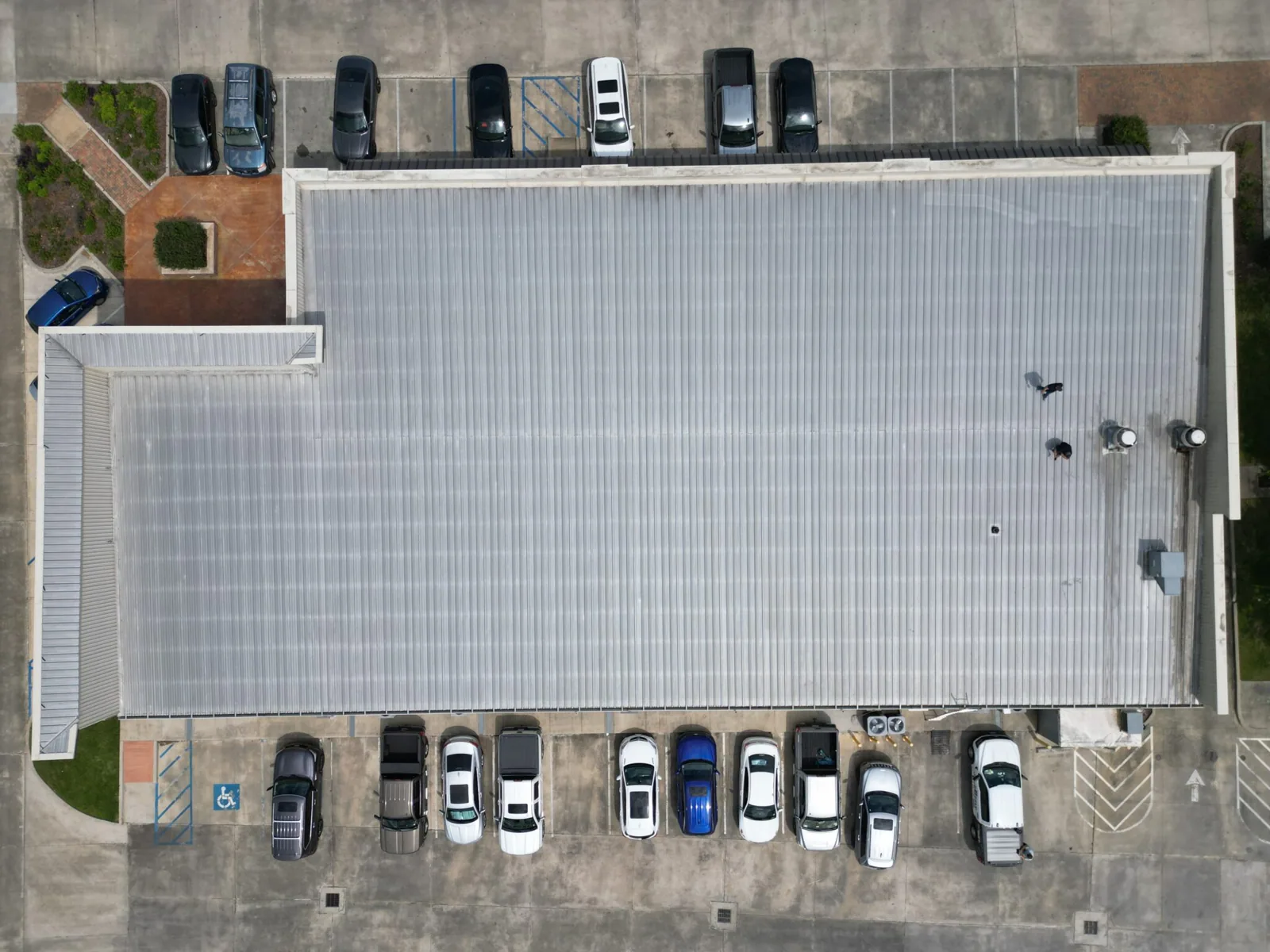
Commercial roofing at Eastgate Commerce Center in Independence, MO, starts with assembly checks, drainage review, and a repair or replacement scope.
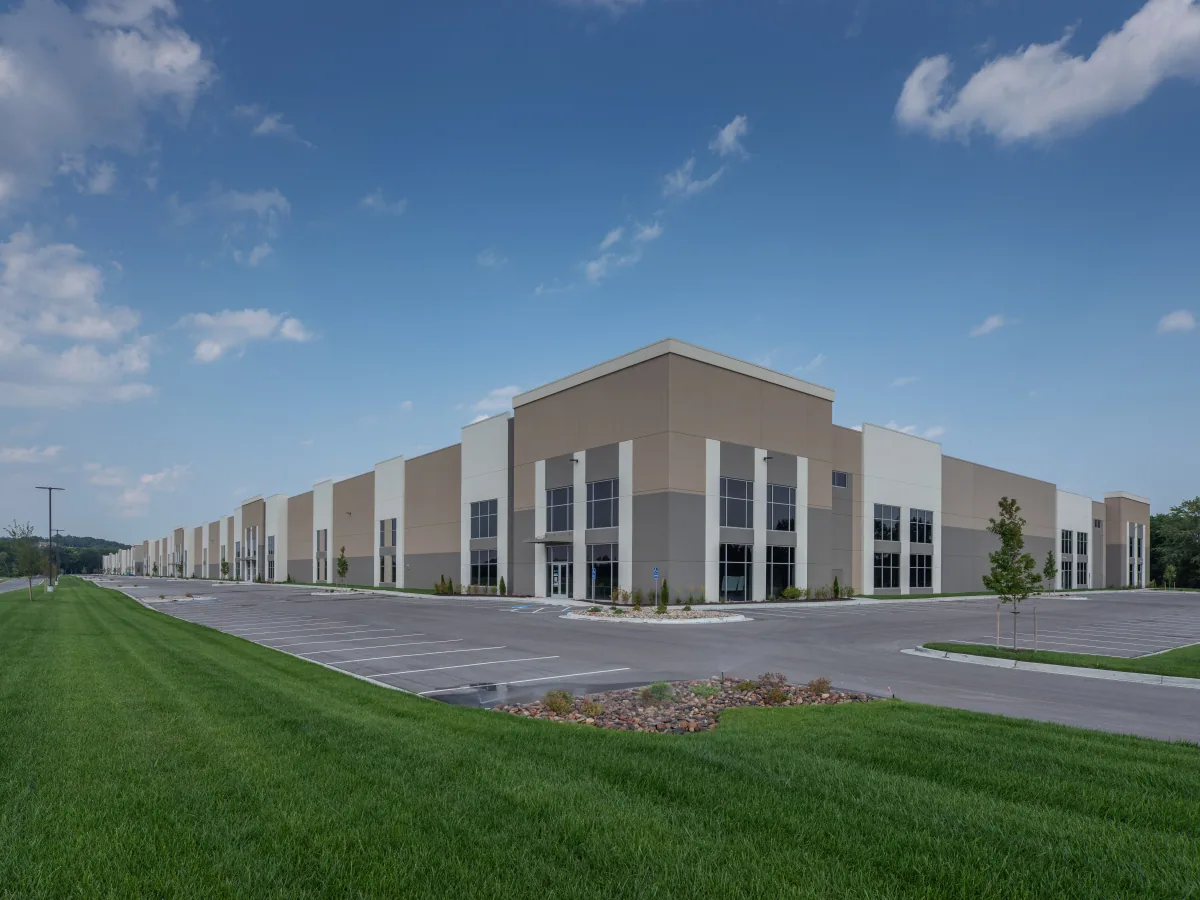
New commercial buildings at Eastgate Commerce Center call for a clear roof record from the first service visit. Independence permit reports list Buildings A2 and A3 as new commercial construction. That record confirms activity in the development, but it does not identify any roof assembly, deck, insulation, or drainage design. We inspect those components before planning repair, maintenance, or a future replacement. The property team receives a field-based baseline for future service decisions.
Eastgate sits within the broader Little Blue Valley planning area in eastern Independence. Road and land-use context helps coordinate access, but roof decisions come from field conditions. We photograph membrane seams, edges, curbs, drains, penetrations, and interior signs of moisture. A commercial roof inspection should connect each observation to a water path or assembly detail. The result can guide a small repair now, a maintenance task, or a funded capital project later.
Start With the Installed Assembly
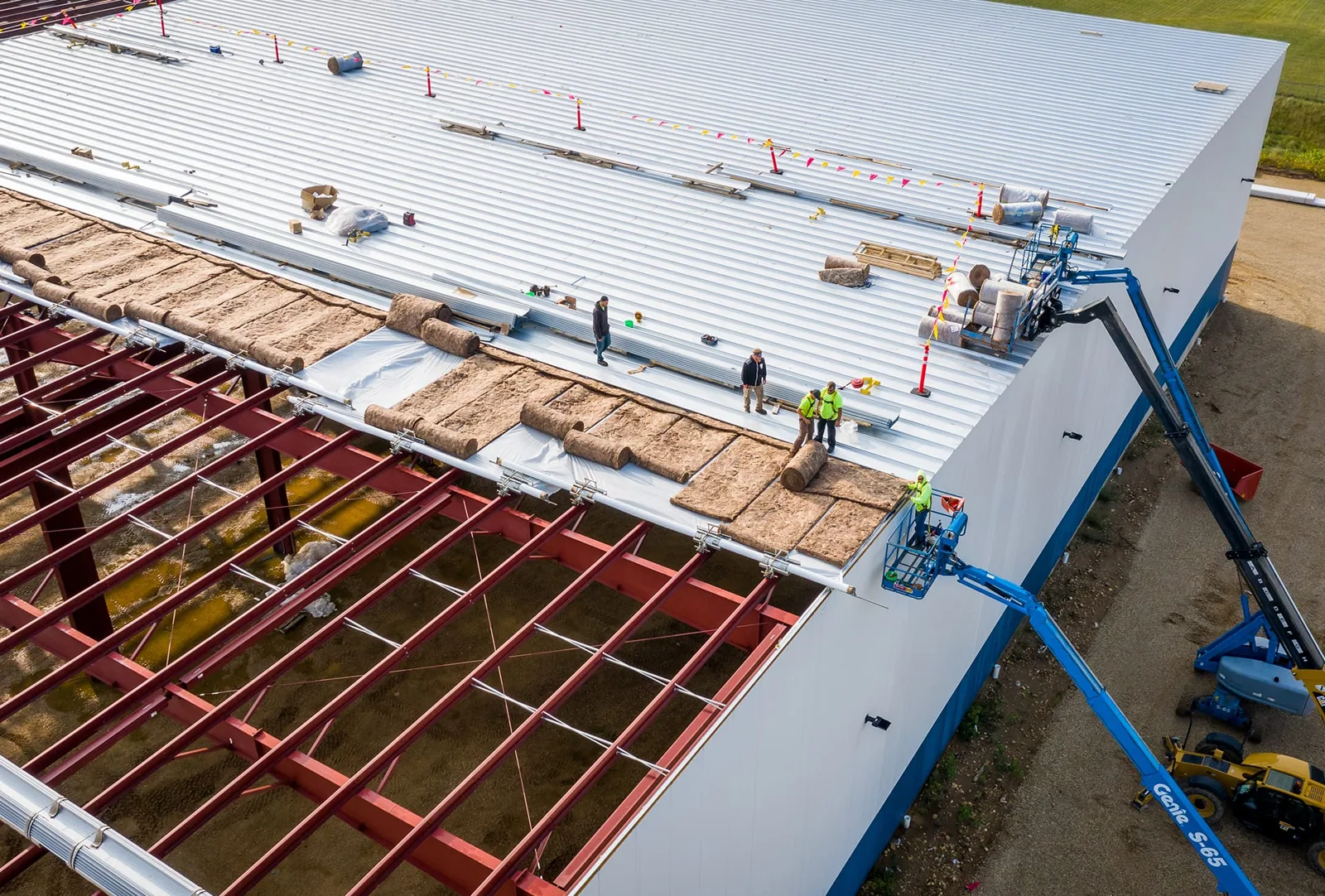
A permit record does not say whether a roof is TPO, PVC, EPDM, modified bitumen, or metal. That matters because each material has different seams, flashings, attachment, and compatible repair products. We check field markings where available, inspect exposed edges and penetrations, and compare those observations with available closeout documents. If the roof has more than one layer, we identify the visible build-up and note where a test cut would be needed to confirm concealed layers.
New construction still needs careful review. Construction traffic can leave punctures or compressed insulation. A curb installed after the main membrane may have an incomplete transition. A drain can collect debris before a building’s maintenance routine is established. We record each item by roof zone and distinguish a surface condition from a confirmed defect. A documented roof inspection can also set reference photos for later warranty or service discussions, without assuming what coverage applies.
Trace Drainage Before Repair
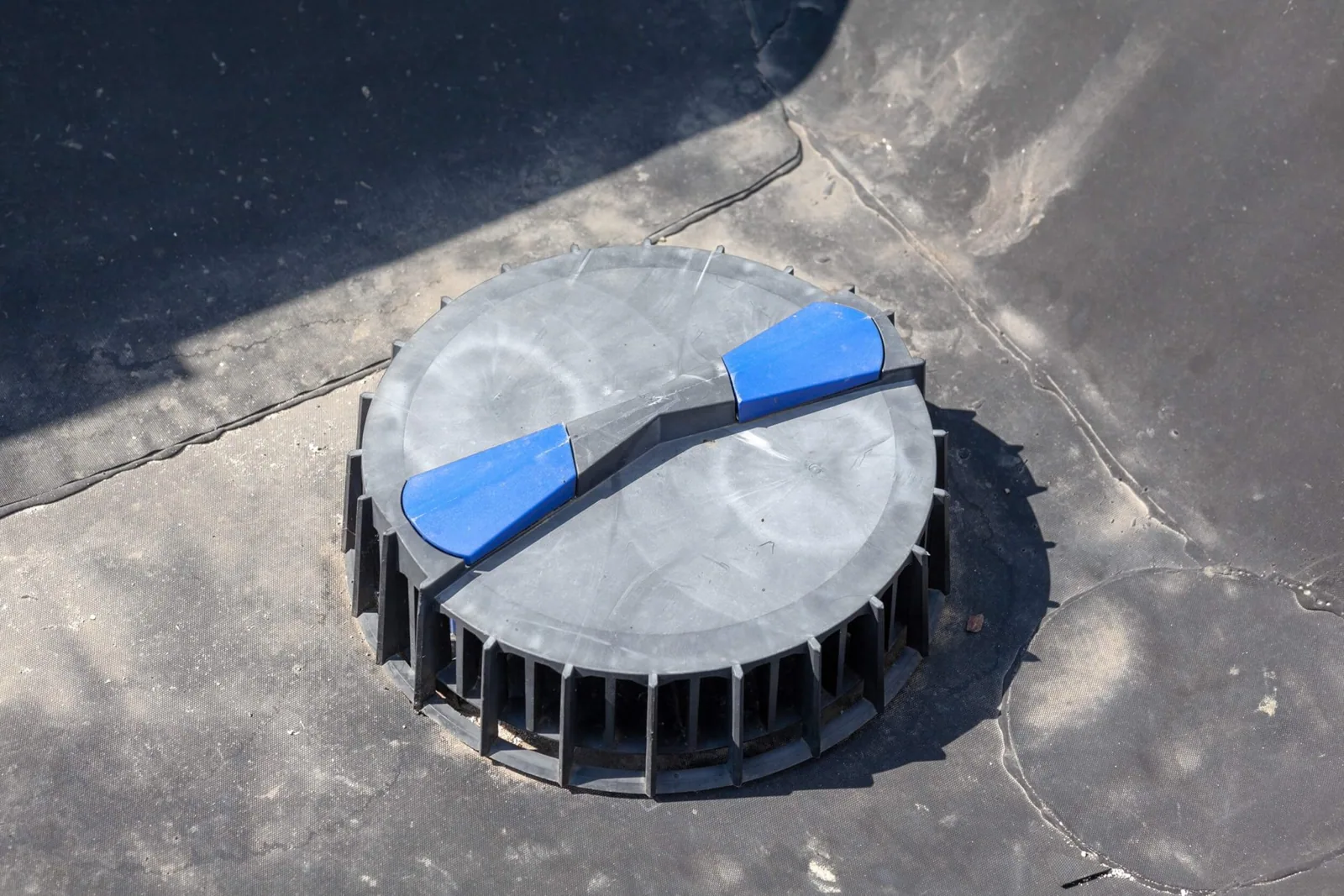
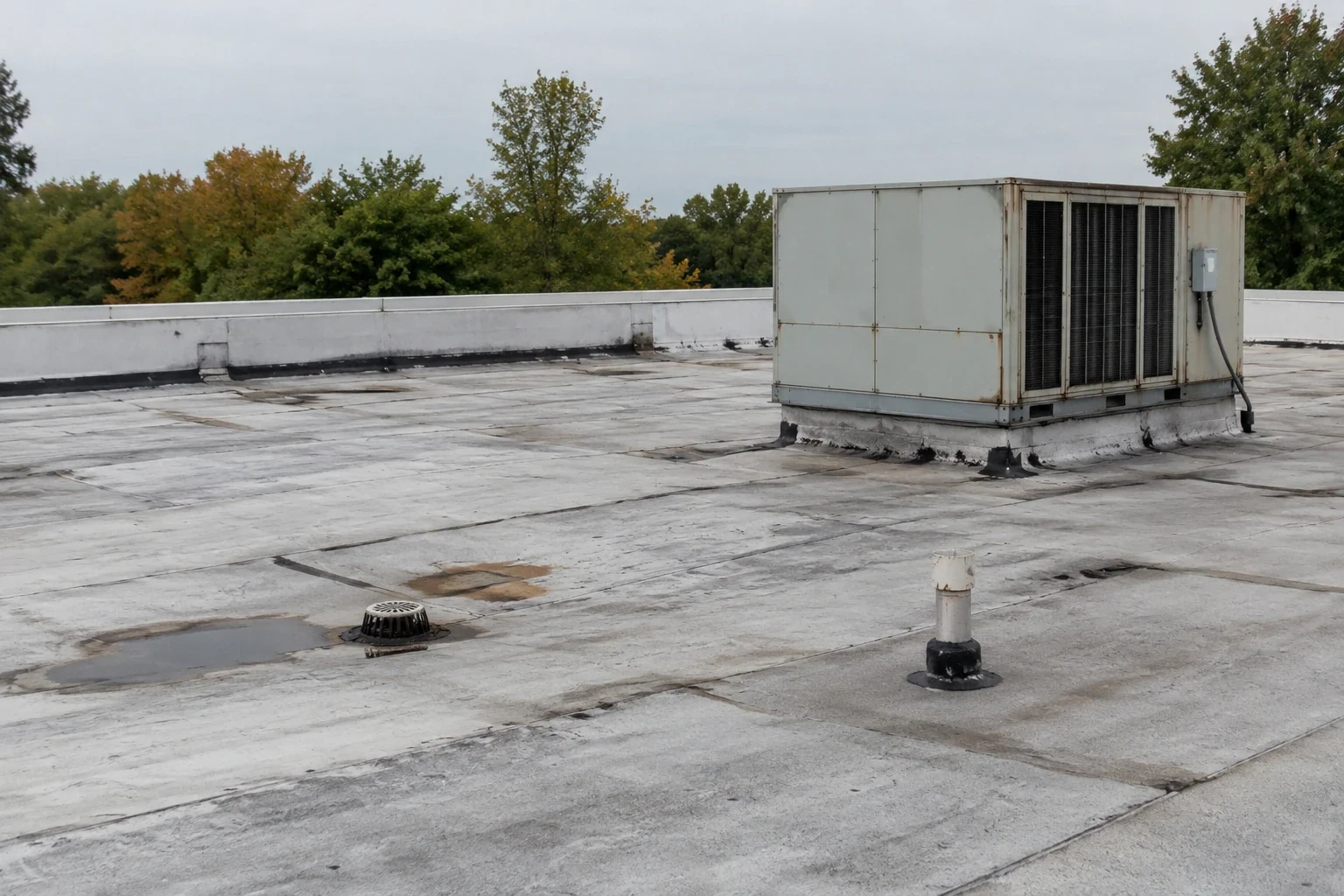
Water should move from the roof surface toward drains, scuppers, and designed outlets without crossing an open seam or flashing edge. We check slope, drain bowls, strainers, overflow points, and the condition of nearby membrane. If water remains after normal drainage time, we record its depth and footprint, then look for blocked outlets, deflection, or an installation detail that interrupts flow. A pond by itself does not tell us whether insulation is wet or whether the deck has moved.
The repair depends on that distinction. Clearing a blocked strainer may restore flow; adding sealant to a low area does not correct the slope. For a localized leak, drain and scupper work can address the outlet detail, while a broad wet area may need testing and a larger scope. We can use infrared moisture survey methods to map temperature differences for follow-up testing. The report identifies what was observed and where further confirmation is required.
Plan for Independence Weather
Independence roofs face seasonal cold, freeze-thaw movement, spring hail exposure, and summer heat. Those conditions affect different parts of an assembly. Cold can stiffen materials and expose brittle details. Repeated temperature change moves metal edges and penetrations. Heat affects adhesive working time and membrane handling. We check current conditions and product instructions before scheduling an installation step, then protect open areas if weather interrupts the work.
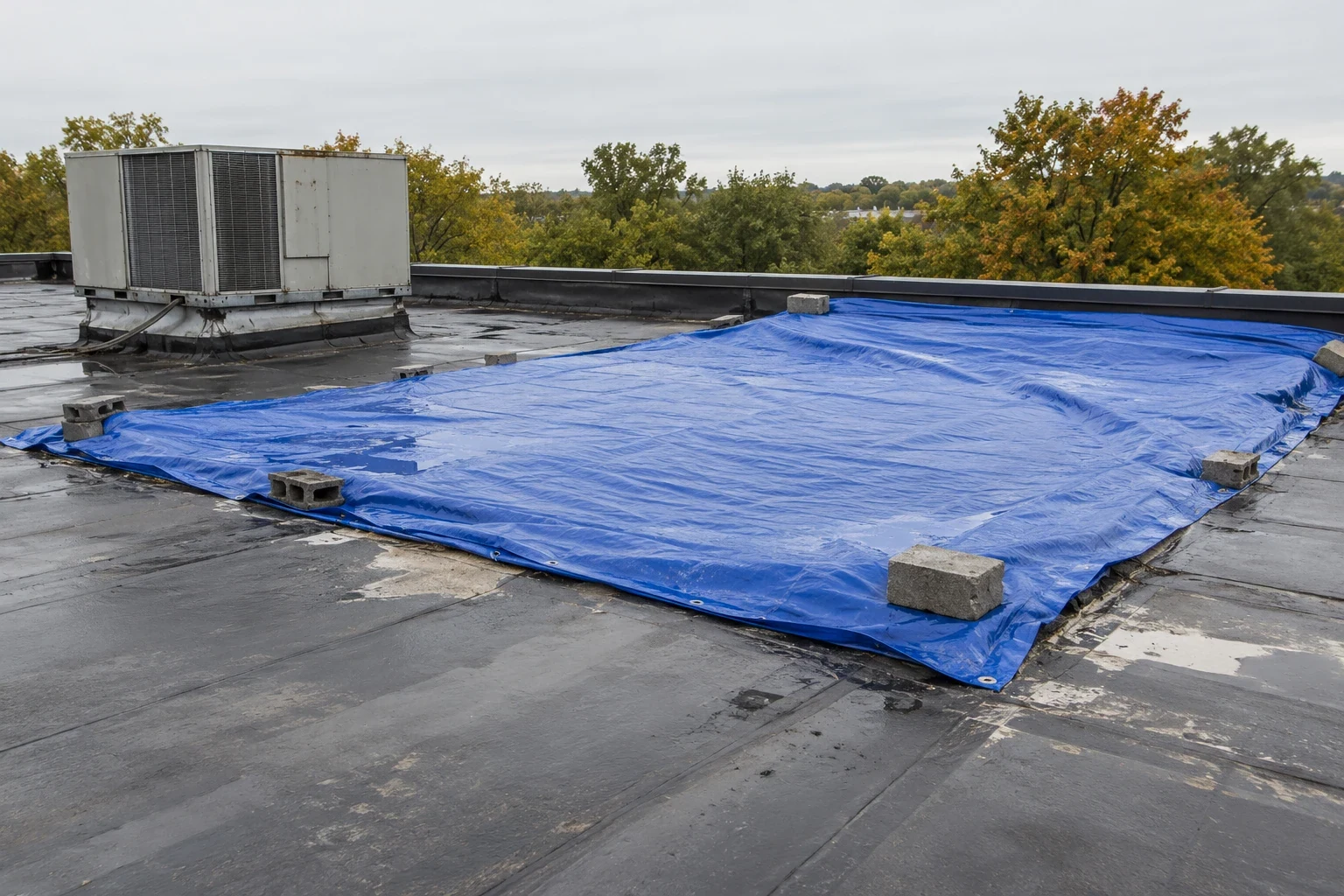
At Eastgate, a maintenance plan can include drain clearing, seam and flashing review, and photographs after significant weather. The interval should follow roof condition, drainage performance, nearby tree or equipment exposure, and access needs. A leak reported after a storm needs a prompt temporary measure if water is entering the building, followed by a full review once conditions are safe. Our around-the-clock emergency response can help stabilize an active leak, with permanent repairs set after the assembly and damage boundary are checked.
Keep a Useful Roof Record
A short inspection record can prevent repeated troubleshooting. For each visit, we note the roof zone, observed condition, likely water route, immediate protection, and recommended next step. Photos should show context as well as close detail, so a later reviewer can locate the condition. We separate verified damage from an area that needs testing. That distinction helps an owner plan work without treating an uncertain condition as a completed diagnosis.
Eastgate Building A2 and A3 appear in the City’s March 2023 permit report as new commercial buildings. A baseline inspection can preserve the condition visible at handover and identify items needing attention before they affect tenant operations. Preventive maintenance can keep drains and accessible details under review. If the inspection finds several repair zones, a photo condition report can organize urgency and scope for the property team.
Set a Repair Boundary
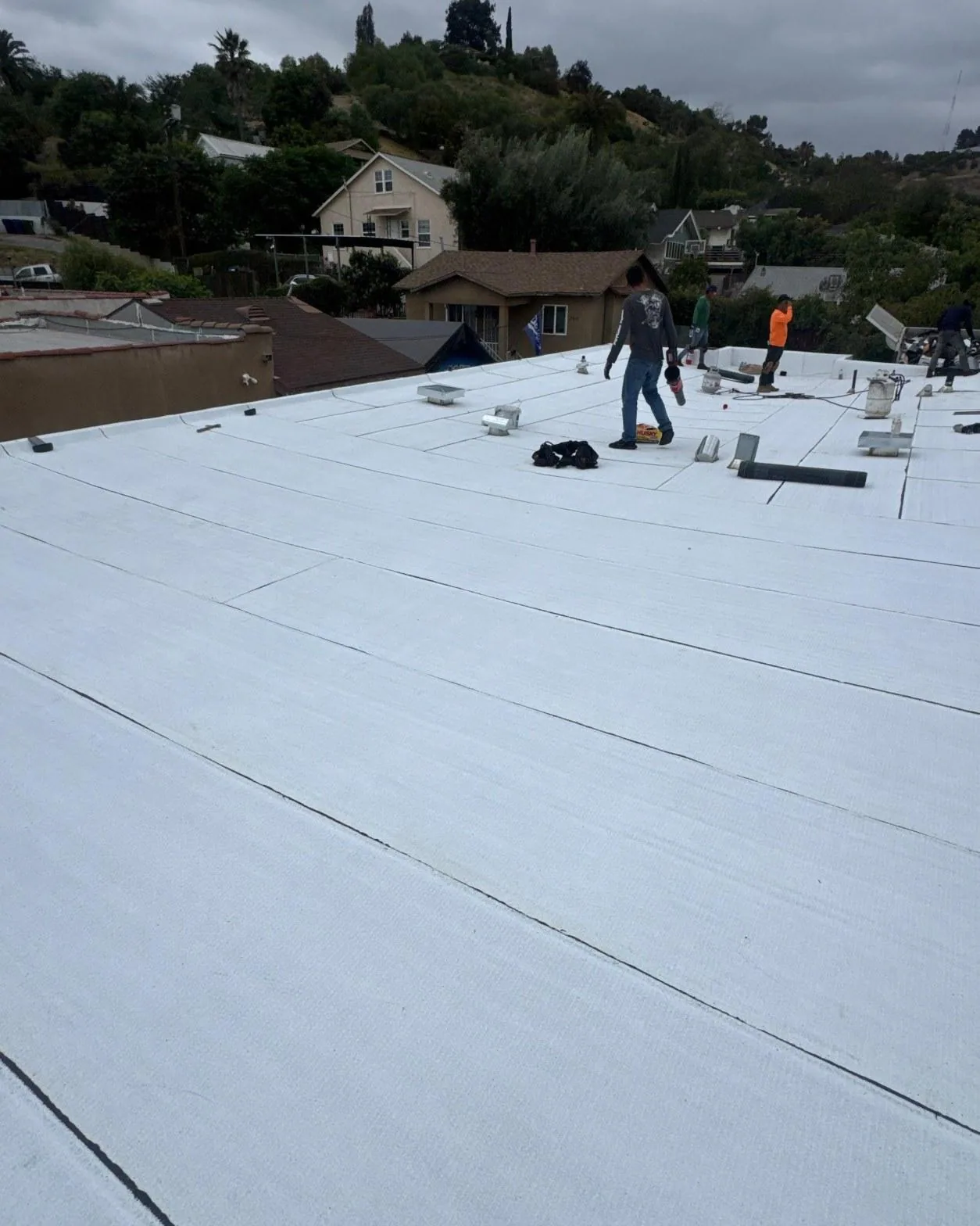
Good repair work has a defined edge. We remove loose or damaged material until the remaining surface can accept a compatible patch, then prepare and tie in the repair according to the membrane or flashing material. A wet substrate, failed attachment, or recurring leak can make a surface patch inadequate. We explain the condition that changes the repair from localized work to a larger opening or replacement area before proceeding.
For a roof that remains serviceable, selective repairs and continued maintenance may preserve the assembly. Where moisture or widespread deterioration is present, we compare removal and replacement with an eligible recover system, subject to code, deck capacity, existing layers, and manufacturer details. Commercial roof repairs should include the material, location, and reason for the chosen limit. A scope that states what remains untouched is easier to inspect after the work is complete.
Coordinate Access and Work
S Little Blue Parkway gives the service team an address reference, while the site contact confirms the actual entry, roof hatch, ladder point, loading rules, and operating schedule. We plan material staging and any lift or hot-work controls around the building’s conditions. If occupants or deliveries could be affected, the work plan should identify the noisy, blocked, or temporarily exposed area before the crew begins.
The Little Blue Valley plan guides land use, transportation, and economic development across much of eastern Independence. For a roofing visit, the practical value is route and access coordination, not an assumption about the building. We confirm roof access with the owner, protect interior areas beneath active work, and secure materials at the end of each shift. For larger work, occupied-building sequencing can keep the roof scope aligned with daily operations and weather windows. The Little Blue Valley plan guides land use, transportation, and economic development in eastern Independence. Commercial properties at Historic Independence Square have their own access and inspection requirements.
When planning a repair across more than one roof section, label each area and keep its findings separate. A shared development name does not mean adjacent buildings have the same membrane, age, drainage layout, or access point. The property representative can confirm which building is included, where crews may stage, and whether deliveries or tenants need notice. The proposal should identify the tie-in at each section and state what happens if an opening exposes wet insulation or a damaged deck. This lets ownership compare a limited repair with a coordinated larger scope without carrying one building's condition into another.
Commercial Roofing Questions
Can you identify the Eastgate roof type from its permit listing?
No. The permit report identifies new commercial buildings and their addresses. We inspect membrane, edge, penetration, and exposed assembly details before naming the roof system.
What belongs in an early roof inspection?
We record drainage, seams, flashings, curbs, penetrations, roof edges, and interior leak evidence. Photos and a repair priority make the first record useful for future comparisons.
Does standing water mean the roof has failed?
Standing water needs measurement and a drainage review. We look for a blocked outlet, deck movement, wet insulation, or a slope issue before selecting a correction.
Can service work happen while the building is operating?
Often, with access, noise, staging, and protection planned in advance. We identify any area that must be isolated and schedule exposed work around safe weather windows.