Evaluate commercial roof exposure in Independence, MO with due-diligence surveys, repair boundaries, reserve inputs, and comparable asset records.
An investor reviewing a commercial asset needs to know what the roof is, what has failed, and what evidence supports the next capital decision. A listing description or seller's estimate cannot confirm hidden layers, moisture, or attachment. Independence has redevelopment activity on Historic Independence Square and permitted commercial construction at Eastgate. Those different property contexts make a site-level roof survey essential before acquisition, refinancing, or portfolio budgeting. We identify the assembly, test where needed, and separate present repair from future replacement risk.
Inspect Before Pricing the Exposure
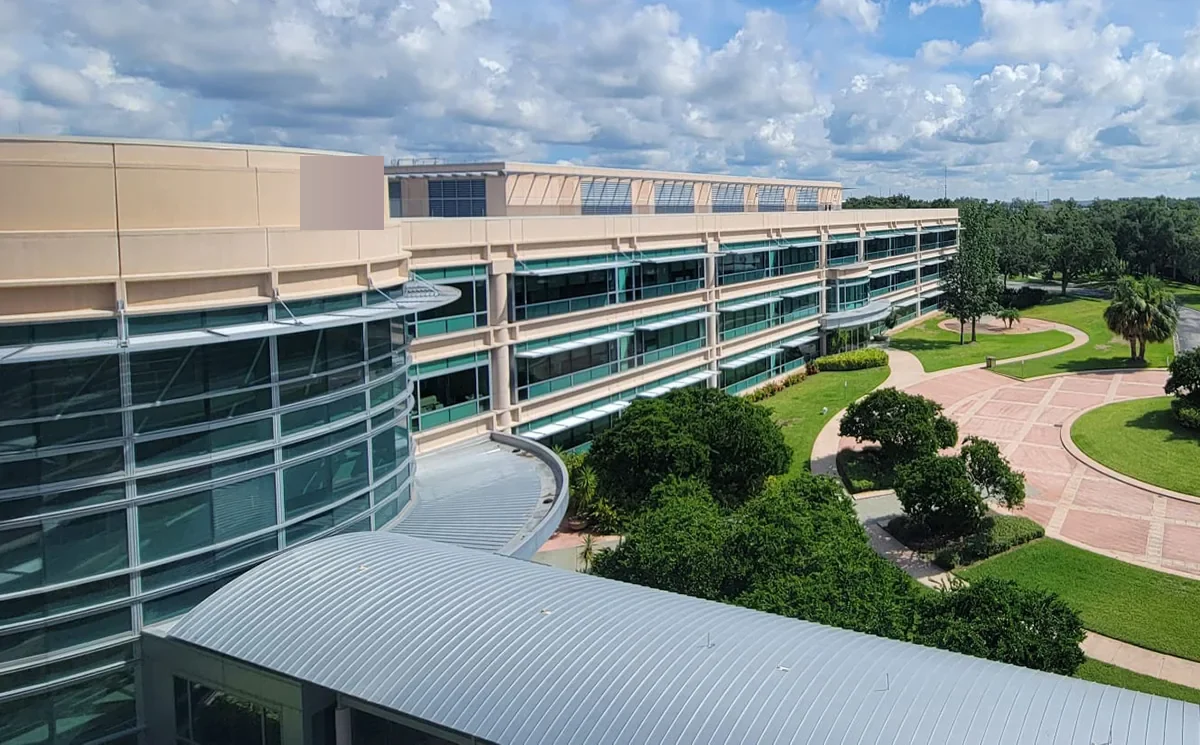
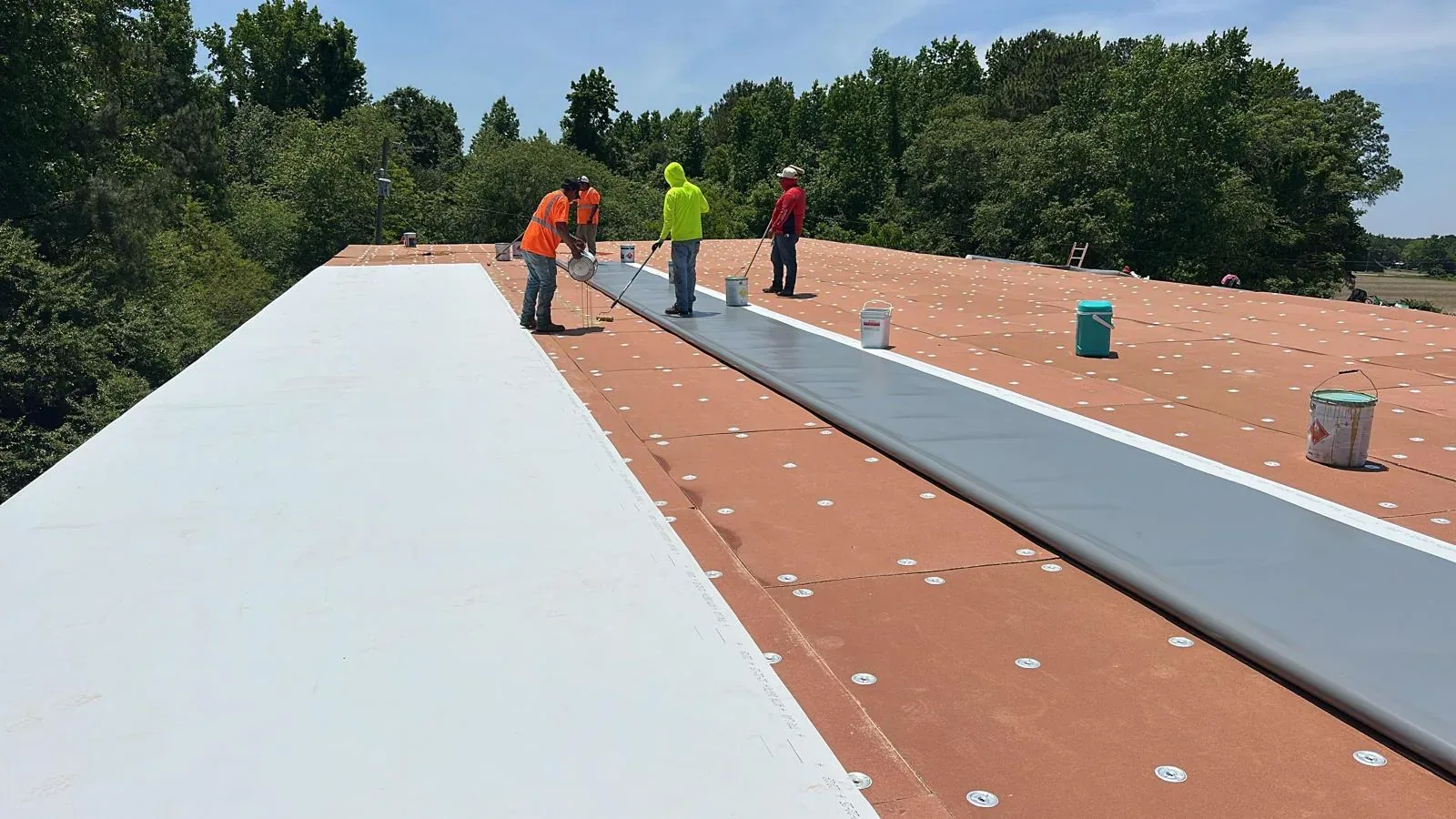
Start with the roof plan, construction history, maintenance records, warranty documents, and prior leak tickets. Compare those records with the roof in place. Identify membrane or panel type, deck, insulation, slope, drainage, edge conditions, penetrations, and visible repair history. If an addition is present, treat its assembly as a separate area until continuity is confirmed.
Selective core cuts can verify concealed layers and help locate wet insulation. Use representative points across different elevations and repair zones, with permission from the owner. Moisture scanning can direct testing but does not replace a core or prove every concealed area is dry. Record the test map, photographs, and limits. A roof due-diligence survey gives the buyer a field record to compare with seller documents and proposed capital assumptions.
Distinguish active leaks, deferred maintenance, and conditions that may require system replacement. A small open seam on a dry, bonded substrate can support a local repair. Widespread moisture or attachment loss changes the repair boundary. The report should show the facts behind each conclusion so the acquisition team can evaluate uncertainty.
Compare Properties by Assembly
Portfolio comparison works when each asset uses the same record fields. Identify roof area, system, installation date if verified, deck, insulation, drainage, previous repairs, access, and current defects. Unknown dates should remain unknown. Do not infer remaining life from a single visual condition or from the age of the building.
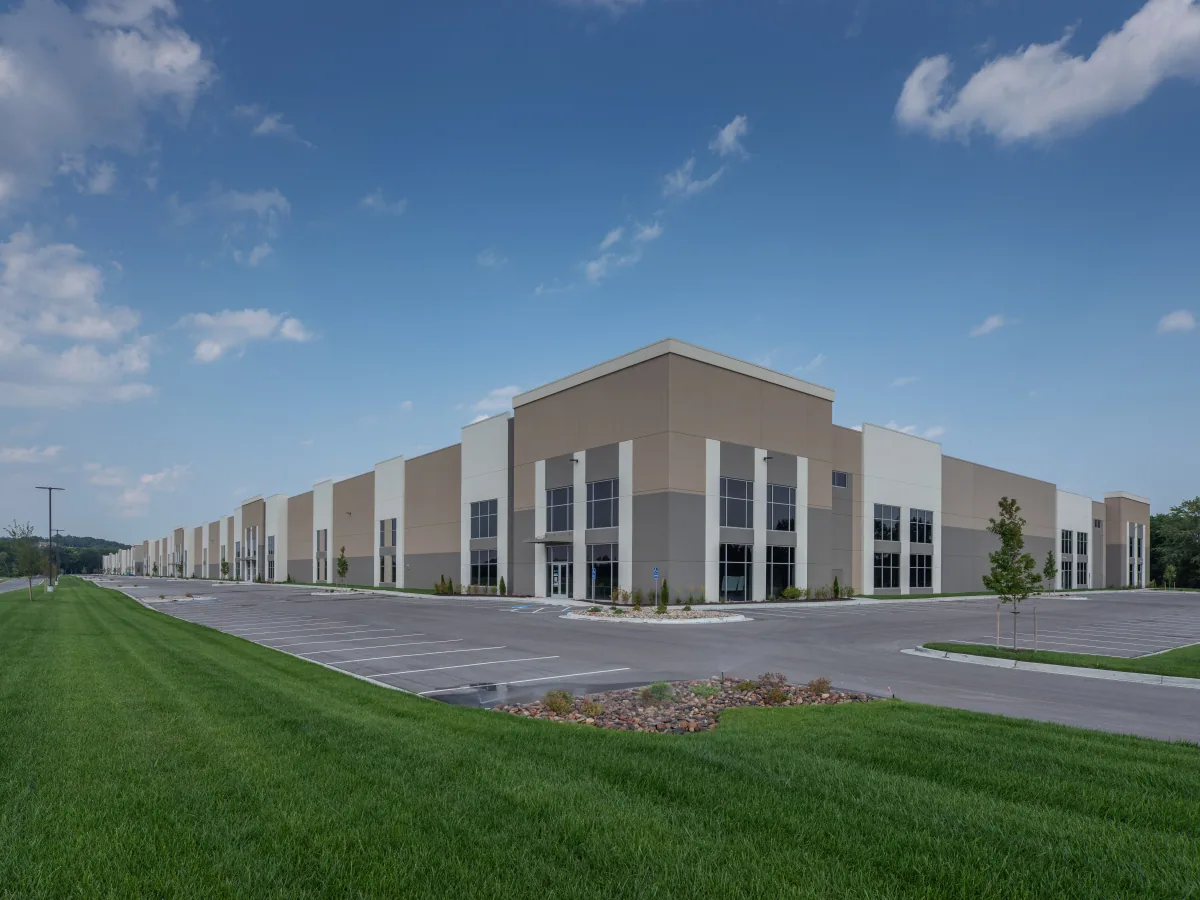
Historic Independence Square has storefronts and neighboring structures, while Eastgate has a separate commercial development context. Neither place fact describes a specific asset's roof. For each acquisition, map fire walls, adjoining roof planes, access restrictions, and transitions between tenants or additions. Work at Eastgate Commerce Center still needs an asset-level survey to establish the roof facts.
Maintain separate records for connected buildings when systems, drainage, or ownership differ. A shared address does not establish common warranty coverage or maintenance history. Property management teams can use comparable site records for work orders after closing, while the investor keeps acquisition assumptions distinct from verified field findings.
Model Repair and Replacement Separately
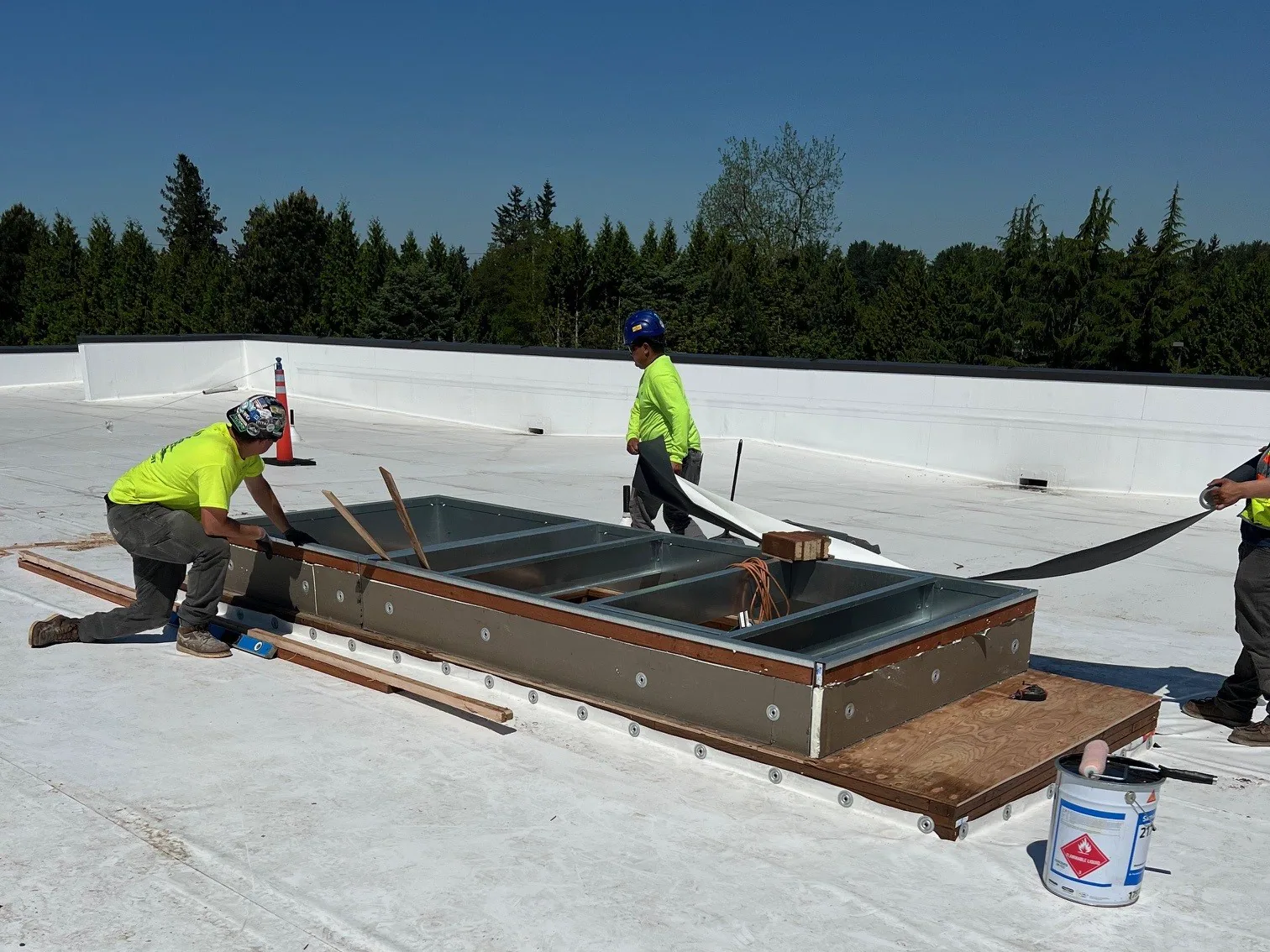
Repair pricing depends on access, roof height, mobilization, substrate, removal, material compatibility, edge work, and the area that needs protection. Replacement adds tear-off depth, insulation strategy, attachment, equipment moves, drainage, and temporary dry-in. If the roof can recover, verify that the existing assembly is dry, stable, and suitable for the added system. A new layer cannot resolve wet insulation or loose attachment below it.
Present options with boundaries. A repair line should identify the detail and adjacent area tested. A replacement option should state whether wet substrate, decking, or concealed framing is included or carried as an allowance. This lets the acquisition model separate known work from uncertain quantities. A capital-planning record can organize timing by observed condition and scope driver without pretending to predict an exact failure date.
When there is active water entry, stabilize the opening and protect the interior, then return for permanent work. Leak investigation can document the entry route before the seller's repair history is accepted as complete. A TPO assembly may use a different restoration detail than an existing metal or built-up system; verify the actual roof before estimating materials.
Plan for Ownership and Tenant Use
After acquisition, the roof becomes an operating asset. Coordinate work with leases, access windows, loading, storefront activity, HVAC service, and tenant improvement plans. Identify who can authorize roof penetrations and how final flashing will be inspected. If the investor uses a third-party manager, decide where repair approvals sit and what documentation must be attached to the work order.
Historic Independence Square contains locally owned shops and restaurants, while the City's redevelopment list includes Fairmount, Noland Road, Englewood, and Maywood. These local uses do not describe the occupants of a target property. Confirm access, delivery, and tenant calendars for each site. A building at Independence Square still needs its own roof and operating review.
For a multi-market portfolio, use the same photo naming and roof-area structure, but keep each location's weather, code, and building facts local. A commercial roof inspection can refresh the baseline after a tenant change, severe weather, or equipment replacement.
Keep the Local Evidence Specific
Independence's economy includes manufacturing, health, education, social services, and retail. Commercial redevelopment is underway on the Square, and Eastgate has new commercial buildings. These facts help describe the market's property mix. They do not establish roof age, tenant credit, building condition, or future income at an individual asset.
Kansas City climate normals use the airport station as their regional reference. Hail and tornado observations name particular locations and dates. Before assigning storm-related capital, inspect the specific property for punctures, displaced edge metal, open seams, or equipment damage. Preserve dated photographs and distinguish new impact from earlier wear. A nearby event can prompt a survey but does not prove a claim.
Code requirements also depend on the proposed work and authority having jurisdiction. Independence lists adopted 2024 building and existing-building codes with local amendments. Review the project requirements with the design team before carrying compliance assumptions into an acquisition model.
Carry Findings into the Asset File
A final roof file should include roof plans, test locations, photographs, repair scopes, materials, closeout records, warranties when applicable, and open maintenance items. Keep the inspection date and weather with each record. If a condition could not be verified, carry it as a diligence gap instead of converting it into a firm replacement assumption.
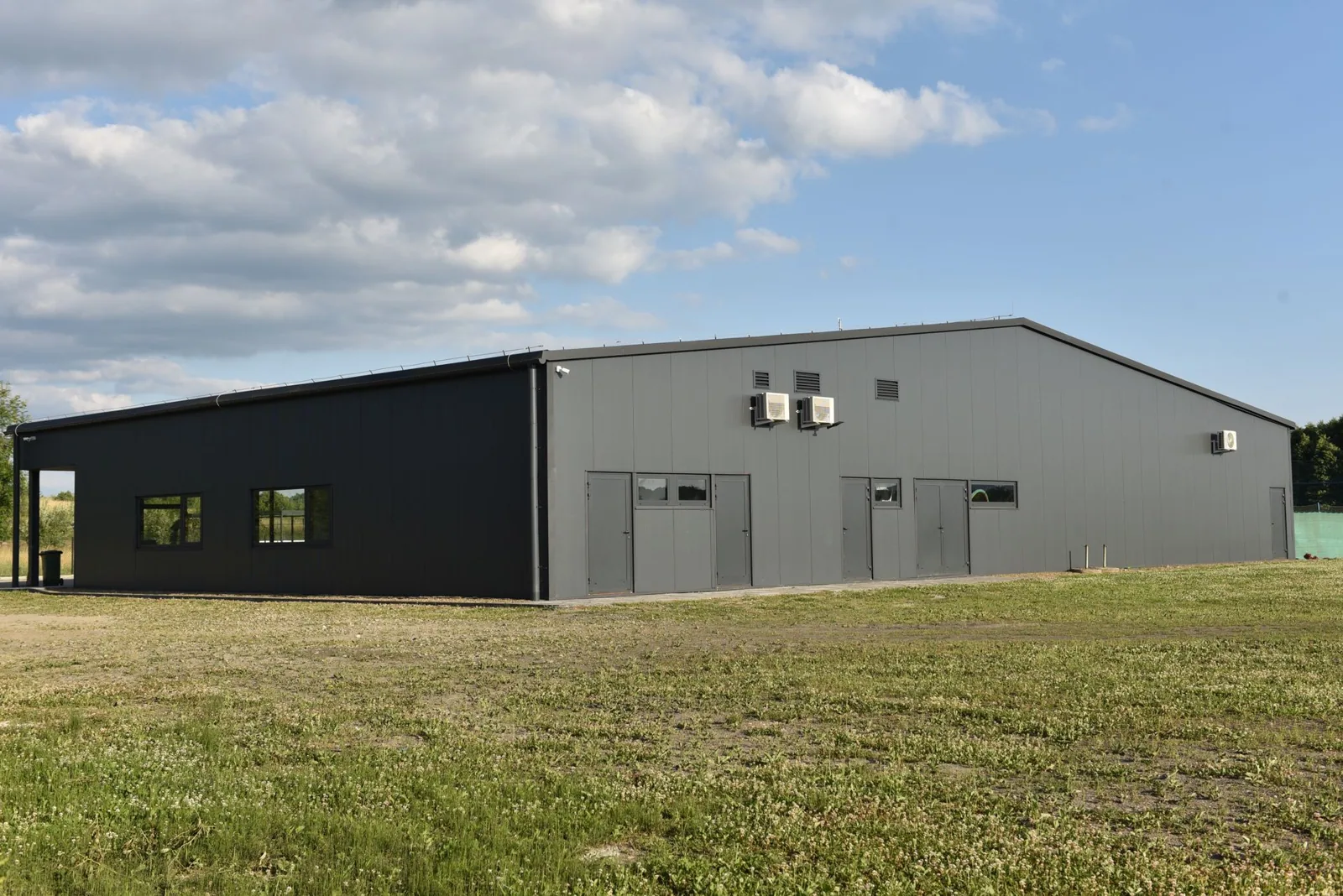
After close, compare repairs with the original roof map and update the condition history. Manufacturing property owners may need production-oriented work windows, while warehouse assets can require logistics access. The property-specific schedule and assembly should govern each scope.
Schedule a roof review before the next acquisition or capital decision. We will identify what is known, test what remains concealed when authorized, and define repair and replacement options around the evidence.
When a transaction has a short review period, prioritize the questions that can change the capital decision. Confirm the roof areas included, test locations, active leaks, prior overlays, and any section that could not be accessed. Separate observed defects from conditions that remain concealed, and state what additional opening or moisture survey would resolve the uncertainty. Keep replacement assumptions, tenant coordination, and equipment moves visible in the estimate. If the seller's records conflict with the current roof, record both and identify the field check needed; do not average them into a single assumed installation date. This lets the investment team distinguish known near-term work from diligence still required before setting a reserve.
Commercial Roofing Questions
Can an inspection confirm remaining roof life?
A survey records visible condition, testing, history, and the assumptions that remain. It can support a planning range, but concealed layers and future weather keep it from establishing an exact service-life date.
What should a buyer request before a roof survey?
Ask for roof plans, installation records, maintenance and leak tickets, warranty paperwork, and information about equipment or tenant work. The survey compares those records with the installed assembly.
How are unknown conditions handled in a capital estimate?
Separate verified scope from allowances. Identify where more testing is needed and state how wet insulation, deck repair, or added removal will be measured and approved.
Can seller repairs be treated as complete?
Only after the repair location, material, and surrounding condition are reviewed. A repeat leak or undocumented patch may require testing beyond the visible repair.