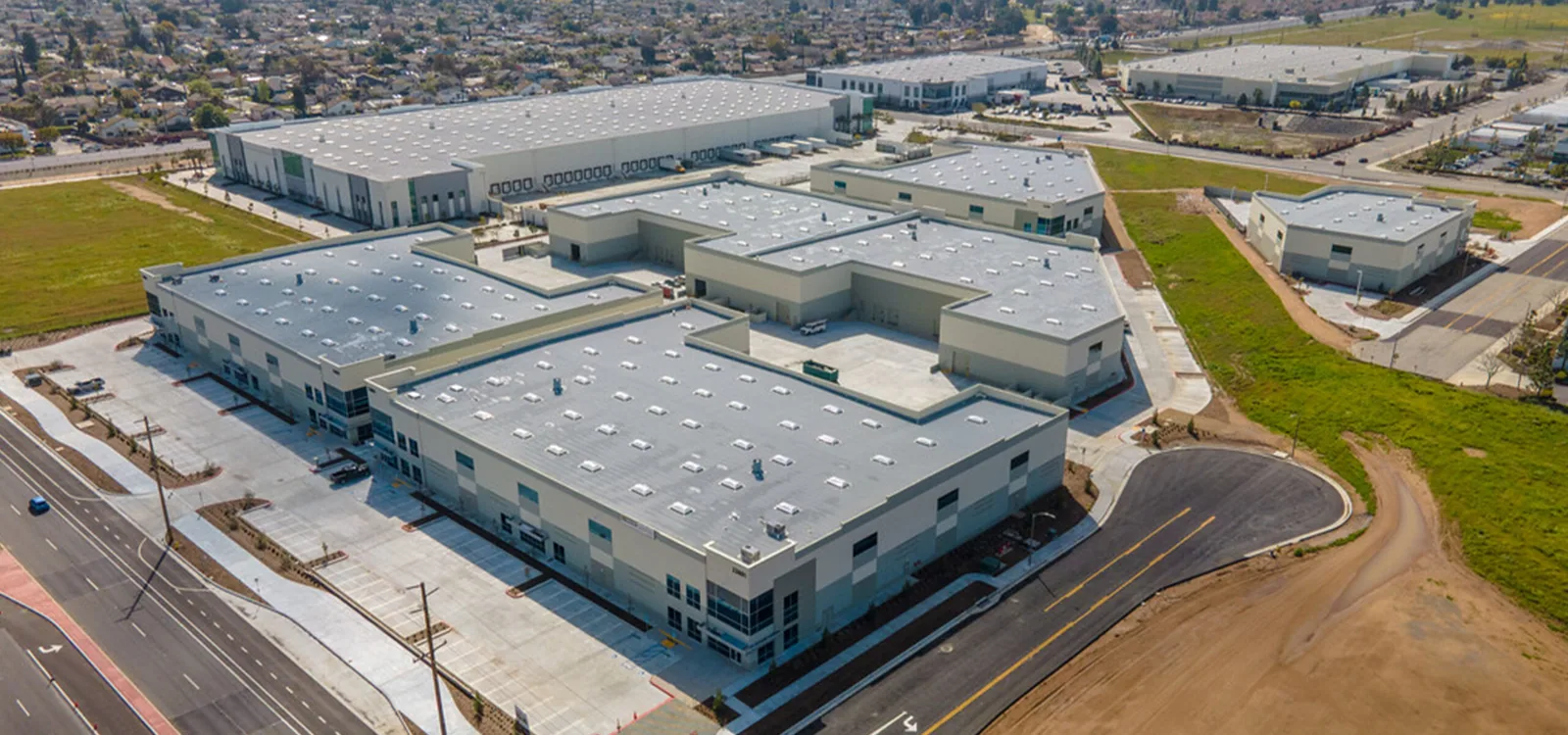
Keep Findings Useful
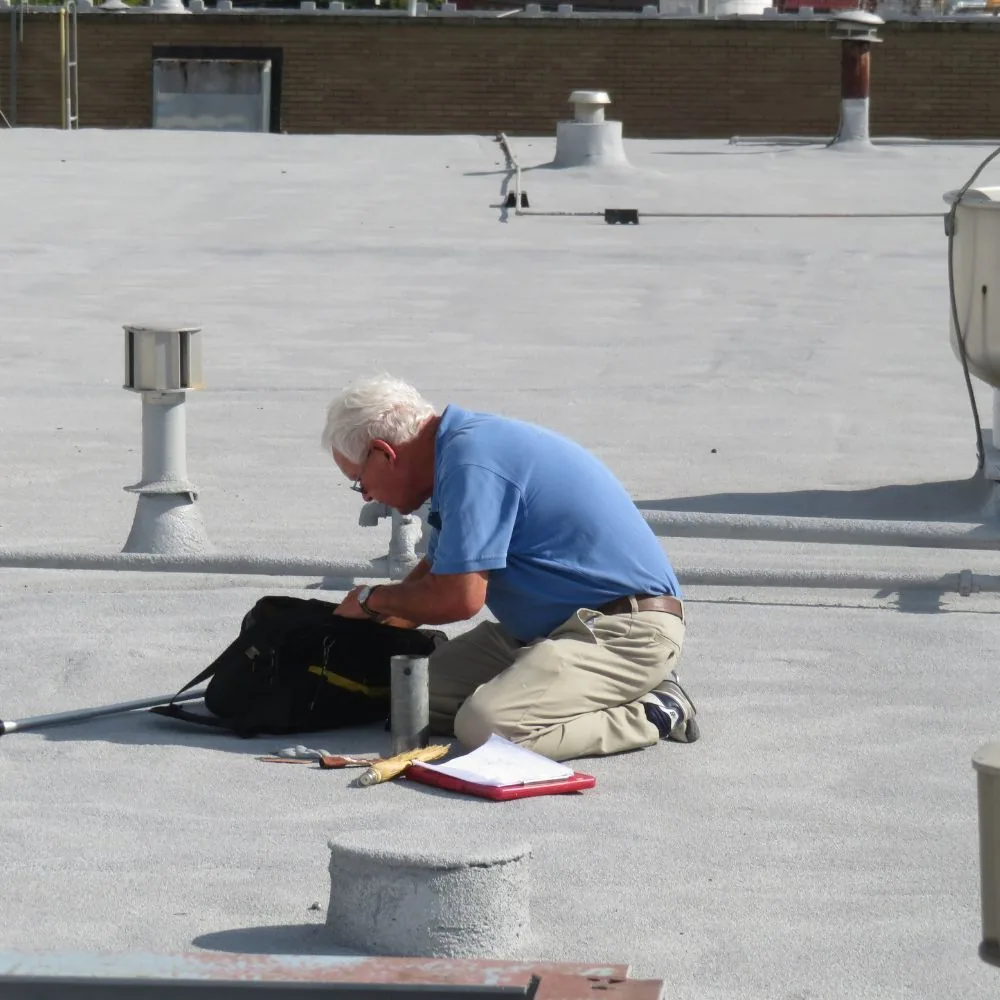
A photograph without a location or repair limit is hard to price. We note the roof zone, material, visible condition, and whether moisture testing or an opening is still needed. This distinction helps facility staff compare a confirmed leak path with an area that needs monitoring. For occupied medical, school, or civic buildings, the report also records access and interior protection needs that affect when work can proceed.
Turn Condition Into a Budget Sequence
Capital planning weighs current defects against the expected work boundary. A local patch, drainage correction, coating, recover, and replacement have different preparation and tear-off requirements. Roof capital planning places the immediate repair beside longer-term options, while maintenance visits track drains, seams, flashings, and edge metal between larger projects. No estimate assumes concealed deck or insulation conditions that have not been exposed.
Review a Roof Before a Property Changes Hands
Acquisition and lease decisions need a defined snapshot. A due-diligence roof survey records the observed assembly, visible defects, access limitations, and questions that warrant further testing. It does not substitute for destructive investigation when moisture or deck condition remains uncertain. That separation gives the transaction team a grounded scope and identifies what could alter cost or timing after access improves.
Coordinate Work Across Addresses
Multi-property programs benefit from a common inspection format, but each roof still needs its own findings. Multi-site roof programs can group reporting and maintenance schedules while preserving separate work limits. The Eastgate commercial area and the older business blocks near Independence Square present different access, tenant, and staging conditions. We confirm those constraints with each property contact before setting a sequence.
Commercial Roofing Questions
What makes a roof condition report actionable?
It ties each photograph to a roof zone, assembly, observed defect, and next step. We flag unconfirmed moisture or concealed conditions separately from priced repairs.
Can one roof plan cover several buildings?
A shared program can standardize reporting and priorities. We retain separate findings and scopes for each address because decks, materials, access, and operating schedules differ.
What can a due-diligence survey confirm?
A visual review records the accessible assembly and conditions on the inspection date. Testing or openings may be needed to confirm concealed moisture, attachment, or deck integrity.
How do you set priorities when funds are limited?
We separate active water entry and safety concerns from maintenance and longer-range capital work. The report explains the evidence and the consequence of delaying each defined scope.