Review warehouse roof drainage, attachment, and repair scope in Independence, MO. We document the assembly and plan work around loading and storage operations.
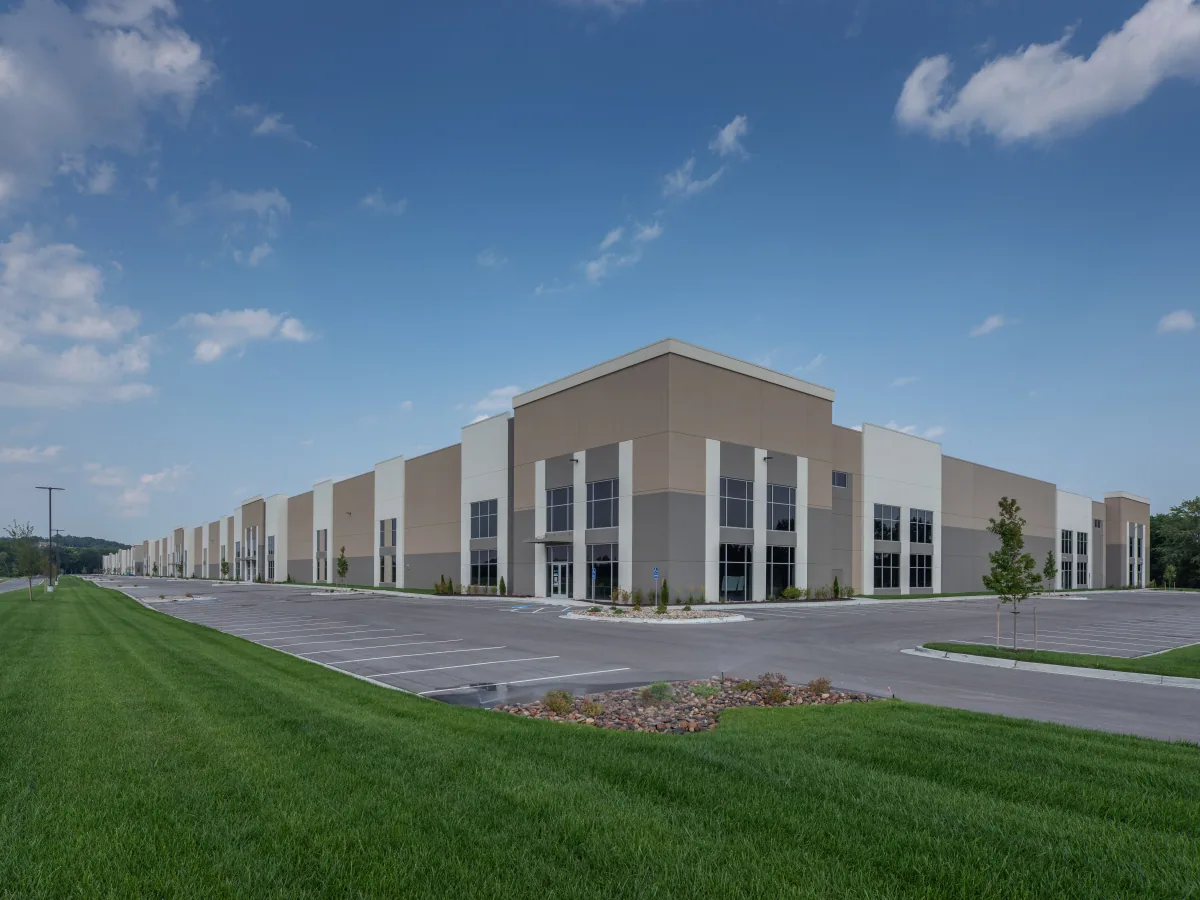
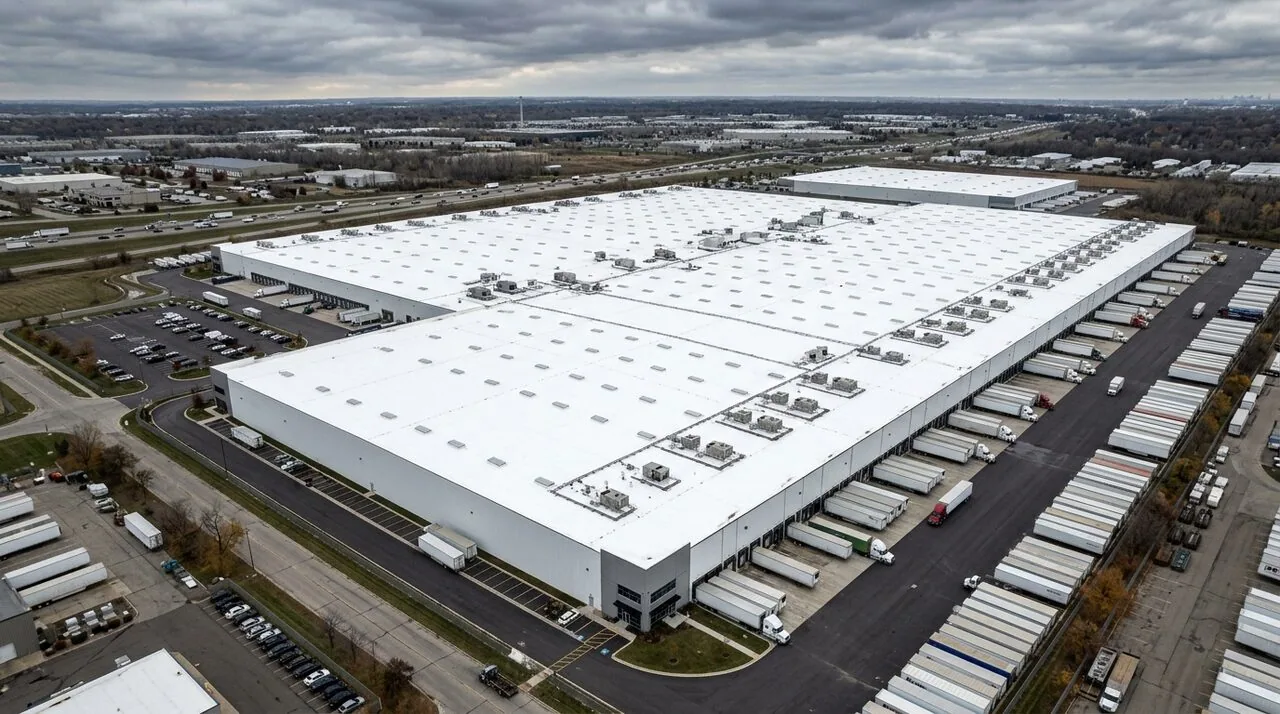
Warehouse roof drainage has to carry water across broad uninterrupted areas to a small number of outlets. A blocked drain, settled insulation, or weak perimeter can turn a local defect into a wet storage bay. In Independence, that assembly question matters near Eastgate Commerce Center, where two new commercial buildings were permitted along South Little Blue Parkway, and at industrial operations such as Buckner, Missouri. Those places establish local industrial context, not roof construction. We inspect the actual deck, membrane, attachment, and water path before setting scope.
Drainage Sets the Boundary
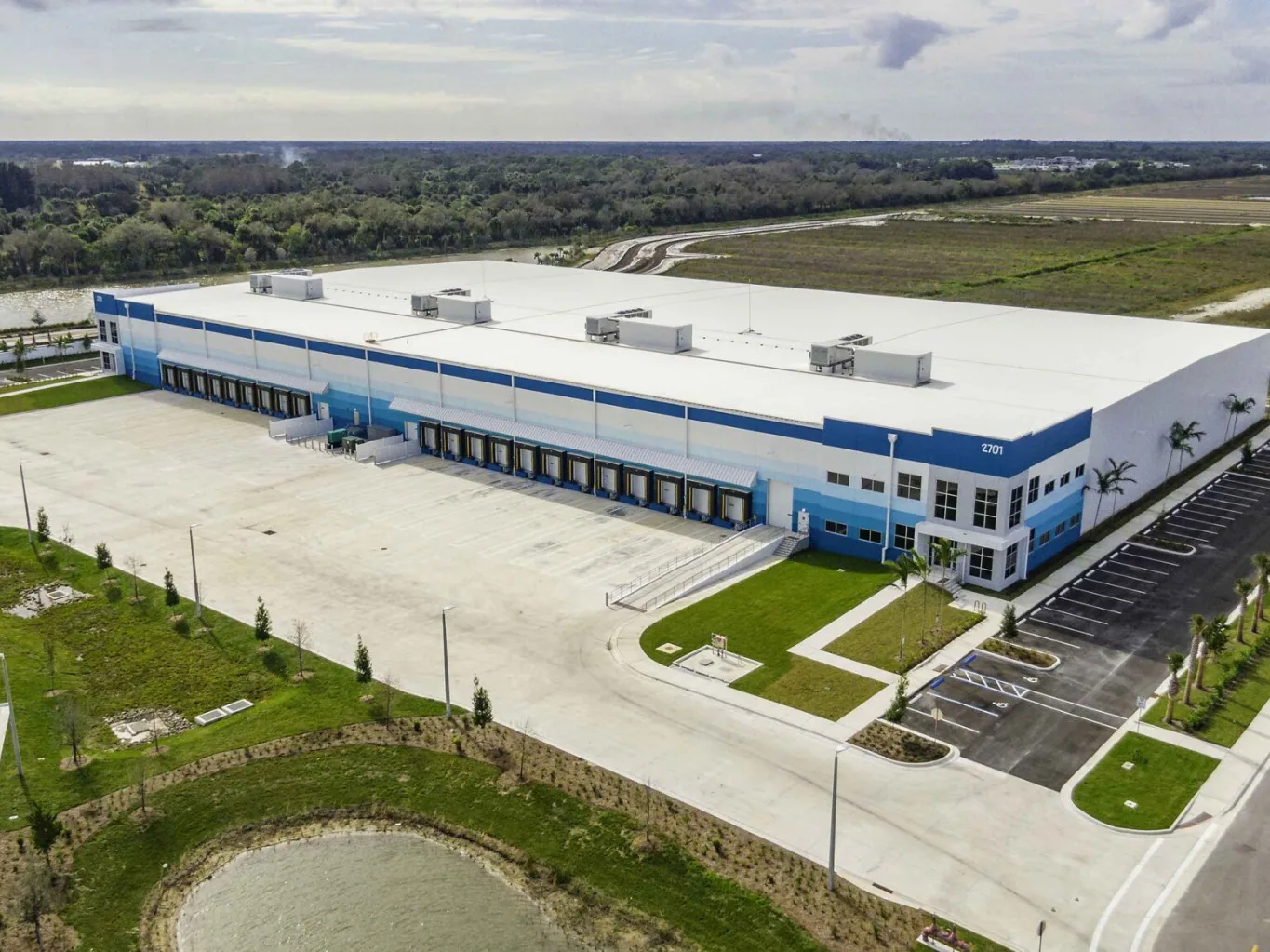
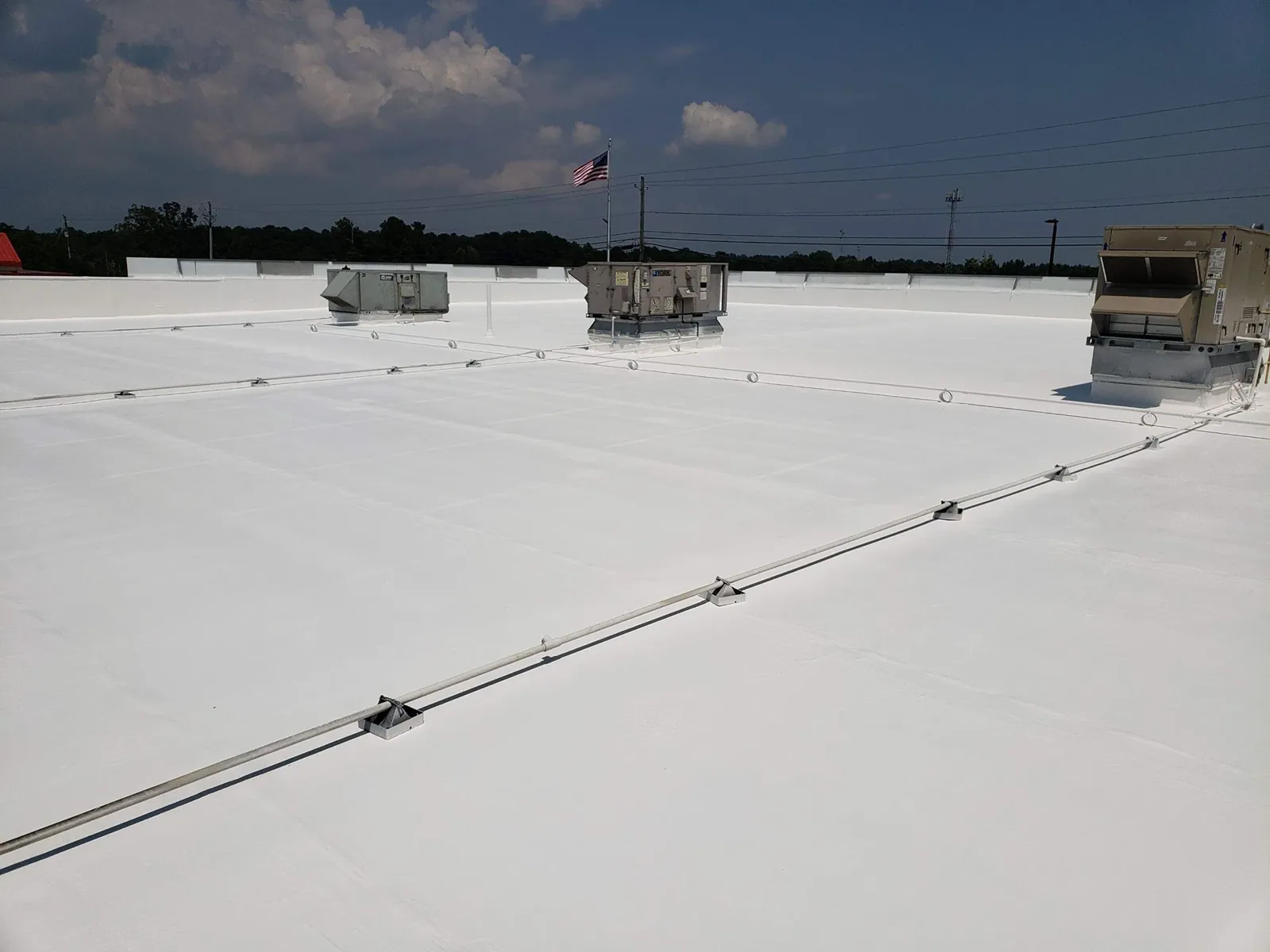
A warehouse roof can hide shallow depressions beneath a membrane that appears intact. We map ponding, check drain bowls and strainers, and look for insulation compression around the outlet. Water left standing adds time under load and can find a seam or penetration that stays dry under normal flow. A repair needs to address the outlet, slope, or membrane condition that keeps the water there. Applying a surface patch without tracing that path leaves the drainage problem in place.
We compare roof observations with interior reports and, when useful, take core samples to identify the layers. A core shows the membrane, cover board, insulation, and deck condition at that point. It does not describe the whole building by itself. We choose additional locations where the roof has changed, such as a repair transition, a drain sump, or a line of rooftop units. That gives the owner a boundary based on field evidence rather than the visible leak stain.
Attachment Carries Wind
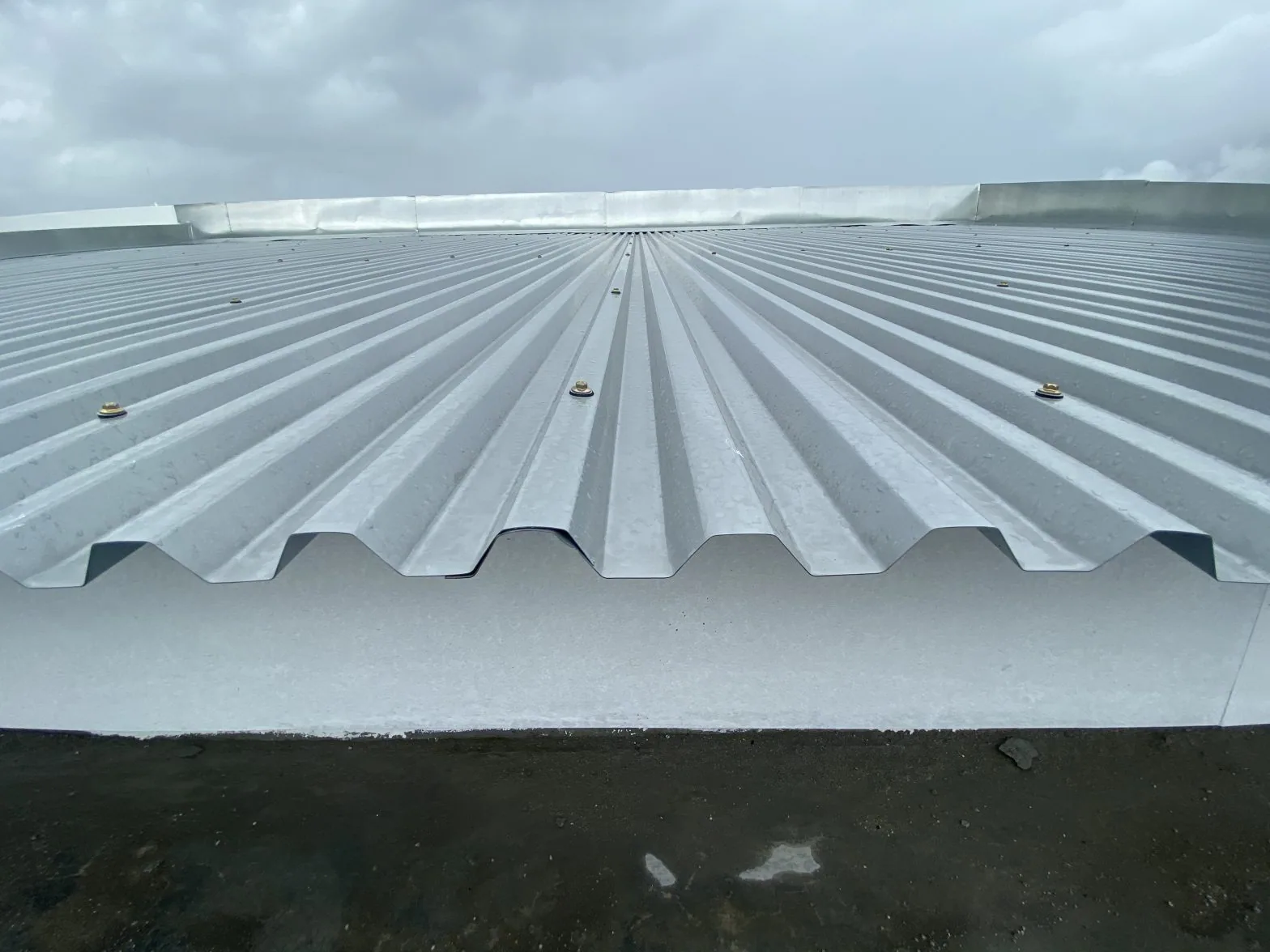
Uplift acts at the perimeter and corners as well as across the field. On a warehouse with long eaves, edge metal, wall transitions, and the first rows of fasteners deserve direct inspection. We identify whether the membrane is adhered, mechanically attached, or ballasted, then check how the edge assembly transfers force into the deck. A loose termination bar or corroded fastener line can break that load path even when the center of the roof remains flat.
Repair compatibility depends on what is already there. A patch material needs to bond to the existing membrane and remain flexible through temperature changes. Metal edge work also has to account for thermal movement and water discharge. If an attachment change is needed, we verify the deck type and condition before specifying fasteners. We can compare distribution-center roofs and cold-storage buildings by their details and maintenance requirements, not by color or a product label.
Seasonal Movement Matters
For a warehouse in this market, thermal movement is a practical inspection variable. Regional climate normals include January lows near 20 degrees and July daily highs near 89 degrees. These metro figures are not roof-surface measurements. We use them as context when checking edge metal, long seams, and flashing corners for movement and loss of bond.
A March 2017 storm produced an Independence-area observation of 1.75-inch hail northeast of town. It does not establish what happened at Eastgate or any other roof. We inspect the actual membrane for fractured surfacing, punctures, or displaced accessories and mark the locations photographed. A hail damage assessment distinguishes storm evidence from gradual wear on the same roof.
Warehouse Work Follows Operations
Loading doors, truck courts, stored goods, and overhead equipment shape the work sequence. Before opening a roof section, we agree on material staging, safe access, exhaust clearances, and the area that must remain dry at the end of the shift. A bay-by-bay map can tie drains, curbs, seams, and leak reports to the racking or loading area below. That gives facility staff a practical reference when work moves from one section to the next and helps keep inventory protection aligned with the roofing boundary. A phased reroof keeps the active work zone within the crew's ability to close. We coordinate temporary protection and interior notifications with the site contact. If moisture is found below the membrane, the removal boundary can change, so the plan needs room for documented field conditions.
Sugar Creek is an Enhanced Enterprise Zone, with manufacturing, wholesale, and transportation among eligible sectors. Grain Valley connects to Independence through US 24 and US 40, while Lee's Summit serves as eastern Jackson County's employment center. Those facts can shape delivery planning, but the owner confirms truck access, turning room, and lift placement at the warehouse address. For occupied work, phased reroofing and drain repairs can be scheduled against the actual loading plan.
Repair Scope Follows Evidence
A repair fits when the surrounding membrane is bonded, the substrate is sound, and the cause can be isolated. We mark the defect, prepare the surface, and confirm the patch extends onto material that can accept the repair. Repeated seam failures, saturated insulation, widespread attachment loss, or a deteriorated deck point toward a broader scope. The work may be a localized repair, a recover over a suitable existing assembly, or full removal. We explain the boundary and the condition that supports each option.
For planning, photographs and a written condition report let the contractor compare active leaks, deferred details, and replacement needs. The municipal permit library publishes 2024 building and existing-building rules, accompanied by local amendment files. The project designer determines which provisions apply to the selected scope. We record the deck, attachment, and insulation assumptions so that review starts with the assembly we inspected. We can also align a roof capital plan with production cycles, tenant activity, and the repair window. A warehouse roof stays reliable when the water path, attachment, and operation plan agree.
Commercial Roofing Questions
How do you find a warehouse leak when the interior stain is far from the roof opening?
We trace the route from the stain toward drains, seams, penetrations, and changes in slope. Water can travel beneath the membrane or along the deck before it becomes visible indoors. We compare the interior report with surface observations and use test cuts when the layer condition is unclear. The repair follows the entry point and the failed interface, not only the ceiling mark.
Can a warehouse roof be repaired one bay at a time?
A phased repair can work when the membrane and substrate at the boundary are sound. We confirm how each work area ties into the existing assembly, then set a dry-in limit that can be closed during the shift. If wet insulation continues beyond the first opening, the repair area may need to grow. The field condition sets that limit.
What should a contractor review before adding rooftop equipment?
The load path, deck capacity, attachment detail, membrane compatibility, and service clearance all need review. We locate existing seams and drains before setting supports. A curb or rail that interrupts drainage can create a persistent water pocket. We coordinate the flashing and support detail with the equipment layout before penetration work begins.
When is recover work unsuitable for a warehouse?
Recover is not appropriate when trapped moisture, unstable layers, poor attachment, or deck deterioration would remain below the new system. We inspect representative areas and check the transitions that would be covered. If the existing assembly cannot provide a sound substrate, removal gives the project a direct look at the deck and a defined replacement boundary. A recover is a poor fit when the roof contains trapped moisture, loose layers, an unstable deck, or too many existing plies. Warehouse roofs also need a clear plan for drains, rooftop units, and transitions where the new surface meets walls or dock-side canopies. We review those conditions before estimating a cover system. If removal is necessary, the work can be sequenced by roof zone so exposed areas remain controlled and drainage is not interrupted.