Select by Roof Condition
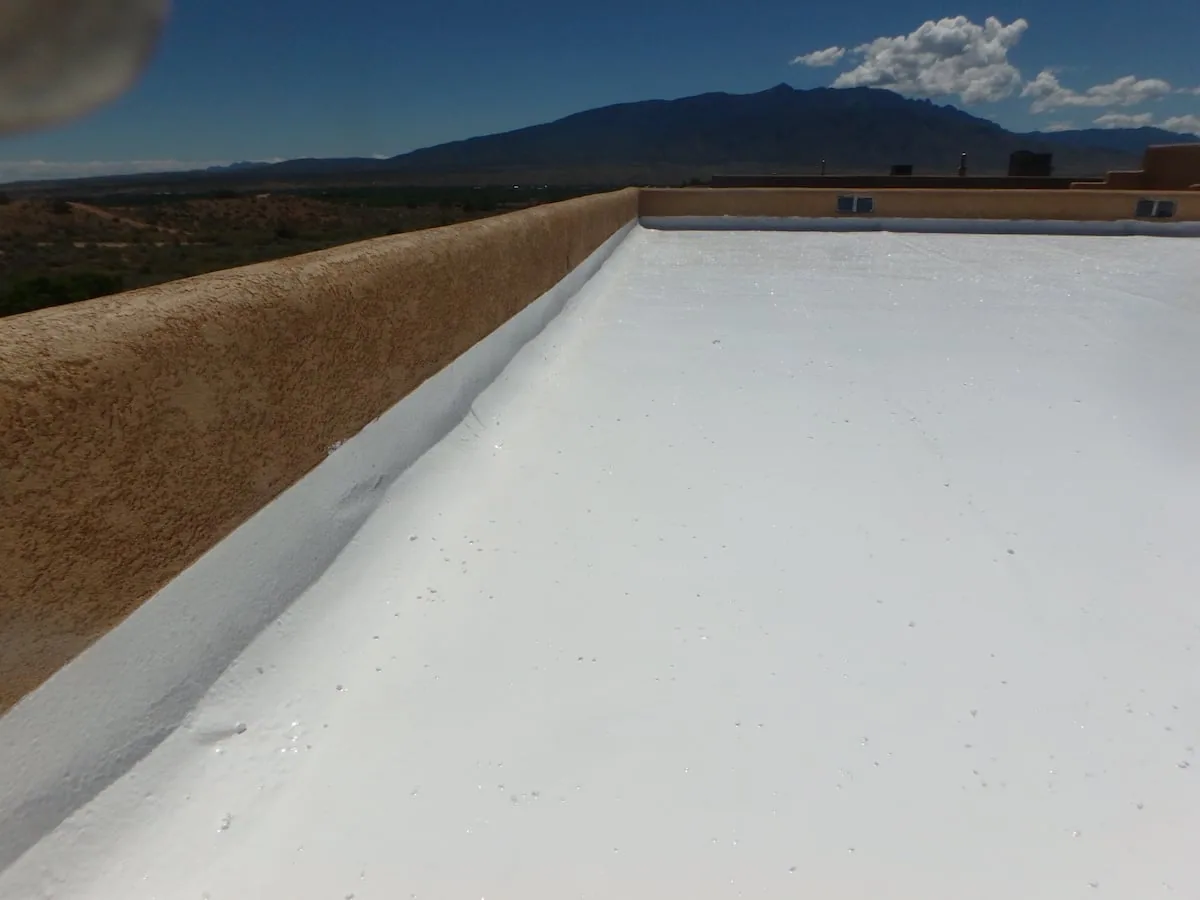
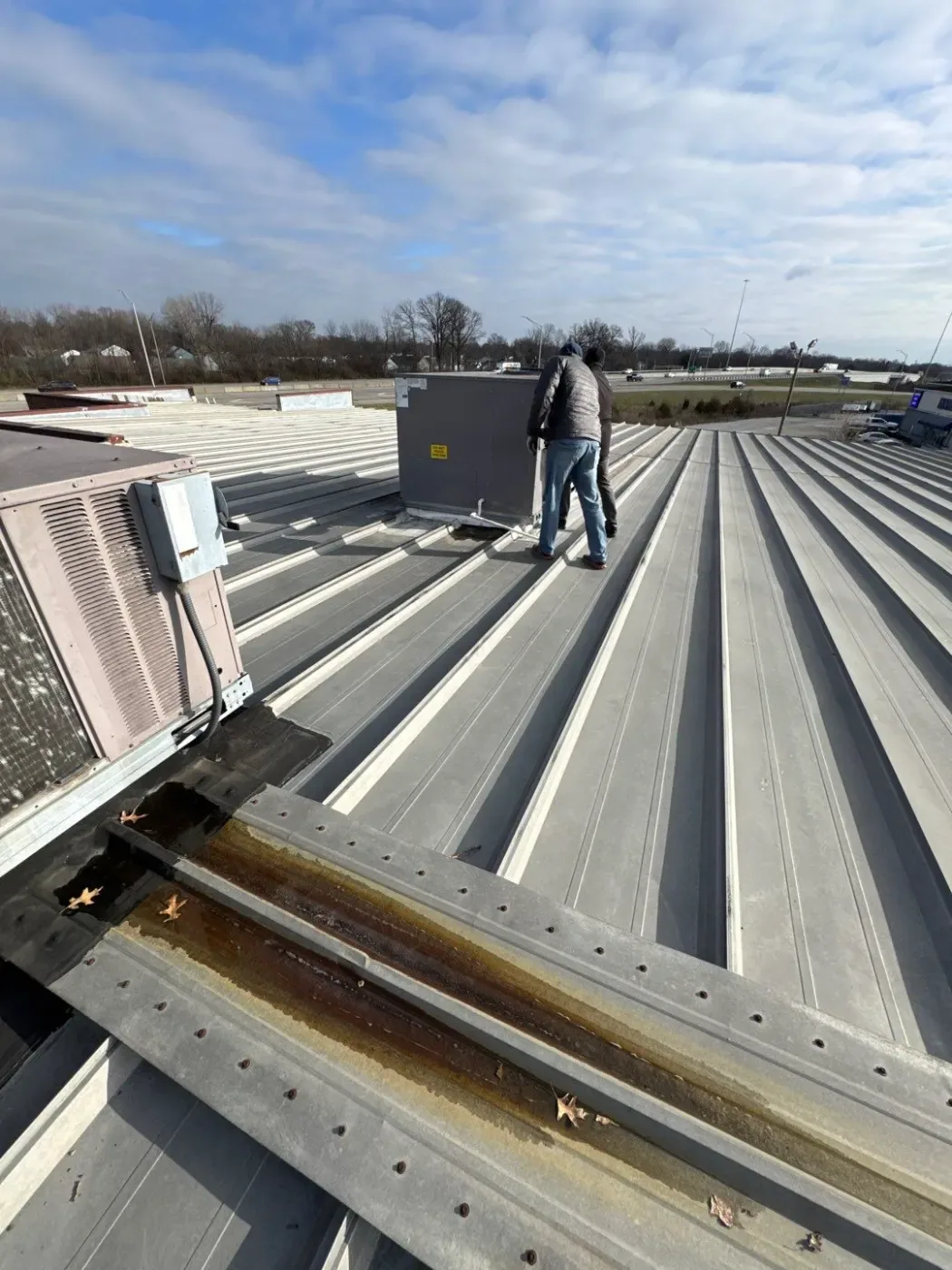
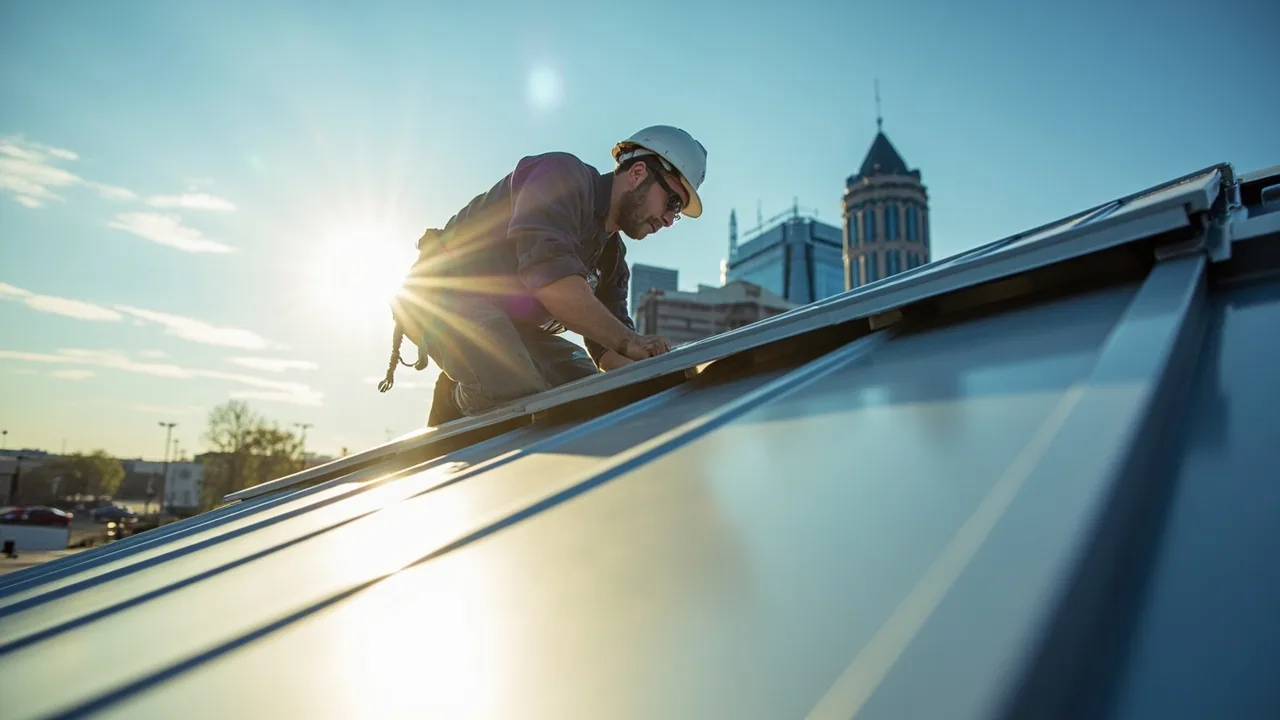
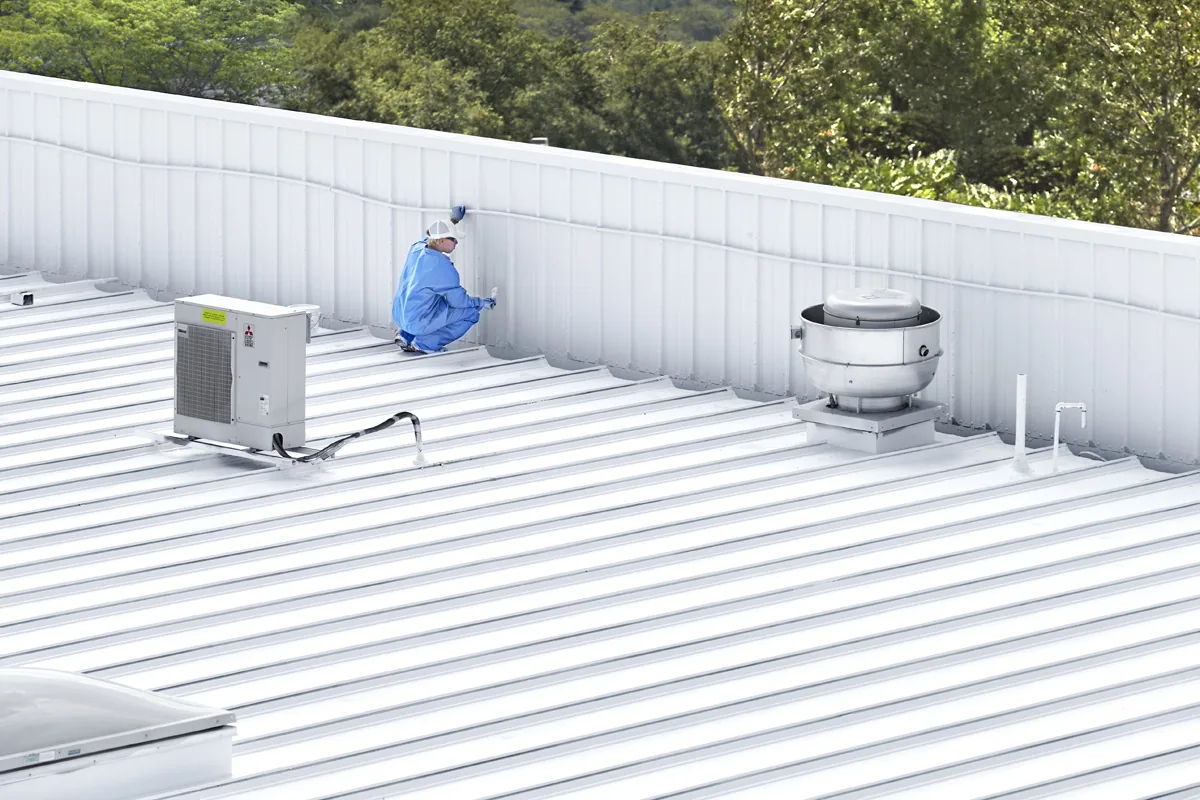
Metal roofs depend on panel joints, fasteners, flashing, and movement allowance. Standing-seam metal uses raised joints, while retrofit systems can add a new roof over an existing assembly when the structure and design permit it. Coatings may extend a sound roof's service when the substrate is prepared and compatible; silicone and acrylic behave differently and are not interchangeable.
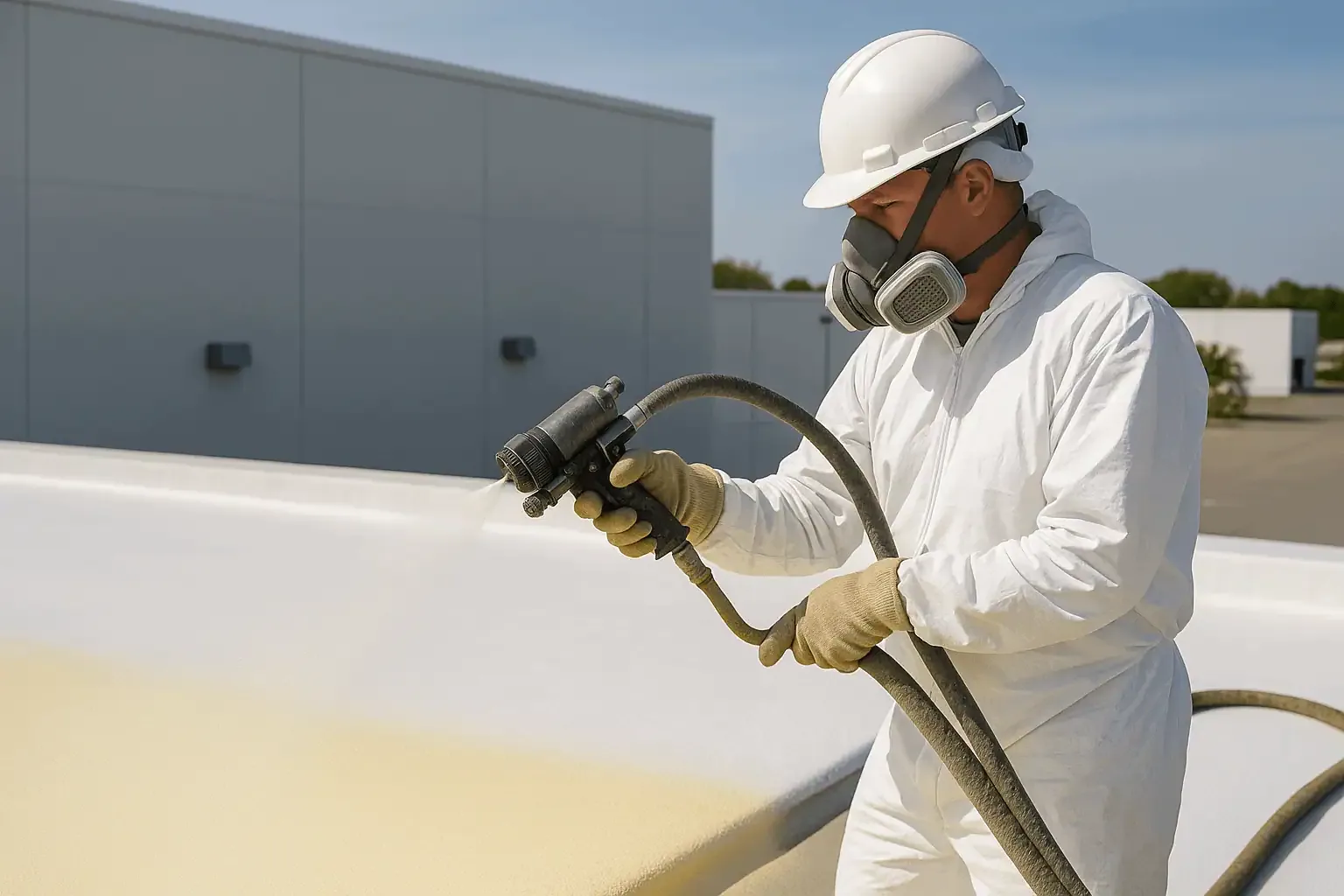
Spray polyurethane foam forms a continuous layer that depends on substrate preparation, thickness control, and protective coating. Each option requires an inspection of drainage, insulation, attachment, roof-to-wall transitions, and prior repairs. A test opening may be needed when moisture or multiple concealed layers change the recommendation.
Check Before Recovering
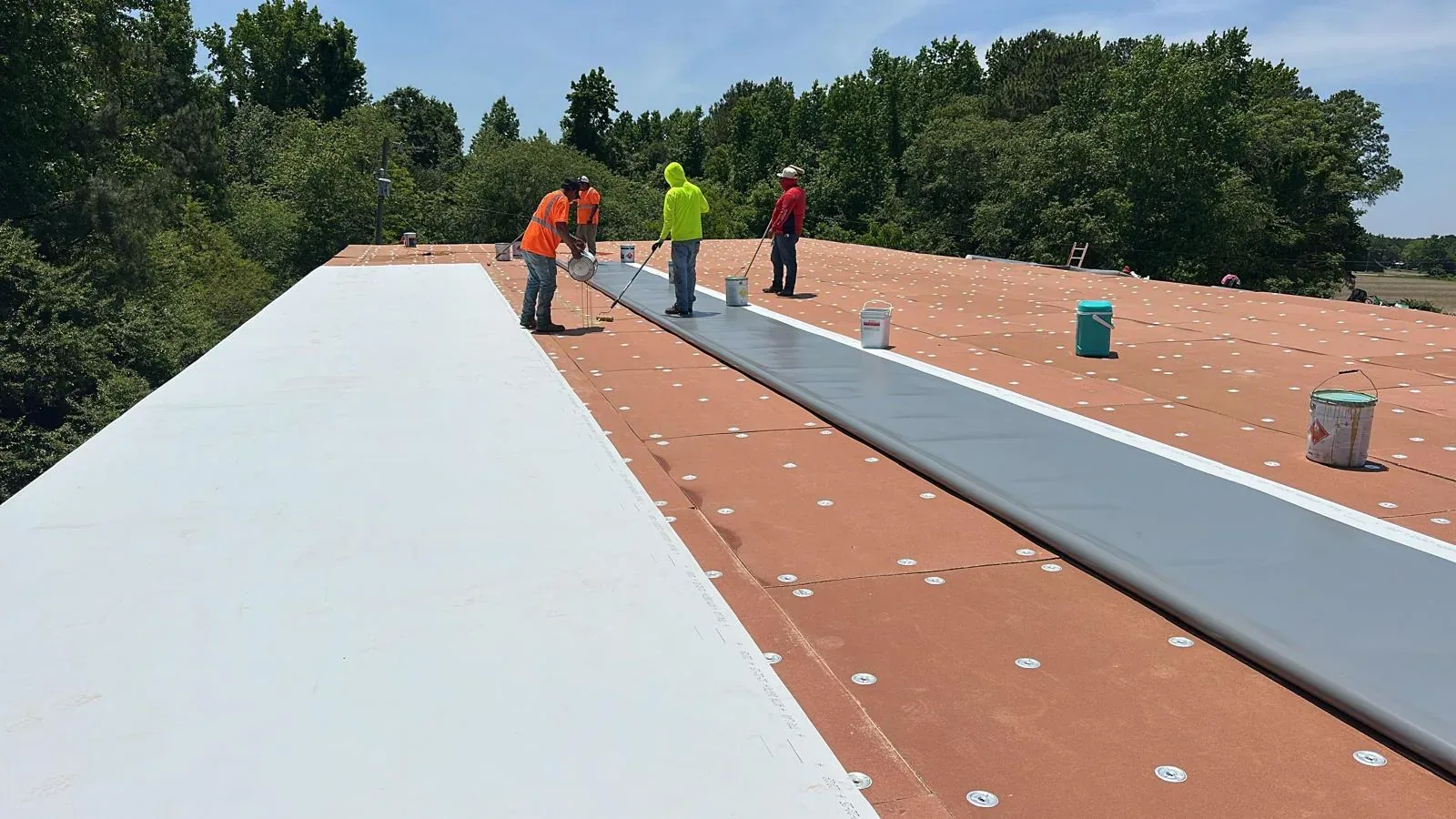
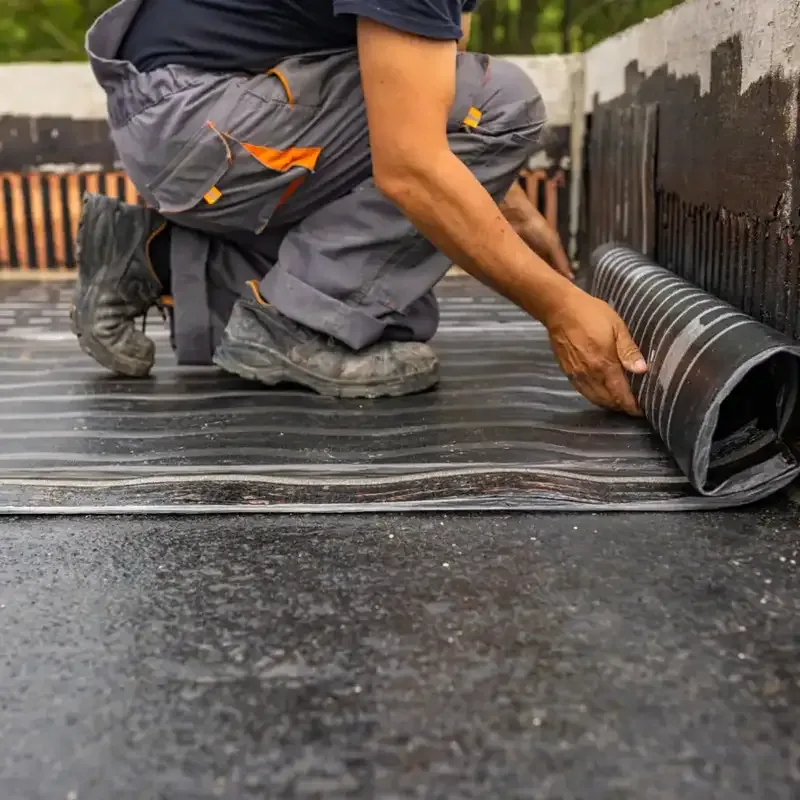
A recover can preserve sound materials, but it cannot correct a weak deck or wet insulation. We check current layer count, roof edge, drain height, and attachment before recommending an overlay. If testing finds moisture, removal and replacement may be required. The scope also states how flashings and terminations will meet the selected assembly.
Make the Details Work
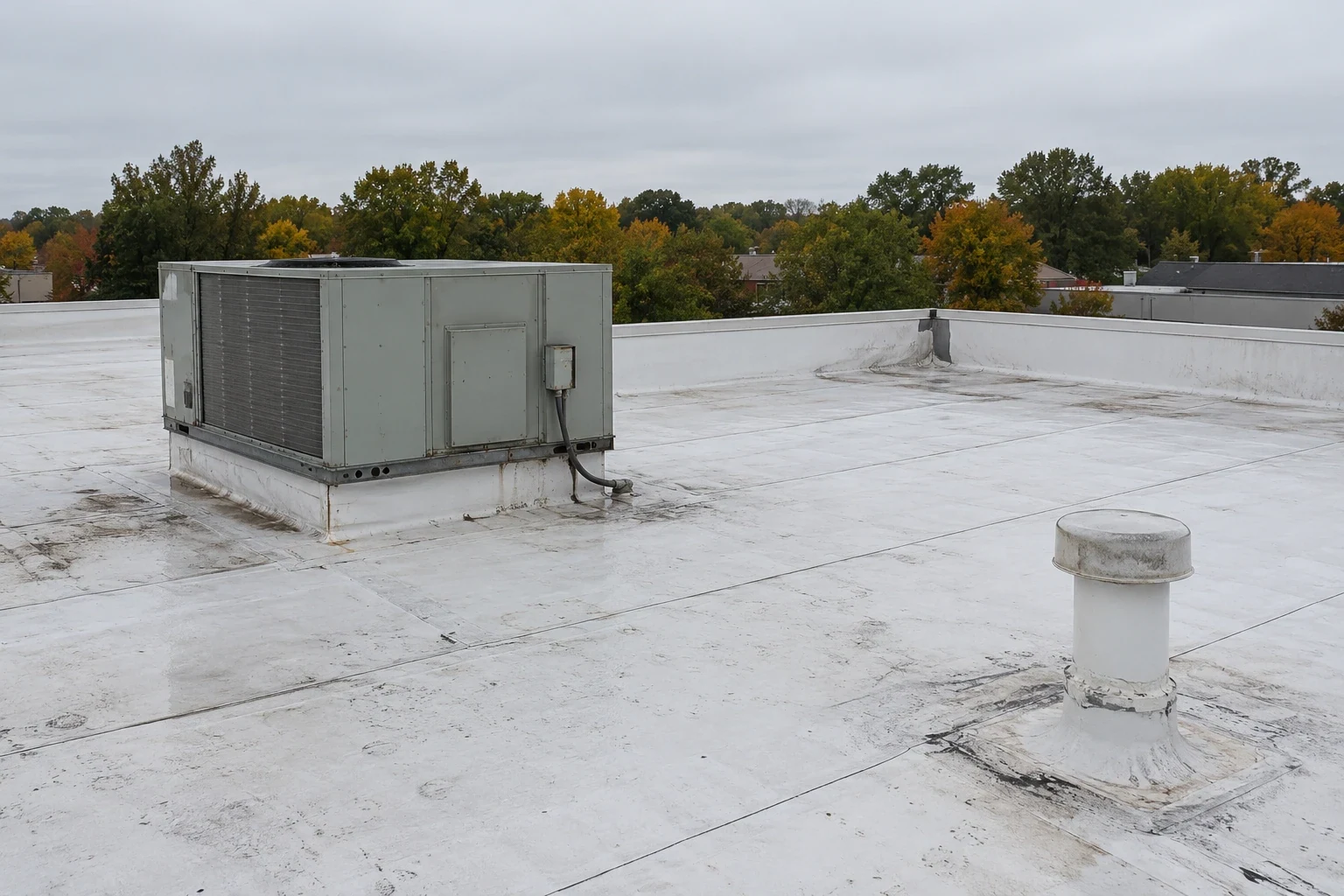
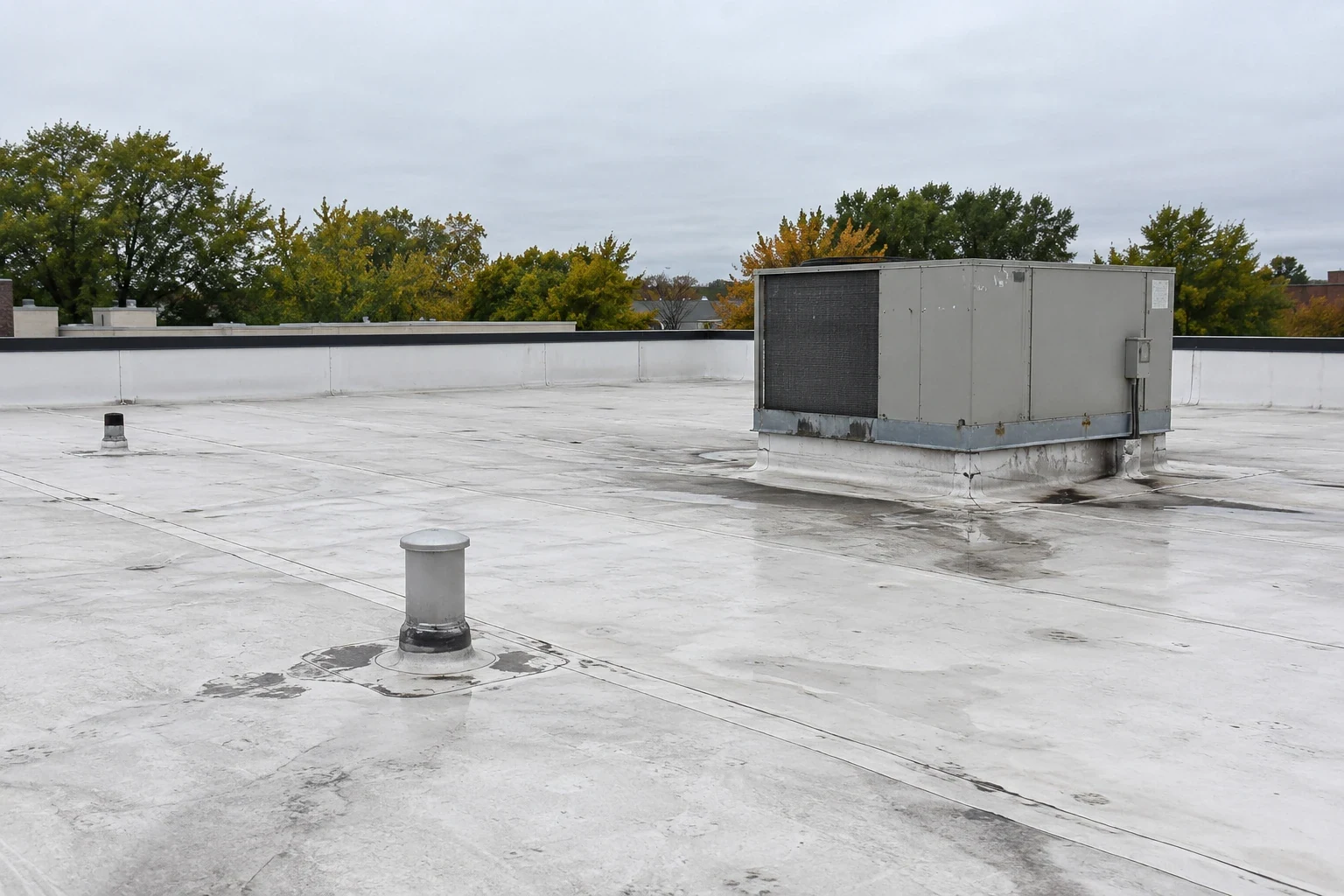
A system selection is only useful when the scope includes drains, curbs, parapets, edges, and penetrations. We document how water moves toward outlets and what must be changed to keep a new assembly from trapping moisture. Replacement plans also account for access, material staging, interior protection, and weather windows. If the roof is over an occupied building, work can be phased so each area is secured before crews move on.
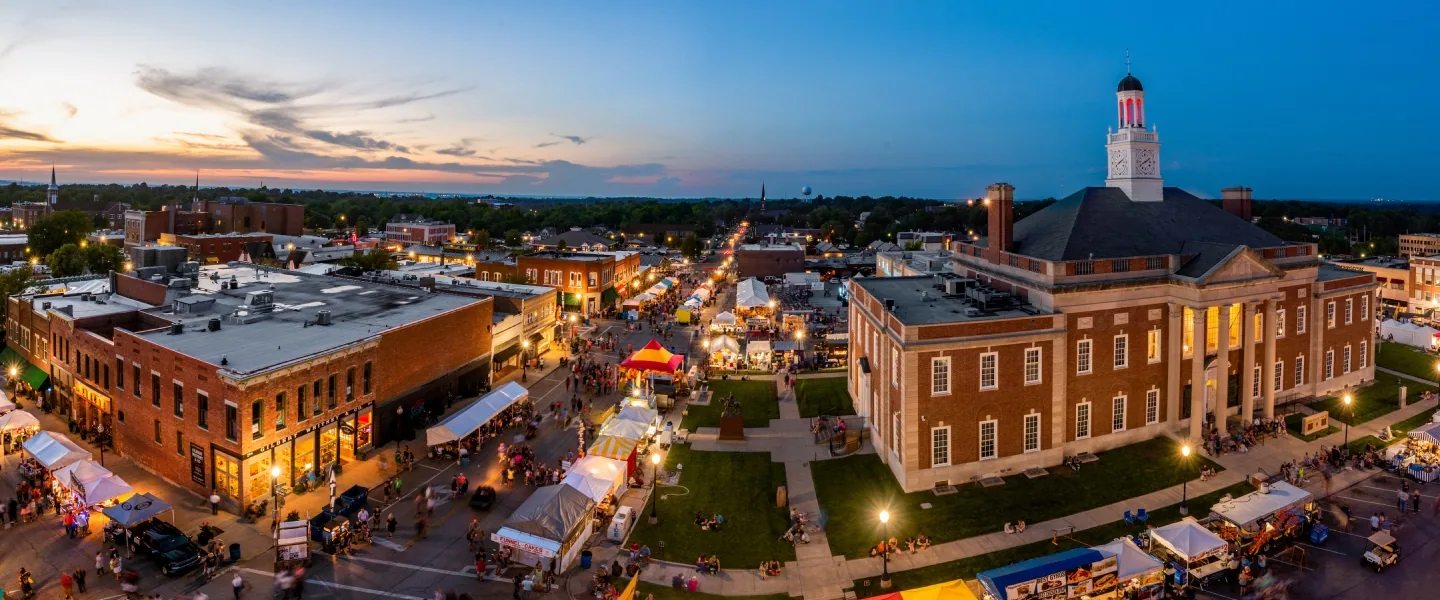
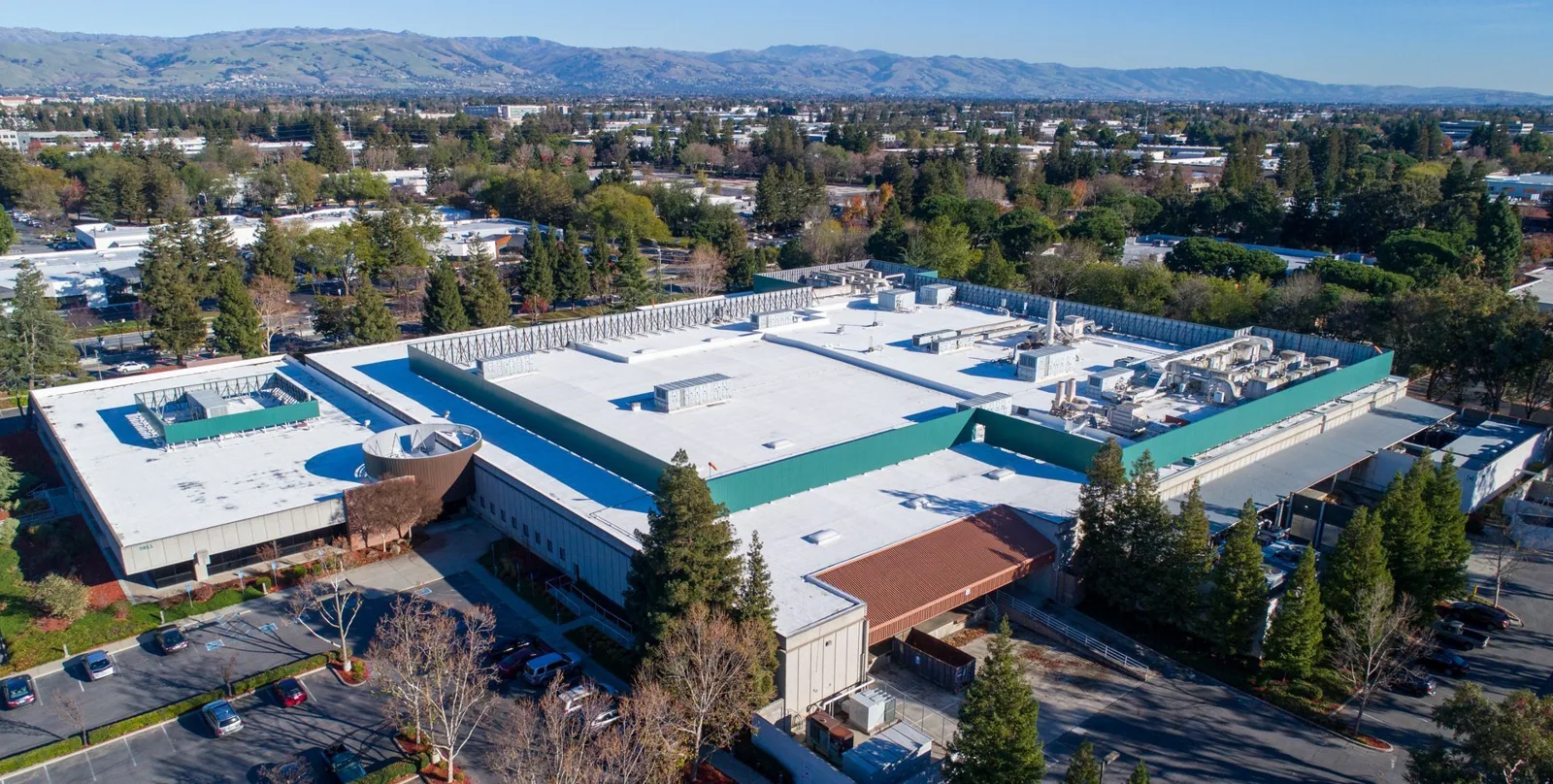
Local building use ranges from retail and medical locations to manufacturing and institutional properties, but the property label does not reveal the roof system. At Historic Independence Square, as at any commercial property, inspection and approved access come before system selection. We identify the assembly, compare compatible options, and state which conditions need testing before the owner selects a system.
Wind uplift and thermal movement affect attachment at perimeter details as well as across the field. Existing insulation condition and deck type also influence fastener selection. We verify available records and inspect the roof before treating an assembly as suitable for a recover. When the evidence is incomplete, the scope identifies the test needed instead of naming a system prematurely. That keeps the decision tied to construction requirements rather than a product preference.
Keep the System Serviceable
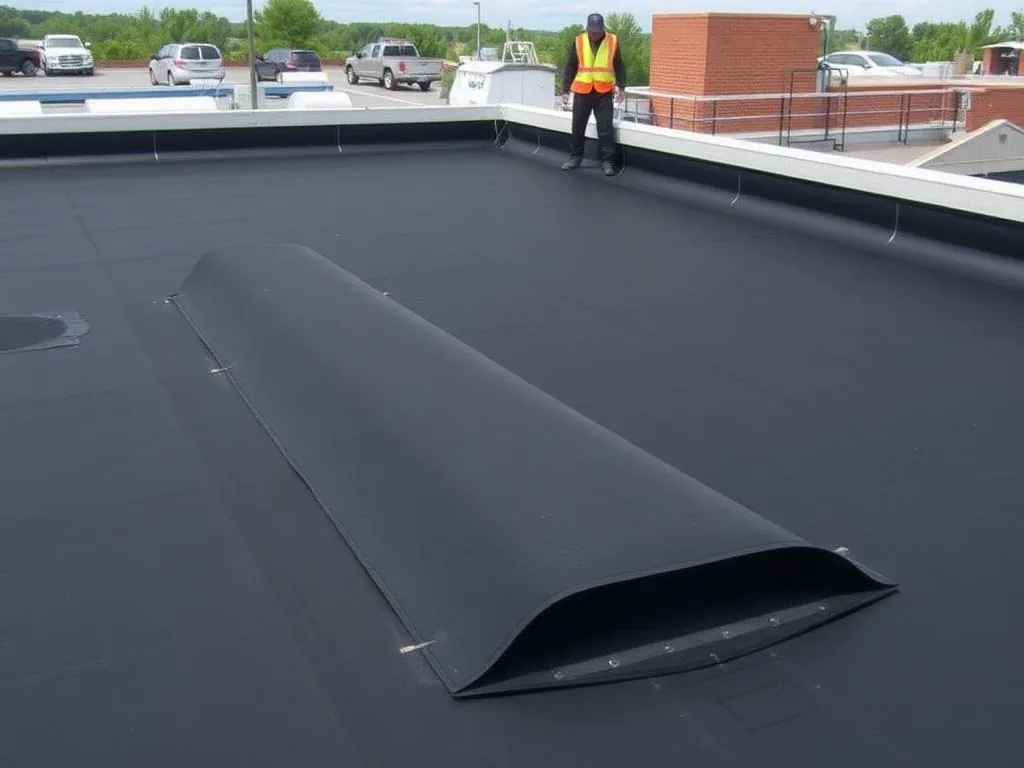
After installation, maintenance checks seams, drains, fasteners, coatings, and transitions. A roof file records repair products and locations so future work uses compatible materials. It also identifies when a condition needs testing instead of another surface patch.
Commercial Roofing Questions
Which roof system lasts longest?
Service life depends on the assembly, installation, exposure, drainage, and maintenance. We inspect the building before comparing options.
Can a coating be installed over any membrane?
No. The surface must be stable, clean, and compatible with the selected coating system.
When can an existing roof be recovered?
Only after checking the deck, current layers, drainage height, attachment, and code requirements.
Do roof systems need different repair materials?
Yes. Seam methods and chemical compatibility differ, so we identify the existing membrane or metal before making a repair.