Prepare a commercial roof for solar in Independence, MO by checking service life, structure, attachment, penetrations, drainage, and future access.
Solar equipment adds loads, penetrations, and service paths to a roof that already has to shed water. A solar-ready plan starts with the roof assembly and its remaining service life. We inspect membrane condition, attachment, insulation, drainage, and existing supports before a solar layout is fixed. Eastgate has two recently permitted commercial buildings along South Little Blue Parkway, while Riverside, Missouri is a civic and research destination off US 24. Those different building contexts call for a verified roof plan, not an assumption about the structure beneath it.
Match the Solar Schedule to Roof Life
Installing an array on a roof near the end of its useful service life can make later replacement more difficult. Modules, wiring, ballast, and support rails may need to be removed and reset when the membrane reaches its repair limit. We map active leaks, seam condition, past repairs, wet insulation, and edge details. That record helps the owner compare reroof timing with the solar project's intended operating period.
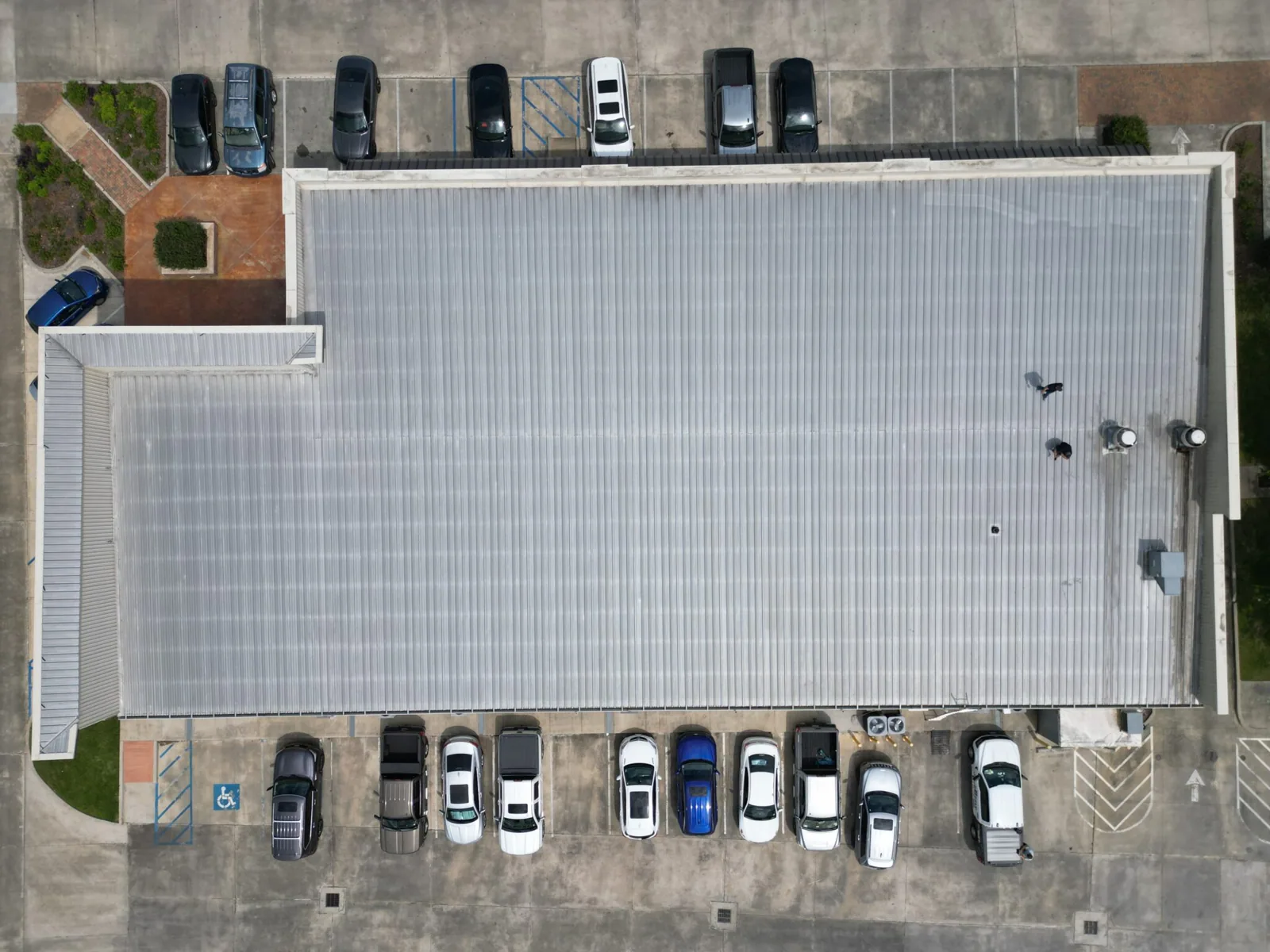
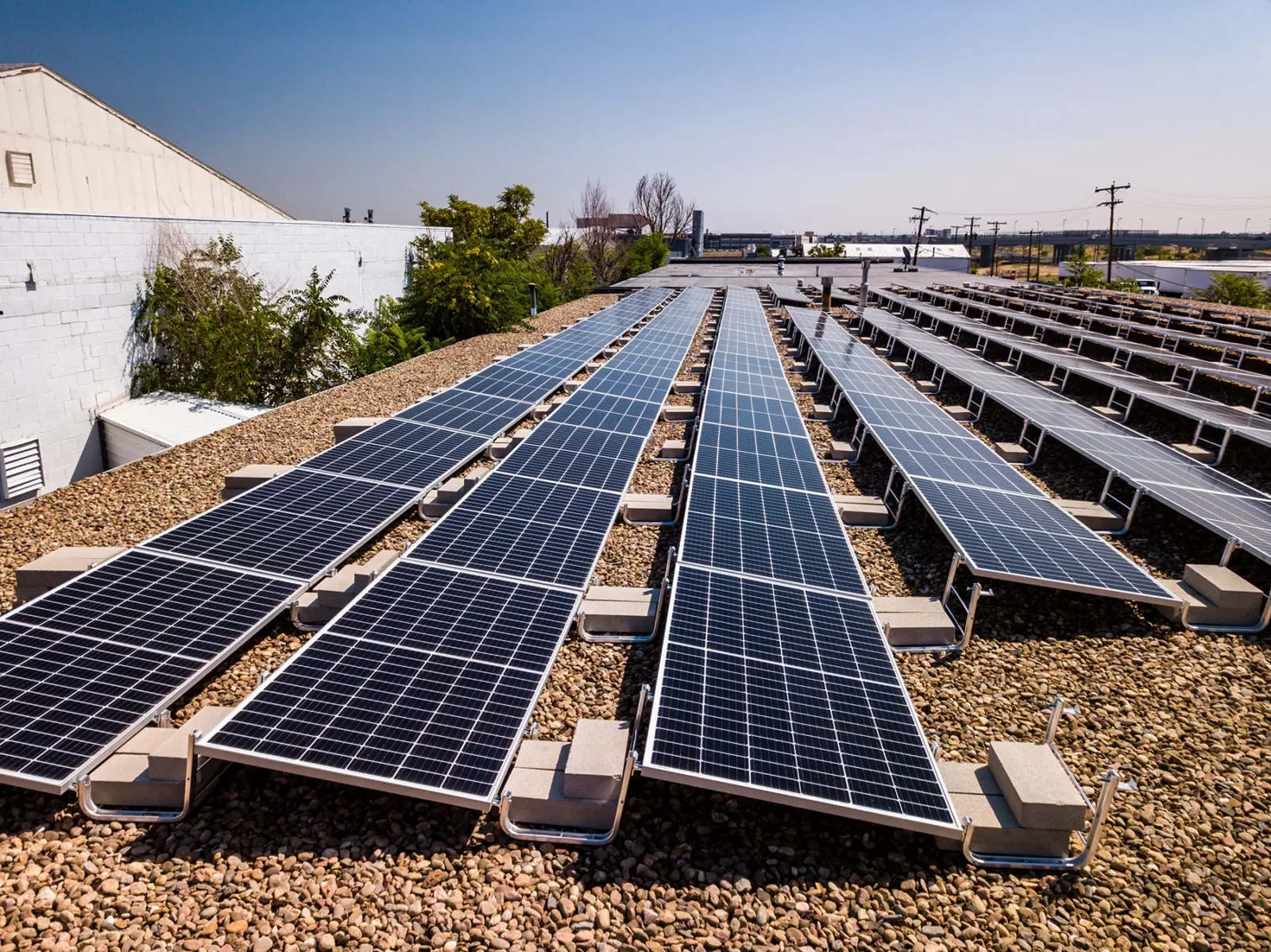
Existing system type matters. A mechanically attached membrane, adhered membrane, metal roof, and coated surface each have different attachment constraints. Ballasted solar can add dead load and may restrict drainage or maintenance access. Mechanically attached supports create penetrations that need compatible flashing and structural review. We do not select the array layout; we identify roof conditions and coordinate the waterproofing interfaces with the solar designer and structural engineer.
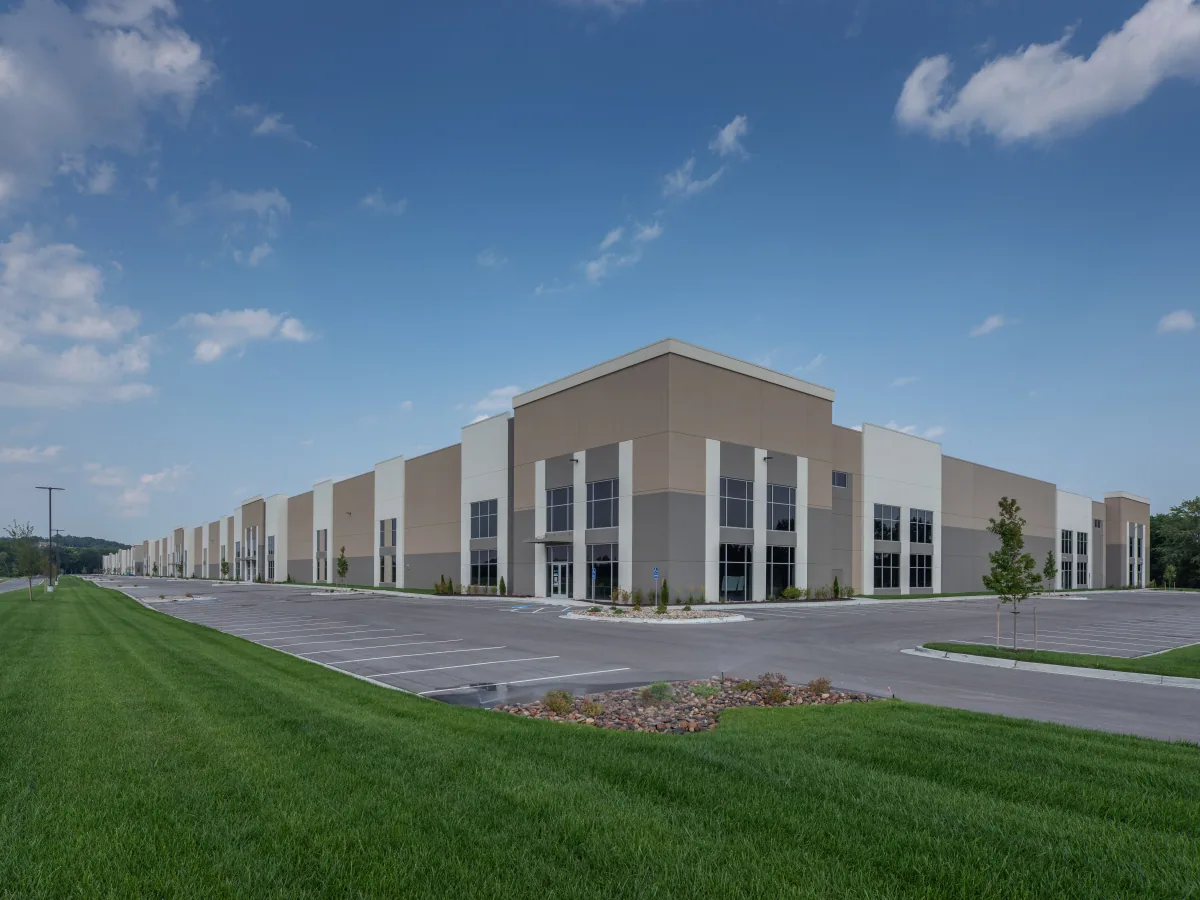
Two new commercial buildings are permitted on S Little Blue Parkway at Eastgate Commerce Center. That construction context makes early roof and solar coordination relevant, but the permit does not state that either building has solar equipment. For any project, we review the roof drawings and confirm what is installed before recommending a future-ready detail.
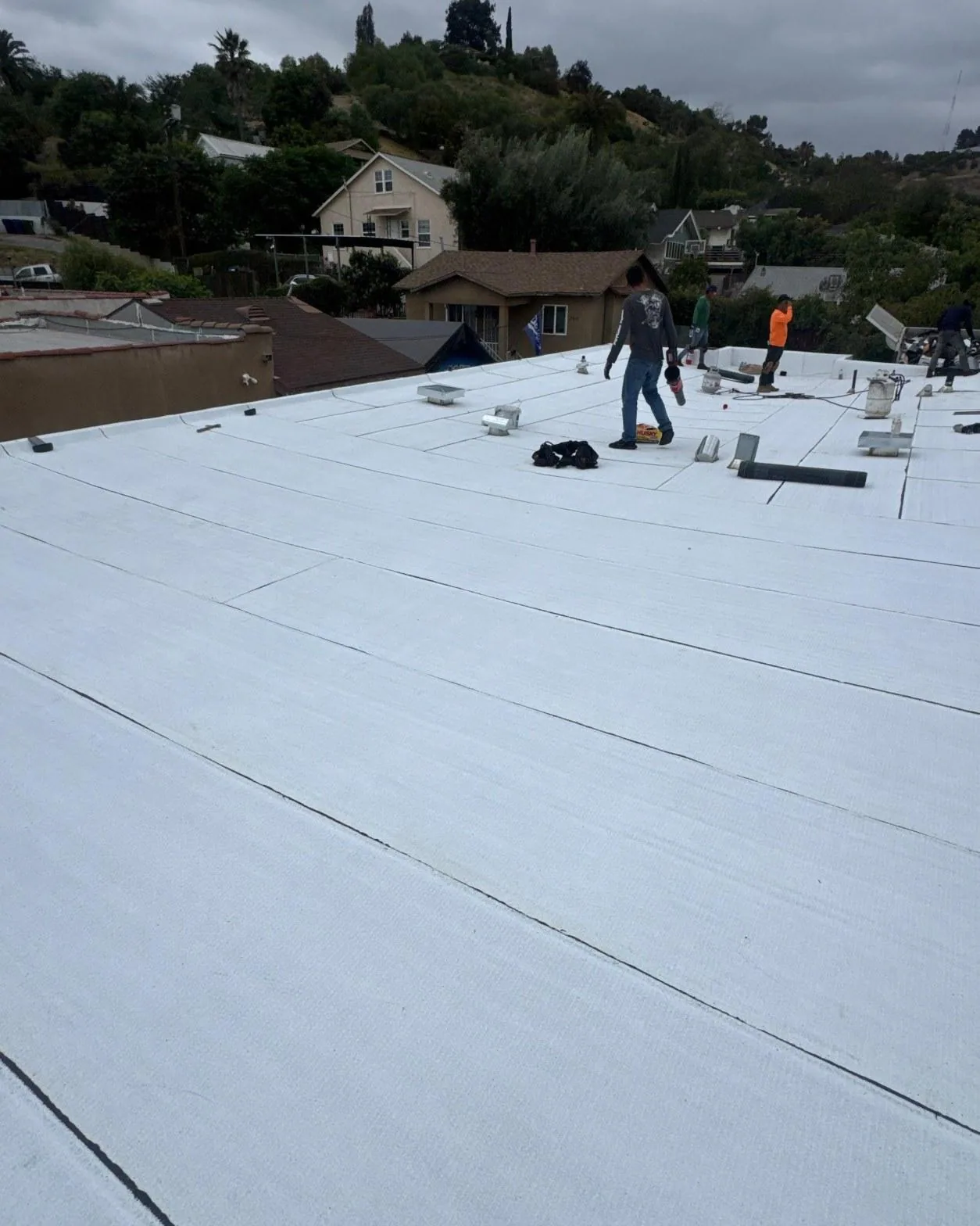
Where the existing roof has widespread moisture or weak attachment, a new array does not correct those conditions. A hands-on inspection can map defects and define testing locations. When repair or replacement is needed first, the roof scope should be completed and documented before solar supports cover the membrane.
Confirm the Load Path
Array loads travel through rails or support feet to the deck and framing. The structural engineer evaluates dead load, wind uplift, and any concentrated reactions. We provide roof assembly information where it is available and identify areas where the deck or insulation require investigation. A roof surface cannot confirm framing capacity. If records are incomplete, selective openings or testing may be necessary to identify the substrate and attachment.
Wind creates uplift and sliding forces. Support spacing and fastening need to match the structural design and the roof assembly. A roof warranty or manufacturer's requirements may place limits on penetrations, ballast, or material contact. We review those requirements for the installed system and document the accepted waterproofing detail. We do not substitute a roofing field judgment for structural calculations.
Support pads and flashings also need to accommodate thermal movement. Kansas City station normals range from a January low near 20 degrees to July highs around 89. Metal rails and roof materials move at different rates through the seasons. A detail that binds a rail to the membrane can stress the flashing or tear a seam. The solar and roofing teams should identify movement points before the array is installed.
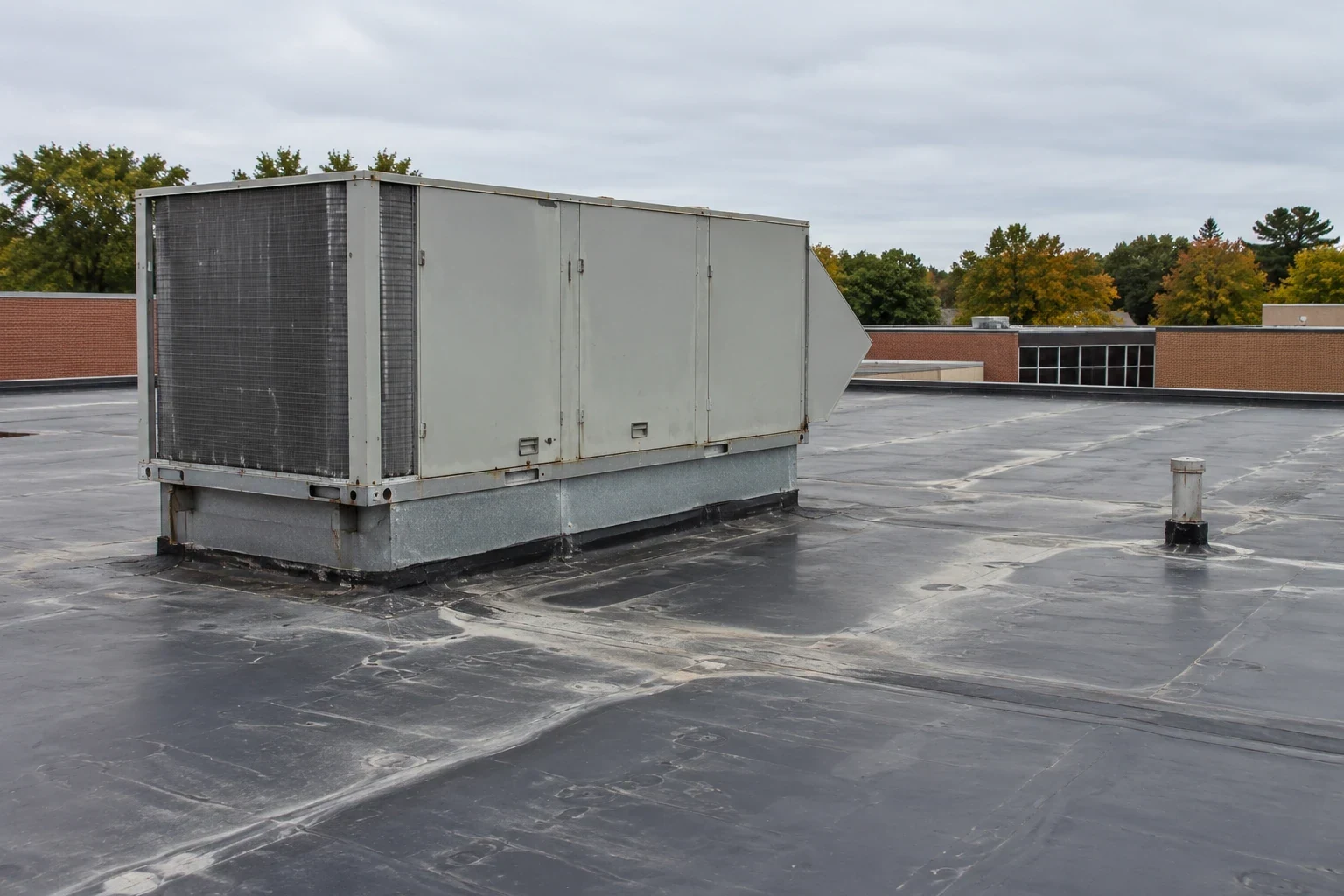
For rooftop equipment already on the building, clearances and service paths matter. Solar modules cannot block access to drains, vents, electrical equipment, or mechanical units. Equipment curb and support inspections can record those interfaces. A roof plan should show walk paths and repair access after the array is energized.
Keep Drainage and Flashing Accessible
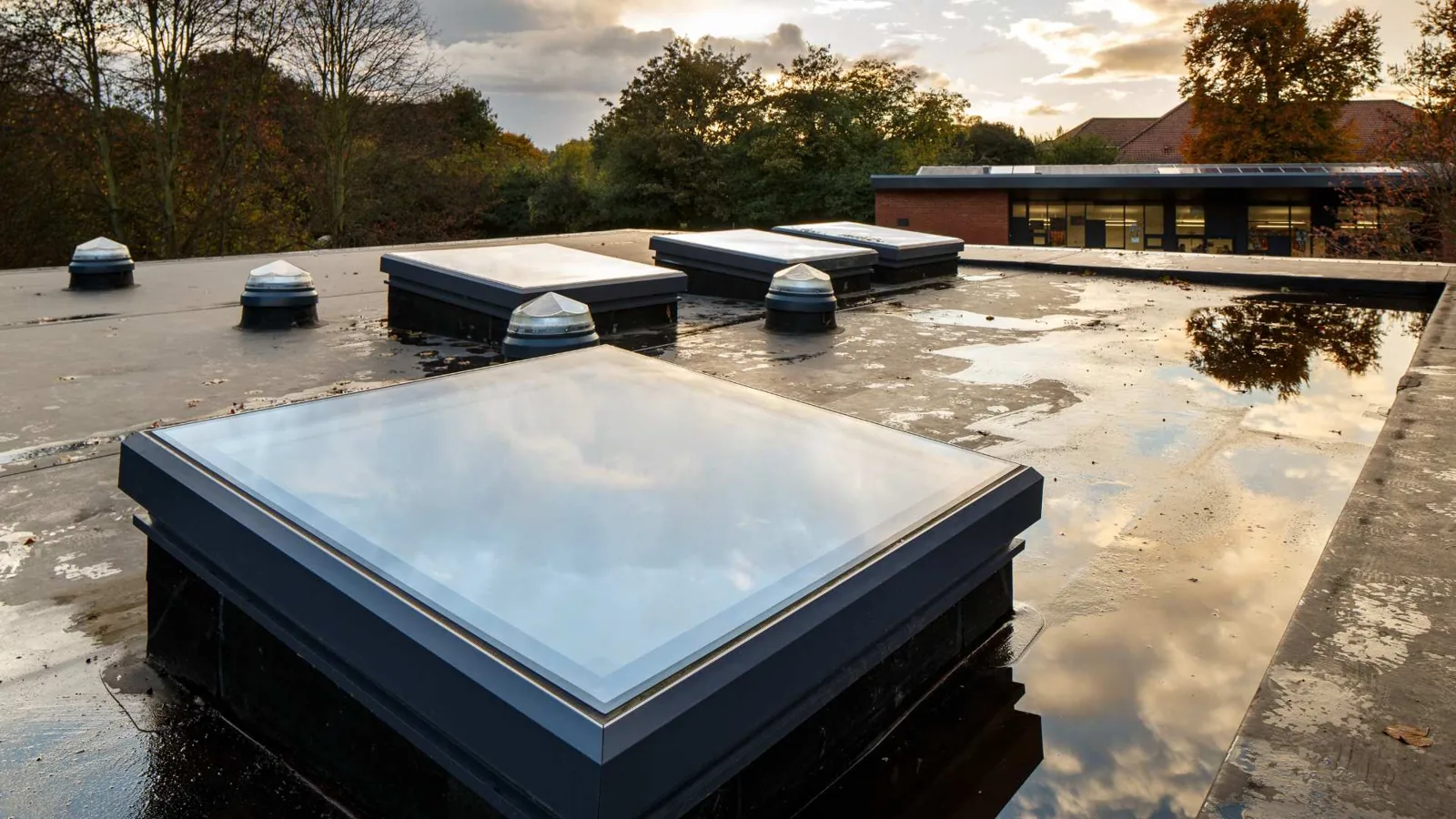
Solar equipment changes how water moves across the roof. Rails, ballast blocks, and wire runs can collect debris or create channels that carry water toward seams. We review drain locations, overflow paths, curbs, and low areas against the proposed array plan. The roof needs clear access to outlets for inspection and maintenance.
Every new penetration needs a compatible flashing assembly, secure attachment, and a detail that preserves the membrane's water barrier. Sealant alone does not make a support watertight. The approved detail should identify the base plate, membrane flashing, counterflashing, fasteners, and any required separation between materials. Penetration flashing review can identify where the roof transition requires repair before supports are set.
If water remains after an array is installed, inspection can be harder when the equipment layout obscures seams or drains. We record pre-installation conditions and photograph concealed areas during roof work. A roof condition report can map seams, penetrations, and repairs so future service teams know where access is needed.
Drainage design may need to change if the array reduces clear flow paths. Drain and scupper work can address outlet flashing or low areas before the array goes in. We coordinate access and repair limits with the solar installer so completed work is not covered before inspection.
Coordinate the Construction Sequence
Roofing and solar work should have a defined sequence. The roofer needs to complete membrane repairs and any replacement before support penetrations are installed. The solar contractor needs approved locations, attachment details, and electrical routes. The structural engineer confirms loads and fastening. The building team sets shutdown, access, and commissioning windows.
Independence follows the 2023 National Electrical Code and publishes 2024 amendments for building, existing-building, and energy-conservation codes. Electrical and building permit requirements depend on the project scope and the authority having jurisdiction. We coordinate the roof interfaces while the electrical and structural professionals retain their respective design roles.
Weather affects open-roof work and membrane installation. If the building remains active, we sequence one area at a time, protect interior spaces, maintain temporary tie-ins, and preserve drainage. For work near Noland Road or the Sterling Apple Market area, the property contact confirms delivery access.
Cost depends on roof condition, repair or replacement scope, access, support type, flashing details, temporary removal of existing equipment, and the level of testing required. We separate roofing work from solar installation and identify any concealed condition that needs a change order before it is covered.
Build a Roof Record Before the Array
Before the solar system is placed, confirm the roof's age and assembly, moisture condition, drainage path, attachment, penetrations, and repair boundary. Keep photographs of concealed transitions and a roof plan showing supports, drains, and service lanes. That record gives the facility team a reference for future maintenance.
Arrange a solar-readiness roof review with Commercial Roofing Independence. We will document roof conditions and coordinate the waterproofing details that the array layout must preserve.
Commercial Roofing Questions
Should we replace the roof before installing solar panels?
Roof condition and remaining service life should be reviewed against the solar system's intended operating period. We inspect the assembly and identify whether repair or replacement is needed before supports are added.
Can solar supports be attached through a membrane roof?
Penetrating supports can be used when the structural design and approved flashing detail protect the membrane. We verify the roof system and coordinate the attachment interface with the project team.
Who determines whether the roof can carry an array?
A structural engineer evaluates the deck, framing, and design loads. We provide available roof information and inspect the assembly, but the capacity calculation belongs to the engineer.
Will panels affect roof drainage?
Rails, ballast, and wiring can change debris collection and water routes. We compare the layout with drains, overflows, and service access before installation.
Can the solar contractor install before roof repairs are finished?
Roof repairs and required replacement should be completed and documented before array supports conceal the work area. The construction sequence should leave each flashing detail available for inspection.