Inspect a commercial roof in Independence, MO with hands-on checks of seams, drainage, attachment, flashing, penetrations, and moisture conditions.
A useful roof inspection connects each visible defect to the assembly beneath it. We walk the roof, identify its membrane or metal system, check drainage and edge conditions, and record the details that control water entry. Around Independence, the same inspection method serves institutional buildings near Parkville, Missouri, retail at Liberty, Missouri, and industrial facilities east of town. The report describes what was observed, where it is, and what repair or monitoring step follows.
Assembly Review
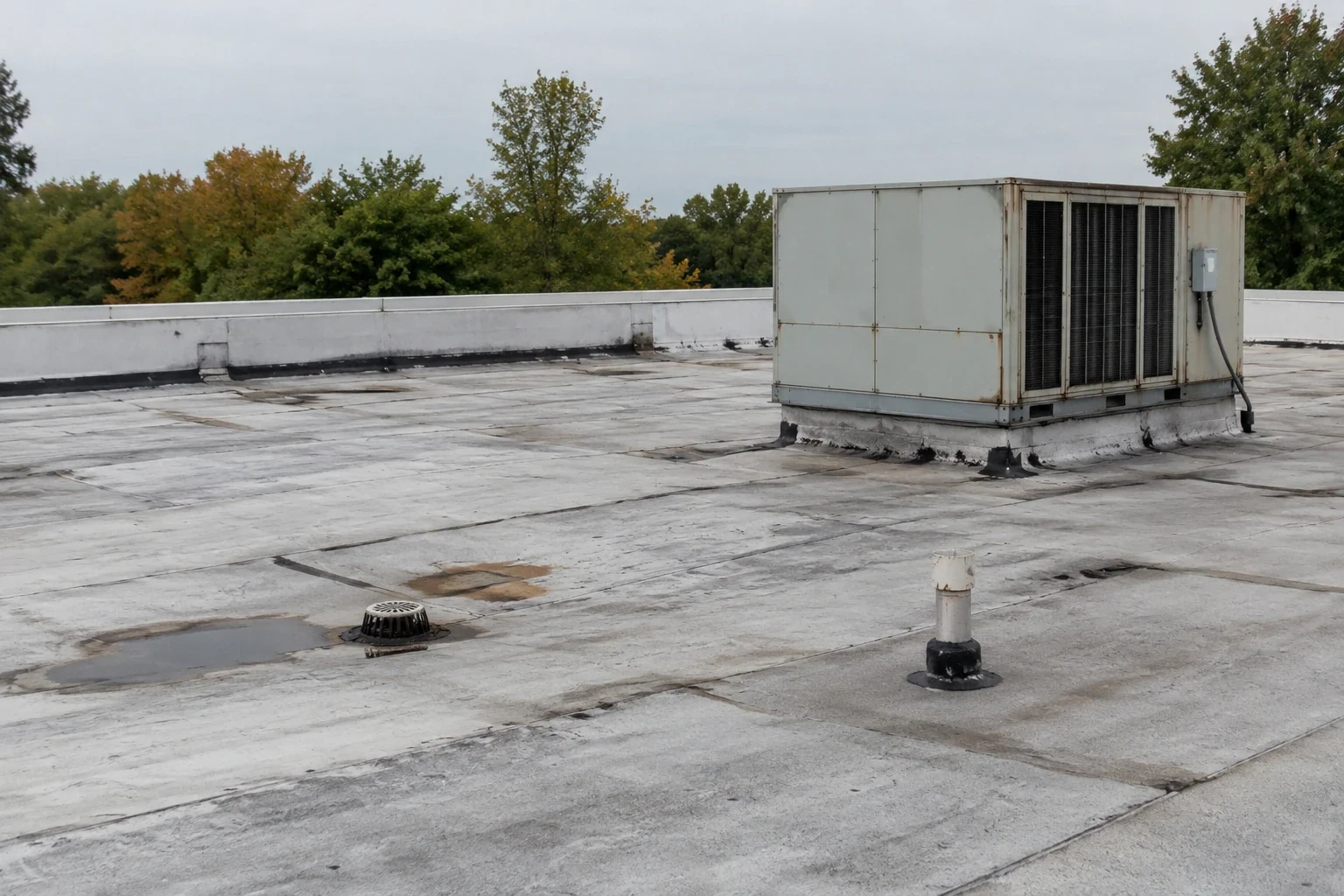
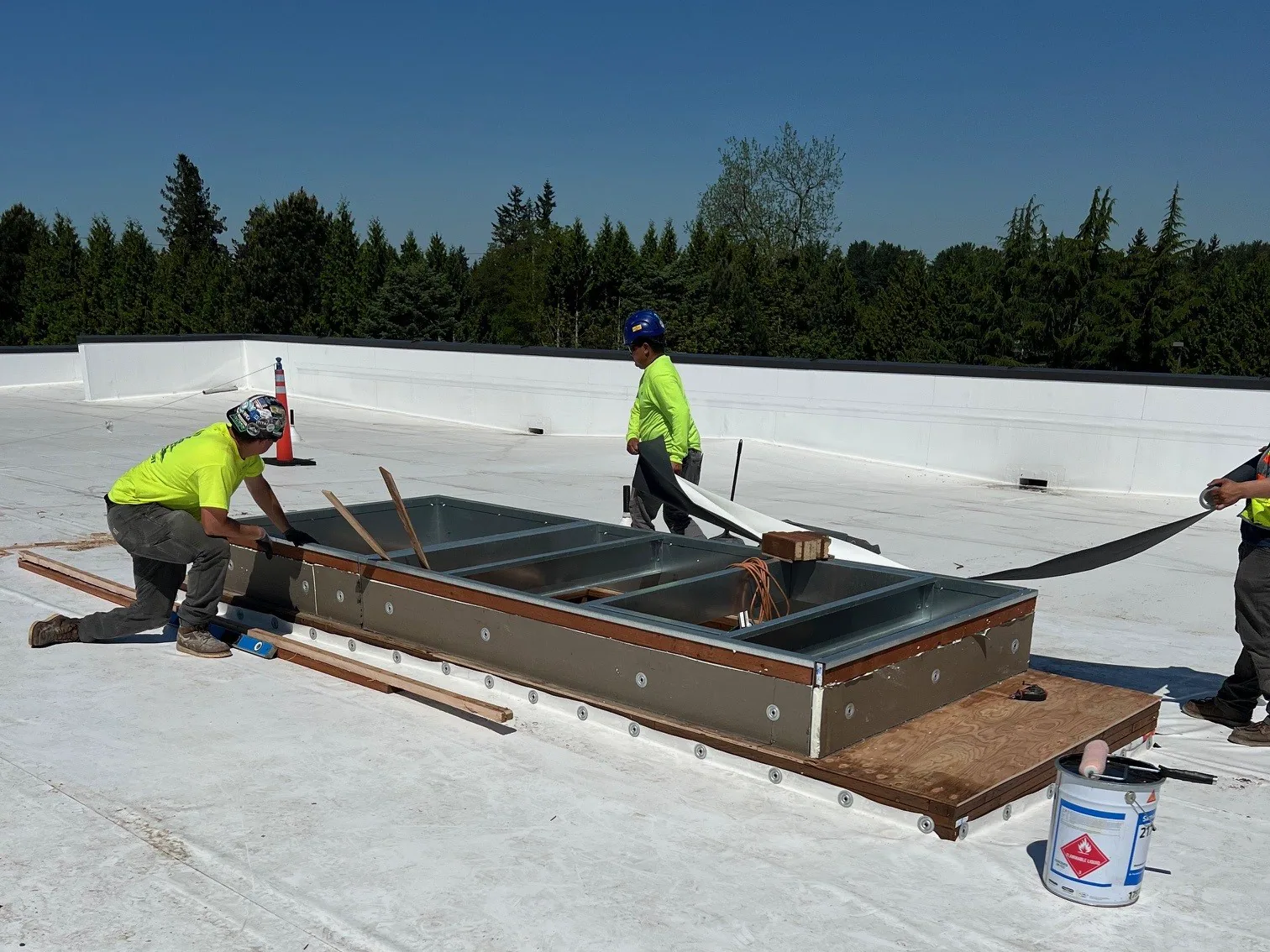
We begin by identifying the roof system and visible layers. The membrane type, seam configuration, insulation, cover board, and attachment method influence what a defect means. We examine field seams, patches, penetrations, curbs, drains, scuppers, expansion joints, parapets, and perimeter metal. At each change in plane, we check whether flashing continues the water barrier and whether movement has opened a gap.
Surface observations need context. A blister can indicate trapped air, moisture, or a bond issue; it does not automatically mean the roof is leaking. A seam edge may show wear but remain watertight. We test suspect areas and note whether a condition is active, deteriorating, or stable. Where opening the roof would clarify the assembly, we recommend a core sample and document its location.
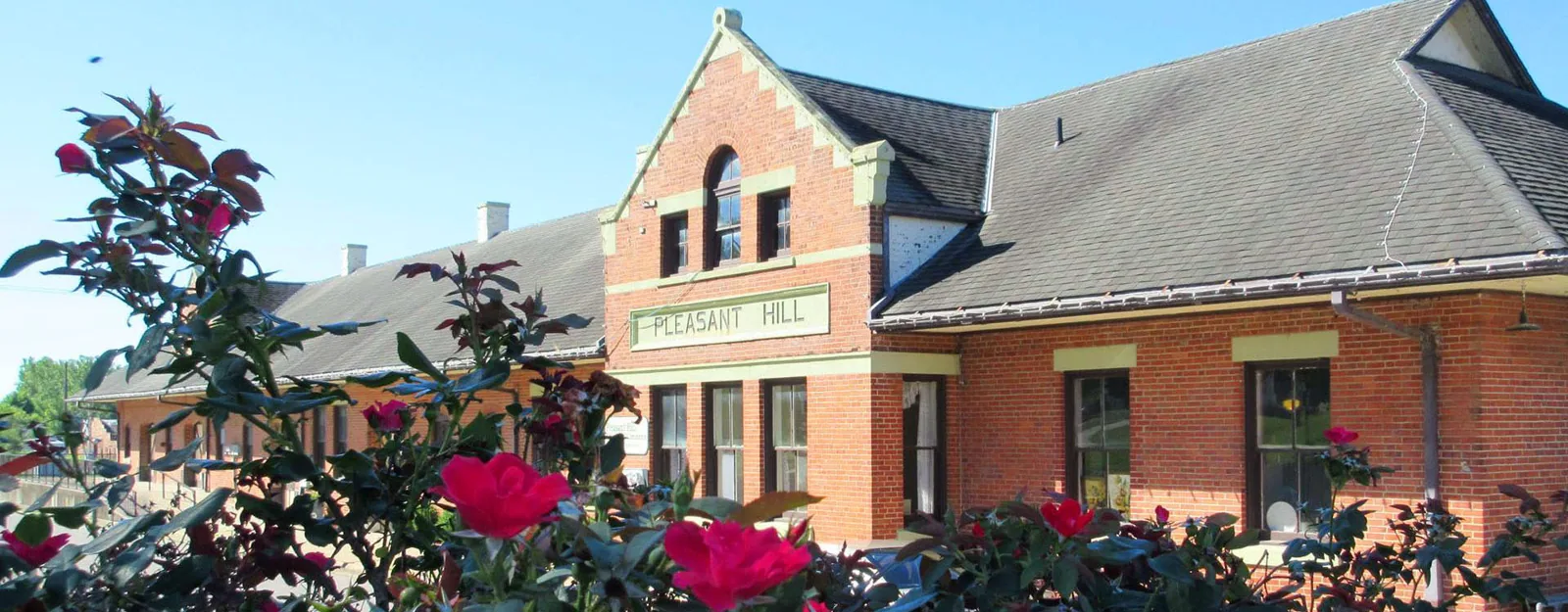
Independence's commercial mix includes medical, education, manufacturing, retail, and civic properties. Access requirements differ. Pleasant Hill, Missouri has career and public-safety programs. For work near the campus, the facility contact confirms access windows and restricted areas, and we inspect the roof assembly at the specific address.
Drainage and Transitions
Water should move from the field toward a functioning drain, scupper, or roof edge. We inspect strainers, drain bowls, overflow openings, crickets, and low spots. Debris can block an outlet, but recurring ponding can reflect slope, deflection, or a depressed insulation system. We record where water stands and whether it reaches a seam or penetration. If a repair is proposed, the report should say whether it addresses the source or only the nearby symptom.
Transitions deserve their own pass. Roof-to-wall flashing, equipment curbs, pipe penetrations, skylights, and metal edges combine different materials and movement. Sealant may hide a loose termination or incompatible repair. We check attachment and termination below the exposed bead when conditions permit. A perimeter metal inspection can clarify whether a leak begins at coping, gutters, or the membrane edge.
Kansas City climate normals show a January low near 20 degrees and a July high near 89. Seasonal changes can stress sealant joints, metal panels, and membrane transitions. The inspection notes cracks and separation where movement is concentrated, then distinguishes a maintenance item from a repair that could allow water into the assembly.
Weather Evidence
Independence has documented hail and tornado events. On March 6, 2017, quarter-size hail was observed at Centerpoint Medical Center and 1.75-inch hail two miles east-northeast of Independence. During the June 8, 2022 Jackson County tornado event, wind damage was observed one mile north-northwest of Independence. Those observations help frame inspection priorities; they do not establish damage at another building.
After a storm, we look for punctures, fractured coating, displaced edge metal, lifted membrane, damaged flashings, and debris impact. We photograph marked areas and compare them with adjacent surfaces. A hail bruise that has not breached the membrane differs from an opening that exposes reinforcement or insulation. Wind-related damage may show up at corners, perimeter edges, and attachment points. The report should separate observed defects from areas needing further testing.
When the concern is moisture below the surface, an infrared survey can help locate temperature patterns for follow-up. A thermal image is not a diagnosis by itself; we correlate it with roof construction, ambient conditions, and test cuts. For active entry, leak tracing can focus on the route water is following into the building.
Findings and Work List
The written findings should help an owner decide what to do next. We use photographs and location notes to separate immediate repairs from routine maintenance and longer-term planning. Each item describes the observed condition, likely effect, and recommended next step. If a condition is uncertain, we say what additional test would resolve it. We state verified roof age, remaining-life estimates, and repair history only when the records support them.
Cost and urgency depend on the area involved, access, substrate condition, water exposure, and whether the defect is isolated or part of a repeated pattern. A loose boot around one pipe is a smaller scope than failing flashing at multiple curbs with wet insulation below. We outline those drivers and identify where opening the roof may reveal additional work. For an owner preparing a capital request, a photo-based report can support a review of priorities.
If the roof has reached a point where many repairs repeat, we compare that pattern with replacement or a recover where moisture and code permit. A maintenance program may be suitable when details remain sound and routine cleaning or sealant work can prevent avoidable failures. The choice follows the findings and the owner's planning horizon.
Inspection Methods
A hands-on inspection is useful for condition review, due diligence, maintenance planning, or follow-up after a repair. We can focus on a reported leak, inspect the full accessible roof, or document a group of buildings. The inspection scope should identify roof sections and any areas that cannot be accessed. This keeps the report honest about what was checked and what could not be seen.
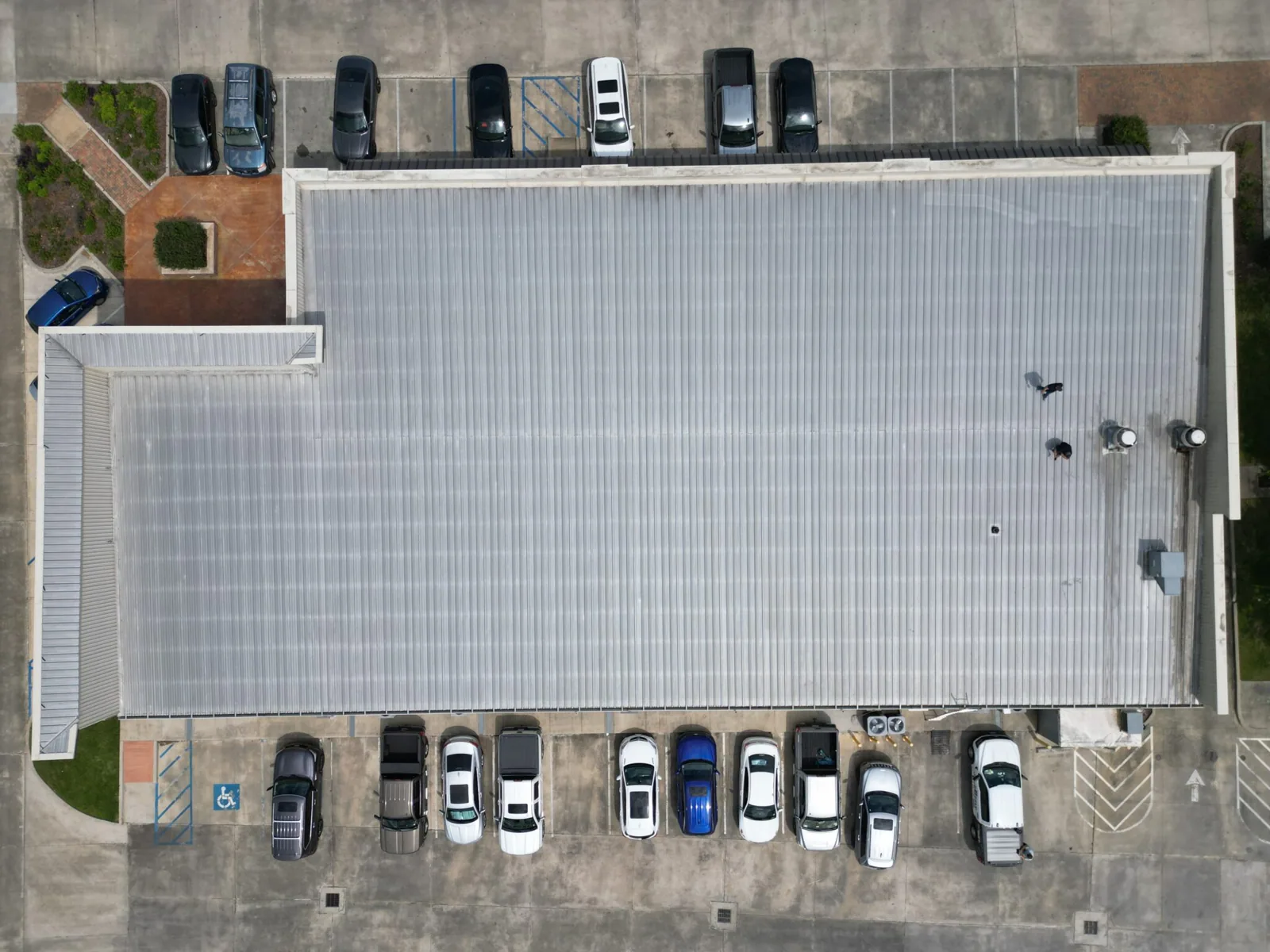
For large or difficult roofs, drone imagery can supplement the walk-through by showing broad patterns and hard-to-reach details. Infrared can help map suspected moisture. Neither method removes the need to verify critical findings at the roof surface. We choose the method based on the question: locate a likely water path, document a condition, or compare roof areas for capital planning.
Arrange an inspection with Commercial Roofing Independence. We will identify the assembly, inspect its drainage and interfaces, and deliver findings that connect each visible condition to an action. For buildings in Little Blue Valley or near the Maywood business district, the visit can be scheduled around site access and active operations.
Commercial Roofing Questions
What does a hands-on inspection include?
We identify the roof system, review seams, penetrations, edges, drains, flashing, attachment, and visible moisture conditions. The report records access limits and distinguishes observed defects from recommended testing.
Can an inspection tell me exactly how long the roof will last?
A visual review cannot reliably assign a remaining-life number. We document current condition, recurring failure patterns, and the tests or repairs that could clarify future planning.
Do you inspect the underside of a roof too?
When access is available, we compare interior signs such as staining or corrosion with roof conditions above. That comparison can help map a water route or identify condensation and mechanical sources.
When should I add infrared imaging?
Use it when a broad roof has suspected moisture that is not visible at the surface. We interpret thermal patterns against the assembly and confirm uncertain areas with test cuts when needed. Infrared can help prioritize test cuts when conditions are suitable, but it is a screening tool rather than a final moisture diagnosis. We compare the thermal pattern with roof details, interior observations, and recent weather exposure, then verify selected areas directly when the decision depends on what is below the membrane. A report should distinguish observed conditions from areas that still need confirmation.