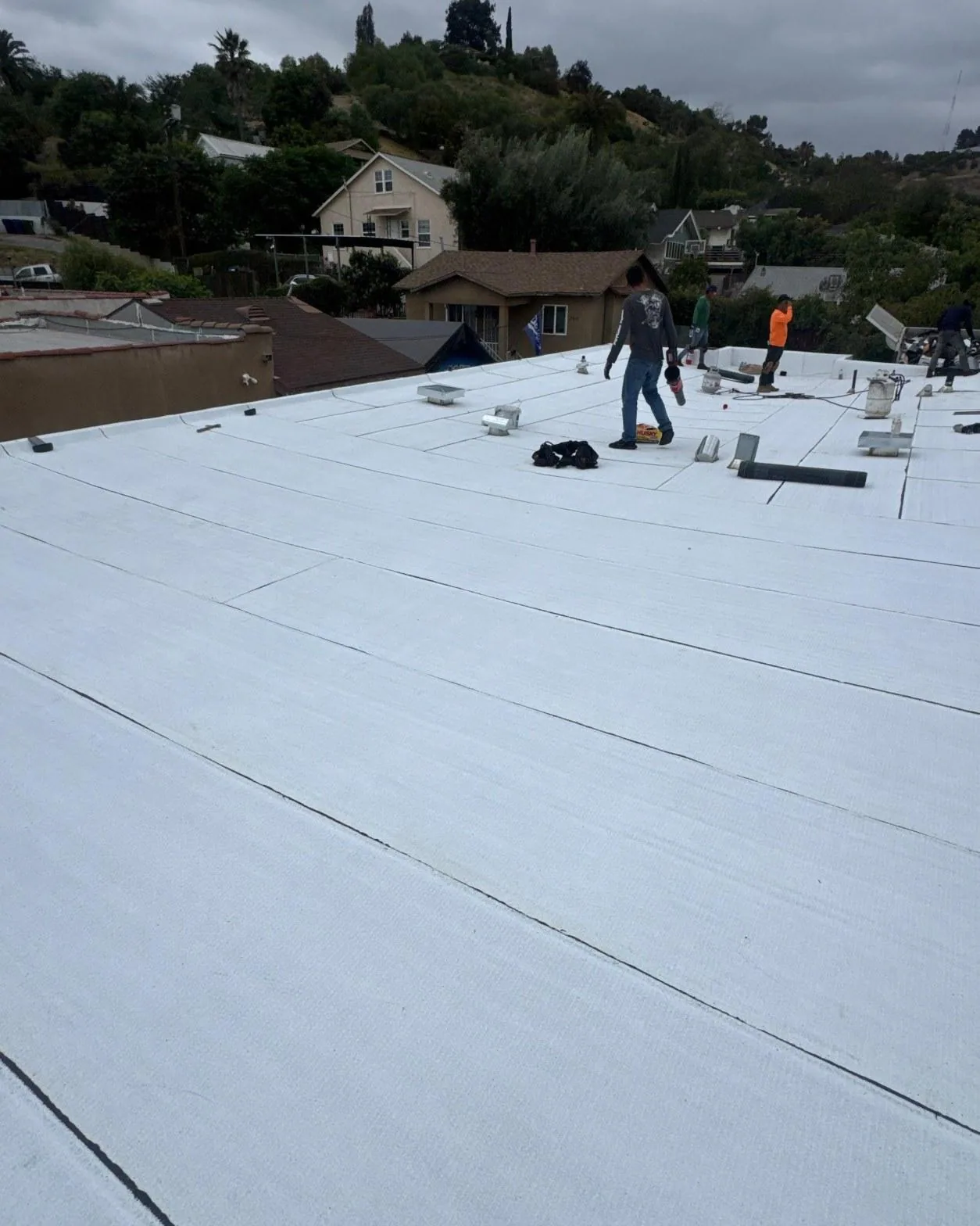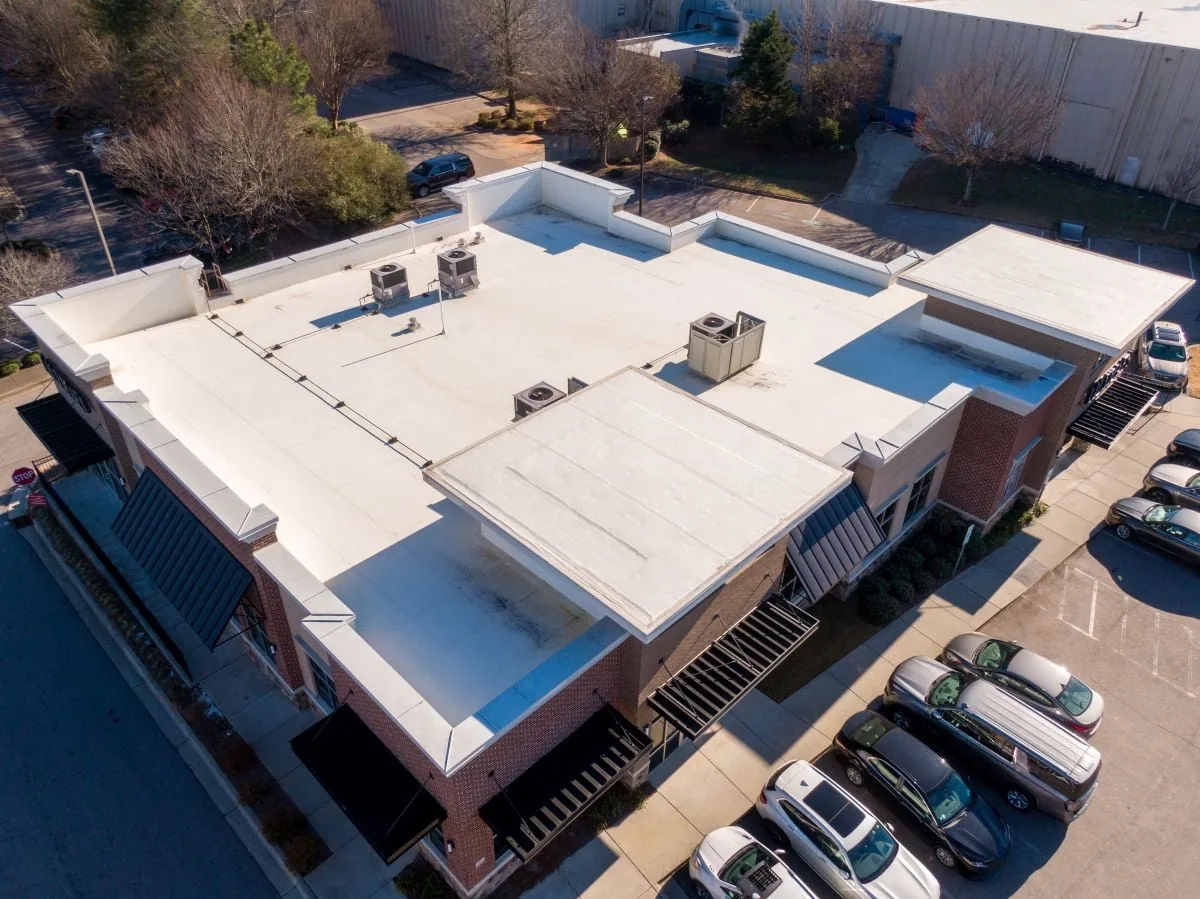
Document commercial roof damage in Independence, MO with inspection photos, observed conditions, temporary protection notes, and a clear repair scope.
A storm claim needs a roof record that distinguishes visible damage from assumptions about the event. We inspect the assembly, photograph the affected details, and describe the repair work supported by field findings. For a property near Grandview, Missouri or the retail district at Liberty, Missouri, the report starts with the building address and roof area, then records what is actually present. We can help document the roof condition and coordinate repair information. The insurer determines coverage under the policy.
Record What the Roof Shows
We identify the roof system and the locations included in the inspection. Photos show punctures, open seams, displaced metal, damaged flashing, impact marks, or other observable conditions. Notes connect each image with a roof section and detail. If a surface mark does not show a breach, the report says so. If a condition needs testing, we list the test rather than call it confirmed damage.
Inside the building, we record reported leak locations and compare them with the roof above. Water can travel along deck flutes, insulation, framing, or conduit. The stain and the entry point may not align. We inspect drains, curbs, penetrations, perimeter details, and nearby membrane seams to trace the route. When entry is active, leak tracing can help define which roof conditions correspond to the interior report.
Independence has documented hail and tornado events, but each record has a location. A documented hail event on March 6, 2017 included stones measuring 1.75 inches east-northeast of Independence; a separate report placed quarter-size hail at Centerpoint Medical Center. These records establish reported weather at those points, not roof damage elsewhere. A separate June 2022 event included an EF-2 tornado near Buckner and wind damage north-northwest of Independence. These reports do not prove damage at another address. We describe the building's observed condition separately from storm history.
Keep Damage and Repair Scope Distinct
A claim file benefits from a repair scope that names the affected components. We state whether work includes membrane, flashing, metal edge, insulation, cover board, drain details, or interior protection. We also list conditions that remain outside the repair boundary. If a core cut shows wet insulation, that finding may change the scope; we document it and explain the added work before closing the roof.
Temporary protection and permanent repair are separate entries. A tarp or dry-in may limit water entry while weather or material conditions prevent final work. The record should show where it was installed and what areas still need inspection. When conditions permit, we return to check beneath the temporary cover and specify the compatible permanent repair. Around Little Blue Valley or the older storefronts at Historic Independence Square, the building contact can also coordinate safe access and any business interruption.
Timing depends on site access, roof surface condition, temperature, moisture, material cure, and weather. Regional station normals range from an overnight January low around 20 degrees to July highs around 89. That variation can matter when interpreting sealant movement or freeze-related evidence, but it does not establish a covered loss. Those are metro-station figures, not a reading from the claimed roof. We inspect actual conditions before selecting repair materials. If active water entry continues, around-the-clock emergency response is available, including nights and holidays, subject to safe access.
Build a Clear File
A useful file can include inspection date, roof areas reviewed, weather or event details reported by the owner, site photos, moisture test locations, and the repair proposal. We identify which items are observed, which are reported by the property contact, and which still need confirmation. That separation helps prevent a photographed mark from being treated as a verified leak or a citywide storm record from being assigned to one building.
Owners may need the same information for internal review, maintenance history, and insurer communication. We can provide photos and a written scope for the owner to submit. We do not determine policy coverage, adjust claim amounts, or promise a carrier's decision. The roofing work stays focused on assembly condition and corrective detail.
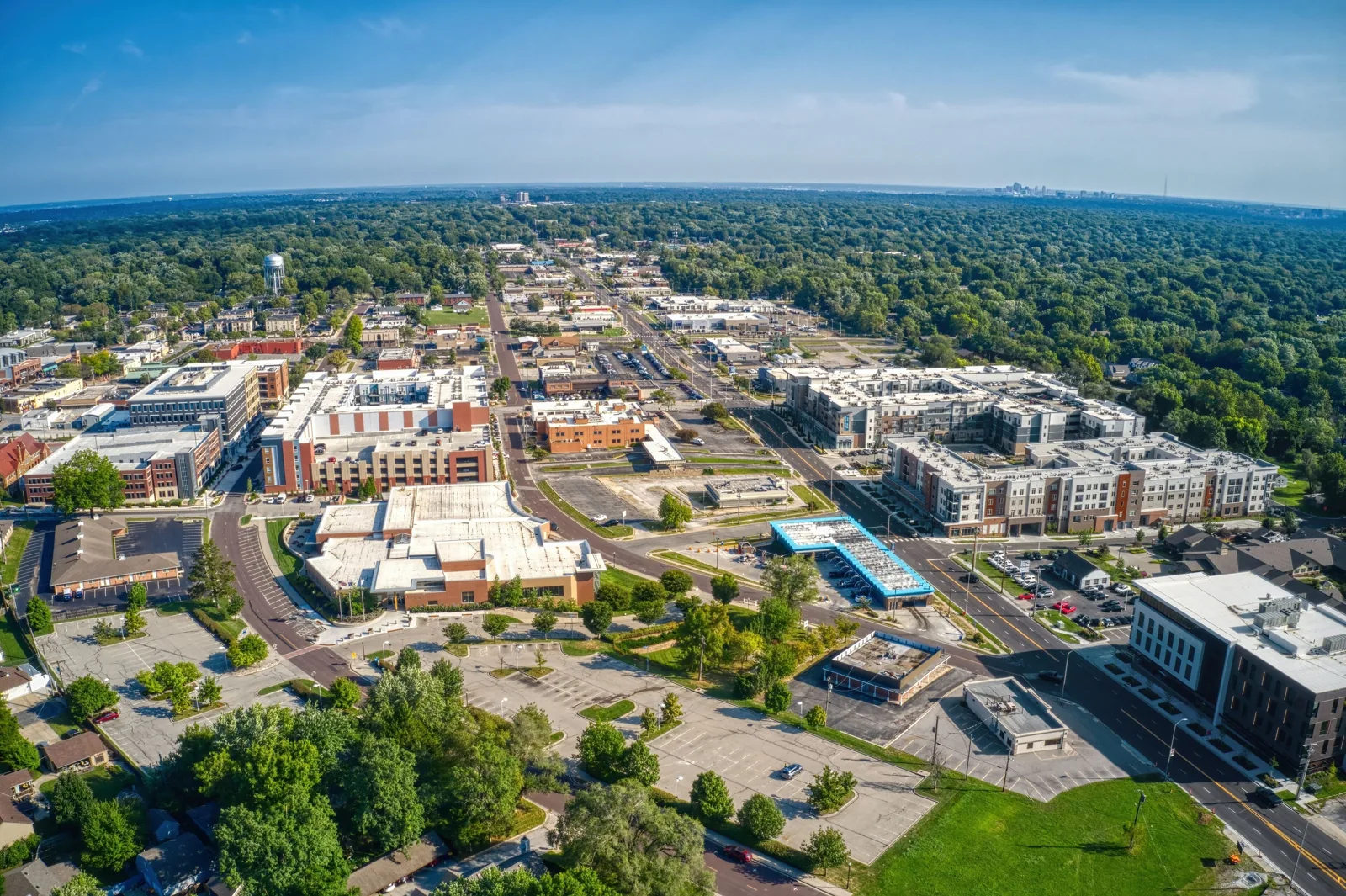
Properties in Independence range from industrial employers to medical and retail facilities. A portfolio can include a building near Burd & Fletcher, an office, and a retail roof with different systems. A condition report helps keep findings organized by roof area. Where damage repeats across sites, a multi-building work plan can group inspections and repairs without assuming the same scope at every address.
Connect Findings to Corrective Work
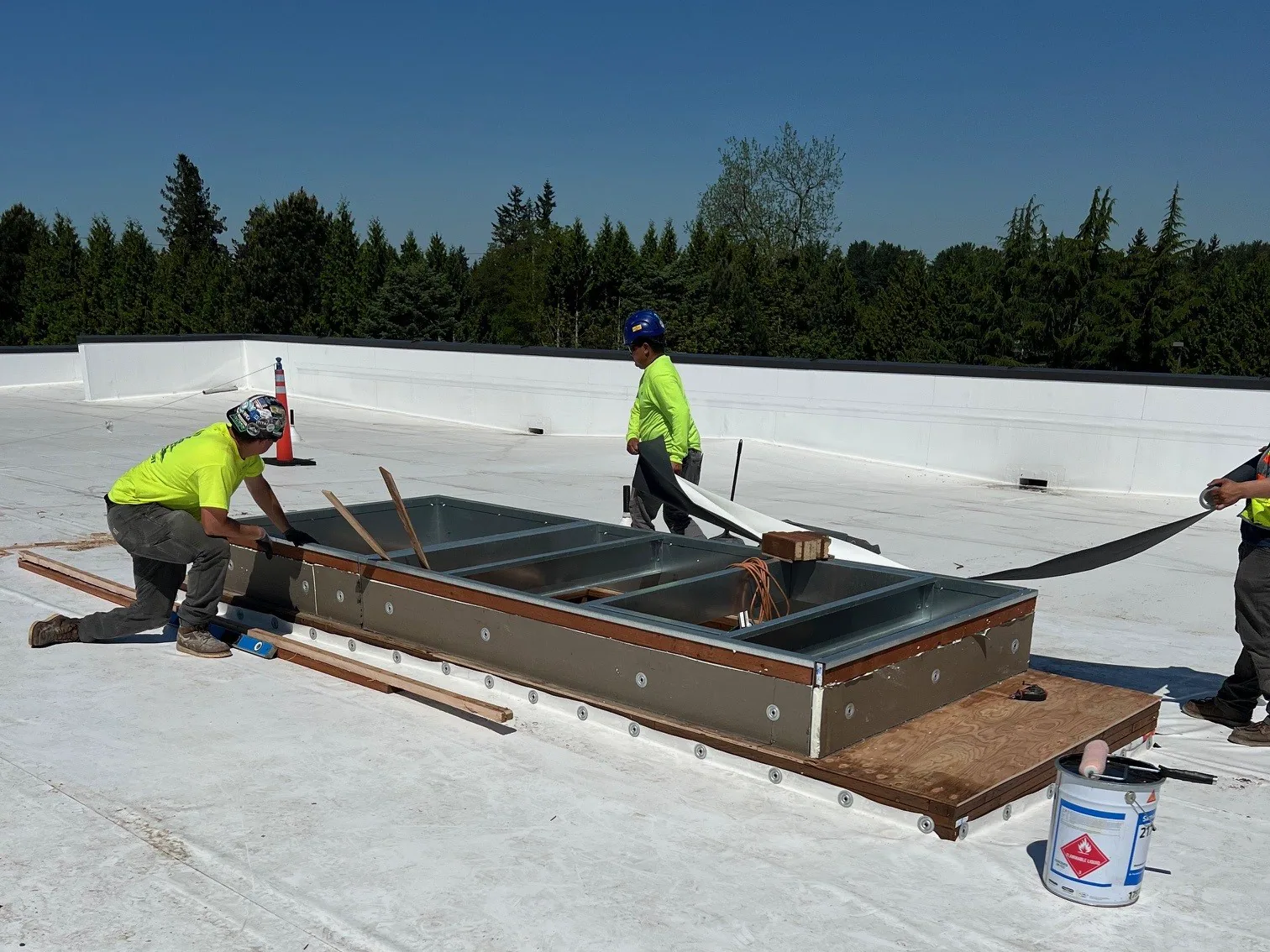
Once damage is confirmed, we choose materials compatible with the existing roof. A membrane puncture may need a welded or adhered patch. A loose coping joint needs metal and attachment review. Wet insulation may require selective removal. If an outlet or overflow has been damaged, the scope includes the drain interface as well as the membrane. Photos after repair should show the restored detail and any open condition that remains.
Repair scope can change after concealed layers are opened. We document added damage with images and a description before expanding the work. If the roof has widespread moisture, repeated seam failures, or deteriorated attachment, a series of isolated repairs may not address the assembly. We can compare planned repair with replacement or a recover where roof condition and applicable requirements support it.
Independence lists amended 2024 editions of its building and existing-building codes. The permit path for a repair depends on its extent and the authority reviewing the project. The repair or replacement scope may need coordination with the permit path. We identify the proposed construction details and include any inspection findings relevant to that work. A permit requirement does not establish whether an insurer will cover the project.
Prepare the Owner's Submission
Before the owner submits a file, we review the photo labels, roof locations, scope boundaries, and any open test items. The report should be understandable without a separate explanation of roofing terminology. We use direct descriptions: where the membrane opened, which flashing moved, what was repaired, and what still needs a field check.
For an ongoing leak, the first priority is limiting water entry and protecting the building. For a completed event, the next step may be a full roof review to distinguish storm damage from older wear or maintenance items. The inspection record supports a construction decision whether or not a claim proceeds.
Request a claim documentation visit from Commercial Roofing Independence. We can photograph observed conditions and organize a repair scope for review. We will document the assembly, visible damage, and proposed repair scope so the owner has a clear record for its insurance discussion.
Commercial Roofing Questions
Can you tell me whether my insurance claim will be approved?
No. We document roof conditions and proposed repairs; the insurer applies the policy and makes its coverage decision. Our report separates observed damage from items that remain uncertain.
What should the roof report include?
It should identify the areas inspected, photo locations, observed defects, test results, temporary protection, and repair scope. We also note what could not be confirmed during the visit.
Does a nearby storm report prove damage to my building?
No. Weather records apply to their recorded locations. We inspect the property itself and describe impact marks, openings, or displaced details found there.
Can you document repairs completed before the claim review?
Yes. We can record the original condition when available, temporary measures, repair materials, and finished details. Photos and notes describe the work performed, not a coverage outcome.
What happens if a test cut finds wet insulation?
We photograph the opening, map the verified moisture, and explain how removal or assembly repair changes the scope. Added work is documented before the roof is closed.