Install or repair commercial PVC roofing in Independence, MO with field checks for welded seams, chemical exposure, attachment, and penetrations.
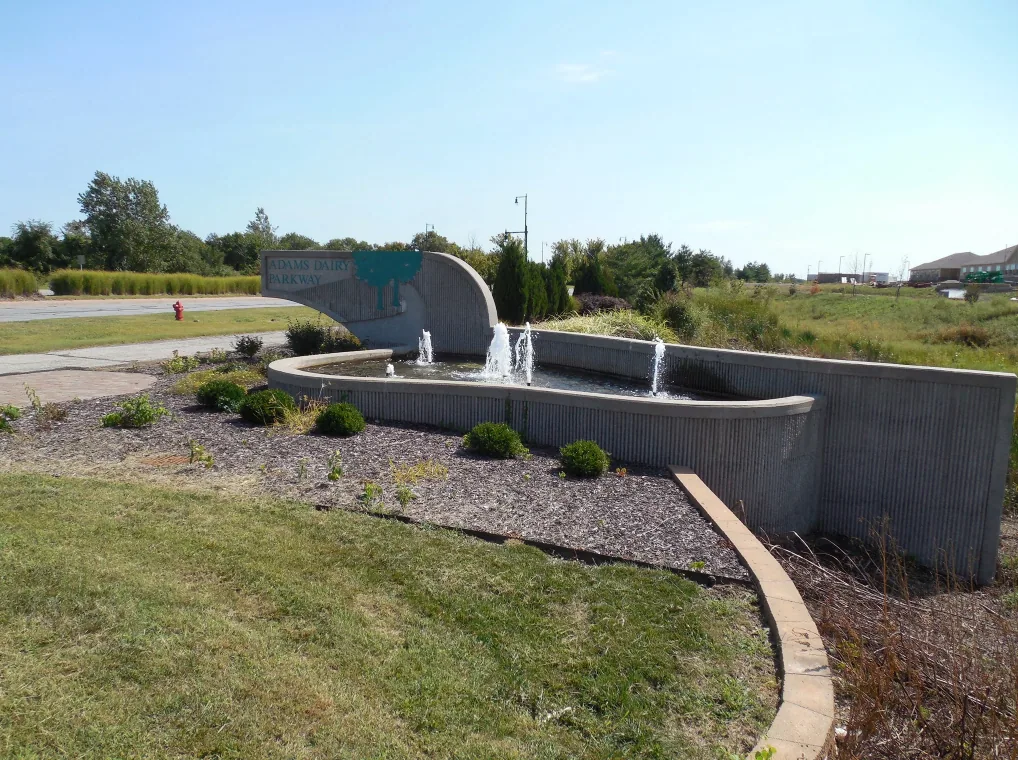
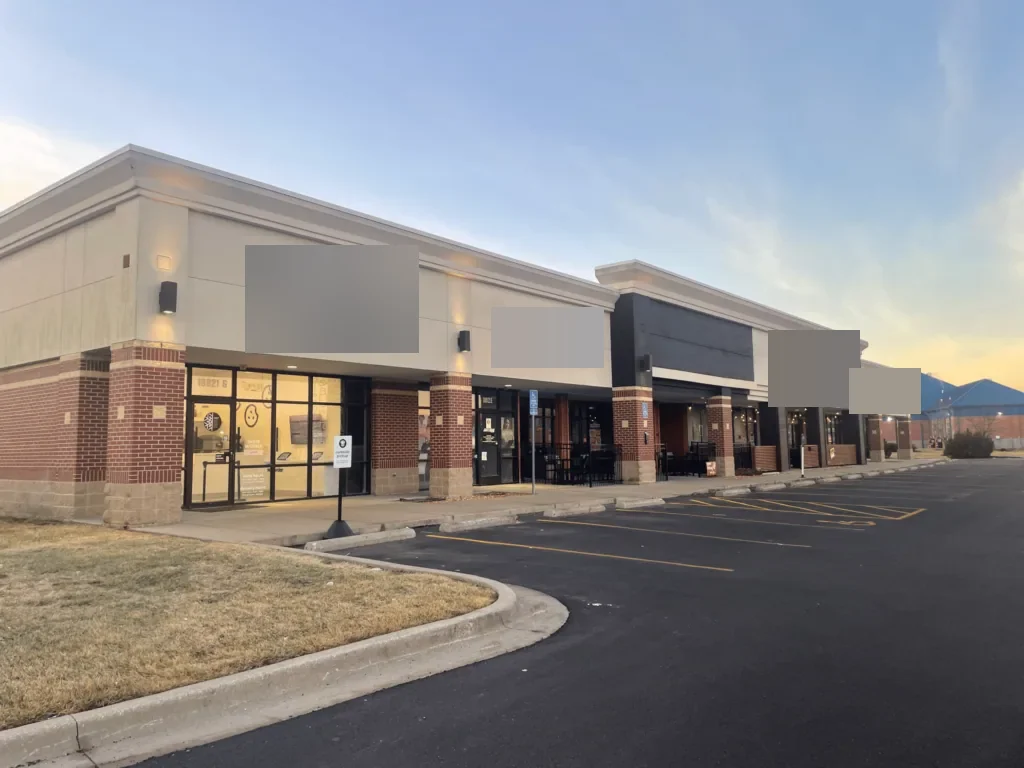
PVC membrane roofing uses heat-welded seams and can suit roofs where grease or certain chemicals reach the surface. The specification still depends on the exposure, substrate, drainage, and attachment. We inspect those conditions before proposing repair or replacement. Independence, MO has food-packaging manufacturing at the Adams Dairy Parkway Corridor, Blue Springs and a varied retail mix at the 39th Street Retail Corridor, Independence. Those uses inform the questions we ask about roof exposure and access; neither identifies a roof system without inspection.
Match the Membrane to Exposure
PVC's welded seams and chemical resistance can be useful where restaurant exhaust, oils, or other contaminants reach a roof. The actual substance and concentration matter. We review exhaust locations, drainage patterns, maintenance practices, and the membrane manufacturer's compatibility guidance. A general claim about grease resistance does not replace checking a particular discharge or spill condition.
Burd & Fletcher manufactures folding paper cartons and formed paper cups for food packaging. That local production fact makes exhaust and process-area coordination a relevant roofing question for manufacturing properties. It does not establish what equipment or chemical exposure is present at the plant. We inspect the roof and obtain facility information before selecting a membrane or repair method.
PVC should not be selected only by color or a broad material label. Reinforcement, thickness, attachment, flashing components, and seam design need to match the project documents. A coating or repair product contacting PVC must also be compatible. We check seams and field samples where a repair requires welding to an aged membrane. TPO roofing may be another single-ply option. A KEE membrane roof uses a PVC alloy when that specification is called for.
Where chemical exposure has softened or discolored a sheet, we map the affected area and inspect the substrate. A surface change can have several causes. We distinguish contamination, weathering, ponding, and physical damage before setting a removal boundary. A localized repair is useful only if the material beyond the defect remains sound and a compatible weld can be made.
Inspect the Field Weld
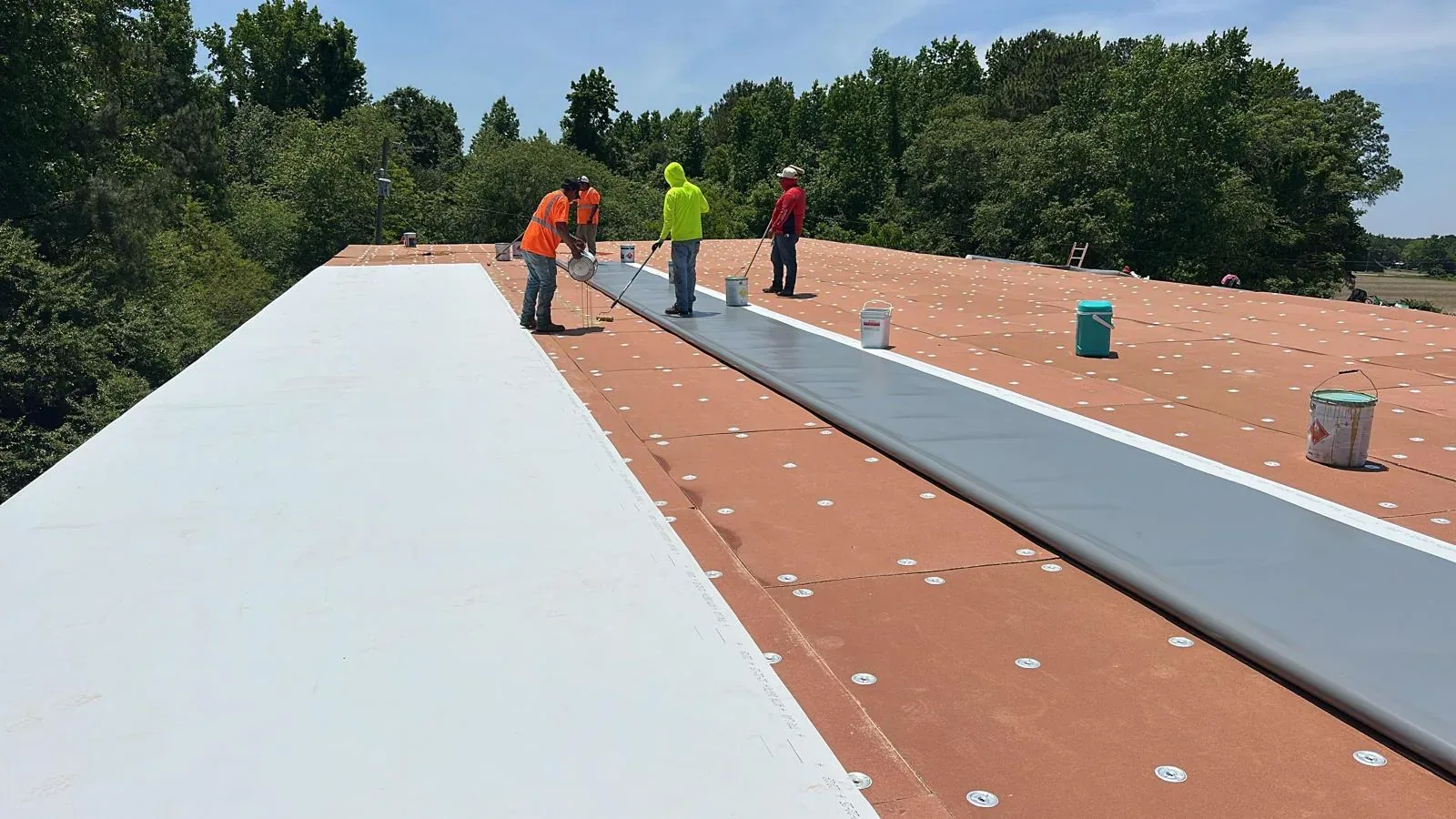
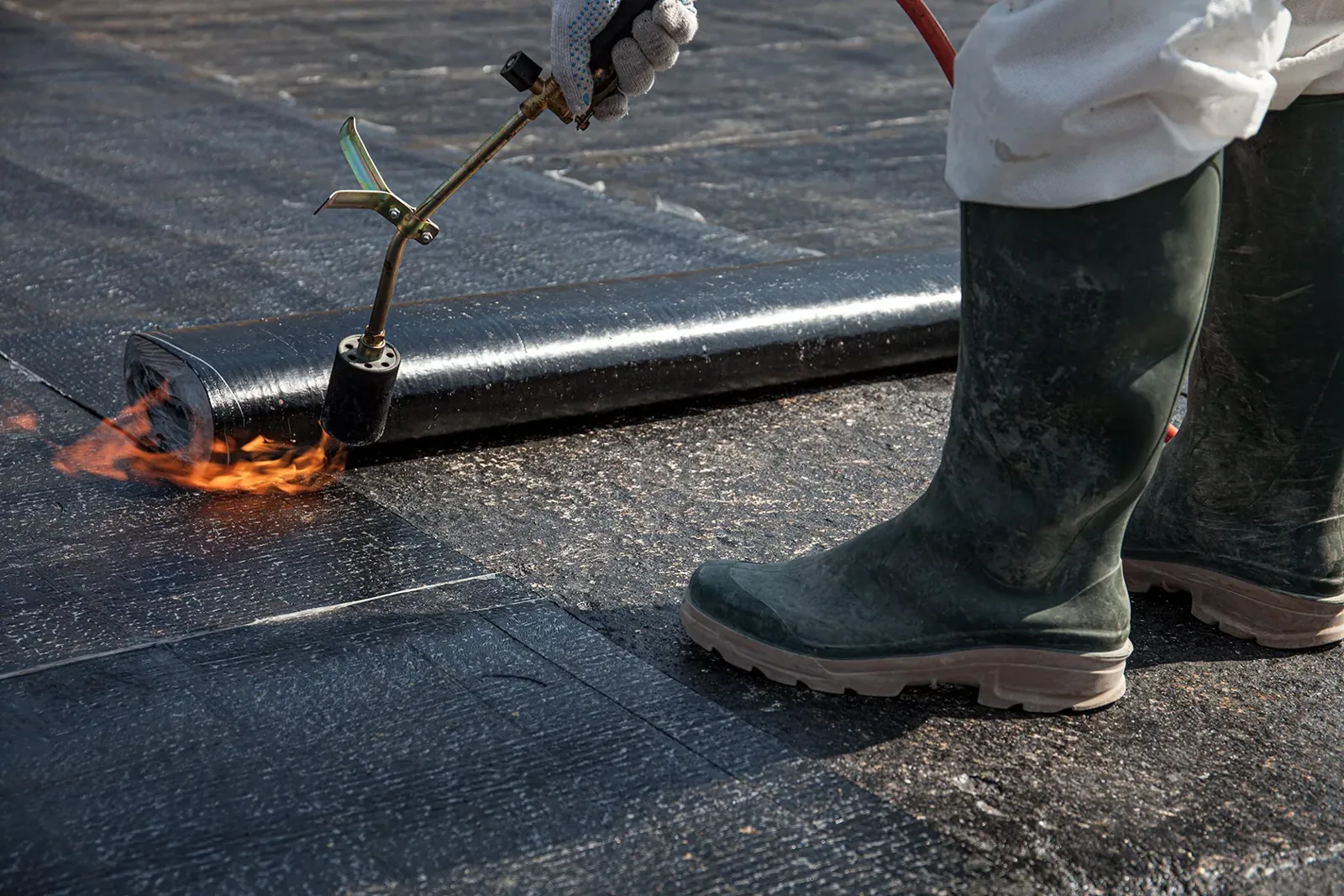
Heat-welded laps form the membrane's primary seams. We check weld width, continuity, open edges, wrinkles, and contamination. Probe testing can find a weak edge, but the repair also needs clean, dry sheet and a stable substrate. A patch must overlap onto sound membrane and avoid creating an uphill edge that catches water.
Thermal movement works at seams, curbs, drains, and metal terminations. Kansas City January normals include a low around 20 degrees, while a normal July high approaches 89. Those metro readings give seasonal context. We look for stress at corners and transitions where membrane, sealant, and metal respond differently to temperature changes. The roof's observed condition determines whether movement caused separation.
Hail can bruise or cut a membrane, but weather history does not prove impact damage at a specific site. Quarter-size hail was observed at Centerpoint Medical Center in 2017. That was a recorded observation at that location. After a storm, we check for punctures, broken welds, impact marks, and displaced flashings before documenting the repair.
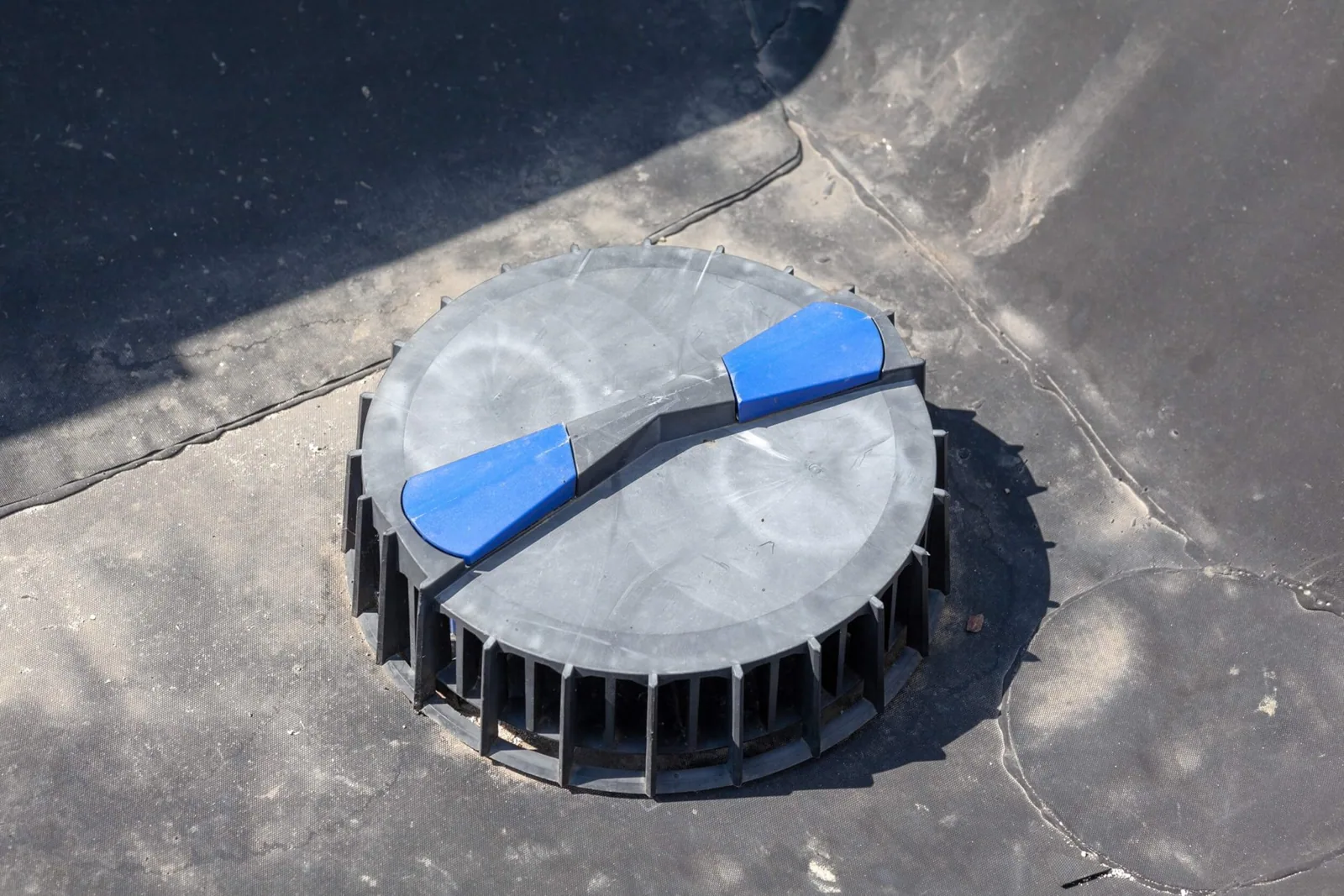
Seams near drains need careful review because water and debris can sit at the outlet. The clamping ring, drain bowl, and membrane flange should form a secure transition. Drain and scupper repairs can address the outlet detail when it is part of the same leak path.
Follow the Fastening Pattern
PVC roofs can be mechanically attached, adhered, or ballasted where the approved system allows it. Mechanical fastening transfers loads at plates and fasteners. An adhered system relies on surface preparation and bond. Ballast adds weight and must be distributed without blocking drainage or service access. We identify the attachment method and inspect the perimeter and corner zones where wind demand differs from the field.
At walls and curbs, membrane height and termination need to match the detail. We check metal counterflashing, termination bars, corners, and transitions to equipment. If the roof is being recovered, added thickness can reduce curb exposure or change drain height. Insulation and cover-board work should be coordinated with the flashing schedule and outlet elevations.
Independence publishes local amendments to its 2024 building and existing-building codes. A reroof or recover may have requirements that affect insulation, attachment, or edge details. The design professional and permitting authority determine the provisions for the project. We align the specified PVC assembly with approved drawings and manufacturer requirements before installation.
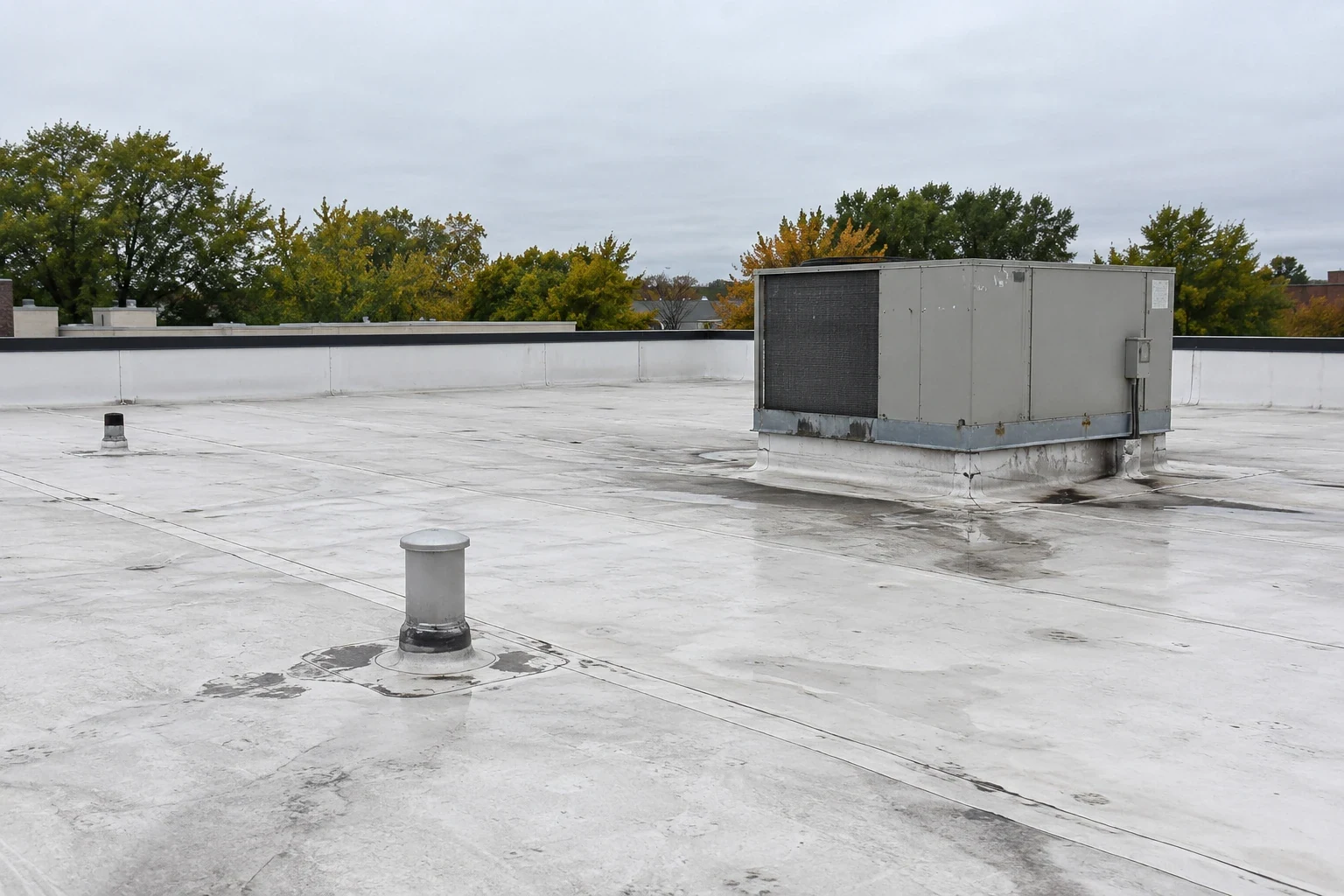
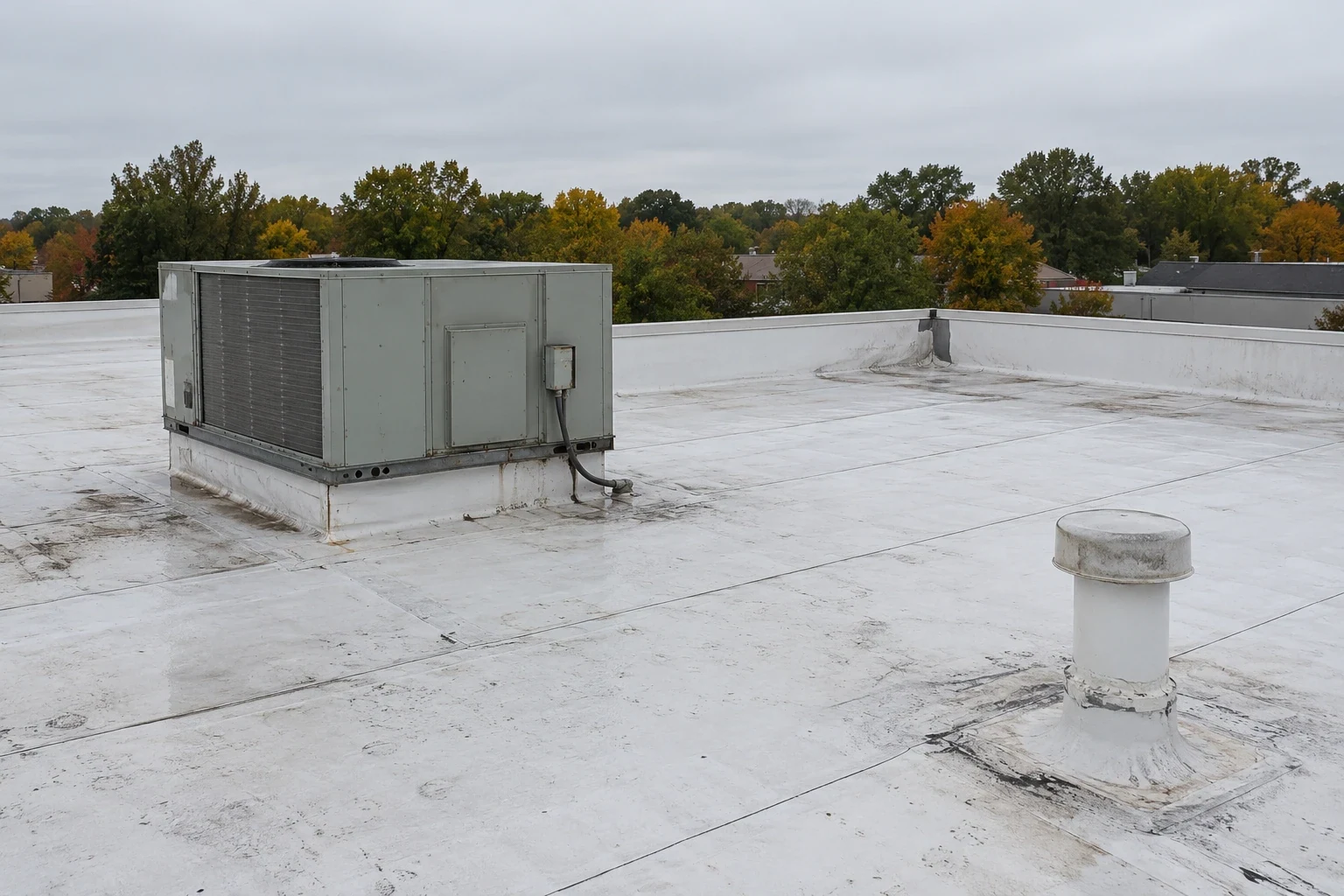
For a roof with multiple penetrations, we record each flashing type and the condition of the surrounding field. Penetration repairs should use details compatible with the PVC membrane and the opening. Equipment replacement can also change the curb size and leave an abandoned area that needs closure.
Choose a Repair Boundary
A localized weld repair can address a cut, open seam, or isolated flashing failure when the surrounding membrane remains flexible and attached. Widespread embrittlement, recurring seam failures, damaged reinforcement, wet insulation, or loose attachment can support broader replacement. We inspect the sheet and use selective cores if concealed moisture or layer count is uncertain.
Cost depends on membrane area, tear-off, insulation, cover board, fastening, chemical preparation, curb and drain details, roof height, and material access. A small patch does not carry the same scope as replacing a roof with many penetrations and process exhausts. We list tested areas, included repairs, and any conditions that remain outside the work.
Merchant Square is a 52,000-square-foot marketplace with more than 400 vendors. That retail fact illustrates why work sequencing and tenant access can matter on an active property. It does not tell us the roof's size or configuration. We confirm the work area, delivery route, and interior protection needs with the property contact.
For a larger scope, replacement planning can compare removal and recover options after the existing layers are verified. A condition report can retain photos of weld checks, core locations, and flashing defects for future maintenance.
Check the System After Work
After a repair, we inspect the completed weld, patch edges, curb flashings, drain interface, and perimeter. The record notes the product and repair locations, along with any area requiring follow-up. During scheduled maintenance, we revisit seams and penetrations before small openings admit water into insulation or deck.
Set a PVC roof inspection with Commercial Roofing Independence. We will identify exposure, test the relevant welds, and recommend repair or replacement based on the assembly condition.
Commercial Roofing Questions
When does PVC make sense for a commercial roof?
PVC can fit roofs where chemical or grease exposure is relevant, if the specific material is compatible and the full assembly is properly designed. We verify exposure and substrate before specifying it.
Can PVC seams be repaired with a patch?
A patch can work when it welds to clean, sound sheet and extends beyond the defect. We test the surrounding membrane and check whether the substrate is stable.
Does heat-welded PVC still need seam inspections?
Welds can be stressed by movement, contamination, impact, or poor field conditions. We probe seams and inspect the adjoining transitions during roof visits.
Can a PVC roof be coated?
A coating requires confirmed compatibility and surface preparation. We check the membrane, adhesion, moisture, and project requirements before treating it as a viable restoration.
How do you decide between PVC and TPO?
Exposure, design requirements, attachment, compatibility, and installed system details guide the comparison. We review those inputs rather than select by membrane name alone. The existing assembly, exposure to oils or grease, fastening layout, perimeter details, and available manufacturer-approved components matter more than color alone. We compare those conditions with the project requirements, then confirm the selected membrane can connect cleanly to drains, curbs, and edge metal. If an older roof is being recovered, the review also covers moisture, attachment, and added height at door thresholds and equipment.