Repair or replace commercial EPDM roofing in Independence, MO by checking rubber sheet, seam tape, attachment, flashing, and wet insulation.
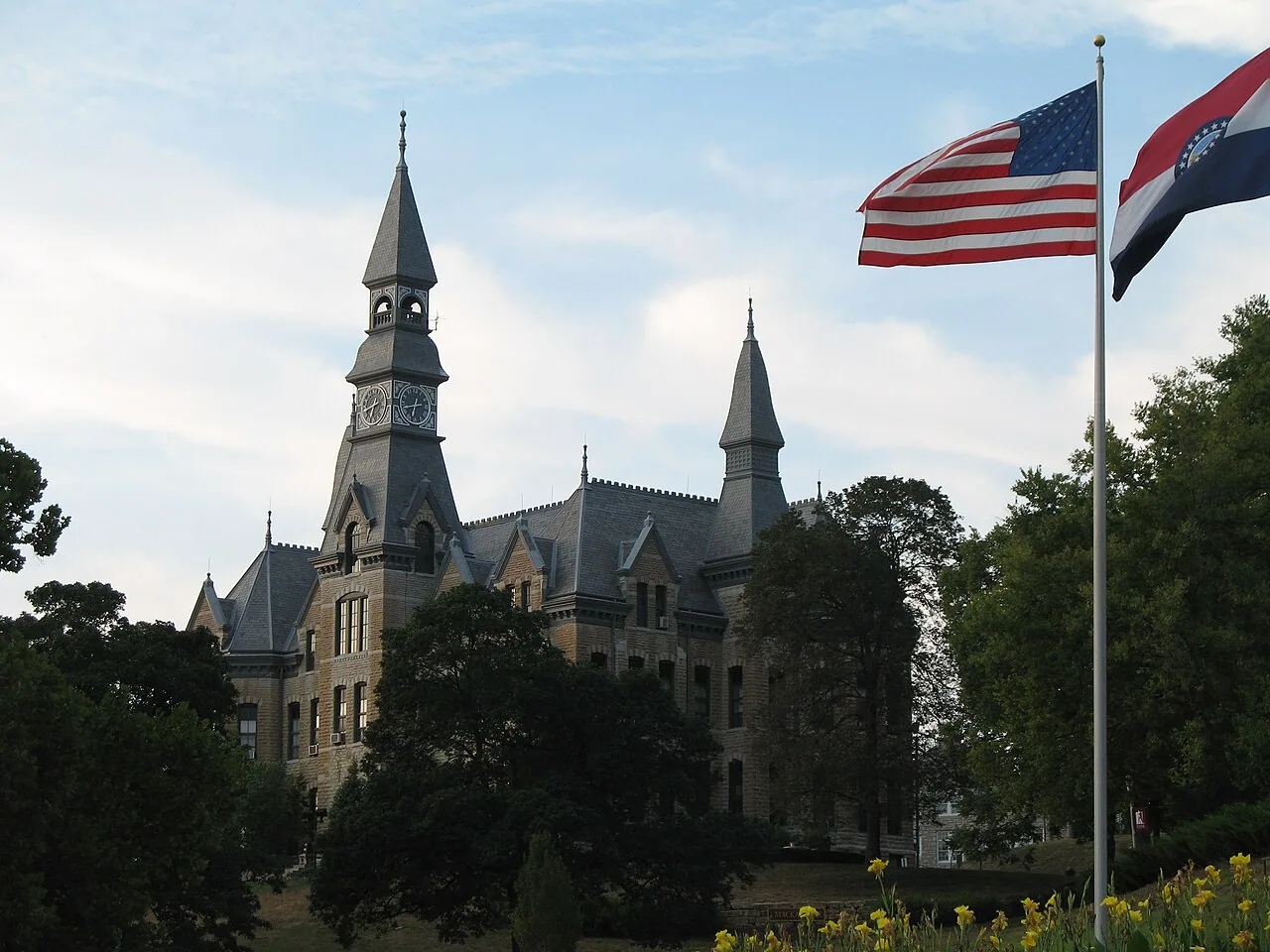
EPDM is a flexible synthetic-rubber membrane used on low-slope commercial roofs. Its laps may use seam tape and primer, adhesive, or system-specific bonding details. We check the sheet, lap edges, flashing, and attachment before choosing a repair. In Independence, MO, Parkville, Missouri and the Riverside, Missouri are institutional properties with different operating uses. Their names do not reveal their roof layers, so the assembly must be verified at the site.
Inspect the Lap and Bond
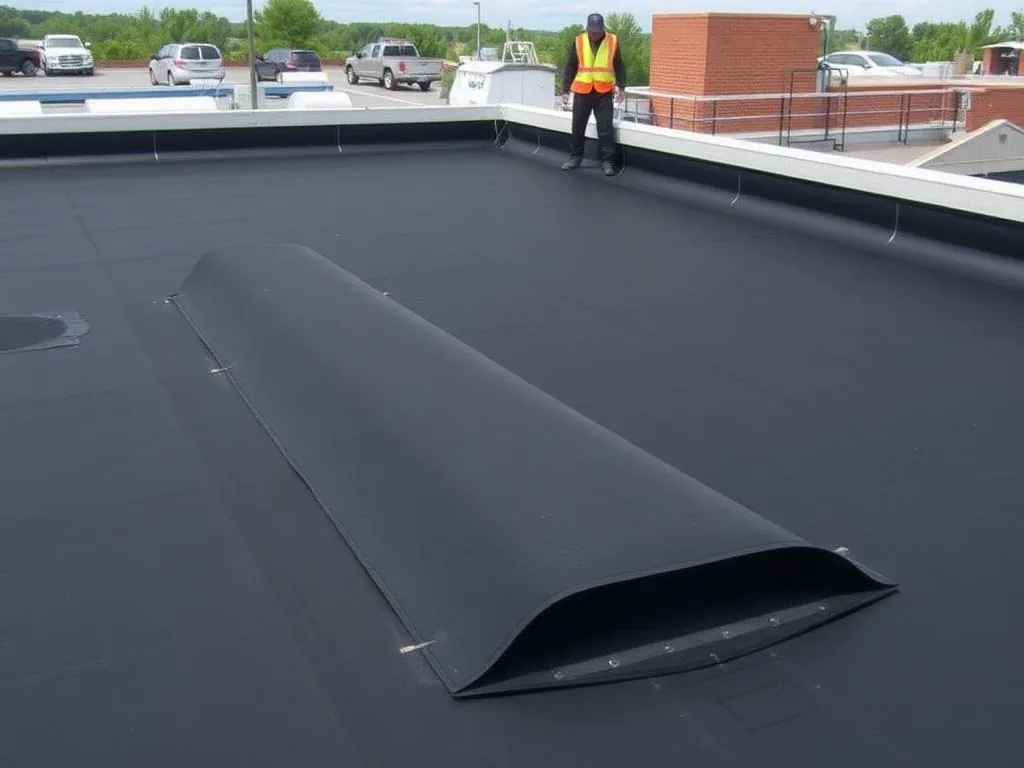
EPDM lap seams depend on prepared surfaces and continuous bonding. We look for loose edges, adhesive residue, fishmouths, wrinkles, and contamination at the lap. A taped seam can separate when primer was missed, the surface was not clean, or the sheet has moved against a fixed detail. The repair begins with finding how far the bond remains sound.
Older EPDM may become chalked or show shrinkage near perimeter details. We check whether the membrane still reaches the termination bar and whether the flashing remains secure. A patch needs compatible EPDM material and a clean, prepared bonding area. We do not rely on sealant as the only way to reconnect a loose lap.
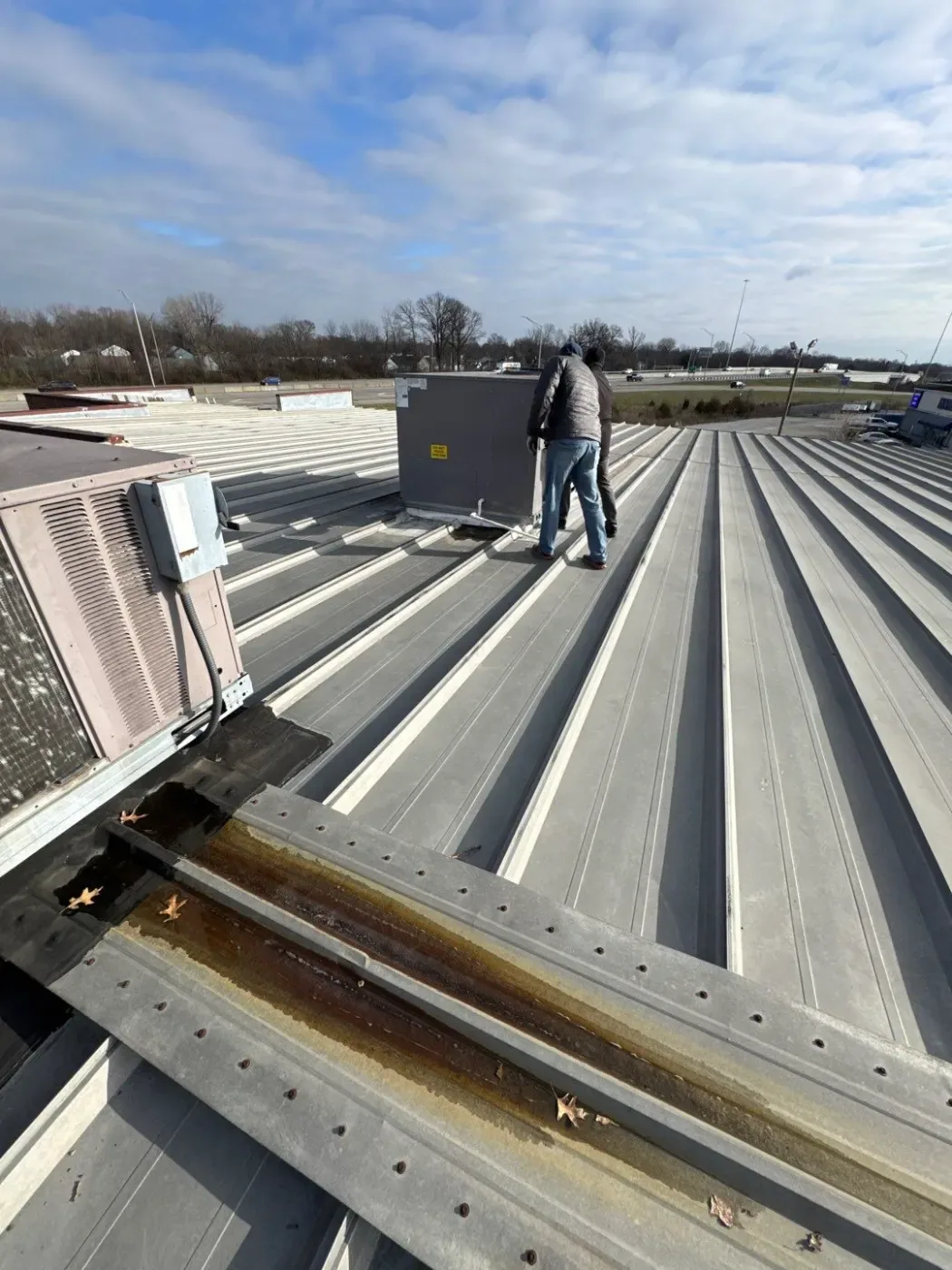
Different single-ply systems use different seam methods. TPO and standing seam metal use distinct joining and movement details. Identifying the installed system before ordering materials prevents a repair product from being applied to an incompatible surface.
Independence cycles from winter freeze to summer heat. At the Kansas City observation station, the normal January low is about 20 degrees, while the typical July high reaches roughly 89. EPDM remains flexible, but transitions, adhesives, and metal components respond differently. We inspect corners where the membrane can pull against a rigid edge.
Review the Attachment
EPDM systems can be adhered, mechanically attached, or ballasted under the project design. A loose sheet may indicate failed bonding, missing securement, or movement at an edge. We check the field and perimeter separately. Wind pressure and building geometry affect edge details, while the substrate determines whether fasteners or adhesives can hold.
Ballasted systems need the specified ballast pattern and stable supports. We check for displaced stone or pavers, membrane abrasion, and blocked drains. The ballast should not hide areas of persistent ponding or prevent inspection of a critical seam. If material must be moved, the crew protects the exposed membrane and restores the approved distribution afterward.
At parapets and walls, EPDM flashing must rise and terminate securely. We inspect metal counterflashing, corners, inside and outside turns, and changes in plane. A failed termination can admit water behind the membrane even when the field remains intact. Coping and edge repairs may be required with membrane work to re-establish the water boundary.
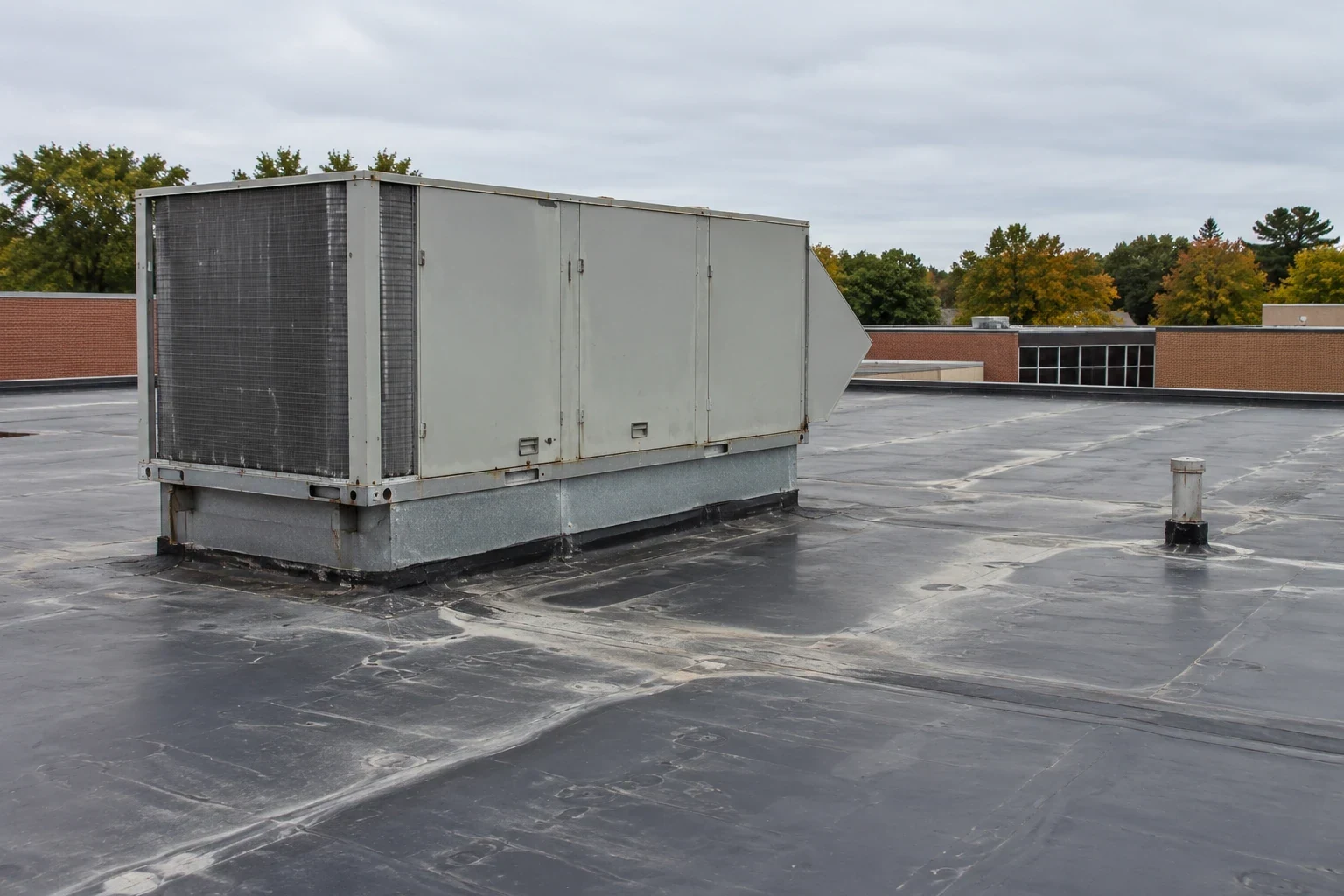
Where rooftop equipment or pipes intersect the membrane, each penetration needs a compatible boot or field flashing. We note unsupported lines, abandoned openings, and equipment movement. Curb and support work should coordinate structural attachment with membrane flashing rather than let movement strain the rubber sheet.
Find Moisture Before Recover
Water can travel below EPDM before it appears inside. We compare staining, roof-side evidence, low areas, and reported leak timing. A wet insulation layer can spread the affected area beyond the visible defect. Core testing or a moisture survey can confirm what needs removal before a recover is considered.
Graceland's Independence campus is a three-story building with an auditorium and atrium and houses nursing and other university programs. Those documented uses suggest that access and interior protection deserve coordination on institutional work. They do not establish the roof's construction. We confirm occupied areas, access rules, and any operational limits with the project team.
The Truman Library's museum and research functions make it another local example of an active institutional property. The National Archives describes a one-story building with basement spaces, museum areas, offices, and an auditorium. This building context can inform how a project team protects interior operations; actual roof conditions require a field review.
If water remains at a drain, ponding can stress a seam and complicate diagnosis. We check the drain bowl, membrane connection, and route across the roof. Drainage repairs can be coordinated with EPDM flashing when the outlet contributes to the leak path. A coating should not cover wet material or a loose seam.
Define the Repair Area
A small puncture, open lap, or isolated flashing defect may be repairable when surrounding EPDM is flexible and well attached. Widespread shrinkage, recurring seam failures, loose adhesive, wet insulation, or a deteriorated deck can point toward broader replacement. We inspect the sheet and layers, then mark the repair limits on a roof plan.
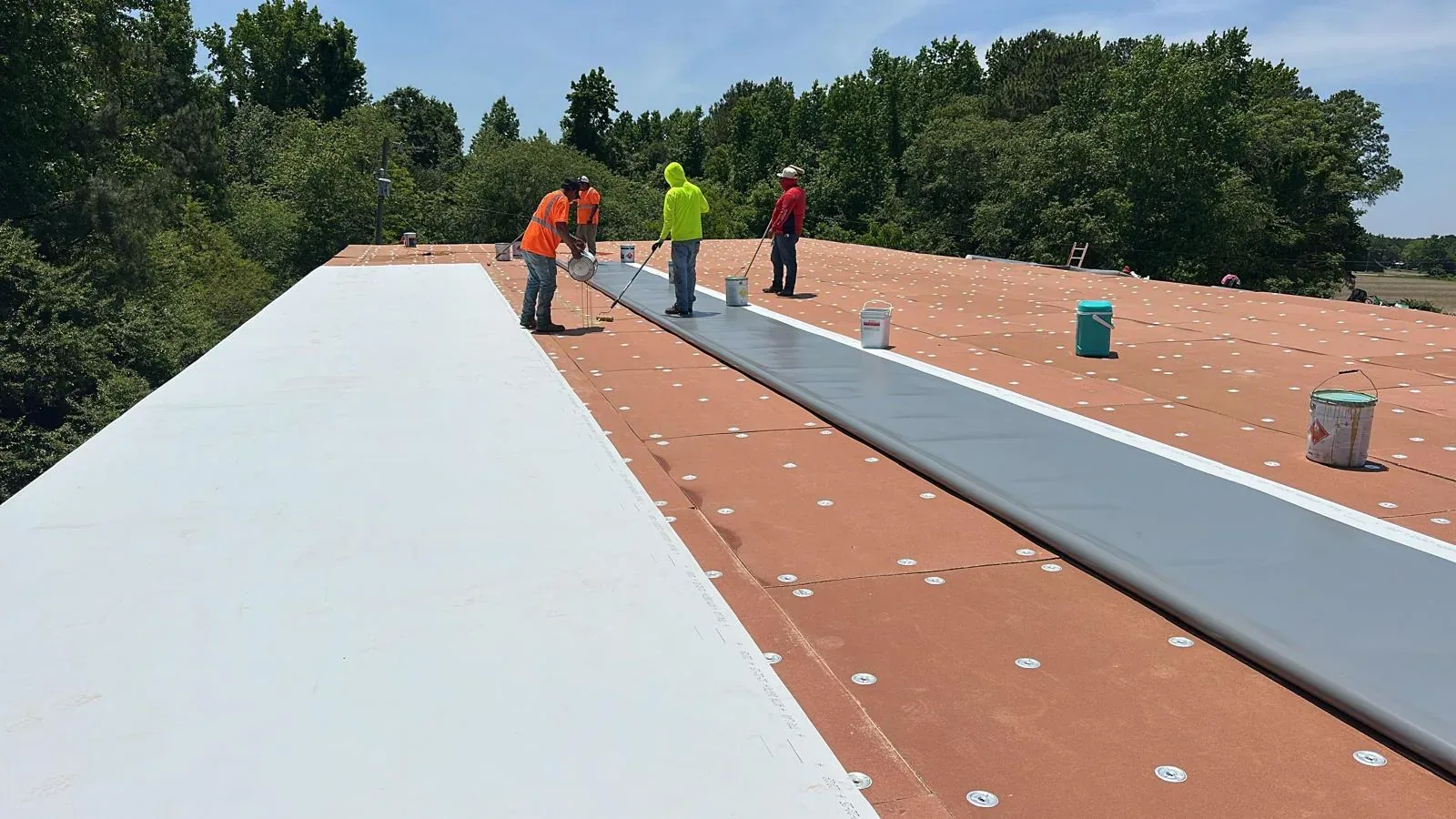
EPDM repairs require preparation suited to the specific membrane and accessory materials. We remove loose material, clean the surface, apply the specified primer or adhesive, and set the patch with the required contact and pressure. Corners and transitions need careful shaping. A patch edge should not collect water or sit across an active joint without the designed movement detail.
Cost depends on sheet condition, seam length, insulation removal, attachment, access, ballast handling, and the number of curbs and penetrations. A small repair over dry insulation differs from opening a larger area to replace saturated board. We separate confirmed scope from concealed conditions and provide photos so the owner can review the boundary.
Wind damage was observed one mile north-northwest of Independence during the June 2022 Jackson County tornado event. We inspect the building for displaced EPDM or edge details and document what is present. For emergency water entry, after-hours response can secure an opening, including nights and holidays, before permanent work is scheduled.
Keep a Membrane Record
A useful EPDM record identifies membrane type, seam repairs, edge details, penetrations, drains, and areas tested for moisture. Closeout photos show the patch and the surrounding assembly. That information helps the next inspection compare wear with the original condition instead of starting from an unlocated repair note.
Scheduled maintenance can check seam edges, flashing adhesion, ballast movement, and drainage. A condition record can map priority repairs and preserve photos for facility planning. If a larger reroof is approaching, compare the existing EPDM's attachment and moisture results with a new assembly before adding layers.
Arrange an EPDM roof inspection with Commercial Roofing Independence. We will identify the seam method, verify attachment and moisture, and recommend a repair boundary for the roof.
Commercial Roofing Questions
Can an EPDM seam be repaired without replacing the roof?
A localized repair can work when the surrounding sheet remains flexible and the lap can be prepared and bonded correctly. We check adjacent seams and insulation before limiting the scope.
What makes an EPDM lap open?
Bond failure, contamination, sheet movement, or a weak transition can separate the seam. We inspect the lap and its termination to locate the stress point.
Can EPDM be recovered with another roof layer?
A recover requires dry insulation, secure attachment, acceptable added weight, and compatible transitions. Testing helps establish whether existing layers can remain.
Does ballast need to be removed for a repair?
The repair area may need controlled ballast relocation to expose and prepare the sheet. We protect the membrane and restore material to the specified layout after the repair.
How does cold weather affect EPDM?
The rubber sheet stays flexible, but adhesive work and details remain subject to product and temperature requirements. We check current conditions and the full transition before repair. Cooler conditions change how adhesives and primers flash off, so repair timing and preparation need to follow the product instructions. A field seam or flashing should not be closed over a surface that is damp, contaminated, or too cold for the selected material. We verify the substrate and bond conditions before placing the patch, then inspect the full perimeter for fishmouths, lifted corners, or open edges.