Manage commercial roof repairs in Independence, MO with consistent inspections, clear work orders, tenant coordination, and portfolio-ready records.
Property managers need roof information they can carry from one building to the next. A useful inspection says which assembly is present, where the defect sits, what was tested, and which next action fits the evidence. Independence includes historic business districts such as the Square and commercial development at Eastgate. Their different uses illustrate why a single maintenance assumption cannot cover a portfolio. We record each roof separately, then organize the findings in a format the manager can use for work orders and capital planning.
Build a Roof Register
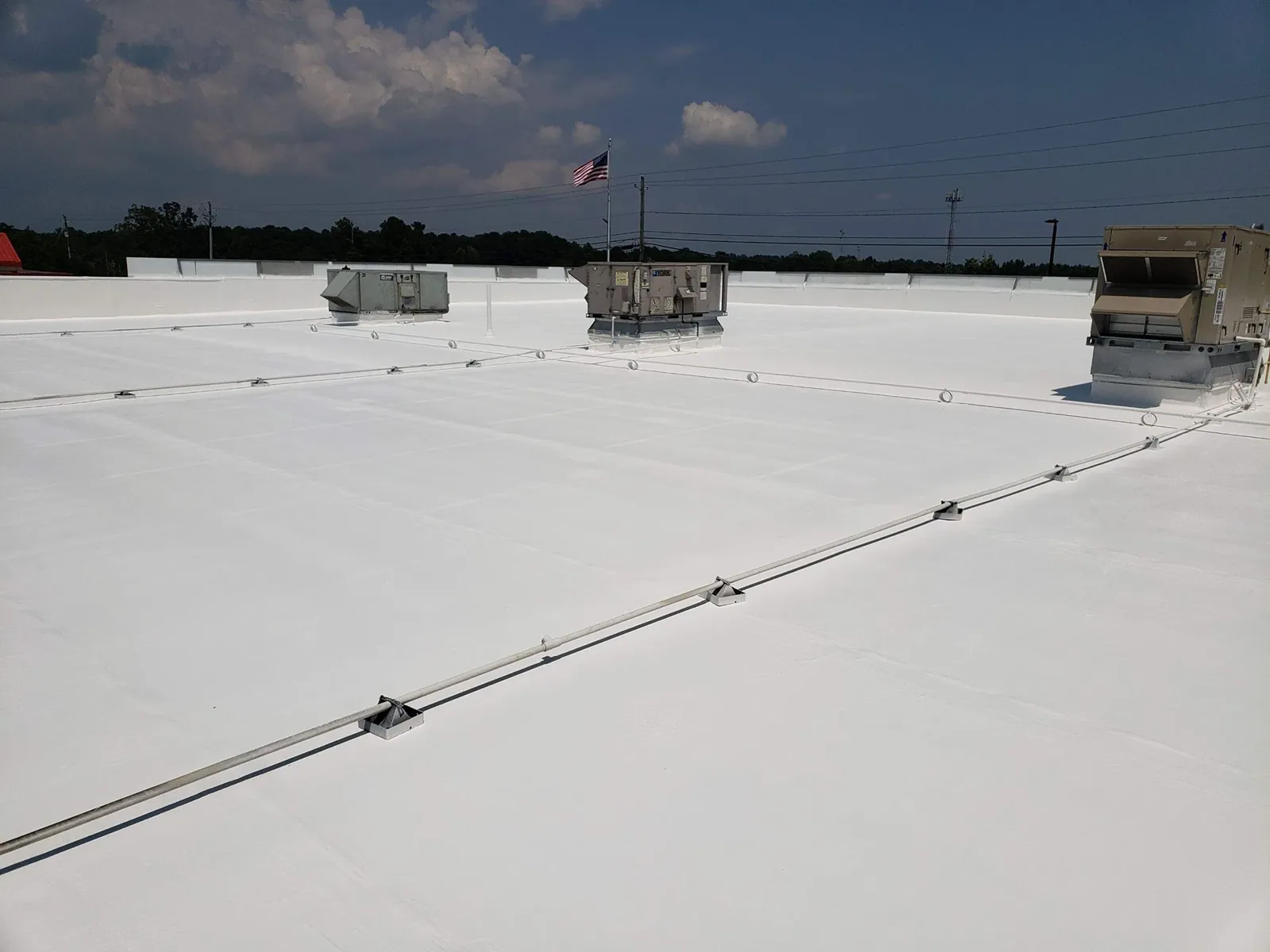
Start with one record for each address and roof area. Capture system type, approximate age only when documented, deck and insulation information, drainage layout, penetrations, prior repairs, access restrictions, and warranty material the owner can provide. Label every section consistently. A unit number, compass direction, or plan grid lets maintenance staff connect an interior report with the right roof zone.
Do not treat a past repair as proof that the same defect remains or that adjacent areas are sound. Revisit patched locations, drains, perimeter details, equipment curbs, and transitions during the survey. Note which areas were inaccessible or not tested. If a roof has multiple additions, keep their assemblies distinct in the register. A roof asset record can organize this information for future decisions.
For investor-owned portfolios, group findings by urgency and owner action. Separate active water entry from maintenance items and long-term replacement planning. The report should name the condition that supports each priority. It should not use a vague rating without photographs or a description of the observed mechanism.
Turn Findings into Work Orders
A leak ticket should identify the building, room, date, weather, and water behavior. Ask the site contact to describe what changed and whether the water is still active. That report helps set a response, but it does not locate the exterior opening. We compare the interior observation with drains, seams, parapets, curbs, and wall transitions. Water can travel along the deck before appearing in a tenant space.
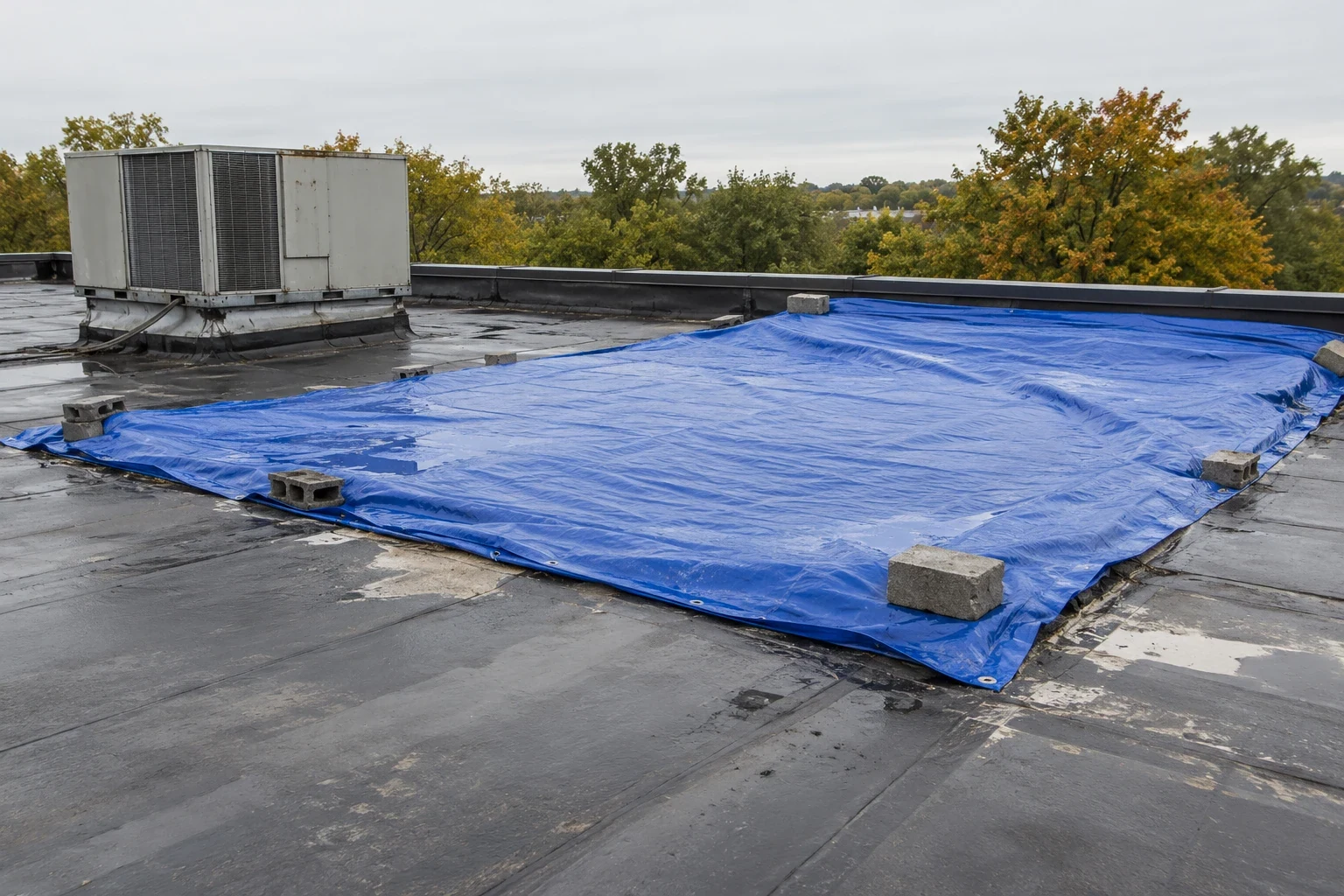
For active entry, protect the interior and limit exposure at the roof. A temporary response may stabilize the area until a permanent repair is defined. The work order should identify temporary materials and the return inspection needed. A leak investigation records the likely path, test performed, and any access or weather limit that remains.
Separate roof work from plumbing, HVAC, or façade conditions when the evidence points outside the roof scope. If the source is not yet confirmed, describe the next test rather than closing the ticket as a completed repair. Managers can compare repeat calls by location and date to see whether one detail needs a broader review.
Coordinate Tenants and Access
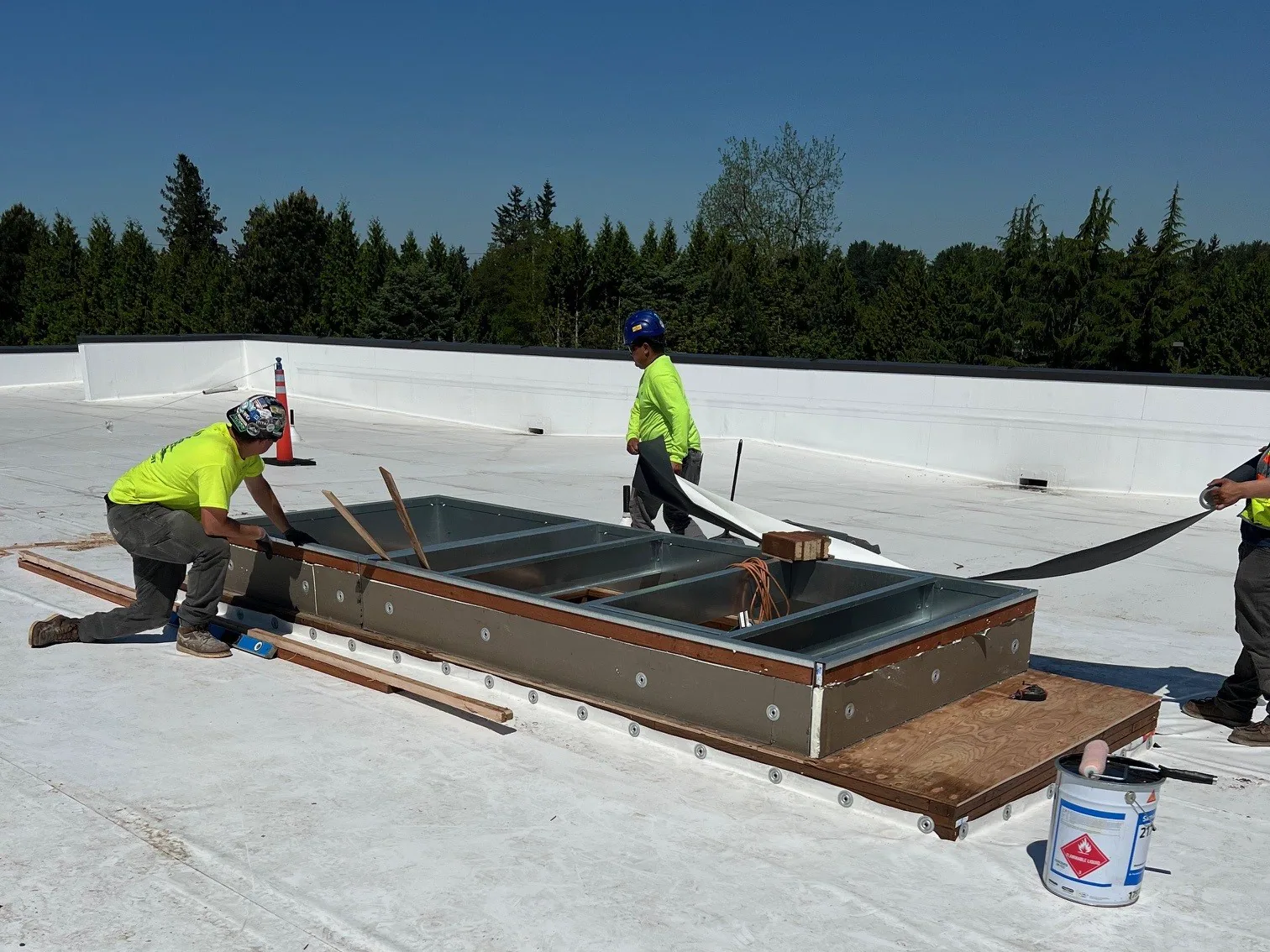
Roof access affects tenant notices, lift placement, staging, and the daily opening size. The manager identifies occupied areas, restricted doors, operating schedules, and routes that must stay clear. We state which roof zone is active and how it will be closed at the end of each shift. Work above offices or retail space may require a different window from work over a vacant suite.
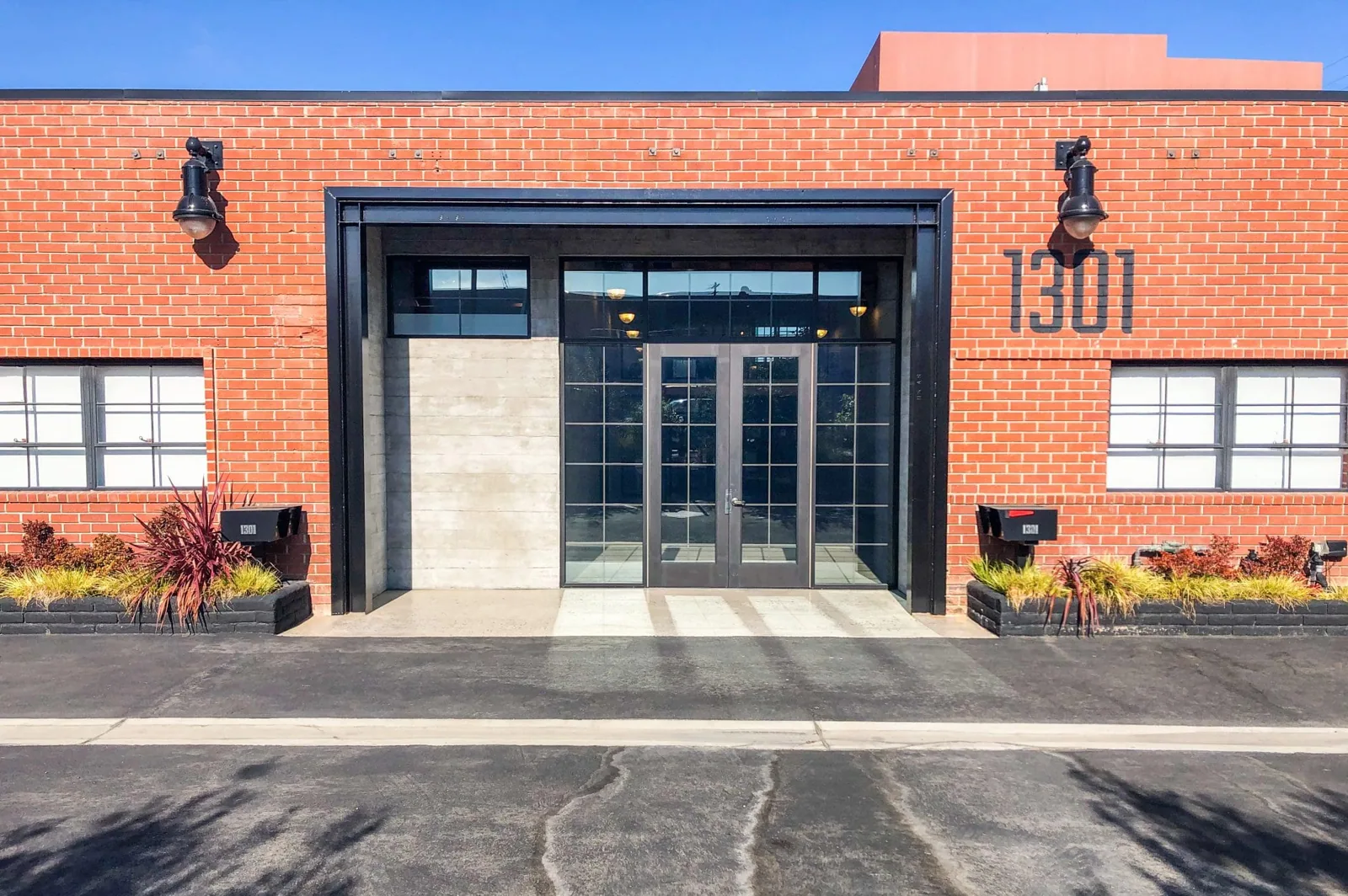
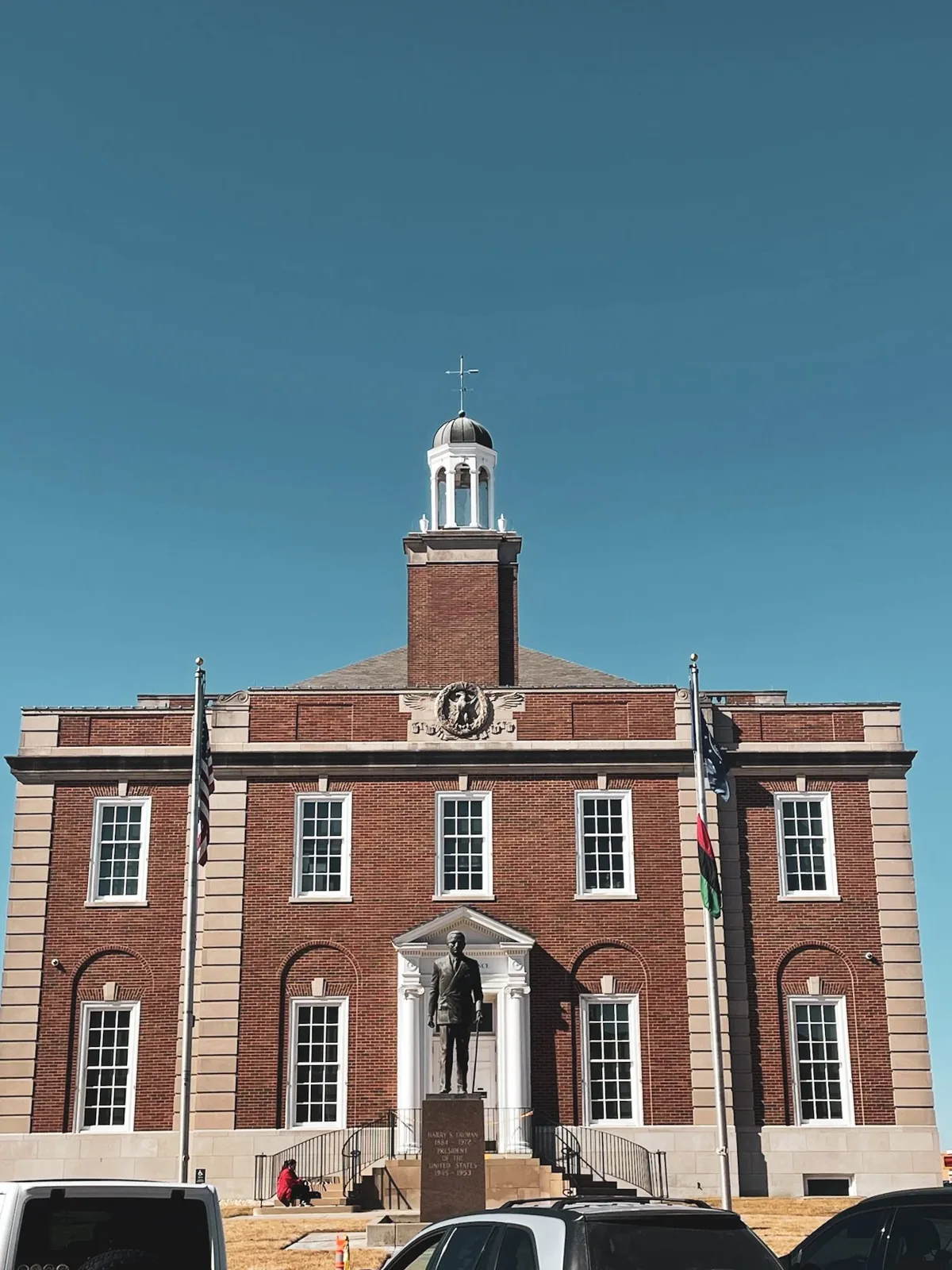
Historic Independence Square has locally owned storefronts and restaurants, while Eastgate's permit history includes newer commercial buildings. These place facts do not describe any specific tenant or roof. They show why a manager may be coordinating very different building operations within one city. A Square-area review and a separate Eastgate property survey should each reflect the building actually inspected.
When a tenant improvement adds equipment or penetrations, update the roof register. Confirm who is responsible for flashing after mechanical work and who closes abandoned openings. Lease terms may allocate access or repairs differently, so the manager confirms those responsibilities before mobilization. The occupied-building sequence can divide work into zones where the assembly and weather allow a secure dry-in.
Separate Repair from Replacement
A localized repair can be reasonable when the substrate is dry, the surrounding membrane is attached, and the failed detail is isolated. Widespread moisture, recurring seam separation, corroded panels, or deck damage can change that decision. The inspection should identify the evidence and limits rather than label every roof as repairable or replacement-ready.
When replacement is likely, note the removal depth, insulation, attachment, edge metal, drainage, equipment coordination, and access conditions that affect scope and timing. An additional roof layer is an option only after moisture, attachment, and material compatibility have been checked. If those conditions are unknown, identify representative test locations before comparing bids.
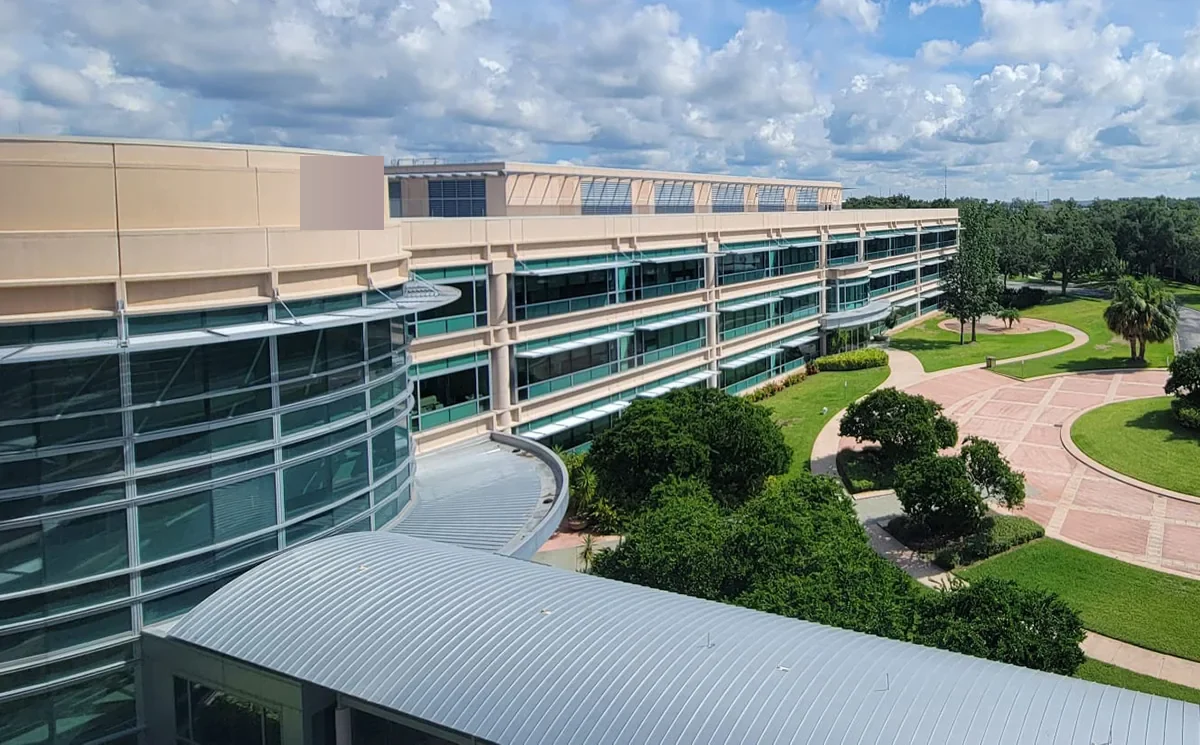
For the annual plan, distinguish emergency stabilization, near-term repair, and planned capital work. Costs depend on access, roof height, removal, substrate condition, protection, material, and work phasing. A capital plan can connect those scope drivers to budget timing. office buildings and retail properties may use the same register format, but access and tenant operations set the work sequence at each address.
Use Market Context with Care
Independence lists manufacturing, health, education, social services, and retail among the sectors employing many local workers. Its redevelopment priorities include Noland Road, Fairmount, Englewood, Maywood, and Historic Independence Square. This mix places institutional campuses, industrial properties, and storefront districts in one management market. Local context can help manufacturing property teams organize a service area, but roof condition comes from a current inspection and building records.
The Kansas City International Airport station supplies regional climate normals. January and July conditions cycle sealants, metal edges, and membrane transitions, but station air temperatures do not measure a roof surface. The National Weather Service has documented hail and tornado events at specific locations near Independence. A property manager should not assign storm damage from a regional report alone. Inspect the actual roof and document impact, opened seams, displaced edge details, or water entry.
Preserve place-specific records. An inspection near the Square does not establish conditions at Eastgate or another address. Photographs should include the roof area and a close view of the detail, with a dated plan location. A property at Eastgate Commerce Center still needs its own roof map and inspection history.
Keep the Record Actionable
After work, update the roof plan with completed repairs, replacement material, test results, and any condition left open. Add photographs before the repair is covered and after it is complete. If another trade owns a curb or wall interface, identify that dependency in the closeout. The manager can then assign follow-up without repeating the original inspection.
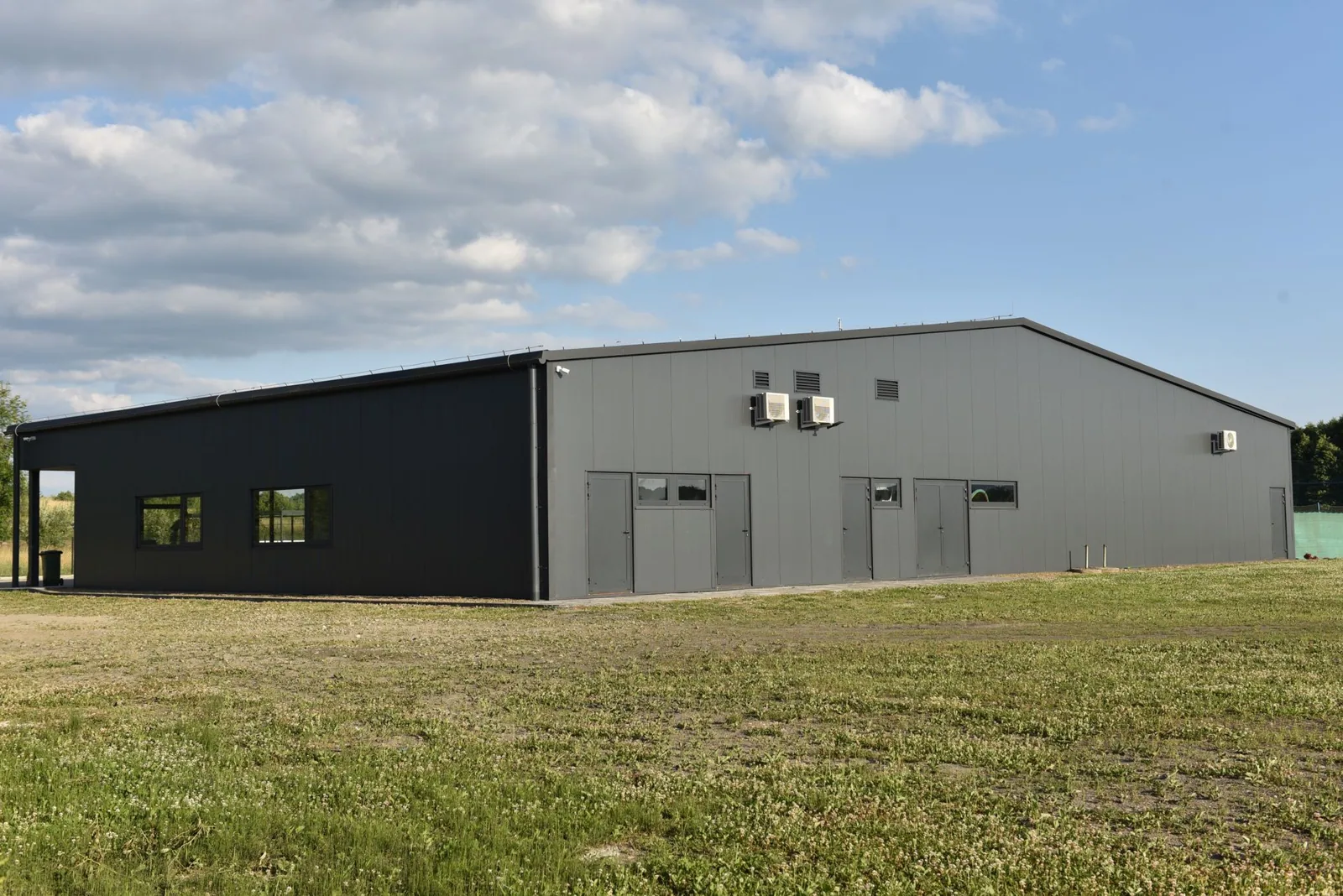
For a planned inspection cycle, review the same drains, edges, seams, curbs, and prior repair zones. Compare findings with the last report and note new water evidence. A condition report preserves a dated baseline, while warehouse roof plans can help organize larger single-use buildings in a broader portfolio.
Good records make the next decision specific: repair this flashing, test this area, or develop a replacement scope. Schedule a portfolio roof review to identify assemblies, active conditions, and the work that can be planned across Independence properties.
Commercial Roofing Questions
What should a roof work order contain?
Include the address, roof area, interior location, report date, weather, photos, access notes, and whether water remains active. The inspection then records the exterior detail and evidence that supports the repair.
Can one inspection cover multiple portfolio properties?
A single visit can review several addresses when access and schedule allow, but each building needs its own assembly record, photographs, and findings. Conditions at one location do not transfer to another.
How should repeated leak calls be handled?
Compare dates, roof zones, weather, prior work, and the water path. If the same area returns, inspect beyond the patch and determine whether a larger seam, drainage, or substrate condition is involved.
When is a roof report useful for capital planning?
It helps when the report separates immediate water control, repairable defects, testing needs, and likely replacement scope. Removal, access, equipment moves, and substrate findings are cost drivers the owner can evaluate.