Coordinate medical-office roof repair in Independence, MO with appointment access, equipment curbs, moisture findings, and a documented work boundary.
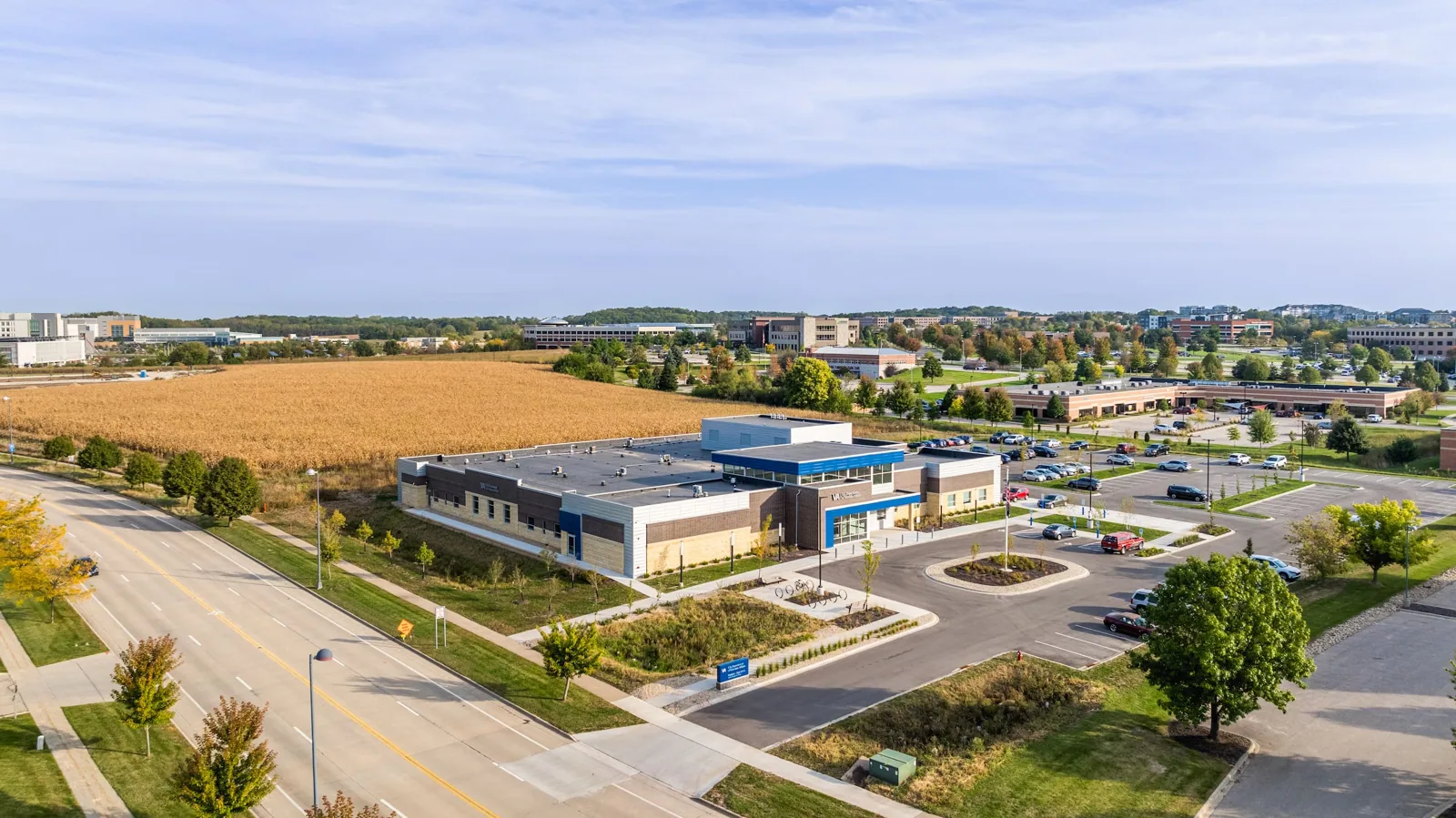
Medical-office roof work sits above rooms with scheduled appointments, equipment, and staff movement. A leak can disrupt those operations even when the roof opening is small. Centerpoint Medical Center is a major Independence employer, and a commercial remodel was permitted there in 2025. The Midtown and Truman Road Corridor also includes Graceland University’s Independence campus, which houses nursing and other university programs. These facts describe local institutions, not the condition or construction of their roofs. We inspect the building in front of us, identify the assembly, and plan repairs with the facility representative.
Access Rules Set the Opening Limit
We establish who can authorize roof access, which rooms need notice, and whether any corridor or equipment path must stay clear. The facility team identifies appointment hours and work windows. We set a daily opening limit that can be closed before the shift ends. If interior protection is needed, it is placed before removal. A clear sequence reduces avoidable disruption and gives the project team a defined response if hidden moisture expands the repair area.
Roof access is often shared with mechanical service. We note active equipment, electrical conduits, exhaust, and routes technicians use. A curb that needs rebuilding may require coordination with a mechanical vendor. We identify those items in the field and assign responsibility before work starts. Occupied-building phasing and curb and support repairs can be scheduled with the building's operating constraints.
Reported Water Needs a Roof Path
A ceiling stain does not locate the roof opening by itself. Water may move along a deck, insulation joint, or curb before entering the room. We map the reported interior location, then inspect the roof above and around it. Drains, seams, pipe penetrations, wall transitions, and prior patches are checked for an open water path. Core cuts or infrared imaging can help narrow the inspection, but observed layer conditions determine whether a repair can bond.
The findings separate active leakage from interior humidity or condensation. We record where moisture was confirmed, where layers were sampled, and what remains uncertain. For clinics with multiple tenants or departments, each report is tied to an area and date so the same defect is not mistaken for a separate roof failure. A written condition report includes photographs and a repair boundary the owner or general contractor can review.
Flashing Must Bridge the Interface
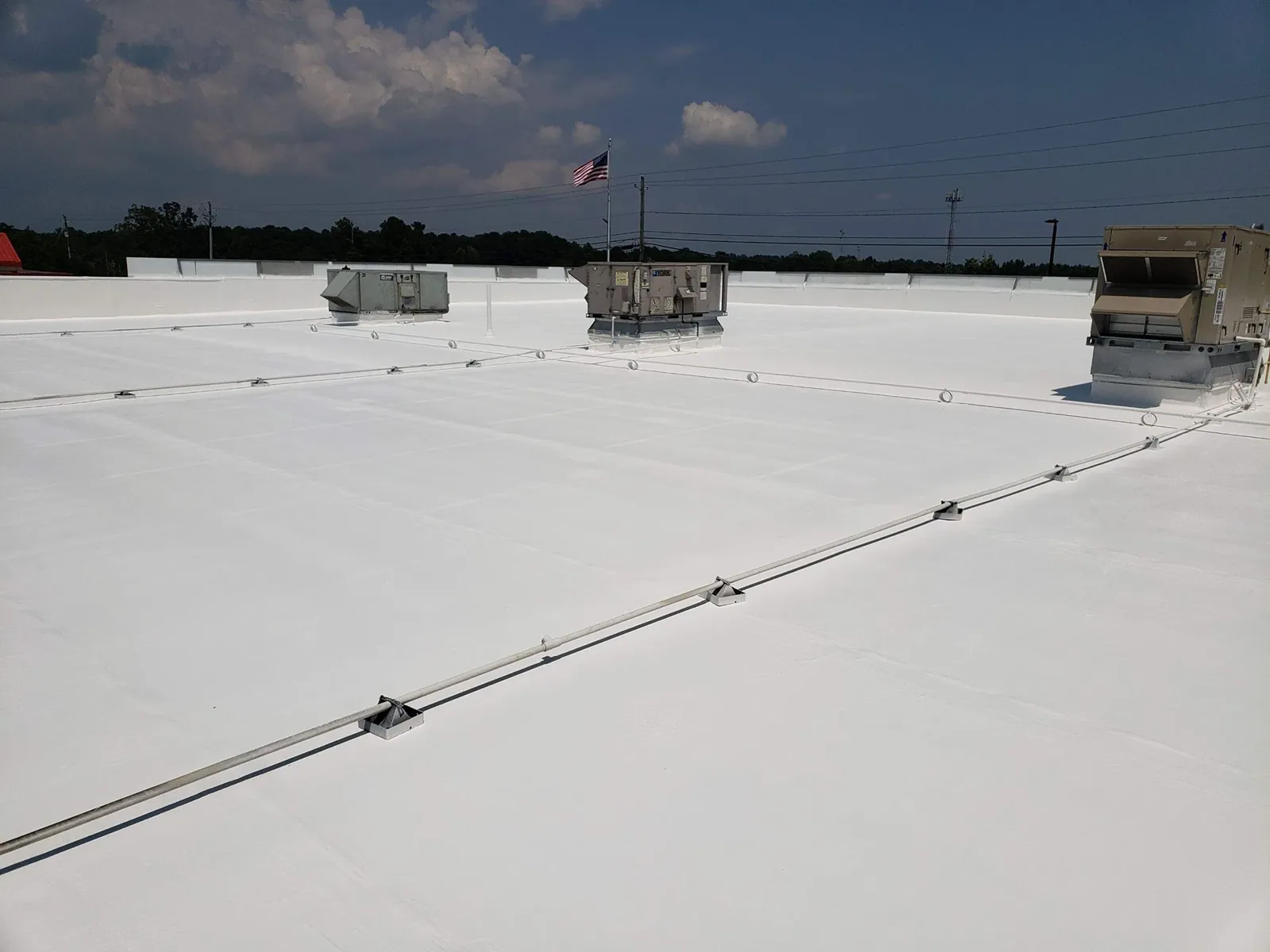
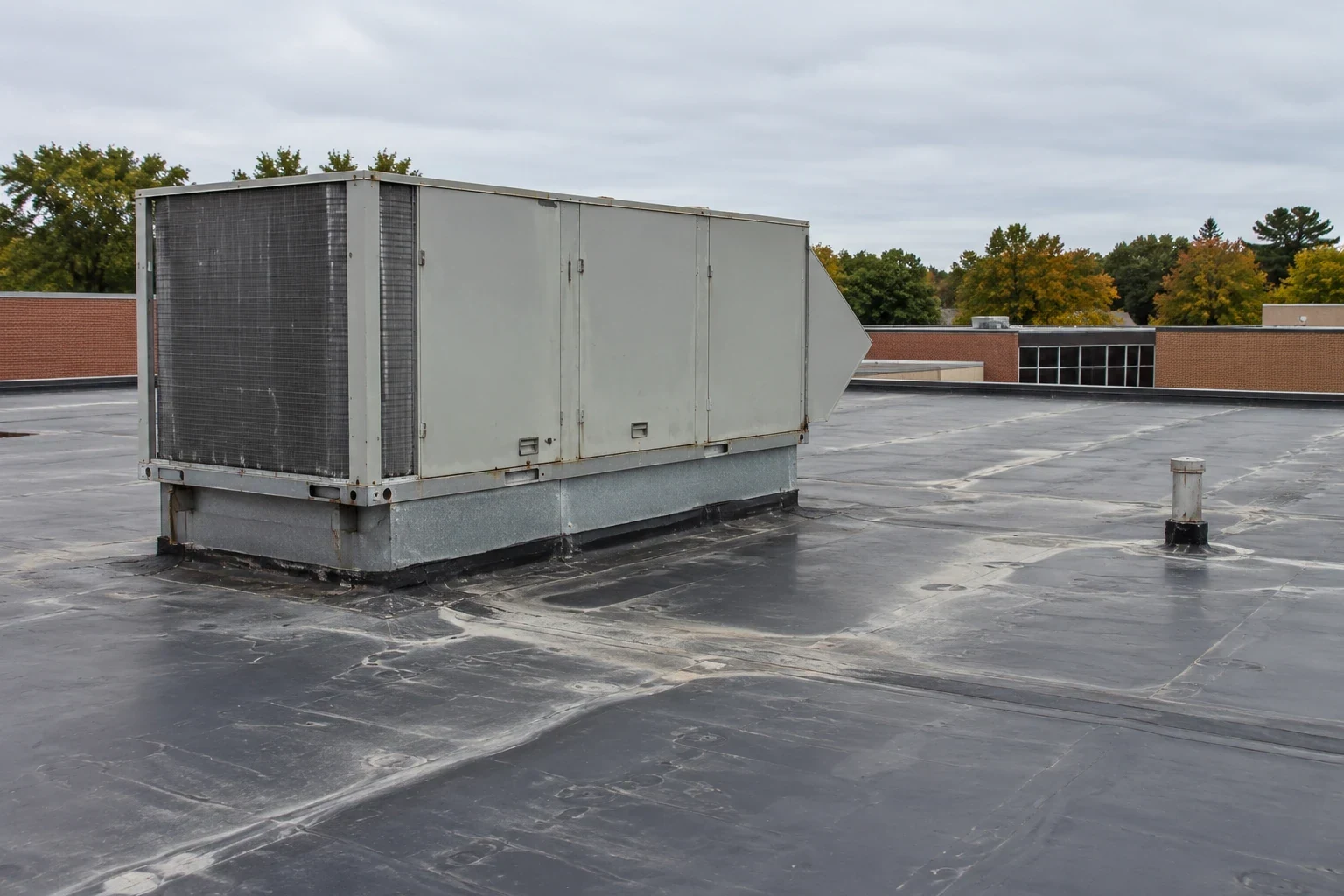
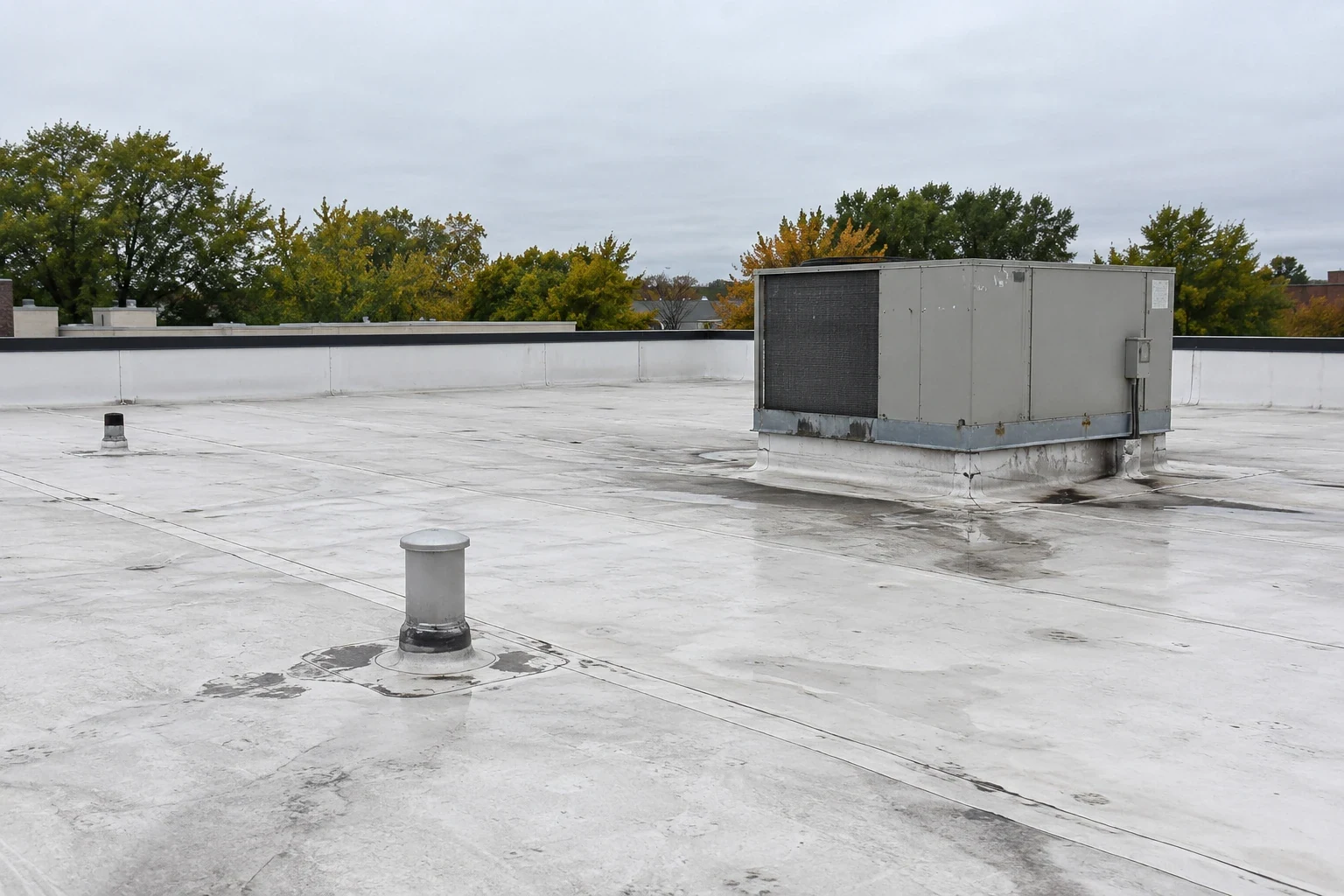
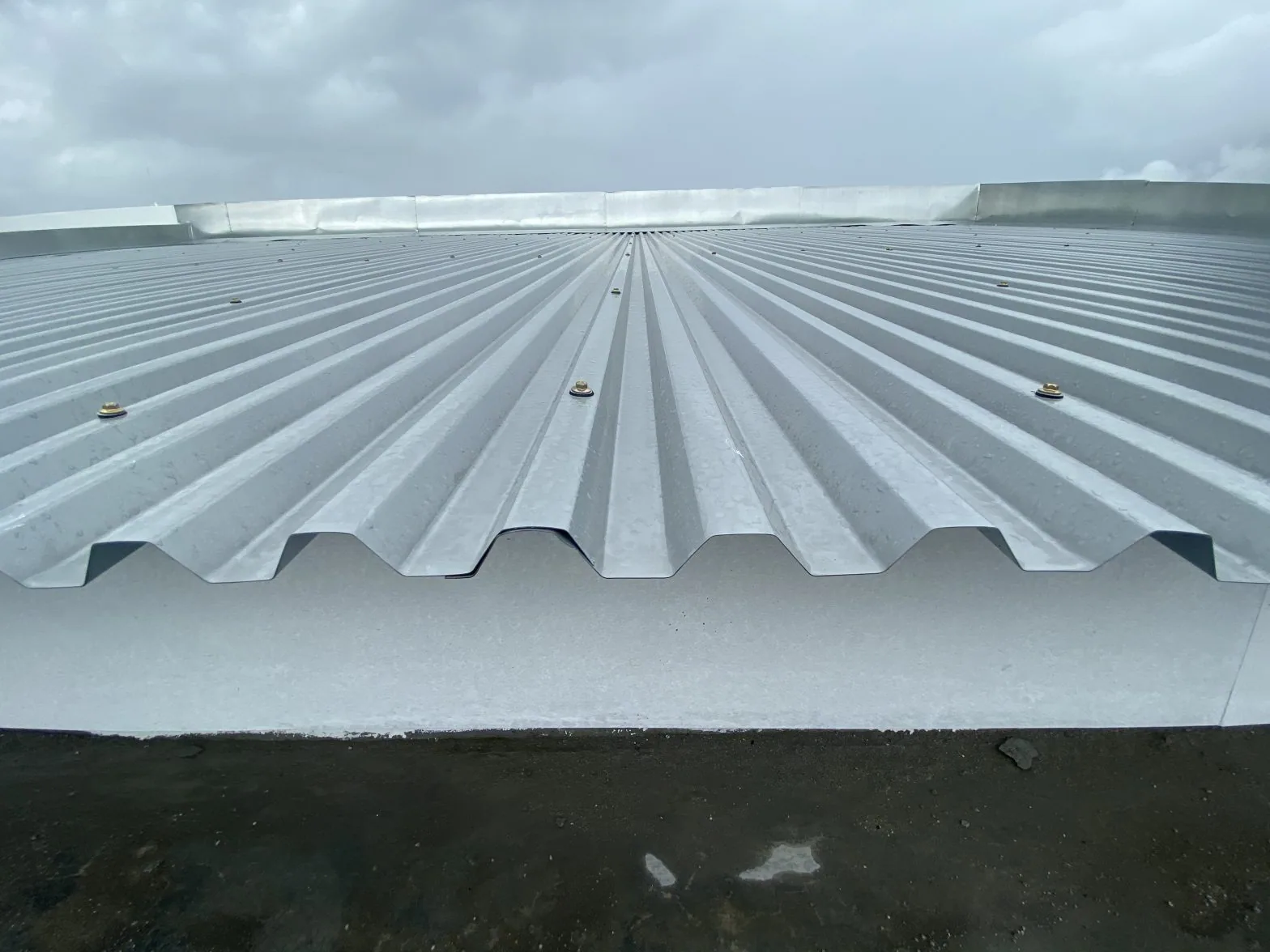
Medical-office roofs often have concentrated penetrations around HVAC, exhaust, plumbing, and electrical services. We inspect curb corners, flashing height, counterflashing, and the membrane's bond to the substrate. Sealant alone is not a durable substitute for a complete roof-to-curb detail. A repair needs compatible material and a stable surface. If the curb moves or the surrounding insulation is wet, the affected area has to be opened far enough to rebuild the interface.
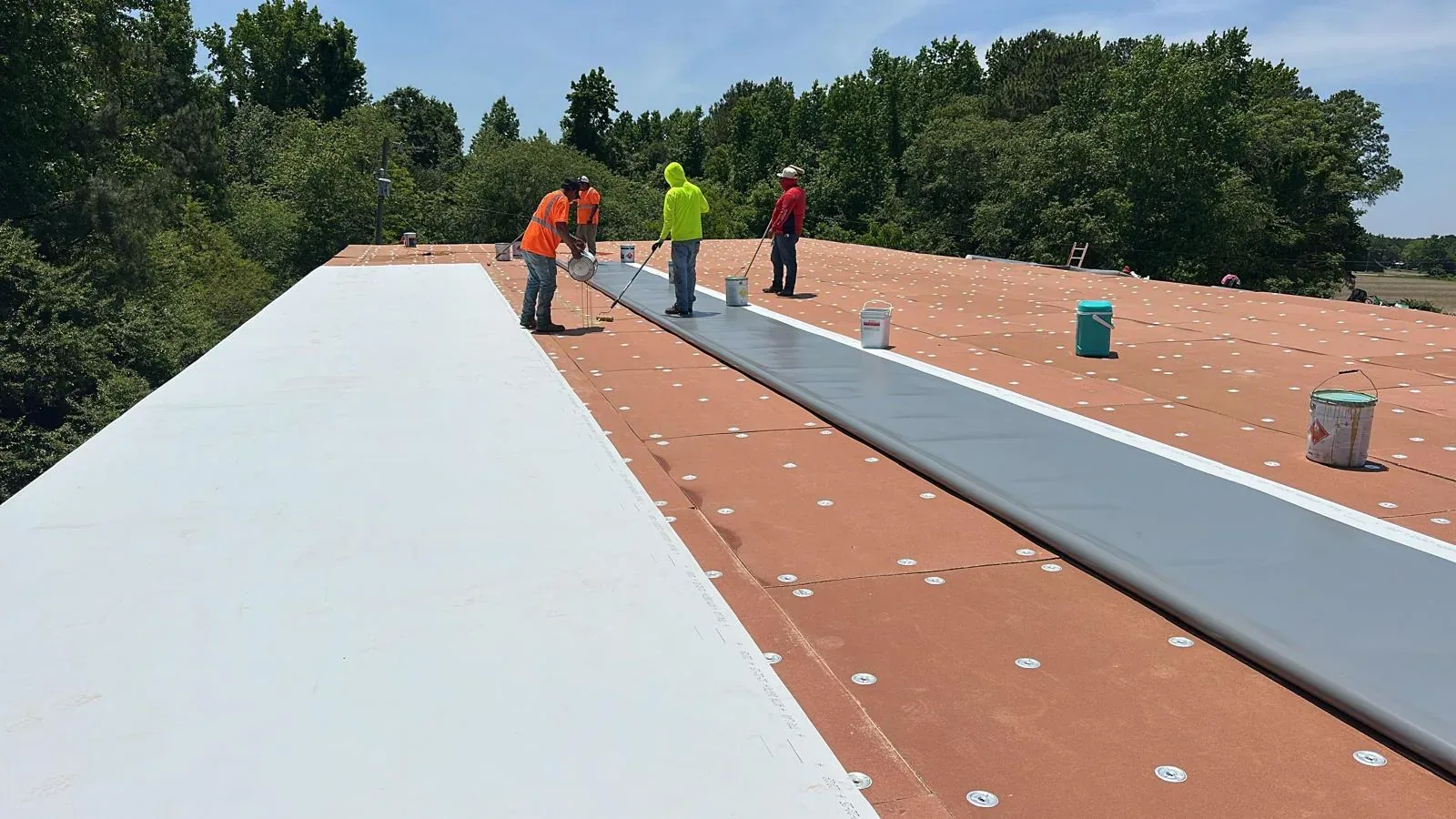
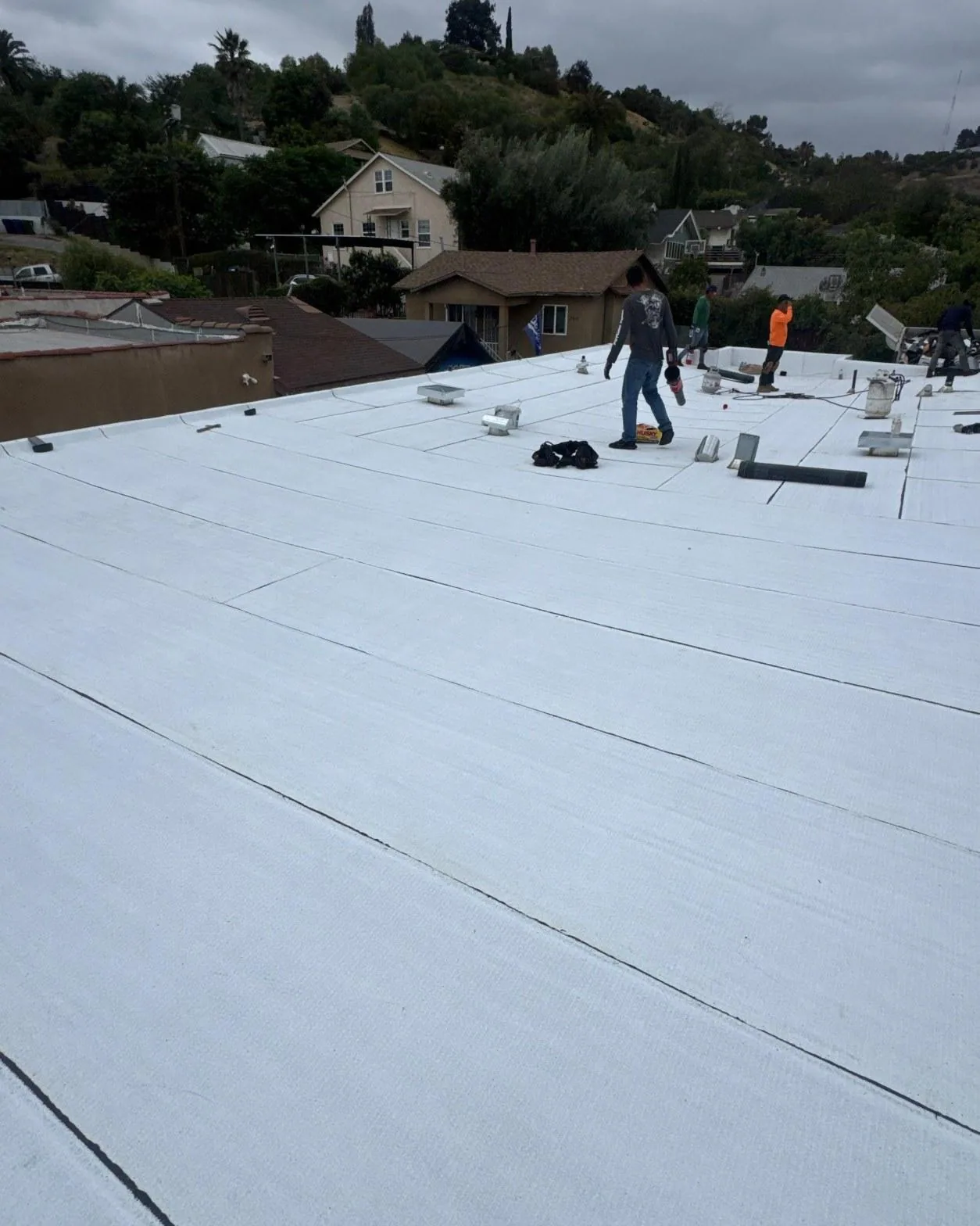
Material changes also deserve inspection. A patch over an old coating, membrane, or metal transition needs a compatibility check before application. We prepare a test area where the substrate is unclear, then document adhesion and the final detail. For a TPO system or KEE membrane, seams and flashing components are selected for that assembly. The roof surface and interface control the repair, not the building's use alone.
Where a wall interface is involved, we check the substrate beyond the visible finish and look for a termination that can be mechanically secured. The new flashing needs a continuous tie-in above the roof field. We include that transition in the repair photos and note any area that still needs wall-side access.
Storm Records Guide Inspection
Seasonal cycling acts on the clinic's seams and wall flashing. At the Kansas City airport station, a normal January morning low is 20 degrees; its July 20 normal high is 89. Those readings describe the regional climate record. We inspect the actual roof for open laps, loosened flashing, or sealant that has pulled away before selecting a compatible repair.
During the March 6, 2017 event, quarter-size hail was observed at Centerpoint Medical Center, while a separate observation two miles east-northeast of Independence measured 1.75-inch hail. These location-specific observations provide weather context, not proof of damage to a clinic roof. We document impact only when the roof shows it, using photographs of punctures, fractured surfacing, or displaced pieces. Hail documentation stays tied to those site findings.
The Substrate Sets the Repair Limit
A small repair can work when the membrane around a leak remains bonded and the substrate is dry. We define the repair area and show why it is large enough to reach sound material. Repeated leakage, widespread wet insulation, poor attachment, or deck damage call for a broader scope. That may mean selective tear-off, recover, or full replacement. We compare the options against access, interior protection, and the condition of the surrounding roof rather than treating every leak the same way.
For commercial alterations, Independence publishes 2024 IBC and existing-building rules along with city amendment documents. Project design confirms the provisions that apply to the roof system and proposed work. We record the assembly, drainage, attachment, and repair limits so follow-on work stays tied to the findings. A roof condition report can support budget timing across multiple sites. For nearby building comparisons, hospital roof work and office roof reviews require separate operational plans. We invite the general contractor to schedule an inspection and establish the repair boundary before work begins.
Inspection timing and price depend on access hours, the amount of wet insulation, curb count, and whether equipment needs mechanical support during removal. We record those drivers before work begins. If the roof remains occupied by active technicians, walk paths and safe clearances become part of the phase plan. This keeps the repair boundary practical for the building team.
Commercial Roofing Questions
Can the clinic remain open during a roof repair?
That depends on the work area and the interior protection needed. We coordinate appointment and access windows, limit the exposed roof area, and confirm a dry closeout each day. If a repair requires work directly over an occupied room, the facility representative can schedule a temporary restriction.
Does a storm report prove the clinic roof was damaged?
No. A weather observation establishes an event at a recorded location. We inspect the specific roof for punctures, fractured surfaces, displaced metal, and damage around equipment. Photographs show whether visible conditions are consistent with impact or ordinary wear.
What if a leak appears during business hours?
We first document the interior location and protect affected contents or equipment as directed by the facility. The roof inspection then traces the likely route through penetrations, seams, drains, and wall transitions. Emergency stabilization can limit entry while a permanent repair is scoped.
How do you keep a repair compatible with an existing roof?
We identify the membrane or coating and check the substrate before installing a patch. A test area can confirm adhesion when the surface history is unclear. The finished detail must connect to sound material and keep the water path continuous. We identify the membrane, surface condition, attachment, and flashing materials at the repair location before selecting products. Compatibility matters at the patch edge and at penetrations, where sealants and membranes meet different substrates. A medical office may also have scheduled patient access or restricted mechanical zones, so the work boundary needs to be clear to facility staff. The repair record should note materials used and any nearby conditions that were observed but left outside the approved scope. Where the membrane cannot be identified from markings, verify it through a safe test area or reliable project records before welding or bonding a patch. That avoids relying on appearance alone.