
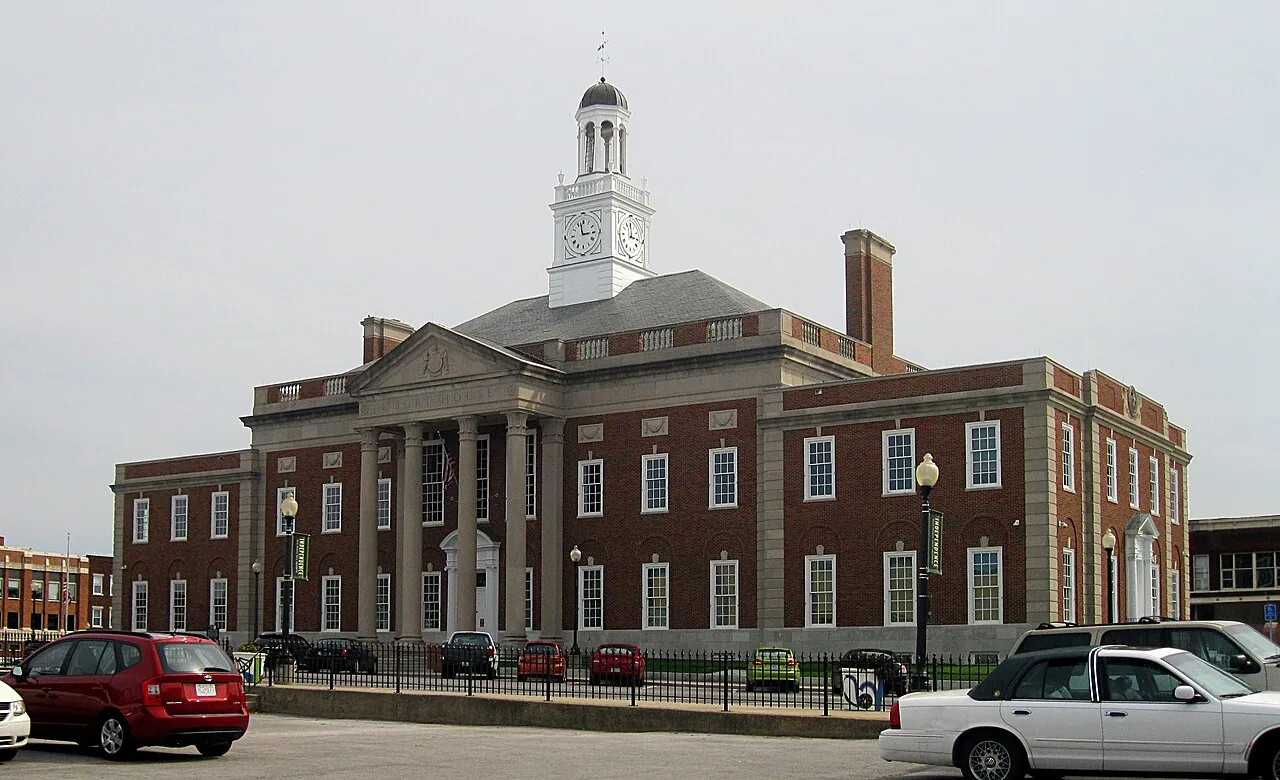
About Commercial Roofing Independence
Commercial Roofing Independence repairs, restores, inspects, and replaces commercial roofs across Independence, MO, with scopes based on each building.
Roofing Capabilities
Use commercial roofing capabilities in Independence, MO, for condition reports, capital planning, due diligence, maintenance, and coordinated work across sites.
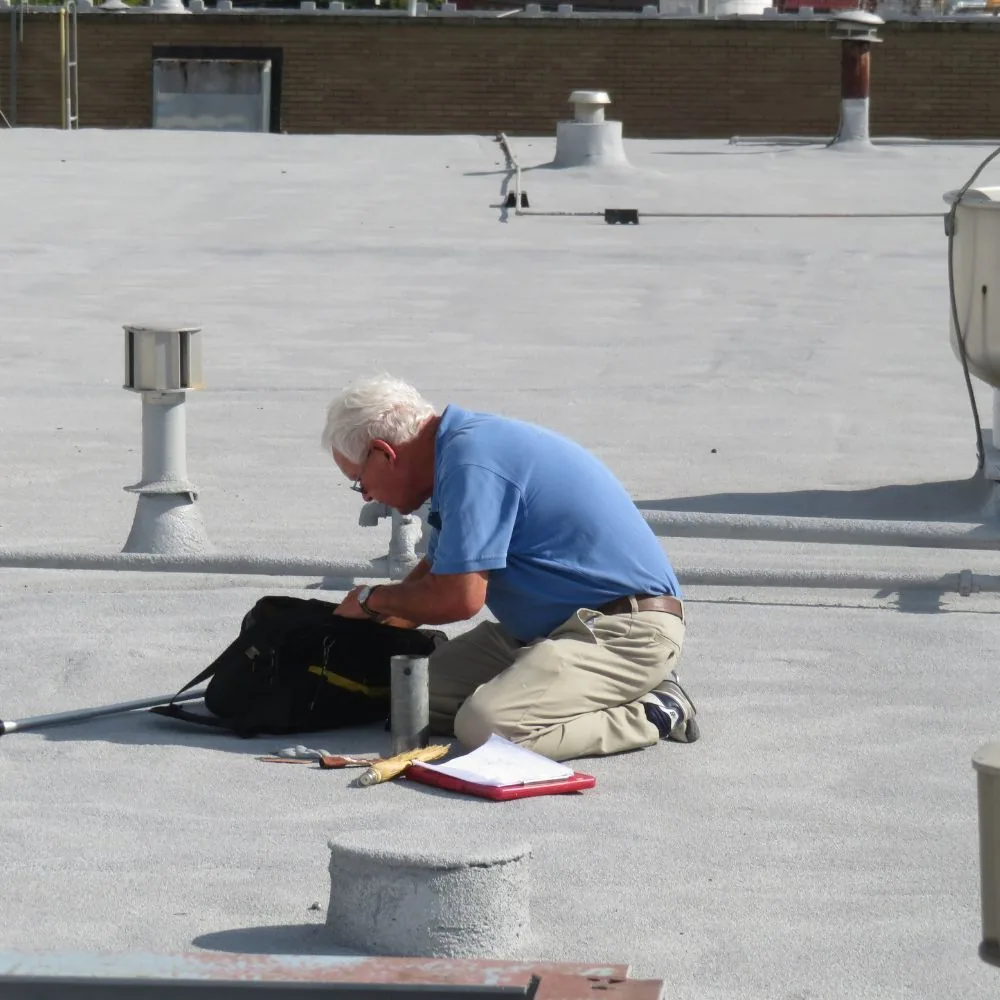
Commercial Roof Asset Management
Manage commercial roof assets in Independence, MO with mapped conditions, repair histories, moisture findings, and renewal priorities tied to field evidence.
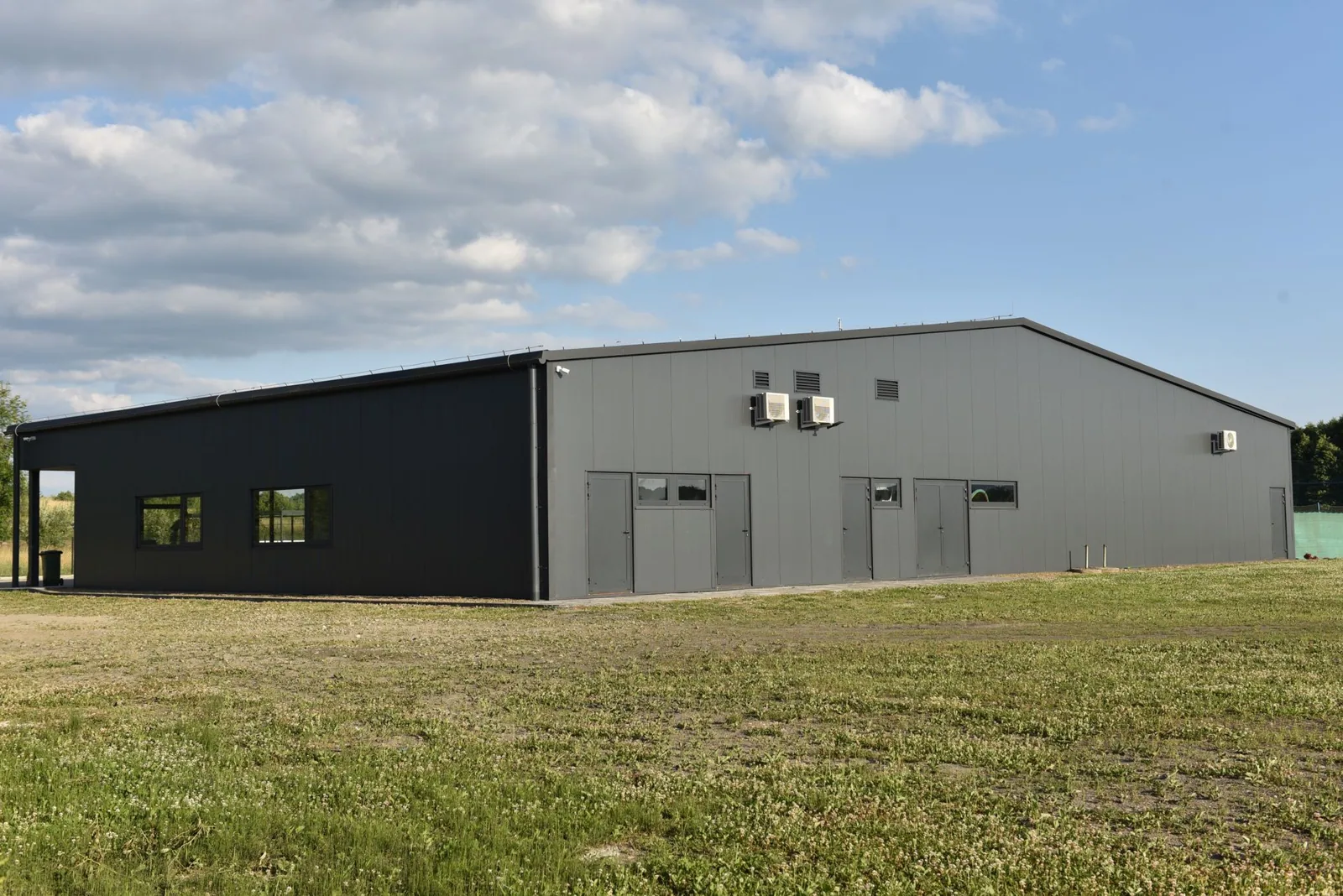
Commercial Roof Capital Planning
Plan commercial roof capital work in Independence, MO with condition evidence, repair comparisons, code checks, and replacement timing based on the assembly.
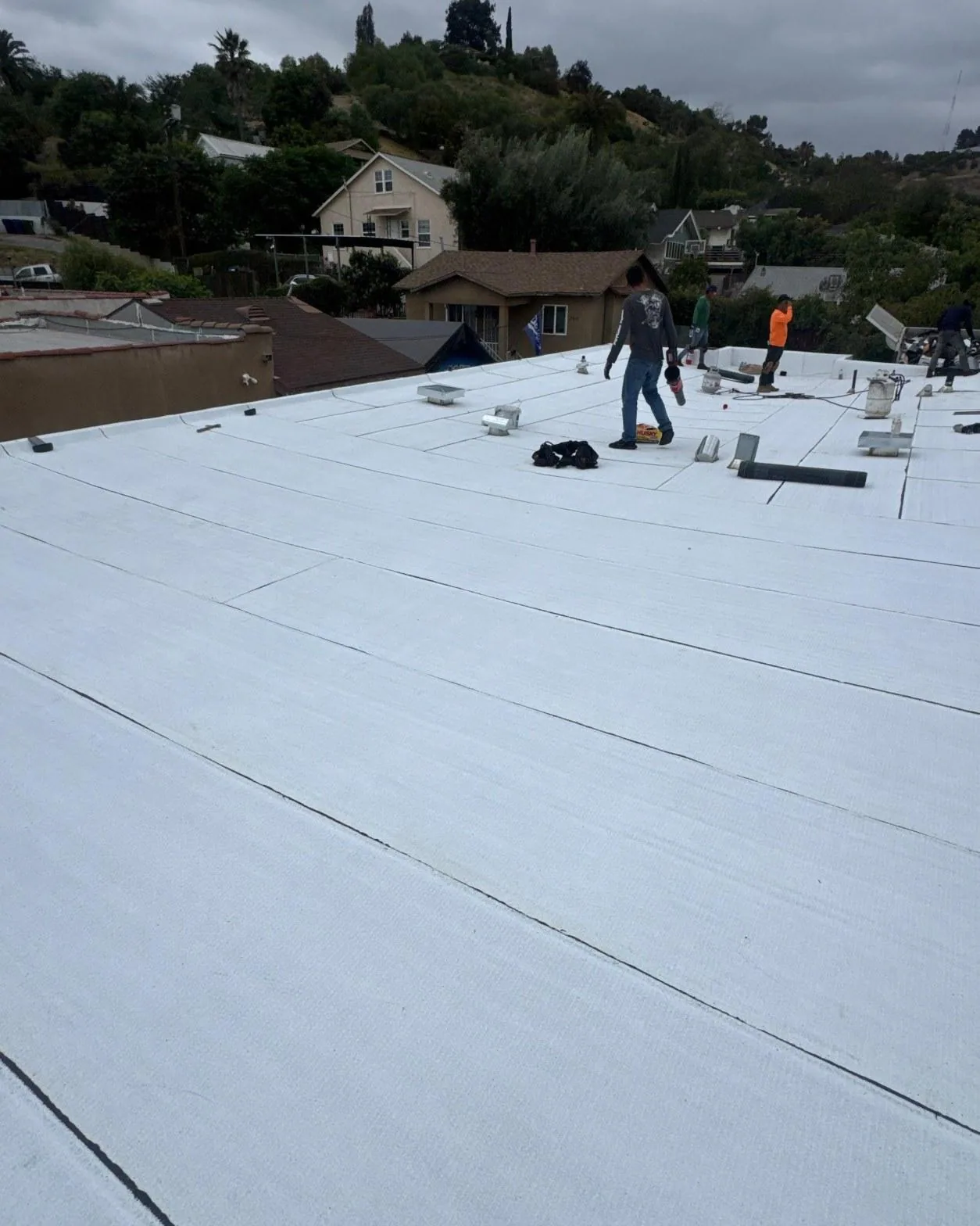
Commercial Roof Condition Reports
Get commercial roof condition reports in Independence, MO with labeled photos, mapped defects, moisture findings, repair priorities, and documented limits.
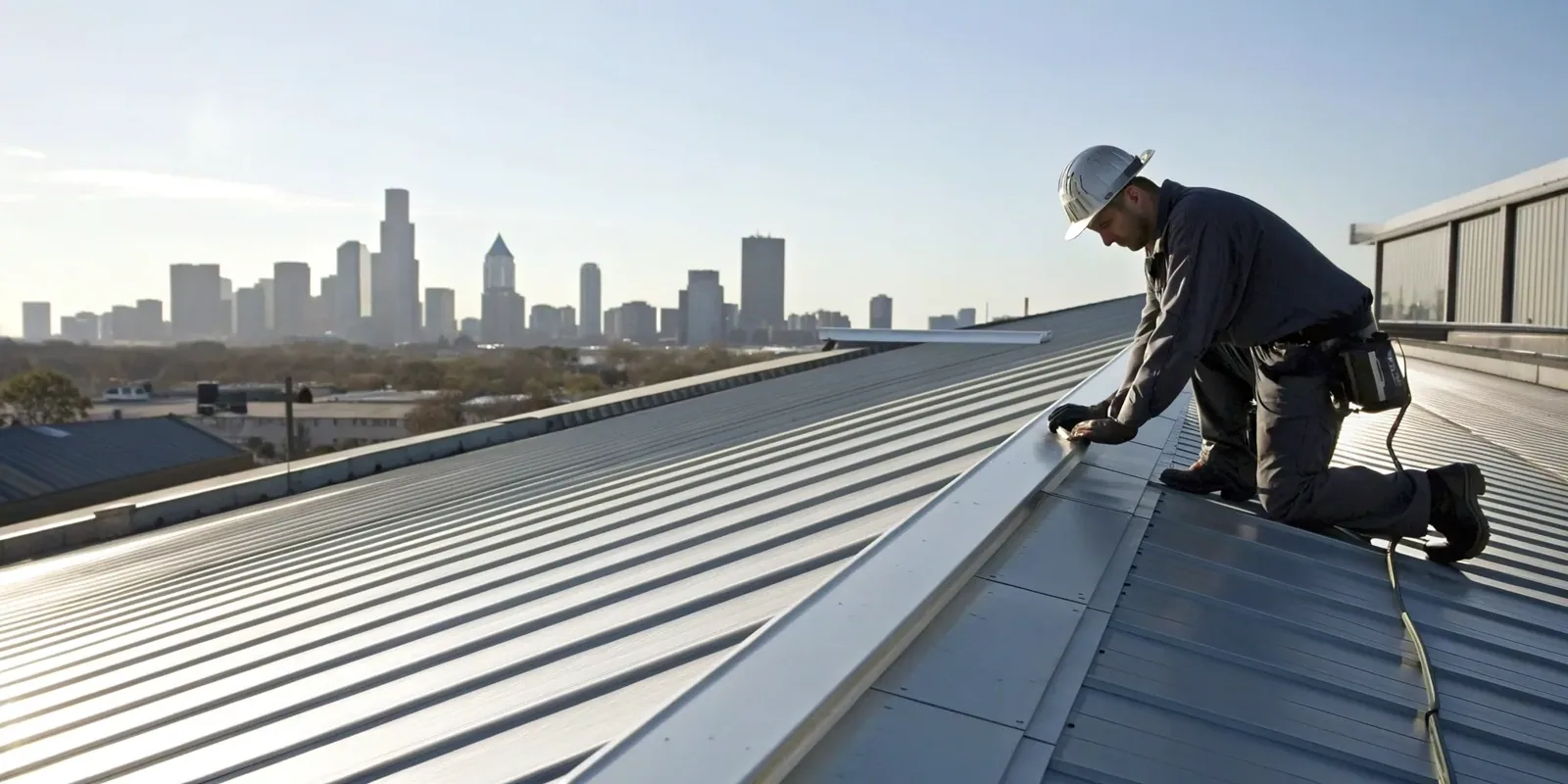
Commercial Roof Warranty Management
Manage commercial roof warranty records in Independence, MO with inspection logs, compatible repairs, service documentation, and clear responsibilities.

Commercial Roof Due Diligence Surveys
Evaluate commercial roofs in Independence, MO before acquisition or refinancing with mapped defects, moisture checks, repair options, and inspection limits.
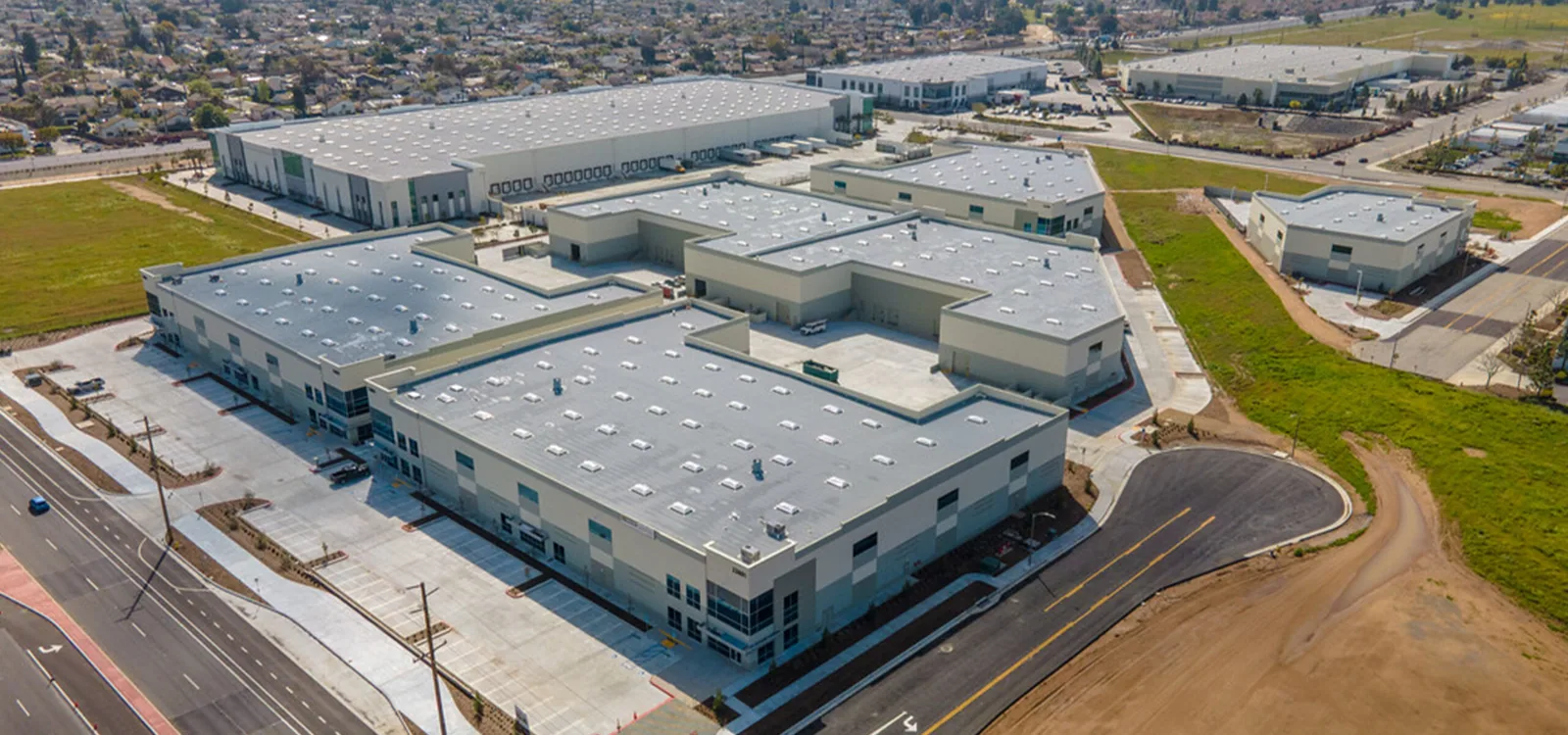
Multi-Site Commercial Roof Programs
Coordinate multi-site commercial roof work in Independence, MO with consistent inspections, site-specific repair scopes, shared reporting, and local scheduling.
Commercial Roofing Questions
What information do you need to review a roof problem?
The address, leak locations, access contact, and any available roof records help us prepare. We inspect the assembly and verify conditions before setting the repair boundary.
Do you respond to leaks outside normal business hours?
Yes. Emergency response is available around the clock, including weekends and holidays. We stabilize the opening, protect the building, and document what needs permanent repair.
How do you decide between repair and replacement?
We compare the extent of failure, moisture, substrate condition, drainage, attachment, and repair history. The report explains which option the observed evidence supports and what remains unknown.
Can roofing work proceed while people use the building?
We coordinate access, interior protection, deliveries, and daily closure points with the site contact. The work area and sequence depend on operations and the roof assembly.
Commercial Roofing for Independence Buildings
A building's use changes what a roof repair must protect. A school, manufacturing plant, medical facility, retail center, and civic building each have different access, interior conditions, and operating schedules. Commercial Roofing Independence works on low-slope and metal commercial roof assemblies across this mix of properties. We inspect the deck, membrane or panels, insulation, drainage, edges, penetrations, and transitions before proposing work. The field condition defines the scope.
Our work includes commercial roof repair, replacement, recover, restoration, inspection, and ongoing maintenance. For each visit, we identify the roof material, trace water entry where present, and record defects with photographs and locations. If moisture is suspected but not confirmed, we say what testing or opening would resolve it. That gives the owner a useful distinction between observed damage and a condition that still needs verification.
Start With the Assembly
Commercial roofs are systems, not a single exposed surface. A roof may include a structural deck, vapor retarder, insulation, cover board, membrane or metal panels, flashings, and edge attachment. Each layer affects the next decision. A patch applied over wet insulation can trap a problem. A coating over an incompatible or poorly prepared surface may not bond. A recover can add another layer, but only when deck capacity, existing materials, drainage height, and code requirements allow it.
We begin an inspection by identifying what is installed and how water should leave the roof. We check drains, scuppers, seams, wall interfaces, equipment supports, skylights, and perimeter details. Interior stains and ceiling conditions help direct the investigation, but the visible stain may be far from the opening. We compare interior evidence to the roof above and document where the water path is clear, where it is uncertain, and what additional test would help.
This process matters in Independence, where commercial properties range from older business districts to newer retail and industrial settings. A roof around Historic Independence Square may have different geometry and access from a property at Eastgate Commerce Center. We do not assume the roof type or condition from the neighborhood. We inspect the specific assembly at the address.
Repair What the Evidence Supports
Some failures stay local. A puncture, an open seam, failed flashing, or a displaced edge may be repairable if adjacent materials and substrate remain sound. Our seam failure repair and flashing repair scopes define the affected area and the work needed to restore continuity. We select repair materials for the existing membrane or metal and prepare the surface so the new detail can bond. We also look for repeat causes such as movement, ponding, loose termination, or incompatible prior work.
When a leak requires immediate attention, around-the-clock emergency response can stabilize the opening, protect interiors, and limit additional water entry. Temporary stabilization is not automatically the permanent repair. We return to inspect the assembly, determine whether moisture spread beyond the visible opening, and define a durable scope. If wet insulation or deck damage extends beyond the initial area, the report explains the additional work and the evidence for it.
Independence has documented severe weather, including 1.75-inch hail east-northeast of the city on March 6, 2017, and an EF-2 tornado that crossed Jackson County near Buckner in 2022. Those records provide local exposure context. They do not prove that a particular roof was struck or damaged. We inspect the surface, seams, edges, and underlying layers at the property before assigning a storm-related condition.
Compare Repair, Restoration, and Replacement
Repeated leaks, widespread moisture, failing attachment, or an unsound substrate may make isolated repairs a poor choice. We explain when the evidence points toward a larger project and what would be needed to confirm it. Replacement planning covers tear-off or recover options, insulation, membrane or metal selection, drainage, edges, penetrations, and tie-ins. The actual assembly and applicable code determine whether another layer is feasible. Unknown deck or insulation conditions remain stated as contingencies until they are exposed or tested.
A roof with a serviceable substrate may qualify for coating restoration, but the existing surface must be clean, dry, compatible, and properly prepared. The coating cannot correct structural movement or concealed wet insulation. A recover also changes roof height and loading, so details at drains, curbs, edges, and adjacent construction need review. We compare these paths against the condition report rather than present one method as suitable for every building.
Cost and duration depend on area, access, system, tear-off, staging, weather, interior protection, and the condition found after opening. We identify known work separately from concealed conditions that could change the scope. The owner can then compare proposals on the same basis: included roof areas, materials, preparation, drainage corrections, exclusions, and closeout documentation.
Work Around Building Operations
A roof project can affect people and equipment inside the building. We coordinate access, deliveries, noise, safety boundaries, and interior protection with the property representative. On an occupied building, work can be divided into manageable roof areas with a planned end-of-shift closure. The sequence also accounts for sensitive rooms, business hours, loading areas, and emergency access when those conditions apply. The exact plan comes from the building's operations and the roof layout.
Manufacturing and healthcare are among Independence's major employment sectors, alongside education, retail, and social services. A facility may need to keep production, patient care, school schedules, or public services running while repairs proceed. We discuss those limits before staging. The work plan identifies when roof access is needed, where materials can be placed, what areas below need protection, and how the exposed area will be made weather-tight at the end of each shift.
Weather can alter the sequence. Freeze and thaw cycles affect sealants and transitions; hot conditions influence material handling and installation windows. Rain requires a sound dry-in plan. We monitor the work area as it progresses and close the roof at daily limits. When inspection uncovers a condition that changes the area, we document the finding and review the revised boundary with the owner before expanding the work.
Leave a Record the Owner Can Use
Work is easier to manage when findings and completed repairs remain traceable. Our condition reports identify the assembly, observed issue, roof location, photographs, and recommended next action. A maintenance program can revisit drains, seams, flashings, curbs, and edge details on an agreed schedule. It records changes over time and gives the owner a chance to address maintenance items before they combine with a larger failure.
For owners responsible for multiple buildings, a multi-site program can use consistent reporting while retaining separate records and priorities for each property. One building might need a flashing repair; another may need moisture testing or capital planning. The reports should preserve that difference. We list conditions that have been repaired, items still open, and questions that require further investigation so a future facility manager can understand the roof's status without relying on memory.
Independence includes facilities near Noland Road, US 24, Little Blue Valley, and the city's established business districts. Corridor names help organize service, but they do not replace site review. Access, safety requirements, drainage, and the actual assembly still need confirmation at each location. We use the same field discipline whether the call concerns one active leak or a portfolio review.
Review the Roof Before Choosing the Work
Arrange a commercial roof inspection in Independence. We will identify the assembly, document its condition, and define repair or replacement options based on field evidence.