Restore a sound commercial roof in Independence, MO with coating only after adhesion, moisture, drainage, and detail conditions support the system.
A coating adds a continuous surface only when the roof beneath it is sound enough to receive one. We inspect adhesion, seams, penetrations, moisture, and drainage before selecting a coating system. At a retail property near 39th Street Retail Corridor, Independence or an industrial site by Eastgate Commerce Center, the surface conditions can differ, and the recommendation should follow the actual roof assembly. Coating can restore a suitable roof. It cannot hide wet insulation, correct a failing deck, or replace missing slope.
Check the Surface Beneath the Coating
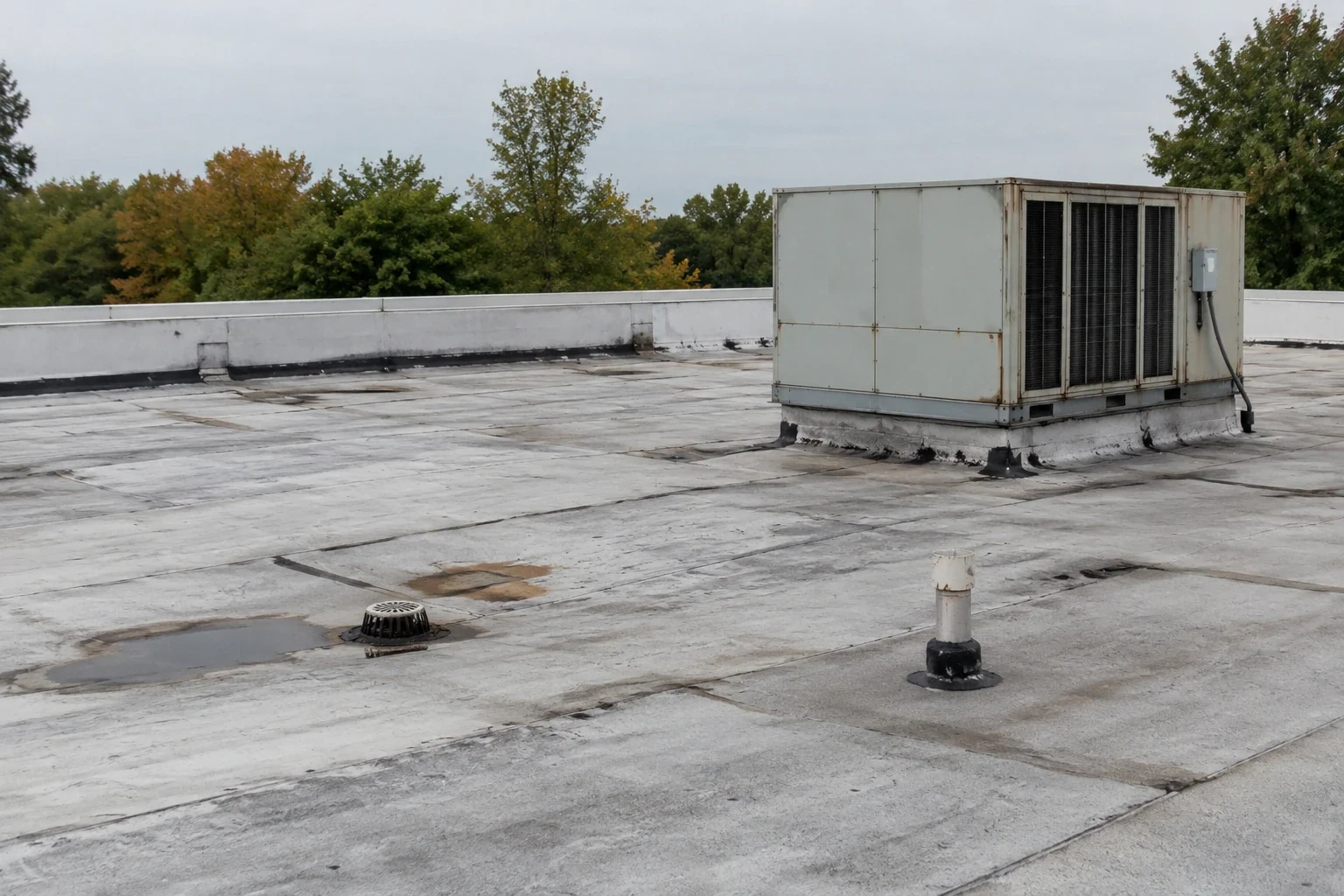
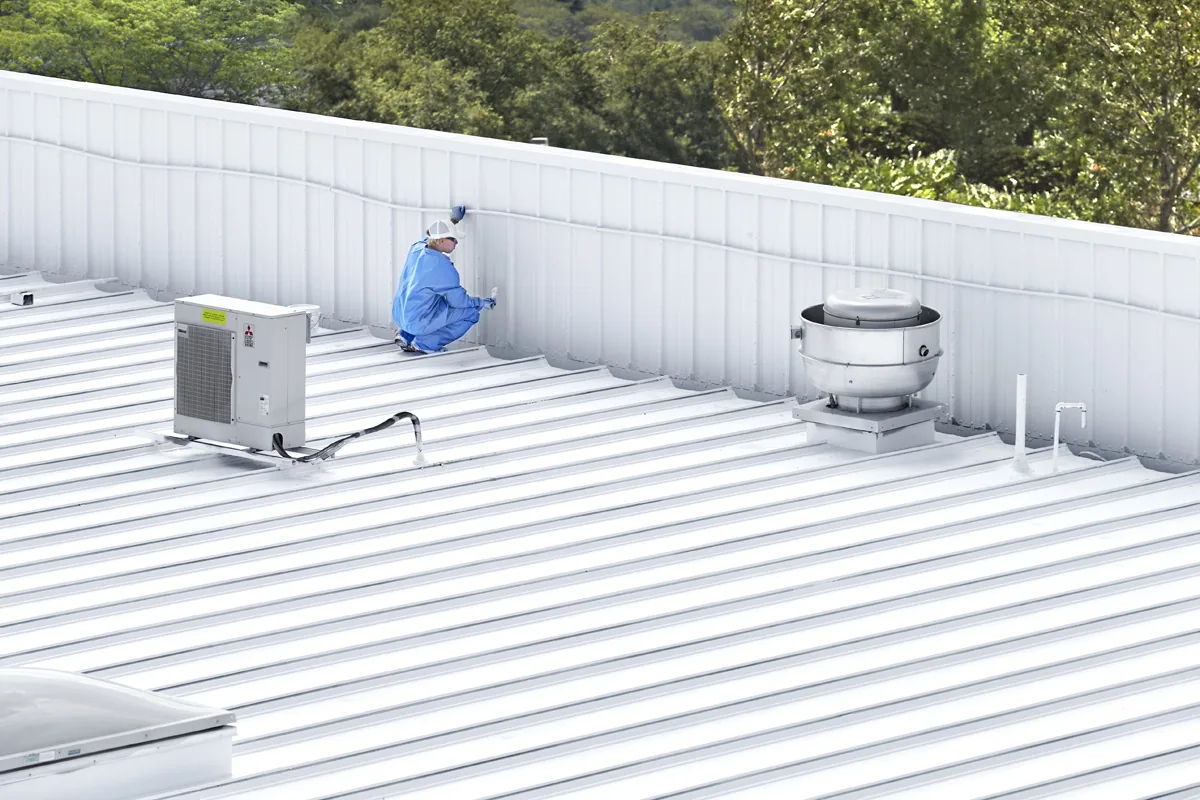
Preparation begins with the existing material. We identify the membrane, metal, or built-up surface and check whether it is bonded, stable, and compatible with the proposed coating. Dirt, oxidation, loose coating, silicone residue, and old repairs can affect adhesion. We clean and prepare test areas, then evaluate the bond before planning full application. A coating should not be specified from a roof photograph alone.
Moisture must be located before it is covered. We inspect blisters, open seams, soft insulation, ponded areas, and interior leak reports. If the roof holds moisture beneath the surface, a coating can reduce drying and trap the problem. Core cuts or infrared moisture mapping may be appropriate where visible evidence does not show the full extent. Wet or deteriorated areas need repair or removal before restoration proceeds.
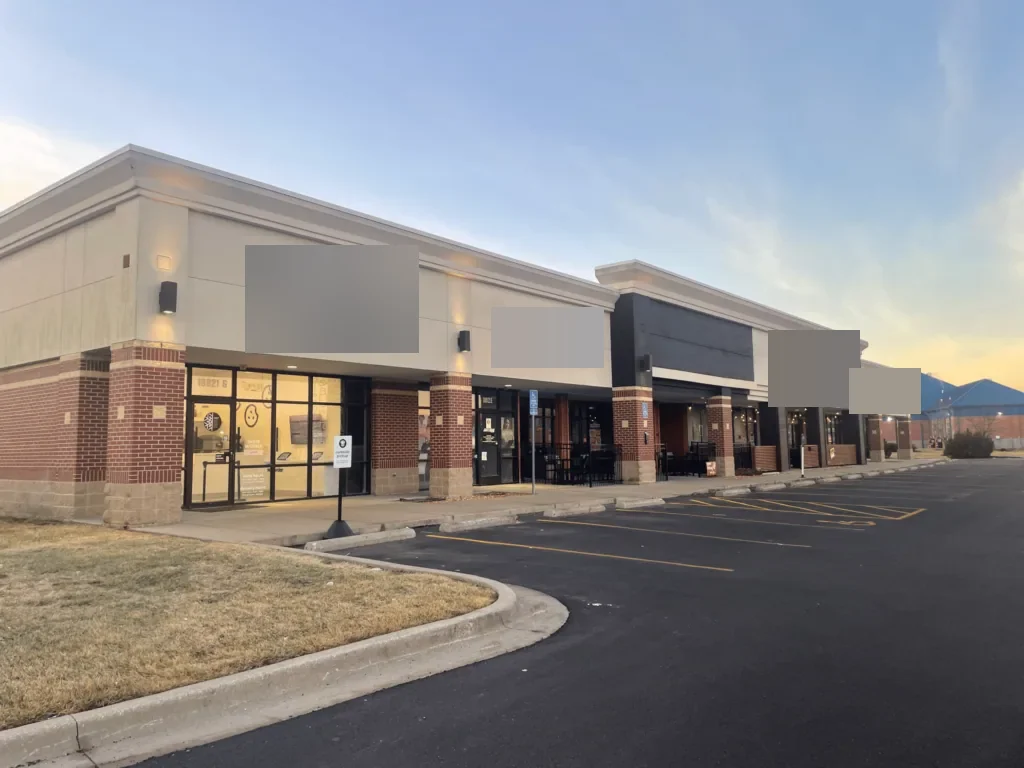
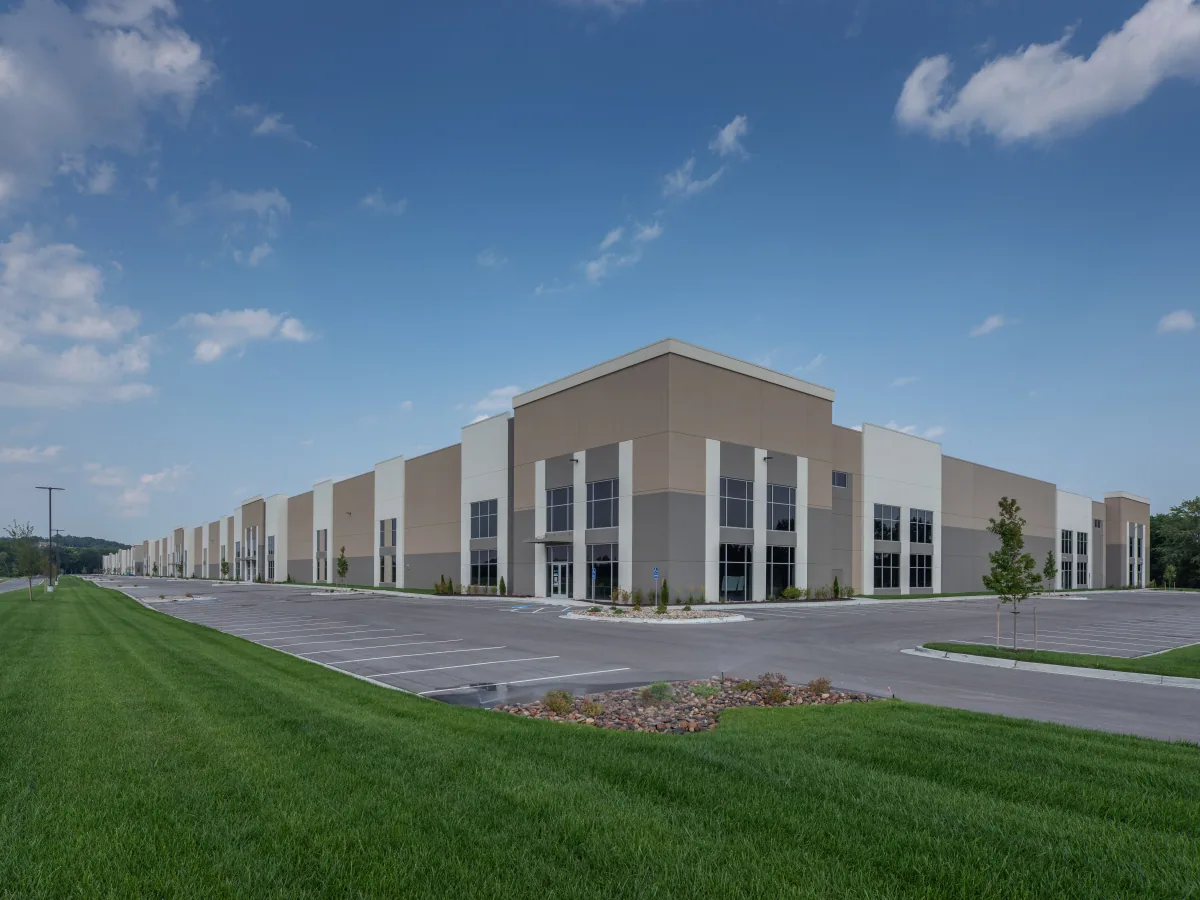
The Independence commercial building mix includes older business districts, industrial employers, medical campuses, schools, and retail centers. A property use does not tell us what is on the roof. We test the surface and verify the system type at the site before settling on primer, reinforcement, or coating. The bond test and repair preparation should match the substrate, not a generic product schedule.
Repair Seams and Penetrations First
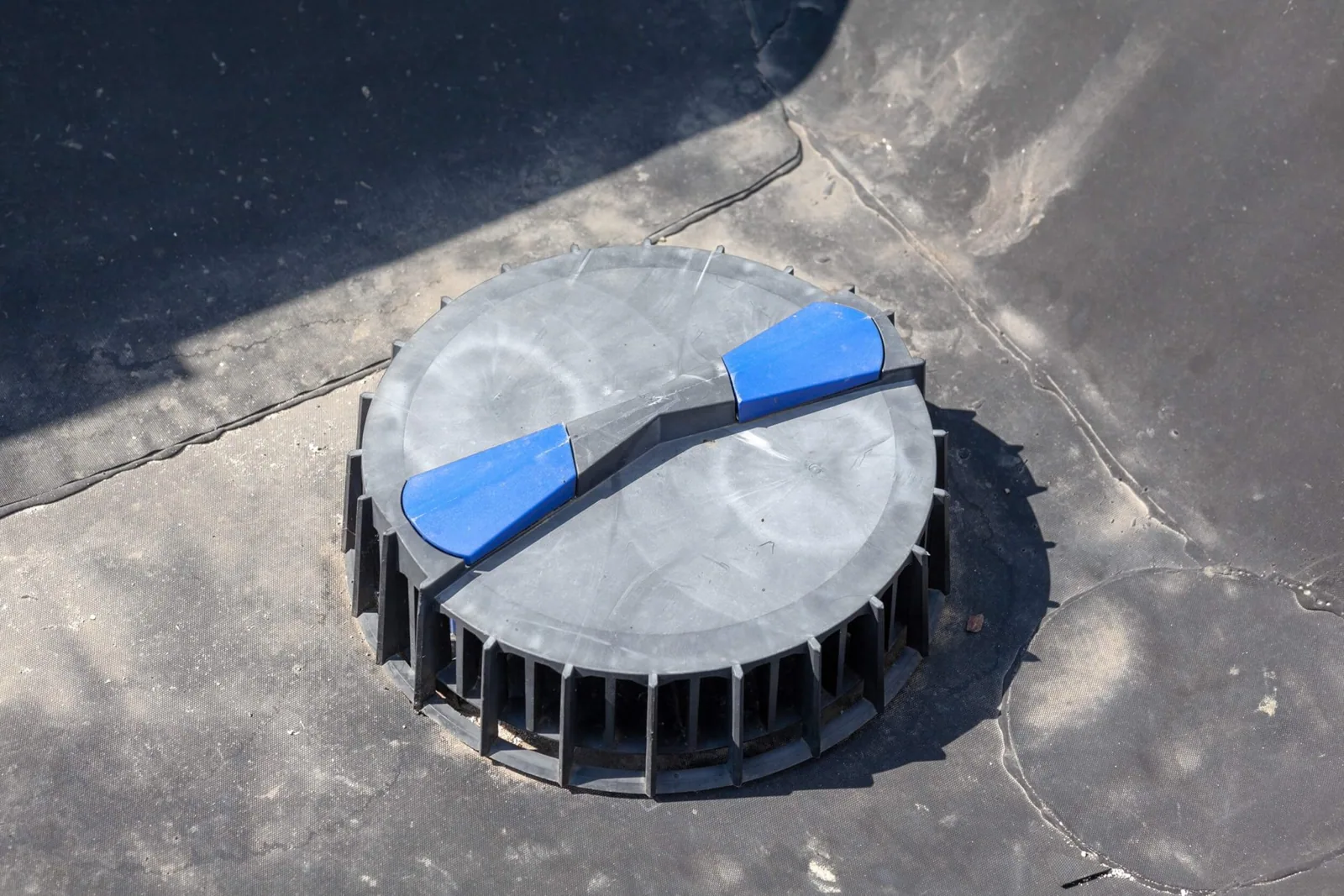
Coating works over a continuous surface; seams and penetrations still need detailed treatment. We inspect laps, fasteners, curb bases, pipe boots, drains, skylight frames, and perimeter terminations. Open seams are repaired before coating. A curb with loose flashing needs a compatible detail at its base, and metal joints may need reinforcement where movement has opened a gap. The coating film should not be asked to bridge a defect that requires reconstruction.
Drainage also sets the limit of a restoration scope. We clear outlets, check overflow paths, and map areas where water remains. A coating may protect a surface that drains adequately, but it does not correct low slope or deck deflection by itself. If ponding is chronic, we evaluate tapered insulation or another corrective design before coating. Repairs at drains can be coordinated with drain and scupper work so the outlet interface remains intact.
Independence winter conditions can test small cracks and open terminations. The Kansas City station normals put the typical January overnight low around 20 degrees; July daytime highs commonly approach 89. For a coating, those seasonal swings make substrate preparation and application conditions part of the system decision. Thermal movement affects metal, sealants, and membrane transitions. We check these details for compatibility and movement allowance before applying coating across them. A system that adheres to the field but splits at a moving joint has not solved the roof's weak interface.
Select a Compatible Coating
Silicone and acrylic coatings behave differently. Silicone can tolerate standing water better than many acrylic systems, while acrylic products can offer a different surface and weathering profile. Neither is a universal fit. We consider the existing substrate, roof pitch, ponding, foot traffic, UV exposure, application temperature, and maintenance plan. The specified system must follow the product requirements and the condition of the roof.
We check compatibility at repair areas and transitions. Primer may be required for some surfaces. Fabric reinforcement can be appropriate at seams or penetrations. Coating thickness depends on the selected system and application design, and coverage must be controlled across edges and details. We document the substrate preparation, repairs, and application conditions so the restoration record corresponds to the installed roof.
A silicone roof coating or acrylic system may be considered after inspection. Where an older metal assembly is involved, a metal retrofit may address a different set of details. If the existing roof cannot support restoration, we compare a recover or replacement instead.
Account for Weather and Use
Coating application depends on the roof surface being clean and within the system's application conditions. Rain, dew, shade, wind, and temperature can change cure time or adhesion. We plan work around the building's use and the forecast, with enough time for each applied area to cure before exposure. An open roof section is not left without a plan for protection if conditions shift.
The March 2017 event produced two reported hail observations: quarter-size at Centerpoint Medical Center and 1.75-inch stones east-northeast of Independence. These locations can prompt inspection, but do not confirm impact at Eastgate or another commercial roof. We check the actual surface for punctures, coating fractures, loose metal, and flashing damage before considering restoration.
Commercial activity around the US 24 corridor and Maywood can require coordination on access, material staging, and tenant hours. Those are work-planning inputs. The roof itself determines whether the coating can bond and whether the completed assembly will drain as intended.
Compare Restoration with Replacement
Coating restoration may reduce tear-off when the existing roof is dry, stable, and compatible. The owner should still understand what the system does and what it leaves in place. A coating does not replace insulation, repair deck corrosion, or resolve broad attachment failure. If the membrane is brittle, wet, loose, or repeatedly separating, a surface layer may postpone rather than solve the main problem.
Cost depends on cleaning, primer, repair material, reinforcement, roof complexity, access, surface condition, and the amount of work at penetrations and edges. A heavily detailed roof requires more preparation than a simple field. We inspect the substrate and list each included repair before pricing. If test openings find saturated insulation, we document the condition and compare selective removal with a broader replacement scope.
For owners planning a portfolio, capital planning can compare a coating against repair and replacement on condition, not surface appearance. A hands-on inspection can record the substrate and details before the decision. Routine maintenance visits remain important after coating because drains, penetrations, and transitions still need review.
Prepare the Roof for a Defensible Scope
Before application, we define the work area, surface preparation, repairs, primer requirements, coating system, and conditions that would stop the work. During installation, we monitor coverage at seams, curbs, edges, and drains. The closeout record notes repairs completed and areas that remain outside the restoration boundary.
A coating is a roof assembly decision, not a paint job. Inspection should establish what material is present, how it is attached, whether moisture is below it, and how water drains. Those checks make the difference between a coating that bonds across a prepared roof and one that seals over unresolved defects.
Arrange a coating suitability inspection with Commercial Roofing Independence. We will verify the substrate, adhesion, moisture, and detail compatibility, then map repairs and determine whether restoration is supported by the roof's condition.
Commercial Roofing Questions
Can a coating go over a wet roof?
Not without addressing the moisture condition. We use inspection and testing to locate wet areas, then remove or repair affected material before coating the remaining compatible surface.
Will coating correct ponding water?
It may protect a surface that drains adequately, but it does not create slope by itself. We check outlet capacity and low areas before deciding whether tapered insulation or another correction is needed.
How do you choose between silicone and acrylic?
The substrate, ponding, exposure, repairs, and product requirements guide the choice. We test compatibility and detail the selected system around seams, penetrations, edges, and drains.
Does coating remove the need for maintenance?
No. Drains, seams, penetrations, and coating wear still need periodic review. We document repair items and can set a follow-up schedule after restoration.
When is replacement a better fit?
Widespread moisture, deteriorated attachment, unstable layers, or damaged deck can make a surface coating unsuitable. We compare restoration with removal when inspection findings support that decision.