Trace and repair commercial roof leaks in Independence, MO by testing entry points, following water paths, and checking the assembly around the damage.
A wet ceiling tile tells you where water became visible, not which roof detail admitted it. In a commercial building near Belton, Missouri, water may travel across a deck before reaching an occupied room. We start with the interior evidence, then inspect above it for open seams, failed flashing, punctures, drains, curbs, and wall transitions. At a medical facility such as Centerpoint Medical Center, repair timing and roof access should be coordinated with building operations.
Water Path
Water follows gravity, capillary gaps, and the interfaces it can enter. It may run along steel deck flutes, framing, insulation joints, or conduit before dripping through a ceiling. We compare the leak location with roof drains, wall lines, penetration clusters, and changes in slope. When several ceiling spots appear, we look for a shared path rather than assume each one has a separate opening.
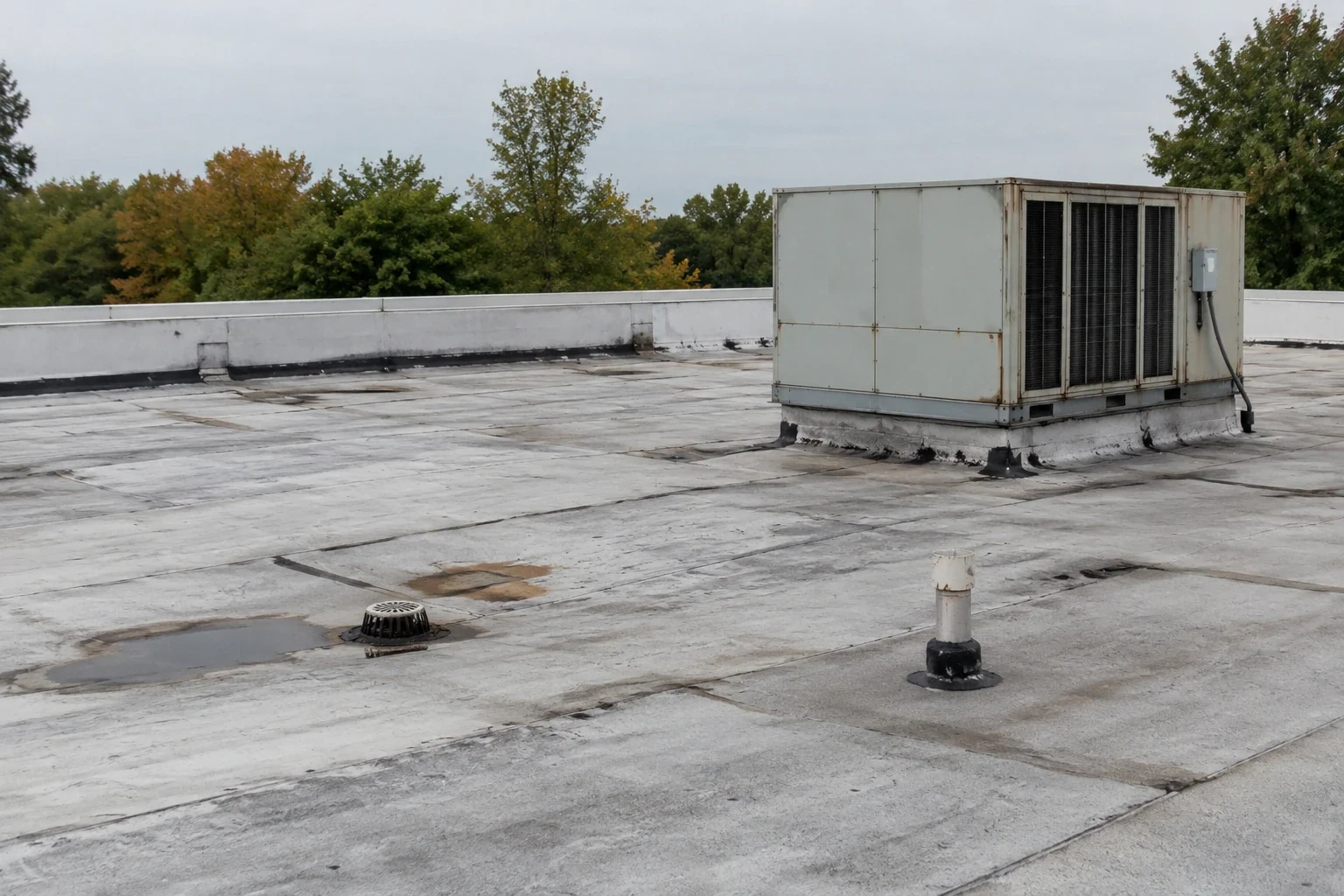
The inspection checks the membrane condition and the details that interrupt it. We look at seams, field repairs, equipment curbs, pipe boots, skylight transitions, parapets, edge metal, and drain bowls. Interior staining can continue after the source is stopped as trapped water dries, so we document the timing and weather that preceded the report. That record helps distinguish a new entry path from moisture left by an earlier event.
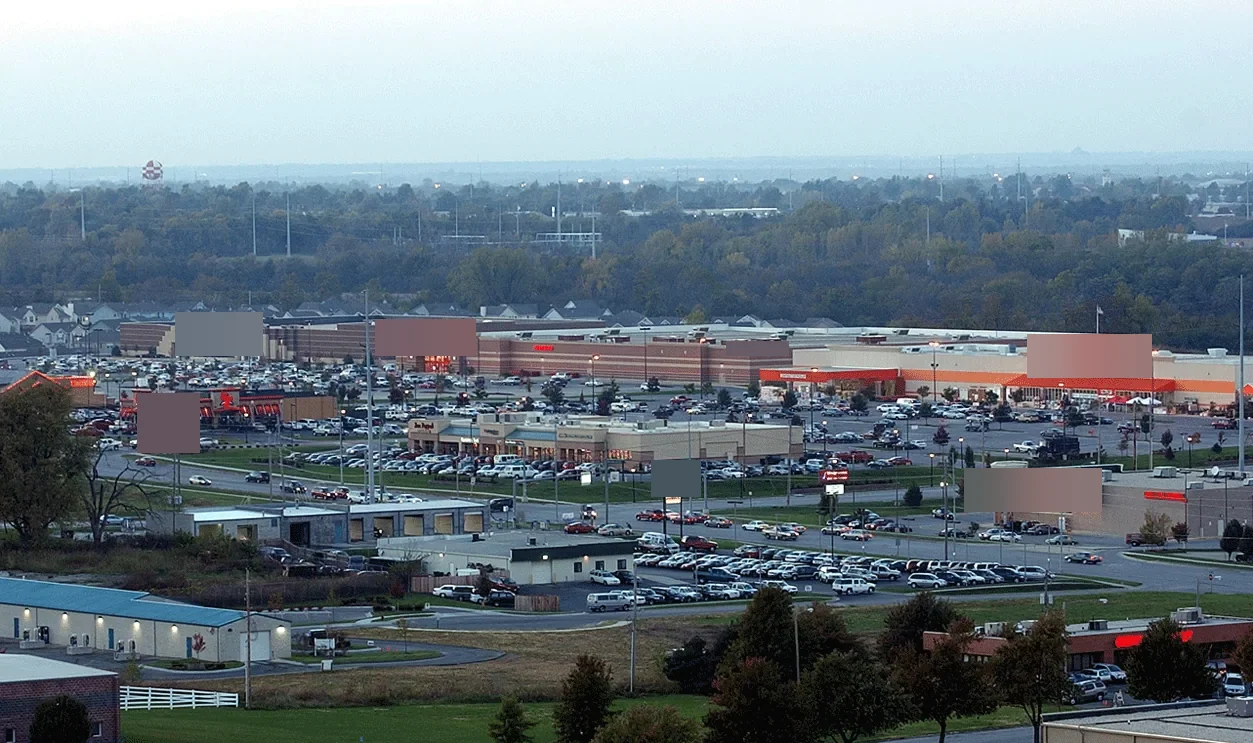
Independence has many commercial settings, from medical facilities to manufacturing and neighborhood retail. Building activity influences when we can inspect interior spaces, but it does not identify the defect for us. At the Square, varied shop and restaurant uses may require coordination with tenants. A repair plan should say which roof area and interior locations are involved so the property contact can protect equipment and occupants.
Leak or Condensation
Not every drip begins above the roof. Condensation can form when warm indoor air reaches a cold surface or when ventilation and insulation are inadequate. Plumbing, HVAC drains, and wall openings can also mimic a roof leak. We check the roof assembly and nearby building systems before assigning the cause. That avoids placing a patch on the membrane when the water comes from a mechanical line or interior condition.
When the roof is implicated, we test likely entry points in a controlled sequence. Visual review may be enough for an obvious puncture. Other conditions call for localized water testing, moisture mapping, or a core sample. A thermal moisture scan can guide test cuts across a broad surface; it does not replace confirmation when the readings are ambiguous. We mark each test location and the result so the repair scope follows evidence.
Freeze-thaw movement matters in the Kansas City region. The January normal low is near 20 degrees, and a crack that admits water can grow as moisture freezes at an exposed interface. Summer temperatures rise into the upper 80s, adding movement to metal edges and sealant joints. We inspect the transition around the apparent opening and nearby attachment, because a single sealant bead may not be the only failed component.
Entry Point and Repair
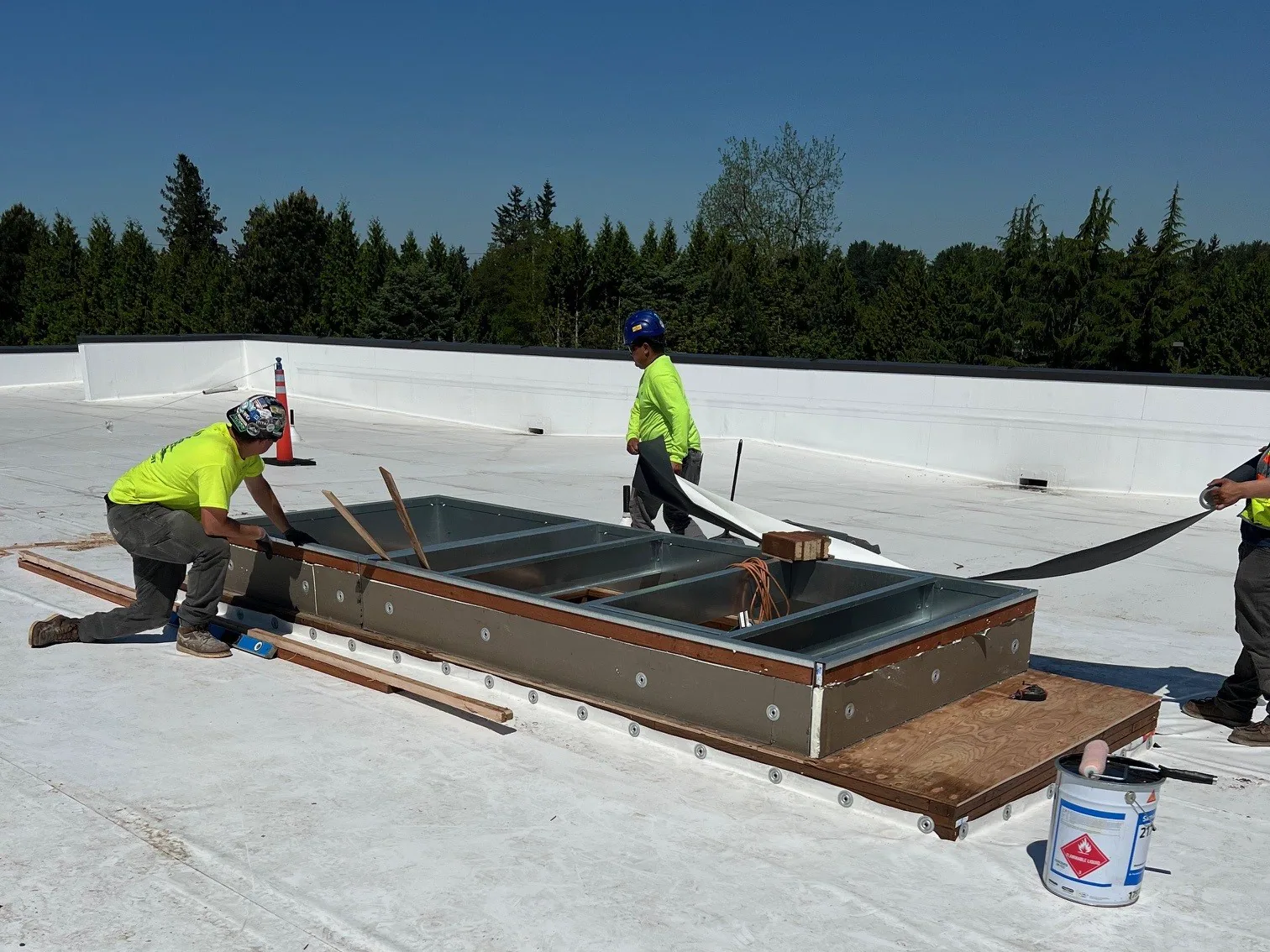
Once the path is identified, we select a repair compatible with the roof. A membrane puncture needs a patch with adequate clean material around the defect. A split thermoplastic seam may need weld preparation and a test weld. A failed pipe boot or curb flashing requires the right flexible detail and secure termination. If water has reached the insulation, we determine whether the affected material can dry or must be removed before closing the assembly.
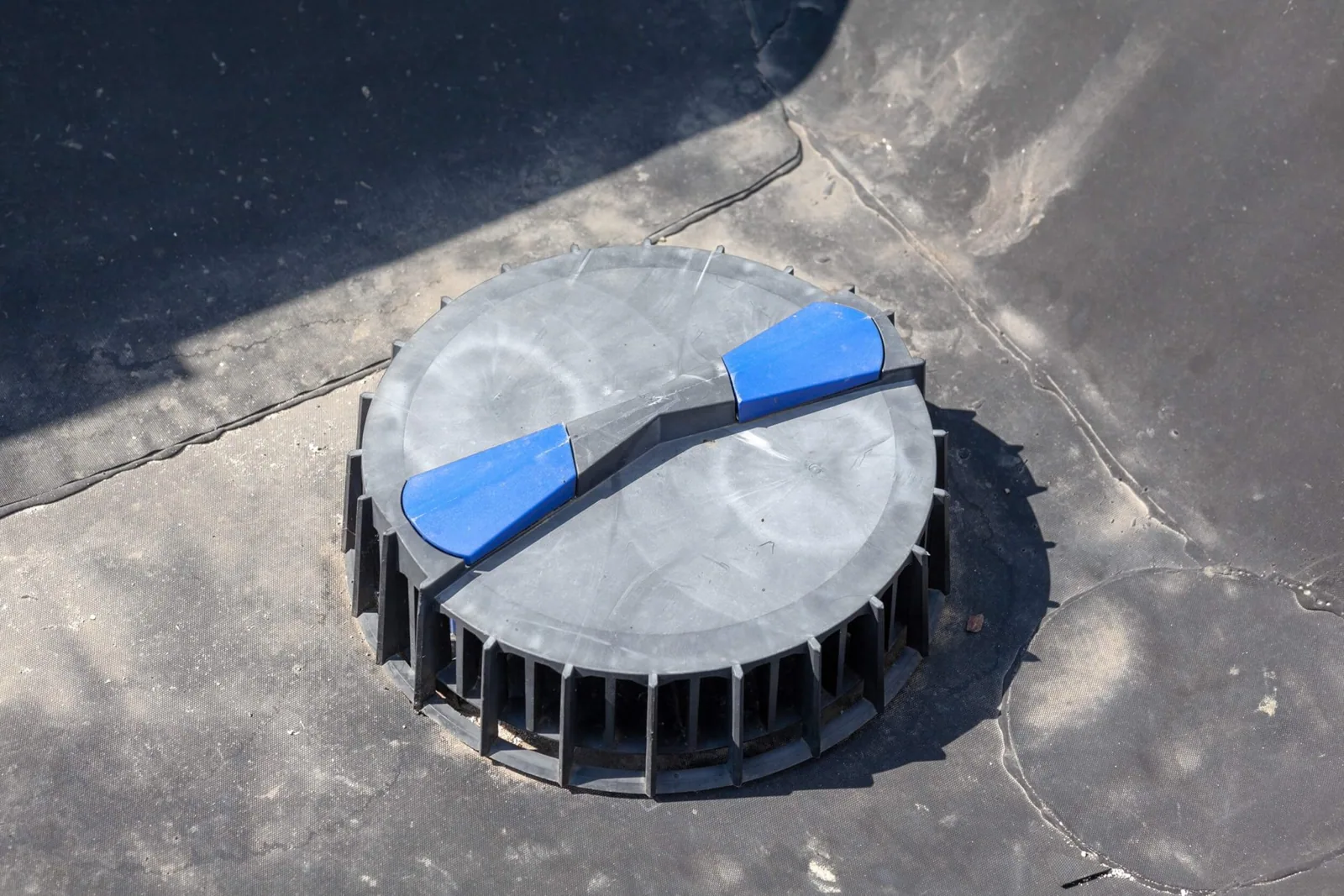
Drainage failures need a broader check. We inspect strainers, drain bowls, scuppers, overflow outlets, and nearby slope. A clogged outlet can raise the water level at a weak seam; a blocked outlet should be cleared, while a low point caused by the roof geometry may need a different correction. We can coordinate drain and scupper work with membrane repairs when both parts of the water route are involved.
Storms can expose weak transitions, but location-specific records should be read carefully. On March 6, 2017, quarter-size hail was observed at Centerpoint and larger hail east-northeast of Independence. That history does not prove a roof was struck. We look for impact evidence and open details on the inspected building. If wind or hail has damaged several roof areas, storm damage repair may require a wider survey than the first leak location suggests.
Repair Limits
The written scope identifies the suspected entry point, the confirmed water path, and the repair extent. Photos show the condition before and after work. We note whether the repair includes membrane, flashing, insulation, metal, sealant, or an outlet. If opening the roof reveals wet material or a damaged deck, we document the added finding and explain how it changes the limit before proceeding beyond the agreed work.
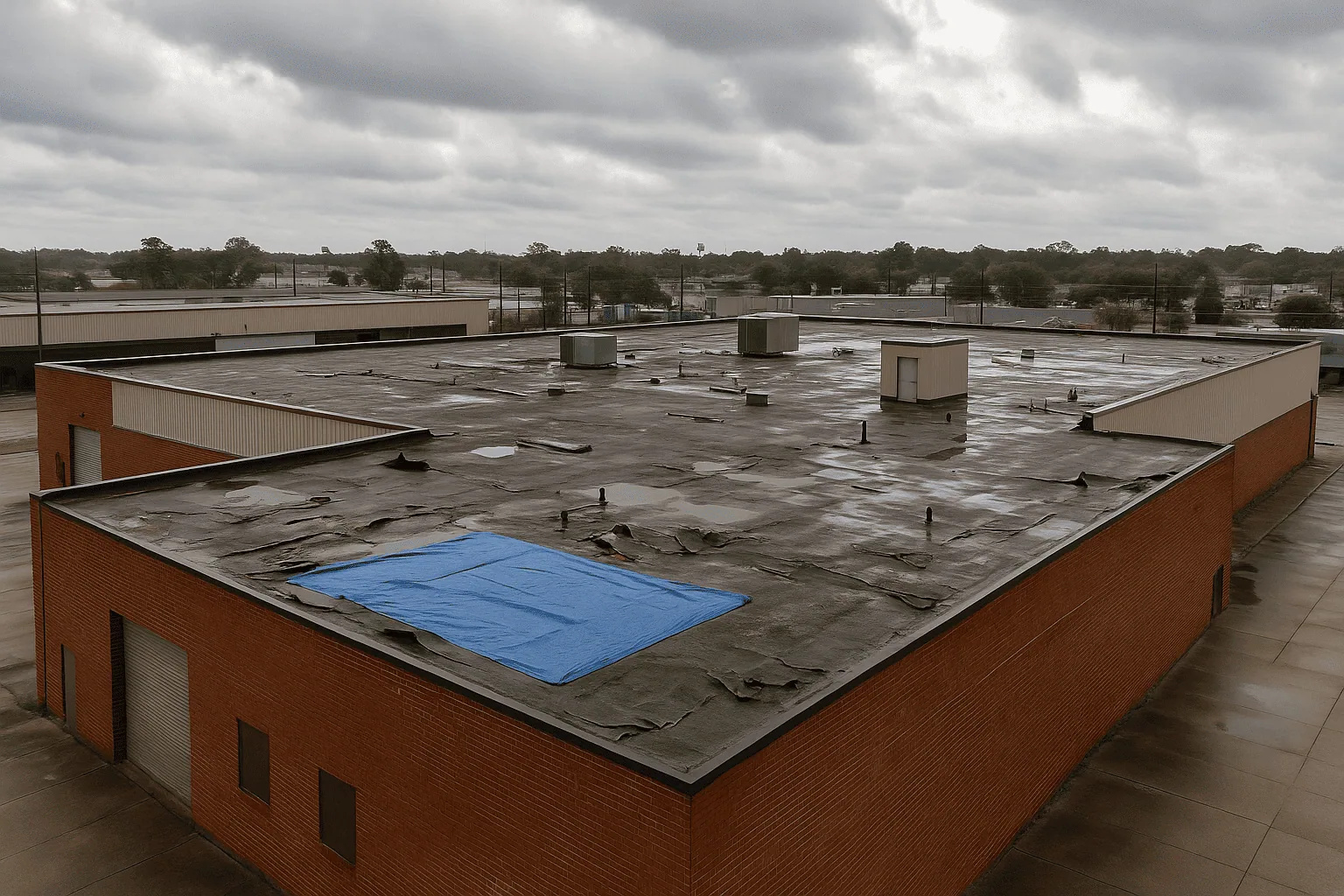
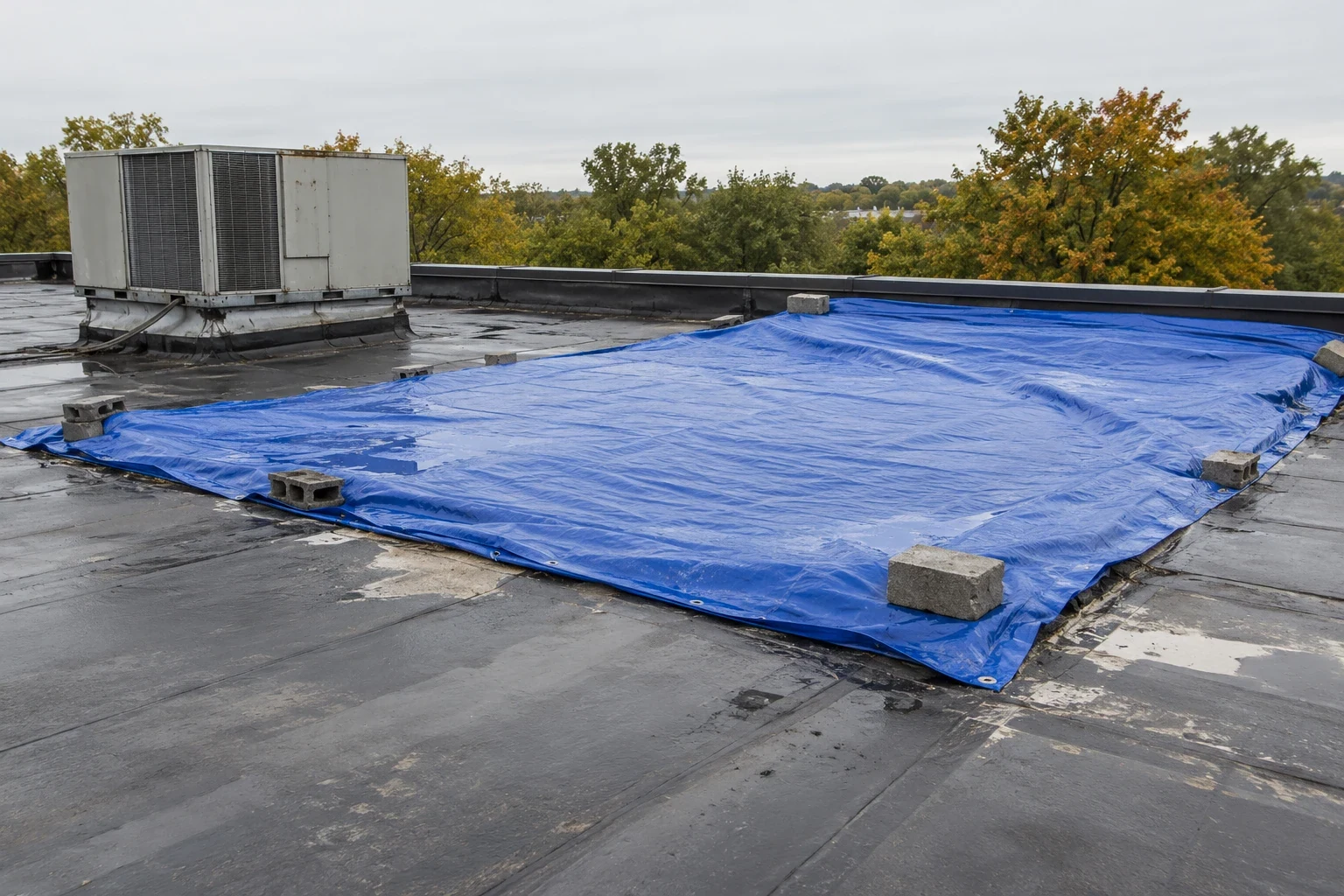
Repair time depends on access, roof height, surface preparation, material cure or weld conditions, moisture extent, and weather. A leak over an operating facility can require a temporary interior protection plan and a scheduled work window. If active water is entering, we can arrange emergency dry-in to limit exposure, then return for a permanent repair once the roof can be examined safely.
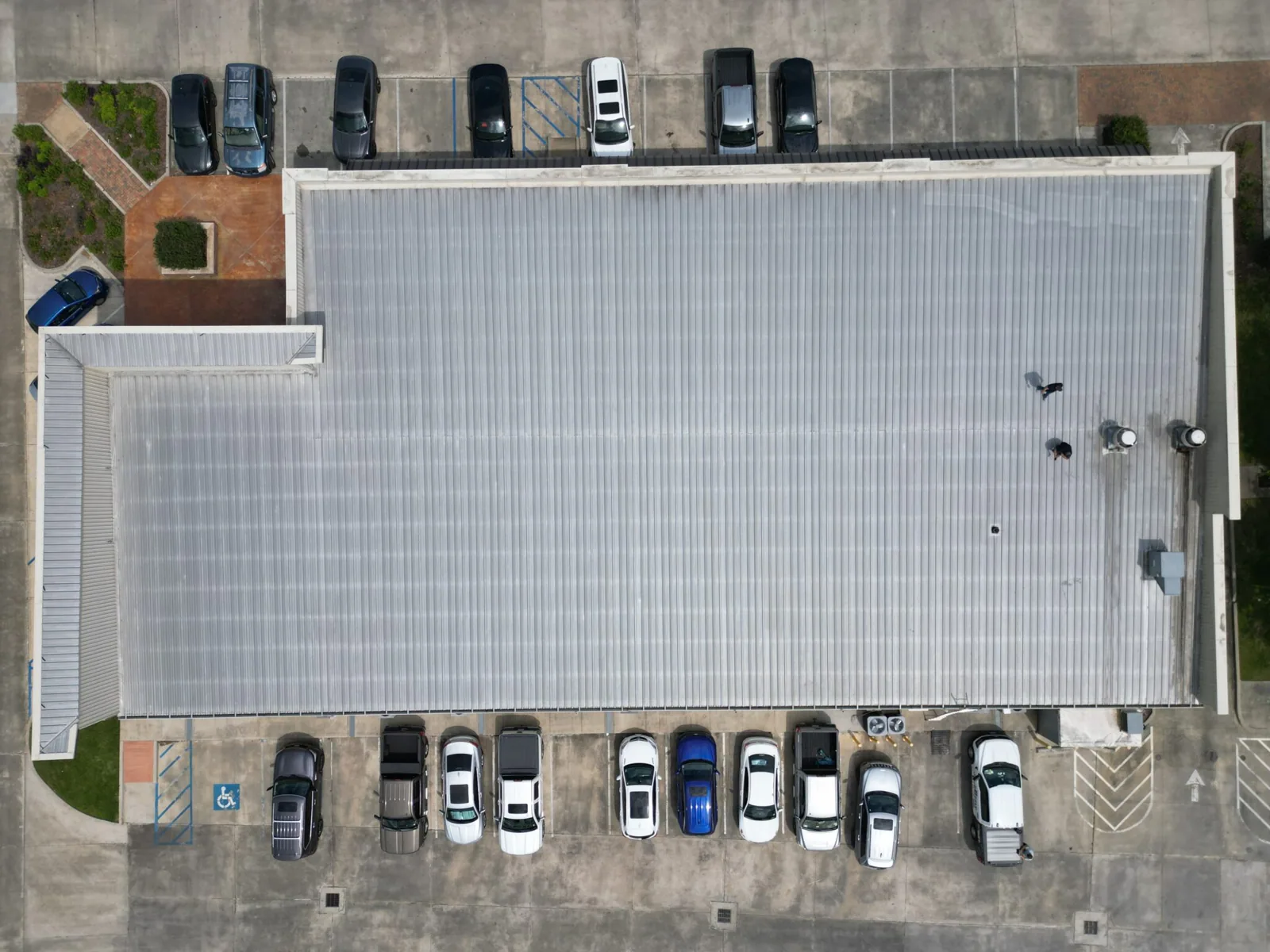
Owners who see recurring leaks should track dates, room locations, and recent weather. That information helps us compare the next report with prior repairs and identify a repeated water route. A roof inspection can review nearby details even when the exact leak is not active. For a larger condition record, we can provide a photo-based roof report that documents findings and open repair items.
Source Confirmation
After repair, we examine the patched membrane or flashing and check that drainage remains open around it. If testing was part of diagnosis, we repeat the relevant check where conditions permit. We record the material used and any concealed condition that remains. This does not make every interior mark disappear at once; trapped moisture may need time to dry, and interior materials may need separate attention.
A leak repair should resolve a defined defect. If moisture extends under a broad area, the attachment has failed, or several details are deteriorated, repeated spot work can leave the assembly vulnerable. We explain when the evidence points toward replacement or a recover. For metal edges and parapet transitions, a perimeter detail repair may be part of the solution rather than an optional finish.
Schedule a leak review with Commercial Roofing Independence. We will compare the interior symptoms with the roof above, test likely entry points, and leave a clear account of the repair boundary and remaining conditions.
Commercial Roofing Questions
Why is the ceiling stain not directly below the roof opening?
Water can travel along deck flutes, framing, insulation joints, or conduit before it reaches the room. We map likely routes and inspect the roof details above them instead of patching directly over the stain.
Can you find a leak when the roof is dry?
Often, yes. We inspect suspect transitions and use moisture mapping or localized testing when visual evidence is not enough. Weather notes and the location of interior marks help narrow the search.
Could an HVAC problem look like a roof leak?
Condensate lines, plumbing, and condensation can produce similar signs. We review nearby mechanical systems and the roof assembly before deciding which source accounts for the moisture.
What happens if water is under the membrane?
We map the wet area and verify it with test cuts where needed. Wet insulation may need removal before the membrane is closed, so the repair limit follows the measured condition.
Can the first visit stop active water entry?
We can install temporary protection or dry-in when access and weather conditions allow. A permanent repair follows after the substrate and failed detail can be evaluated safely.