Assess cold-storage roofing in Independence, MO for condensation paths, insulation continuity, drainage, and controlled repair sequencing around operations.
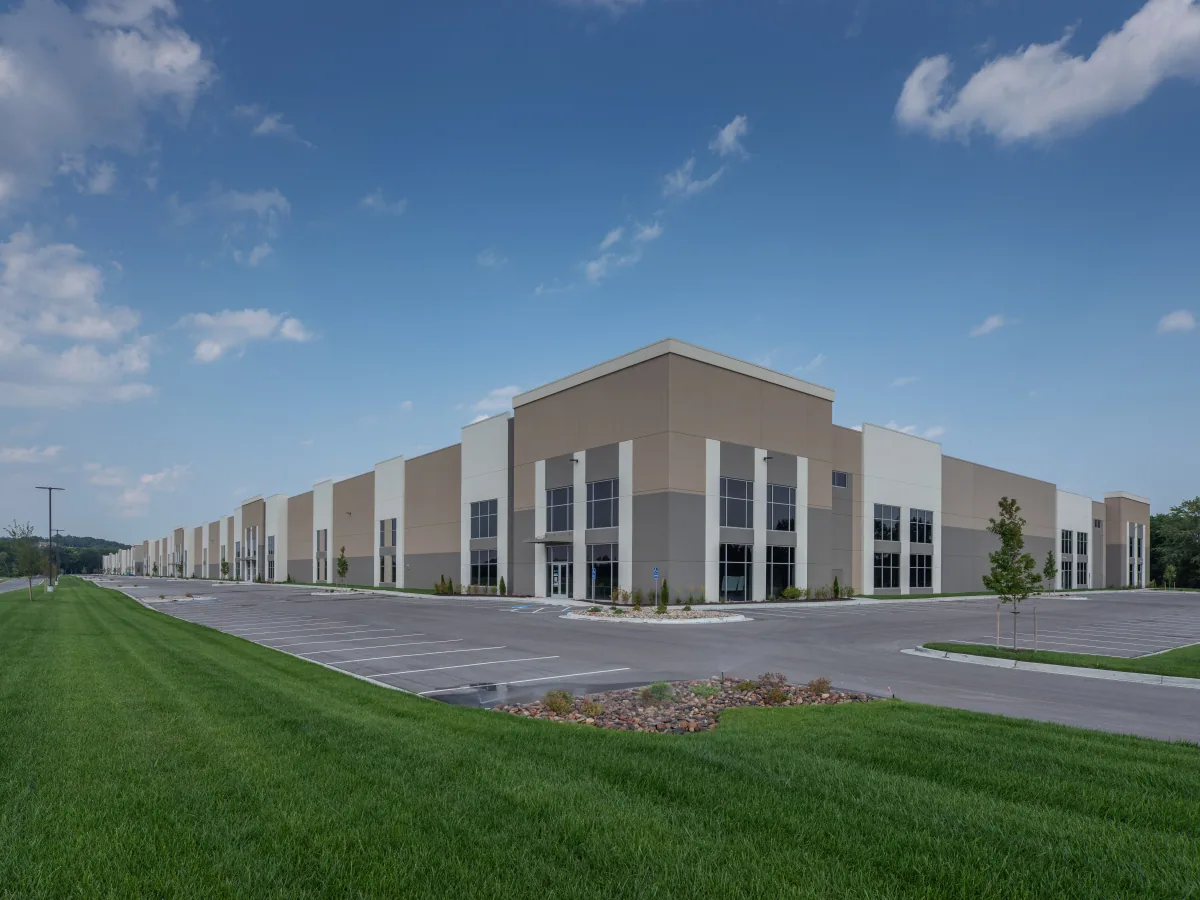
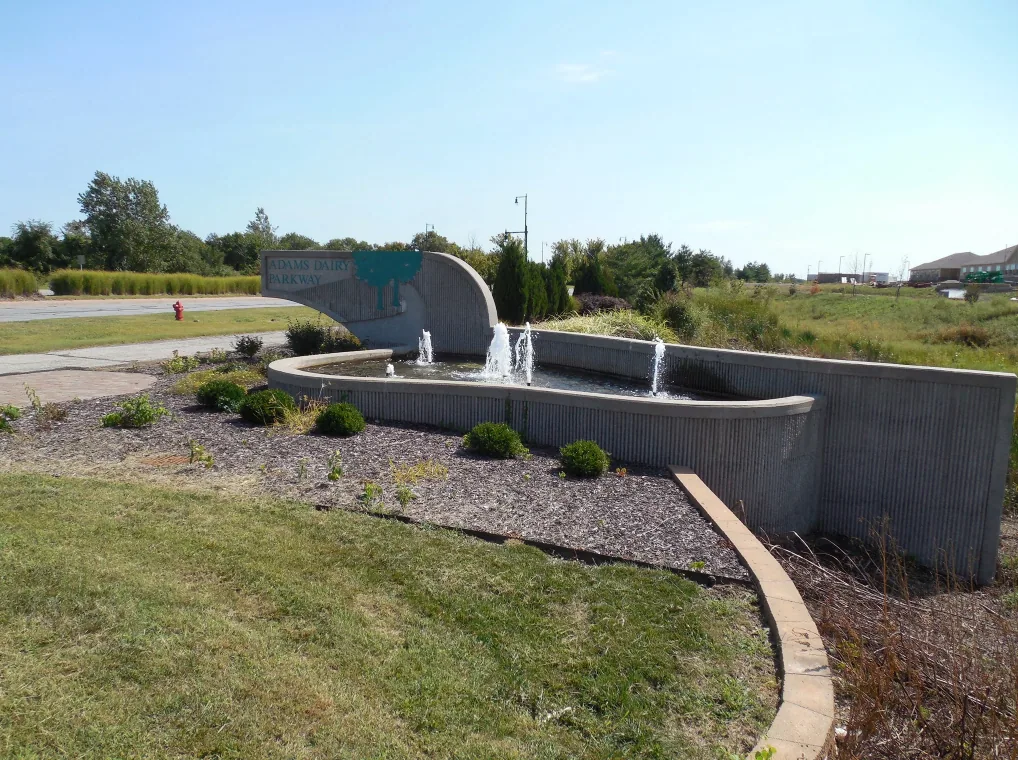
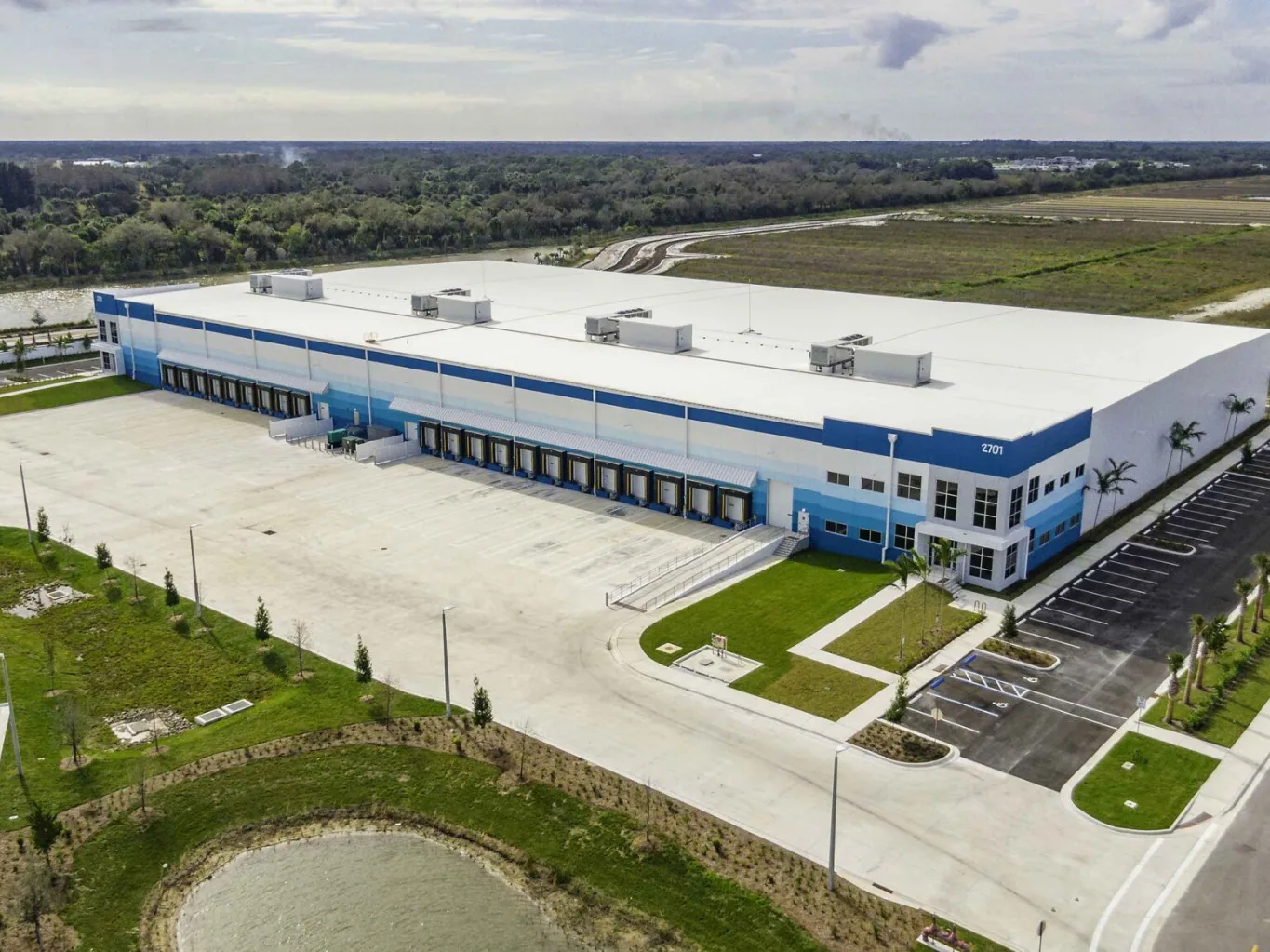
Cold-storage roofs separate refrigerated interiors from hot, humid outdoor air. A small discontinuity at a curb, joint, or vapor-control layer can move moisture into a cold part of the assembly, where condensation accumulates out of sight. Independence has local industrial activity at the Eastgate Commerce Center and the Adams Dairy Parkway Corridor, Blue Springs. Those facilities illustrate the city's commercial and manufacturing mix; they do not establish that a building uses refrigeration. We inspect the actual roof and interior conditions before choosing a repair.
The Vapor Layer Controls Moisture
Warm air carries water vapor. When it reaches a cold surface inside the roof, condensation can wet insulation, corrode metal, or weaken adhesion. The likely path depends on the air barrier, vapor retarder, insulation placement, and penetrations. We look for staining, frost history reported by the facility, soft cover board, and damage around refrigeration lines. A roof leak and an interior condensation problem can look similar from below, so we compare the roof layers with the building's operating conditions.
Core samples show the layers at selected points, while infrared imaging can help target areas for closer examination. Neither replaces a visual inspection of seams, curbs, drains, and wall transitions. We note temperature differences, wet materials, and open interfaces, then determine whether moisture is coming from outside, inside, or both. For food or temperature-controlled operations, the repair boundary should preserve sanitation and product controls. We plan access and temporary protection with the facility contact before disturbing the assembly.
Thermal Continuity Limits Condensation
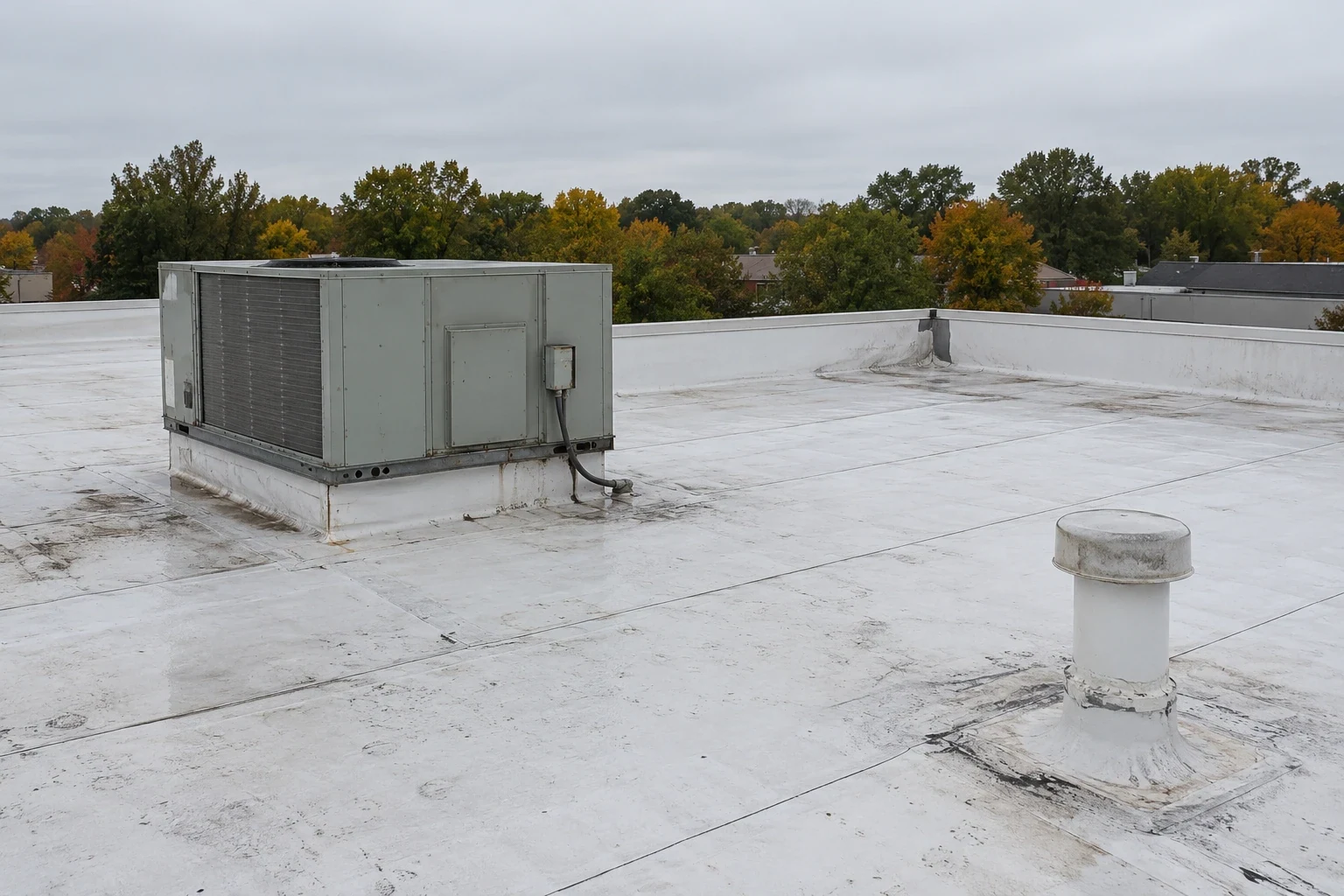
Every curb and pipe interrupts insulation. A gap can create a thermal bridge; a poorly sealed opening can also allow air movement. We check insulation continuity around equipment supports and verify that flashing rises above the field membrane without leaving an exposed route for water. Refrigeration lines need clearance and movement control. If a line shifts, the boot can fatigue or separate from its substrate. The detail should account for line movement, service access, and the membrane's material compatibility.
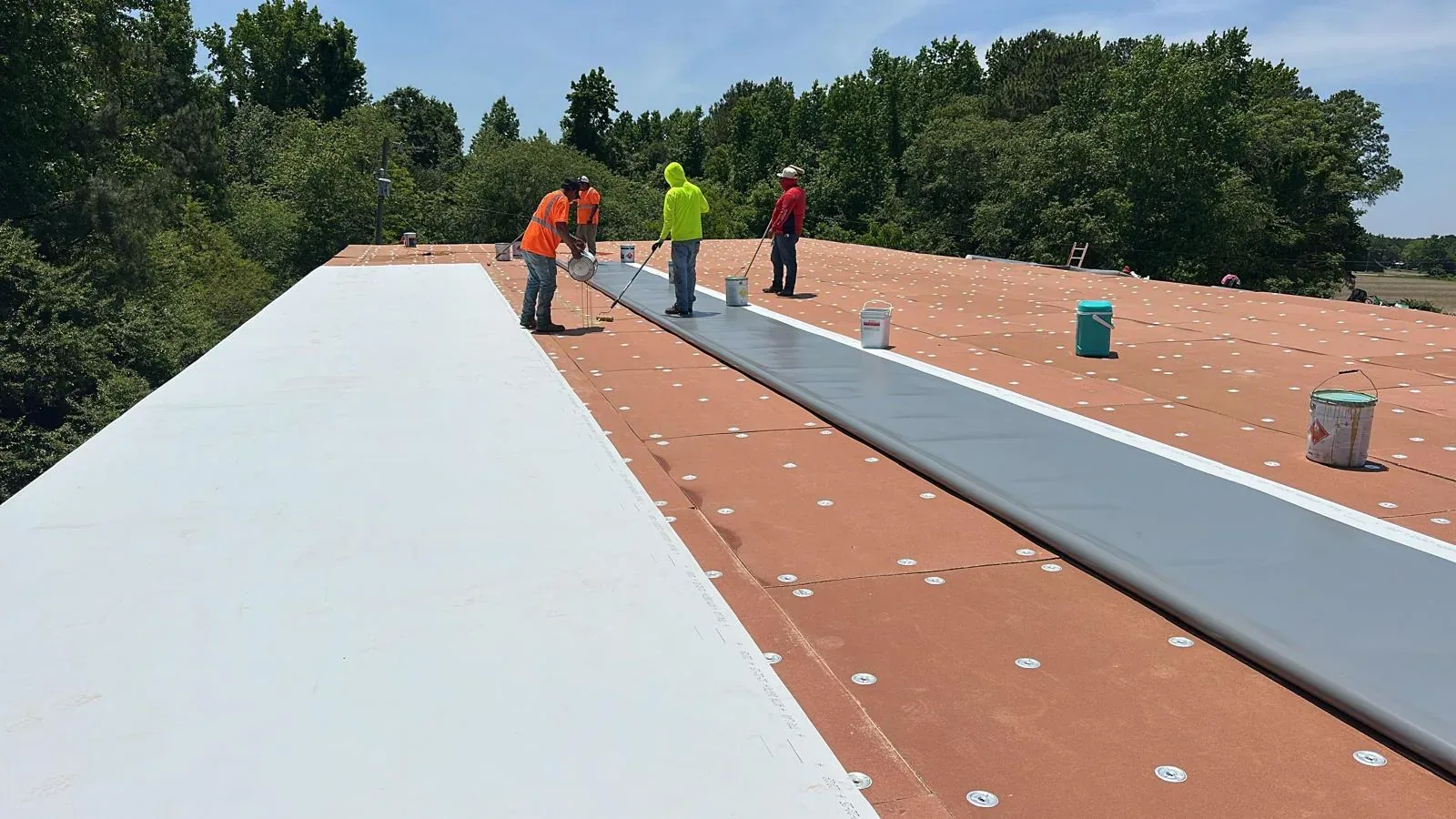
Replacement scope may include more than the surface membrane. We identify the deck, existing insulation, vapor-control layers, and cover board before setting removal depth. If wet insulation remains trapped under a recover, the new surface will not correct the moisture source. A recover can make sense only when the existing layers are dry, stable, and approved for the proposed assembly. Otherwise, removal gives the project a chance to rebuild the transition. TPO roofing and PVC membrane systems require compatible details at the membrane and penetration.
Drainage Moves Exterior Water
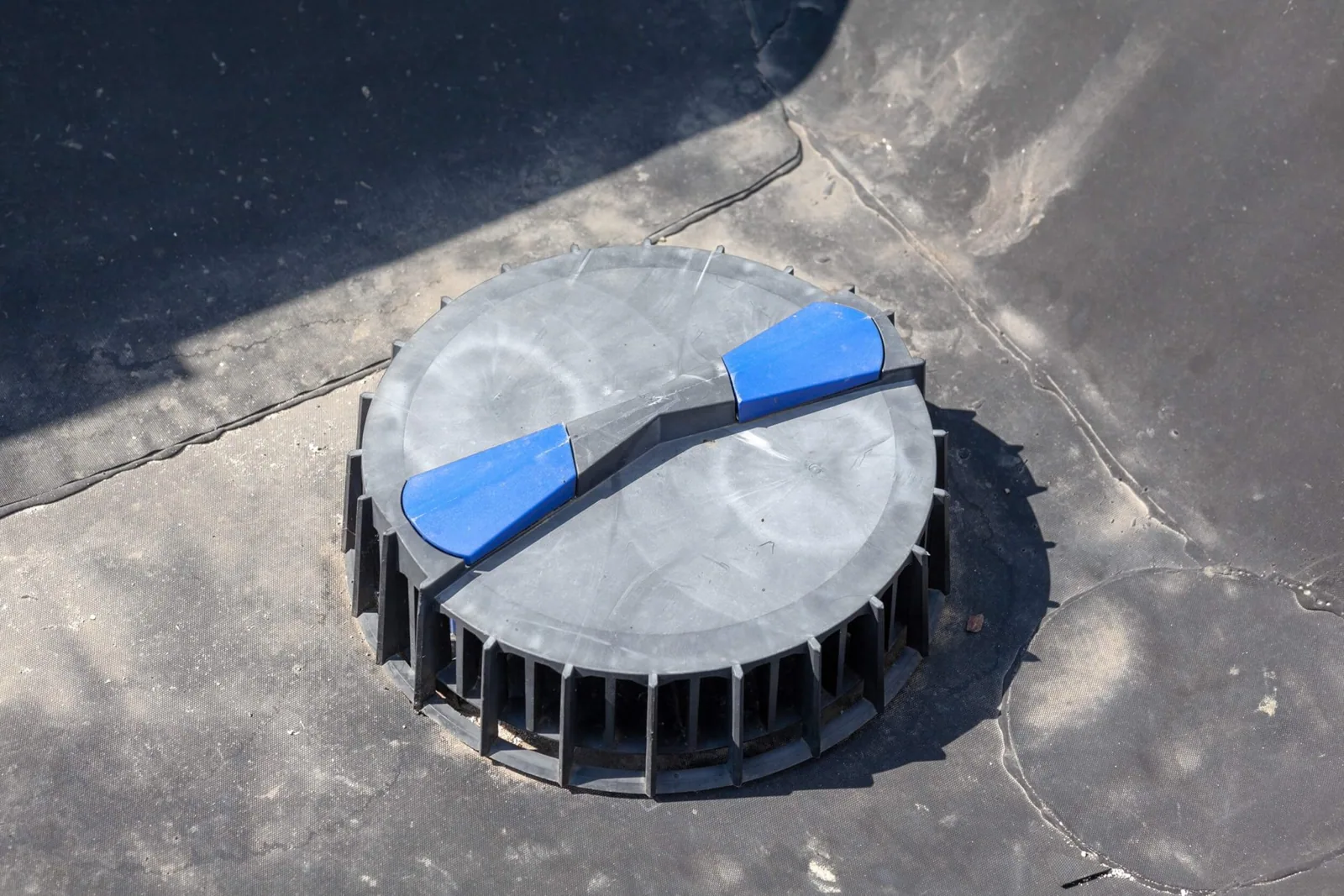
Condensation inside the assembly and rainwater above it require separate paths. We inspect slope, drain bowls, strainers, scuppers, and areas where equipment obstructs flow. Ponding may point to a compressed layer or a low deck, but the source has to be measured. A blocked outlet needs cleaning or repair. A persistent low area may require an insulation or structural solution. Surface coating alone will not move water uphill or restore lost slope.
Exterior water can enter at a lap or curb and then migrate toward a cold zone. We trace the membrane water path from the suspected entry point. At parapets and wall transitions, we check termination height, counterflashing, and the condition of the substrate. If the failure is local and surrounding materials remain sound, a targeted repair may work. Repeated wet areas across separate roof zones point to broader investigation. Drain and scupper repairs should reconnect to the intended drainage plane.
Weather and Operations Create Gradients
Cold storage creates a larger temperature difference across the assembly than a typical conditioned office. Independence's regional winter record includes a January normal low of 20 degrees, and the Kansas City summer normal high reaches 89 degrees in the July table. These are airport-based climate values. At the roof, we inspect how the exterior membrane and interior vapor-control layer handle the facility's temperature gradient, particularly around line supports, curbs, and wall transitions.
Centerpoint Medical Center was among the locations where forecasters reported quarter-size hail on March 6, 2017; a separate report measured 1.75-inch hail northeast of Independence. Those observations help date a local weather event, but they do not diagnose a cold-storage roof. We check the subject building for direct puncture or flashing damage and photograph each finding. Hail damage review is tied to evidence from that roof.
Repair Phasing Protects Operations
Cold rooms cannot tolerate an uncontrolled opening above active operations. We stage removal so the crew can protect the interior and restore a watertight surface before the shift ends. If a larger wet area appears, we secure the exposed boundary and discuss the revised scope before extending removal. That limits moisture exposure and keeps the change tied to what the core or deck inspection shows. Occupied reroofing can use staged sections with a clear temporary dry-in plan.
Independence's code resources include current 2024 building and existing-building editions alongside local amendment documents. The design and roofing teams confirm which provisions apply to the proposed alteration and insulation strategy. We provide layer records, photographs, and a repair boundary that can be coordinated with insulation and mechanical work. The roof at a distribution center or manufacturing plant may share loading and access constraints, but cold storage adds a distinct vapor-control problem. Schedule a roof review to document that moisture path before material selection.
Timing depends on the amount of wet material, interior protection, and how the refrigeration equipment can be isolated. We document those drivers before pricing a full removal. A small dry-in area can be completed within a brief window; a deeper rebuild needs a sequence that keeps the vapor and thermal layers continuous at each day's boundary.
Commercial Roofing Questions
How can we tell condensation from a roof leak?
We compare the timing and location of moisture with outdoor rain, interior temperatures, and the assembly layers. Water entry often follows a seam or flashing path. Condensation may appear where warm air reaches a cold surface. Core samples and targeted inspection help confirm which mechanism is present.
Can the existing roof stay in place under a new membrane?
Only if the layers are dry, stable, compatible, and acceptable for the new system. We inspect representative areas and verify the deck and attachment. Wet insulation or a broken vapor-control layer needs correction before it is covered. The roof should not be closed over unresolved moisture.
What details deserve attention around refrigeration piping?
The line support, boot, seal, and membrane transition all matter. We check for vibration or thermal movement, water damming, and room for future service. A pipe support should not concentrate load on an unreinforced membrane or obstruct drainage.
How do you protect temperature-controlled operations during repairs?
We agree on the opening size, work window, interior protection, and end-of-day dry-in condition with the facility team. If removal reveals more wet material, we document the finding and establish a secure boundary before expanding the scope. Product and sanitation controls stay part of that sequence. Start by locating the work above refrigeration lines, vapor-control details, and rooms where temperature stability matters. The crew should limit open roof area, protect each opening before a shift ends, and coordinate noisy or disruptive work with facility operations. Moisture at the roof can affect insulation and interior conditions, but condensation from a cold surface can resemble a leak. We trace the source before removing layers so the repair addresses the correct assembly. Record which rooms sit below the work and agree on who receives notice before an opening starts. The foreman can then close the roof section and confirm interior conditions at the end of each phase.