Find the Failure Mechanism
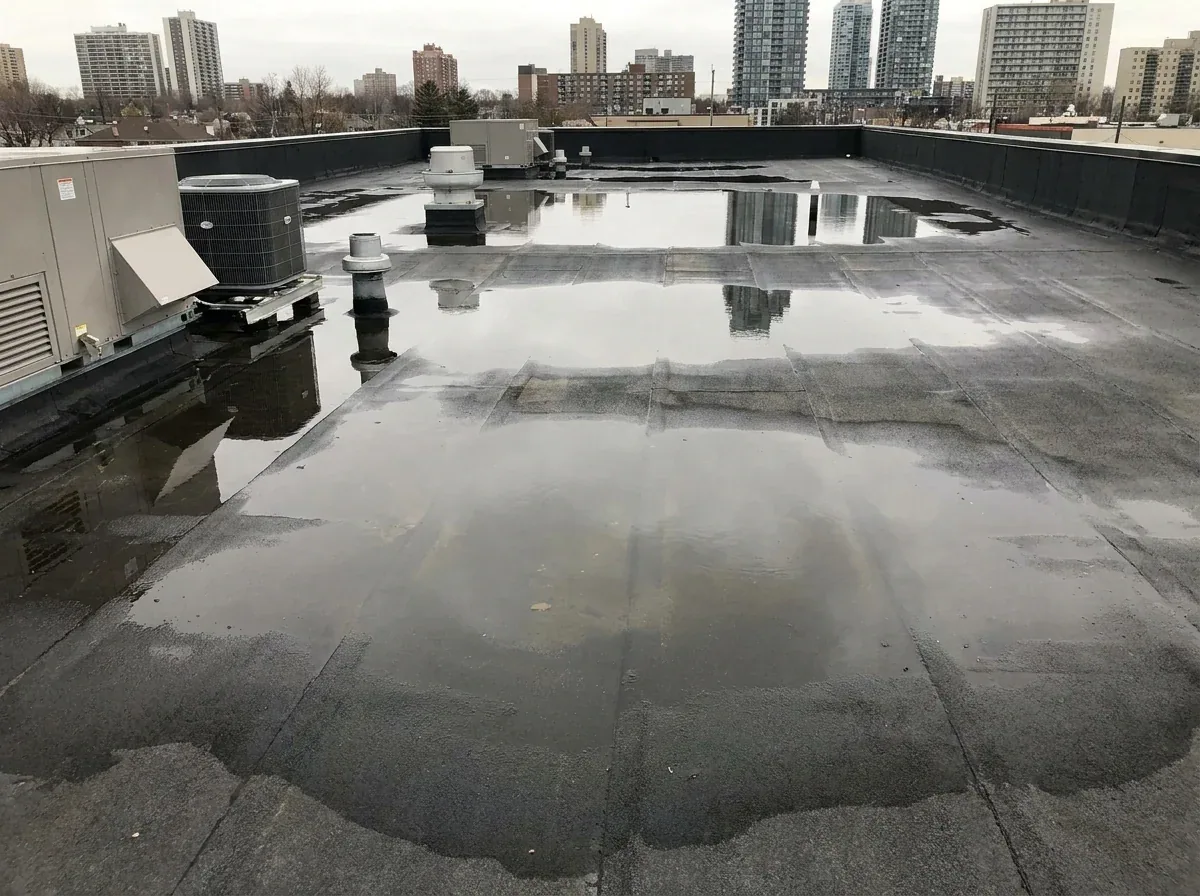
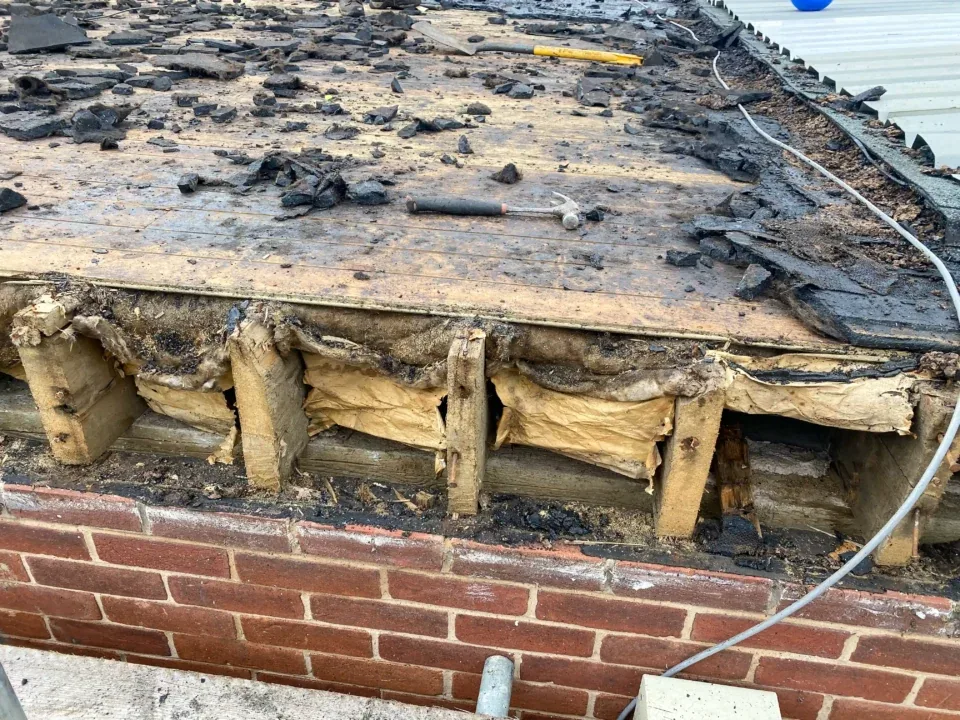
Water entry can travel along insulation or deck before it reaches a ceiling. We follow the path back to seams, penetrations, wall interfaces, and low points. Ponding may point to a blocked drain, deflected deck, or drainage layout that needs broader review. A ponding water repair addresses the source and the membrane condition together. We record whether moisture is visible, suspected, or confirmed by testing.
Match the Repair to Local Exposure
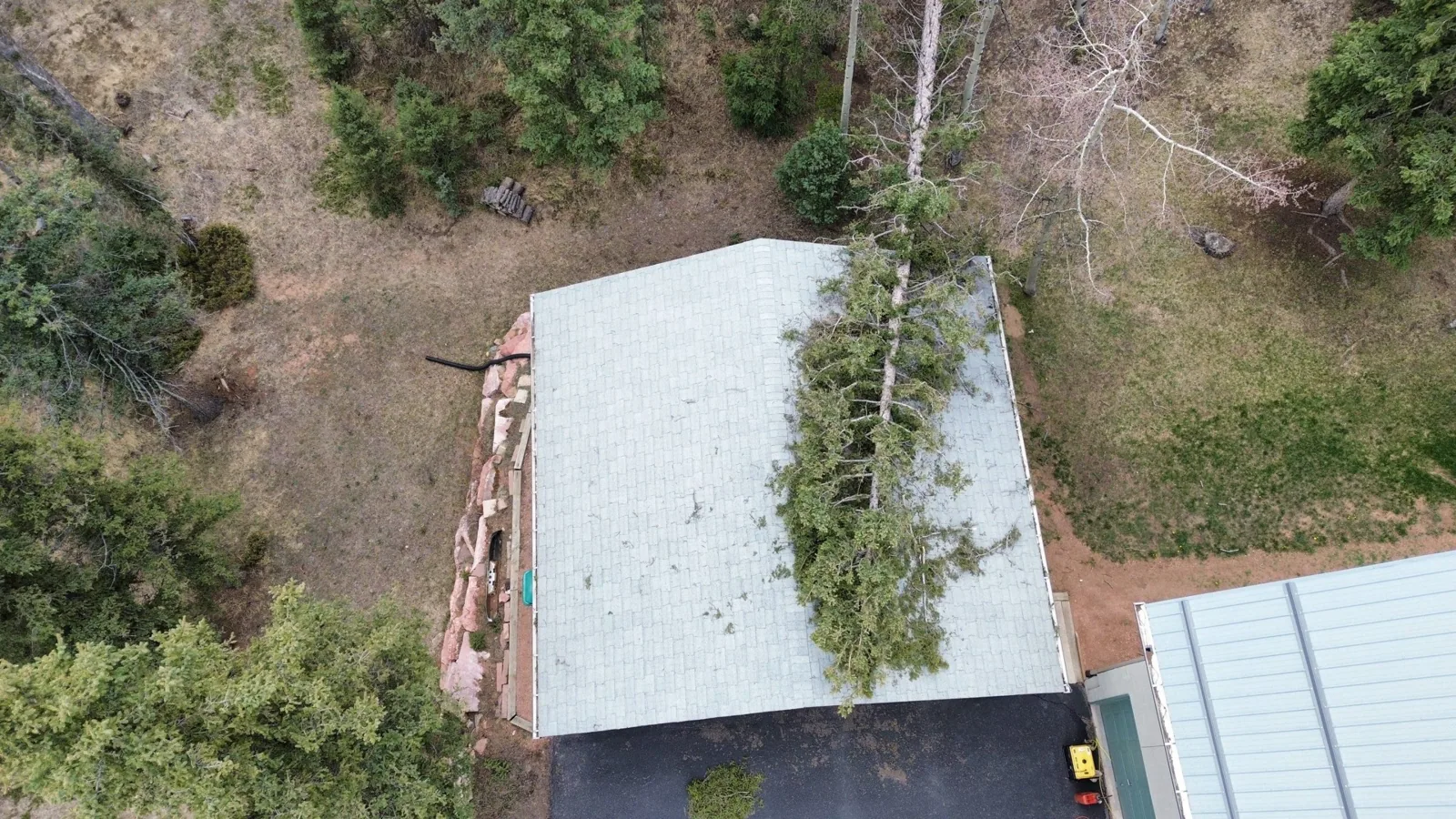
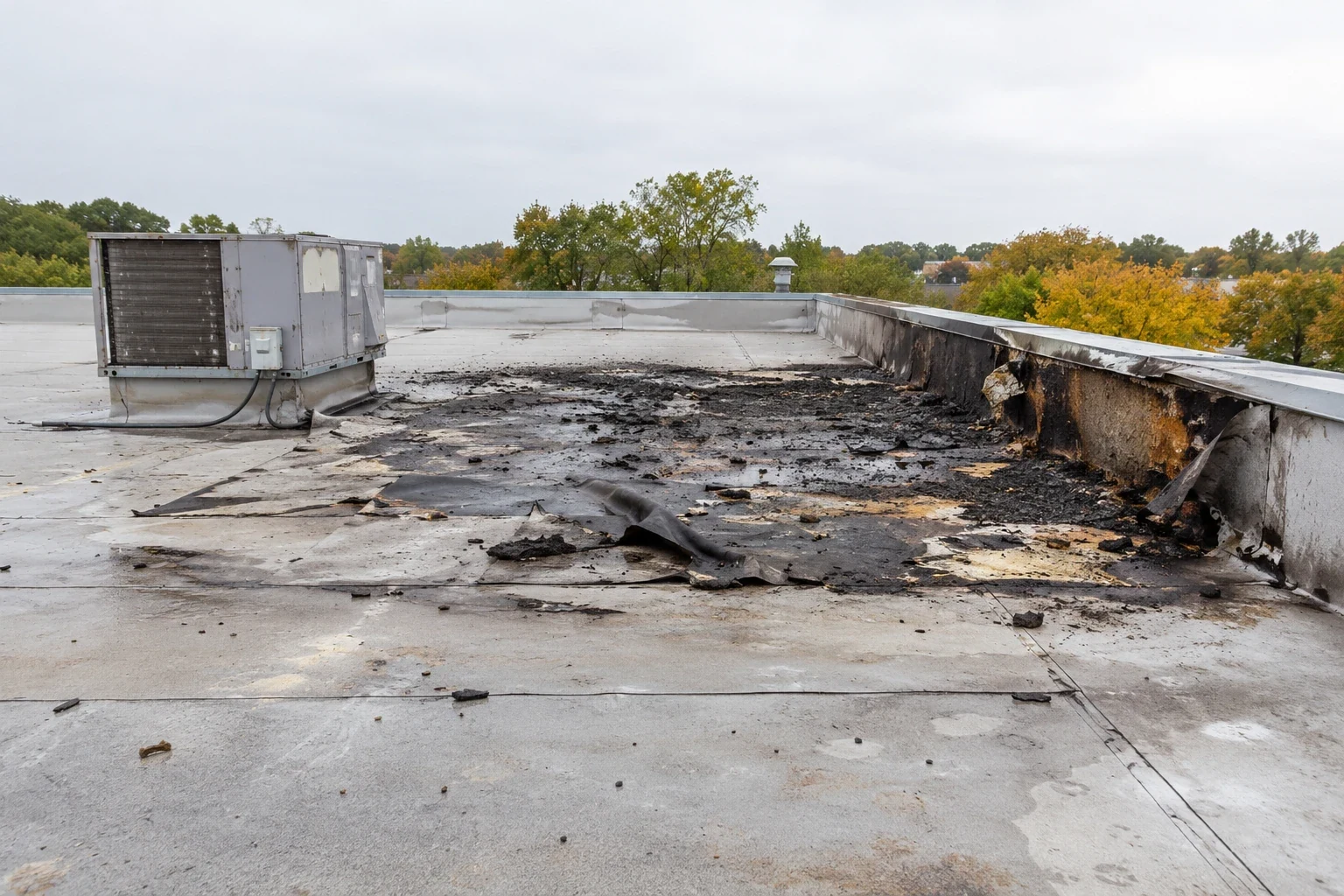
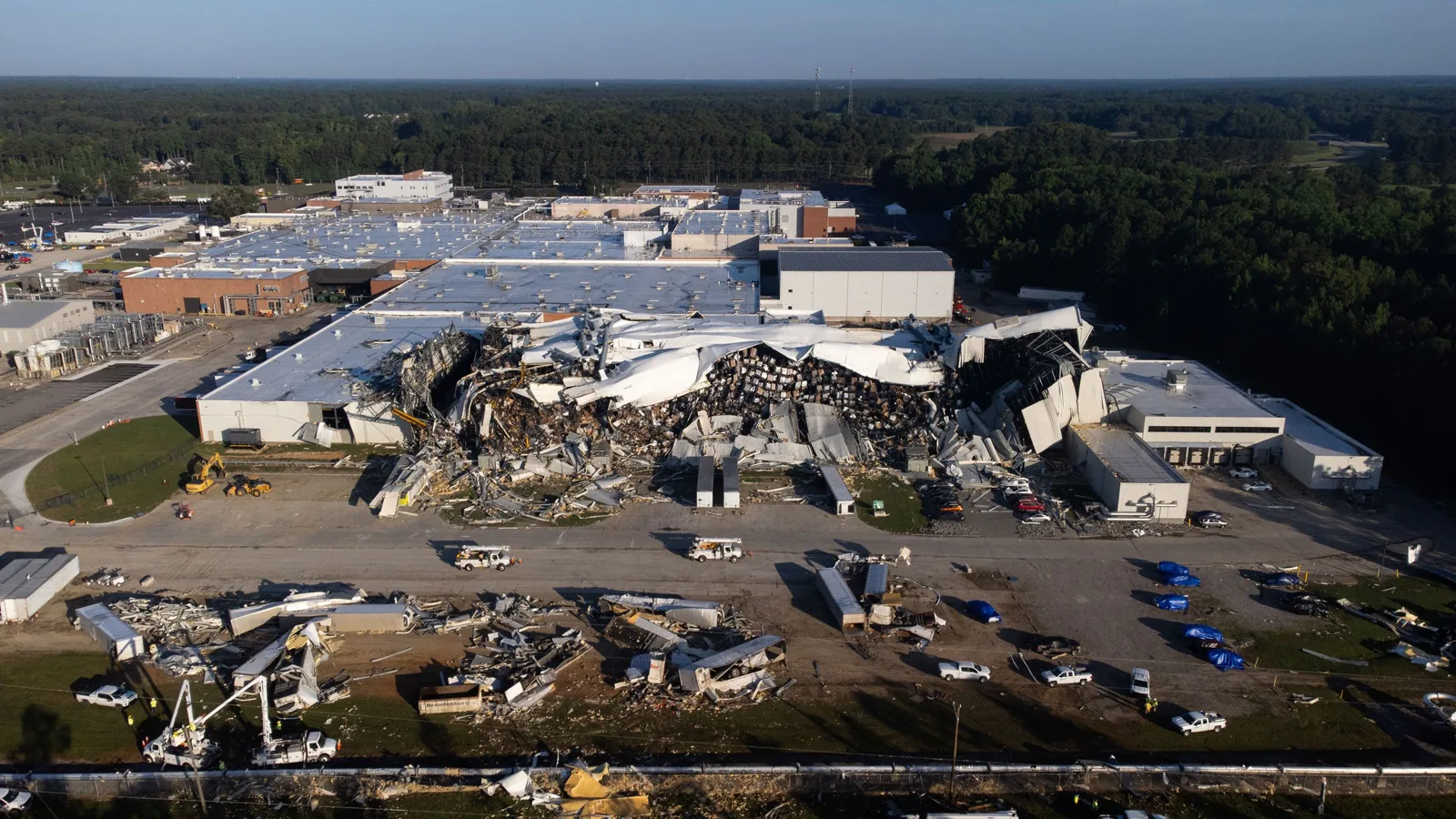
Freeze and thaw cycles move joints and sealants. Summer heat expands exposed materials. Wind loads test edge attachment and corners, while hail can bruise a membrane without opening it immediately. The June 2022 EF-2 tornado crossed Jackson County near Buckner, with reported wind damage north-northwest of Independence. A site still needs its own inspection. Where a storm report exists, we connect it to field findings rather than assigning damage by proximity.
Keep Materials Compatible
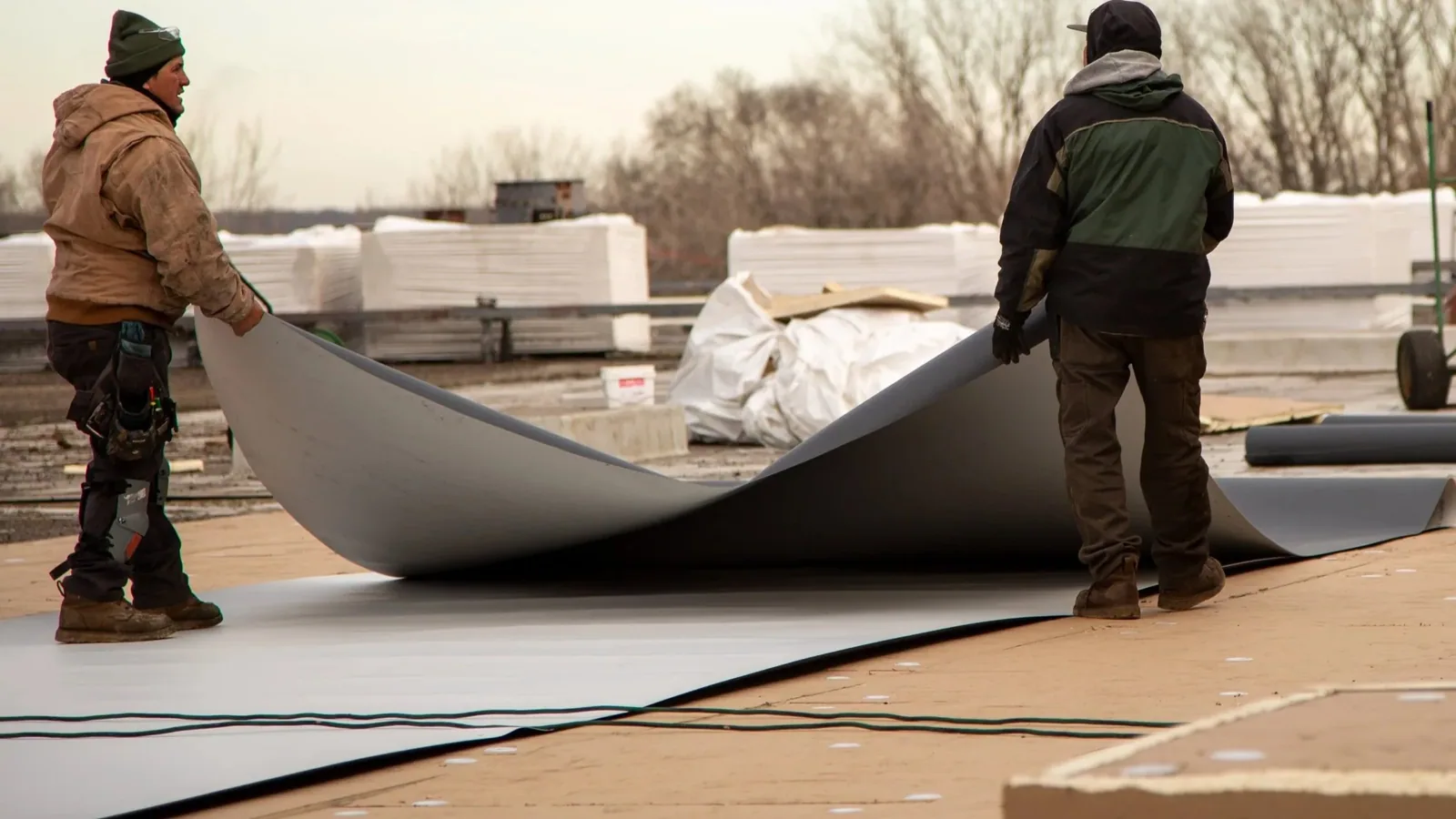
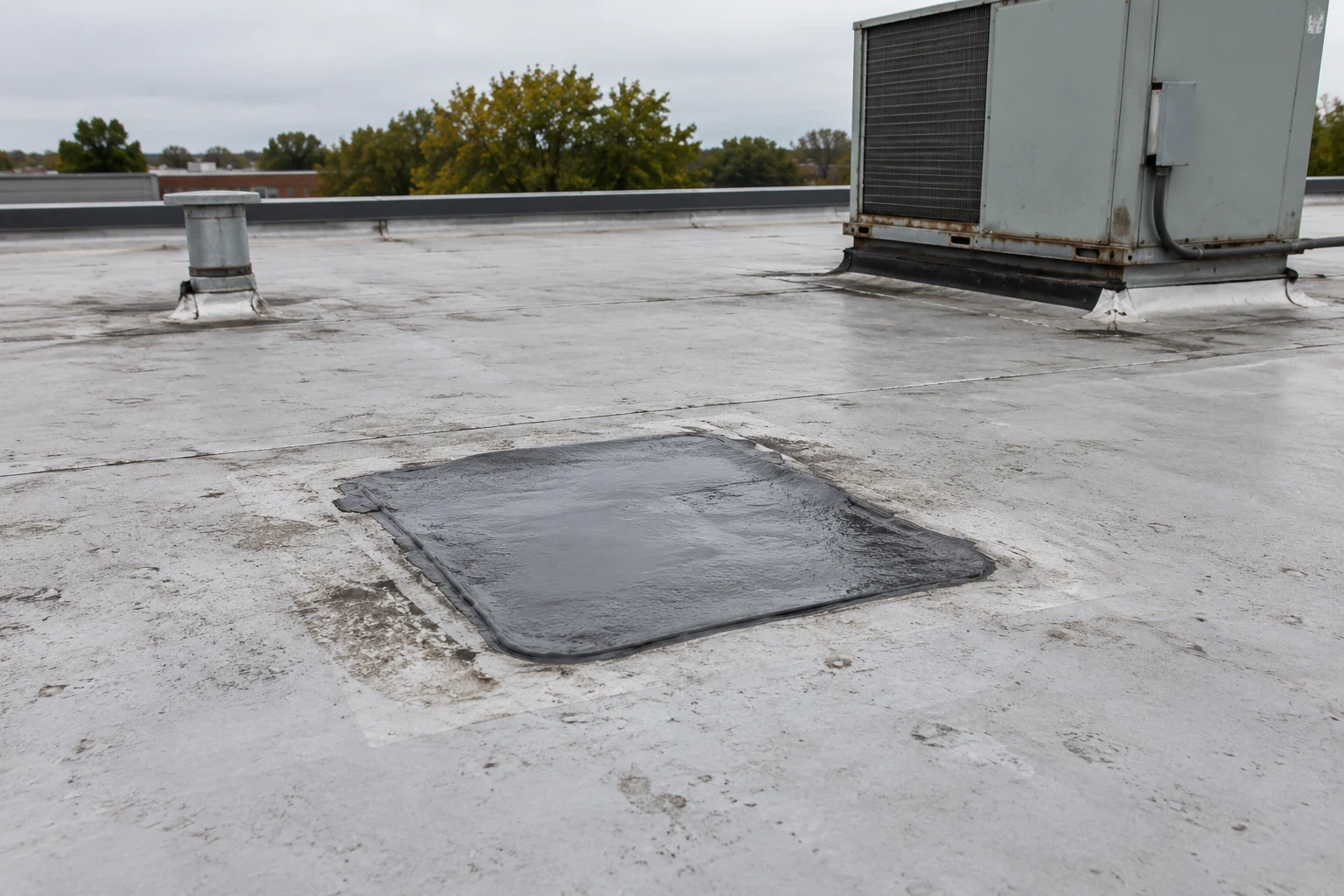
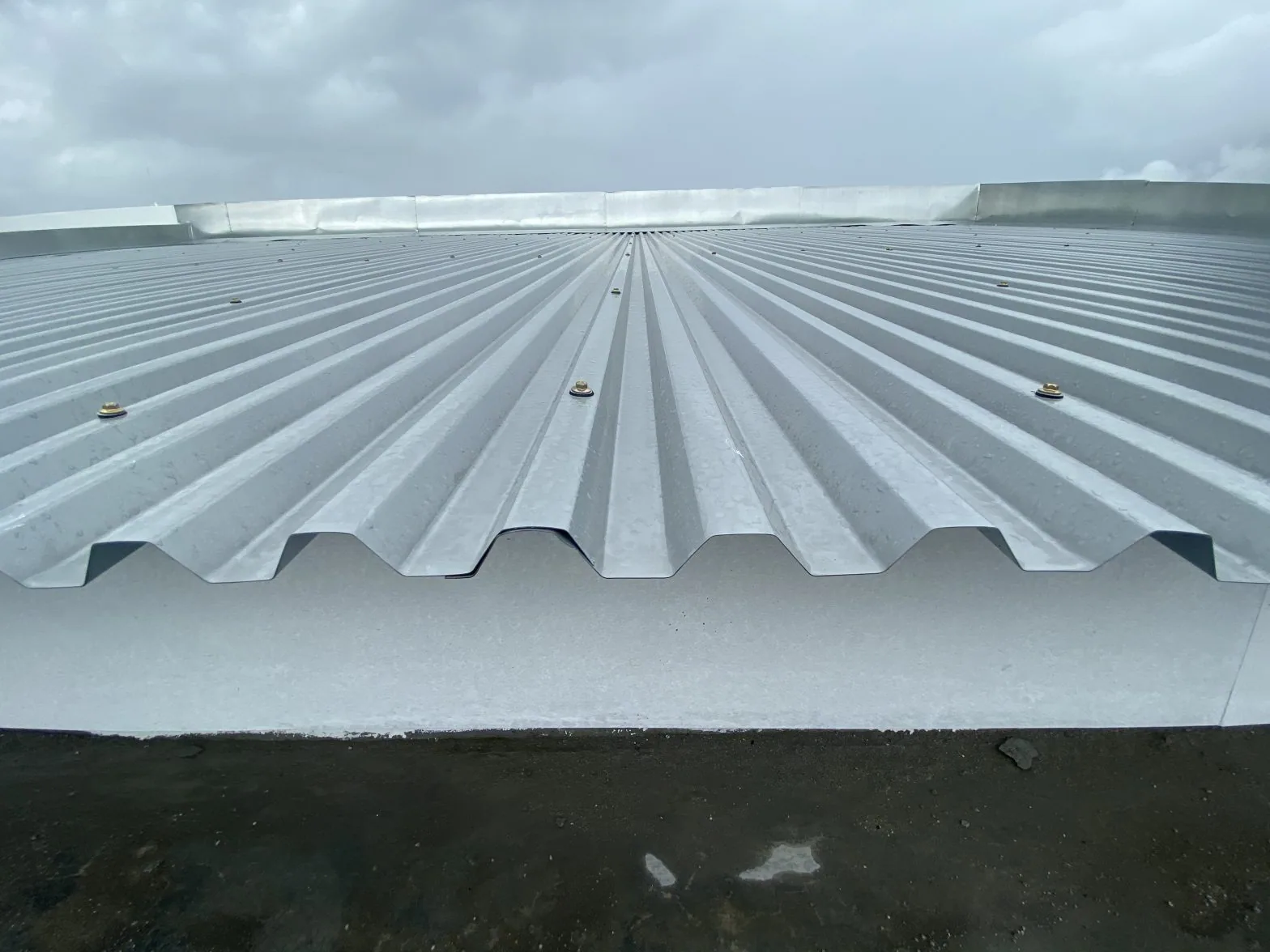
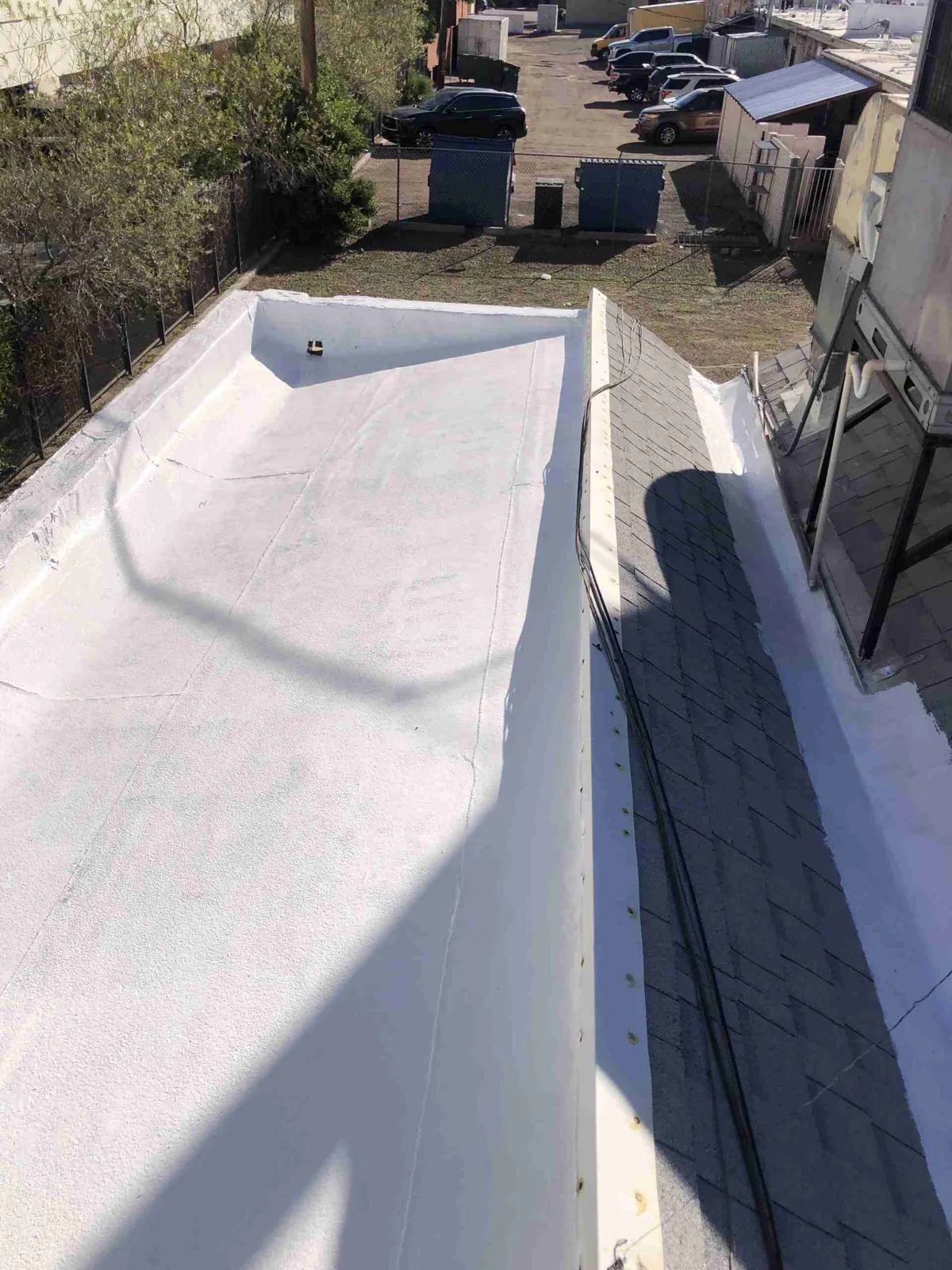
A repair must bond to the existing roof and remain sound at transitions. We identify whether the surface is TPO, PVC, EPDM, modified bitumen, built-up roofing, or metal before selecting a patch or flashing detail. Contamination, wet insulation, prior coatings, and movement can change that choice. For a wider failure pattern, the scope may compare repair with roof restoration or replacement.
Set the Repair Boundary
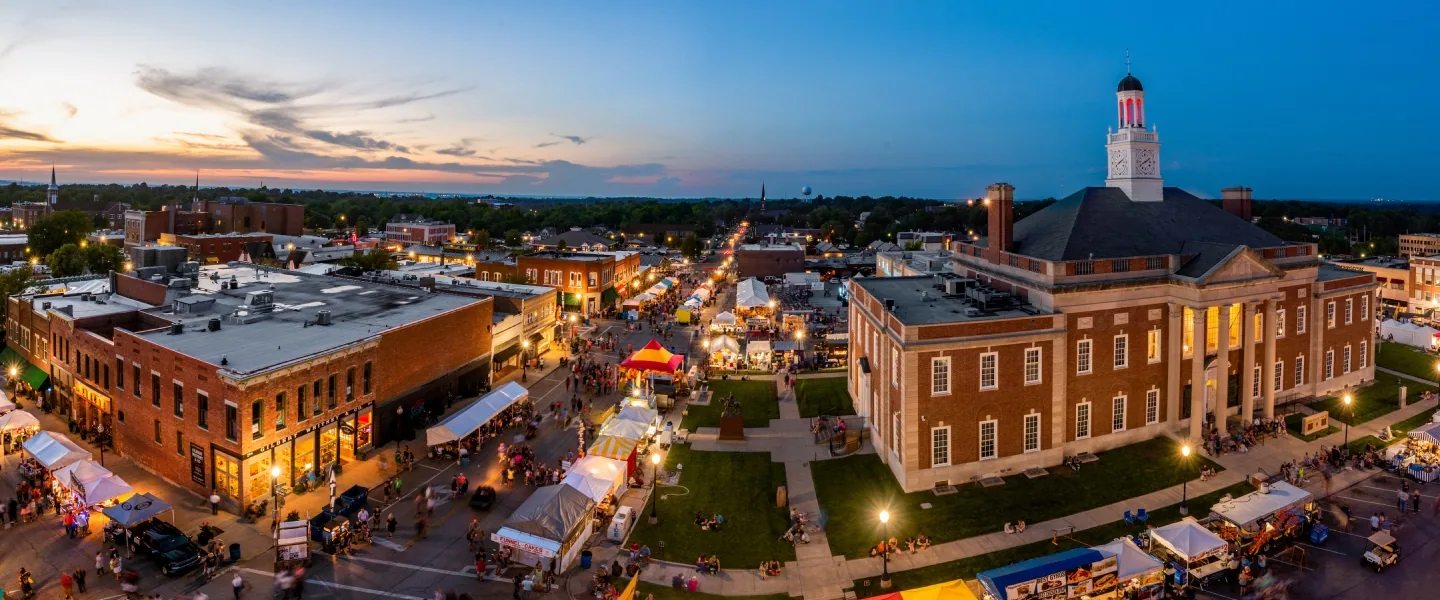
Photographs, marked roof zones, and a clear work limit help a property manager coordinate interior access and tenant notices. Independence Square, Eastgate businesses, and properties along US 24 each bring separate access and operating constraints. We plan staging and daily dry-in points around the actual property. If concealed damage could expand the scope, we identify that condition before work and document it when exposed.
Commercial Roofing Questions
How can I tell if hail damaged a commercial membrane?
Look for inspection evidence across seams, penetrations, and field areas. A mark alone does not establish a leak or require replacement; we assess whether the material or underlying layers lost function.
What happens after wind pulls at an edge?
We check perimeter metal, fasteners, membrane termination, and adjacent transitions. The repair scope follows the attachment failure and any wet insulation found beneath it.
Can you repair ponding without replacing the whole roof?
Drainage and substrate conditions decide the boundary. We check the low area, drain capacity, deck movement, and membrane condition before recommending localized repair or broader correction.
Will storm documentation support an insurance review?
We can provide dated photographs, observed conditions, and a defined roof scope. Coverage decisions remain with the insurer, and the report separates storm evidence from unrelated wear.