Prepare public roof scopes in Independence, MO with documented conditions, clear bid boundaries, occupied-building phasing, and closeout records.
Public agencies manage roofs through budgets, procurement rules, facility staff, and buildings that may stay open during construction. A usable scope gives reviewers a common description of the assembly, work limits, and items that remain uncertain. Independence, MO publishes building-code amendments and redevelopment plans for places such as Eastgate and Historic Independence Square. Those records describe the city's project context; an inspection establishes the roof conditions at the building being bid.
Build a Defensible Condition File
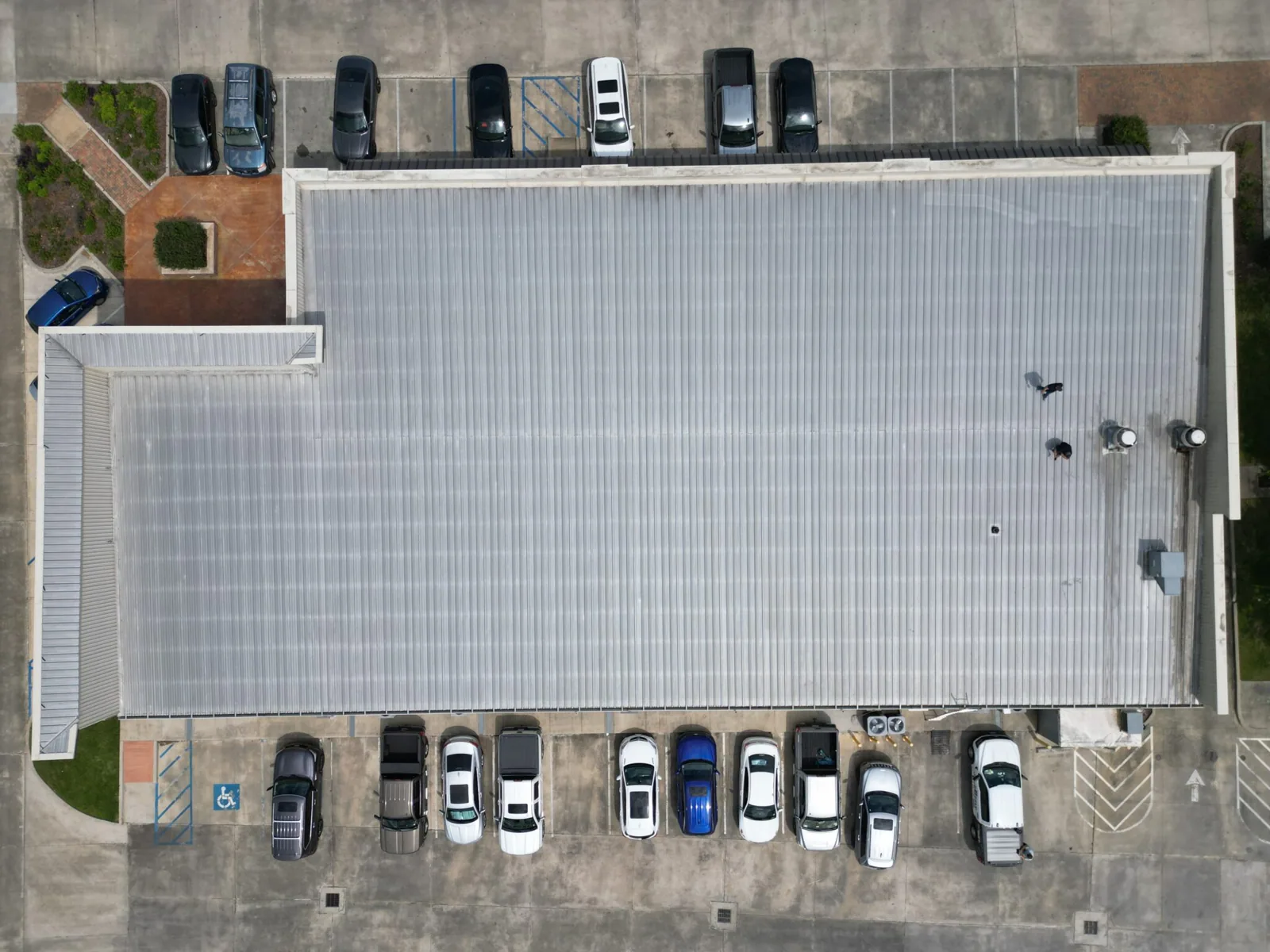
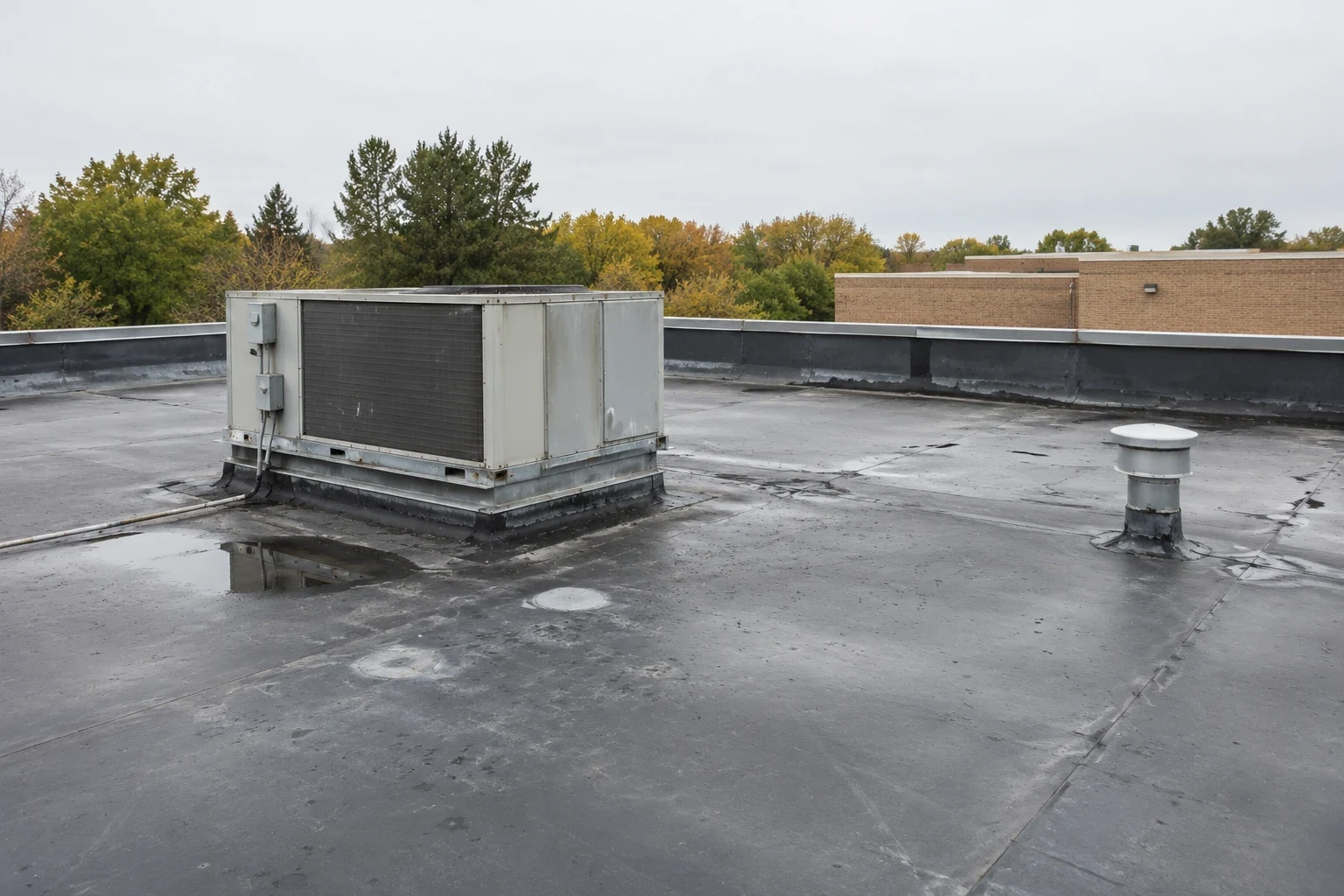
Before a solicitation, prepare a roof-area map with system type, drainage, penetrations, edges, access, and prior repairs. Add dated photographs and test locations. Separate observed defects from assumptions about concealed layers. If the roof cannot be tested or a room is inaccessible, state that limit so each bidder can price the same evidence.
A condition report should connect each recommendation to a roof detail. A loose seam, wet insulation, blocked drain, and corroded deck do not call for the same work. Map the defect, describe the adjacent material, and state what confirms the repair boundary. Roof condition reporting can preserve the findings and supporting images in a reviewable file.
For multiple departments or properties, keep building records separate but use consistent labels. A roof number, compass point, or campus grid allows purchasing and facilities staff to compare the scope with work orders later. Property management teams use a similar record discipline, though public procurement adds its own approval path.
Make Bid Assumptions Comparable
Bid documents should identify roof areas, removal depth, insulation replacement, deck assumptions, attachment, edge metal, penetrations, drainage, protection, and testing. State what is included in the base work and what requires authorization. If the contractor discovers wet insulation after removal, define how the condition is measured, photographed, and approved before the work grows.
Scope omissions can make two proposals look comparable when they carry different assumptions. One may include curb replacement while another only patches the flashing. One may remove existing layers while another expects a recover. Spell out each interface and identify owner-furnished access, security support, or equipment moves. A pre-bid roof review can clarify the system before quantities are finalized.
Code review belongs to the project team and authority having jurisdiction. The city code schedule cites 2024 IBC and IEBC editions alongside revisions adopted locally. The applicable requirements depend on the actual work. Carry the adopted criteria into the design and procurement documents instead of using a general compliance statement.
Keep Essential Services Available
Public buildings can house offices, training, cultural, and community functions. The owner identifies which rooms stay open, how people enter, and which deliveries or public routes cannot be blocked. A contractor should show lift placement, staging, work hours, noise impacts, exclusion areas, and daily dry-in before mobilization.
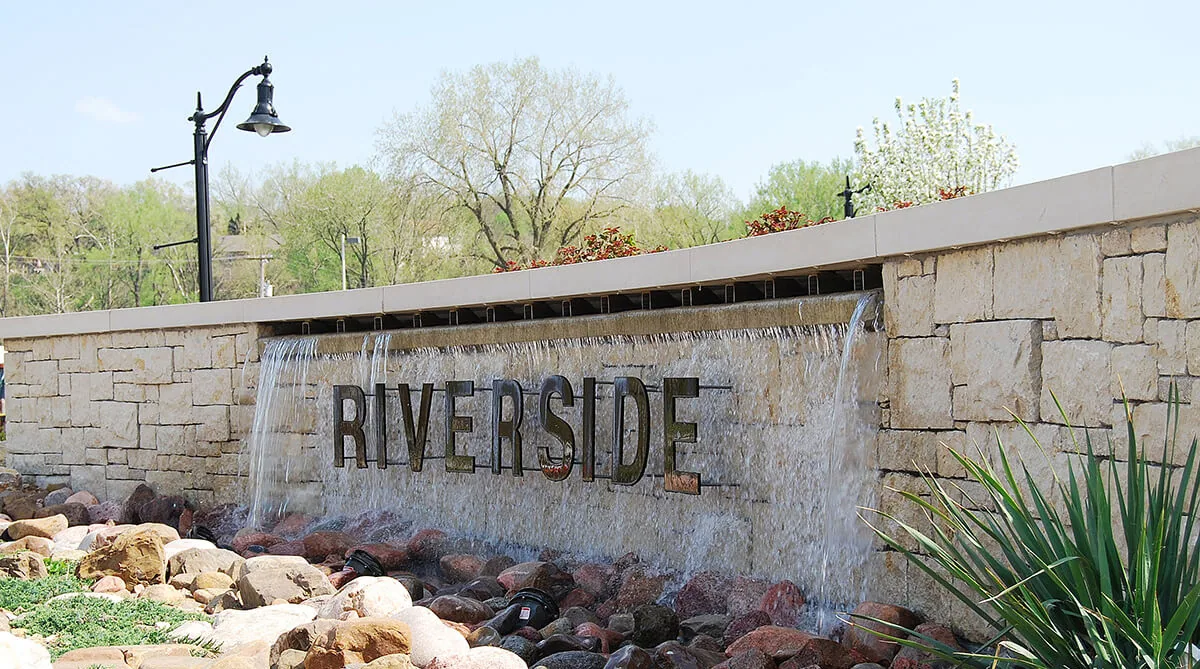
MCC Blue River's Independence campus offers public-safety academies and technical programs, For a project in Riverside, Missouri, the owner sets access and operating controls for the specific property.
When an occupied building requires phased work, divide it by roof area and room function where practical. Keep removal within what can be closed safely that day. Coordinate equipment shutdowns with the responsible trade and assign who restores roof flashing after a lift. Occupied-building phasing can set a work sequence that matches the approved access windows.
Separate Urgent Repair from Capital Work
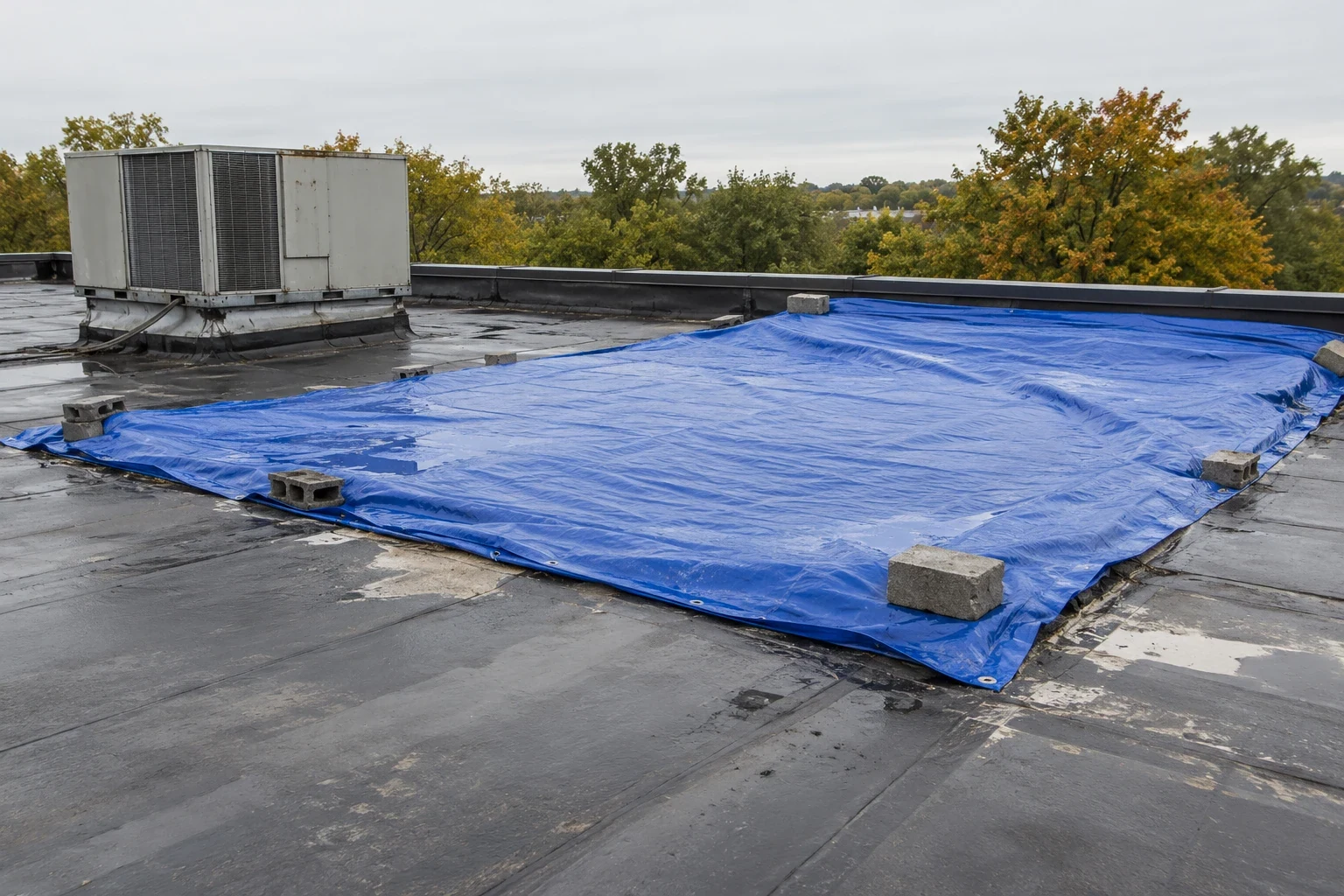
Active water entry calls for immediate interior protection and a secure temporary roof closure. Emergency stabilization can reduce exposure while the permanent repair is designed. The work order should record temporary materials and the return inspection. If the water source remains uncertain, keep the ticket open for the next test rather than marking a temporary cover as a full repair.
For planned work, compare localized repair with replacement using evidence from the substrate and surrounding roof. A patch may be enough when the defect is isolated and the membrane remains bonded. Widespread moisture, failed attachment, recurring leaks, or deck deterioration can require broader scope. A recover is considered only when layers are dry, stable, and compatible.
Separate immediate water control, near-term maintenance, and long-range capital projects in the agency plan. Costs depend on access, labor window, removal, protection, material, and concealed conditions. Capital planning can group projects by evidence and scope driver. School districts and health systems also manage occupied public buildings, but each agency's procurement and service requirements must be confirmed for its project.
Read City Plans in Their Proper Role
Independence's US 24 Highway Corridor plan addresses redevelopment, access, sidewalks, and stormwater. New commercial buildings are permitted at Eastgate, and Historic Independence Square is a redevelopment priority. Those facts can inform area planning, but field measurements and drawings establish roof assembly, condition, and quantities at a public facility. For a project along US 24 Highway Corridor, verify site access and roof details before setting the scope.
The Kansas City airport observation site supplies regional climate normals. A recorded hail or tornado report names a date and location, not every building in the region. After a storm, inspect the agency property for displaced edge metal, punctures, open seams, damage at equipment supports, and interior water. Preserve photos and findings by building.
Public records can be useful for permits, adopted code, and facility function. A permit does not prove what roof was installed or whether it remains in serviceable condition. Keep those records alongside the current survey, but let field evidence control the repair plan.
Document Acceptance and Follow-Up
At completion, collect roof-area maps, material submittals, test results, photographs before concealment, inspection records, and warranty documents when applicable. Note any area not completed or any maintenance issue that remains. The agency can use this set to support acceptance, future procurement, and maintenance scheduling.
Change orders should show the observed condition, location, requested change, and approving authority. If deck damage or wet insulation extends beyond the base scope, record dimensions before work proceeds. This leaves a clear connection between the original bid and the approved field change.
For a future project, review the previous record before reopening the roof. A government-building inspection can inform assembly questions, while a manufacturing roof program has different operating controls. Schedule a public-facility review in Independence to document current conditions and prepare a scope that bidders can evaluate consistently.
Before a public building is returned to normal operation, review the completed area against the agreed scope. Confirm that temporary openings are closed, drains and overflows remain clear, penetrations and edges are tied in, and removed materials are accounted for. Record photographs at concealed-detail hold points, test results when performed, products installed, and any item not included in the contract. If another department or trade must finish a curb, wall, or utility change, list that dependency with the responsible contact and the roof detail that remains. A concise closeout package helps agency staff document acceptance of the roofing work and plan any follow-up inspection without implying that unrelated building work has been accepted.
Commercial Roofing Questions
What should be in a public roof solicitation?
Identify roof areas, existing systems, removal limits, materials, flashing, drainage, protection, access, testing, closeout, and the approval process for concealed conditions. Shared assumptions make bid comparison more useful.
Can an existing roof be covered during replacement?
Only when the existing layers are dry, stable, attached, and compatible with the proposed assembly. Testing or removal may be needed when those conditions are uncertain.
How should an emergency repair be documented?
Record the active entry, temporary material, location, date, interior protection, and permanent work still needed. Keep a follow-up inspection in the work order if the source was not fully confirmed.
Does a building permit record establish roof condition?
No. It can identify permitted work or code context. A current survey and project drawings establish the roof assembly and observed condition.