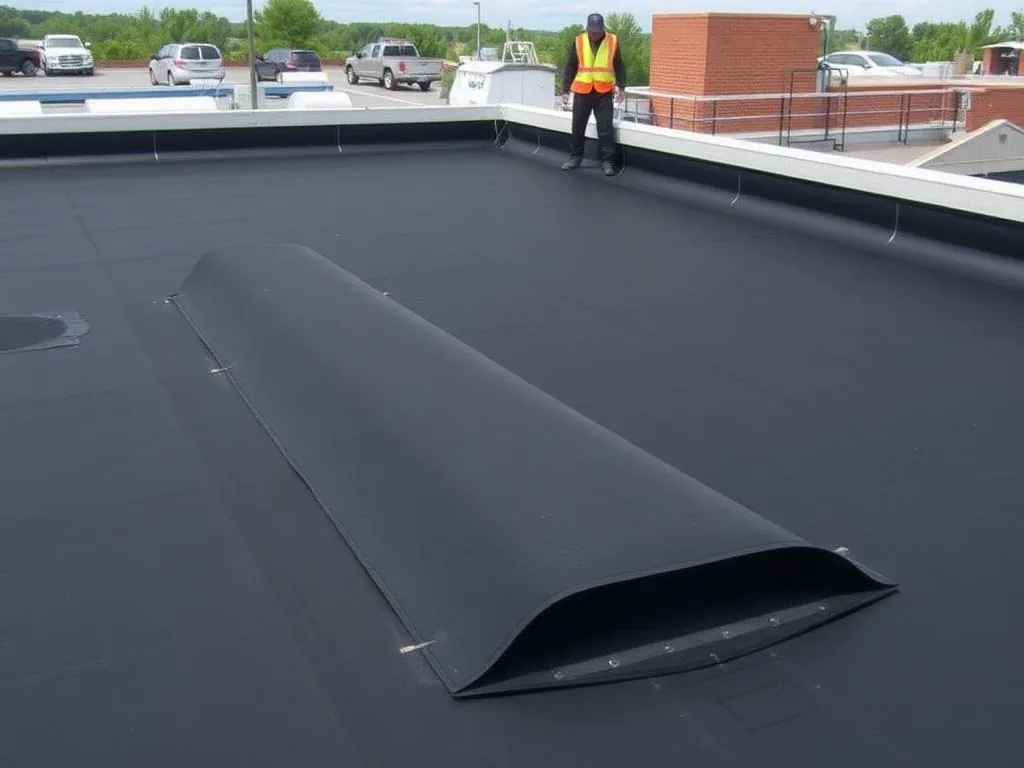
Inspect or repair commercial built-up roofing in Independence, MO by checking plies, bitumen, surfacing, drainage, and concealed moisture.
A built-up roof combines reinforcing felts and bitumen into a multi-ply water barrier. Aggregate or a smooth cap can protect its upper surface, but the finish also affects how defects are found. We identify the surfacing, inspect seams and transitions, and use selective openings when the layers remain concealed. Independence, MO has large institutional properties such as the Kearney, Missouri and retail work along Raymore, Missouri. Their uses shape access discussions, while the roof assembly determines repair scope.
Read the Layers Beneath the Surface
Built-up roofing typically uses alternating reinforcing sheets and bitumen. The number and condition of layers affect repair, weight, and recover options. We examine exposed flashings, drain edges, roof hatches, and prior repairs to identify the assembly. A core cut can confirm the actual ply package, insulation type, and moisture where drawings are absent or incomplete.
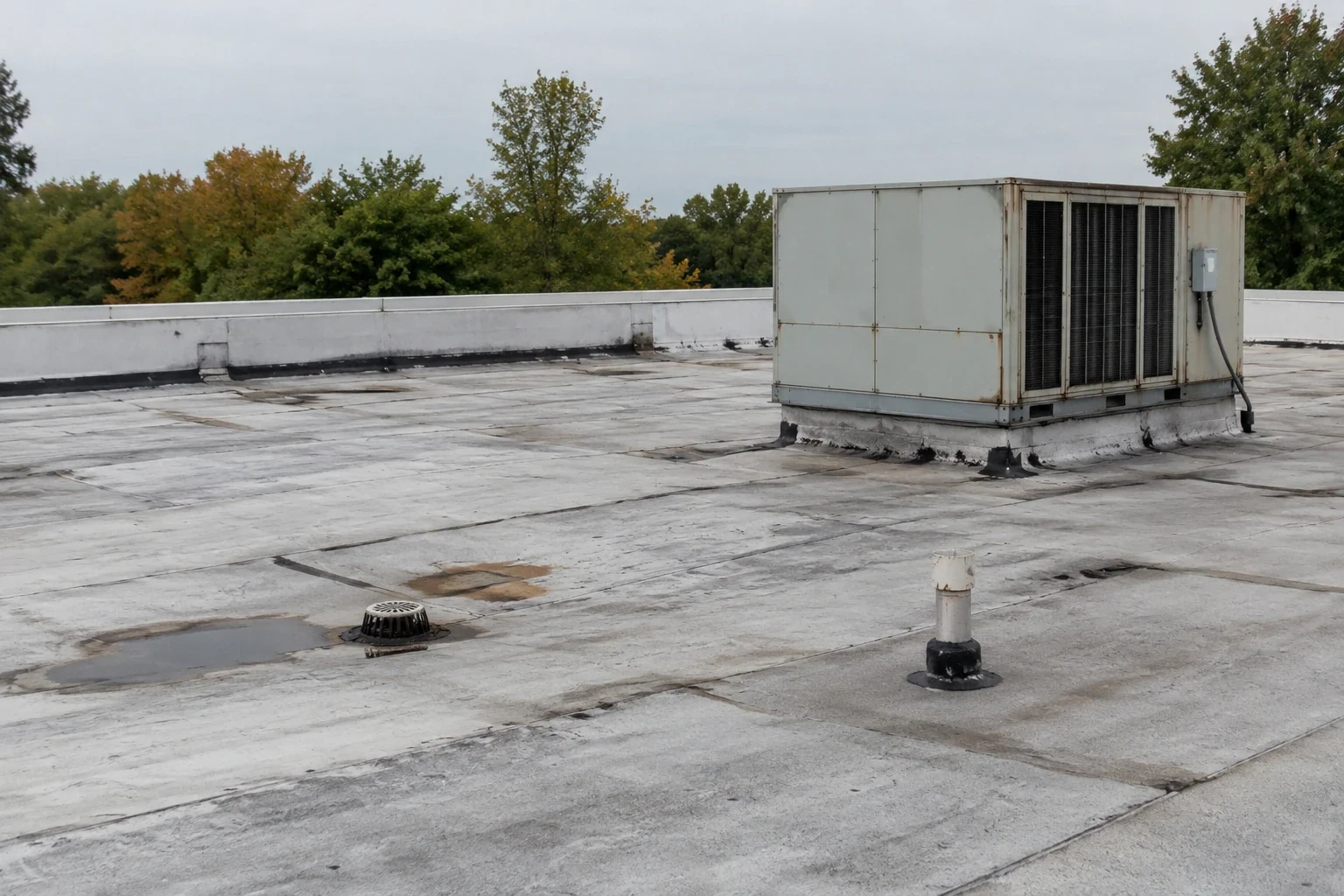
Aggregate surfacing can protect the bitumen from sunlight and physical wear, but it can hide open seams or patch edges. We move it only in controlled areas and restore the specified coverage after repair. On a smooth-surfaced system, we look for cracks, exposed reinforcement, blisters, and surface loss. An alligator pattern may be a sign of aging, but it does not alone establish whether the plies or substrate have failed.
Water entry can travel between plies and emerge far from the visible roof defect. We compare interior reports with drains, wall transitions, penetrations, and the roof's slope. A soft or wet area needs testing before it is covered. Infrared moisture mapping may help locate a pattern, while selective cores confirm material condition.
Modified-bitumen systems also use asphalt and reinforcing sheets, but the cap sheet and application details differ. Modified-bitumen repair should not be confused with a multi-ply BUR detail. EPDM uses another method entirely: rubber sheet membrane repair relies on prepared laps rather than asphalt felts.
Check the Bond Between Plies
Bitumen bonds the reinforcing layers. Heat, moisture, movement, and poor adhesion can separate a ply or create a blister. We inspect whether a blister is dry or wet and whether its edge remains attached. Cutting into an isolated area without checking the surrounding bond can leave the cause in place and create a larger opening.
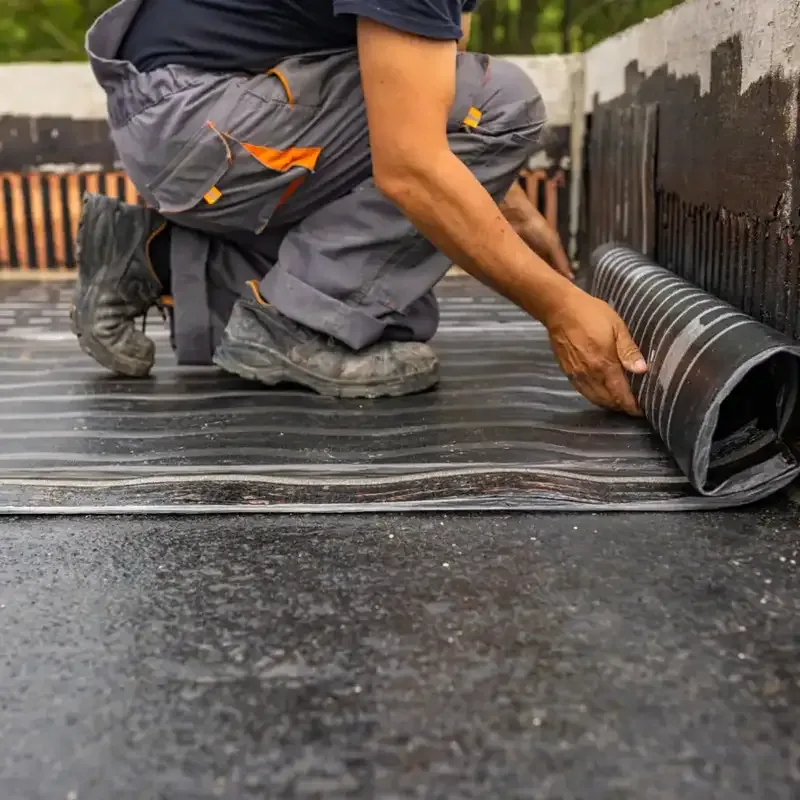
Repairs usually remove loose surfacing and failed material until the remaining roof can accept a compatible patch. The new plies need proper overlap and bitumen coverage. At a drain, wall, curb, or change in plane, the repair must tie into the flashing and preserve the drainage route. A surface coating does not bond detached plies or replace saturated insulation.
Independence's building mix includes civic and institutional uses. Community of Christ's headquarters complex includes a Temple with a 1,600-seat sanctuary, a tall ceiling, library, and archives, along with an Auditorium with a 5,800-seat chamber. These facts point to active public facilities where scheduling and interior protection can matter. They do not establish the roof materials at the complex. We verify any project assembly from drawings and field conditions.
For active roof work, a temporary closure needs to resist weather and keep water from entering below the exposed plies. We restrict tear-off to the area that can be dried in during the shift. A secure tie-in should protect the remaining assembly and stay clear of drains. If weather interrupts work, the plan names who checks the temporary boundary and when.
Trace Drainage and Flashings
Aggregate, debris, and vegetation can collect at drains or low spots. We check drain bowls, strainers, clamping rings, scuppers, and overflows, then follow the flow path across the roof. A clear outlet does not correct a depressed deck. The repair plan needs to distinguish a blocked drain from a slope or insulation problem.
Base flashings and parapets receive repeated movement. We inspect cant strips, vertical plies, terminations, coping, and counterflashing. Cracks at a corner can admit water behind several layers. Coping and edge work may need to be rebuilt with the BUR flashing so the water boundary remains continuous.
Roof penetrations need compatible flashing that connects the field plies to the curb, pipe, or equipment base. We check for old pitch pockets, cracked sealant, and unsupported lines. Equipment support review can clarify whether movement at a unit is stressing the roof details. Drain repair can address an outlet connection within the same water path.
Local freeze-thaw and summer heat can change stress at a bitumen lap and metal termination. Kansas City station normals record a 20-degree normal low in January and an 89-degree normal high in July. Those readings describe the metro climate. We use the actual roof evidence to decide whether movement, ponding, or moisture caused a defect.
Compare Patch, Recover, and Tear-Off
A patch can work when the remaining plies are bonded, dry, and structurally sound. Widespread blisters, recurring leaks, exposed or brittle reinforcement, wet insulation, or a failing deck can support more extensive work. We map tested and repaired locations so the owner can see whether defects are isolated or part of a broader pattern.
A recover depends on attachment, layer count, moisture, deck capacity, and finished elevations. Added material changes curb heights and drain relationships. Recover review can compare those conditions with removal. We do not place a new layer over a wet assembly and call the water issue resolved.
Cost depends on aggregate removal, ply count, bitumen application, insulation, deck repairs, access, disposal, and the number of flashings and drains. A small blister repair requires different handling from a tear-off with hot asphalt and temporary protection. We identify the application method, safety controls, and included area in the work scope.
A roof condition report can retain core results and map areas that remain under observation. For a property with multiple phases, scheduled maintenance can check drains, blisters, terminations, and prior repairs at each visit.
Preserve the Repair Record
After repair, we inspect the new plies, patch edges, surfacing, flashings, and drainage path. Closeout notes the materials used and where the assembly was opened. Those details help a later inspection distinguish the repair from original construction.
Schedule a BUR roof inspection with Commercial Roofing Independence. We will verify the plies, investigate moisture, and select a repair extent supported by the roof condition.
Commercial Roofing Questions
How can you find a leak below aggregate roofing?
We inspect drains, transitions, visible repair edges, and interior reports, then use selective openings or moisture mapping where indicated. Aggregate is moved carefully to avoid damaging the membrane.
Can an alligator-pattern surface be repaired?
That pattern is one observation, not a full diagnosis. We check the cap, underlying plies, adhesion, and insulation to determine whether a patch can bond to sound material.
What does a BUR core test show?
A core can reveal the layer sequence, insulation, deck, and moisture at that opening. We use its location with other observations rather than treat one sample as the whole roof.
Can built-up roofing be coated?
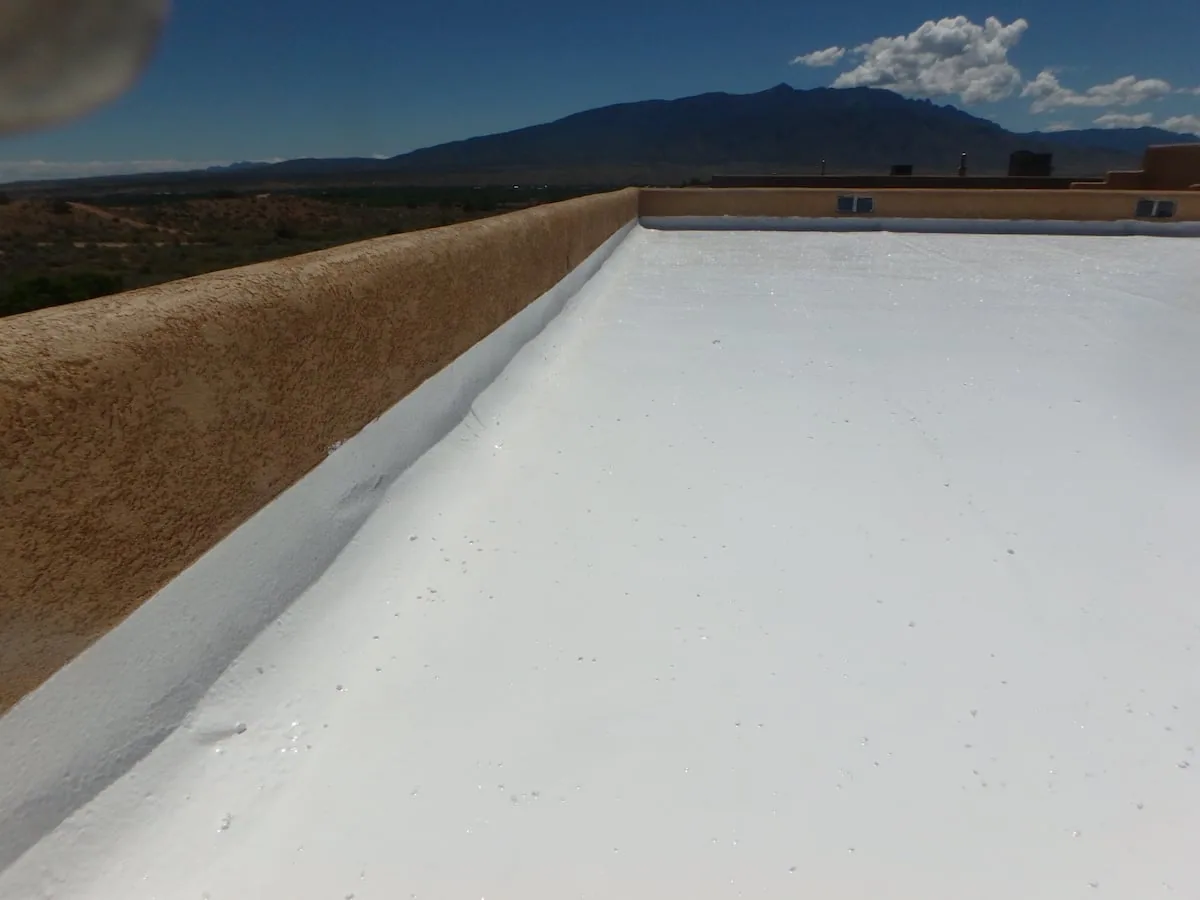
A coating requires a suitable, dry, attached substrate and compatible preparation. It cannot replace failed plies or correct wet insulation, so we test the assembly first.
When is tear-off needed instead of a patch?
Removal may be needed when moisture, bond failure, damaged deck, or recurring defects extend beyond an isolated repair. We mark the limits from inspection and testing. Removal becomes more likely when repeated openings reveal wet or unsound layers, when the roof has too many existing plies for a safe recover, or when repairs cannot restore a reliable drainage and flashing plane. A core or test opening can help establish the layer sequence and substrate condition. The decision should account for how much sound roof remains around the defect, not simply the size of the visible surface blemish.