Repair or replace commercial modified bitumen roofing in Independence, MO by checking ply adhesion, cap sheet, drainage, and flashing transitions.
Modified bitumen is a multi-ply roof membrane made with asphalt modified by polymers such as SBS or APP. The plies, laps, surfacing, and flashing form one water barrier. We identify the installed assembly before choosing repair materials. In Independence, MO, Historic Independence Square supports active commercial redevelopment, while the US 24 Highway Corridor connects commercial districts across the city. Access may differ by building; the roof condition and project sequence determine the work.
Identify the Ply Package
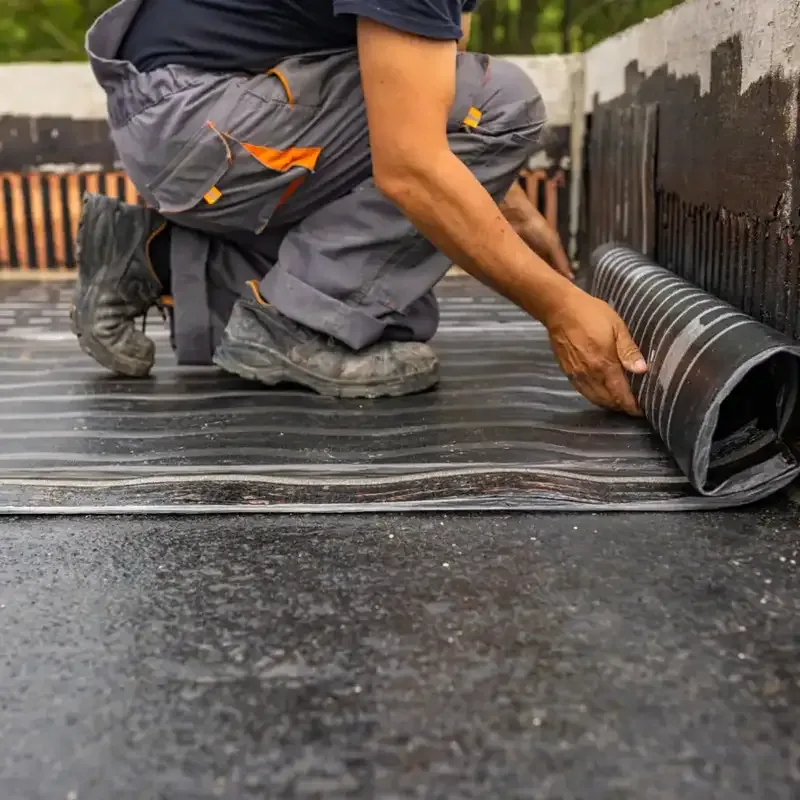
A modified-bitumen roof may include a base sheet, one or more interplies, and a cap sheet. The system can be torch-applied, hot-asphalt adhered, cold-applied, or mechanically attached, depending on the product and design. We inspect exposed edges, laps, patches, and equipment transitions to determine the likely assembly, then confirm layers through records or a small opening when needed.
SBS and APP are not interchangeable labels for one installation method. SBS-modified sheets offer an elastomeric behavior; APP sheets use a plastomeric modifier. The manufacturer and specification set the approved attachment, heating, adhesive, and flashing methods. We verify the exact product before repair so the new sheet bonds to the existing plies under compatible conditions.
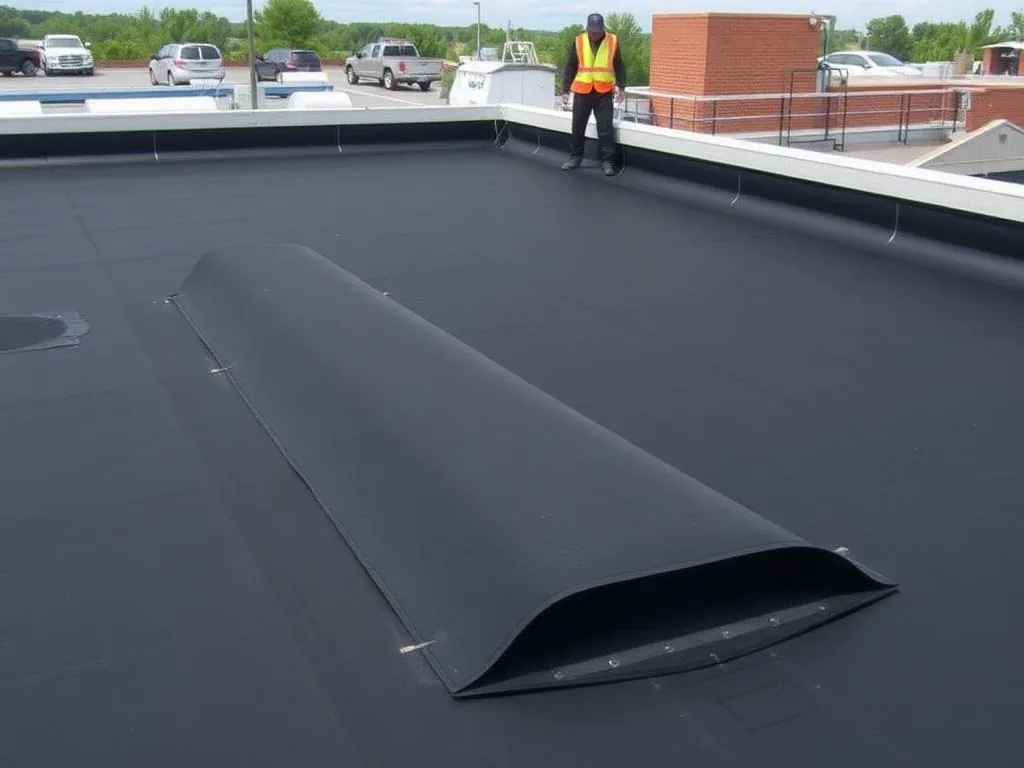
Surface condition tells part of the story. Granule loss, exposed asphalt, blistering, open laps, and alligatoring can signal different concerns. We check whether the cap sheet has a sound surface and whether movement or moisture is below it. A blister should not be cut and covered without finding the condition beneath it. Built-up roofing also uses multiple plies, but its materials and repair details differ from modified bitumen. EPDM uses a single rubber sheet rather than an asphalt ply package.
A small opening at a seam can admit water to several layers. We trace the roof-side evidence and compare it with interior staining, deck slope, and nearby drains. Leak investigation can identify whether the entry sits at a lap, curb, or another transition before the roof is opened.
Control Heat and Adhesion
Application method changes the construction controls. Torch work requires a trained crew, fire watch, combustible-material review, and a safe perimeter around the work. Hot asphalt requires kettle and material handling controls. Cold adhesive depends on surface and weather conditions stated by the manufacturer. We use the approved method and protect equipment, penetrations, and occupied areas during installation.
Heat can damage adjacent materials or ignite concealed combustibles if the detail is not managed. A torch-applied lap needs enough heat to bond without burning the sheet or leaving a dry joint. Cold-applied systems require even coverage and suitable cure conditions. We inspect the lap as it is built and keep fire protection and cleanup in the daily sequence.
Independence includes active shops and restaurants at Historic Independence Square. That commercial setting can influence delivery windows, roof access, and protection below the work area. It does not establish the building's roof layers or construction history. We coordinate the work zone with the property contact and confirm the assembly at the site.
Weather and substrate moisture affect adhesion. A wet or cold deck can interfere with bonding and create trapped moisture. We check the surface before applying each ply and limit open areas to what the crew can secure. A temporary tie-in protects the exposed edge when work stops. Any changed condition is recorded before the next layer covers it.
Rebuild the Transition
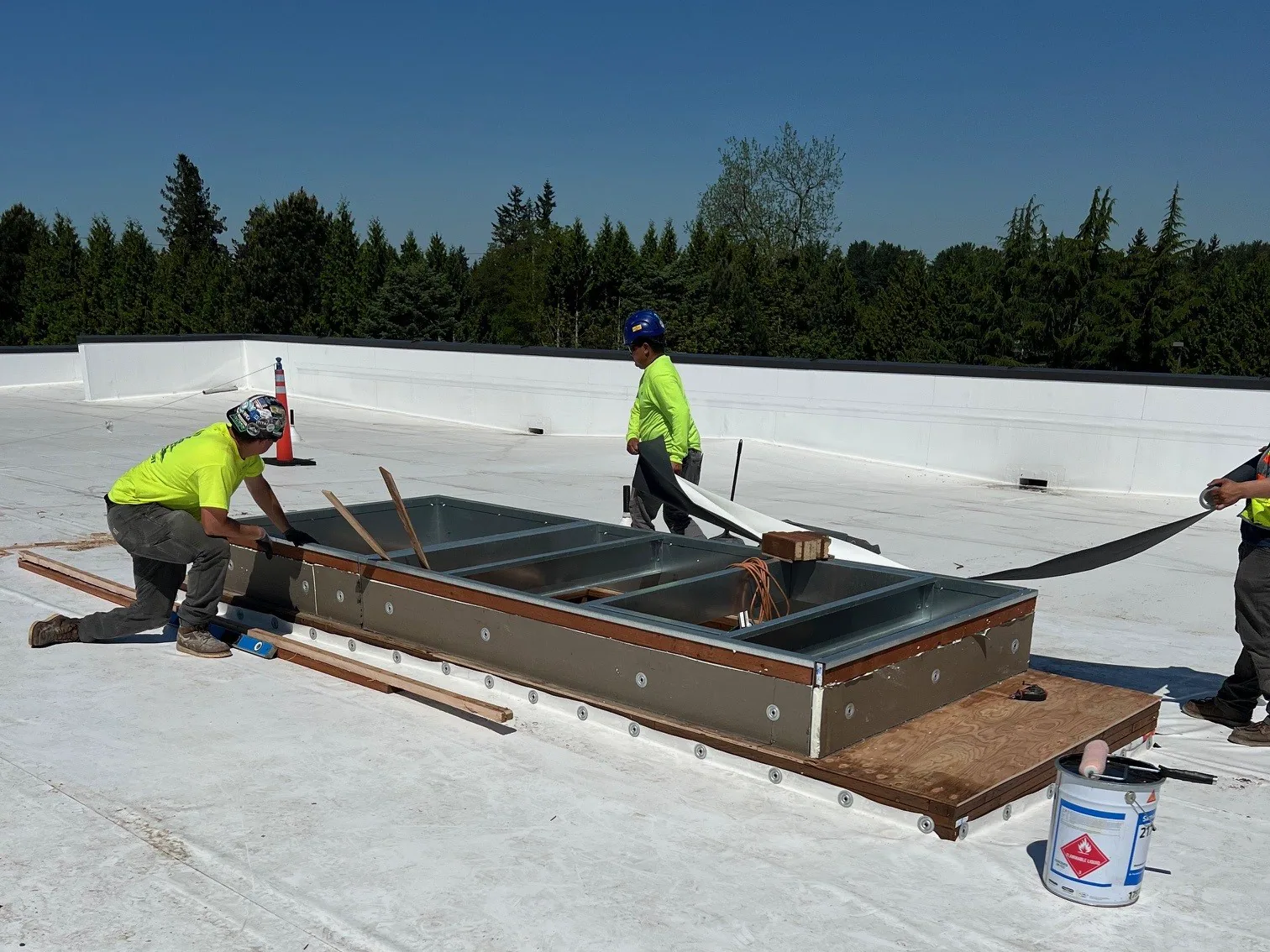
Wall bases, curbs, drains, and parapet corners concentrate movement. We inspect base flashing height, cant details, terminations, counterflashing, and lap direction. A repair should carry the membrane up the vertical surface and finish it securely. A surface patch across a failed corner can redirect water without restoring the flashing connection.
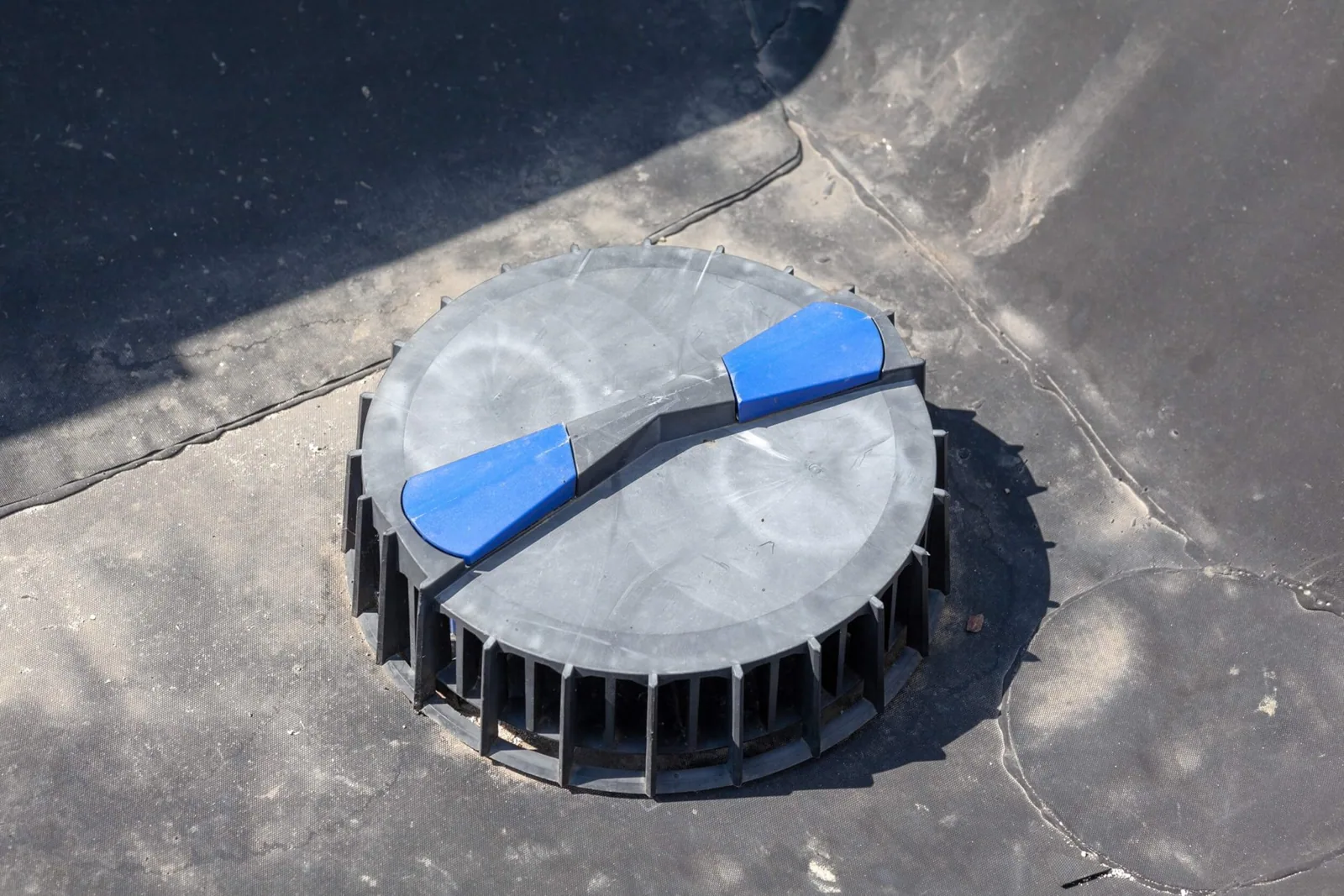
At drains, the plies and clamping ring must form a continuous watertight interface. We check for loose rings, cracked drain bowls, low areas, and old mastic that covers a gap. Drain and scupper work may be needed alongside a membrane repair when the outlet is part of the failure.
Modified bitumen can be installed over insulation and cover board, but the substrate must support the application method. We inspect for soft board, loose fasteners, wet insulation, and deck movement. Insulation assessment can establish whether the roof needs selective replacement before a new ply is installed.
Wind uplift acts at perimeters and corners as well as in the field. A June 2022 tornado moved through Jackson County near Buckner, with a separate wind-damage observation northwest of Independence. The local event may inform an inspection after severe weather, but only observed conditions support a specific repair. We check edge attachment, flashing, and surface displacement rather than assume every roof along US 24 was affected.
Choose the Repair Extent
A localized patch can work when the adjacent cap sheet and underlying plies remain bonded and dry. Wider blisters, recurring lap failure, widespread granule loss, or wet insulation can require a larger repair or replacement. We mark the area, verify the layers, and stop removal at material that can receive a sound tie-in.
Recovering is possible only when the existing system is secure, moisture is controlled, added layers are acceptable, and transitions can be raised. The new roof must not bury a weak base or leave curbs too low. Recover evaluation can compare those conditions with tear-off and new construction.
Cost depends on ply count, surfacing, attachment method, tear-off, insulation, fire controls, access, and the number of flashings. A torch application and a cold-adhesive detail carry different equipment and safety requirements. We include staging and temporary protection in the work description so an occupied property can understand the sequence.
A condition report can retain photos of exposed plies, lap repairs, and moisture testing. Maintenance checks can then review blister growth, granule wear, laps, and drain connections before water reaches the substrate.
Keep the Layer Record
After work, we inspect laps, patches, flashings, drains, and termination edges. The closeout identifies the repair method and the layers replaced. That record helps future crews avoid applying a repair detail suited to a different membrane.
Request a modified-bitumen assessment in Independence. We can inspect the cap sheet, base plies, laps, and granule loss, then define repairs by roof zone.
Commercial Roofing Questions
How do SBS and APP modified bitumen differ?
They use different polymer modifiers and can have different product and installation requirements. We identify the sheet and follow its system details before specifying repair material.
Can a blister in a modified-bitumen roof be patched?
Blister repair starts with a moisture and adhesion check. A patch should not cover trapped moisture or plies that no longer bond.
Is torch-applied work safe on an occupied building?
It requires specific fire prevention, monitoring, and work-zone controls. We review combustibles, penetrations, interior conditions, and project rules before using heat.
Can modified bitumen be installed over an existing roof?
A recover depends on moisture, attachment, layer count, deck capacity, and transition height. We verify those conditions before recommending another ply system.
What causes a modified-bitumen lap to open?
Incomplete bonding, contamination, movement, or a poor termination can separate a lap. We inspect how far the bond remains intact before setting the patch size. Incomplete bonding, contamination, movement, or a poor termination can separate a lap. We inspect how far the bond remains intact before setting the patch size. At a repair, the crew checks whether the sheet is smooth and supported, whether the lap edge is sound, and whether water can enter from an upslope transition. A durable repair reconnects the sheet to a stable layer instead of burying a loose edge.