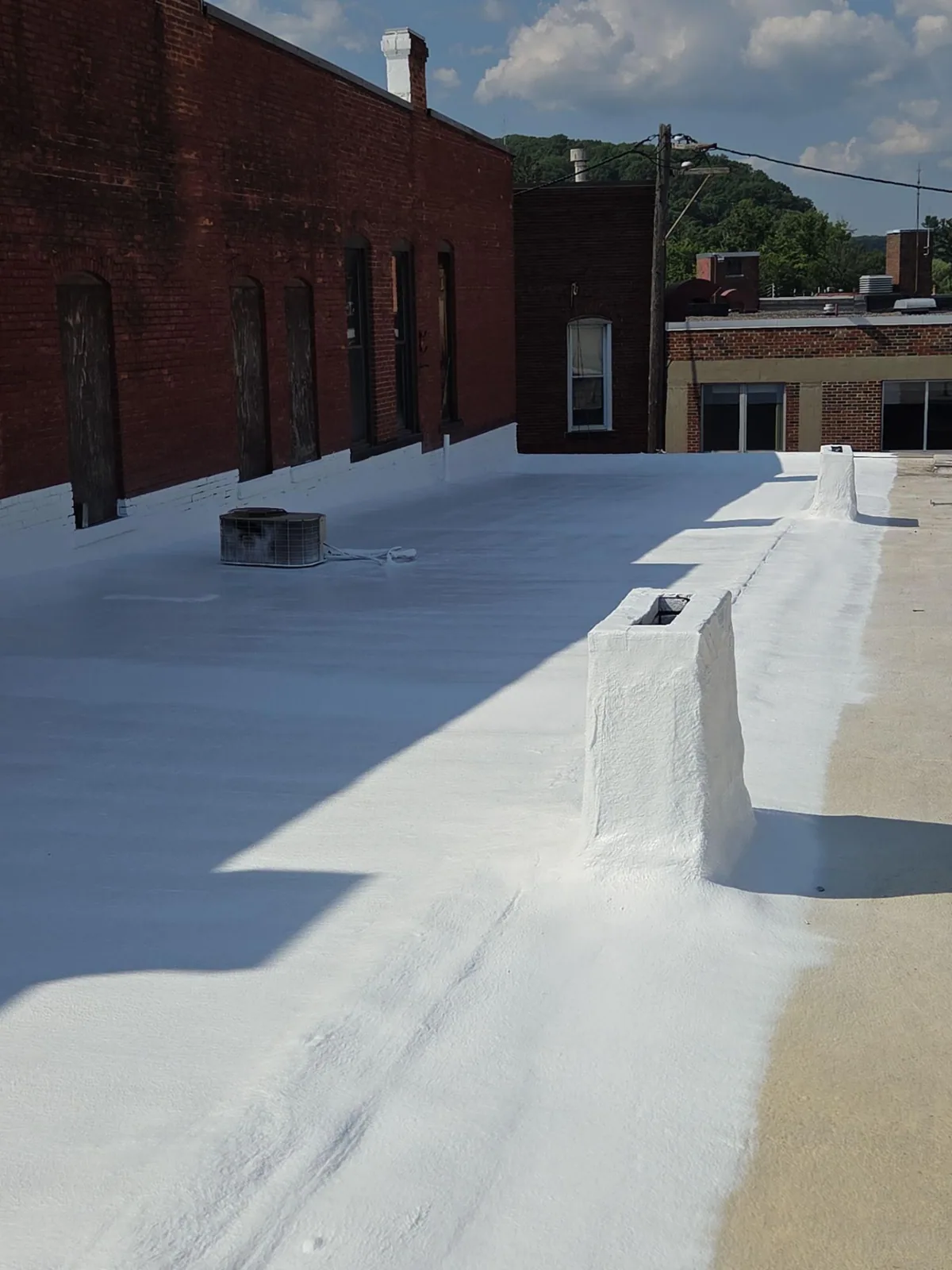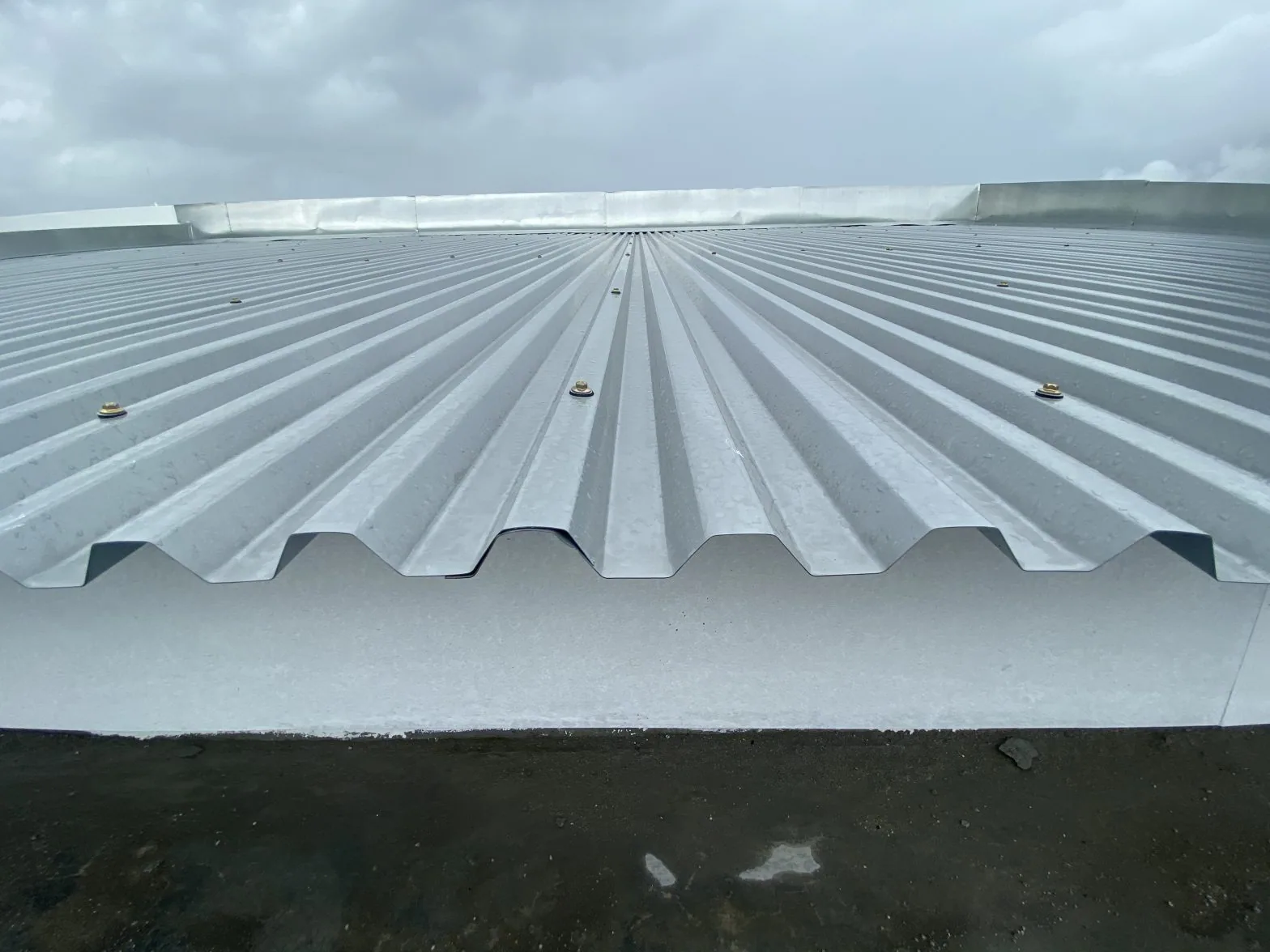
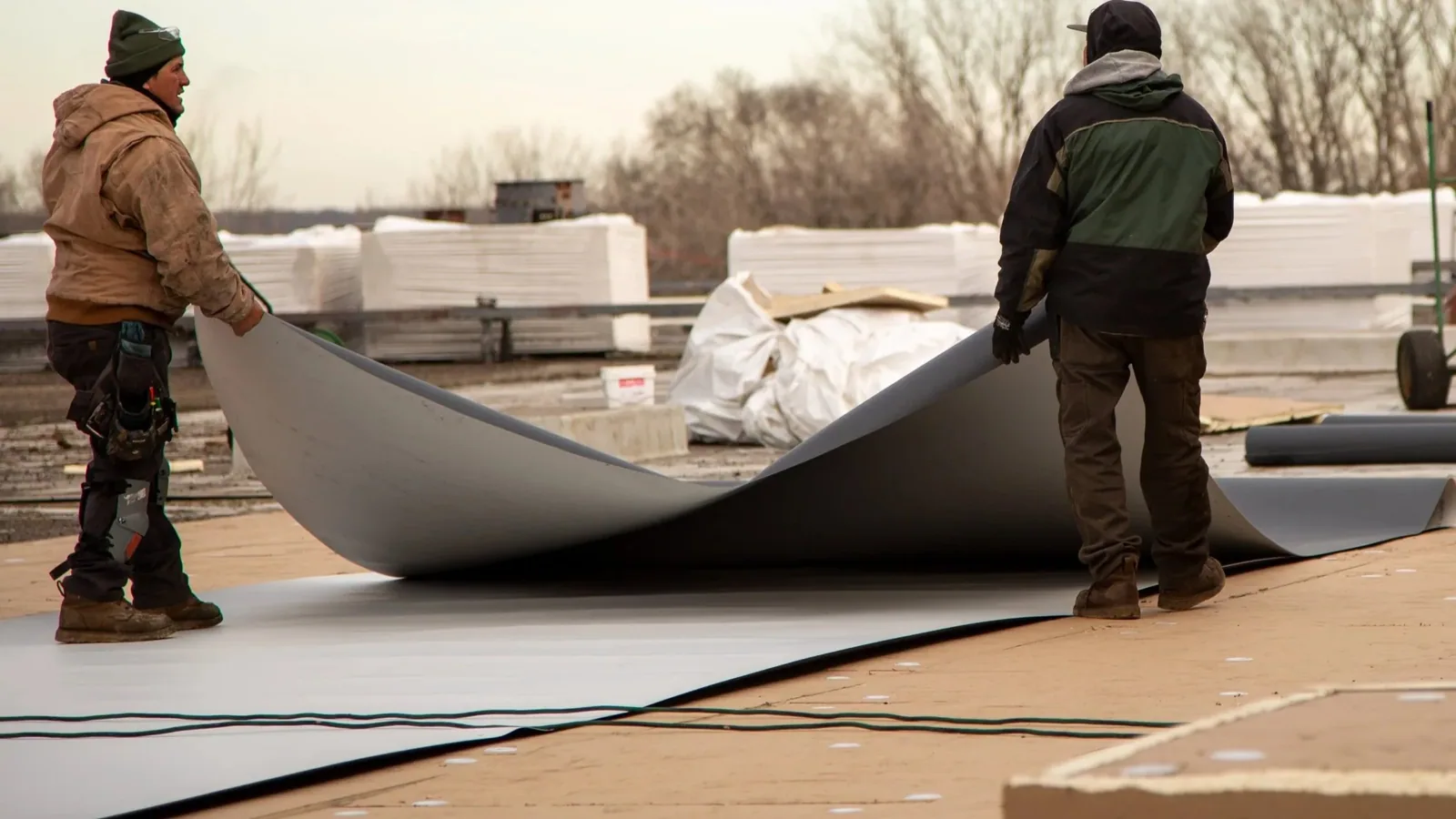
Repair commercial roof flashing in Independence, MO by tracing the water path, checking the substrate, and rebuilding transitions with compatible materials.
A curb, parapet, wall, or drain changes the roof assembly. Flashing carries water across that change without letting it reach the insulation or deck. When a ceiling mark appears near the Noland Road corridor or around Independence Square, the visible stain only identifies an interior symptom. We inspect the roof interface, follow the water path, and find where the drainage plane stopped working before choosing a repair.
Find the Open Interface
Flashing fails where materials meet or move differently. A membrane termination can pull away from a wall. A counterflashing edge can loosen. Sealant can split as metal and masonry expand at different rates. At a curb, a short upstand or poorly formed corner may let water pass behind the visible lap. We check the full transition, including the material below it, instead of adding sealant to the first open edge.
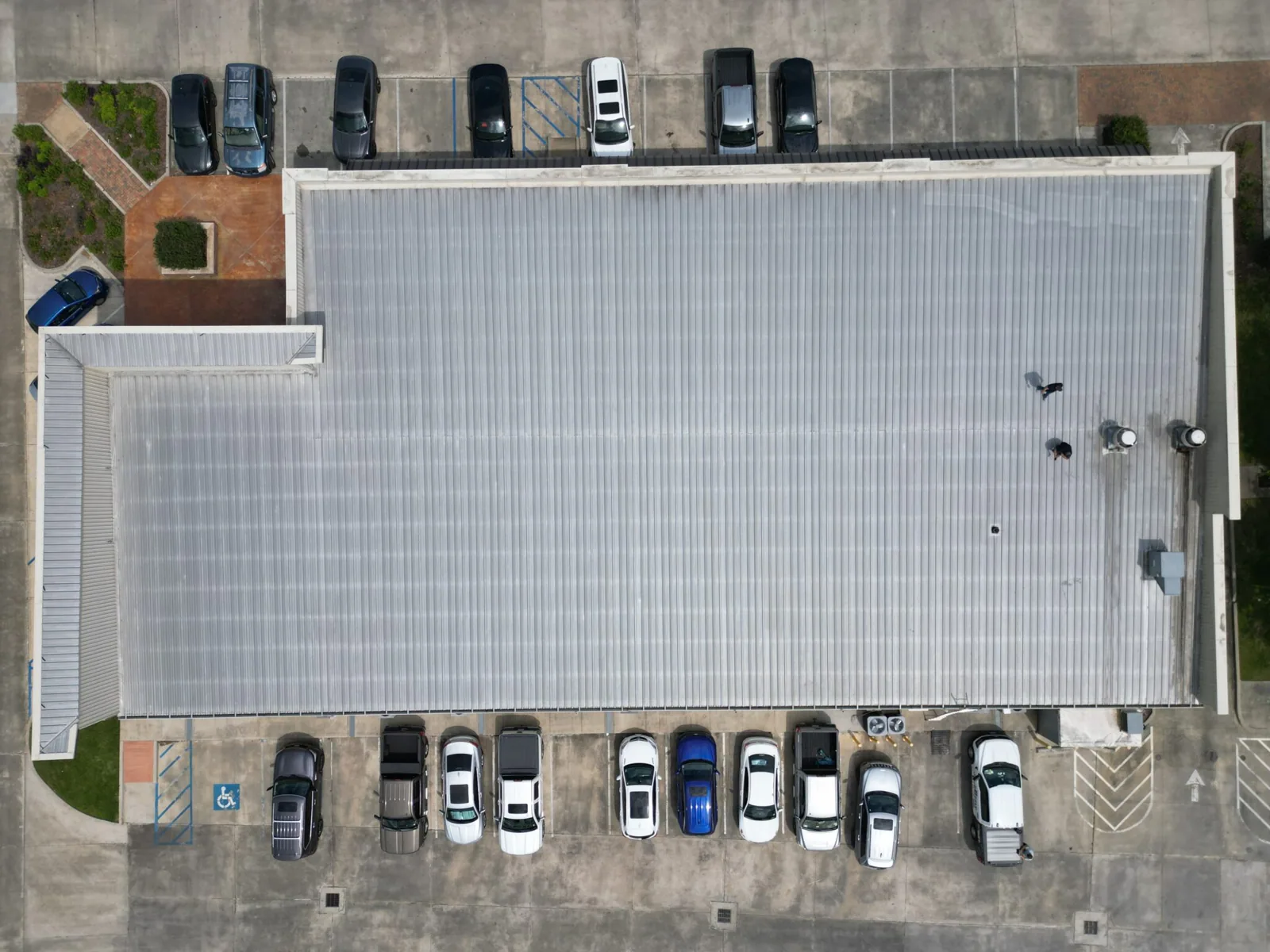
Independence includes commercial buildings near Centerpoint Medical Center and along the US 24 corridor. These places establish local context, not the construction details at a specific address. We identify the roof covering, wall construction, curb height, termination bar, and substrate at the property. A roof inspection records those layers and separates a local flashing defect from movement elsewhere in the assembly.
Trace Water Through the Assembly
Water can enter at one joint and travel along insulation, deck flutes, or a structural member before it reaches the ceiling. We compare interior staining with roof drains, seams, penetrations, and changes in elevation. Then we check whether the flashing is open, brittle, displaced, or bonded to a damp or unstable surface. Moisture testing may be needed when the visible opening is small but the affected area is not.
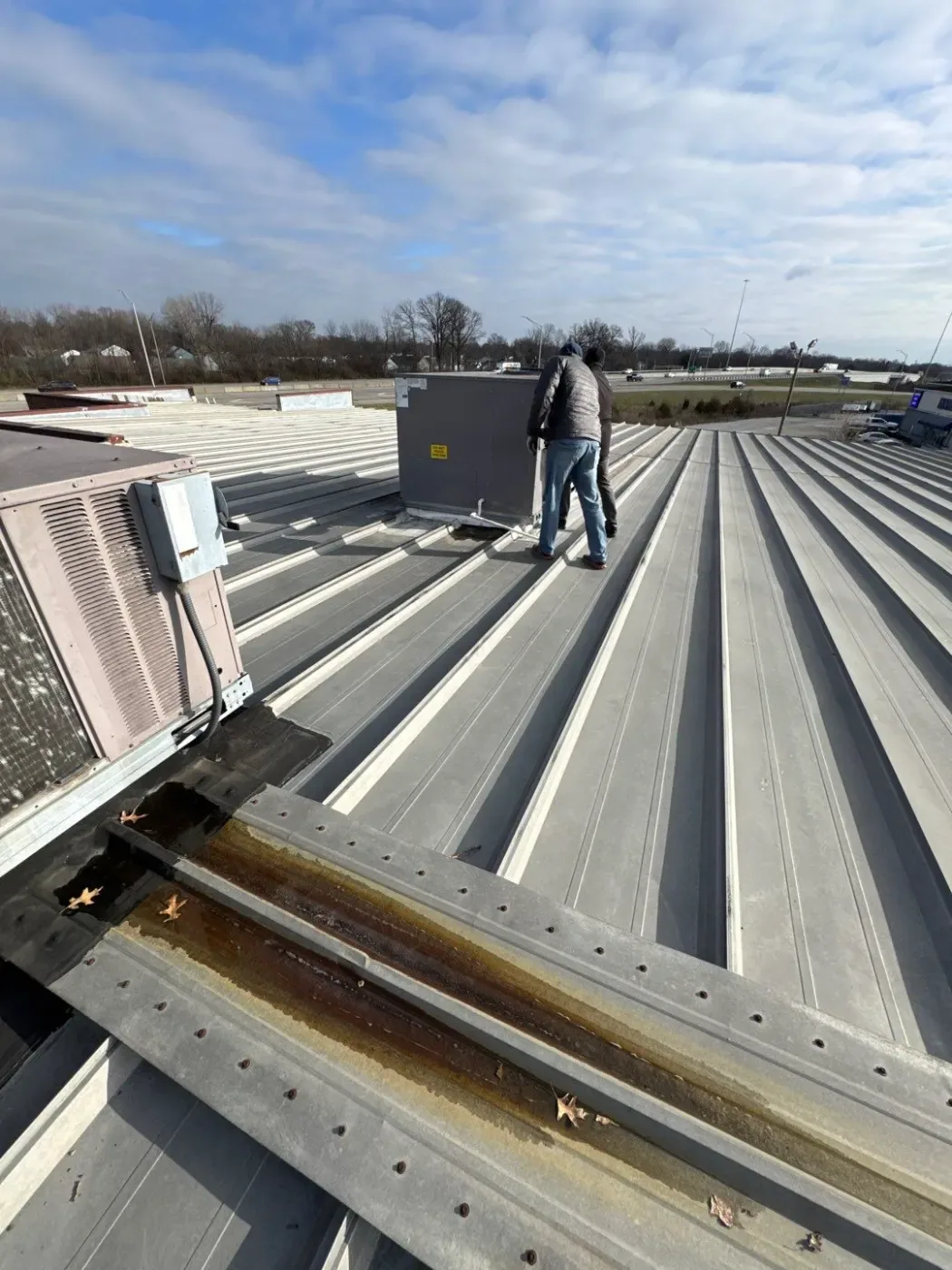
At a metal roof, movement at panel ends or clips can stress adjacent flashing. A standing-seam system needs a detail that respects thermal movement rather than locking a moving panel in place. On a membrane roof, the repair material must bond or weld to the existing surface. We inspect the lap width and confirm the substrate is sound before setting a tie-in. A moisture survey can help select test cuts when wet insulation may extend beyond the open joint.
Winter temperatures in the Kansas City metro include normal January readings below freezing, and summer daily highs commonly reach the upper 80s. That seasonal movement tests exposed transitions in different ways. We use those regional conditions to inform the inspection, while the actual repair follows the measured roof and the local exposure at the building.
Rebuild the Detail
A lasting repair starts with removal of loose or incompatible material. We expose enough of the interface to see whether the membrane, metal, or substrate still holds. Then we replace failed components, prepare the surface, and connect new flashing to sound material with a compatible attachment or weld. Corners, terminations, and water-shedding direction need to remain continuous. A bead over loose flashing may hide the opening without restoring the drainage plane.
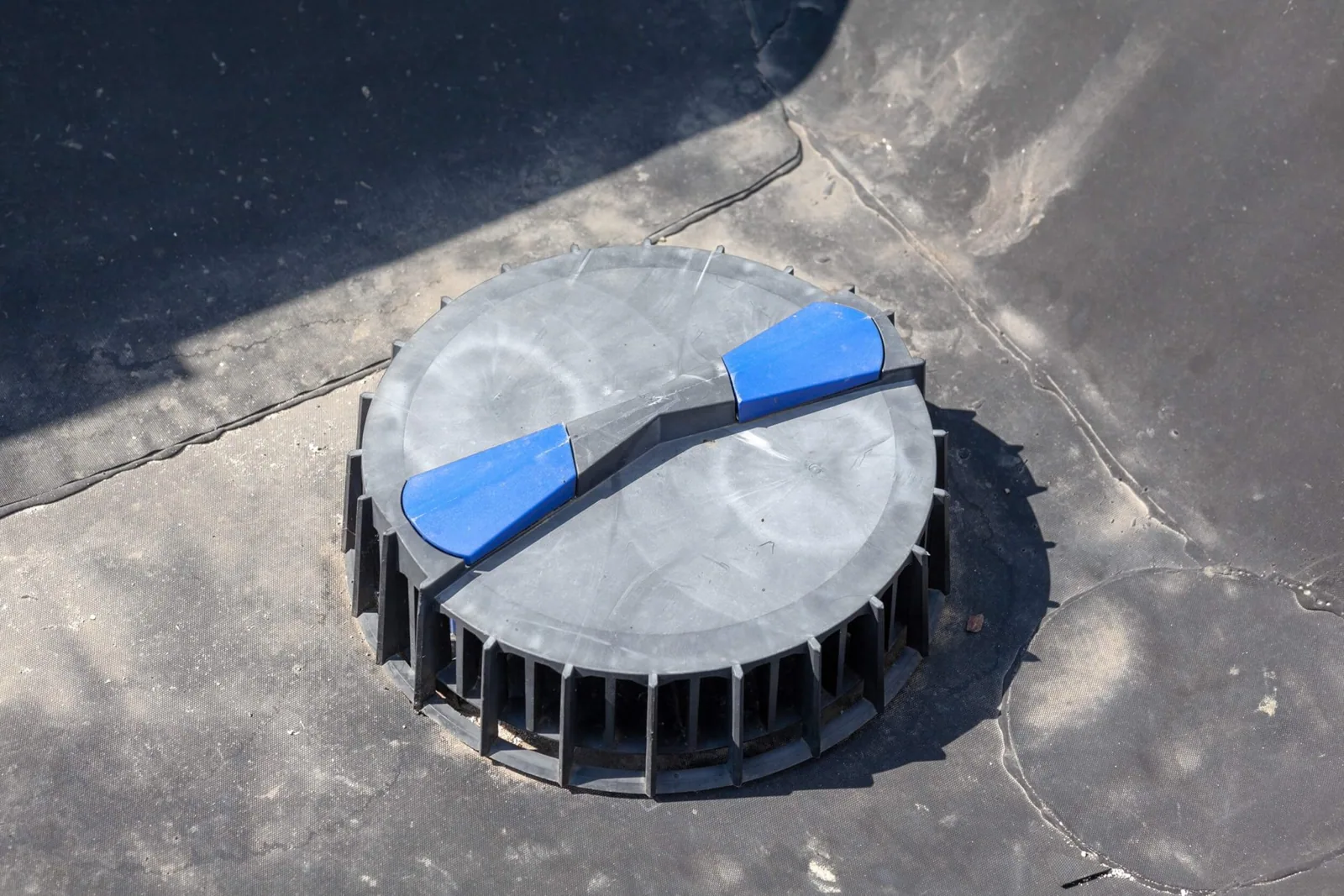
Where a penetration curb is involved, the scope should state the flashing height, corner treatment, membrane tie-in, and any accessory replacement. At parapets, we check coping laps, cleats, and the termination below the cap. If the adjacent edge metal or coping has also moved, repair it as part of the same water path. For a drain opening, a drain and scupper review confirms that the new detail will discharge water instead of diverting it behind the curb.
Cost and duration depend on access, height, roof system, amount of material to remove, and whether the substrate is dry and firm. If opening the detail exposes wet insulation, we map its limits and add removal and dry-in steps before closing the roof. When damage extends into adjacent areas, compare a localized repair with replacement planning or a recover assessment. Each option depends on the existing layers, moisture, and attachment.
Define the Repair Limit
A useful scope shows the exact transition, removal depth, replacement materials, substrate checks, and tie-in method. Photos should capture the open condition and completed work from a recognizable roof zone. We note any concealed condition that needs approval if discovered. This gives the owner a clear distinction between the flashing defect, related moisture, and unrelated maintenance elsewhere on the roof.
The Independence Transit Center is at Noland Road and Truman Road. Eastgate Commerce Center is another commercial location in the city. These references help orient a service visit; we inspect the flashing and surrounding membrane directly, then document the condition at the address. Hail damage review can record impact separately from a failed wall or curb transition.
At Eastgate Commerce Center, the property contact confirms access windows and material staging before work begins. Those logistics set the sequence; field inspection determines which interface failed and what must be rebuilt. We can phase a repair to keep a portion of the roof closed each day and mark any temporary protection that remains between shifts.
Restore the Water Path
After installation, we check laps, terminations, corners, and drainage direction. The closeout record identifies the repaired detail and any area that still needs monitoring. If the material requires a cure or weld test, we complete that check before treating the transition as closed. A repair is not complete when the opening disappears from view; the rebuilt interface must shed water and stay connected to sound roof layers.
Schedule a commercial roof review in Independence to identify the flashing failure, trace moisture, and set a repair boundary. We can also assess adjoining leak conditions or arrange emergency protection when water is entering. The findings support a measured repair decision, not an assumption based on the stain alone. If standing water has weakened a nearby seam or transition, we assess the drainage condition as well as the flashing. Ponding water repair begins with the roof plane and outlet, so the scope addresses the water source rather than sealing a symptom.
Commercial Roofing Questions
Can sealant stop a leaking curb?
Only when the substrate and flashing are sound and the opening is limited to a compatible joint. We inspect the full curb transition before selecting sealant or rebuilding the detail.
Why is the ceiling stain away from the flashing?
Water can travel through insulation or along deck flutes before it reaches the interior. We compare the stain with roof layers, penetrations, and drainage paths to locate the entry point.
What makes one flashing repair larger than another?
The amount of loose material, substrate condition, moisture extent, access, and roof system determine the work area. We define those conditions before pricing the permanent scope. The size depends on how much of the termination remains bonded and whether the substrate behind it is sound. We check the curb or wall face, membrane turn-up, metal counterflashing, and any fasteners or sealant that carry the joint. If water has reached insulation, the opening may need to extend past the visible split. The repair record should state which layers were removed and where the new work ties into existing material. At parapets, also confirm that the top edge sheds water away from the roof and that metal joints overlap in the drainage direction. A repair limited to the visible crack may fail if water can pass behind the adjoining counterflashing.
Do storm reports prove the flashing was damaged?
No. The documented hail observations are location-specific. We inspect the transition and nearby roof surface at the property and record the actual condition.