Repair tornado damage on commercial roofs in Independence, MO with safe-access controls, mapped roof findings, temporary dry-in, and a permanent scope.
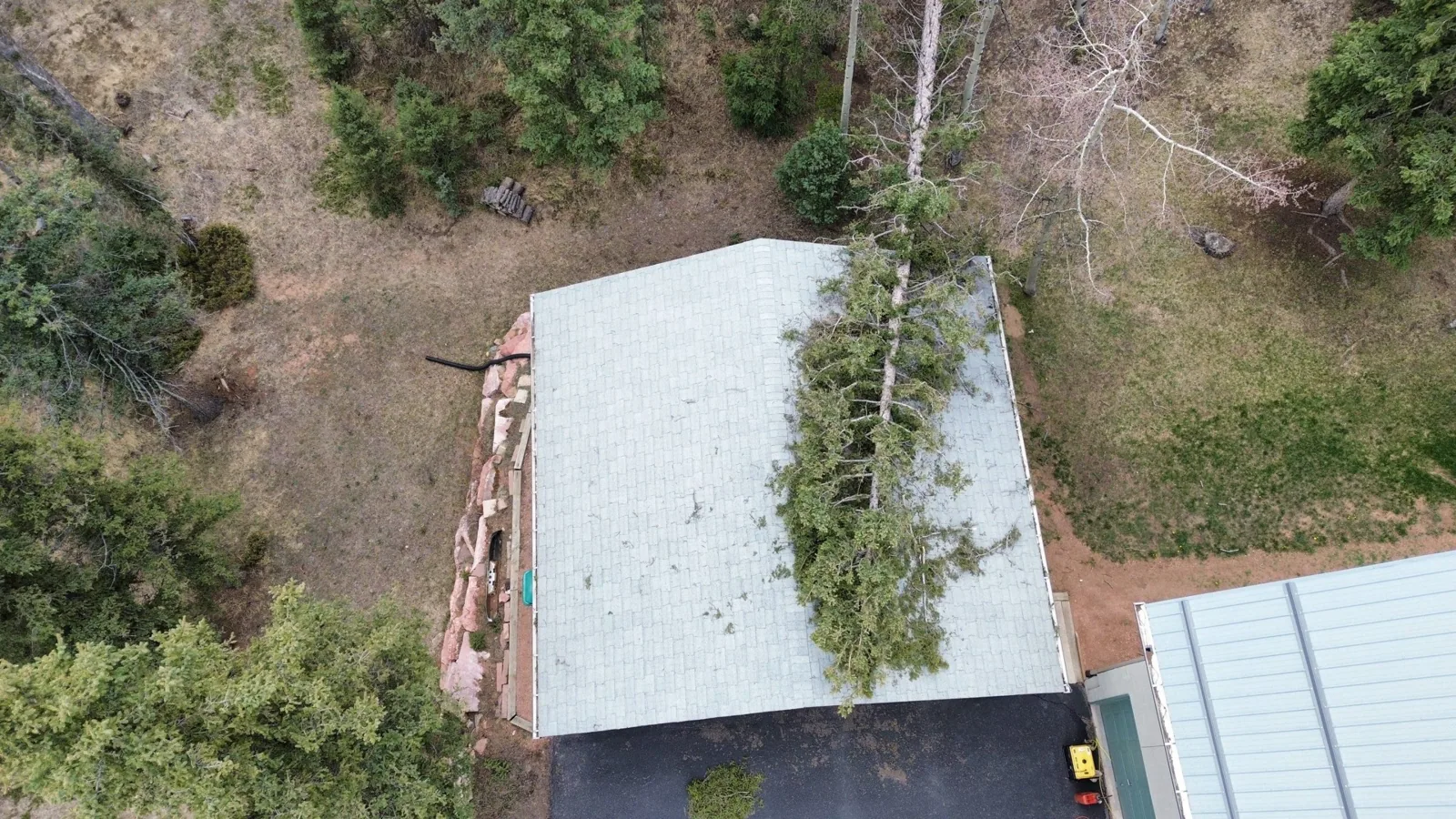
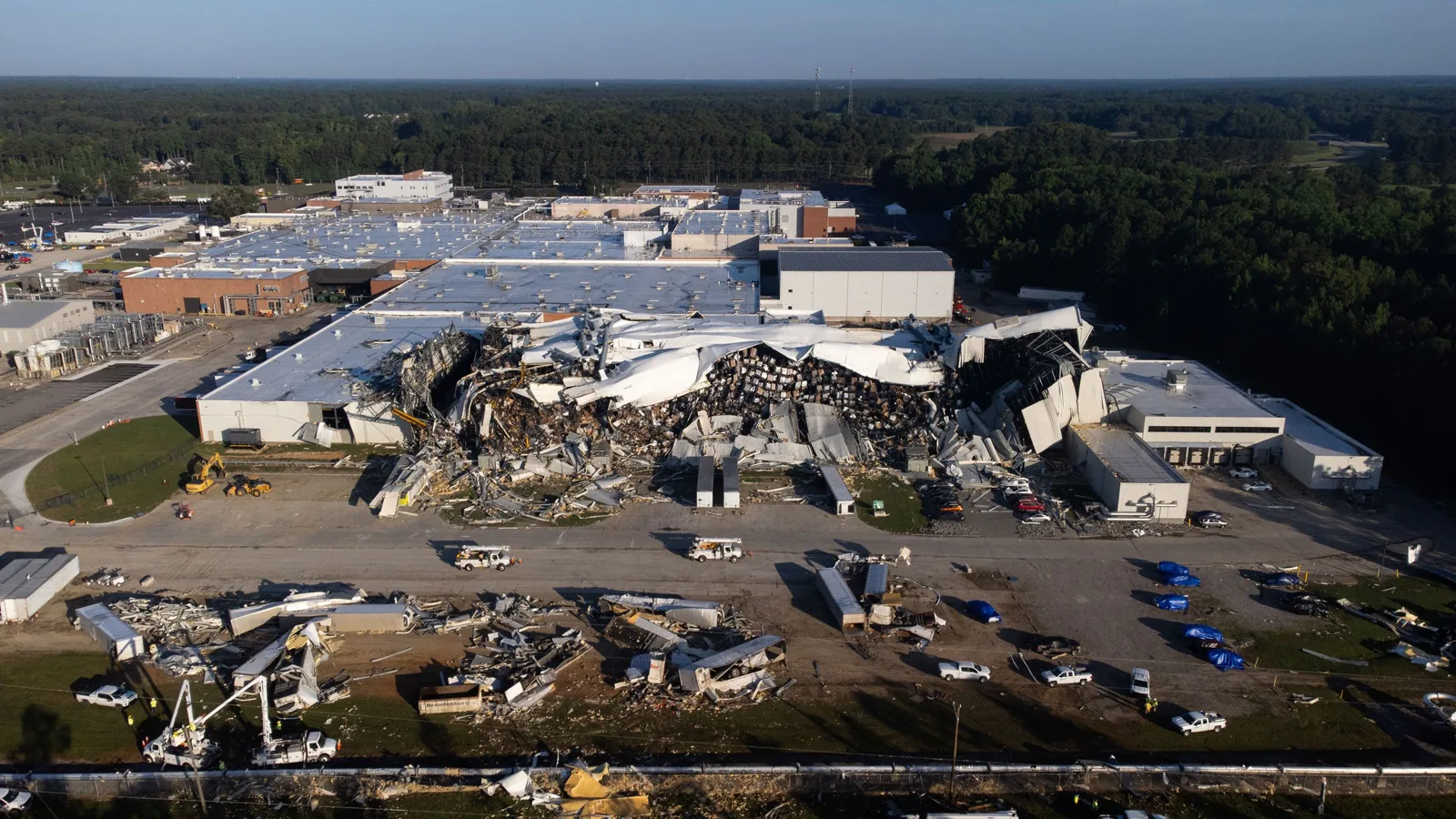
A tornado can move metal, membrane, rooftop equipment, and debris across a roof, while leaving adjacent sections with no visible change. A June 8, 2022 EF-2 tornado tracked near Buckner, while observers documented wind damage north-northwest of Independence. Those are specific observations, not a damage map for every building. At a commercial property, we establish safe access, map the roof zones, and record the conditions that are actually present.
Secure the Site Before Entry
Do not assume a roof is safe because the surface looks intact from the ground. Wind may displace edge metal, loosen fasteners, expose a deck, or leave unstable rooftop equipment. Debris can conceal holes. Water can contact electrical equipment or reach a weakened ceiling. We coordinate with the property representative and any safety or engineering lead before entering. If access is restricted, we protect the interior from an approved location and return once the roof is cleared.
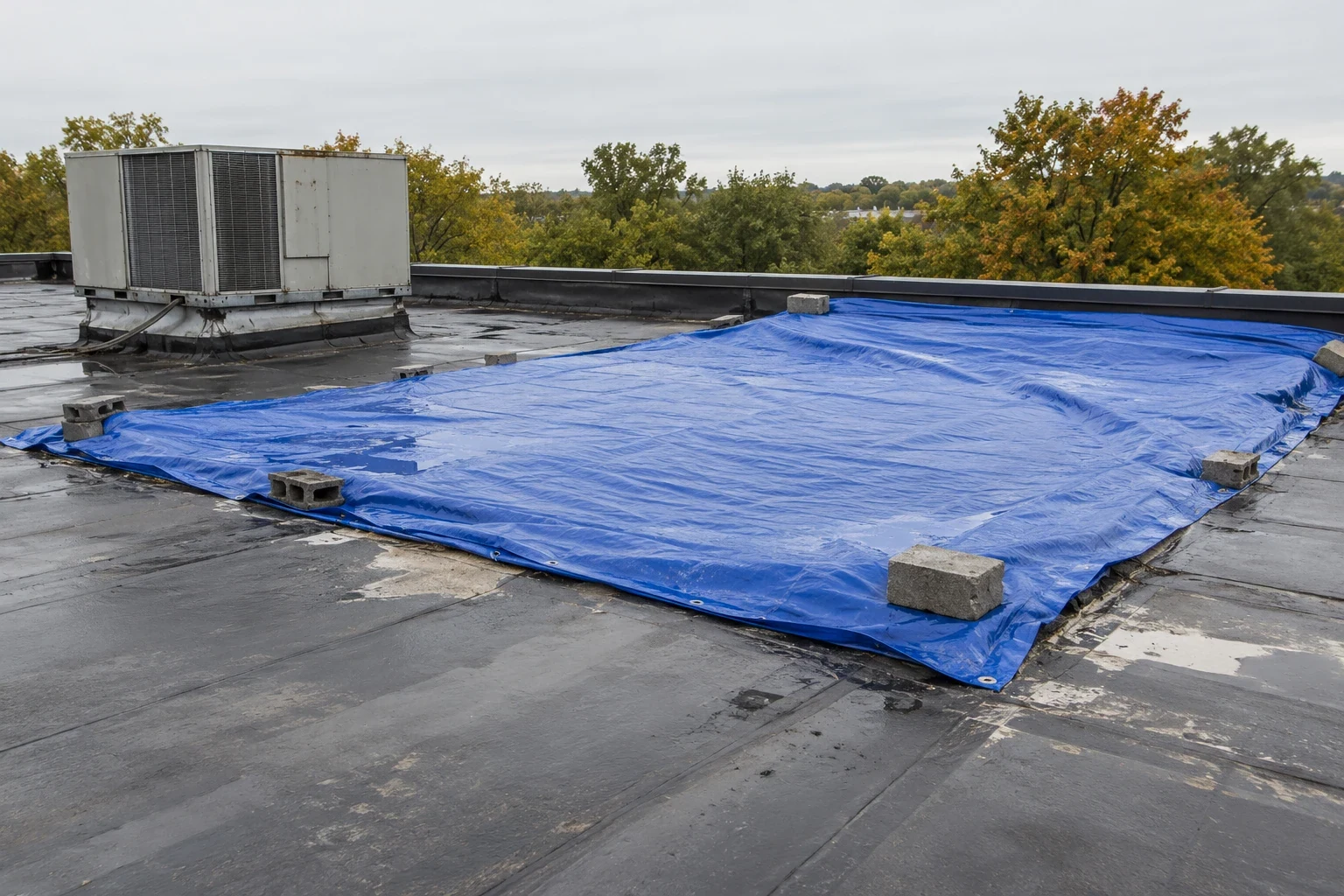
For an active opening, temporary protection limits exposure until permanent work can proceed. The method must suit the wind forecast and the remaining attachment. Loose covers can become another hazard. We mark where a temporary dry-in begins and ends, what it protects, and when it needs reinspection. Emergency calls are answered around the clock, including nights, weekends, and holidays. Emergency roof service can address immediate water entry when conditions allow.
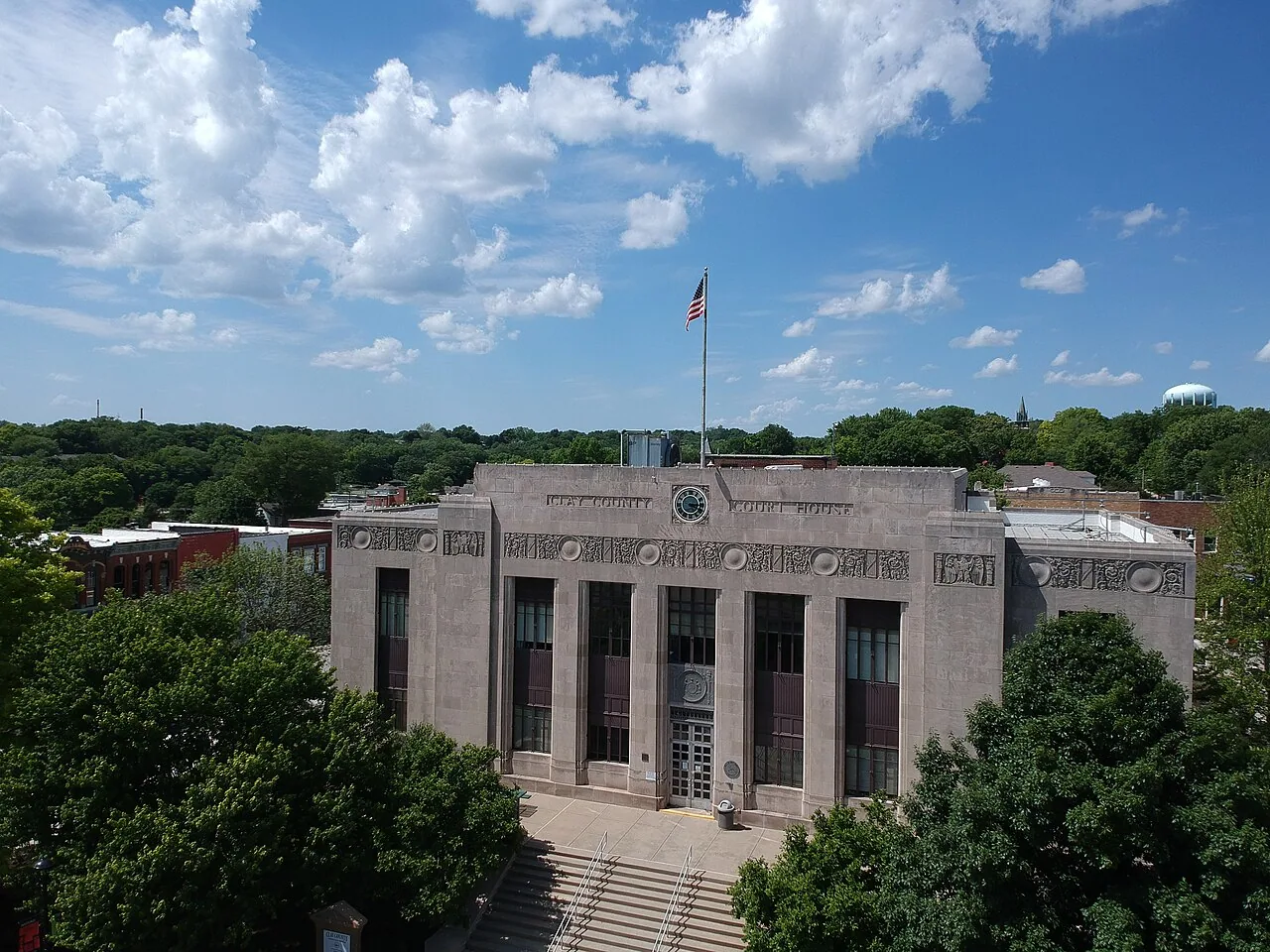
Independence has commercial and civic facilities near Liberty, Missouri and along Truman Road. Those are geographic references, not proof of damage at a particular site. We coordinate access routes and staging with the building contact, then record roof evidence separately from the reported storm path.
Trace Displacement by Roof Zone
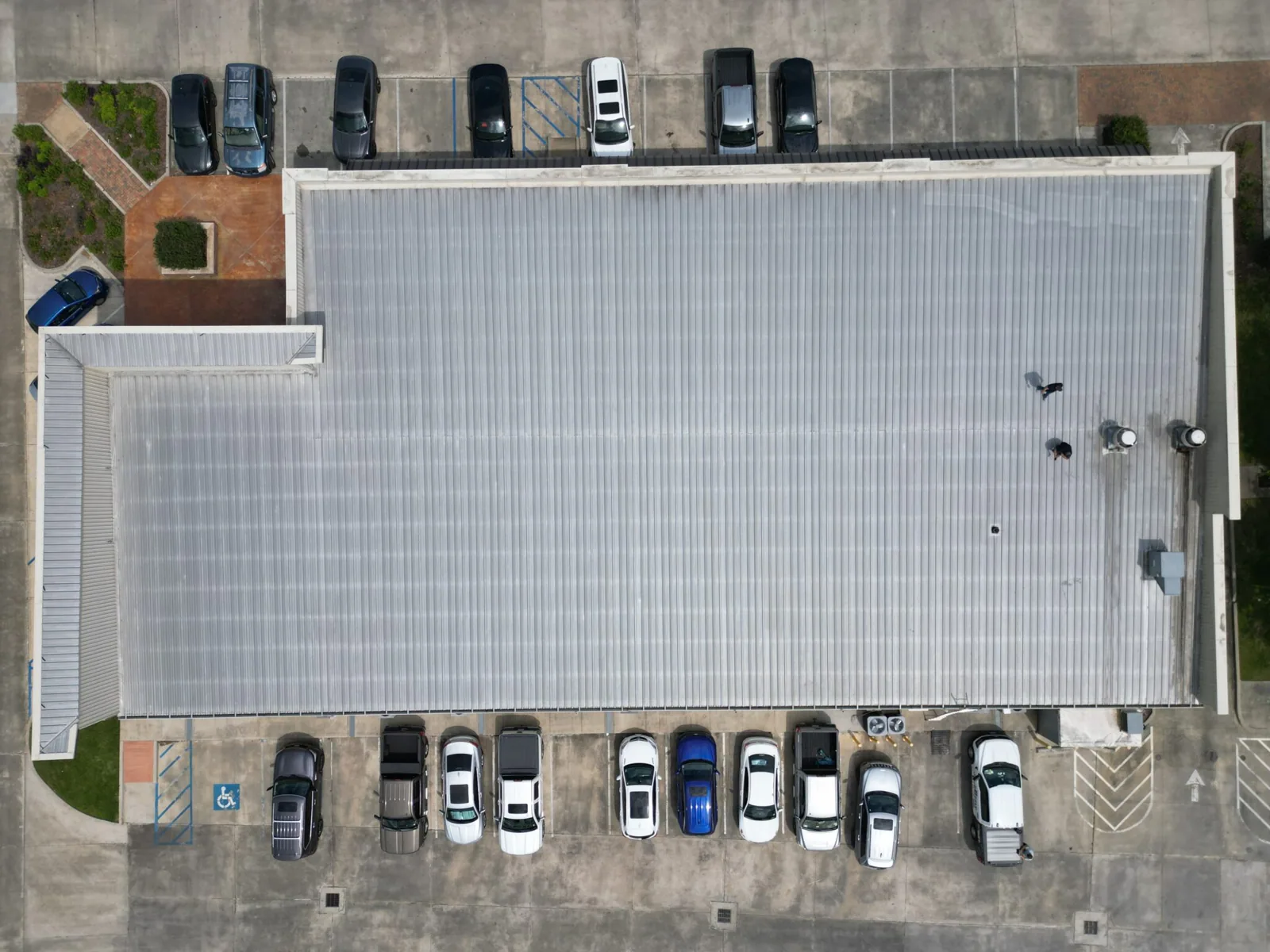
Start at perimeter corners and edges, then check the field, penetrations, curbs, and transitions. Record displaced coping, opened seams, pulled fasteners, membrane wrinkles, debris strikes, and changes in panel alignment. Compare damaged and undamaged areas. A lifted edge may expose insulation without tearing the field membrane. A dented metal panel may still shed water, but its clips or seams could have moved. A roof inspection maps each condition so the scope does not merge separate failures into one broad assumption.
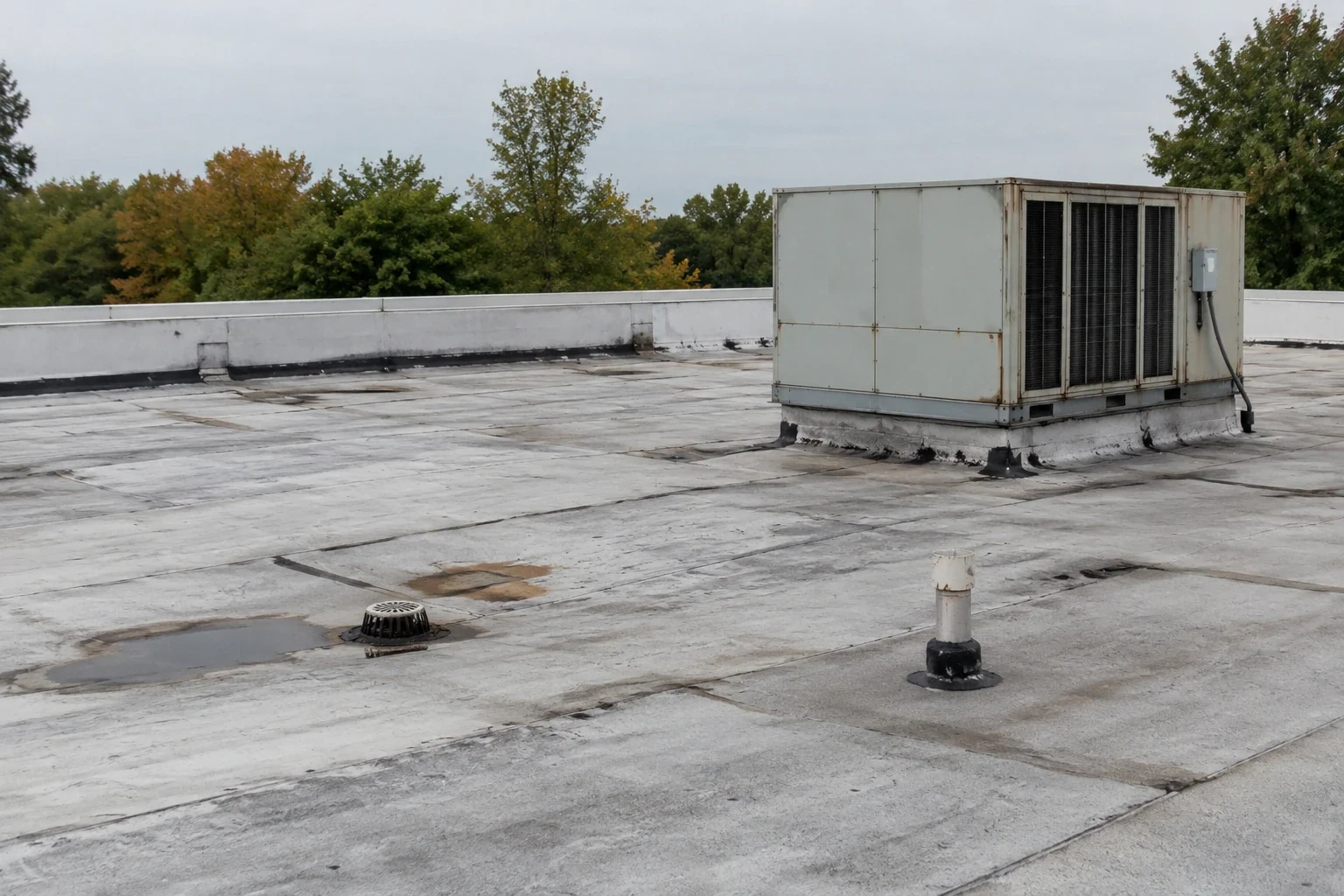
Water can travel after entry. Check drains and scuppers, follow interior staining back toward likely roof pathways, and test insulation where the roof has been opened. Selective moisture testing can show whether a local breach reached beyond the visible tear. If the substrate is wet or unstable, mark that area for removal rather than patching across it. Moisture testing can help focus direct inspection where the assembly warrants it.
The 2022 event crossed Jackson County near Buckner. The reported Independence observation identifies an approximate location, not the wind at a separate facility. Avoid assigning damage based only on distance from the track. The actual signs are pulled attachment, debris impact, torn membrane, or water entry documented at the building. Wind damage assessment checks the attachment pattern even when a tornado report provides the regional context.
Restore the Load Path
Repair follows the failed component. Refasten only when the substrate can hold the attachment. Replace edge metal when its cleats or metal have deformed. Weld or splice membrane only after preparing sound, dry material. Rebuild curb flashing when the transition has torn. If the deck or framing moved, pause roofing work until the structural repair is defined. A patch cannot restore a load path through a damaged deck or loose assembly.
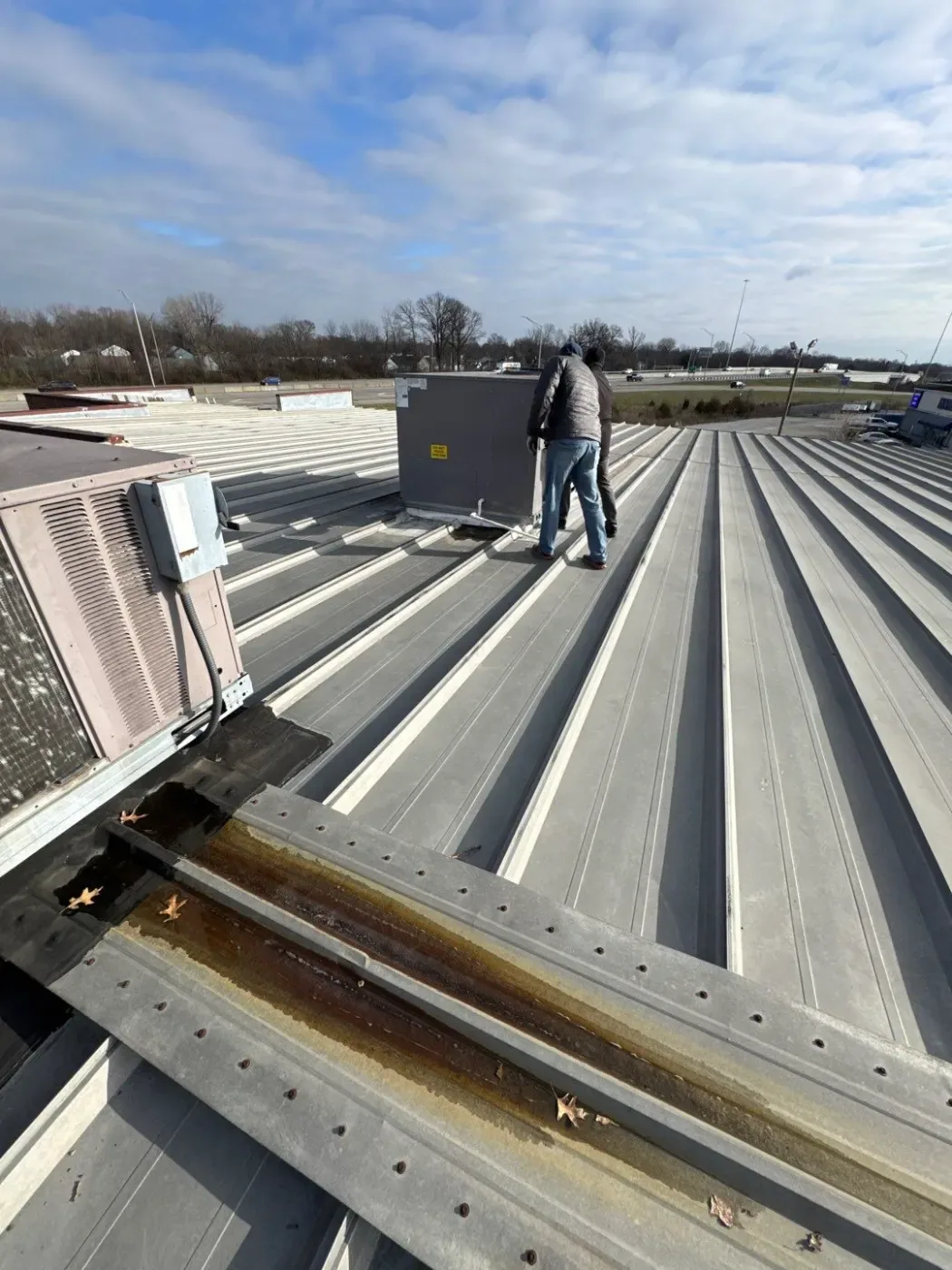
On metal roofing, inspect clips, fasteners, sidelaps, and the panels' ability to move. On membrane systems, check the lap, termination, cover board, and substrate. Standing-seam metal and TPO roofing require different details. We specify the material, repair dimensions, attachment method, and final test in the scope. If damage also punctured the membrane, puncture repair should identify insulation and deck conditions below the opening.
Timing and cost depend on safe access, weather, roof height, material availability, debris removal, moisture extent, and structural review. Larger facilities may need work divided into sections that can be opened and closed in one shift. For widespread loss of attachment or wet insulation, compare sectional repair with replacement planning. A recover should be considered only after moisture, attachment, and substrate suitability are verified.
Keep Event and Repair Records Separate
Record the date reported, location of each finding, photos, roof materials, temporary measures, and completed repairs. Note which conditions were visible, which were tested, and which remain concealed. The weather report establishes the event at a recorded location. The inspection establishes roof condition at this address. If the work supports an insurance review, provide observations and repair details without predicting coverage.
Hail can occur during the same outbreak, but impact marks differ from wind displacement. A March 2017 storm brought 1.75-inch hail east-northeast of Independence. That report is separate from the 2022 tornado. Hail damage inspection documents impact evidence by surface and roof zone. Keep each event's date and location attached to the matching source record.
Operations may resume in phases. A manufacturer's material needs dry, prepared surfaces. Interior areas under open work need protection and a named contact. We record the boundaries each shift and verify temporary attachment after weather changes. If water remains in insulation, the permanent tie-in waits until the affected material is removed and the remaining roof is suitable for work.
Confirm the Repair Holds
After repair, inspect attachment, seam continuity, edge metal, drainage, and water shedding across the finished area. Photograph the closeout from the roof map. Identify any adjacent zone that was not included and the conditions that would trigger follow-up. This keeps a local repair from being read as a full-roof certification. Share the final map with facility staff so later service visits can avoid patched areas until materials have cured and the follow-up inspection is complete.
Schedule a commercial roof review in Independence to map tornado-related conditions, coordinate safe access, and define a measurable repair boundary. We will document the storm report separately from field findings and identify temporary protection until the permanent assembly is restored.
Commercial Roofing Questions
Does the 2022 tornado report establish damage at my building?
No. It records an event and observations near named locations. We inspect the property and document displacement, impact, and water entry at the roof itself.
Can crews go onto the roof immediately after a tornado?
Only when the roof and access are cleared as safe. We coordinate with site safety and structural contacts and can start from approved areas if roof entry is restricted.
What should temporary protection cover?
It should secure the active opening, shed water, and stay within a sound attachment zone. We mark the limit and recheck it until permanent repair is ready. Secure the protection to the roof assembly and keep the drainage path open. Photograph its limits and note the next inspection needed before permanent work begins. If wind or rain moves the cover, the building contact should know which area may need a fresh check.
When is a roof replacement more appropriate than spot repairs?
Broad attachment loss, wet layers, or multiple damaged zones may make replacement worth comparing. We document the assembly and define the evidence behind each option. Replacement deserves review when damage spans many zones, the deck or attachment has shifted, or repairs cannot restore continuous water control at edges and transitions. A building may also need a replacement scope when the existing system was already near the end of its serviceable condition, but inspection must establish the actual assembly. Separate storm stabilization from permanent work so the owner can secure the building while replacement details are evaluated.