Repair or restore commercial spray polyurethane foam roofing in Independence, MO with checks for foam adhesion, thickness, moisture, and protective coating.
Spray polyurethane foam creates a continuous roof layer that can add slope and insulation over a suitable substrate. Its performance depends on adhesion, installed thickness, drainage, and a protective coating that shields the foam from ultraviolet exposure. We inspect those layers before recommending repair or recoat. Independence, MO includes the Pleasant Hill, Missouri campus and the Grandview, Missouri employment site. Their institutional uses call for access planning; field testing establishes the actual roof assembly.
Check the Foam Layer
SPF expands against the prepared substrate and forms a closed-cell layer. We inspect whether it is bonded, continuous, and free of voids or soft areas. A cut or puncture can admit water below the surface and leave a damp pocket that is not visible from the roof. We sound the area, review coating condition, and use a small cut where needed to confirm the foam and substrate.
Installed thickness affects insulation and the finished slope. We check high and low points, drainage routes, and transitions at curbs and edges. A foam system can form a cricket or build slope, but a poor application can leave thin areas or valleys. The repair should restore the designed profile and keep outlets clear rather than add material without a drainage plan.
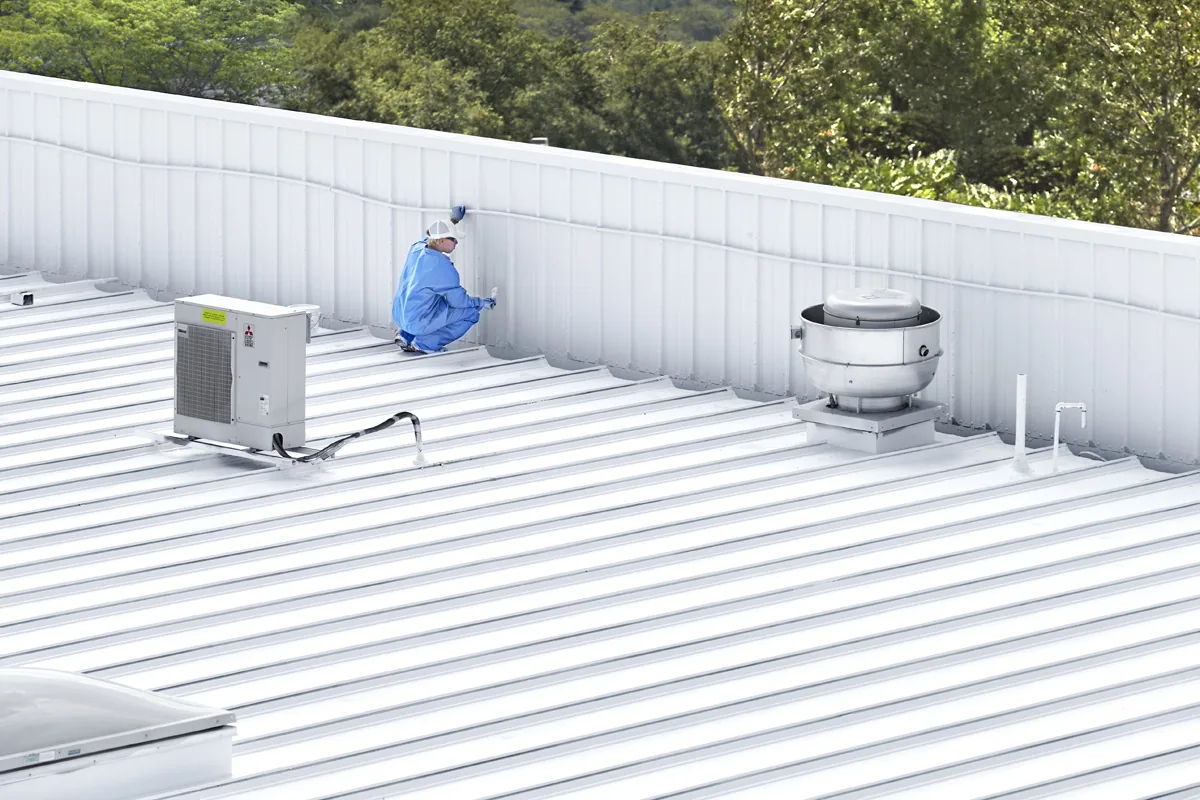
The foam needs a compatible protective coating. A coating protects against UV exposure and weathering, while the underlying foam provides the shaped insulation layer. We inspect for thin coverage, pinholes, cracking, erosion, exposed foam, and areas where the coating has lost adhesion. Silicone coating and acrylic coating have different ponding-water and application characteristics. We review the existing system before selecting one.
At MCC Blue River, career programs include police and fire academies, paramedic training, linework, and cybersecurity. These active campus functions make work-hour and access coordination relevant. They do not describe roof construction. We confirm the facility's operating limits and plan overspray controls around air intakes, doors, vehicles, and adjacent property.
Control the Spray Conditions
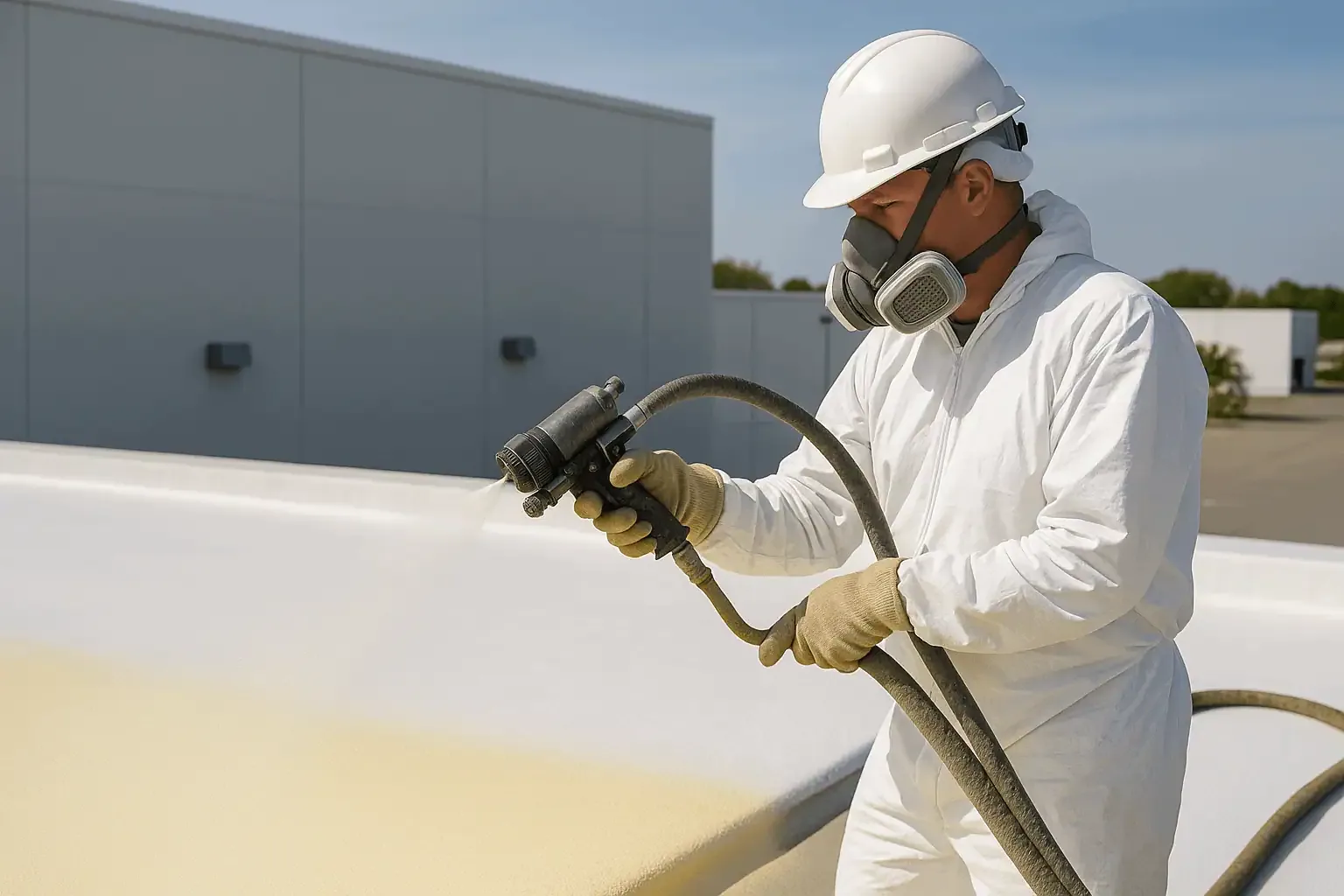
Foam quality depends on substrate dryness, temperature, component temperature, proportioning, and spray technique. We check product requirements and weather conditions before application. Wind can carry overspray beyond the work zone, so the crew protects nearby equipment, vehicles, walkways, and air intakes. Masking and a clear exclusion area should be in place before spraying begins.
Foam is installed in lifts within the system's specified thickness. Excessive lift thickness can trap heat or create defects; thin areas can reduce performance and create a low spot. We monitor the surface and correct voids or rough transitions before applying the protective coating. A finished roof should show continuous coverage at drains, curbs, and edges.
Severe weather can damage the coating or expose foam. The June 2022 Jackson County EF-2 record includes a wind-damage point about one mile north-northwest of Independence. That observation does not extend to other buildings. After a storm, we check for coating loss, punctures, debris impact, and lifted edge details at the property.
Interior operations also matter. The Centerpoint permit record identifies a 2025 commercial remodel, but it does not set site access or air-handling controls. We coordinate the specific spray window and HVAC intake protection with facility staff. If overspray limits or weather prevent safe application, the work pauses until the conditions meet the project requirements.
Trace Moisture and the Drain Path
Moisture beneath foam can spread laterally and weaken adhesion. We check blisters, soft spots, visible cracks, and interior reports, then make test cuts where approved. A small opening needs a secure repair that restores the foam profile and coating. Covering a damp area can trap water and leave the substrate unstable.
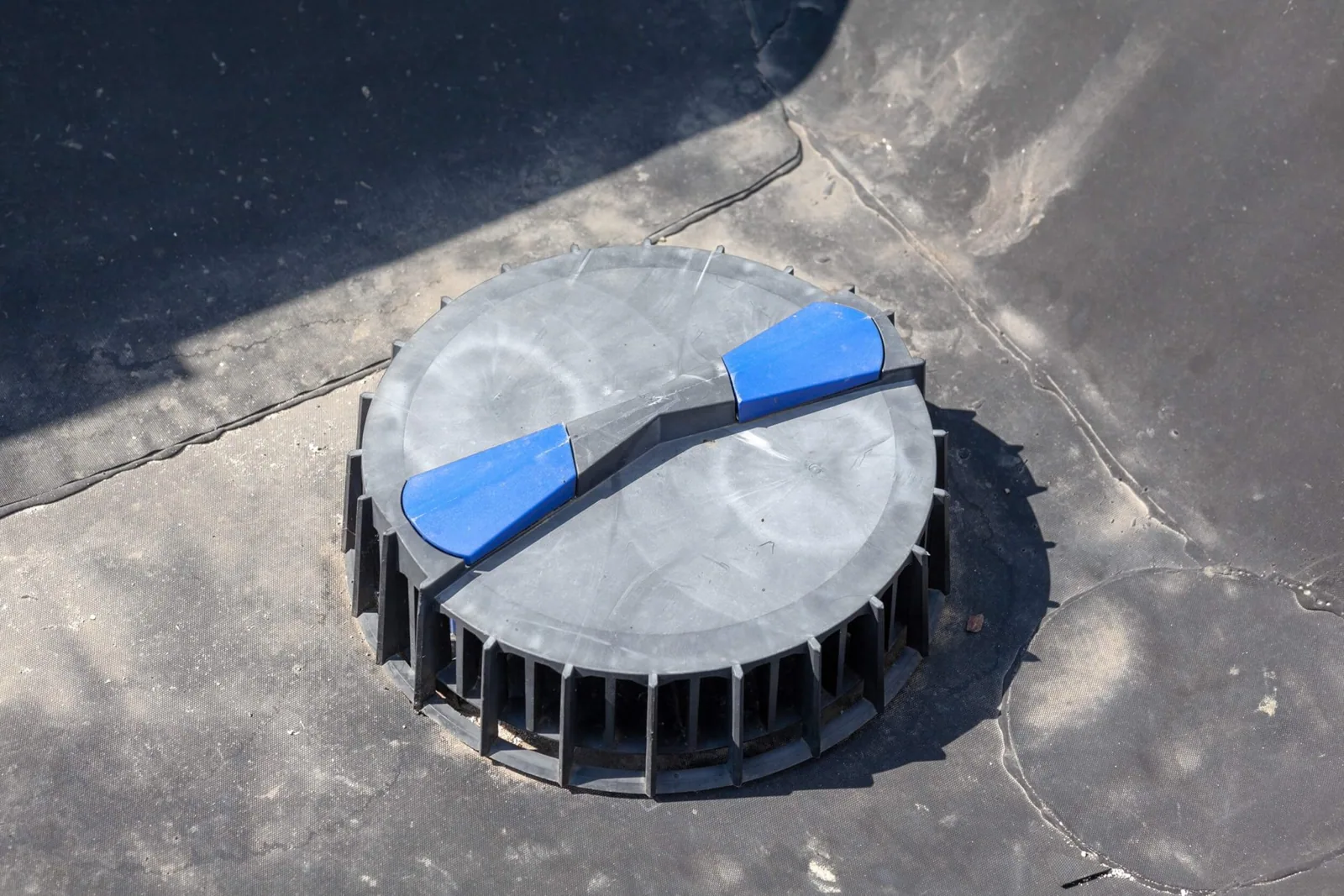
Drainage is part of the SPF profile. We inspect drains, scuppers, crickets, and areas where the foam thickness changes. If ponding persists, the water route may need correction before a recoat. Drainage repair can resolve a blocked or poorly flashed outlet; tapered foam may be designed for a slope change when the substrate and project detail allow it.
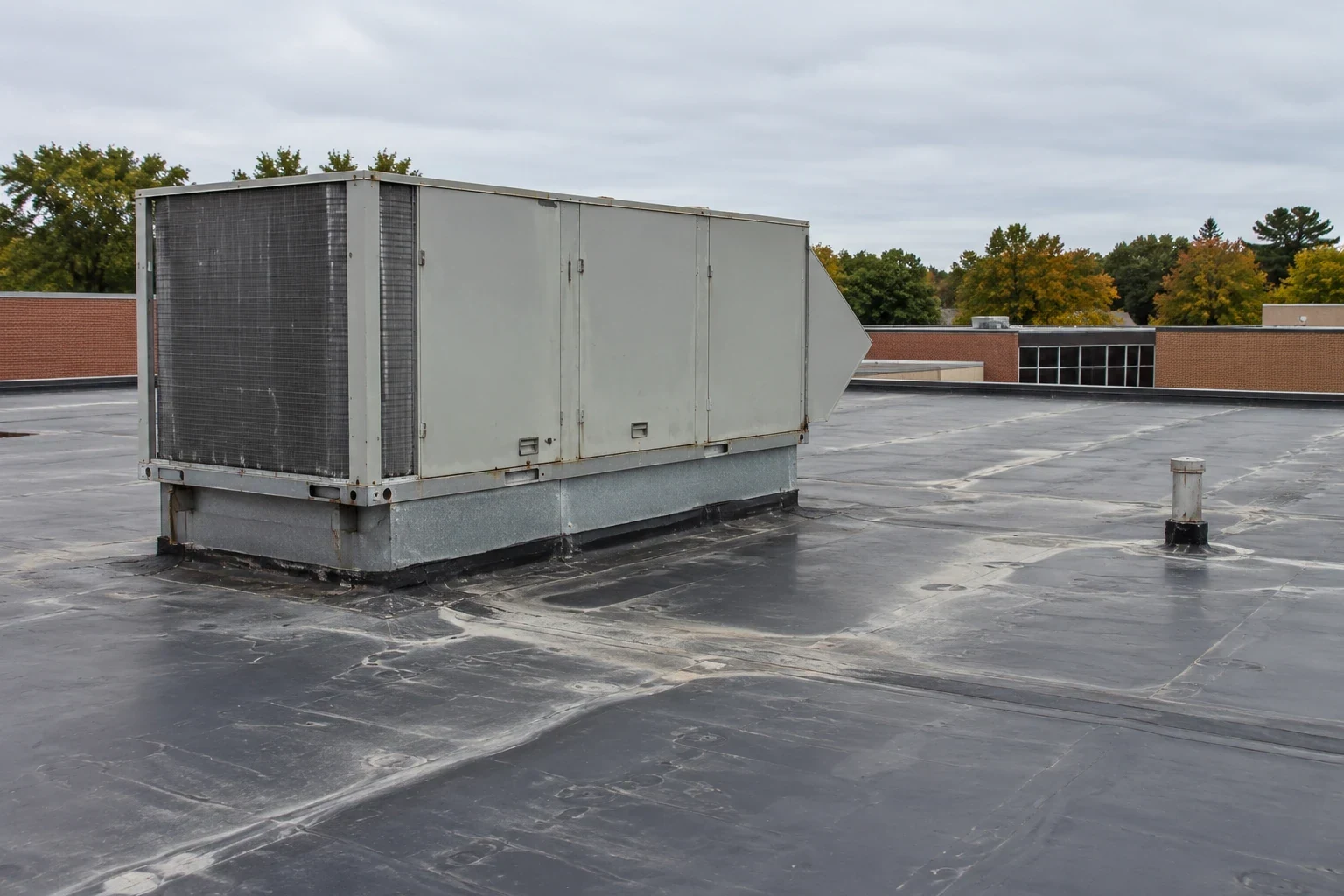
Penetrations need tight foam transitions and a compatible coating termination. We check pipe boots, equipment curbs, skylights, and expansion joints. The spray layer should not bridge a joint that needs movement. Equipment curb review can identify attachment or flashing work before the roof is coated.
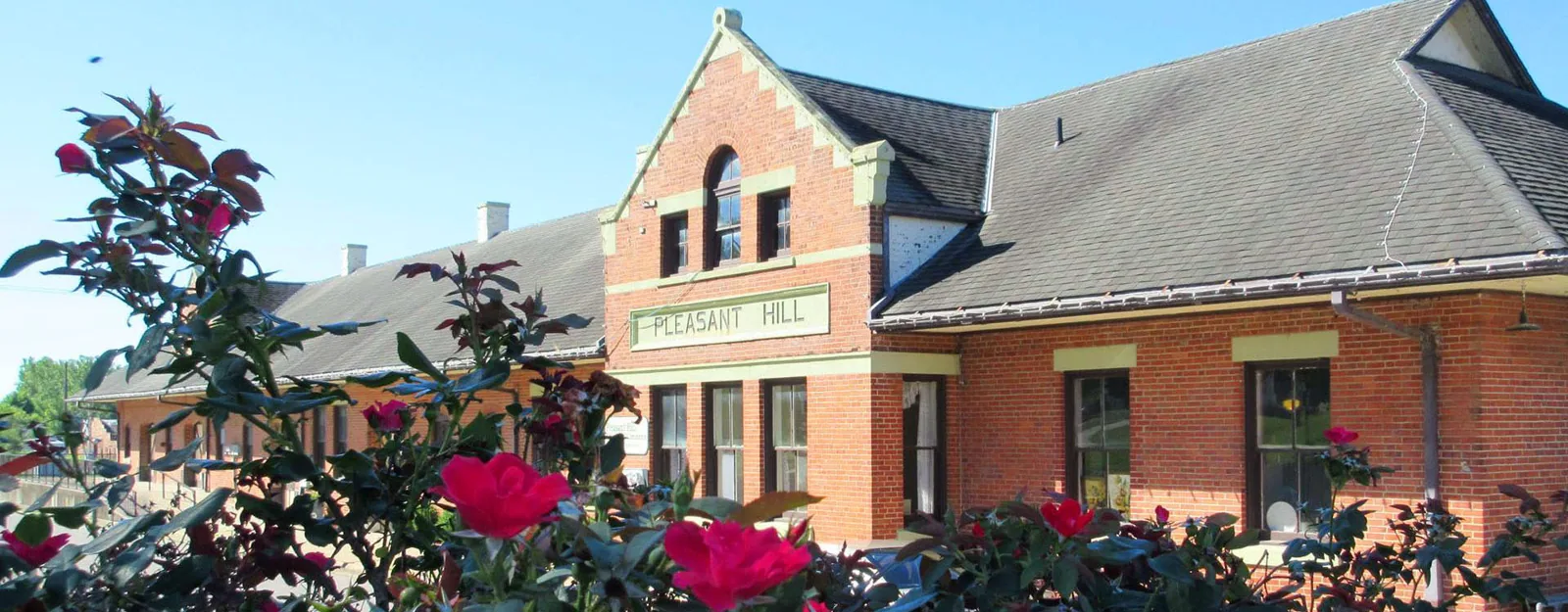
For buildings near Pleasant Hill, Missouri, the campus includes a public-safety and transportation training complex. The place's program gives context for coordinating work zones and access, not a basis for any claim about its roof. We inspect each building and map the actual foam, coating, and outlet conditions.
Restore a Sound Foam Assembly
A localized repair can remove damaged foam, rebuild the profile, and reinstate the protective coating where surrounding material remains bonded and dry. Broad delamination, waterlogged substrate, or widespread foam erosion can call for larger removal or replacement. We mark the boundary and note where test cuts are needed before pricing the final scope.
Recoat timing depends on coating condition and the foam system's maintenance requirements. Before recoating, the surface may need cleaning, drying, repair, or a primer. We test compatibility and prepare a sample area when required. A fresh topcoat cannot restore foam that has lost bond or correct inadequate slope.
Cost depends on roof area, foam depth, surface preparation, test cuts, repairs, coating type, access, masking, and weather protection. Spraying around rooftop equipment and occupied entrances requires more preparation than an unobstructed field. We identify included areas and overspray controls in the scope.
A roof condition report can map test locations, foam repairs, coating status, and drainage. Maintenance visits can then document wear, punctures, and coating loss before exposed foam takes on moisture.
Keep Foam and Coating in Service
After repair or recoat, we check the profile, coverage, adhesion, penetrations, and drains. Closeout photographs show repaired areas and any foam left under observation. That record helps the next inspection focus on the protective layer and the places where water collects.
Arrange an SPF roof inspection with Commercial Roofing Independence. We will test the foam and coating, check slope and drainage, and define restoration work from the assembly condition.
Commercial Roofing Questions
Can spray foam roofing be repaired after a puncture?
A localized repair can work when the surrounding foam remains bonded and dry. We remove damaged material, rebuild the profile, and restore the protective coating.
What does the coating do on an SPF roof?
It protects the foam from ultraviolet exposure and weather. We inspect coverage and adhesion because exposed or cracked coating can leave the foam vulnerable.
Can you recoat an SPF roof without replacing the foam?
Recoat is suitable when the foam and substrate remain sound. We test adhesion and moisture, repair defects, and confirm the new coating is compatible.
How do you prevent spray from reaching equipment or cars?
We plan wind conditions, masking, exclusions, air-intake protection, and staging before application. The work proceeds only within the approved site controls.
Will more foam fix standing water?
Additional foam can change slope when designed to route water to a working outlet. We measure elevations and check drainage before building up a low area. Additional foam can shape drainage only when the substrate and existing foam are sound and the design provides a clear route to drains or scuppers. We map the low area, inspect the coating and foam for separation or moisture, and check the outlet elevation before adding material. Where the deck itself has deflected or the drain is set too high, building up the surface alone can move the pond rather than remove it.