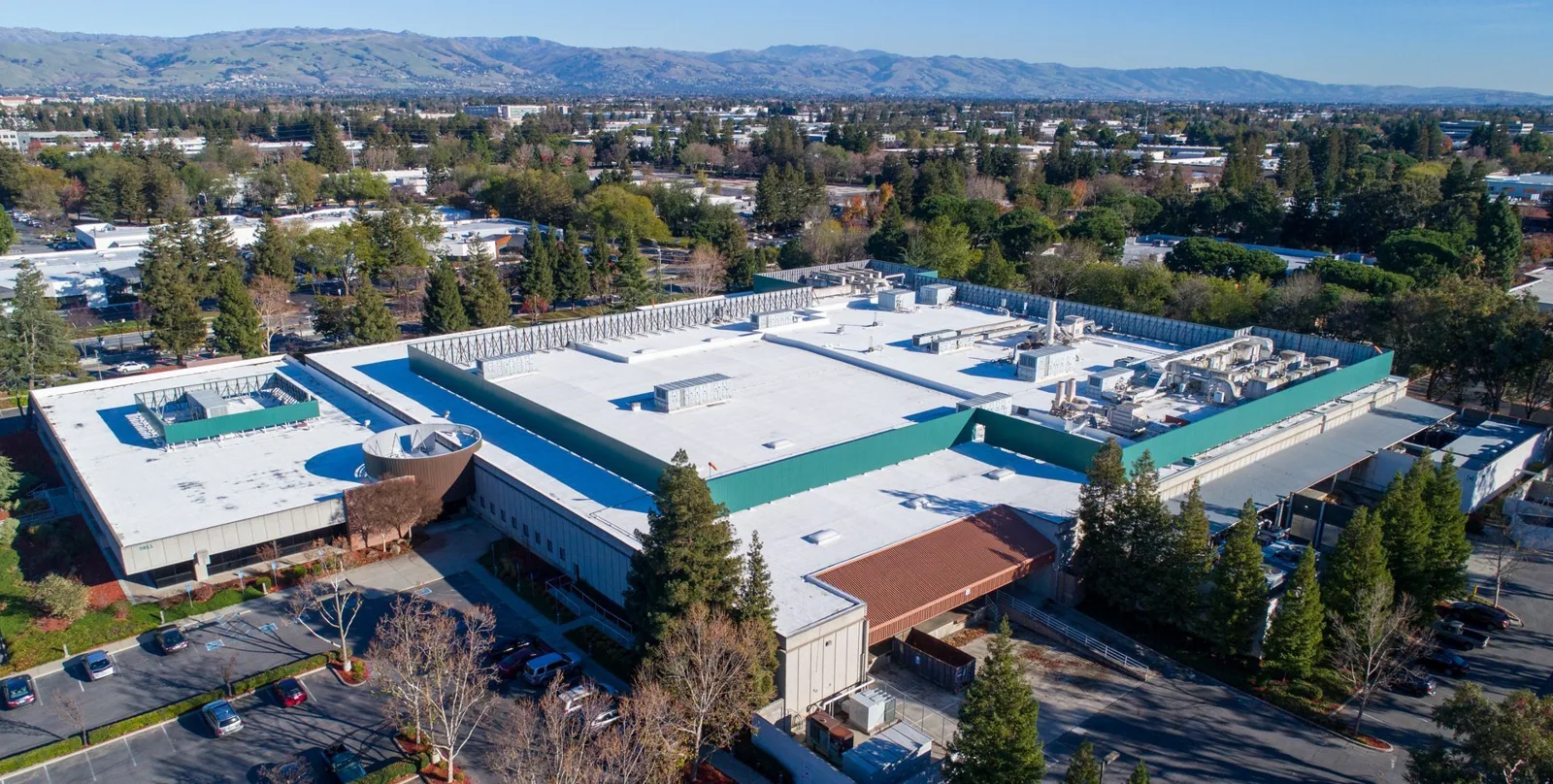
Restore a commercial roof with acrylic coating in Independence, MO after checking substrate adhesion, dry-weather conditions, slope, and flashing details.
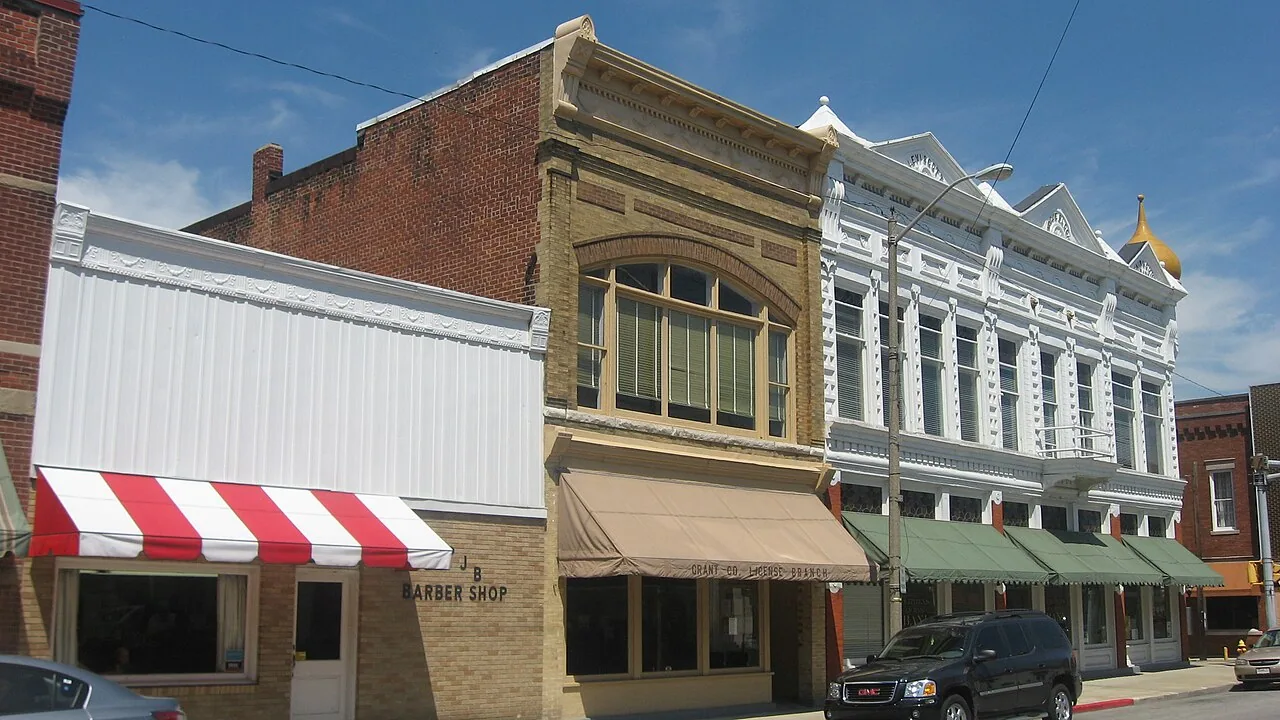
Acrylic roof coating is a water-based reflective layer applied to a compatible, prepared roof. It can restore a sound surface, but the system needs dry conditions to cure and does not tolerate standing water the same way as every other coating. We inspect the existing material, moisture, and drainage before recommending an application. In Independence, MO, the Fairmount Business District and Englewood Arts District combine commercial uses with active redevelopment. Building access and the roof's measured condition shape the work plan.
Prepare a Bondable Surface
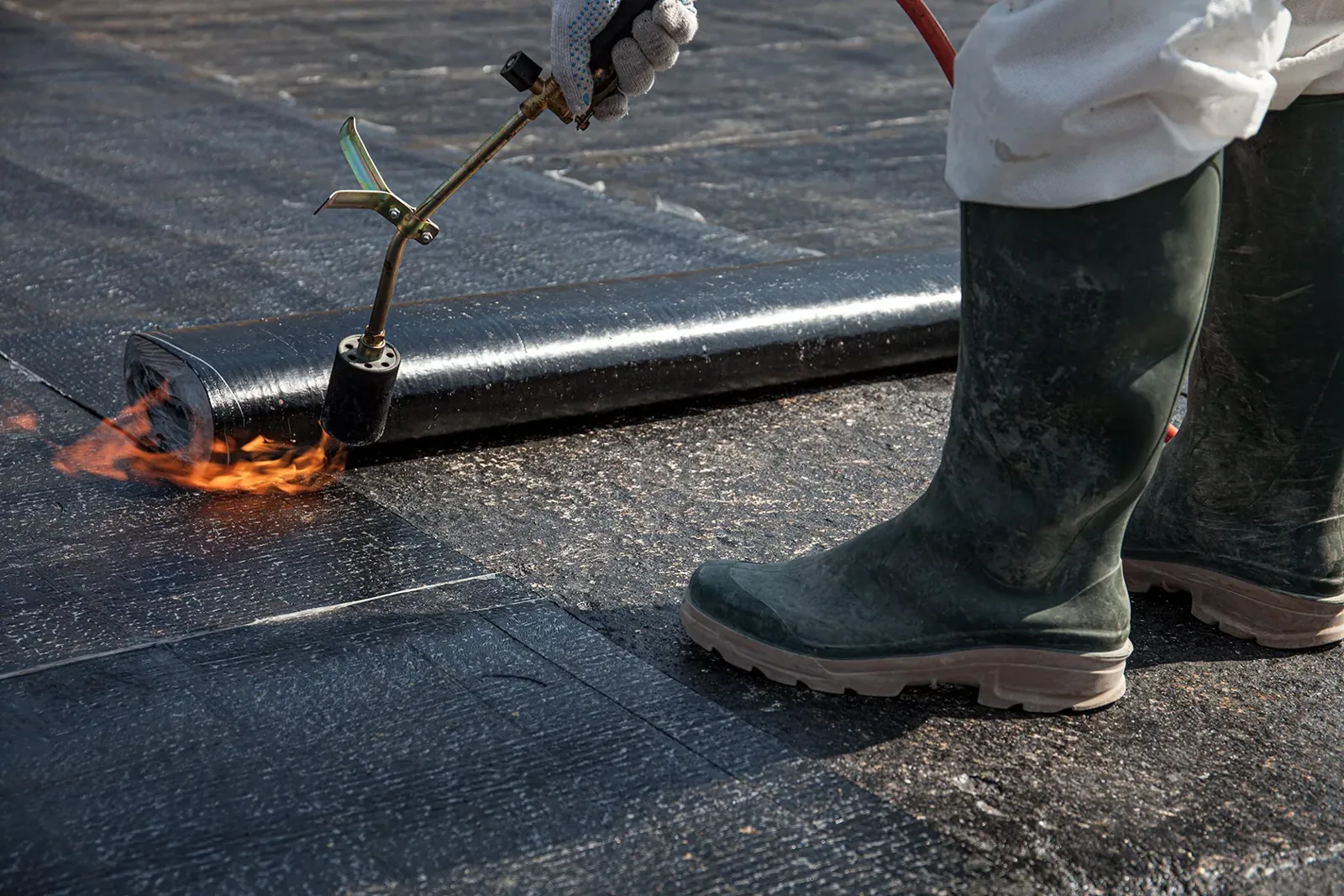
Acrylic needs a clean, dry substrate with acceptable adhesion. We identify whether the roof is metal, membrane, modified bitumen, or a previous coating. Then we remove dirt, loose material, chalking, and incompatible repairs from the test area. The selected primer and coating must bond to what remains. A product's reflective color does not make an unstable surface suitable for restoration.
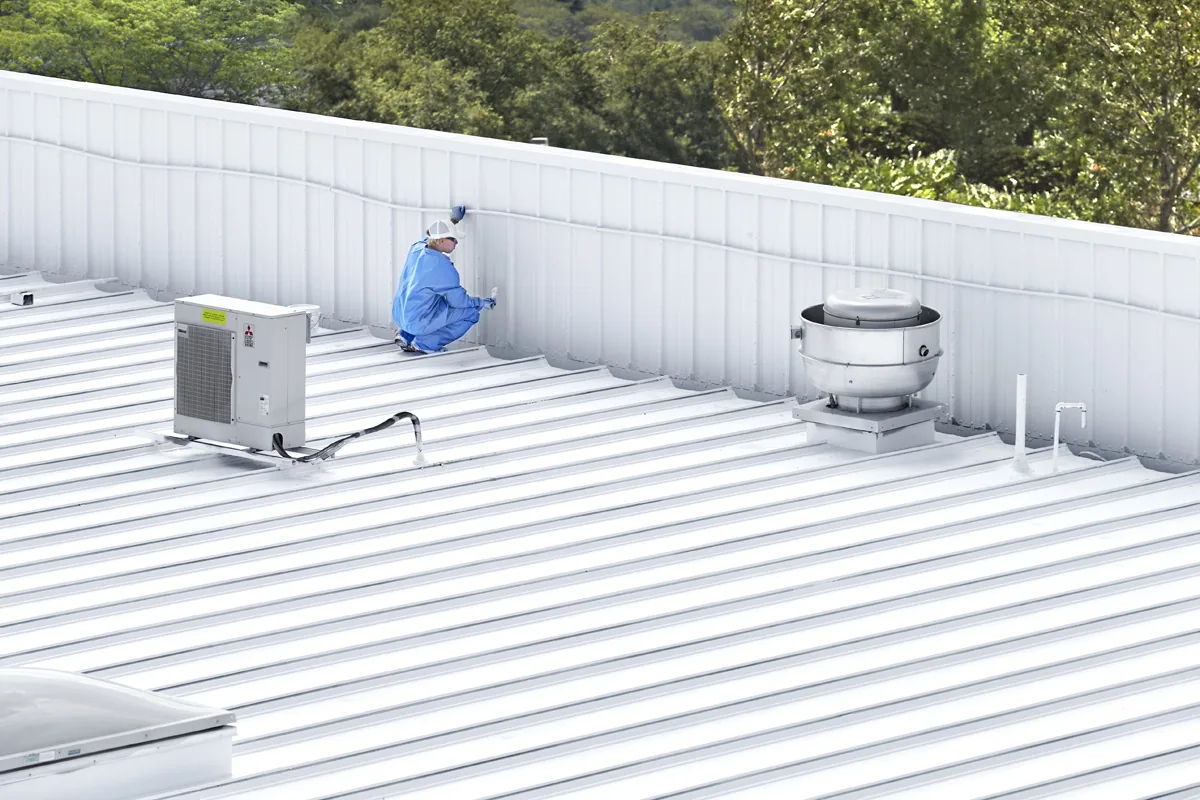
We inspect seams, fasteners, cracks, blisters, penetrations, and edge details. A coating should not be used to bridge a loose lap or conceal wet insulation. We make repairs first, then verify that the coating can cover the prepared transition without ponding against it. A test patch can help confirm adhesion when the old surface has several repair layers.
Silicone coatings handle some standing-water conditions better, while acrylic systems generally need reliable drainage and dry-down. Silicone coating and spray-foam roofing have different substrate and assembly requirements. We compare the existing roof and project objective before selecting a restoration material.
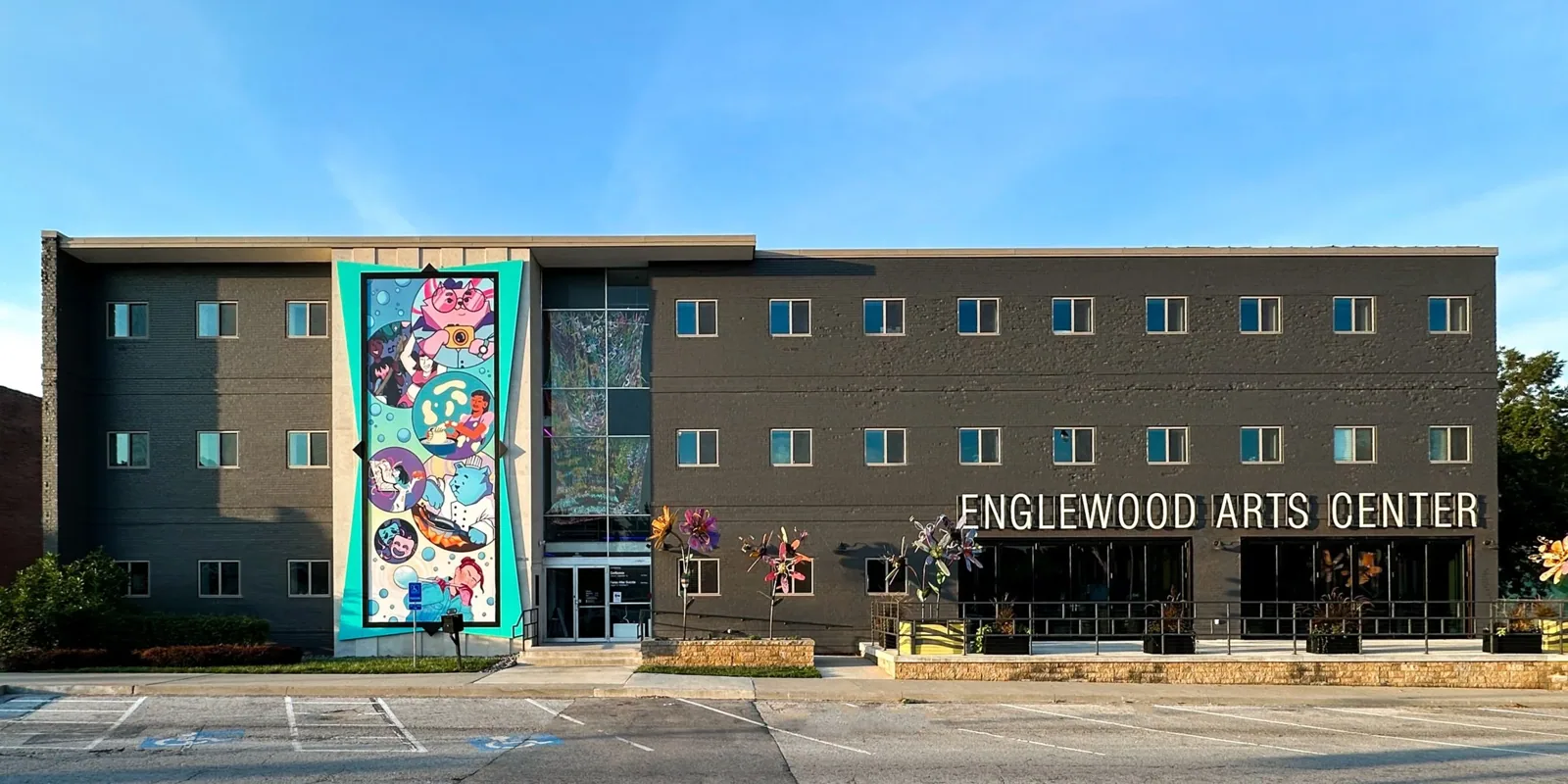
At a retail or arts property in the Englewood district, schedule and access matter while the surface is cleaned and coated. Englewood includes shops, cafes, and arts destinations. Each commercial roof still needs its own material and condition review. We identify the active work area and coordinate protection with the property contact.
Confirm Water Can Leave the Roof
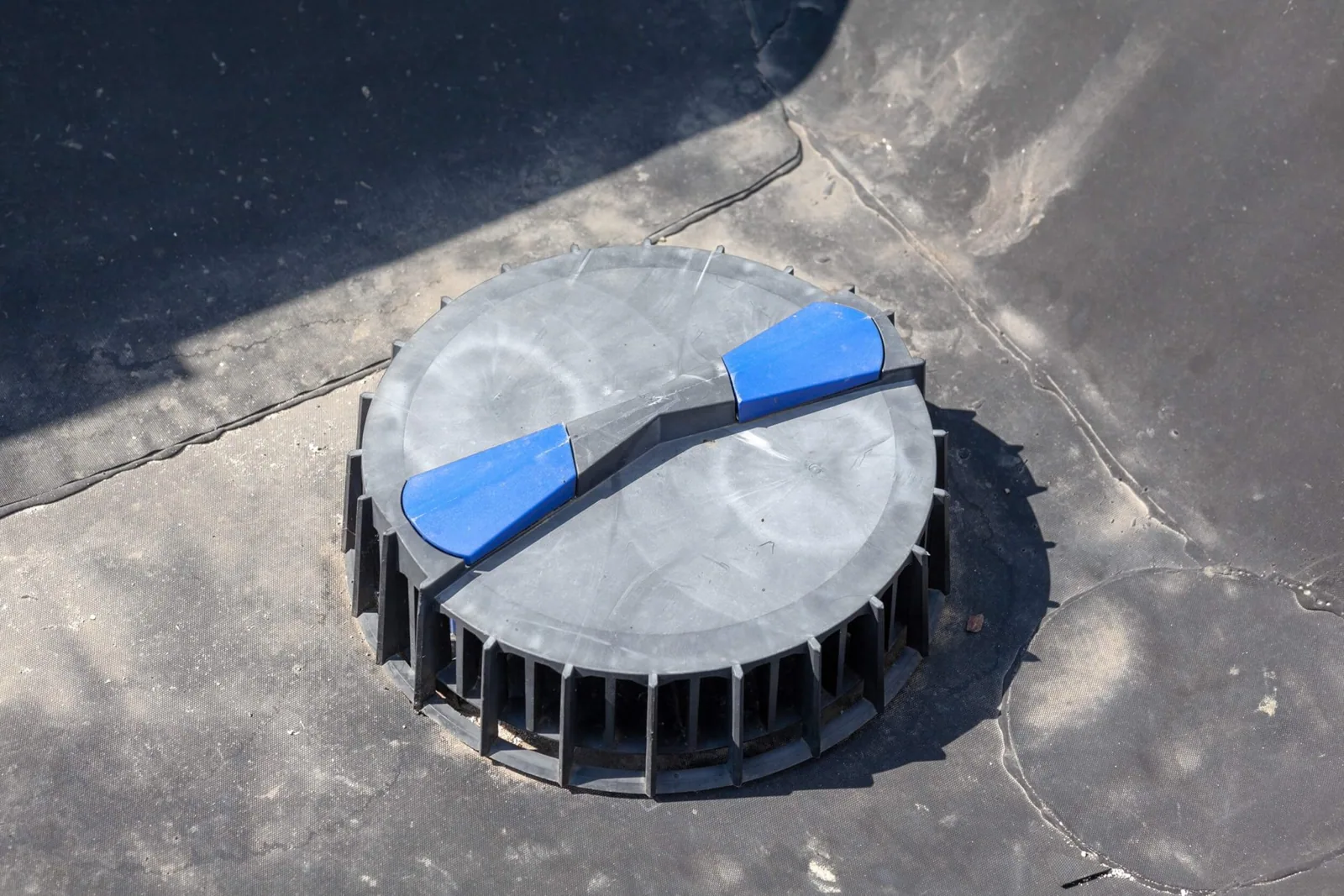
Acrylic coating needs a roof that drains as designed. Water left standing can soften or erode some acrylic systems and can hold dirt over the finished surface. We inspect low areas, drains, scuppers, crickets, and overflow paths. A coating does not raise a depressed deck or clear a blocked outlet.
Fairmount's US 24 corridor plan addresses businesses, intersections, sidewalks, and stormwater. That local planning work reinforces why surface runoff and site drainage are separate parts of a property project. On the roof, we trace water from high points to outlets and confirm where discharge goes after it leaves the membrane.
If slope or insulation must change, tapered insulation may be considered before coating. Drain and scupper repair can address outlet flashing, clamping rings, and water entry. Each measure needs a defined role; adding coating alone cannot solve a roof-deck low spot.
Independence's metro climate includes cold winter periods and warm summer application windows. Kansas City January normals show a low near 20 degrees, and July's normal high is around 89. Acrylic application and cure depend on surface temperature, humidity, and forecast conditions, so we schedule coating when the selected system can dry within its requirements.
Control Coverage and Cure
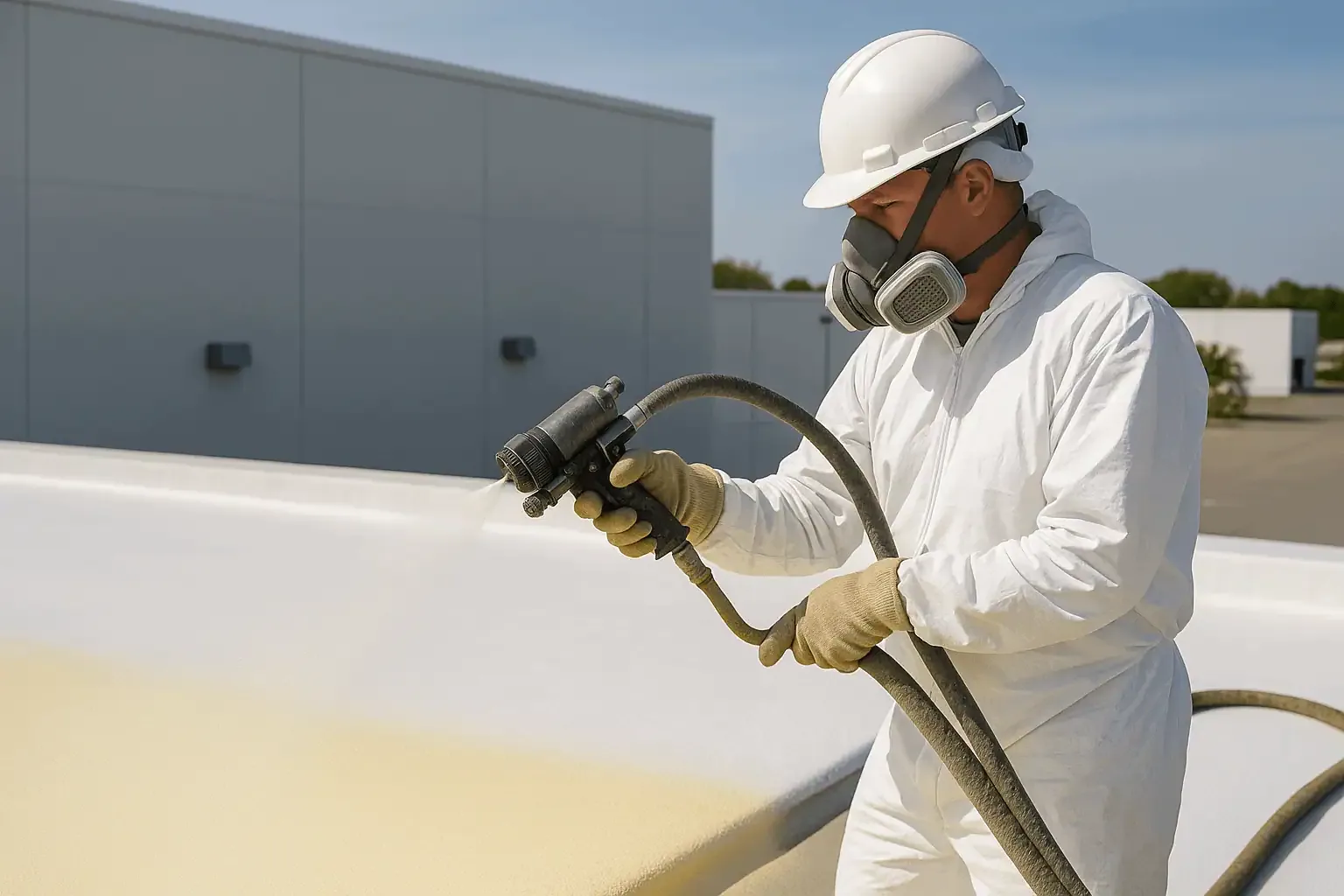
Application thickness affects how the coating protects the roof. We calculate material needs against roof area and specified coverage, then watch wet-film build during the work. Rough surfaces, fasteners, and details can receive less material than the open field. The crew checks those locations and records coverage as required by the project.
Water-based coating needs enough time to dry before rain or freezing conditions. Dew, high humidity, and a cold substrate can extend cure. We inspect the forecast and roof temperature, then limit each day's area to what can be safely completed. If a change in weather threatens the uncured surface, the crew follows the product's protection requirements.
Overspray control matters around air intakes, equipment, parked vehicles, walkways, and adjacent buildings. We mask exposed surfaces and set a work boundary before spraying or rolling. In the Fairmount Business District, US 24 carries commercial activity alongside roadway and sidewalk improvements. At a retail property there, we confirm the delivery route and pedestrian plan before coating work begins. A project at any active retail location needs a confirmed delivery route and pedestrian plan.
Reinforcement may be specified at cracks, seams, or transitions. Fabric and coating must be embedded as designed, with edges fully covered. We inspect terminations at curbs, walls, drains, and edge metal rather than treating the coating field as the whole roof.
Set the Restoration Limit
Acrylic can be a fit when the roof is attached, dry, and compatible, and when water drains from the surface. Broad wet insulation, recurring leaks, failed attachment, or damaged deck point to repair or replacement before coating. We document what is sound, what needs repair, and where the coating stops.
Cost depends on cleaning, repairs, primer, coating build, reinforcement, roof complexity, access, masking, and weather delays. A roof with numerous penetrations and edge changes takes more preparation than a clear field. We include test areas and identify concealed conditions that could change the application limit.
A coating-restoration inspection can compare acrylic with other compatible systems, patching, and replacement. A condition report can preserve adhesion tests, drainage observations, and photos for maintenance.
After application, the roof still needs periodic review. Dirt, debris, ponding, mechanical work, or hail can damage the coating. Scheduled roof checks can track cracking, peeling, wear, and repaired details before exposed substrate absorbs water.
Keep the Cure Record
Closeout notes the acrylic product, application area, coverage, repairs, and weather conditions during installation. We inspect the dried surface and check drains, penetrations, and edges before releasing the work area. If the system requires another coat or a return visit, the owner can see what remains.
Arrange an acrylic coating review with Commercial Roofing Independence. We will confirm compatibility, drainage, and application conditions before setting the restoration boundary.
Commercial Roofing Questions
Can acrylic coating be applied over ponding water?
Acrylic generally needs drainage and dry-down. We inspect the low area and outlet before application and address slope or drainage defects that could keep water in place.
How long does an acrylic coating need to dry?
Dry time depends on product, coat thickness, surface temperature, humidity, and forecast. We plan application to meet the selected system's cure requirements.
Can acrylic coating go over a metal roof?
It can be considered when the panels and fasteners are sound and the product is approved for that substrate. We prepare test areas and repair loose seams before coating.
Does acrylic coating cover failed seams?
A coating is not a substitute for seam repair. We secure or reinforce defects as specified before applying the surface layer. Not reliably. Seams and penetrations need repair with compatible detail materials before field coating begins. The inspection should test adhesion, check for moisture below the surface, and confirm drainage. A coating applied over an open lap can bridge the defect temporarily while water continues to enter beneath the system. Check the surface again after repairs and primer have cured so the coating begins on a stable base, not over a moving joint.
What does a coating inspection include?
We identify the existing roof, check adhesion and moisture, map drainage, inspect flashings, and define repair and application limits. The review starts with adhesion, surface cleanliness, existing coating condition, and the membrane or metal below. We check seams, fasteners, penetrations, edge transitions, and drainage before deciding whether the roof can be coated. Wet insulation, active leaks, or a weak substrate need correction first. The scope should identify repairs and preparation separately from coating area so the application does not hide defects that remain underneath.