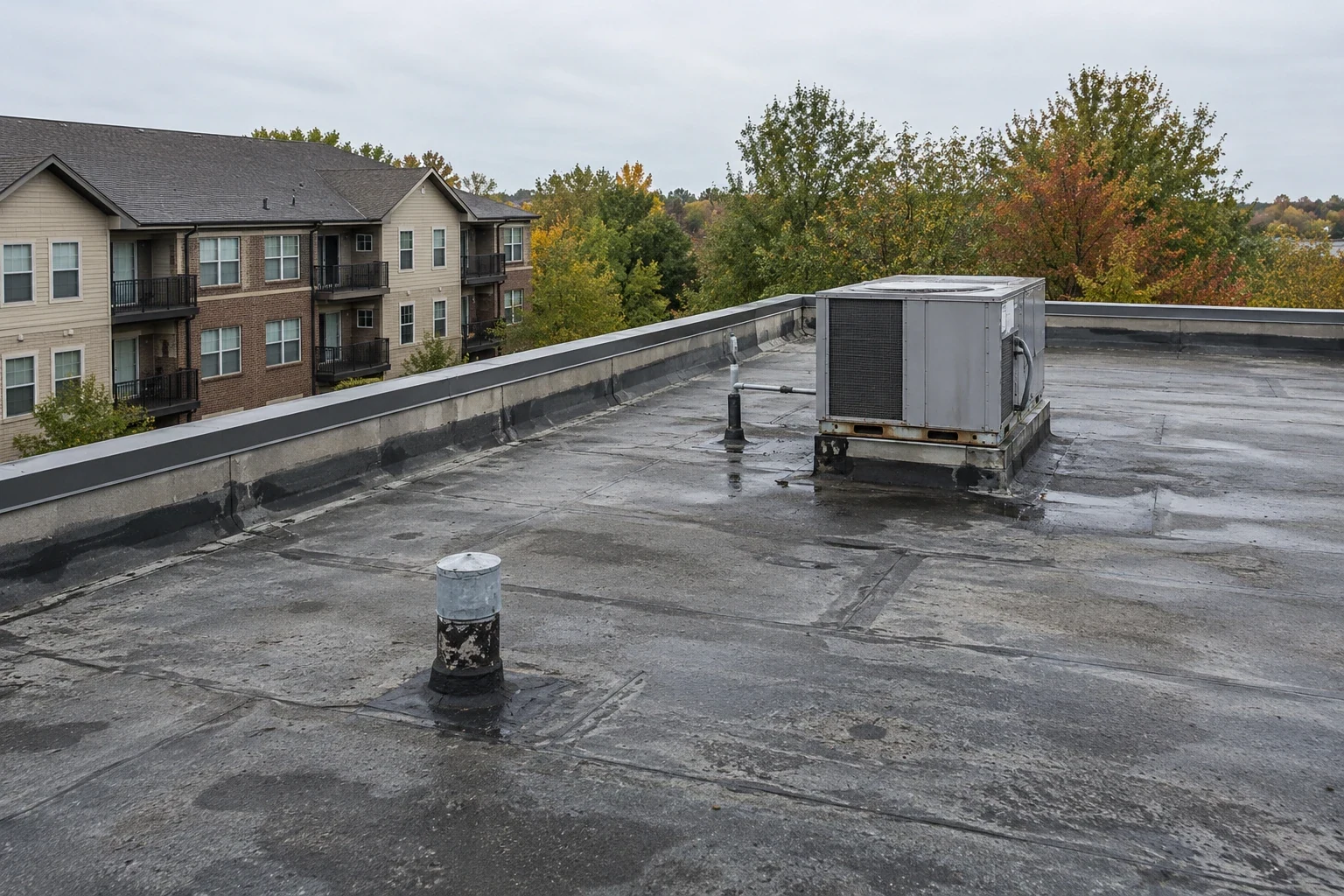
Plan apartment roof repair in Independence, MO with resident access, plumbing stacks, drainage, and documented phasing for occupied units.
Apartment roof work affects several occupied units at once, so a leak report needs a building-level investigation. Water may move from a roof penetration across insulation before it reaches a ceiling in one apartment. In Independence, MO, the Benton neighborhood contains a mix of older homes and postwar construction, while Englewood and Procter include housing dating largely from the 1910s through the 1930s. Those neighborhood facts describe local building context, not apartment roof assemblies. We inspect each property and trace the actual water path.
Coordinate Occupied Units
The property manager identifies affected apartments, access needs, and any rooms that require advance notice. We record where water appears and whether the report followed rain, plumbing work, or equipment service. Then we inspect the roof above and around those units. The visible ceiling mark can sit away from the entry point. A roof sketch ties each report to drains, seams, pipe boots, and wall transitions that could feed it.
Access plans should cover both the interior and the roof. We coordinate key control, ladders or roof hatch, material staging, and quiet hours with management. If work is above occupied units, temporary protection is placed before the opening. We limit removal to a section the crew can secure that day. Occupied-building reroofing can be divided by roof zone so one repair does not expose another area unnecessarily.
Trace Stacks and Roof Drains
Plumbing vents and soil stacks are frequent roof interfaces. We inspect the boot, counterflashing, fasteners, and membrane around each penetration. A cracked boot can admit rain, while an interior pipe leak may show up near the same stack. We compare the roof detail with the manager's work-order history and test the assembly where the source remains unclear. The repair needs to connect to a stable membrane and a dry substrate.
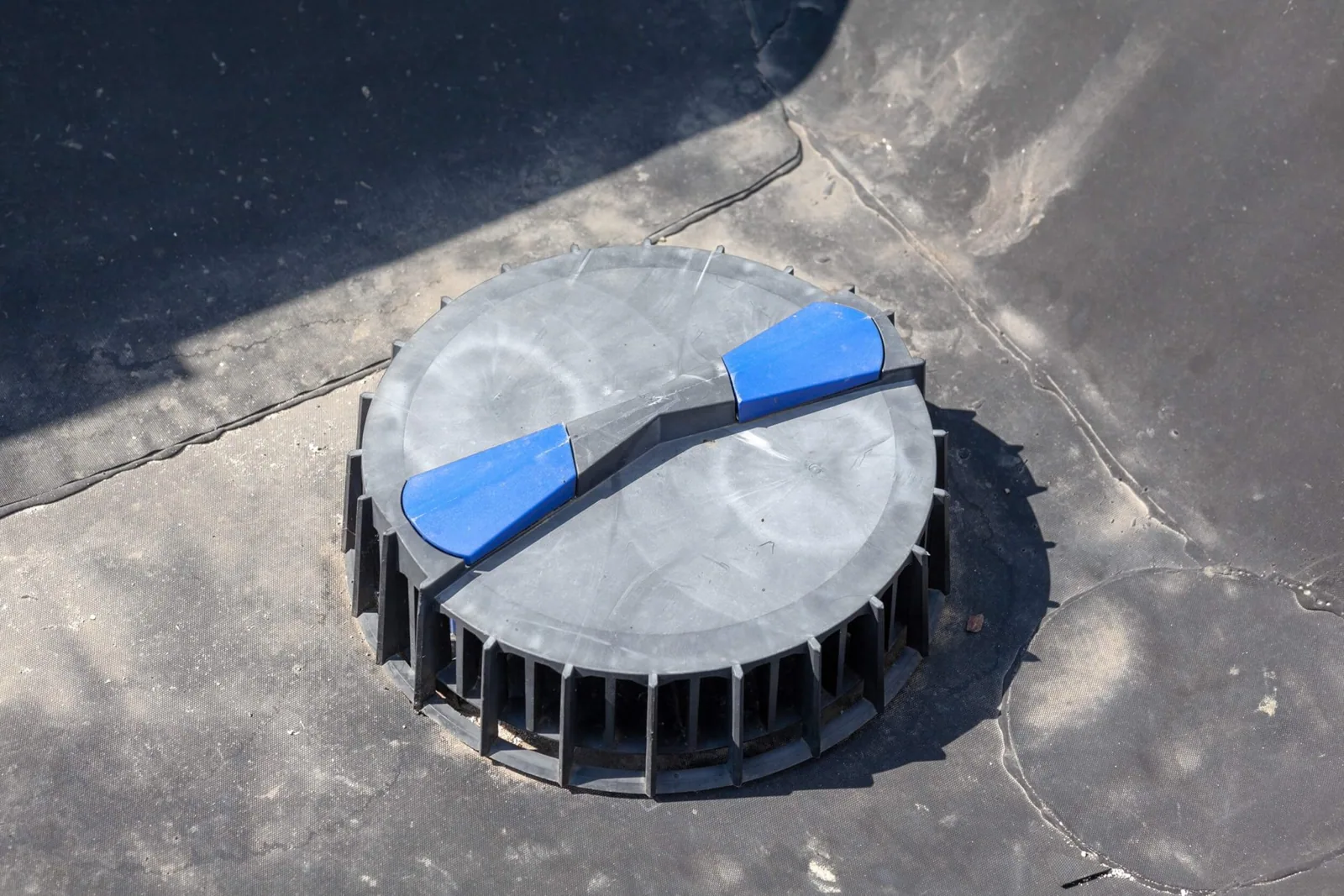
Shared drains need clear outlets and overflow paths. Leaves, debris, or a compressed roof layer can hold water near a seam. We inspect bowls, scuppers, crickets, and the low areas around equipment, then note whether the deck or insulation contributes to ponding. Drain and scupper work is coordinated with the membrane tie-in. A leak at one stack and a slow drain can be separate defects; the inspection records each condition on its own merits.
Check Movement at Transitions
Apartment buildings can combine a main roof with stair towers, parapets, canopies, and later additions. We inspect where each roof plane meets a wall or another material. Thermal movement can pull on sealant and flashing through winter freezes and summer heat. We look for a split joint, loose termination, or water mark behind the counterflashing, then confirm that the substrate will hold a replacement detail.
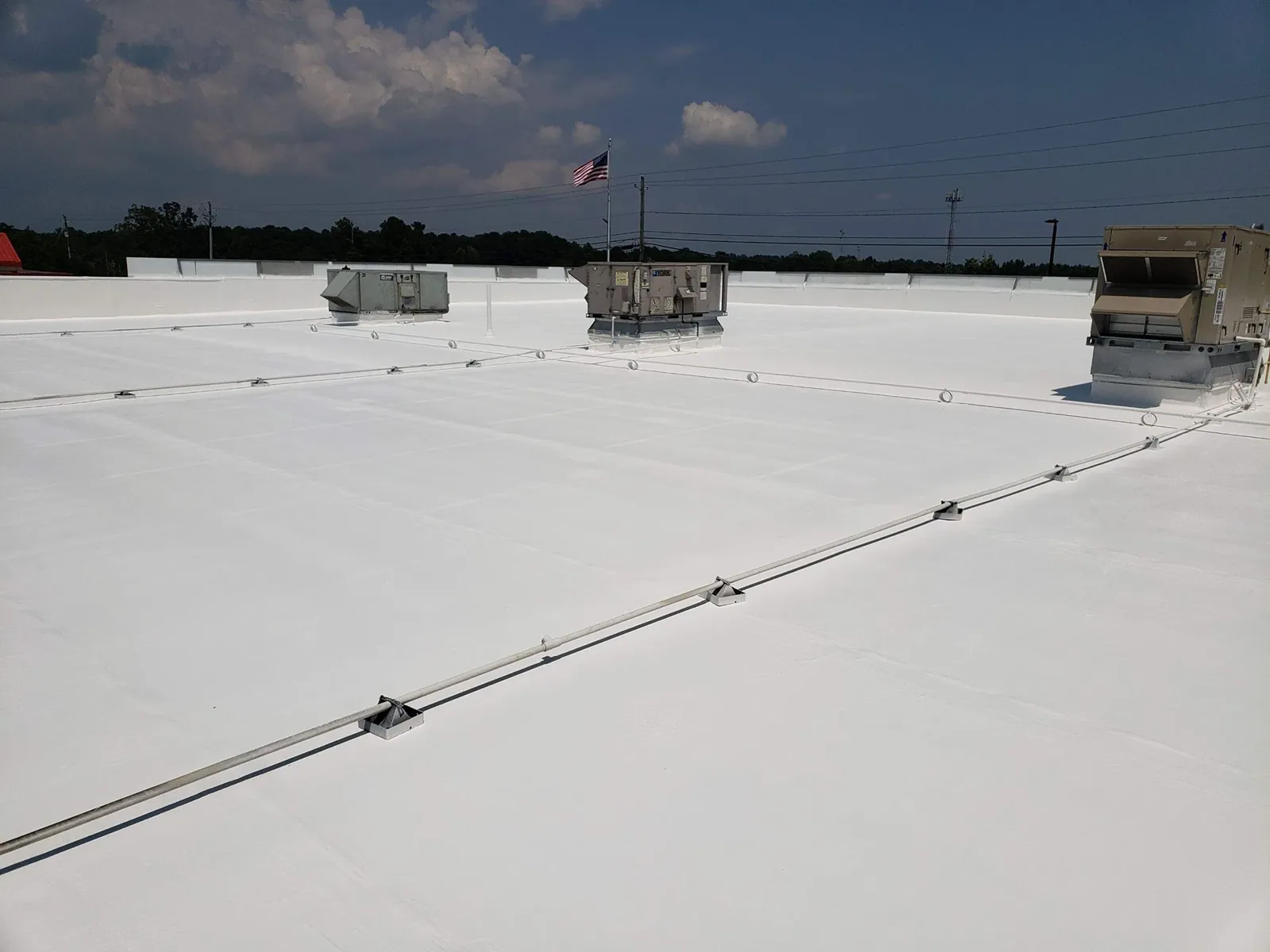
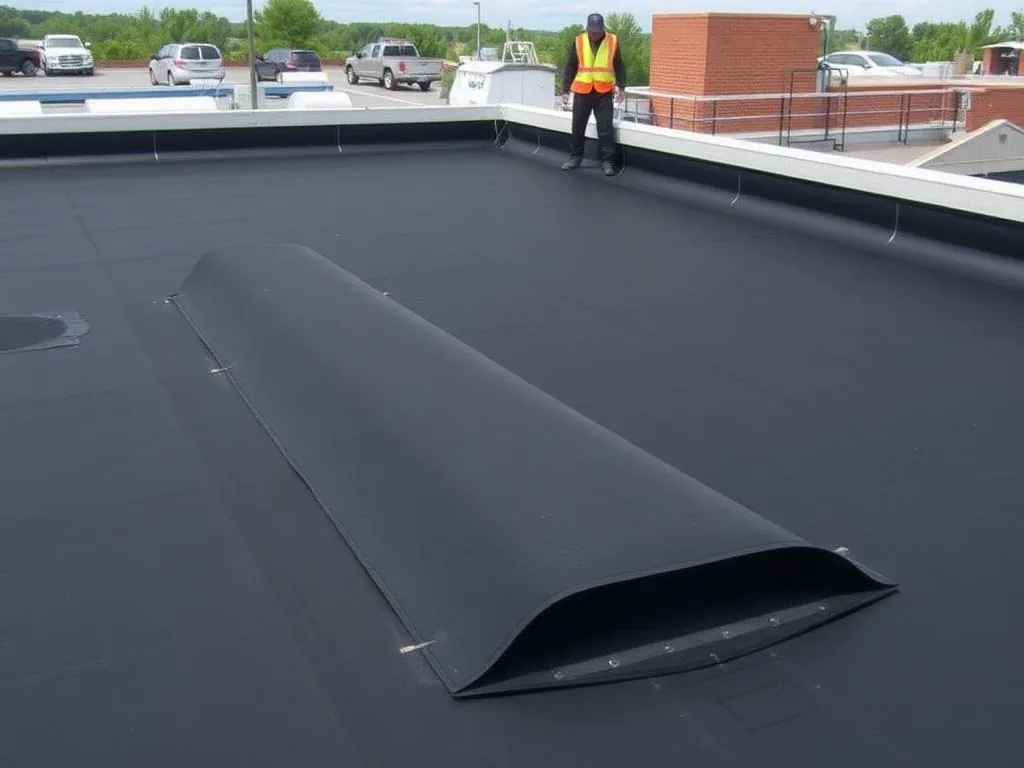
Material compatibility also matters where repairs have accumulated. An old coating, patch, or prior repair may not accept a new product. We identify the surface and prepare a test area if the bond is uncertain. A rubber membrane uses different flashing details from other roof systems. Where a neighboring office property or hotel building shares a manager's portfolio, the records can use a common format while keeping the assembly findings separate.
Use Neighborhood Context Precisely
Independence's neighborhood resources describe varied residential construction. Benton includes surviving nineteenth-century homes, worker cottages, bungalows, and postwar houses. Englewood and Procter have a different mix of early twentieth-century styles. That context does not tell us an apartment building's age or roof type. For multifamily work, we use local building context to plan tenant communication, then confirm actual access, drainage, and assembly conditions on the property.
Weather adds a regional stress cycle. The Kansas City record uses airport observations, with winter freeze exposure and summer heat affecting roof materials across the metro. It is not a reading on a particular apartment roof. We inspect for the evidence: lifted edges, open laps, brittle flashing, or a patch that has lost adhesion. A condition report lets management compare those findings with tenant reports and earlier repairs.
Set the Repair Extent
Localized work is appropriate when the membrane remains attached around the leak and the substrate is dry. Repeated reports in separate units can indicate a larger roof area or a shared drainage problem. We map each report and inspect the related roof plane before defining removal. If moisture extends into insulation or the deck is deteriorated, a small patch may conceal the cause. The owner receives photos and the test locations behind the recommended scope.
Price and timing change with the number of roof zones, tenant notices, interior protection, plumbing coordination, and tear-off depth. We describe those drivers so management can plan access and resident communication. The closeout record lists completed repairs and any open maintenance items. A retail roof or school roof may also be occupied during work, but multifamily phasing is set around access to individual units and shared building systems. Schedule an apartment roof review in Independence to identify the assembly, failure mechanism, and repair boundary.
Where moisture is concealed, we select test locations near the reported leak and at the apparent edge of the affected area. Each opening is photographed and closed to a secure condition. If the wet layer extends farther than expected, management receives the revised removal boundary before the crew continues. The report also notes which rooms were protected and which follow-up repairs belong to an interior trade.
Estimate quantities identify the membrane, insulation, flashing, and metal work separately. That gives management a way to compare a limited repair with a larger renewal phase before final scheduling.
Commercial Roofing Questions
How do you protect residents during a roof repair?
Management sets notice and access requirements, and we keep the open roof area within a daily dry-in boundary. Interior protection is placed before removal over an occupied unit. We coordinate roof access, noise windows, and the route for materials with the property contact.
Can one plumbing stack cause leaks in multiple apartments?
A failed stack flashing can admit water that travels across the roof layers or down a wall before appearing in more than one unit. We map each report and inspect the shared roof plane and penetration. Testing helps determine whether the reports share one source.
What if roof water and a plumbing leak look similar?
We compare the timing with rainfall and plumbing work, inspect the roof penetration and drain, and check the interior line with the property team when needed. The report separates confirmed roof moisture from an unverified source rather than assigning every stain to the roof.
When should an apartment roof be replaced instead of patched?
The decision follows moisture extent, attachment, deck condition, and repeated failures. A repair fits a dry, stable area with a clear boundary. Widespread wet insulation or recurring seam failure can support recover or replacement. We document the evidence before recommending either scope. Look at repair history, the spread of active defects, moisture below the membrane, and whether the existing system can support another layer. Repeated leaks at separate locations can signal a broader assembly problem, but age alone does not establish replacement need. We document roof zones and test openings, then compare the repair boundary with a replacement scope. Resident notice and protection plans belong in either option, especially above occupied units. A roof plan should also identify resident notices, protection for balconies, and how crews reach locked roof areas. Those logistics affect whether a repair can be completed quickly or should be combined with planned replacement work.