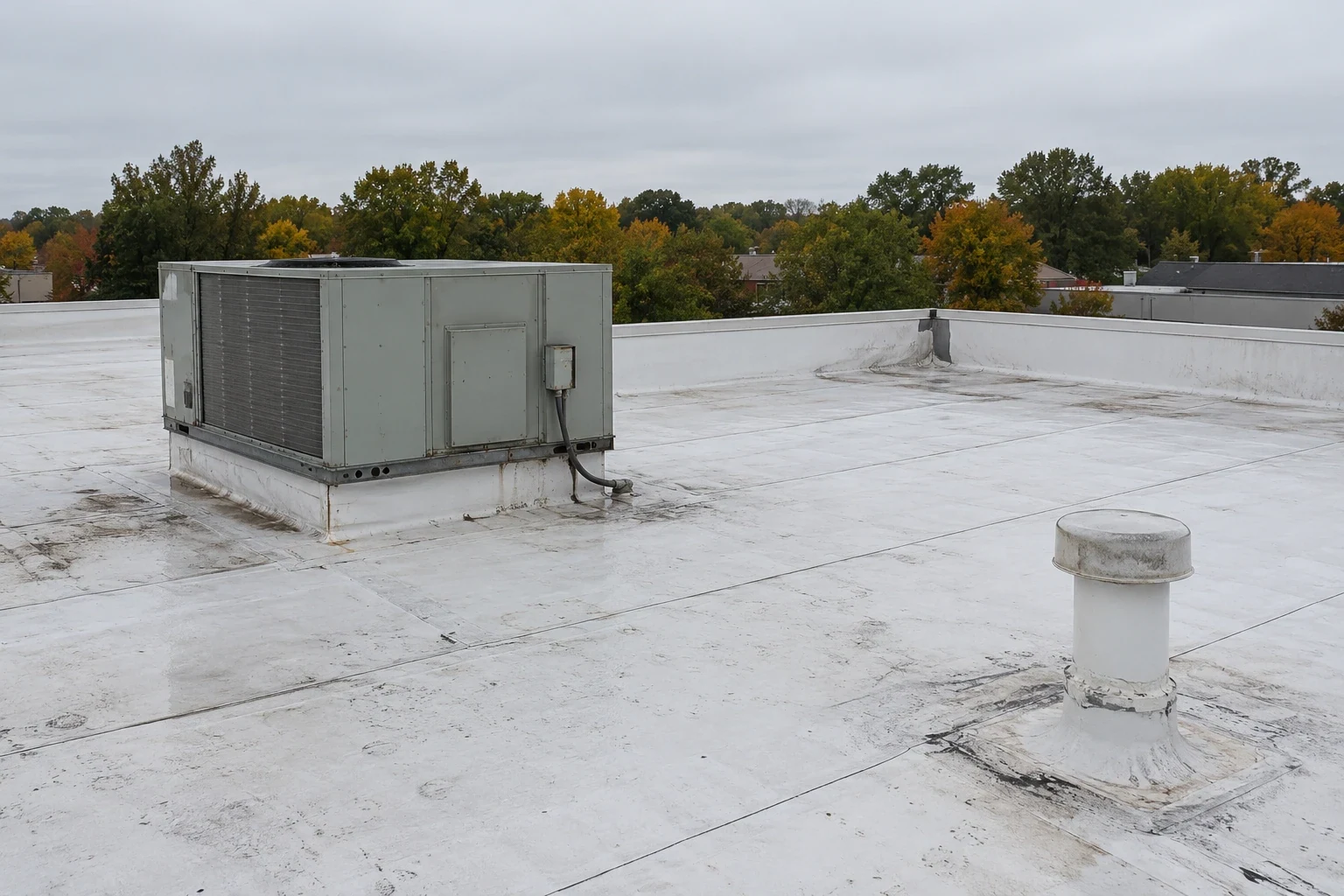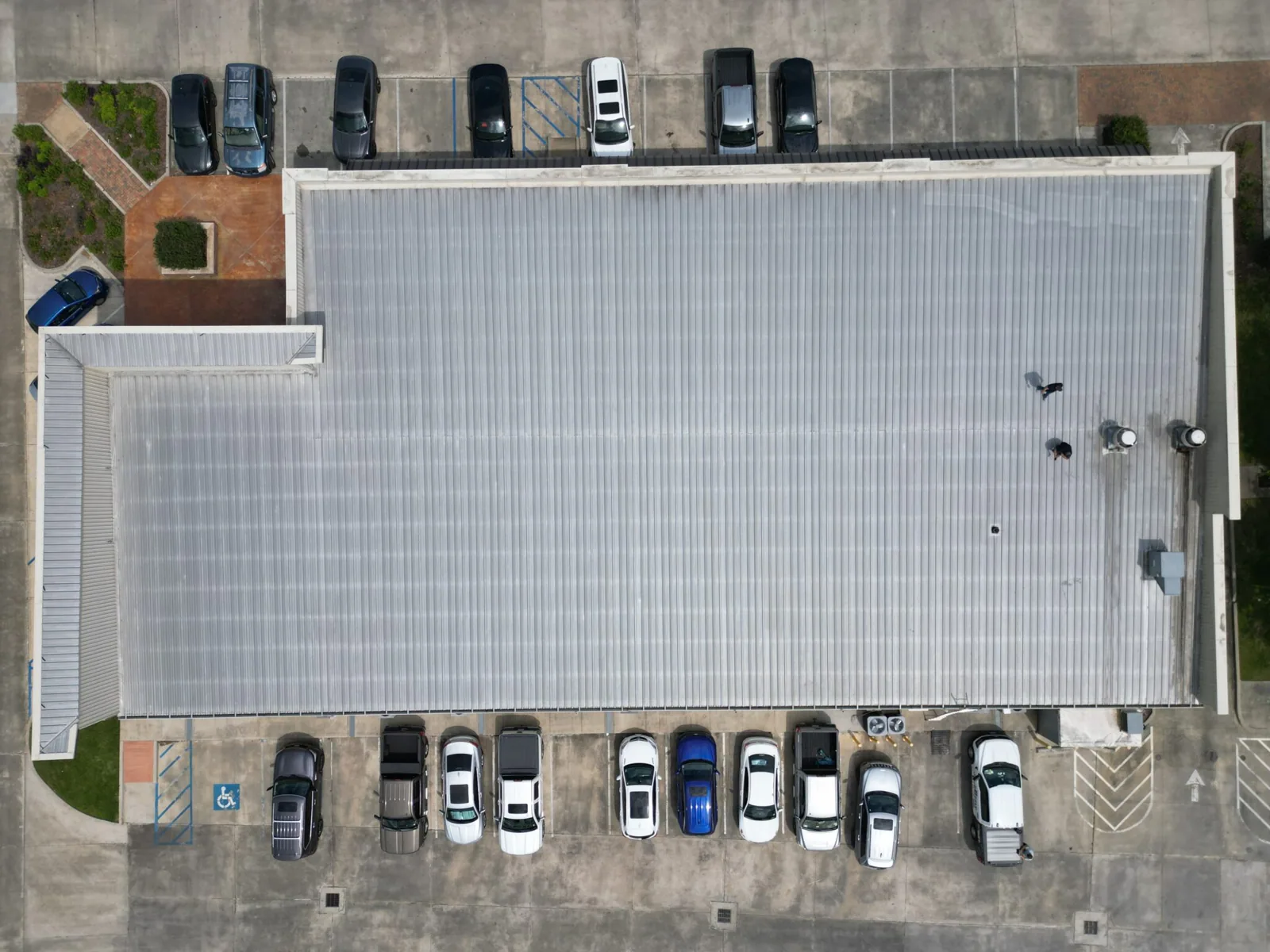
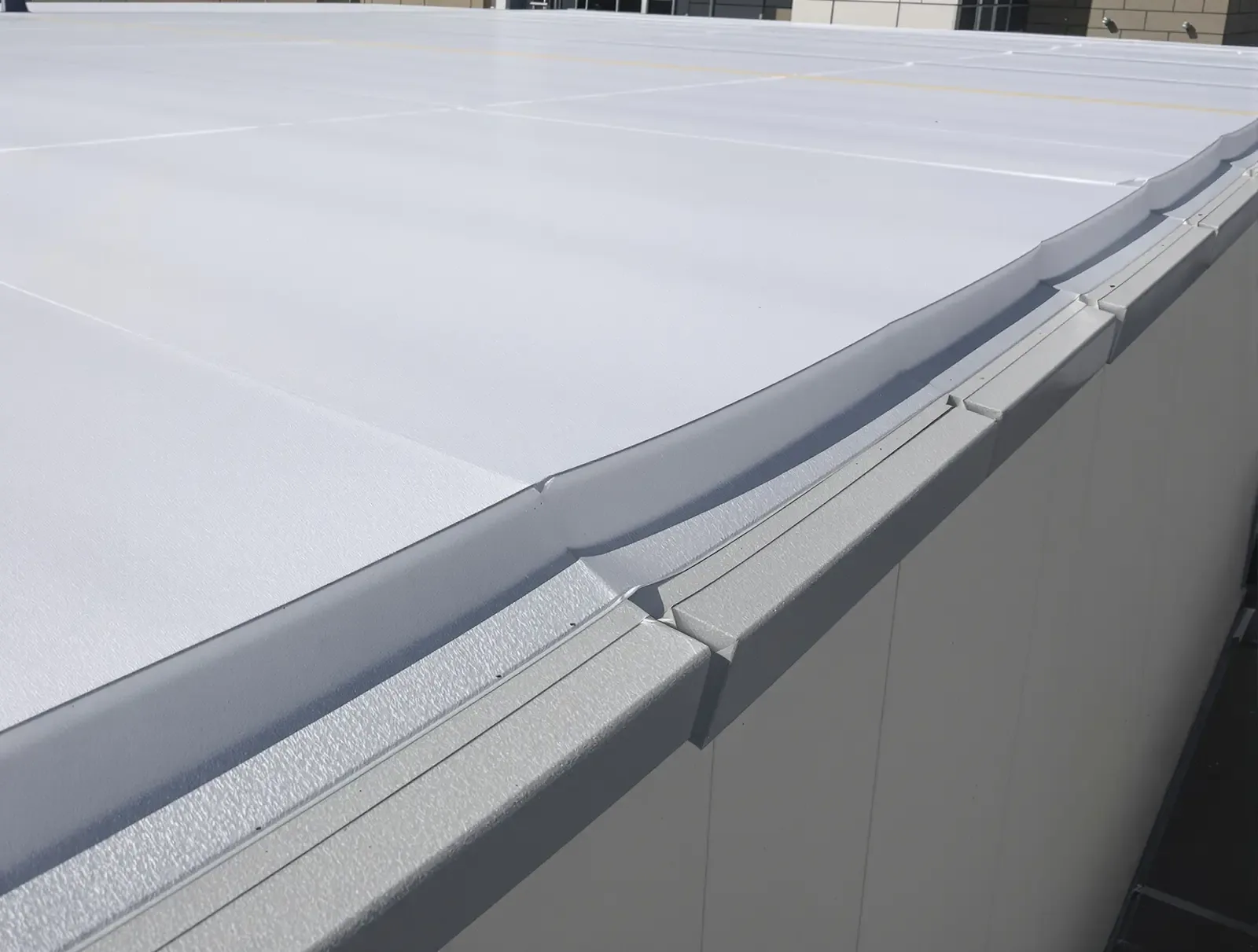
Install and repair Sika Sarnafil commercial roofing in Independence, MO with PVC membrane selection, heat-welded seam checks, and documented transitions.
Sarnafil is Sika's commercial PVC roofing line. The S 327-72 product is a reinforced thermoplastic membrane with heat-weldable seams and a factory-applied surface coating. That is useful system information, but it does not select the roof on its own. For a building near Noland Road or Centerpoint Medical Center, we inspect the deck, existing layers, drainage, and transitions before comparing a Sarnafil assembly with the project needs. Confirm who controls roof access and how the building will be protected while each section is open. An otherwise suitable product still needs a workable installation sequence and safe daily dry-in plan. Identify the person responsible for confirming section closure during every work shift on site.
Review the Membrane and Attachment
Sika lists Sarnafil S 327-72 as a 72-mil PVC membrane reinforced with polyester. The published product information describes mechanically attached applications and adhered use over approved substrates. Its seams are joined with hot-air welding. The membrane's reinforcement, surface, and attachment need to fit the roof design and exposure. Confirm the current data sheet and assembly details before writing a material specification.
Membrane choice affects more than the field sheet. Attachment determines how forces reach the deck. Sheet layout determines where seams, laps, and transitions occur. A modified assembly must account for perimeter zones, corners, curbs, drains, parapets, and penetrations. PVC roofing is a thermoplastic system, and TPO roofing is another thermoplastic category, but the formulations, product accessories, and seam settings differ.
Sika also publishes PVC system information and other commercial roofing technologies. Do not transfer a detail from one Sarnafil membrane or attachment method to another without checking that it applies. A membrane sheet that appears identical may have different reinforcement, thickness, or accessory requirements. The approved submittal should identify the exact material and configuration.
Build the Weld and Transition
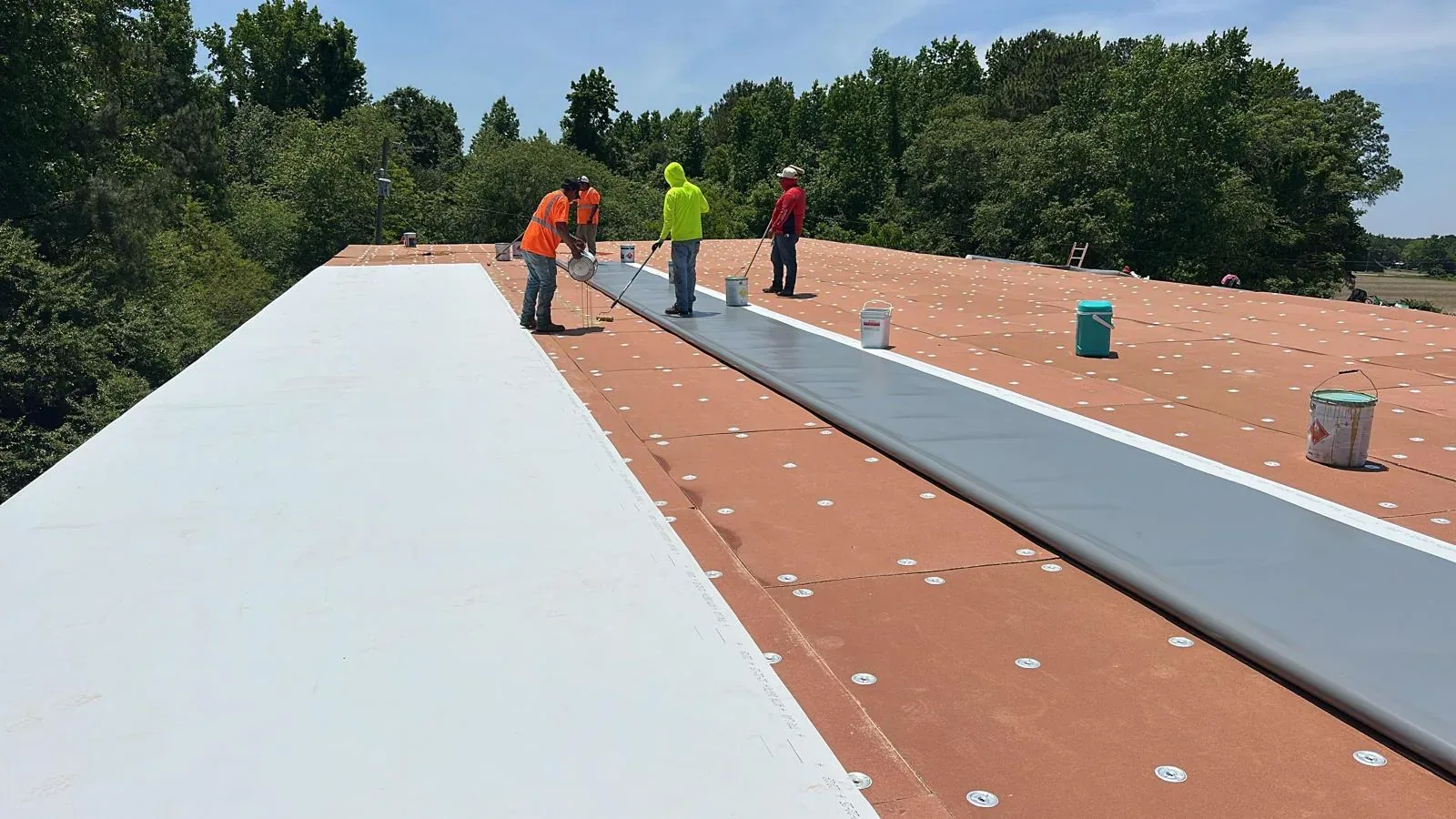
Prepare a clean, dry substrate before rolling out the sheet. Set attachment according to the approved design and manufacturer's current details. At each seam, prepare a test weld and verify settings for the day's temperature and material. Probe the cooled seam to locate voids. Corners, T-joints, terminations, and prefabricated accessories deserve close review because small gaps can open a path for water.
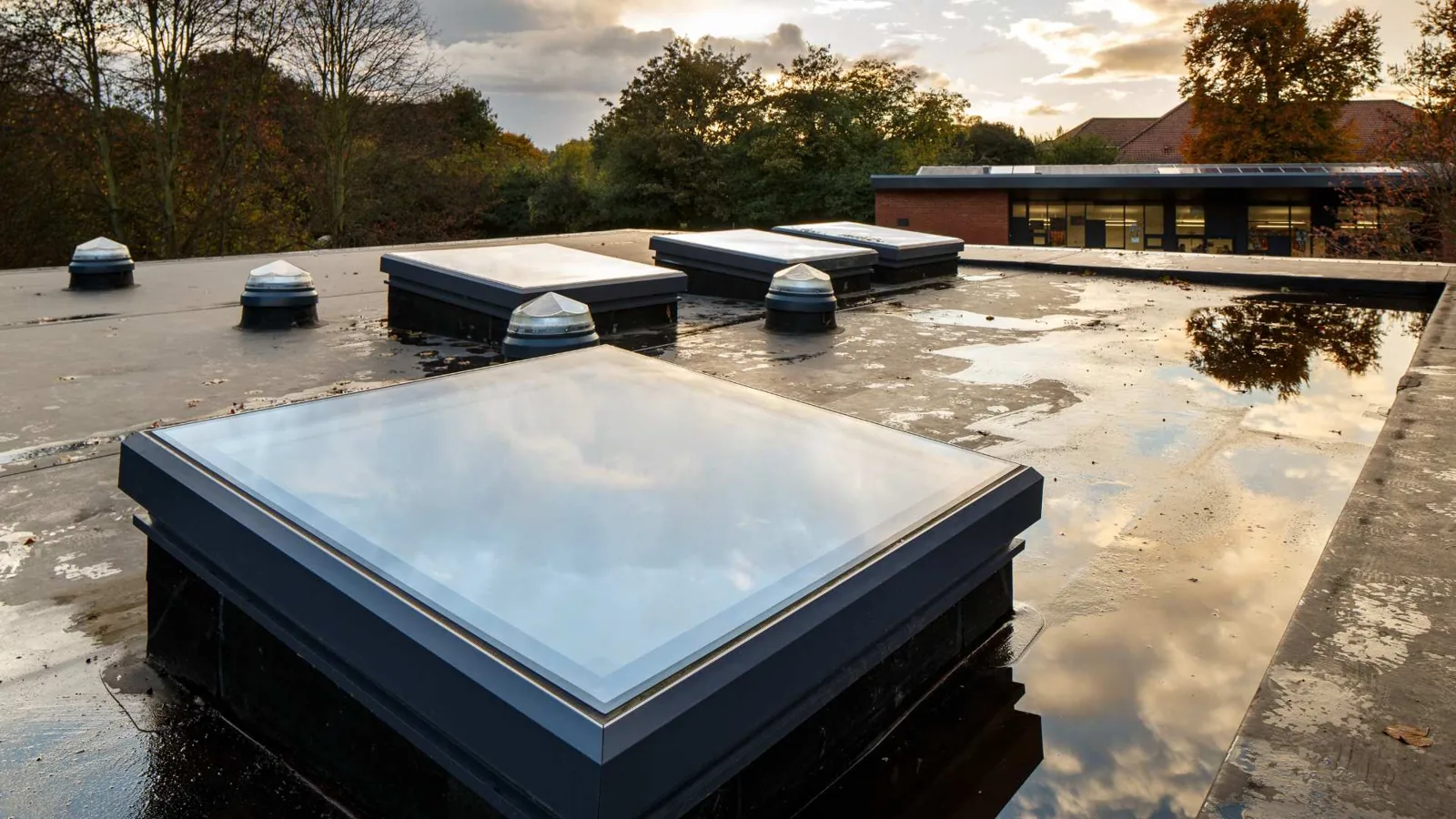
At penetrations, the field membrane joins a curb or pipe detail with different geometry and movement. The detail must extend to sound material and direct water back to the drainage plane. A strip of sealant cannot substitute for a compatible membrane tie-in where the weld or substrate has failed. Skylight and penetration flashing should use the Sika system details and suitable accessories. A seam repair needs the correct cleaning, overlap, weld width, and probe check.
Kansas City winter conditions can affect roll handling, substrate moisture, welding settings, and temporary dry-in. The January climate normal reaches a low of 20 degrees at the official airport observation site. It is not a roof-temperature reading. We verify site conditions and follow Sika's technical guidance for storage, application, and weather limits. Record which roof area is closed before moving the crew.
Check Dirt, Moisture, and Surface
Sika describes a lacquer coating on S 327-72 intended to reduce dirt pickup. Surface cleanliness still depends on roof layout, drains, nearby exhaust, maintenance traffic, and weathering. Inspect the membrane and details instead of treating the coating as a substitute for maintenance. If the surface is stained or brittle, identify the cause and check whether the membrane, weld, or substrate has changed.
The product data describes high reflectivity and reports test values for puncture, tear, seam strength, low-temperature flexibility, and UV exposure. These laboratory properties are not a field assessment of an installed roof. The roof's condition depends on age, installation, maintenance, moisture, and damage. We inspect actual seams and attachment before recommending a repair. A roof inspection can document the membrane and list test areas.
Independence's commercial uses include healthcare, manufacturing, education, and retail. Those sectors may have different access needs, but they do not establish chemical exposure or roof condition. Near Grandview, Missouri or the Independence Transit Center, confirm delivery, roof access, and interior protection with the site contact. We record those logistics without treating the location as evidence about the assembly.
Test Existing Material Before Recovery
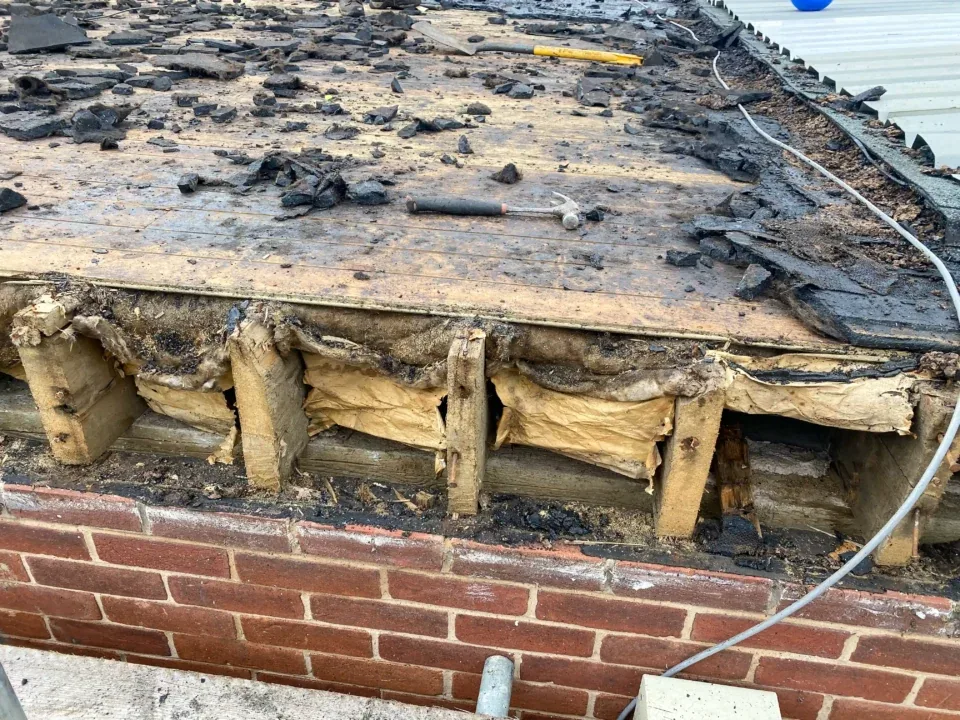
A recover may be considered over an existing roof only when that substrate and assembly meet the selected design requirements. Inspect the current surface, attachment, deck, drainage, moisture, and layers. A core sample can confirm insulation condition at a test point. If the sample is wet, expand the investigation to define its extent. A fleece or adhesive detail does not make compromised insulation suitable to remain.
Check new roof height at drains, parapets, doors, curbs, and equipment supports. Identify the existing material and any separation layer required by the project. The installation plan should show tie-ins to walls and metal and confirm that the new membrane can reach stable material. A recover assessment documents the evidence and build-up. If removal is required, set the tear-off limit and daily dry-in area before installation.
For product comparisons, review Carlisle SynTec and Johns Manville by membrane family and tested assembly, not by general brand description. Make sure the design accounts for the same deck, wind, drainage, and operating constraints when comparing options.
Keep the Project Traceable
Maintain the product data, approved system, delivered membrane identification, weld settings, test seams, substrate notes, and closeout photos with the building file. If the roof is opened and exposes a different layer, document it and get the scope resolved before covering the area. A later inspector can then identify what was installed and where testing occurred. Include the date of any follow-up seam probe, locations of repairs, and conditions that were outside the original work area. If rooftop equipment changes later, record new penetrations and service paths so maintenance staff can avoid damaging the membrane or loading a repaired detail.
Schedule a commercial roof review in Independence to evaluate Sarnafil membrane and detail options. We will confirm the existing assembly, check the substrate and transitions, and document whether repair, recovery, or replacement fits the roof condition.
Commercial Roofing Questions
What is Sarnafil S 327-72?
Sika describes it as a reinforced PVC thermoplastic membrane with heat-welded seams. The current product data identifies its approved installation methods and substrate requirements.
Can Sarnafil be mechanically attached or adhered?
Sika lists both approaches for approved assemblies. The roof deck, substrate, project design, and product documents determine which method applies. The approved method depends on the specified membrane, substrate, and assembly. Confirm the project submittal and current installation detail rather than transferring an attachment assumption from another roof. The perimeter and field need to work as one system, with secure terminations around walls, drains, and curbs. Record the chosen method in closeout documentation for future service.
How do you verify a Sarnafil seam?
We prepare a test weld, adjust settings to the material and conditions, and probe the cooled seam. Voids are corrected before that area is closed out. Allow the weld to cool, then probe the full seam with a suitable blunt tool and inspect corners and intersections separately. A visual pass from above can miss a narrow unbonded edge. The installer should confirm that the membrane and substrate were clean, dry, and set for the selected attachment method. Note any repaired sections on the roof plan so a later leak investigation can distinguish original work from subsequent patches.
Does a reflective PVC surface lower a building's energy use by a fixed amount?
No fixed result can be inferred from membrane reflectance alone. Insulation, HVAC, climate, utility rates, and building operation affect energy use.