Install and maintain Johns Manville commercial roofing in Independence, MO with assembly review, detail checks, moisture testing, and clear project records.
Johns Manville's commercial roofing range includes TPO, PVC, EPDM, SBS and APP modified bitumen, built-up roofing, coatings, and supporting components. The right system depends on the deck, drainage, existing layers, penetrations, and building operation. We document these factors before discussing membrane options so the material decision follows the roof instead of a product label. At commercial sites near Independence Square or Noland Road, we inspect the installed roof first, then compare products and details against the project conditions.
Select a System from the Assembly
JM publishes system considerations, assembly plates, fastening patterns, details, specifications, and installation guides for its commercial systems. That documentation matters because a membrane sheet is only one part of the roof. Insulation, cover board, attachment, perimeter, drains, and transitions determine how the assembly responds to water and wind. We review those components together rather than selecting a product based on a single color or thickness.
JM TPO and PVC are thermoplastic membranes joined at seams with heat welding. EPDM uses a different joining method and accessory set. Modified bitumen systems use SBS or APP formulations and can be built in plies with specified application methods. Built-up roofs and liquid-applied products add separate material and sequencing requirements. TPO systems, PVC systems, and EPDM systems should be evaluated by their intended assembly, not treated as substitutes.
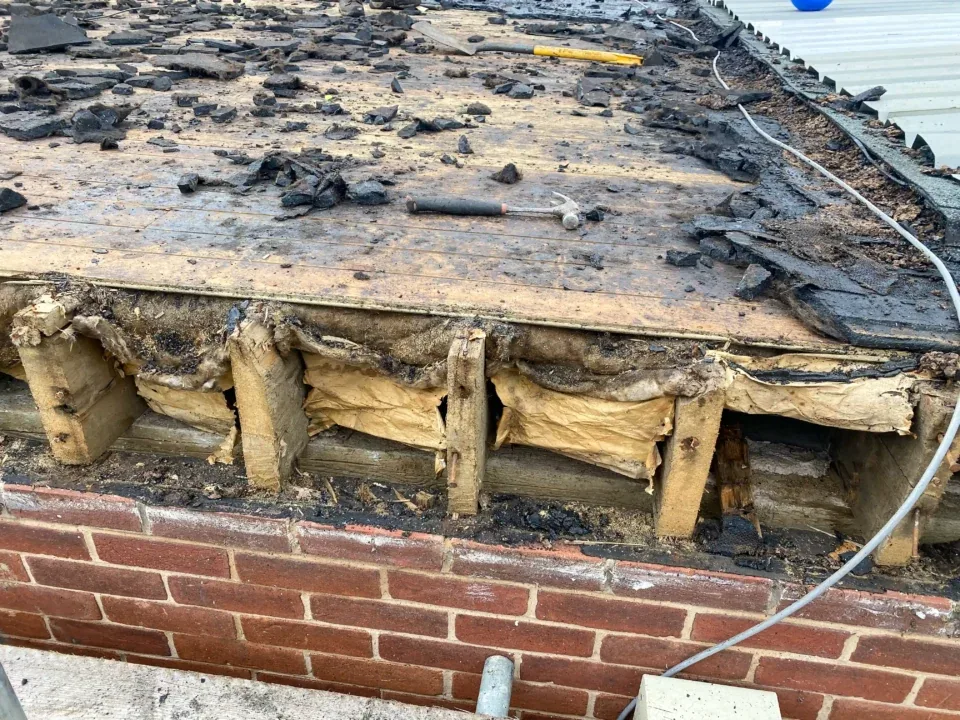
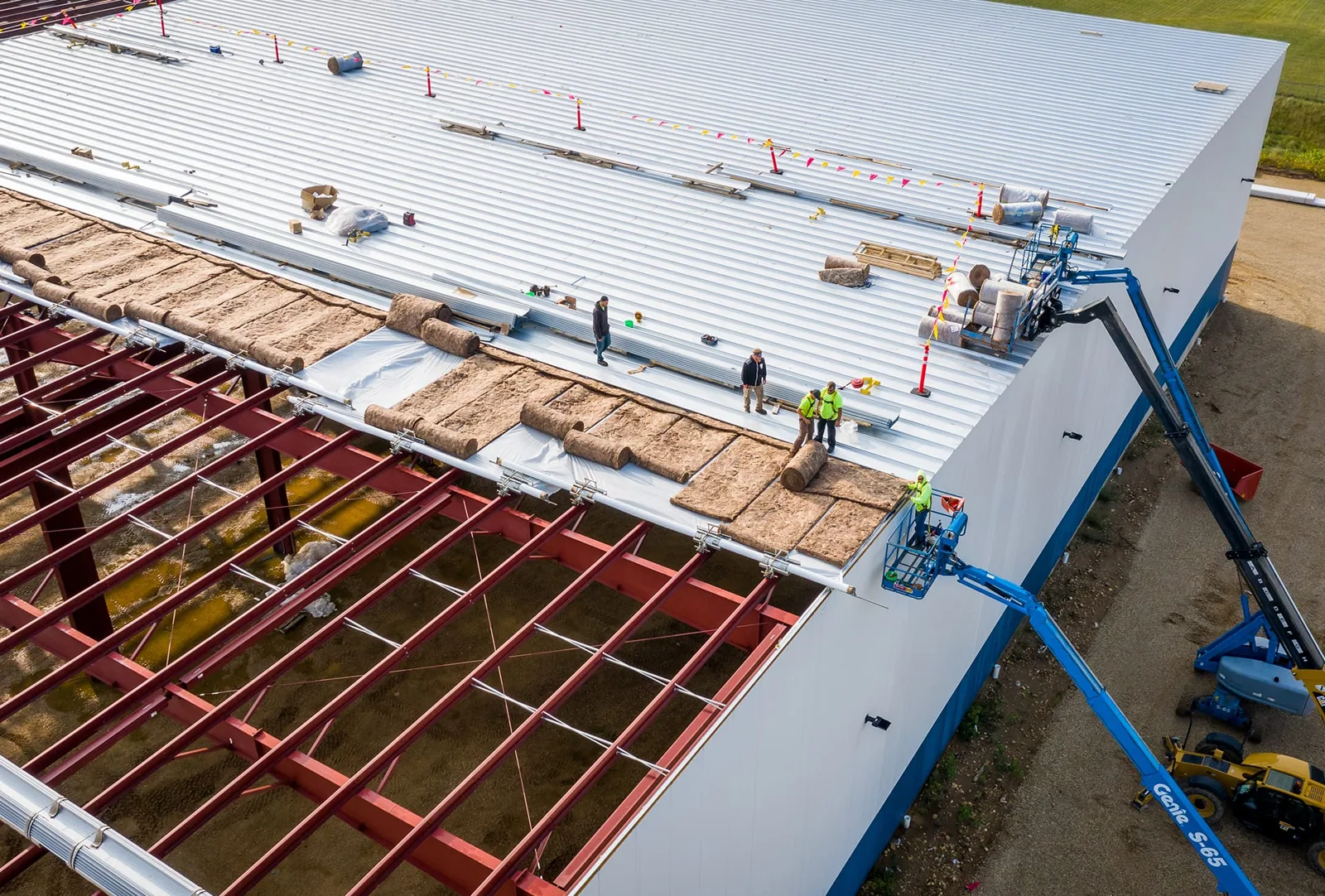
Where an existing roof is being considered for recovery, identify the substrate that will receive the new material. JM documents system combinations and accessory details. The specification must match the old layers, attachment, moisture condition, and roof geometry. Confirm the current revision and project-specific system approval before ordering membrane or insulation for the property. A surface that appears firm can conceal wet insulation. We test before closing the old roof inside a new assembly.
Use the Detail Set in the Field
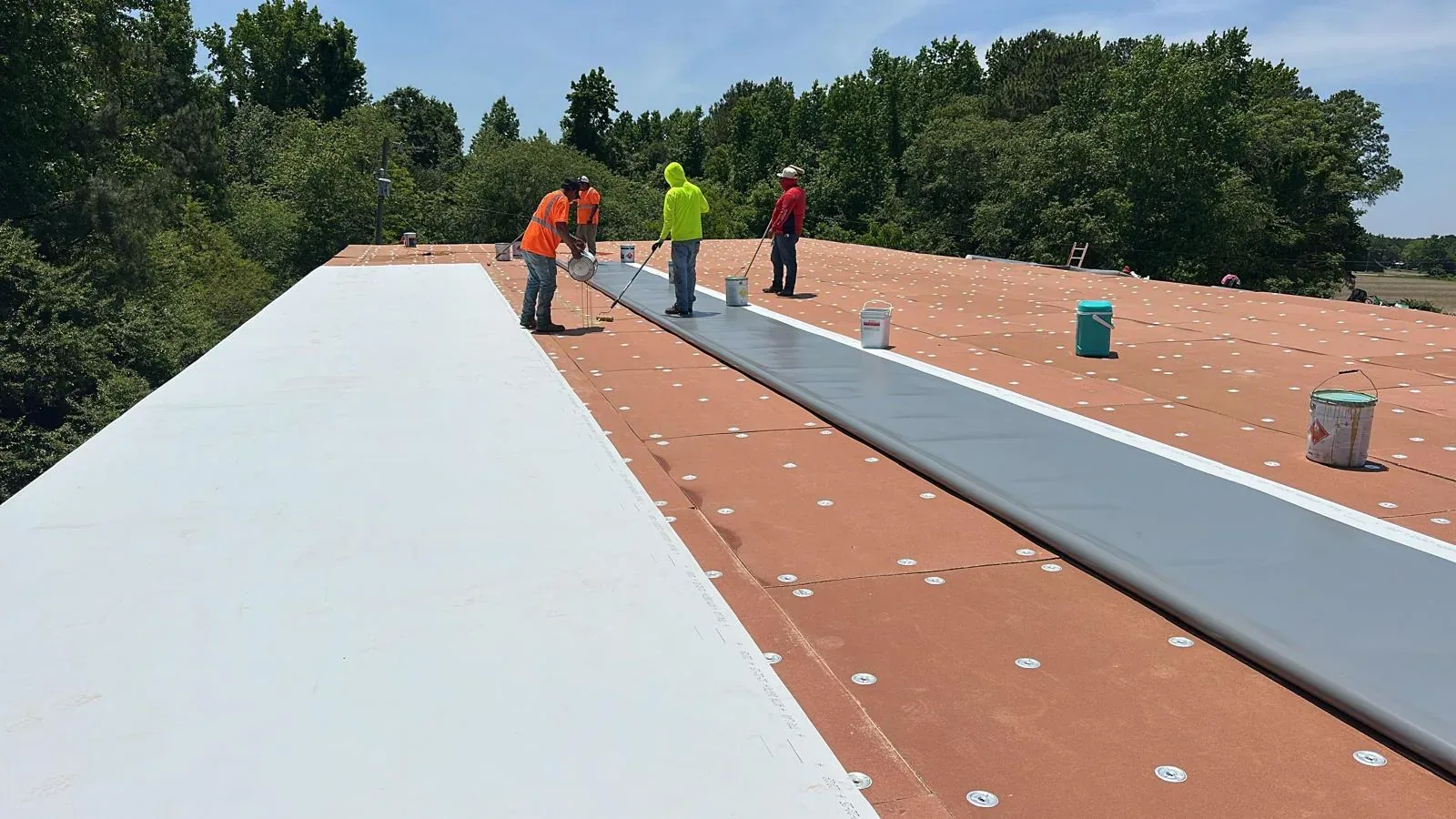
Before installation, confirm the deck, insulation layout, cover board, fastening pattern, membrane orientation, and perimeter design. Fastener location affects the load path. Sheet layout affects the number and placement of seams. Transitions at walls, curbs, skylights, and drains need a detail compatible with the field membrane. We verify the materials delivered against the approved submittal and resolve substitutions before they are covered.
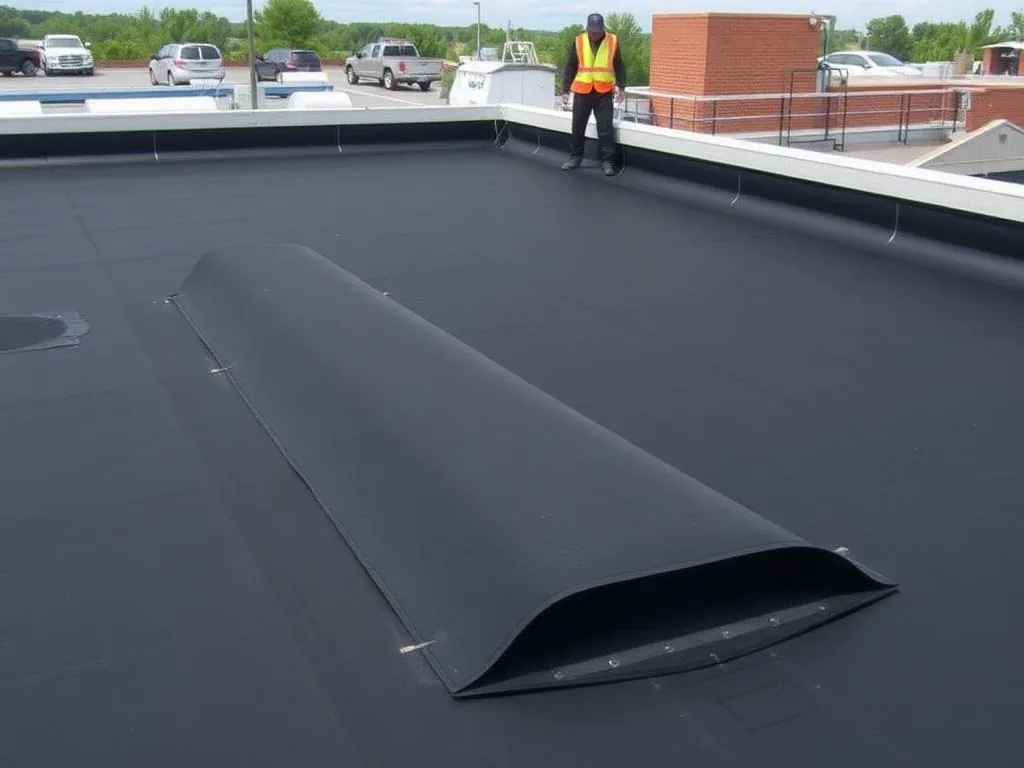
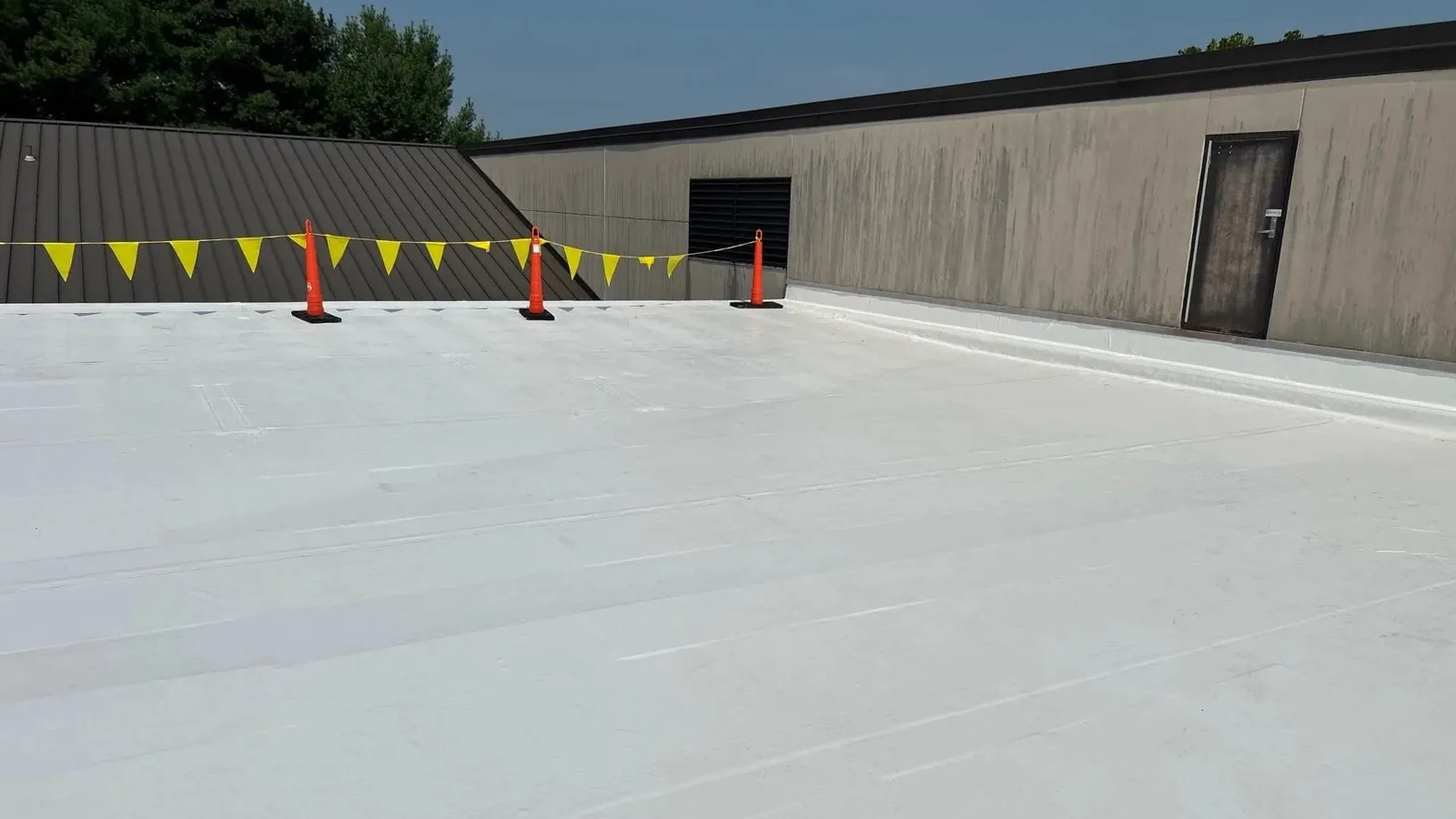
For TPO or PVC, prepare a test weld and check the finished seam after it cools. At field laps and corners, probe the weld and repair discontinuities. For EPDM, prepare the surface and install the manufacturer-specified primer, tape, or flashing. Modified bitumen application needs control of the specified adhesive or heat method, plus protection for adjacent materials. Penetration flashing or a seam repair should be tied to the exact JM system and detail.
Cold-weather installation requires attention to storage, surface moisture, adhesive conditions, and manufacturer temperature limits. The Kansas City area has winter freeze exposure. The official climate station does not substitute for checking roof conditions. We record weather, substrate condition, test settings, and dry-in boundaries so a later reviewer can follow the installation decisions.
Match Exposure and Maintenance
Choose among JM product families after identifying the roof's actual exposures. Rooftop grease, chemicals, foot traffic, standing water, and mechanical work can affect the selection. Review the specific product data and system limitations. A generic statement that a membrane is durable does not answer whether its seams, flashings, and attachment fit the building. For a manufacturing facility, confirm discharge and process conditions. For a school or office, account for access routes and the spaces below.
Independence's employment base includes manufacturing, healthcare, education, and retail. Those sectors help frame operating constraints, but they do not establish the membrane at a property. Near Liberty, Missouri, a commercial service call may require access coordination; at a building along the Noland Road corridor, staging and roof geometry still need site verification. The roof survey identifies the conditions that determine repair material and sequencing. When ventilation, kitchen exhaust, or rooftop equipment has altered a surface, record the discharge location and observed material response. A general building-use category alone does not identify the chemical exposure or the appropriate membrane.
Maintenance records should note membrane type, repaired location, materials, seam tests, and remaining defects. A small open lap is easier to evaluate when its earlier repair is documented. Preventive maintenance can check drains, perimeter details, equipment curbs, and traffic paths. A roof inspection establishes the baseline when records are incomplete or roof layers have changed.
Test Before a New Layer
Recovery is not a shortcut around roof evaluation. Check moisture, attachment, deck condition, existing roof count, drainage, and edge heights. Core cuts can expose the layer stack. If insulation is wet or a deck is unstable, define removal and repair before a new membrane is added. An overlay can also affect curb heights, thresholds, drains, and flashing. Those details need design attention before mobilization.
A recover scope states the new assembly, attachment or adhesive, cover board, separation layer if required, termination, and closeout test. Check raised curbs, door thresholds, overflow drains, and parapet caps for the added height before approving the build-up. Include those elevations in the project review. A recover assessment should identify which existing layers remain and why. If removal is needed, replacement planning describes the tear-off boundary and how the roof is kept dry in phases. Condition reports can preserve inspection photos and test locations for the owner.
For product comparisons, review Carlisle SynTec and Soprema using their published assemblies. Compare material category, attachment, accessories, and requirements rather than brand claims. The selected system must fit the building and the construction documents.
Record the Installed JM System
Keep the approved specification, product data, delivery information, field observations, test seams, photographs, and repair boundaries together. If the work changes after opening the roof, note the exposed layers and approval before covering them. At closeout, identify which areas were completed and which remain outside the scope. This gives the next inspection a reliable starting point.
Schedule a commercial roof review in Independence to evaluate a Johns Manville system. We will identify the assembly, inspect critical transitions, and document the repair or installation scope supported by field conditions.
Commercial Roofing Questions
Which commercial roofing systems does Johns Manville offer?
Its published commercial resources cover TPO, PVC, EPDM, SBS and APP modified bitumen, built-up roofing, and coatings. The project conditions determine which family is appropriate.
Can a JM roof be recovered instead of removed?
Possibly, if the existing roof is suitable. We check moisture, attachment, deck, roof layers, drainage, and project details before recommending a recover.
How do you inspect a JM TPO seam?
We prepare and verify test welds, then probe cooled seams and correct open areas. Current JM installation documents guide the system details. Probe the cooled weld along its full length and pay close attention to intersections, patches, and curb corners. A seam that looks uniform can still have a narrow open edge. If the sheet has aged or has been repaired before, test the surface and confirm the repair material is compatible before welding a new strip over it.
Can you identify a JM system from the roof surface alone?
Sometimes a product label or membrane appearance helps, but records and exposed details provide stronger confirmation. We note uncertainty where identification is incomplete. Not reliably. Several low-slope assemblies can have similar colors and textures, and later repairs may use materials from another product family. Review the project closeout records, labels, and available cut edges before ordering a repair membrane. If identification remains uncertain, a small test area and compatibility review are safer than selecting material by appearance. Record what was verified so future service work starts with a dependable system description.