Manage commercial roof assets in Independence, MO with mapped conditions, repair histories, moisture findings, and renewal priorities tied to field evidence.
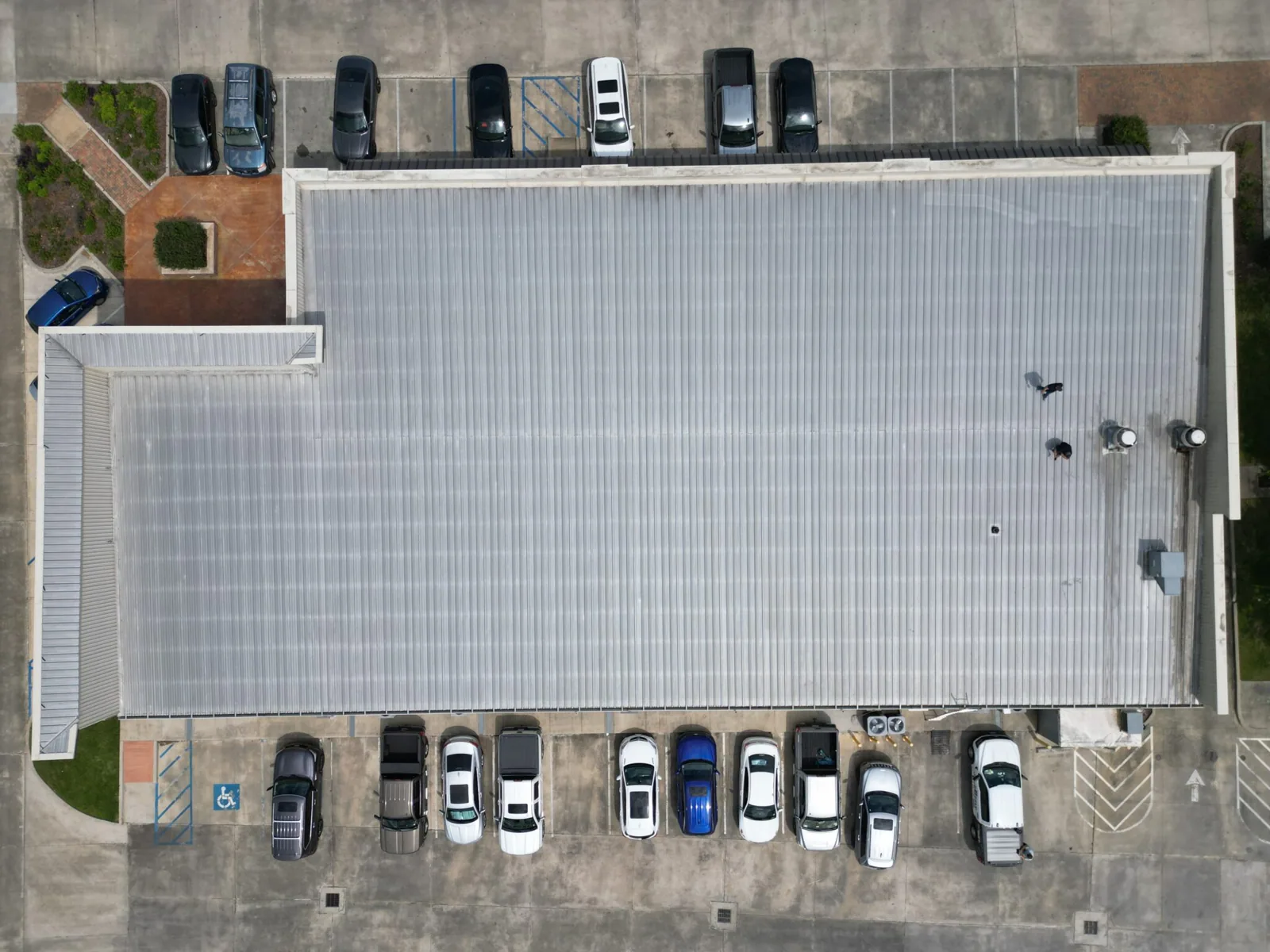
A portfolio list says where the roofs are. It does not show which assembly leaks, what was repaired, or how much useful roof remains. Roof asset management turns inspections, photos, repair records, and replacement needs into a property-by-property working file. For facilities around Eastgate Commerce Center and Independence Center, we map each roof separately, then give the owner a consistent way to compare condition and next action across buildings.
Start with the Roof Record
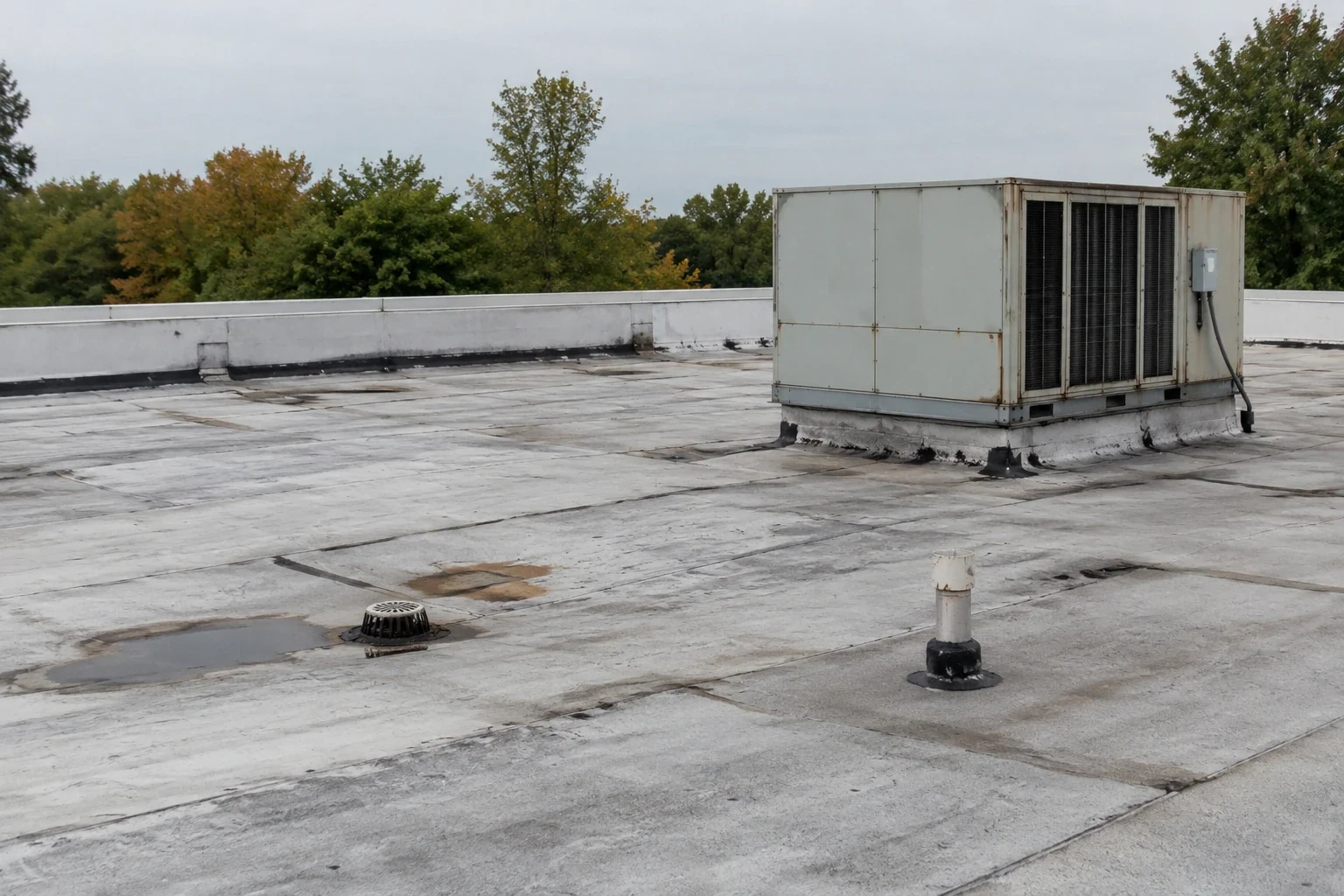
We identify each building, roof zone, surface material, drainage layout, penetrations, and visible transition details. Available plans and maintenance records help, but the field inspection confirms what is installed today. Record prior repairs by location and material. A patch that is still bonded tells a different story from a repair that has opened at the same seam twice. The inventory should preserve both the current observation and the history that led to it.
Independence's workforce includes manufacturing, health, education, social services, and retail. Those sectors can mean different access rules, production hours, tenant concerns, and equipment shutdown needs. We document operating constraints with the roof record so recommended work can be scheduled realistically. The property context helps manage access; it does not substitute for inspection of a specific assembly. A roof inspection establishes the materials and conditions that the portfolio file will track.
A useful record avoids unsupported scores. We identify the observed defect, likely mechanism, test performed, level of urgency, and next action. If moisture extent is uncertain, the file says testing remains open. If the deck was not exposed, that limitation stays attached to the recommendation. A manager can compare properties without mistaking a uniform rating for uniform evidence. The record can also show which decisions were made by an owner, which repairs were completed, and which recommendations were deferred. That distinction matters during handoffs between property teams, particularly when a leak returns after a prior repair or a building changes managers.
Track Change Over Time
Repeat visits should compare the same roof zones, not rely on a general note that a roof is aging. Photos from a mapped vantage point can show whether a seam has widened, a patch has lifted, or ponding has changed. We track repairs completed, areas monitored, and follow-up tests still needed. When a condition worsens, the owner can see what changed and decide whether to advance the work.
Kansas City climate normals include winter lows below freezing and summer highs near the upper 80s. These station observations are useful context for evaluating seasonal stress; they are not roof-surface measurements at every Independence property. The maintenance record can note the season and conditions during each visit. That makes the comparison clearer when thermal movement, coating condition, or drainage changes appear between inspections.
A moisture survey may help find concealed wet insulation, but the result should be tied to test locations. Infrared survey work can prioritize direct checks; a core or probe confirms the layers where needed. Add test outcomes to the same roof map. If a wet area is removed, record the removal boundary and the replacement layers, then compare that boundary during the next review.
Set Work in the Right Order
Priorities should distinguish active leakage, a safety concern, a repair that prevents more damage, and a planned capital project. The next step might be emergency protection, localized repair, moisture testing, or replacement design. Note what each option depends on. If the roof cannot be evaluated until equipment moves or a core is opened, keep that decision visible instead of assigning a confident budget from incomplete information.
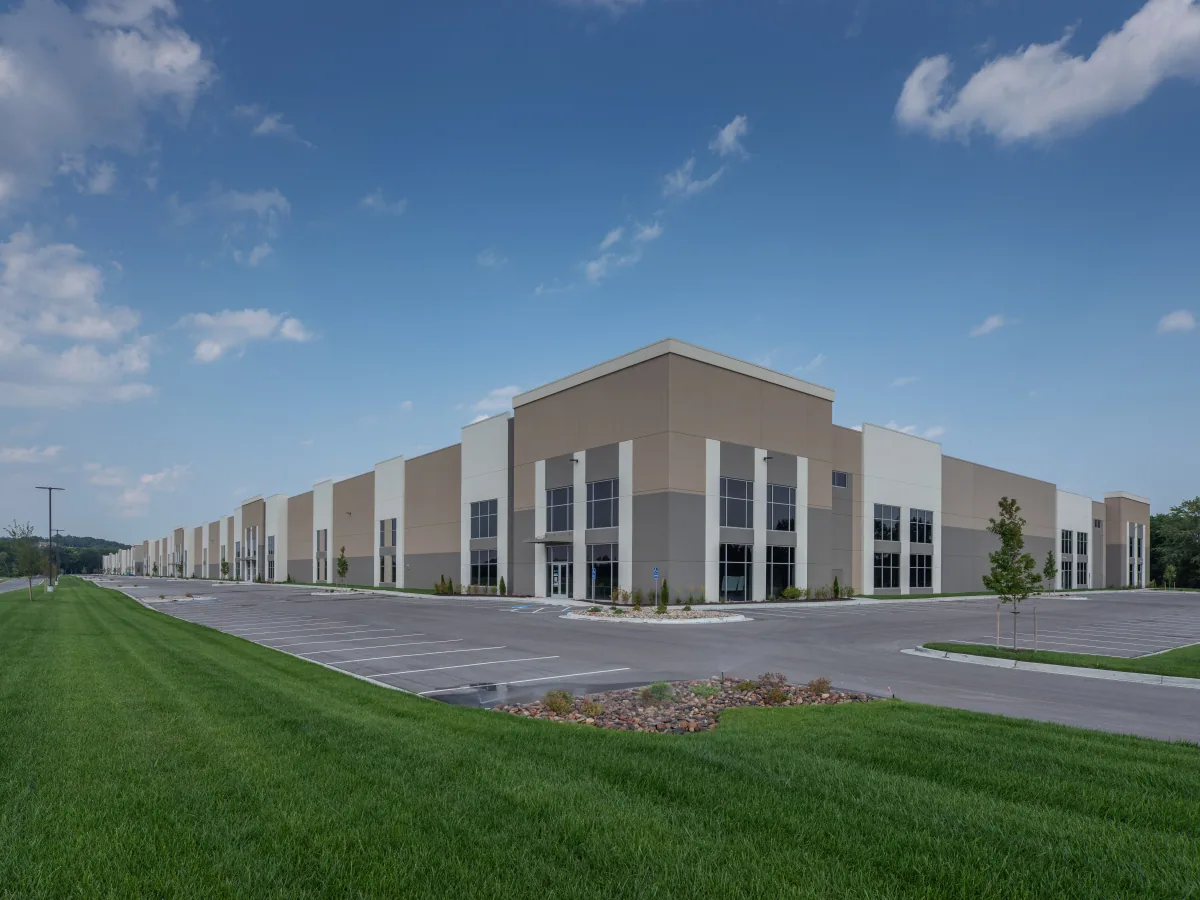
For a portfolio with properties near Historic Independence Square, Independence Transit Center, or Eastgate Commerce Center, location helps organize access and staging; inspection evidence at each address determines priority.
We can group similar repairs when the materials and conditions match, but do not combine dissimilar assemblies to simplify a bid. A failed drain at one property and a membrane split at another require different methods. Written condition reports preserve photos and findings. Capital planning can then use those records to compare repair timing with larger renewal decisions.
Connect Findings to Operations
Roof work affects people and equipment below. A portfolio plan records tenant hours, secure access, lift locations, delivery limits, and rooms that require interior protection. For a medical or educational facility, the site lead may need to reserve particular work windows. For production operations, equipment shutdowns or clean areas may define the sequence. We confirm these limits with the property contact before setting the scope and schedule.
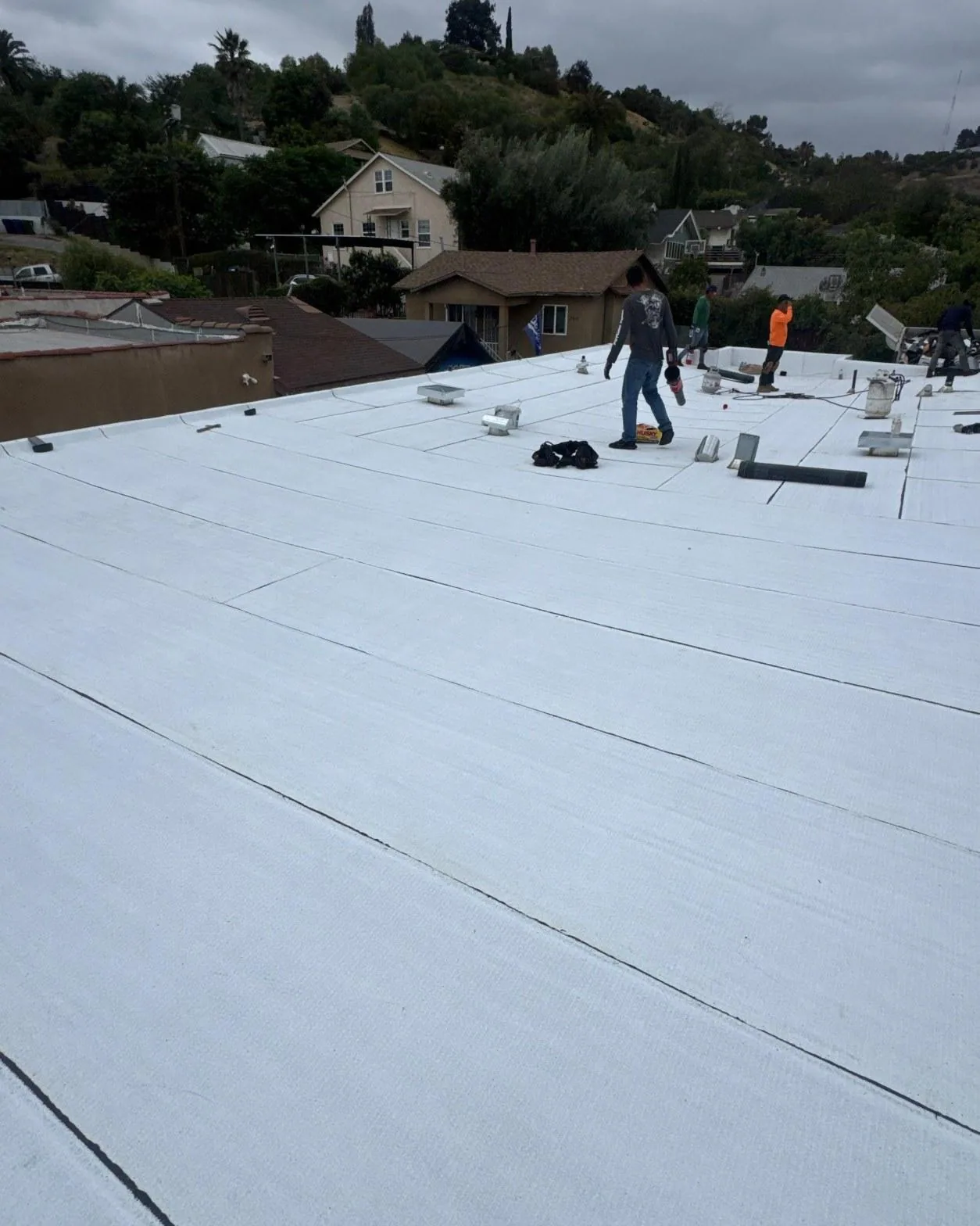
Repair and replacement records belong with the roof history. For each completed task, keep the scope, materials, roof-zone map, photos, and any test result. Note what was not included. This prevents a repair record from being read as a full-roof renewal. A maintenance program can revisit open conditions and catch changes before a small defect spreads. Where a specific issue needs attention, flashing repair and drainage work can be tracked as separate corrective tasks.
Severe weather near Independence has included hail in 2017 and tornado-related wind damage in 2022. Treat nearby events as a prompt for a post-storm check, then record only the conditions confirmed at each building before setting a repair scope. The asset file should record the event only when the property inspection documents corresponding damage.
Keep the File Actionable
A roof asset file works when a manager can find the current condition, supporting photos, open test, previous repair, and next recommended decision without reconciling separate spreadsheets. We can prepare condition information and repair documentation for individual buildings, then organize those findings for portfolio review. The owner controls the capital decision. Our role is to describe the roof assembly, the failure mechanism, and the work boundary supported by inspection.
Schedule a commercial roof review in Independence to build or update the roof record. We will map conditions, connect prior repairs to current observations, and identify which properties need testing, maintenance, or a capital scope.
Commercial Roofing Questions
What information belongs in a roof asset file?
The file should identify the building, assembly, roof zones, drains, repairs, photos, tests, and open conditions. We also record the next action and any access limits.
Can you rank roofs across different building types?
We can compare urgency and evidence, but a ranking should preserve differences in assembly and use. A wet membrane and a loose metal edge do not share one repair method.
How often should the roof record be updated?
Update it after an inspection, repair, moisture test, or major weather event that prompts a roof review. The inspection interval should reflect condition and operating needs. Update it after inspections, repairs, equipment changes, and significant weather-related work. Keep the current roof plan, photographs, warranties, service tickets, and closeout records together, with dates and roof-zone references. Record which conditions were corrected and which remain open. If an asset changes hands or a facility team changes, the next reviewer can see what is known and where a new inspection is needed. Avoid treating an old invoice as proof that the current roof has the same materials or condition.
Can past invoices replace a new inspection?
Invoices help establish history. They do not confirm today's membrane, attachment, drainage, or moisture condition. We verify the roof before recommending new work. No. An invoice confirms that work was billed, but it does not show how the surrounding roof has performed since then. Pair service records with current inspection photographs and the condition of nearby seams, drains, and transitions. If the repair location is uncertain, mark that gap rather than assigning the invoice to a roof zone by guesswork.