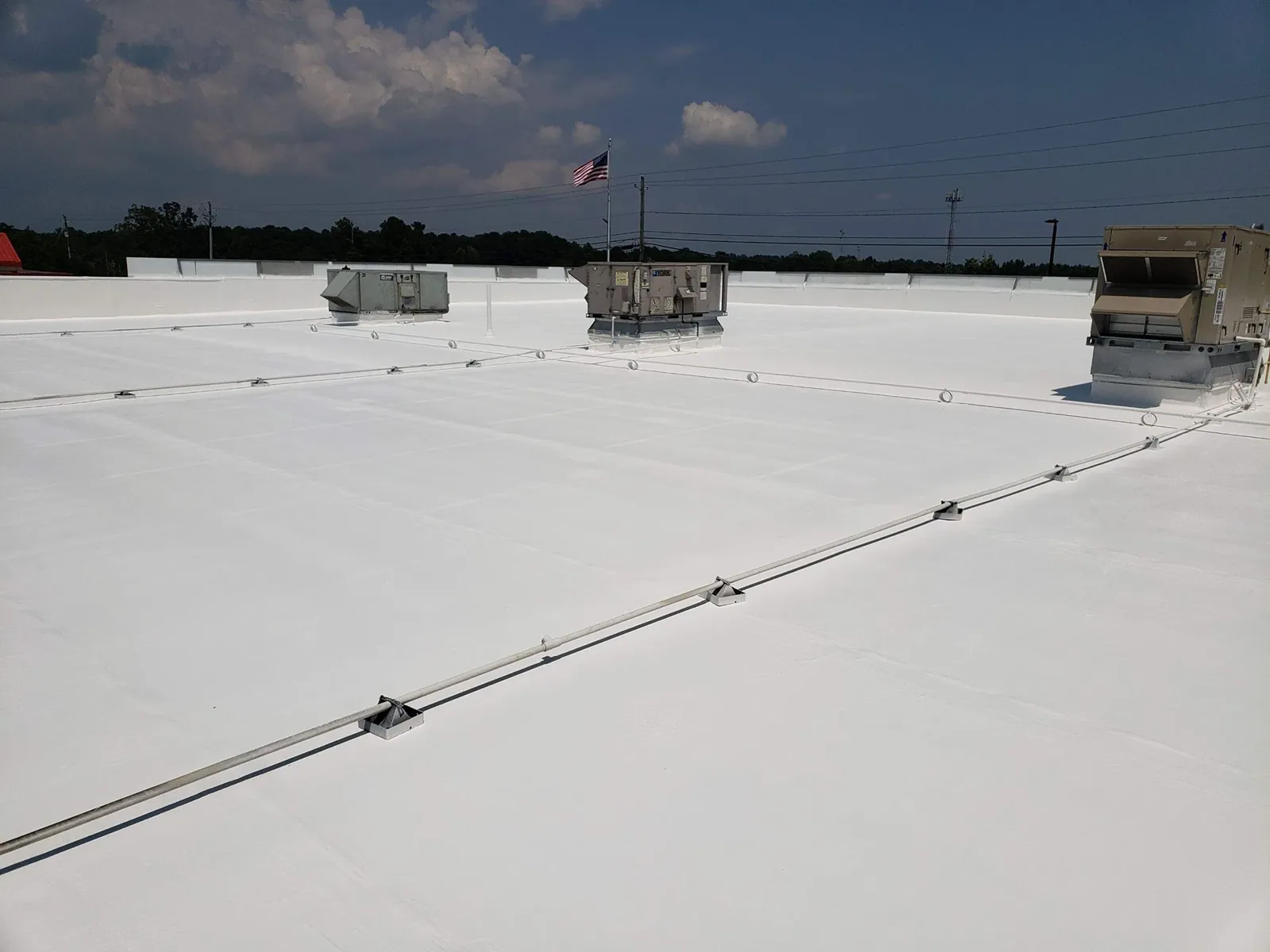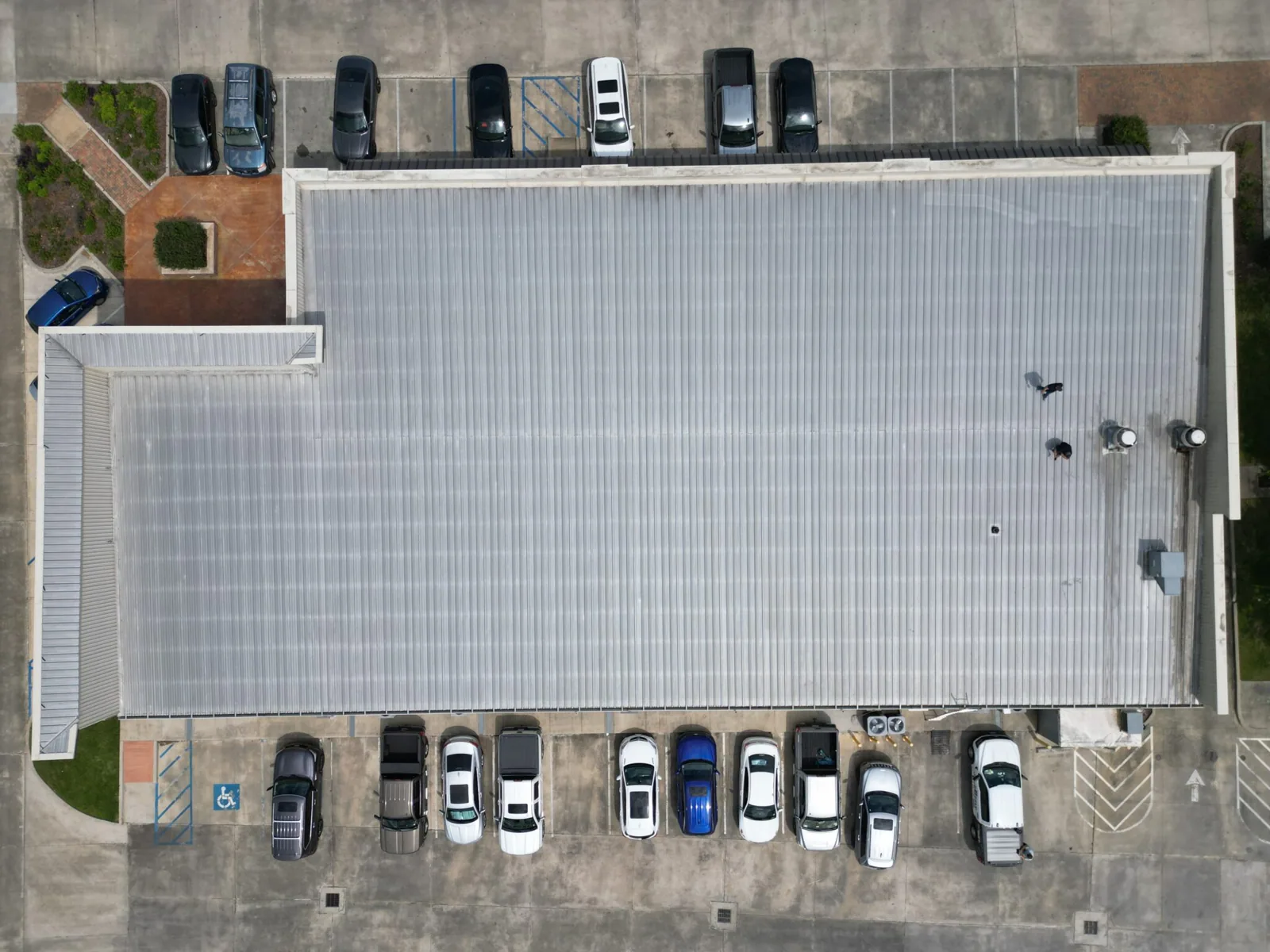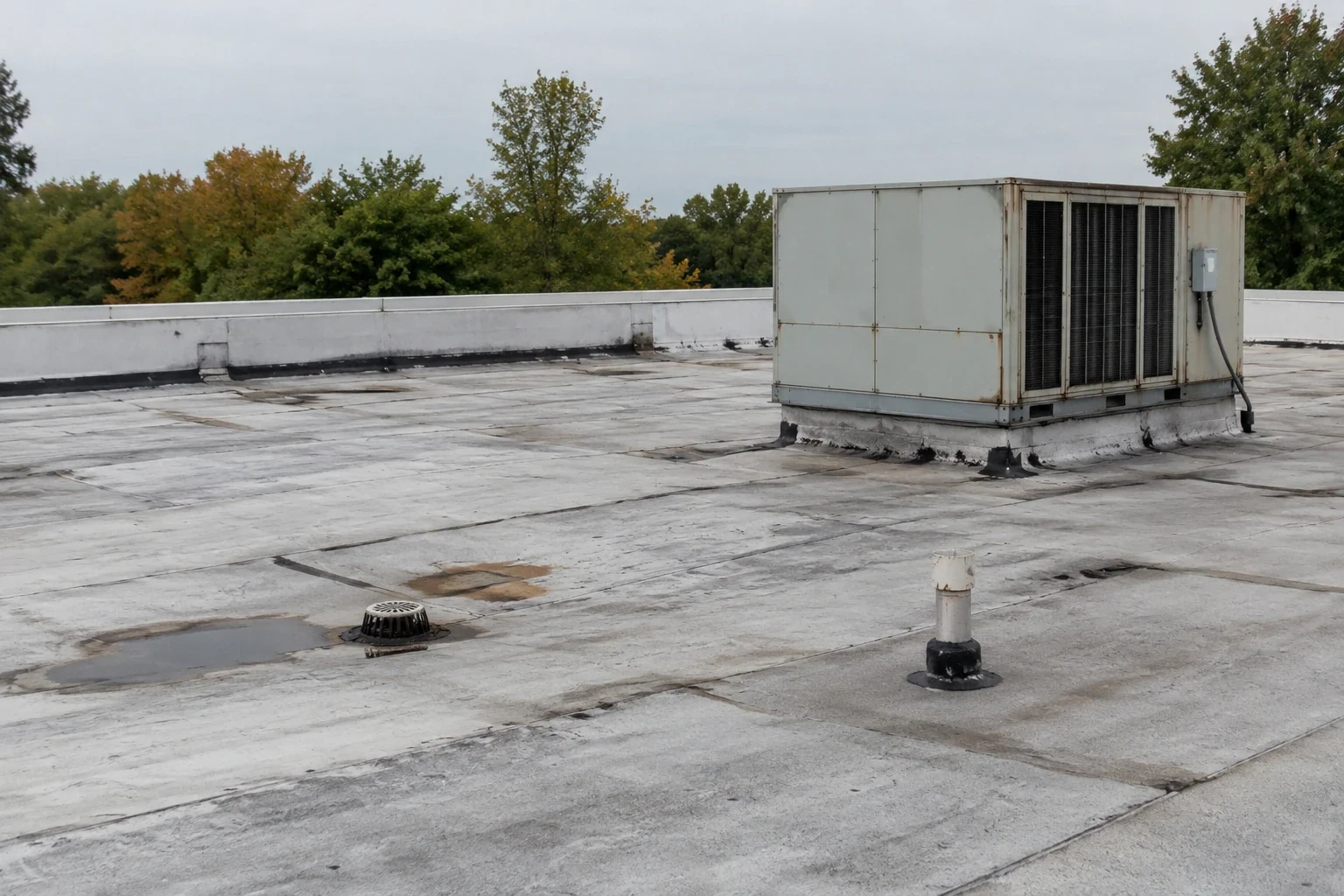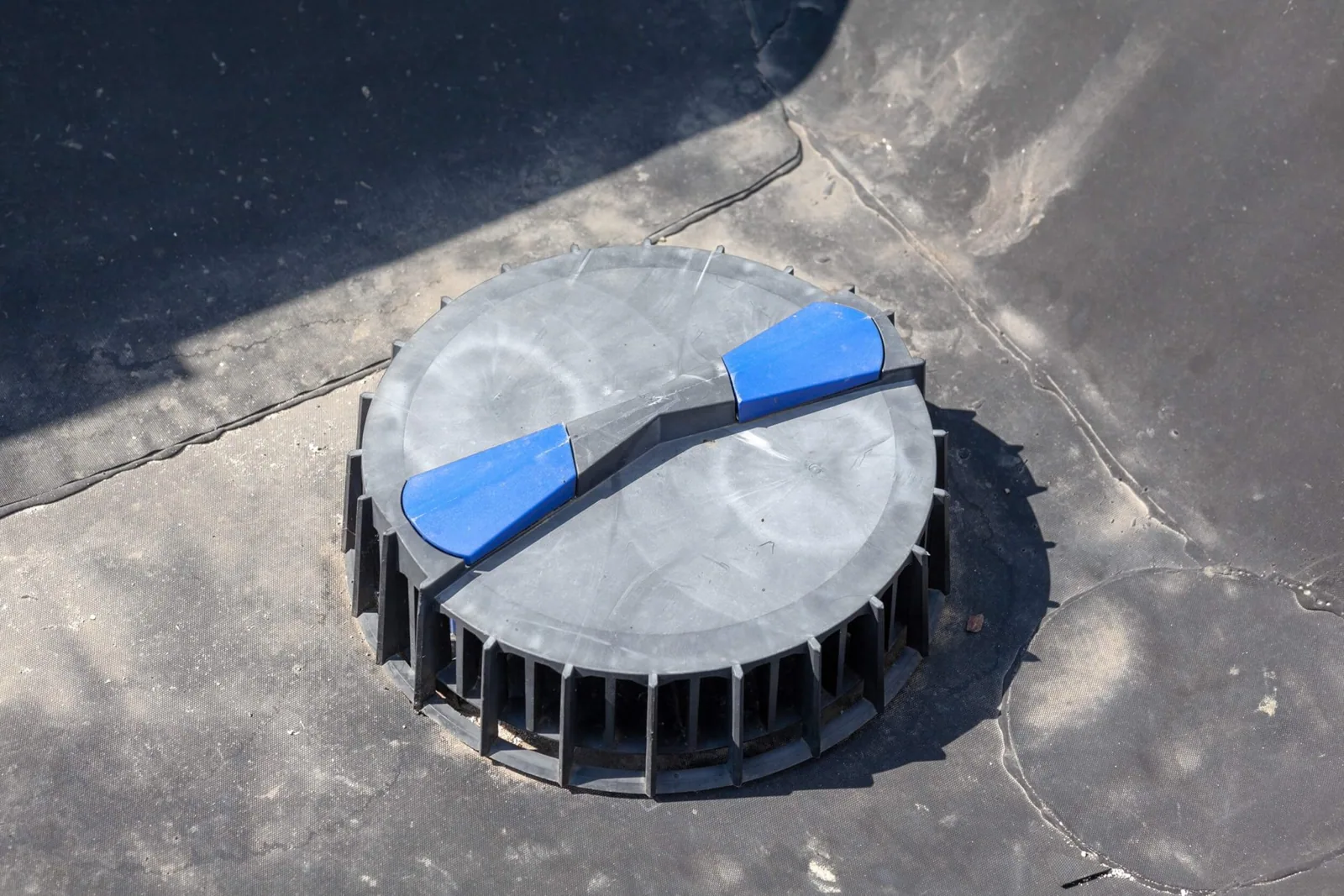
In Belton, MO, we assess the roof assembly, drainage, flashing, access, and repair or replacement needs before setting a commercial roofing scope.
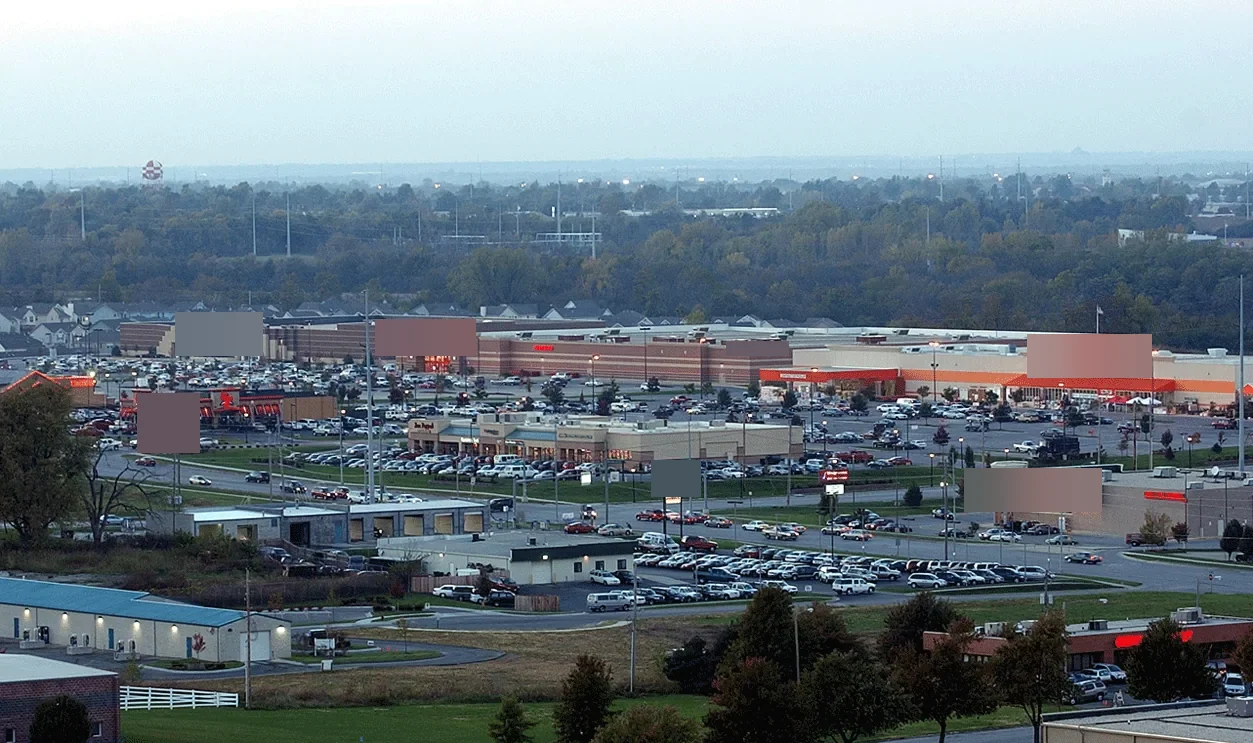
Belton’s North Scott Corridor allows a broad mix of commercial and light-industrial uses. The roof above an office, shop, or distribution space has different equipment and access constraints, so we verify the installed assembly at each address. The inspection maps seams, curbs, drains, edge details, and any interior report before repair limits are set.
Belton’s 2050 Comprehensive Plan frames long-range land-use and zoning direction. For a current roofing project, the owner and property contact define the actual work window, access route, and areas that remain in use. We schedule deliveries and lifts around that plan, protect the interior below active work, and close each opened section at the agreed stop point.
Coordinate Site Access
Belton’s business-retention and expansion priorities can put roofing alongside tenant improvements or equipment changes. New penetrations need a flashing detail that matches the roof material and directs water to the drainage plane. We record existing conditions first, then coordinate any curb or equipment work that could affect the completed membrane.
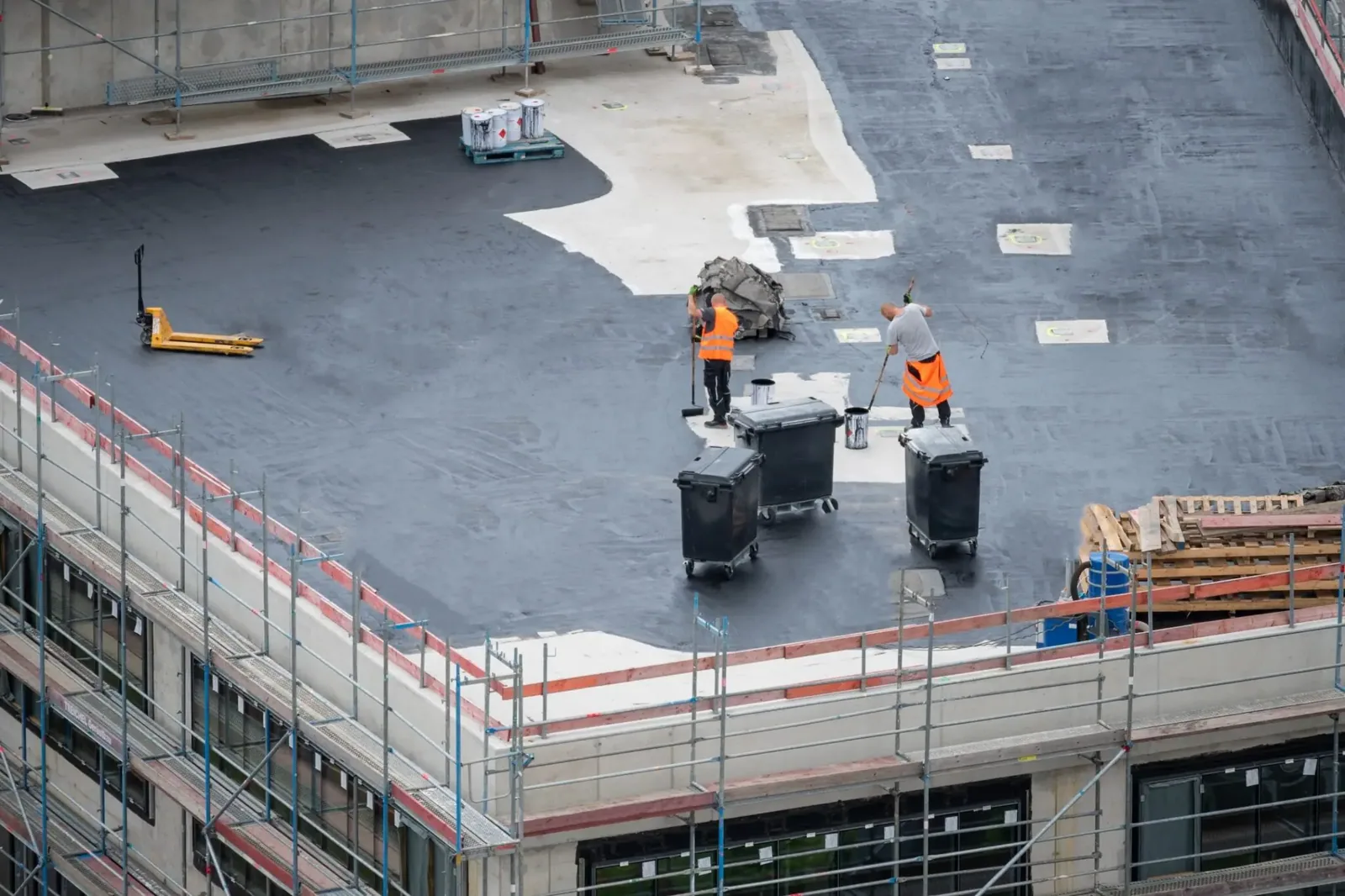
Roof work should not leave an open section during service hours or overnight. We stage the membrane or flashing materials before tear-off, keep the exposed footprint manageable, and finish with a closure inspection. If the work must stop early because of access, temporary protection is secured and documented. Phased occupied-site roofing can divide construction into zones and keep public routes in view. The facility contact receives notice before a noisy or disruptive task begins.
Identify the Current Roof
A building's commercial use does not establish whether it has single-ply membrane, modified bitumen, built-up roofing, or metal. We look at seams, exposed edges, penetrations, equipment curbs, and prior patches. If records are available, we compare them with the field condition. Additions or past repairs can create more than one system on the same roof. Concealed insulation or deck may require a test opening before replacement decisions are made.
A repair should use materials compatible with the assembly and restore the transition around the defect. A membrane seam, metal panel, and parapet edge each need a different detail. We mark the roof zone and note the verified substrate condition before work. A documented inspection records the assembly, photographs, active leak, and any location requiring further testing. This gives facilities staff a baseline for future maintenance and contractor coordination.
Belton's North Scott Corridor allows commercial and light-industrial uses, including shipping and distribution. A roof over a loading area may have frequent penetrations, dock canopies, and equipment routes, but those details must be verified at the property. We inspect flashing at the wall, check curb support, and make sure the drainage path remains clear where new units or conduits cross the roof.
Check Outlets and Water Routes
We trace drainage from the roof field to each drain, overflow, scupper, or discharge point. The inspection checks strainers, drain bowls, clamping rings, leaders, and flashing around the outlet. If water remains after normal drainage, we measure its footprint and investigate blockage, low slope, or deck movement. An outlet may be clear while water still collects because the surface does not direct it toward the drain.
Interior staining is compared with the roof above and the likely water route. We inspect penetrations, walls, seams, and prior repairs between the stain and roof edge. If moisture may be trapped under membrane, infrared moisture mapping can guide test locations. A test cut confirms what lies beneath. Drain and scupper repairs can restore a leaking outlet connection when adjacent material remains sound.
Secure the Roof in Changing Weather
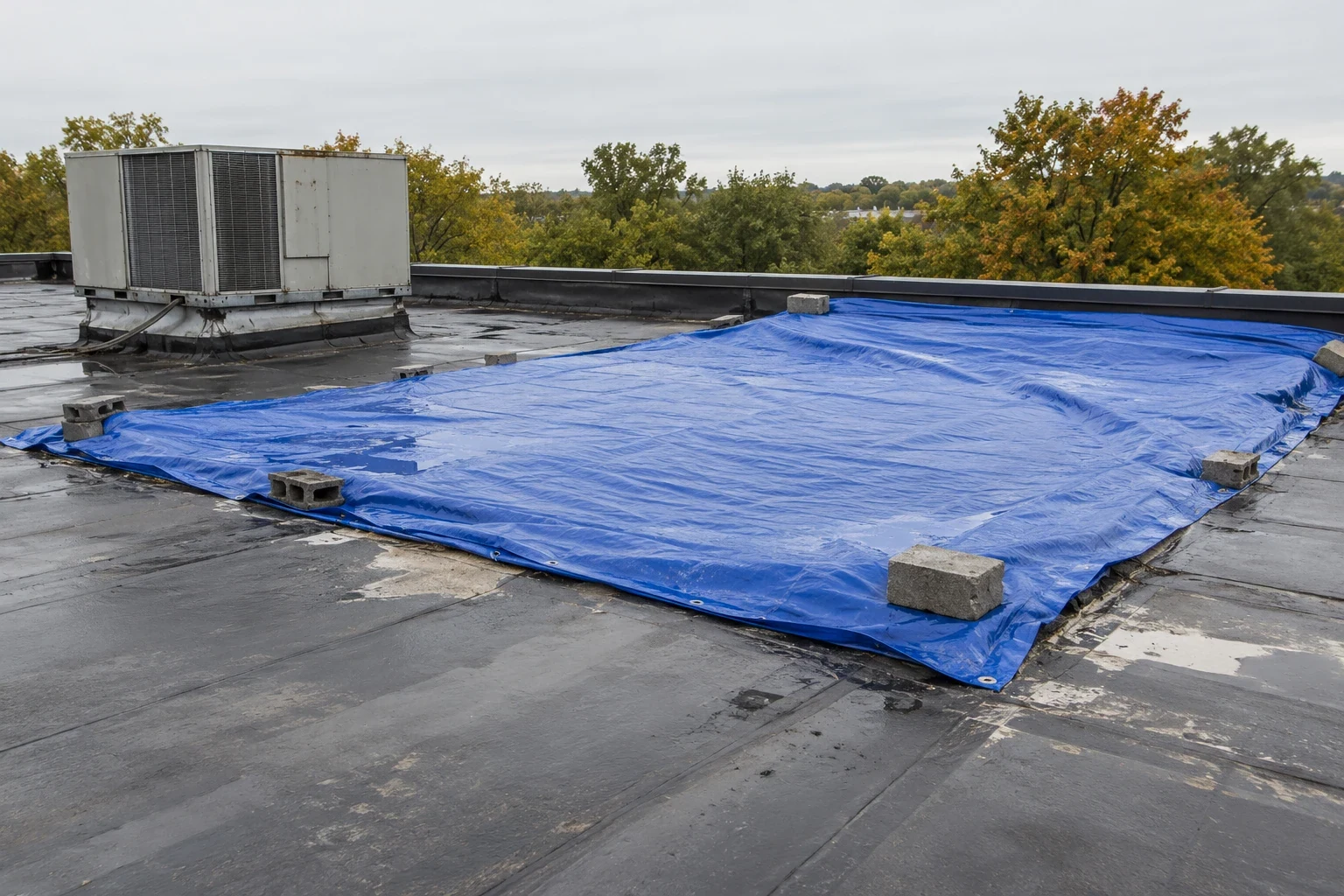
Before work begins, the property contact identifies active loading areas, occupied rooms, and delivery windows. We check the forecast and surface conditions, then limit the exposed area to a section that can be closed safely. A temporary repair may stabilize active water entry, followed by a permanent detail after the source is confirmed.
Before applying a product, we check surface preparation and temperature requirements. If rain or wind affects the shift, the crew closes a smaller area and protects the exposed assembly. A temporary repair may be needed for active water entry, followed by a permanent detail after the source is confirmed. Emergency roof response is available day and night. The facility manager receives a record of the temporary protection and the follow-up inspection required.
Where work occurs above an occupied space, the plan should name the area below, the protection method, and the person who will confirm it is ready. Tear-off progresses in a controlled area that can be dried in during the work window. The crew checks the temporary tie-in, loose materials, drain openings, and access route before the shift closes.
Set the Construction Boundary
A puncture or seam opening over a dry, stable substrate may accept a local repair. Recurring water entry, broad wet insulation, failed attachment, or damaged deck may require a larger scope. We open a test area where needed, record concealed conditions, and mark the confirmed boundary. If the repair grows after removal, the owner reviews the measured change before materials are installed.
Replacement or recover depends on existing layers, deck strength, outlet height, code, and attachment. Cost and schedule also depend on access, delivery windows, interior protection, disposal, and weather. A repair scope identifies the defect and compatible patch. A replacement scope describes the new membrane or metal, insulation, edge transitions, drains, and closeout. The work sequence should preserve public access and leave each completed zone watertight.
Keep a Building-Specific Roof Record
Closeout documentation should identify the facility, roof zones, materials, completed work, drain check, and outstanding condition. Photos show the repaired detail and its location. The record can note access conditions or a work window that limited inspection, but it should not imply unvisited areas were cleared. A future maintenance visit can then follow the same route and compare each finding with the prior report.
Belton's commercial areas include a mix of offices, retail, shipping, distribution, and light-industrial uses. A roof record should identify the actual property and its roof assembly rather than carry assumptions from another building. We keep measurements, access notes, photographs, and repair findings tied to the authorized structure.
At Eastgate Commerce Center, the City permitted two commercial buildings; the Noland Road Corridor has its own transportation work. A Belton project still needs a separate inspection record. We identify existing materials, drainage, and site access at the actual address, then keep the work boundary clear if another contractor is changing rooftop equipment or nearby access.
If a water test is proposed, agree on the test zone and what result would change the scope. Isolate one detail at a time when practical, observe the interior below, and stop if water enters an occupied area. A controlled test can help confirm a suspected path, but it does not replace inspection of the rest of the roof. Record the weather, test area, and outcome so the owner can compare the evidence with the next maintenance visit.
Commercial Roofing Questions
How is access coordinated for a commercial roof project?
The owner or facility contact confirms the approved entry, staging, work hours, and areas that must remain open. We plan lift placement and material movement around those instructions.
Does a nearby transportation project define the roof condition?
No. Street or transit information is separate from the roof assembly. We inspect the specific building and record its materials, drainage, and any observed damage.
How do you keep a roof opening weather-tight?
Limit removal to an area that can be rebuilt or protected during the work period. The crew verifies the temporary tie-in and drain openings before leaving.
What belongs in the closeout?
List inspected roof zones, materials, completed details, drainage checks, photos, and items that still need access or testing.