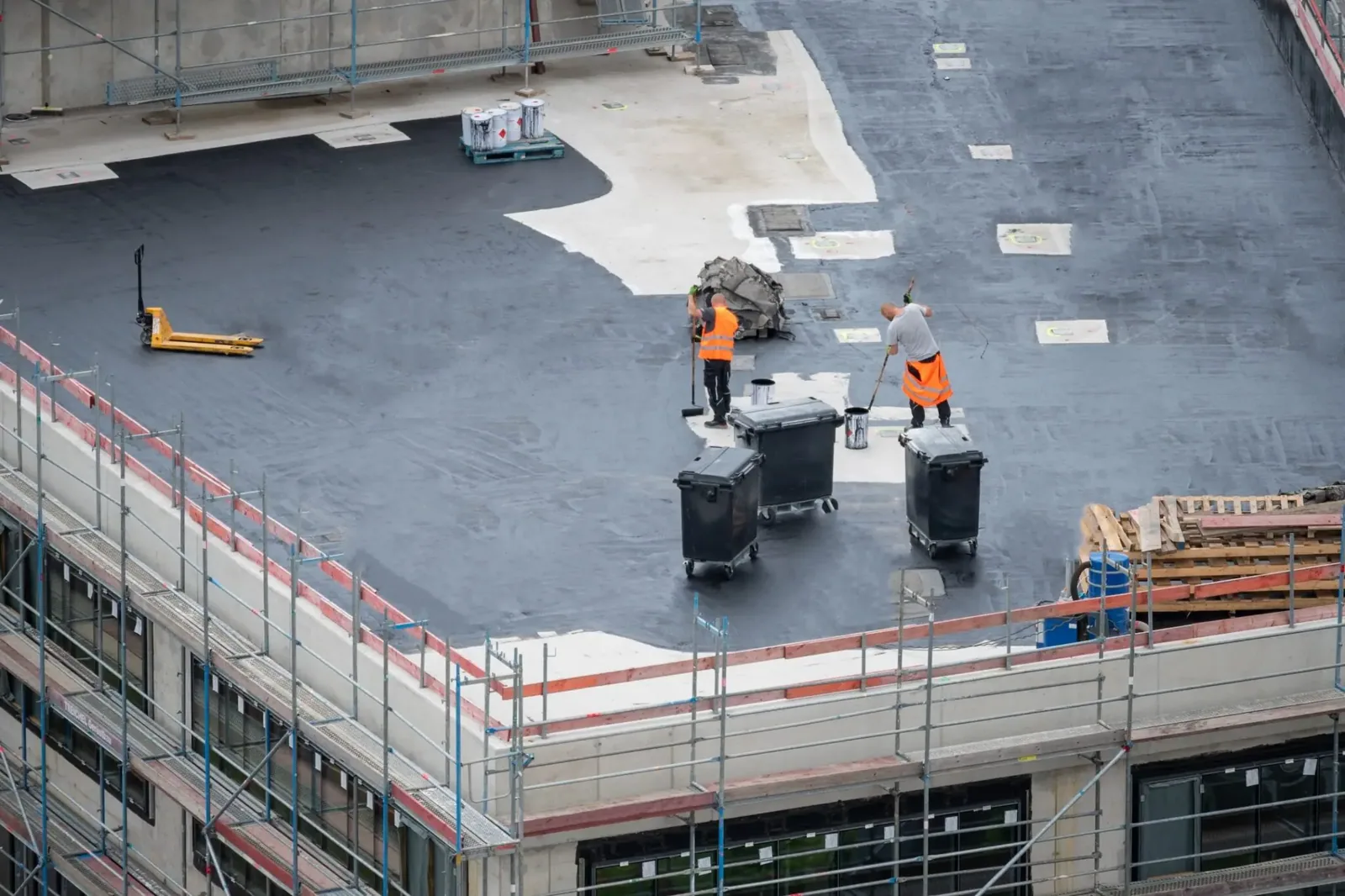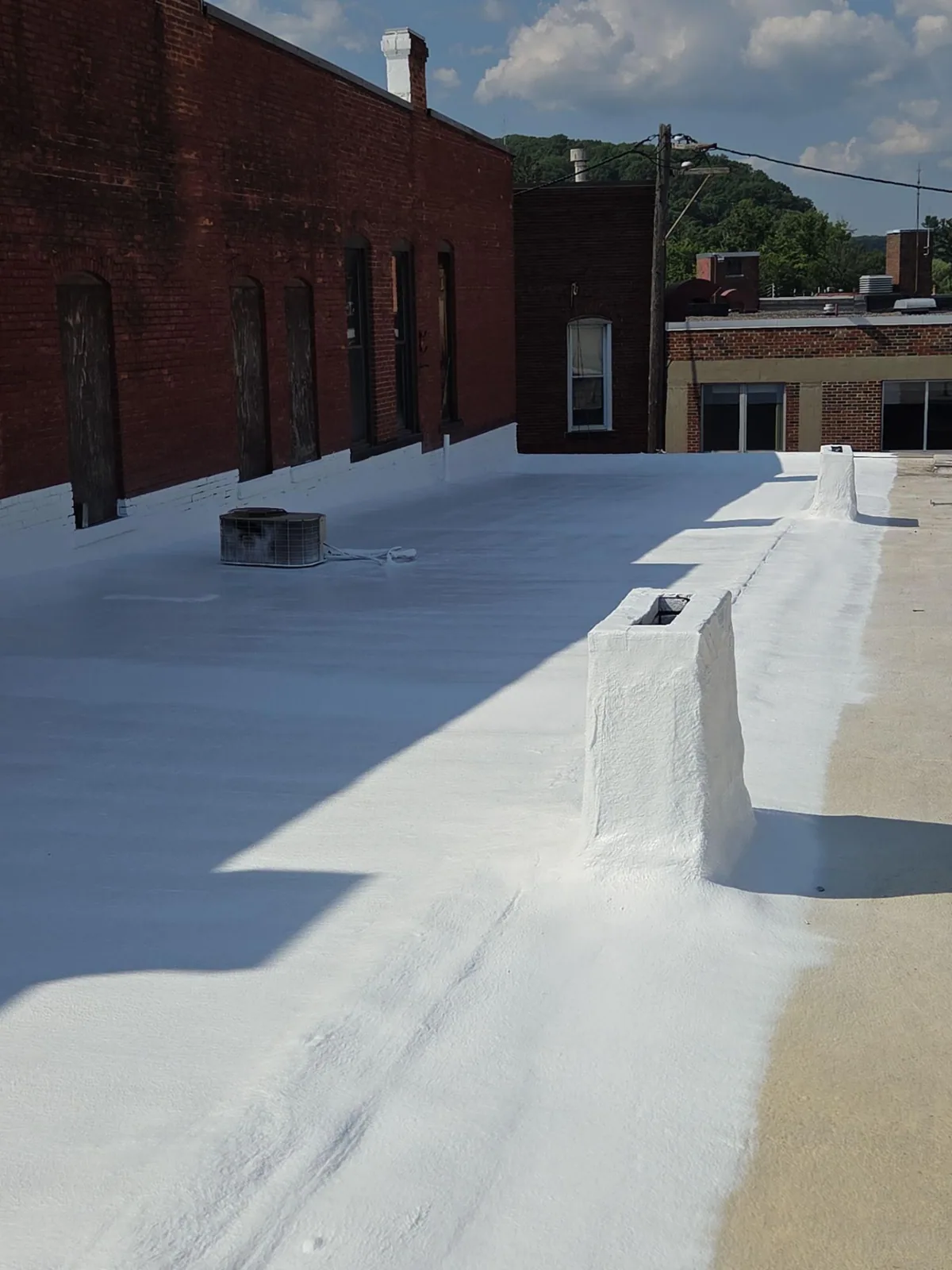
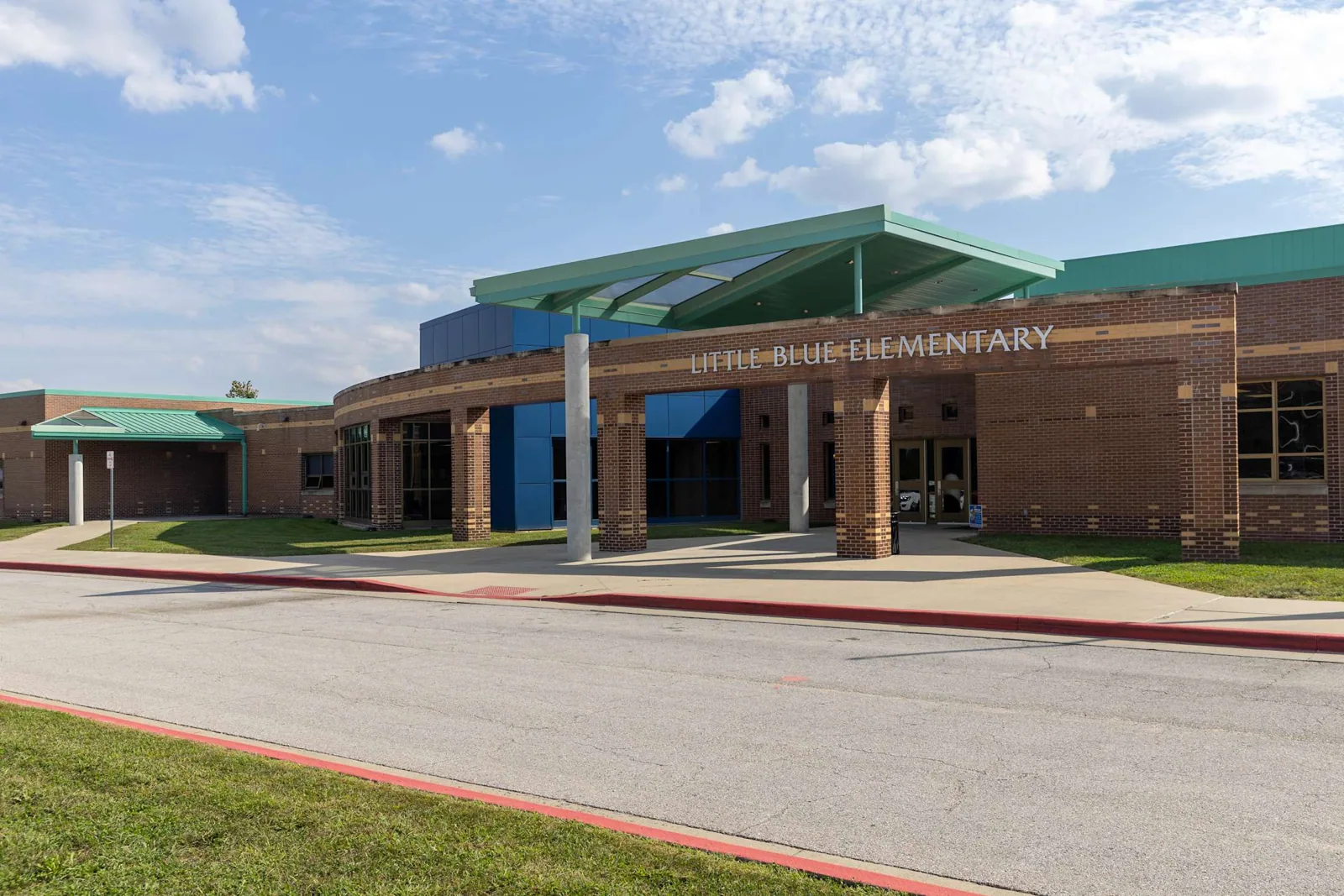
Commercial roofing in Little Blue Valley, Independence, MO, begins with an inspection of each roof assembly, drainage route, and access condition.
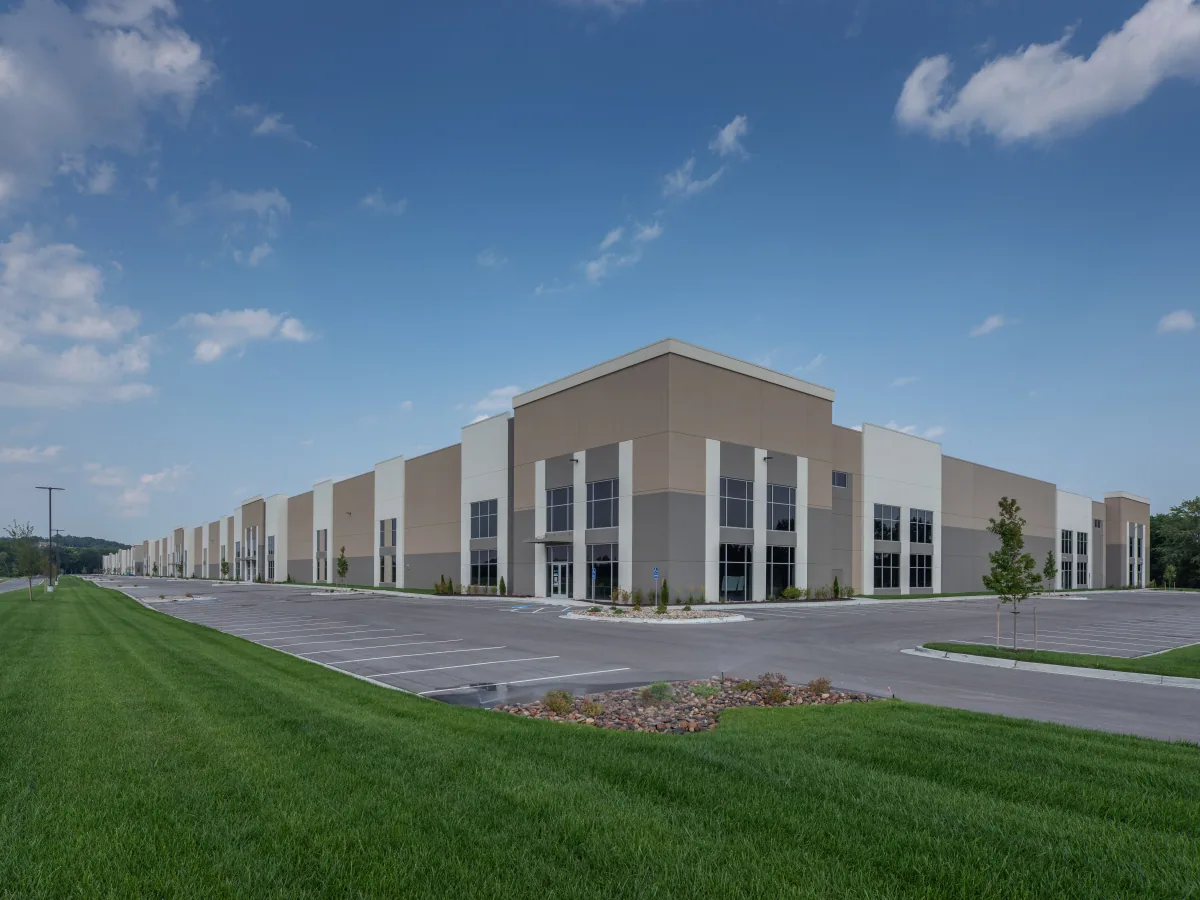
The Little Blue Valley Comprehensive Plan guides land use, transportation, and economic development across nearly half of Independence. Eastgate Buildings A2 and A3 are permitted new commercial construction along S Little Blue Parkway. That planning and permit context spans a broad area; it does not identify the roof systems or condition of its individual properties. We inspect the address itself, then build the scope around the assembly, drainage, and work access we can verify.
A roof review includes visible membrane or metal, seams, penetrations, edges, drains, interior leak evidence, and earlier repairs. If drawings are available, we compare them with field conditions. The report shows what is confirmed, what needs testing, and what action follows. This lets an owner plan maintenance or construction without extrapolating from a nearby permit or a regional planning map.
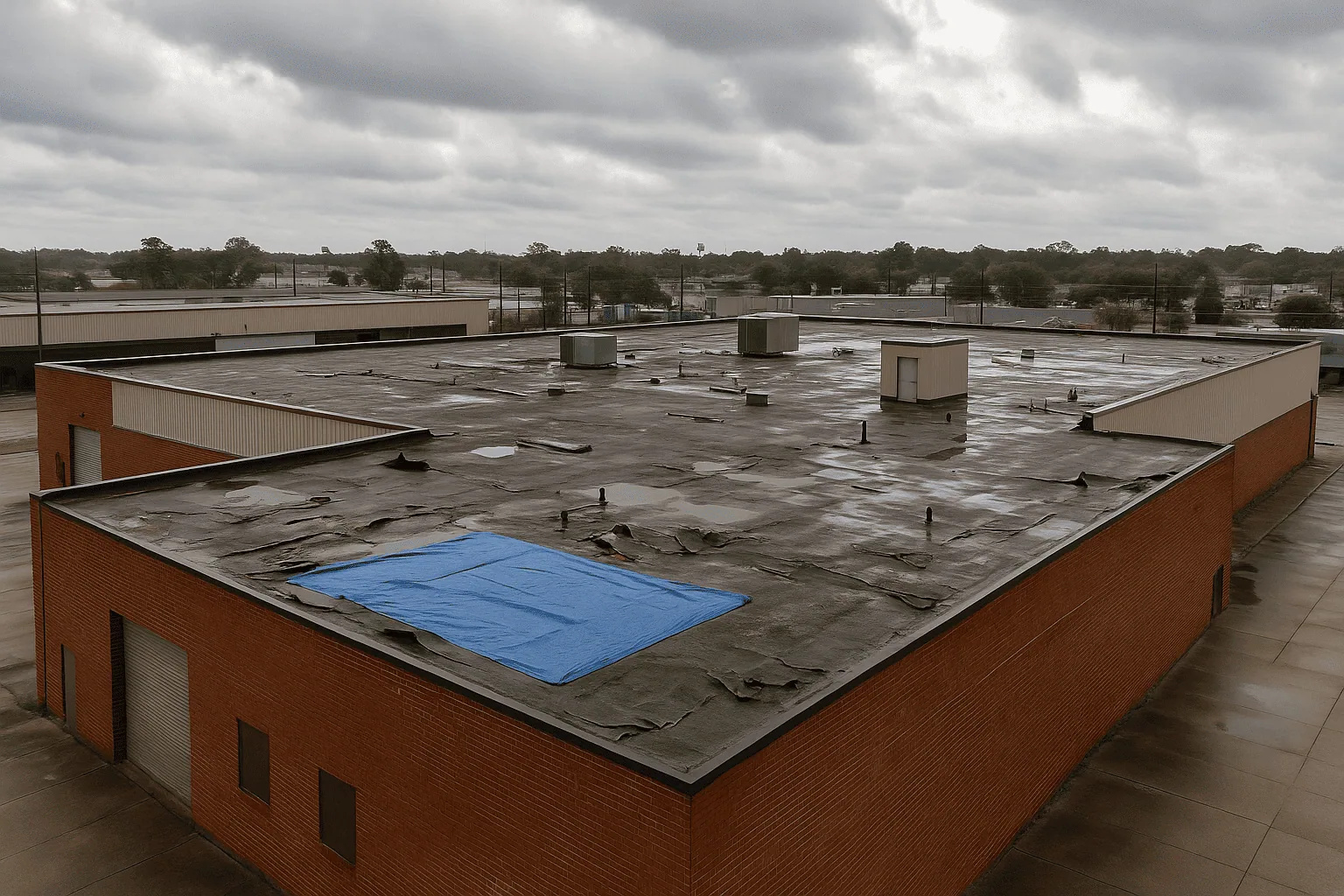
We note roof access limits, affected interior areas, and the maintenance history supplied by the property team. If a leak is active, the first visit can identify temporary protection and the next test needed to confirm a permanent fix. The report distinguishes those immediate controls from long-term work, helping the owner sequence decisions with current operations. For a planned project, we can also identify which roof areas should be inspected again after mechanical or electrical work changes a penetration.
Use the Plan as Geographic Context
The Little Blue Valley plan covers extensive eastern Independence. Eastgate's permitted buildings are a concrete commercial reference within that wider planning area, but a permit for new construction is not evidence about every other roof. At each property, we identify the system through exposed seams, roof edges, curbs, and available records. Concealed layers may require a test opening before a repair or recover decision can be made.
A 2023 municipal permit register records two new commercial buildings on S Little Blue Parkway. If work is planned near the listed addresses, the owner confirms site access, route, and staging. A property elsewhere in the valley needs its own access review and condition record. We can inspect Eastgate Commerce Center as a distinct service location, but the findings there do not transfer to another building. Each inspection records the roof zone and source of any identified leak. For a new commercial building, closeout plans and contractor notes can clarify which layers and accessories were installed, but the roof still needs a field check before a later repair. We compare visible seams and terminations with those records. If the assembly has been modified since construction, that difference is included in the report so maintenance staff know which details belong to the current roof.
Trace Drainage Across the Roof
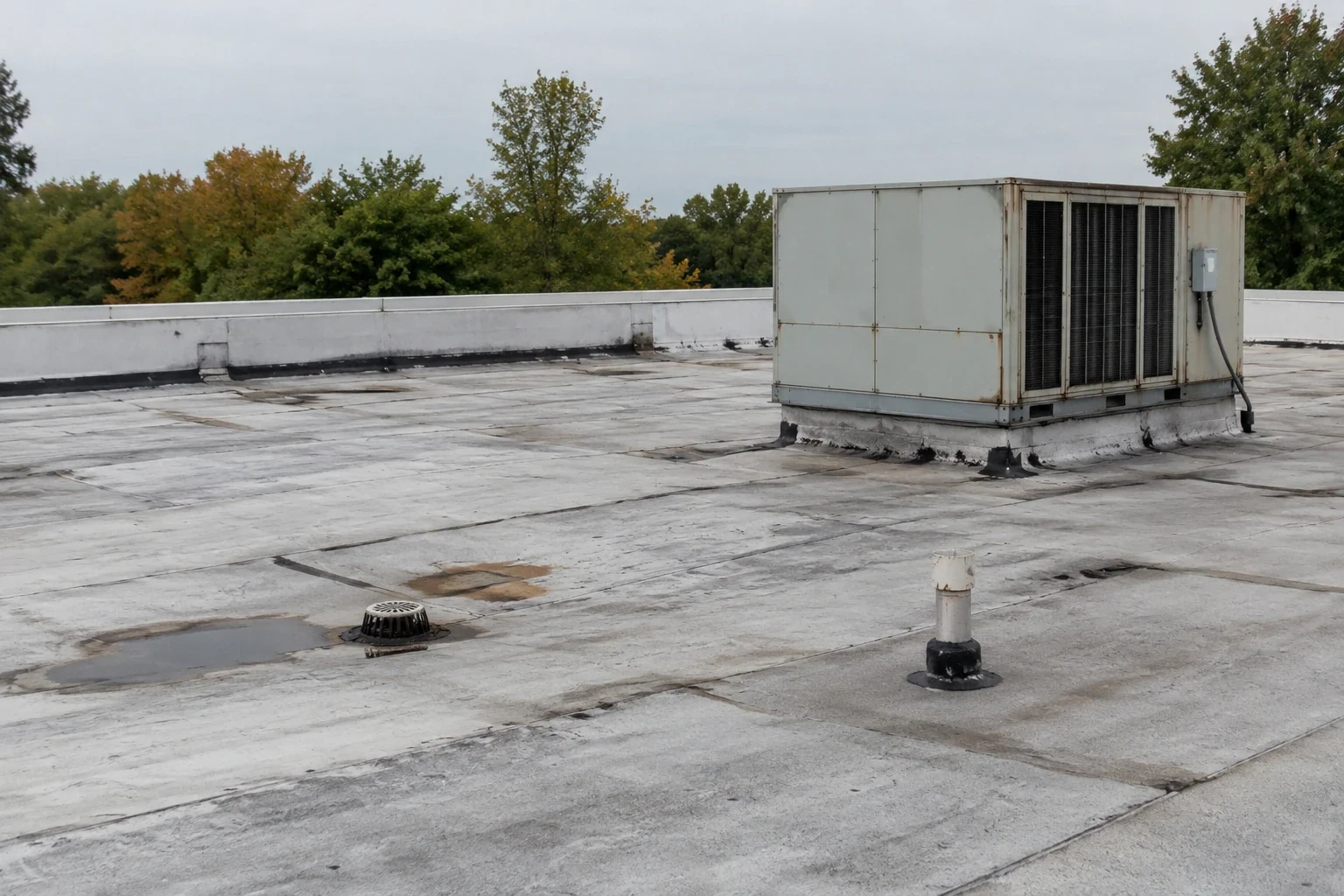
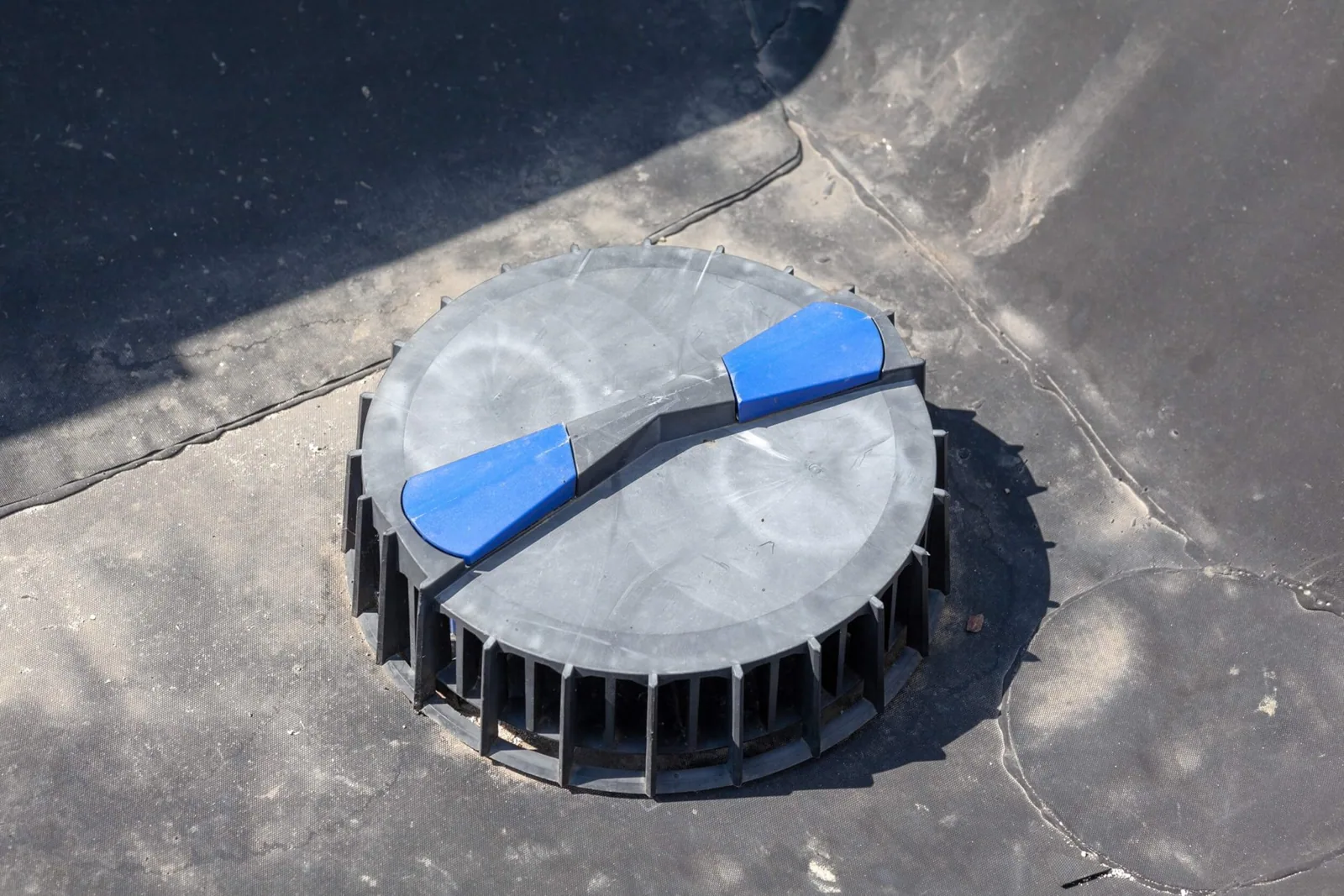
Water should travel across the roof plane toward drains, scuppers, and overflows without crossing an open seam or wall transition. We check drain bowls, strainers, clamping rings, overflow paths, and the material around the outlet. Low areas are measured after typical drainage time. A blocked strainer, a deflected deck, and a shallow roof slope can produce similar standing water, but require different work.
Interior moisture reports help narrow the route. We compare the affected room with roof geometry and inspect upslope transitions, penetrations, curbs, and past repairs. When moisture beneath a membrane is suspected, infrared moisture mapping can help choose confirmation points. The report marks tested wet insulation separately from an unverified surface anomaly. Drain and scupper service can correct an outlet detail when adjoining materials remain stable.
Read Weather Evidence Carefully
A March 2017 observer reported 1.75-inch hail two miles east-northeast of Independence. The observation is tied to that location; a roof within Little Blue Valley must be checked directly. We look for bruising, punctures, fractured coating, displaced flashing, or open seams and map the affected zones separately from ordinary wear.
Freeze-thaw cycles can work on metal edges and flashing joints; summer heat changes application conditions for adhesives and coatings. Before installing a repair, we check substrate moisture and product requirements. After severe weather, temporary protection may be needed for active water entry while the permanent repair boundary is established. Storm damage repair should connect the observed impact to the affected materials, not to a broad regional description.
Compare Repair With Rebuild
A seam split or puncture over sound insulation may accept a localized patch. If testing finds widespread moisture, failed attachment, or damaged deck, the owner may need a larger repair or replacement. We measure the affected area and explain the confirmed boundary. If tear-off reveals concealed damage beyond it, photographs and measurements support an updated scope before work proceeds.
A recover depends on the number and condition of existing layers, deck strength, drainage height, code requirements, and attachment design. Replacement may be needed to remove wet or incompatible material. Cost and timing follow verified area, site access, materials, protection, disposal, and weather. A repair scope should identify compatible products and tie-ins; replacement describes the complete assembly, including edges, drains, and curbs. A phased project can also protect occupied areas and limit how much material is exposed each day. We identify delivery needs, site restrictions, and forecast windows before selecting the sequence. Those decisions affect the schedule and staging, even when the measured repair area is already known.
Protect Access and Operations
Properties across a wide planning area can have different roof access and operating conditions. The site contact confirms the entrance, loading route, roof hatch, staging, and hours before a crew arrives. We plan lifts and debris handling around confirmed site rules. If a roof is over an occupied facility, the scope identifies interior protection and daily closure checks. The work area should be small enough to dry in within the shift and the weather window.
The project record keeps address, inspection date, roof zone, observed system, repairs, and follow-up items together. We also provide commercial roof reviews at Buckner, Missouri, each under its own authorized access process. At a Little Blue Valley property, a clear closeout lists repaired seams or transitions, drains checked, materials used, and any remaining test area. That record gives future maintenance a reliable starting point.
In the Little Blue Valley area, the building representative should identify the property and the drainage conditions that matter at that roof. Confirm how roof water reaches its drains or scuppers and where overflow is intended to go before proposing work at a low edge. If more than one building is involved, record each assembly and repair boundary separately; proximity does not confirm matching materials or a shared drainage system. The work plan should also state how crews will access the selected roof, protect an exposed opening overnight, and report an unexpected deck condition. Those steps make the recommendation actionable for the actual site and preserve a clear basis for follow-up.
Commercial Roofing Questions
Does the Little Blue Valley plan identify my roof type?
No. It describes land use, transportation, and economic development. We inspect the building and review its records before naming an assembly.
Does the 2017 hail report prove damage at a property in the valley?
No. The report records hail at a specific location east-northeast of Independence. A roof inspection must establish impact at the address being reviewed.
Can Eastgate's roof findings apply to a nearby building?
Each roof requires its own inspection. Materials, drainage, attachment, and prior repairs can differ even when buildings share a broader planning area.
What evidence supports replacing a commercial roof?
We consider tested moisture, repeated failures, substrate condition, attachment, and the feasibility of a compatible repair or recover before recommending replacement.