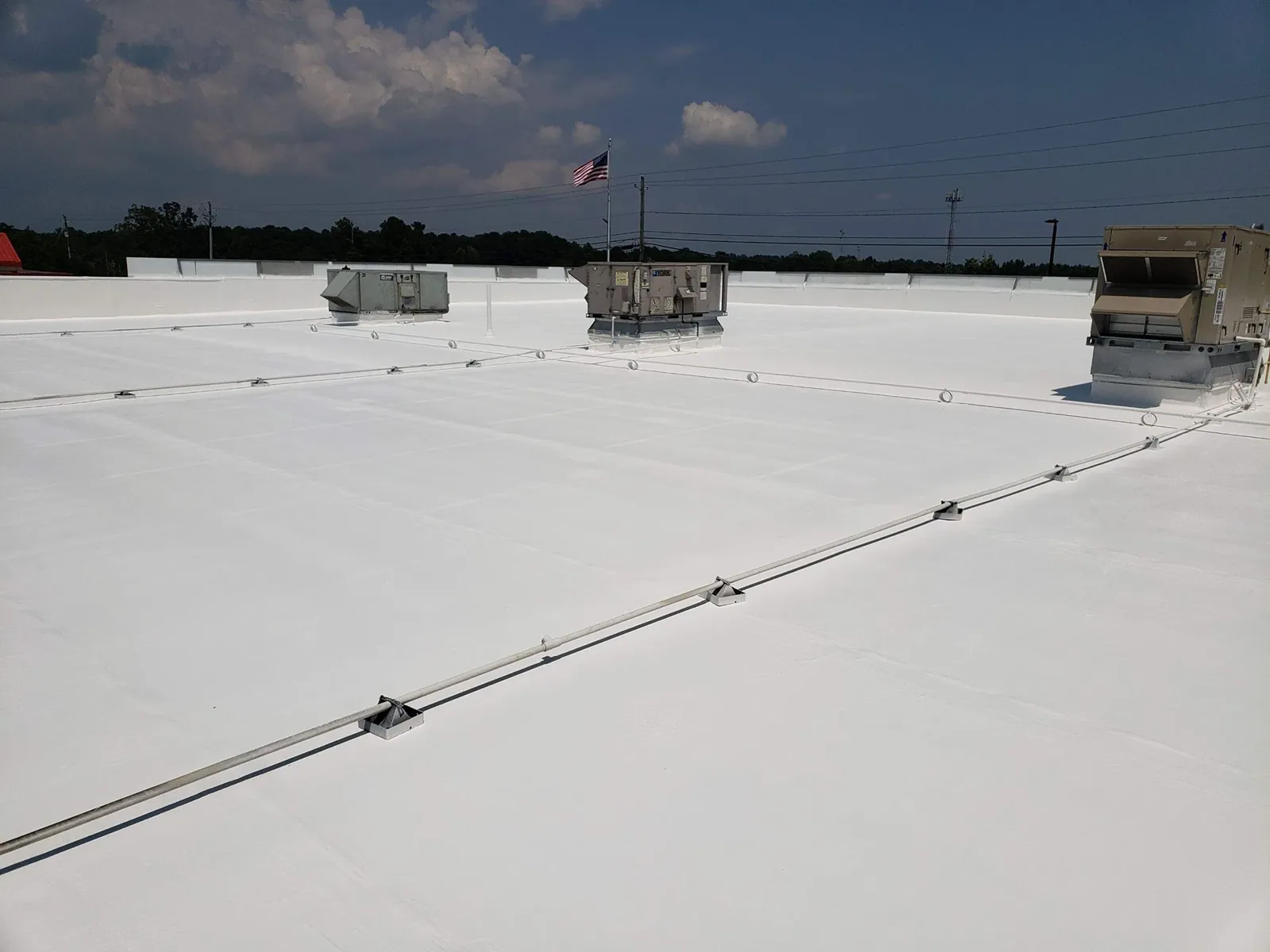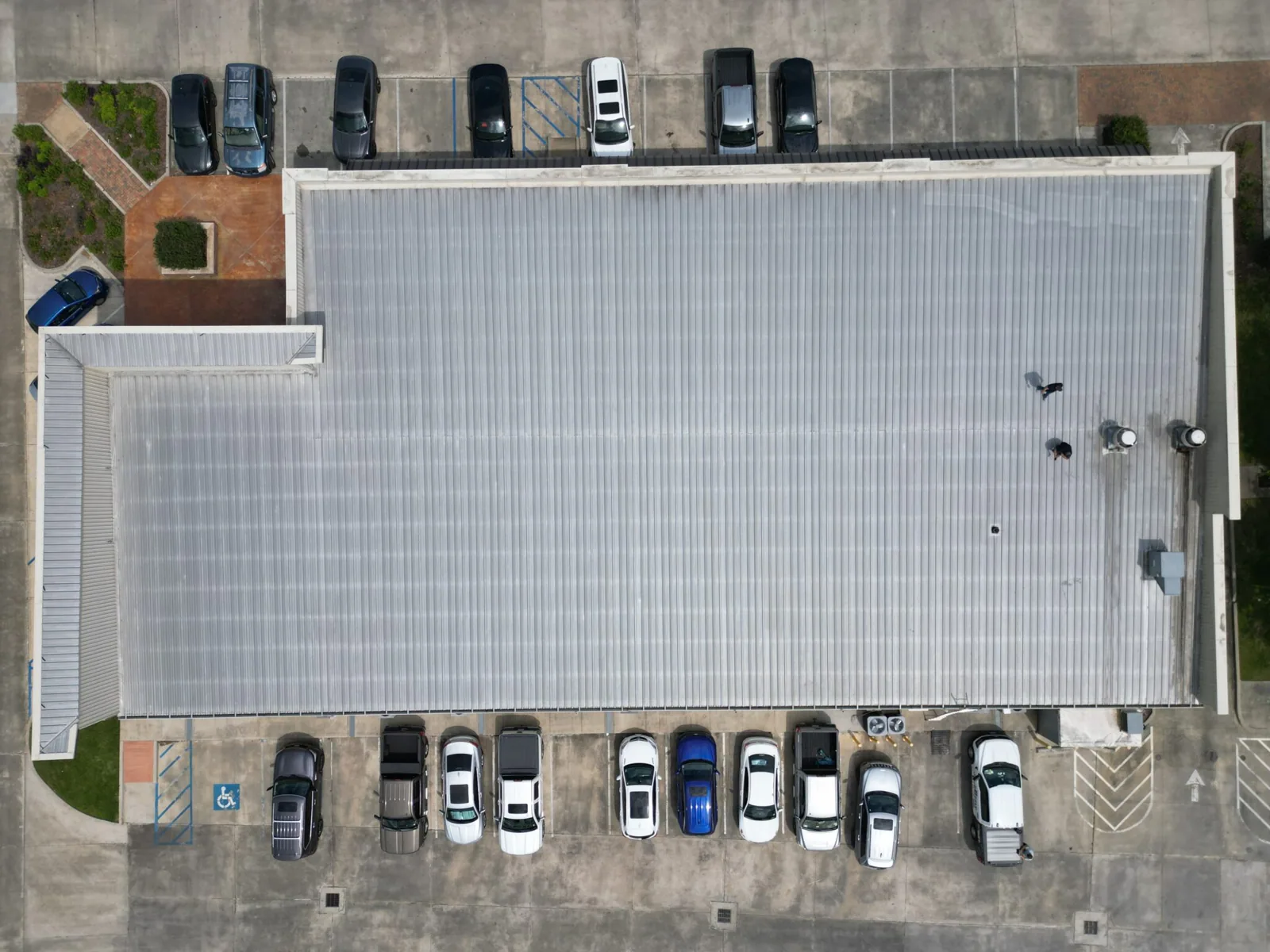
Commercial roofing in Sugar Creek, MO, begins with property-level inspection, a confirmed access plan, and a scope based on the roof assembly.
Sugar Creek has an Enhanced Enterprise Zone. Eligible sectors include manufacturing, wholesale trade, transportation and warehousing, utilities, and construction. The employment context does not establish the roof type or condition at any business property. We inspect the building, confirm its assembly and access requirements, and define maintenance, repair, or replacement from those field conditions.
The roof review covers visible membrane or metal, seams, penetrations, equipment supports, edges, drains, and interior leak signs. A site contact confirms operating schedule, safety requirements, loading routes, and access. We compare available drawings with field conditions and record any areas needing a test opening. A clear boundary lets an owner coordinate roof work with the building's actual operations.
Coordinate With the Site Contact
Facilities in manufacturing, wholesale, transport, utility, or construction sectors can have different access and safety rules. The property representative identifies the required orientation, work permit, loading hours, restricted zones, and equipment routes. We verify these controls before staging a lift or delivering materials. The sector list does not prove that any specific process or rooftop equipment is present at a given address.
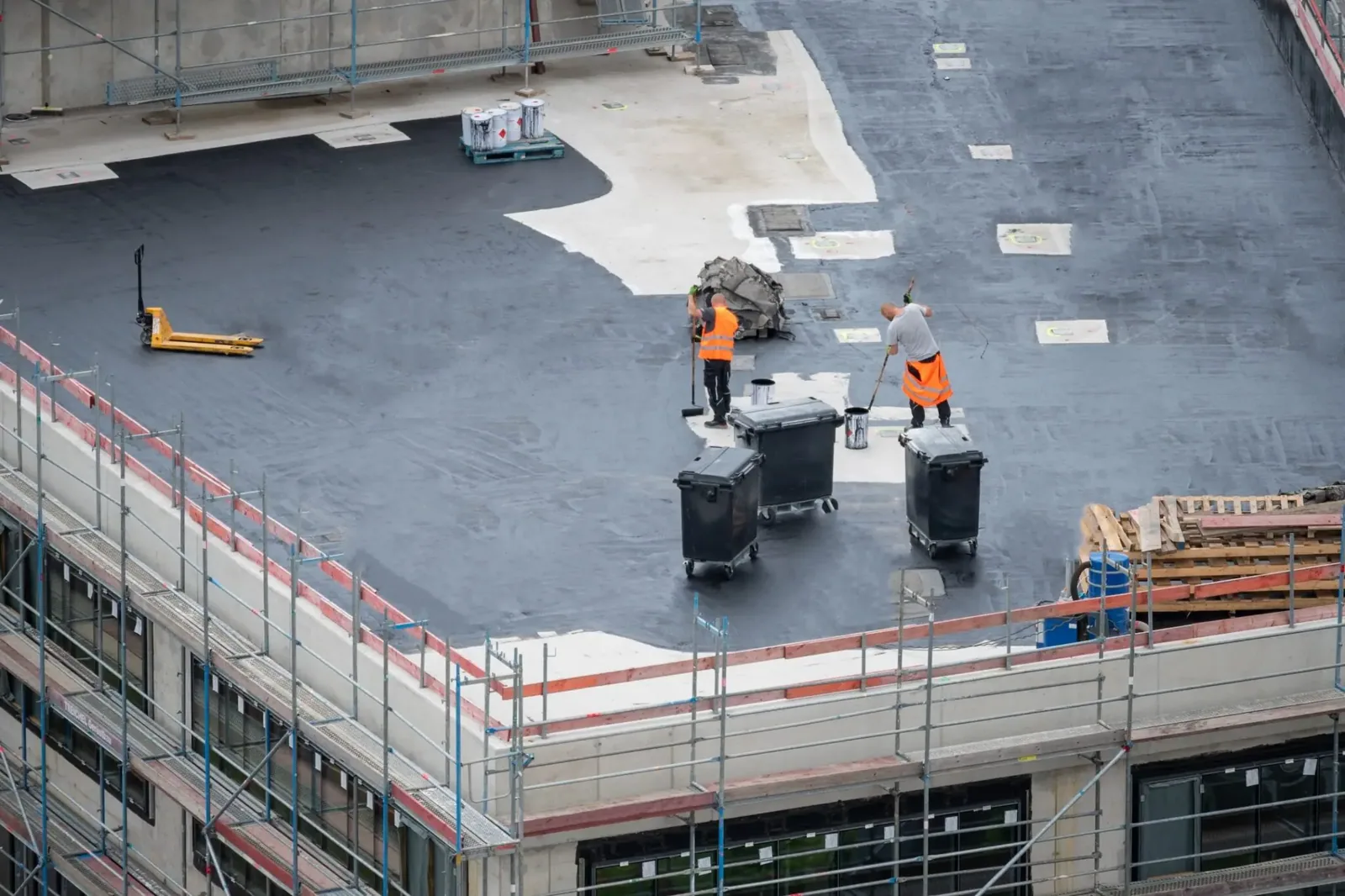
For tear-off, the daily roof opening must fit the approved work period and weather window. We stage material, protect interior areas, and prepare a temporary closure before removing layers. The crew records any access interruption and secures the assembly before leaving. Phased occupied-building work can schedule roof sections around shift changes and deliveries. For industrial operations, the facility sets rules for heat, noise, odors, or work above active areas, and we build those limits into the plan.
Before crews mobilize, we also ask what work authorization is required, how to report a changed condition, and who can approve opening the roof. If the facility has multiple shifts, those contacts should be available during the planned work period. We identify the roof area that can be secured at each stop point and how a temporary cover will be inspected. This prevents production staff from discovering an open detail after the roofing crew has left and makes the daily handoff explicit.
Confirm the Installed Assembly
The listed business sectors do not identify a facility roof system. We examine how the field membrane joins at laps, how metal meets the perimeter, and what earlier repairs conceal. Drawings can help explain the original design, though they do not replace the present condition. Where the base cannot be seen, a small opening may reveal what supports the surface.
Repair materials must match the existing system. We check surface condition, seam method, attachment, and compatible flashing before specifying a patch. A coating is considered only if the membrane and substrate can support it. A documented roof inspection identifies the visible assembly, photos, active leaks, and items that require testing. The property can use that record for due diligence or as a reference when new equipment or penetrations are planned.
Trace Water and Check Drainage
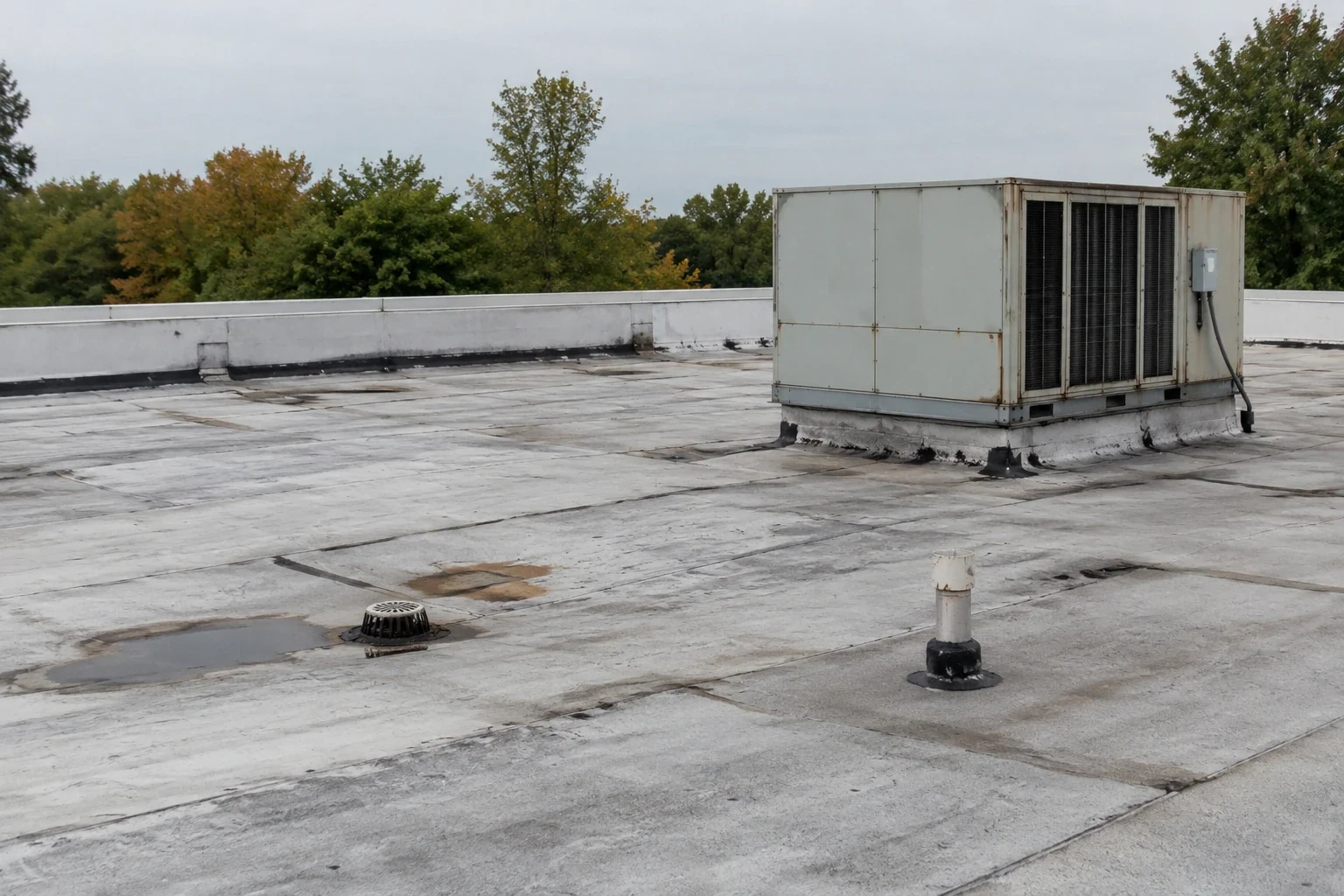
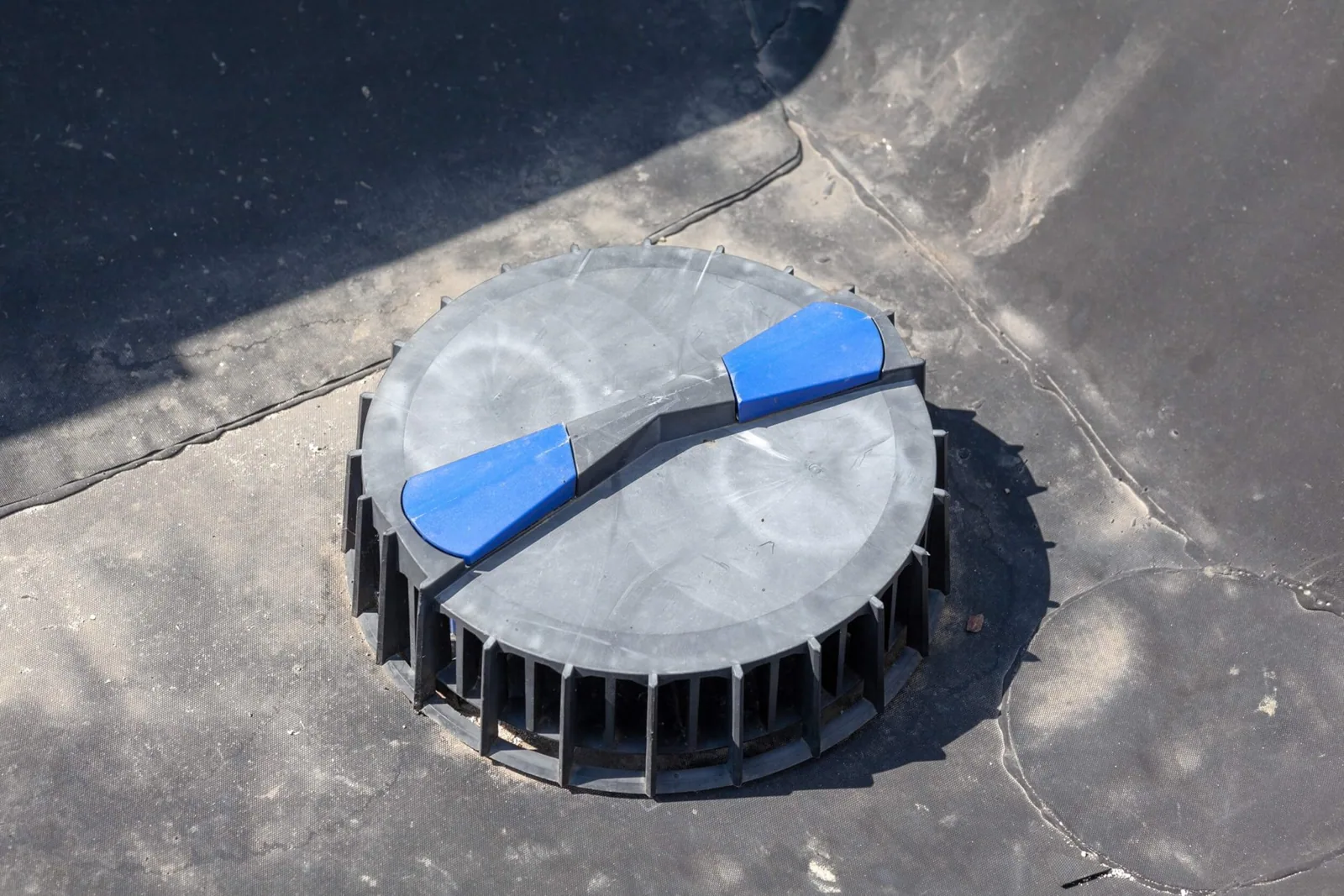
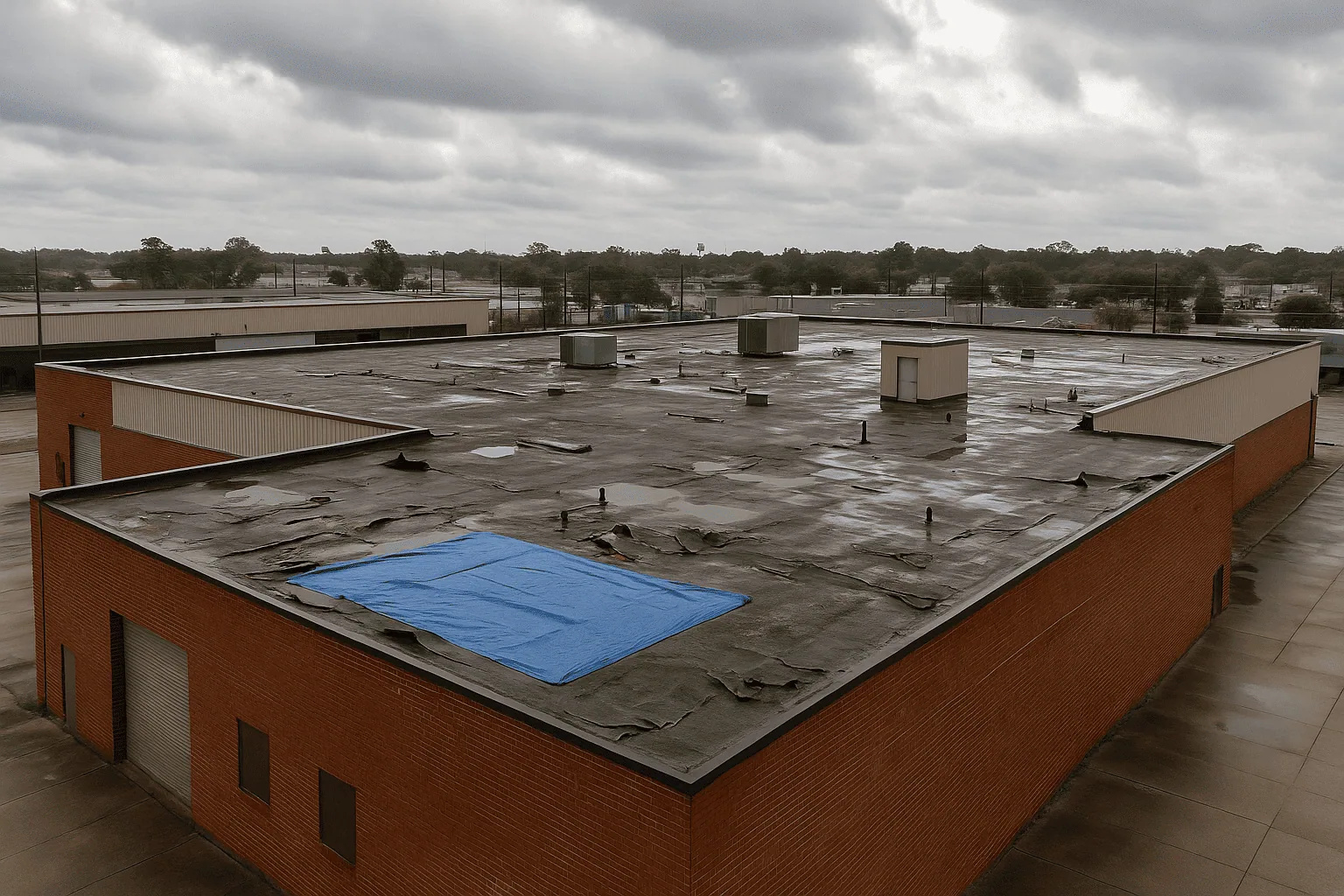
Roof drainage depends on slope, outlet condition, and clear flow paths. We check drain bowls, strainers, scuppers, overflows, leaders, and membrane around each fitting. Persistent ponding is measured and mapped. A clogged drain, low area, and deck deflection may look alike from the ground, but the correction depends on what inspection shows.
Water entering a plant, warehouse, or office can travel along the deck before reaching an interior surface. We inspect above the reported area and follow transitions uphill through curbs, walls, seams, and old repairs. If moisture may be trapped, infrared survey methods can direct test cuts. The cut confirms whether insulation is wet. Drain and scupper repairs can restore a failing connection when adjacent roofing remains sound.
Control Weather and Material Exposure
Independence's regional climate records describe seasonal cold, spring hail, and summer heat. For a Sugar Creek property, those records offer regional context, not a condition reading for the job address. We inspect the roof after a reported event and document any puncture, displaced edge metal, open seam, or moisture. The repair boundary comes from that evidence.
Adhesives, primers, and coatings follow substrate and temperature instructions. During replacement, a changing forecast may require reducing the exposed area and protecting the assembly between shifts. We check temporary closure at day's end and clear loose materials from the roof. Storm damage repair identifies affected materials and visible damage. If water is actively entering, emergency stabilization can protect the building while the full inspection determines permanent work.
Set a Defensible Roof Scope
A localized seam or flashing defect may be repaired if surrounding layers are dry and attached. Repeated leakage, widespread wet insulation, corrosion, or deck damage may require more extensive work. We measure the confirmed area, photograph concealed findings, and explain what remains outside the repair. Additional work is approved before it is installed if tear-off reveals conditions beyond the initial limit.
An overlay makes sense only if the existing base can support the new work, roof exits maintain adequate height, and code and attachment requirements are met. If those tests fail, removal provides a sound surface for reconstruction. Schedule and cost depend on verified area, access, material, disposal, interior protection, and weather. A repair scope names the failure and tie-in; replacement work describes new insulation, membrane or metal, edges, drains, and curb flashing.
Connect the Report to the Address
A closeout report should identify the building address, roof zone, material, repairs completed, drainage checked, and any test not yet performed. Photos show a fixed reference so later service can find the same seam or penetration. If production or loading restricted access, the report states which area was not inspected. That makes the record useful to a facility manager planning maintenance or business expansion.
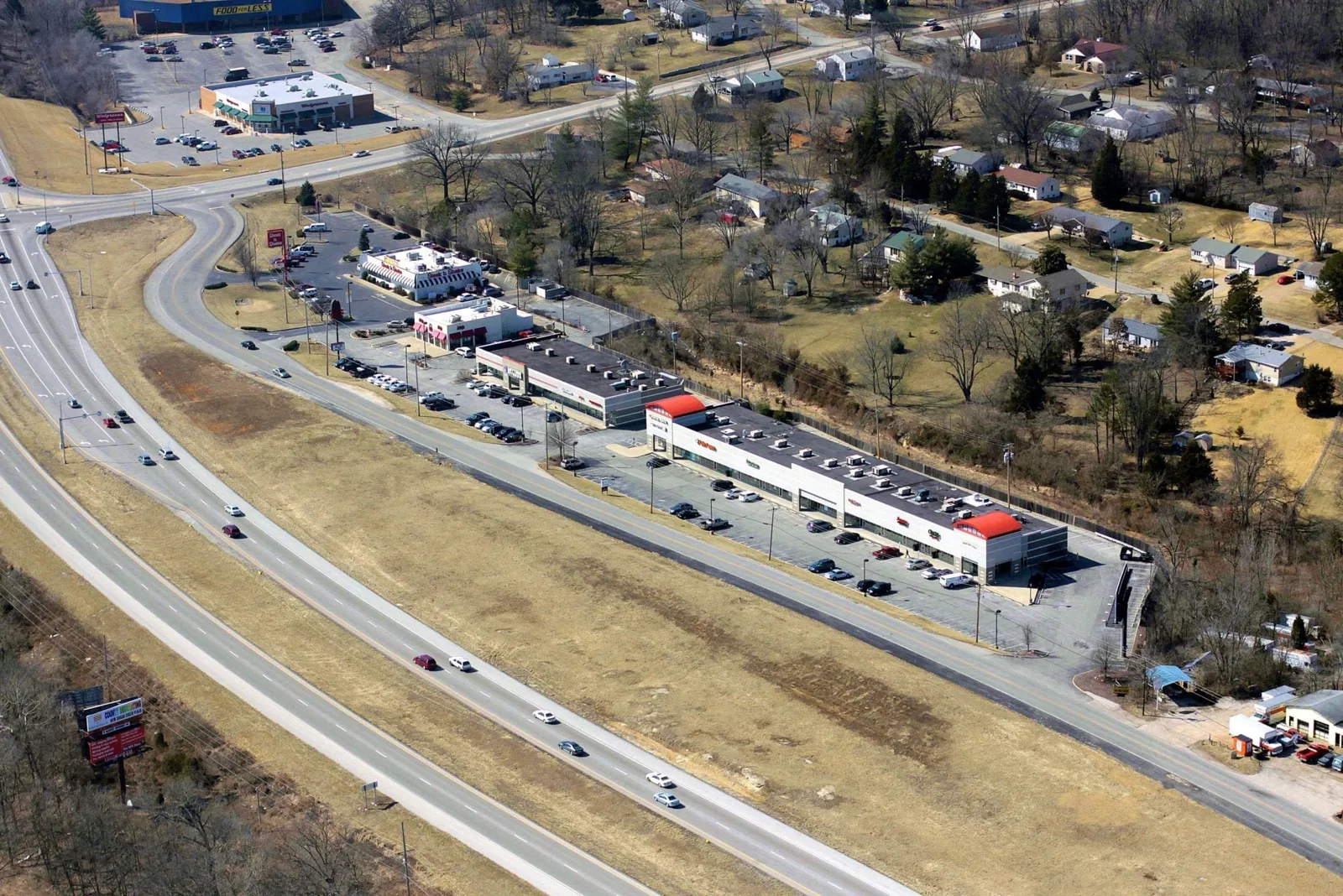
Sugar Creek lies immediately north of Independence. Nearby industrial facilities include Buckner, Missouri and Adams Dairy Parkway Corridor, Blue Springs, each with its own roof assembly, access requirements, and inspection record. A Sugar Creek recommendation remains specific to its own building and authorized access plan.
Before crews mobilize, we also ask what work authorization is required, how to report a changed condition, and who can approve opening the roof. If the facility has multiple shifts, those contacts should be available during the planned work period. We identify the roof area that can be secured at each stop point and how a temporary cover will be inspected. This makes the daily handoff explicit.
For an industrial or service property in Sugar Creek, identify the roof section in relation to the operating area below it. The facility contact can flag equipment, stored materials, vehicle routes, and processes that should be protected during removal. The proposal should state where debris and new materials will travel, how the roof opening will be secured at the end of each shift, and who can review concealed deck or insulation conditions. Separate any equipment shutdown or support alteration from the roofing work, with the responsible trade identified. This lets the operator plan a repair around real site needs while keeping the roof contractor's scope clear and inspectable.
Commercial Roofing Questions
Does an Enhanced Enterprise Zone designation indicate roof conditions?
No. The designation is economic-development context. We inspect the property to identify roof material, drainage, damage, and testing needs.
Can roofing be scheduled around production or loading shifts?
The facility representative sets access and safety limits. We coordinate materials, lifts, work zones, and daily closure around the approved schedule.
How do you identify a roof system under an older coating?
We review records, inspect exposed details, and use a test opening when concealed layers affect repair or replacement decisions.
What happens if a crew finds damaged deck during repair?
We secure the opening, photograph and measure the condition, then present the added work for approval before continuing beyond the scope.