Commercial roofing along US 24 in Independence, MO, starts with property-specific inspection, traffic coordination, and a defined roof work zone.
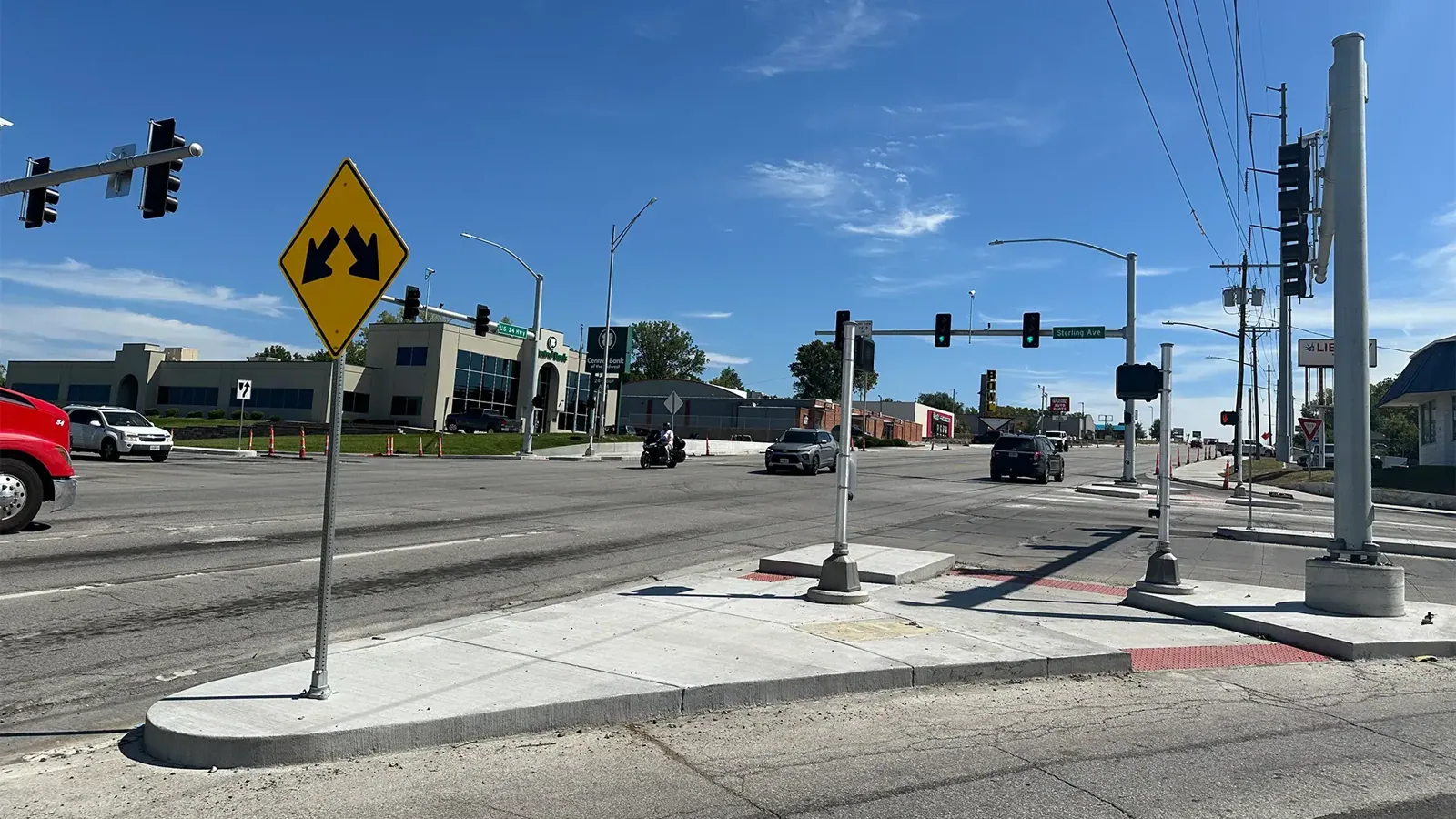
Independence's adopted US 24 study treats the highway as a gateway to the Truman Presidential Library and examines redevelopment along the route. The transportation plan connects US 24 toward eastern Kansas City, Lee's Summit, Blue Springs, and Grain Valley. Road access, safety, sidewalks, and stormwater also appear in the City's Fairmount planning. For a commercial roof project, those corridor conditions make access coordination useful. The building itself determines the roofing scope, not the highway designation.
We inspect the property to identify roof materials, seams, edges, drains, penetrations, and interior signs of water. The site contact confirms the entrance, loading area, roof access, and any active traffic or sidewalk constraints. A repair plan then names the roof zone, water path, material compatibility, and closure method. This keeps a roof project connected to its own conditions while construction or traffic changes occur outside.
Plan the Arrival and Work Area
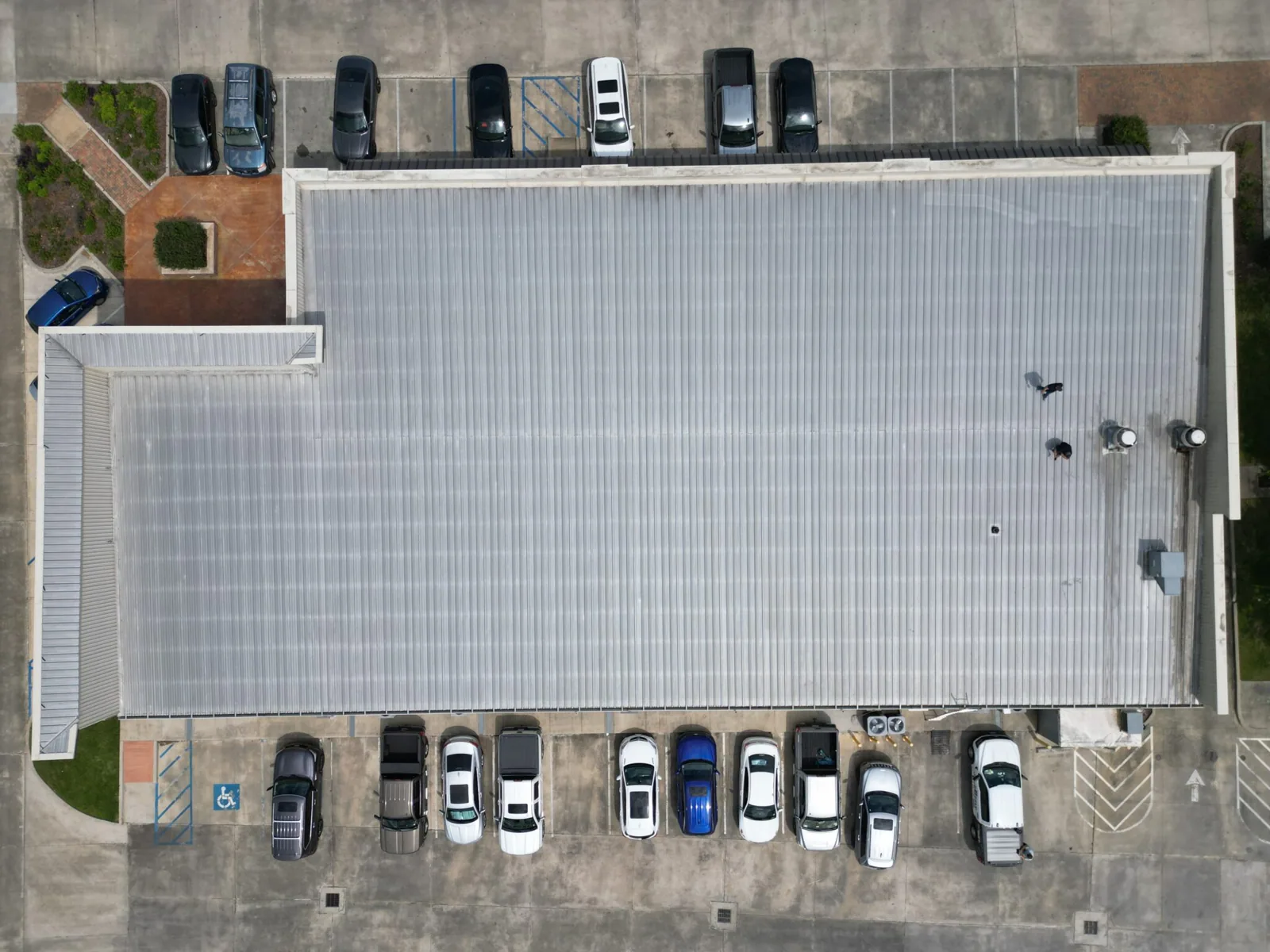
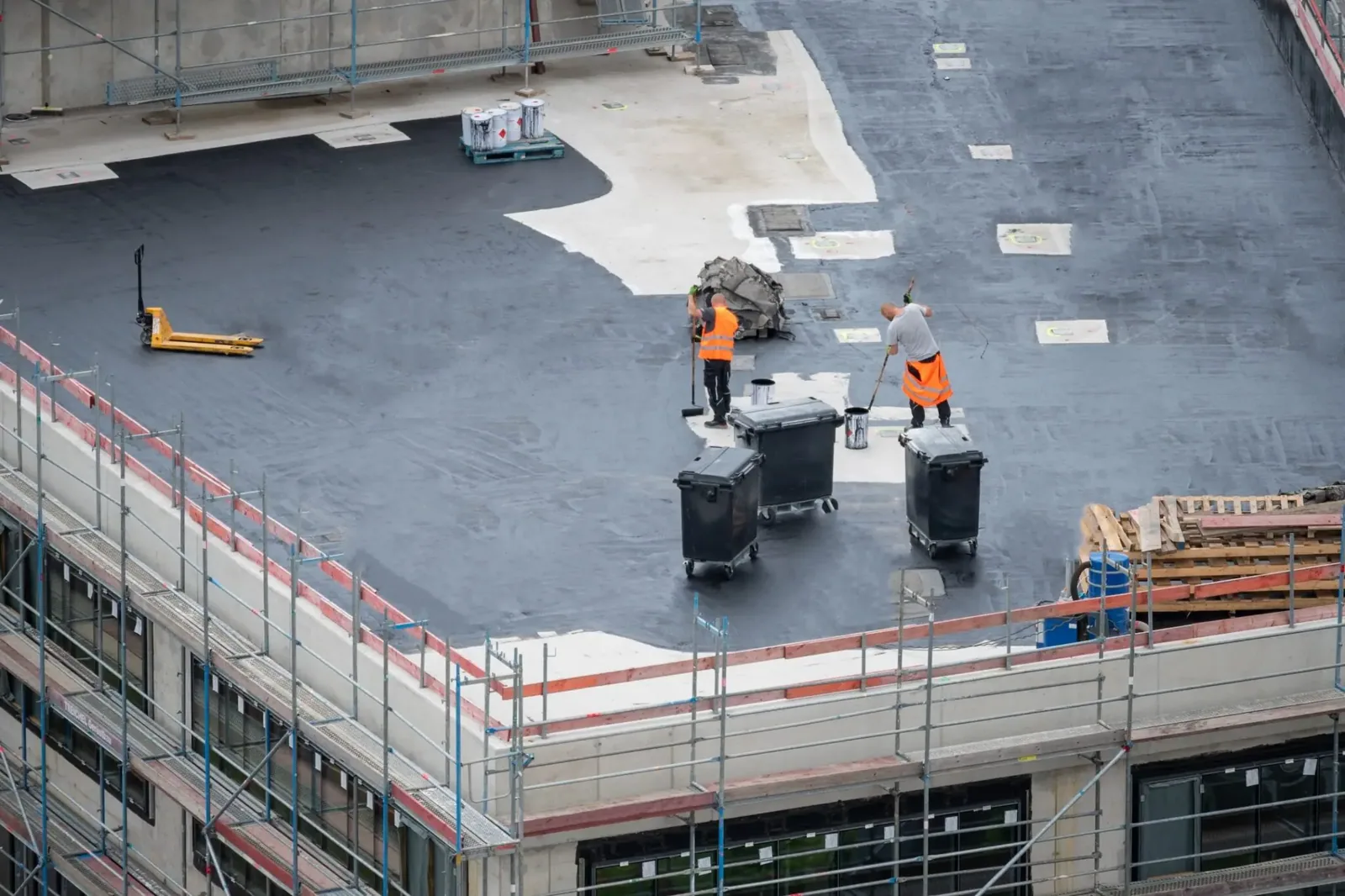
A corridor plan describes regional movement, but the exact property approach can change with active construction, deliveries, and traffic controls. We verify the route with the site representative before mobilization. That includes whether a lift can be placed, where materials may be stored, and how pedestrians or customers move past the work. If access is restricted, we revise the sequence rather than stage equipment in an unapproved area.
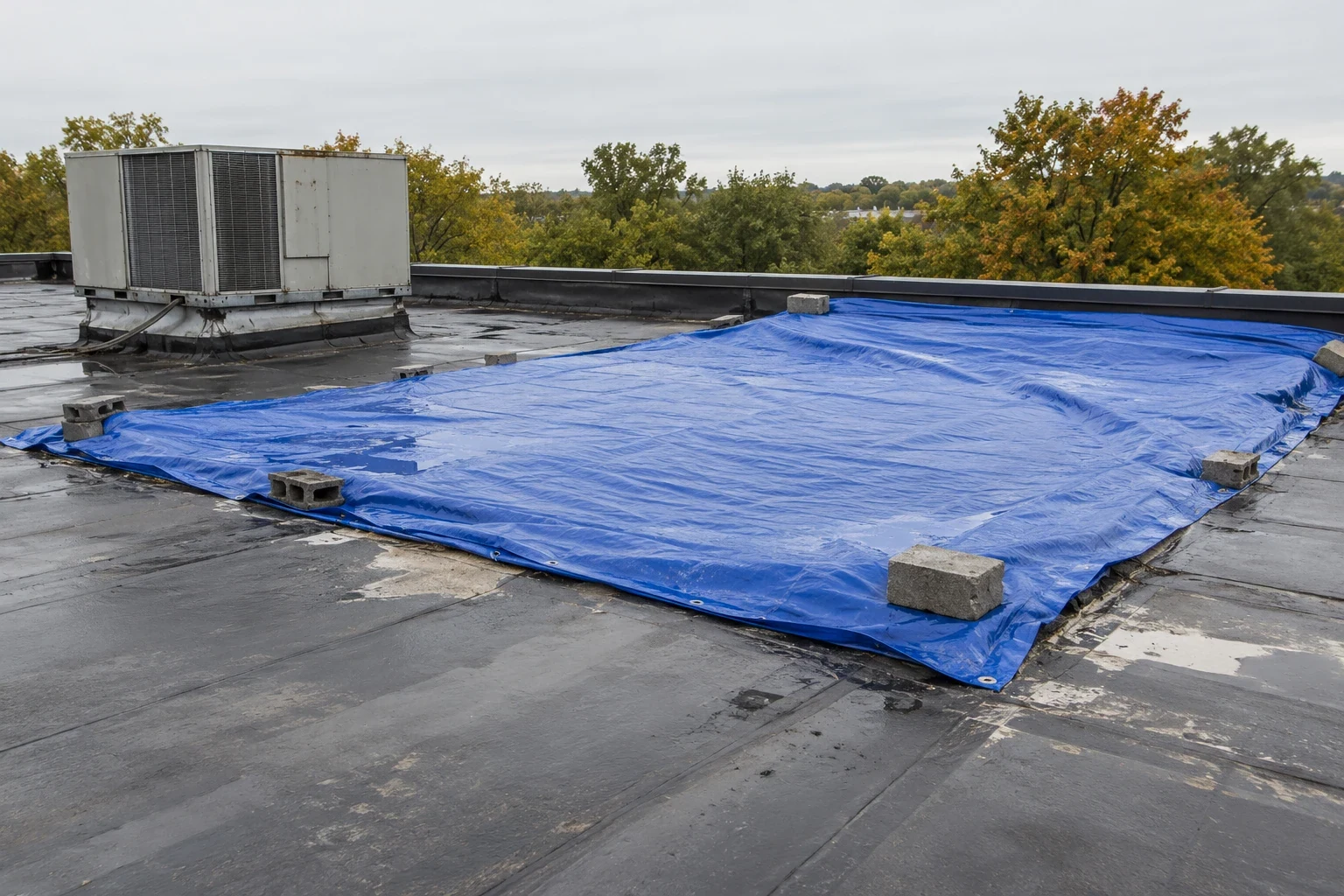
Roof tear-off requires an area that can be fully protected during the available shift. We define the day's removal limit, temporary dry-in detail, and inspection point before opening the assembly. Debris and materials need a controlled path from roof to ground. For an occupied building, phased roofing work can keep the active zone separate from entrances and operations. The schedule should account for weather, access windows, and any noisy task that needs advance coordination.
Identify the Roof Before Pricing
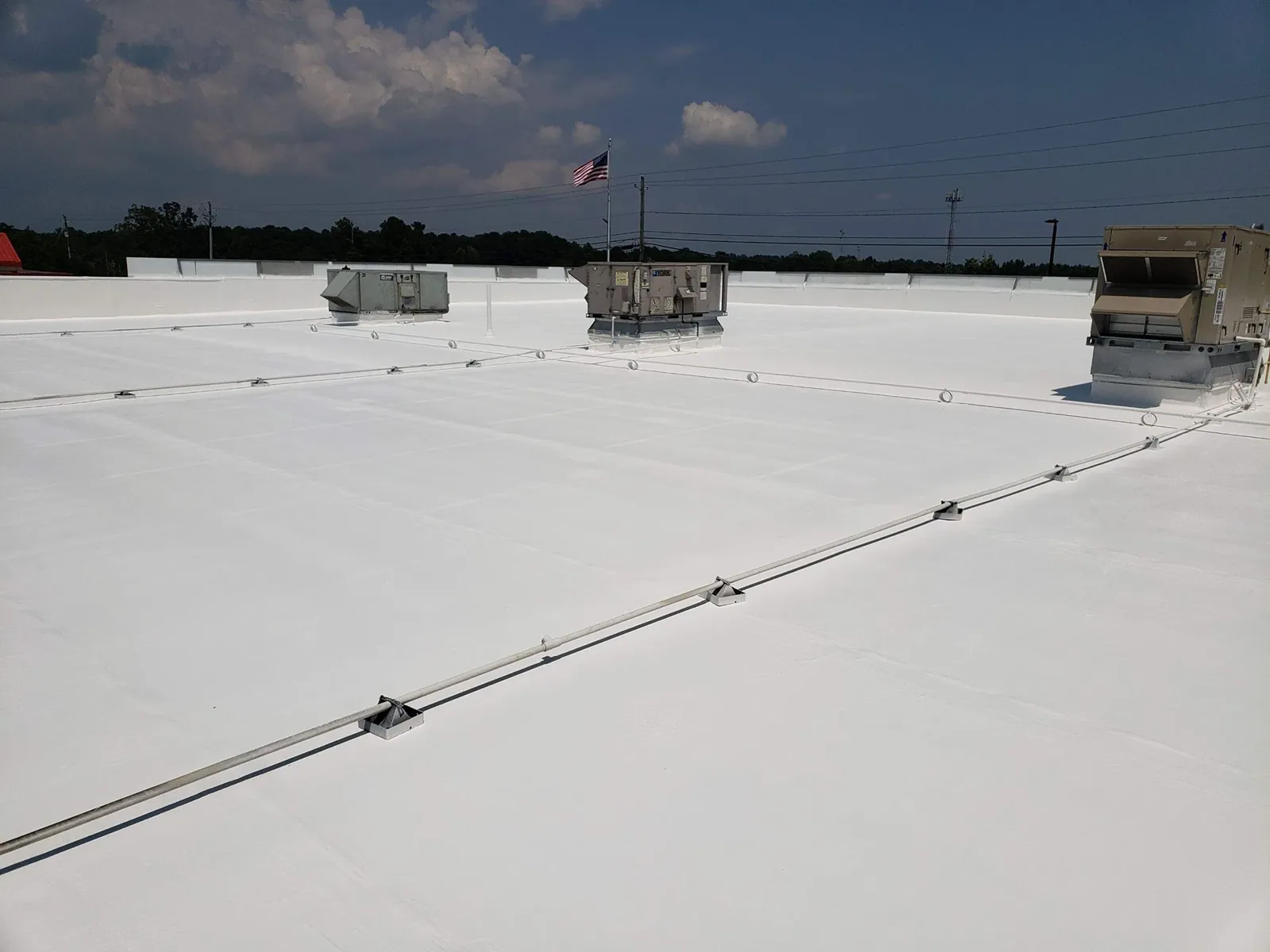
US 24 frontage does not reveal a building’s roof system. We examine how field joints close, how the perimeter is terminated, what penetrations interrupt the surface, and where earlier repairs altered it. We inspect exposed seams, edges, penetrations, flashing, and prior patches to identify the visible system. Records can help establish the original assembly, but they need to match the current roof. If a coating or overlay conceals layers, a test opening may be necessary to confirm deck and insulation condition.
Repair work has to suit the roof material. A patch needs compatible adhesive or a welded seam; metal repairs must allow thermal movement and maintain attachment. Existing wet insulation or a loose substrate can prevent a sound repair even when the top membrane looks intact. A roof inspection report records verified layers and distinguishes observed damage from conditions that remain concealed. That evidence helps the property owner compare a patch, larger repair, recover, or replacement.
Inspect Drainage and Water Entry
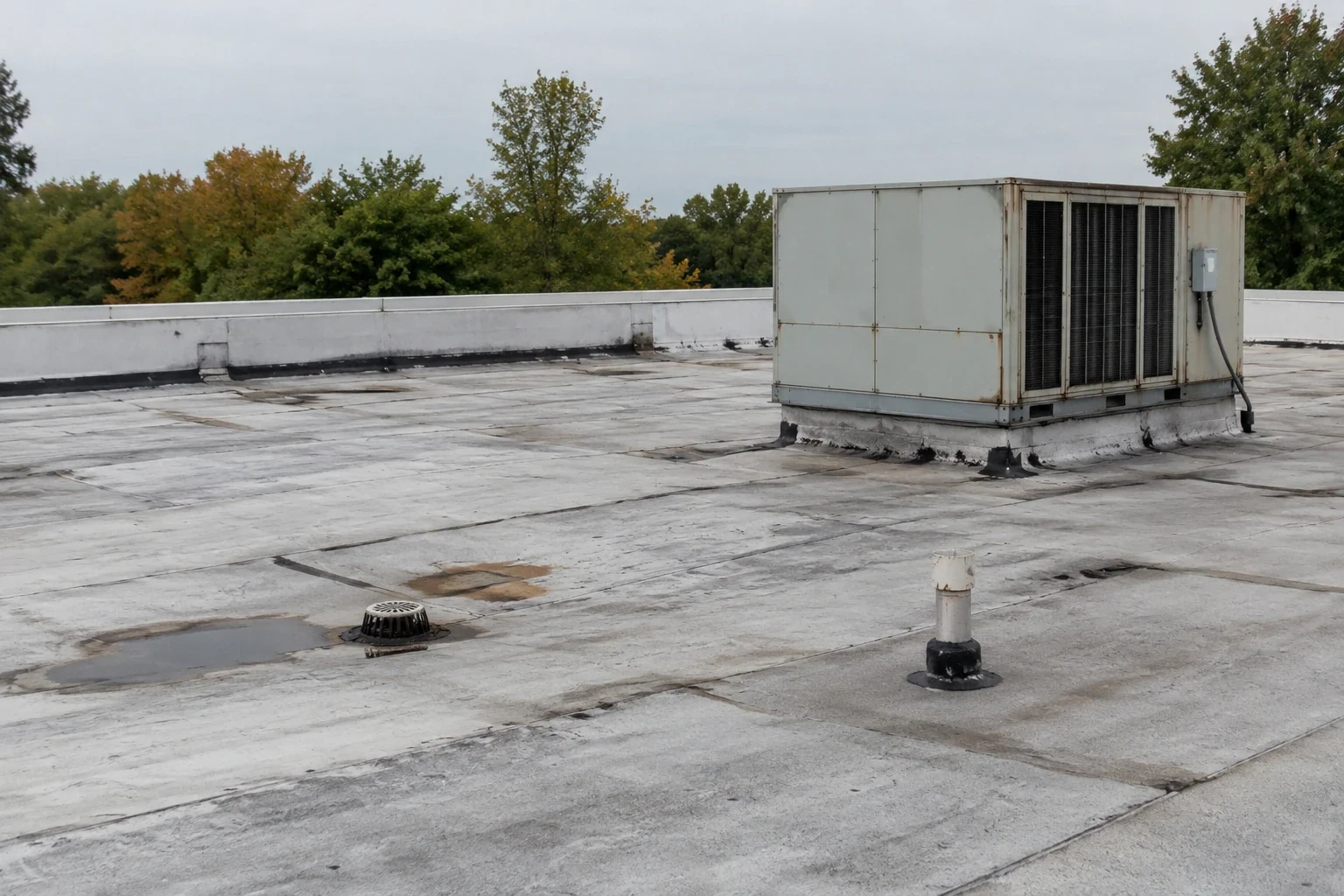
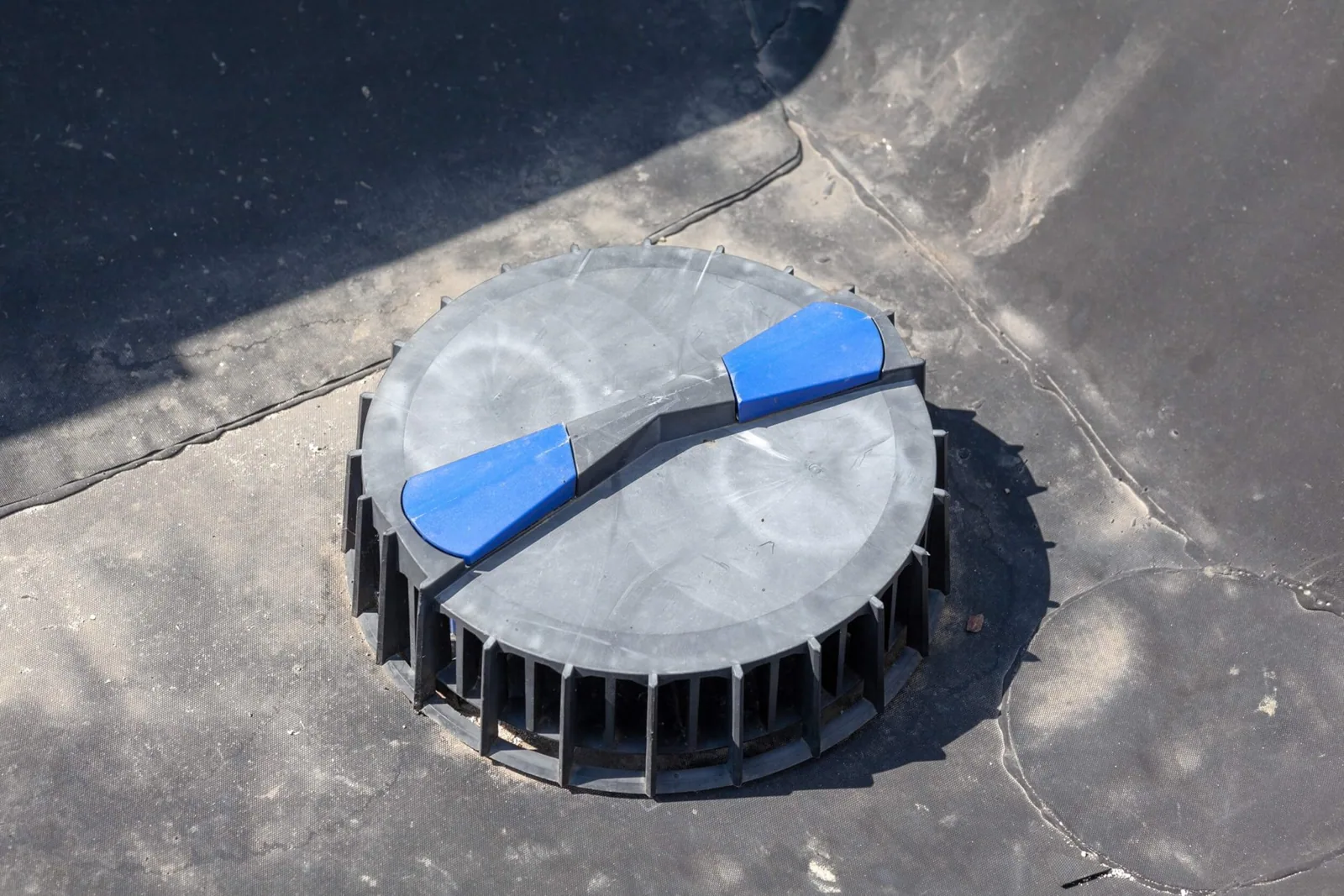
The roof's drainage route begins at slope and ends at a drain, scupper, or designed outlet. We check strainers, drain bowls, overflow routes, leaders, and the surrounding membrane. If water remains, we measure its footprint and inspect for a blocked outlet, deflected deck, or low area. Stormwater planning along a roadway does not confirm how a private roof drains, so we trace that system at the building.
Interior water can travel before it appears. We compare the reported stain with roof details above and inspect wall transitions, curbs, seams, and previous repairs. If moisture may sit under the membrane, infrared moisture mapping can identify areas for a test cut. Confirmed wet material is marked separately from an untested temperature anomaly. Drain and scupper service can repair an outlet detail when the surrounding substrate remains sound.
Keep Planning Facts in Their Lane
The City's US 24 study frames the corridor as a gateway to the Truman Presidential Library and considers redevelopment potential. That is relevant to route context, but it does not identify the roof age, use, or construction at any property. We use the address and authorized building records for access planning, then confirm all roof details in the field. A destination or traffic map cannot substitute for a roof walk.
Current weather and roof-surface conditions affect work scheduling. We check the forecast and product instructions before each application step, then limit exposed areas to what the crew can secure and close. For a reported leak, temporary protection can limit interior exposure while the source is investigated. Emergency roof stabilization is available around the clock, with permanent work scoped after the roof area and water route are confirmed.
Set the Repair or Replacement Limit
An isolated seam opening on a firm, dry substrate may take a compatible repair. Widespread moisture, failed attachment, repeated leakage, or deck deterioration can require a broader area. We test uncertain zones, photograph the condition, and define where work stops. If tear-off reveals more damage, the owner gets measurements and an updated scope before the assembly is rebuilt.
A recover is possible only if the existing layers, deck, height at drains, code, and attachment can support the new system. Otherwise, removal may be needed. The schedule and cost respond to measured quantity, access, materials, disposal, interior protection, and weather. A targeted repair should state compatible materials and transition details. A replacement scope should identify insulation, membrane, edge, curb, and drainage components included in the rebuild.
Record the Property, Not the Highway
After construction, the roof record should identify the property's address, inspected zones, materials installed, seams or fasteners checked, drains cleared, and unresolved conditions. Photographs should connect each repair to a fixed roof feature. If roadway access changed during the project, the log can show how material delivery and staging were revised. The record supports future maintenance without blending public corridor plans into the building's roof history.
The Fairmount Business District is one specific US 24 location, and the adopted study covers Sterling Avenue to Cedar Avenue there. Other service locations receive separate findings; we also inspect Fairmount Business District and Maywood Business District. At each address, we confirm access and roof condition independently. For US 24 work, closeout identifies the observed assembly and any remaining test area rather than treating the corridor as one continuous commercial property.
Commercial frontage near US 24 can make material delivery and customer access part of the roofing sequence. Before mobilization, identify which driveway or loading area the crew will use and where waste can be secured. Keep those arrangements tied to the property rather than assuming a highway-side location provides room for staging. On completion, record the roof section, the materials installed, the drainage points checked, and any transition that still needs attention. If work occurs in phases, include the boundary between completed and deferred areas. That record helps the owner track later service without treating a repair at one storefront as an inspection of the whole corridor.
Commercial Roofing Questions
Does a US 24 corridor study include a building's roof?
No. It informs regional planning and access context. We inspect the individual building to identify roof materials, drainage, defects, and work limits.
Can a roofing crew stage materials from the highway shoulder?
Only if the authorized site contact and applicable controls allow it. We verify staging, lifting, pedestrian safety, and delivery access for the exact property.
How do you set a roof replacement schedule near active road work?
We coordinate property access, deliveries, any confirmed traffic restrictions, the daily dry-in limit, and a weather window before work begins.
Can you determine storm damage from the corridor location?
No. We inspect the actual surface and details. A regional event report alone does not establish impact or leakage at a specific property.