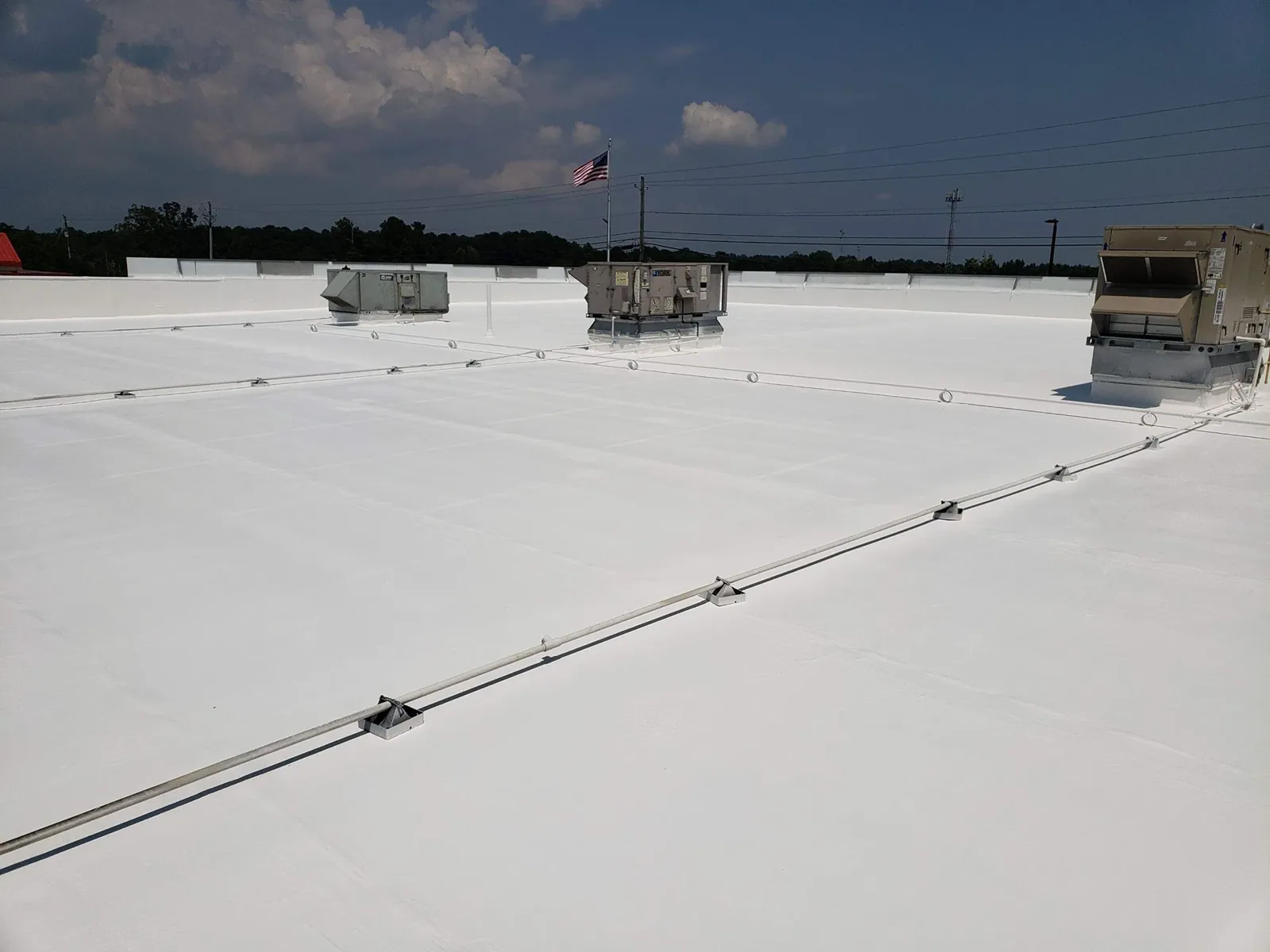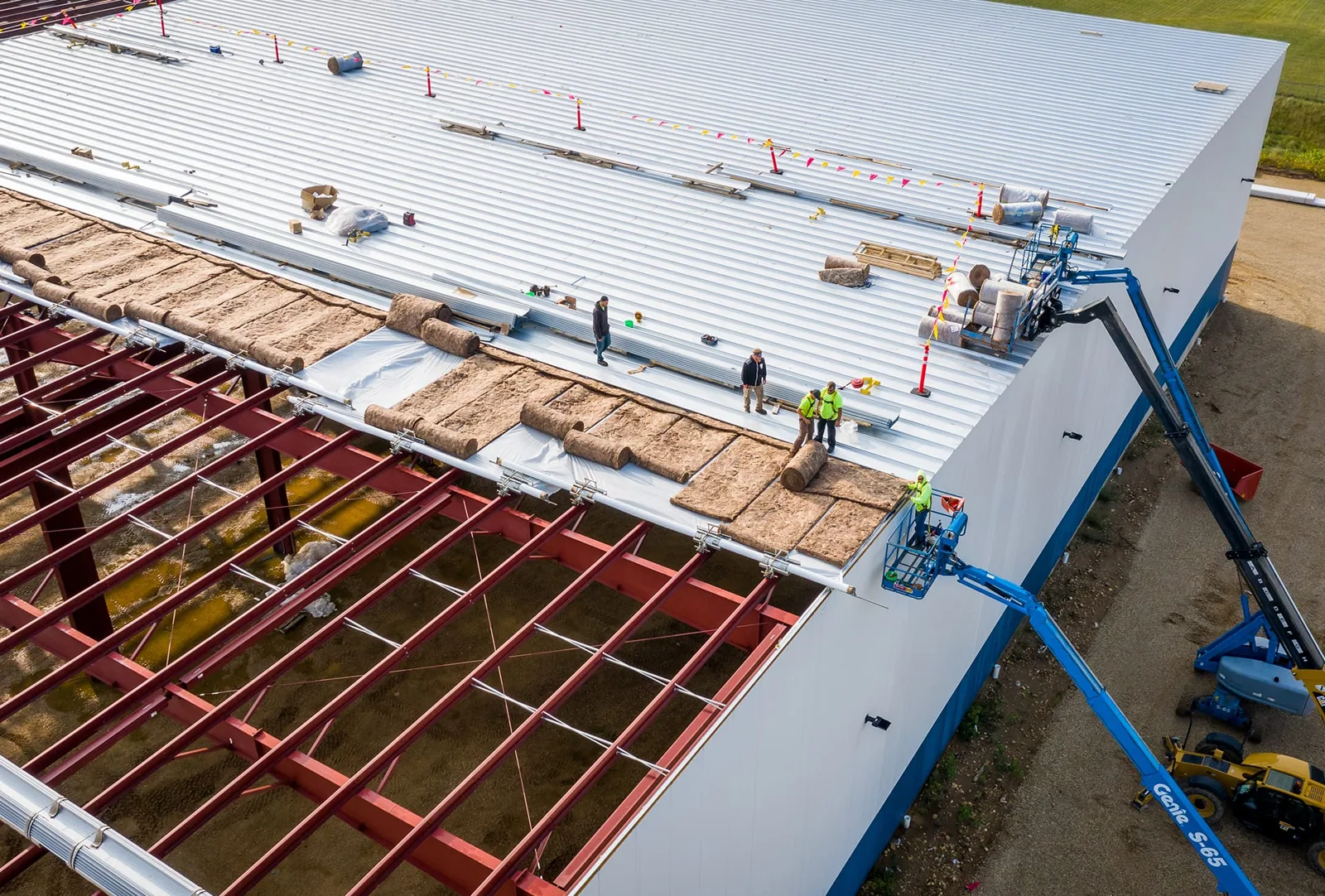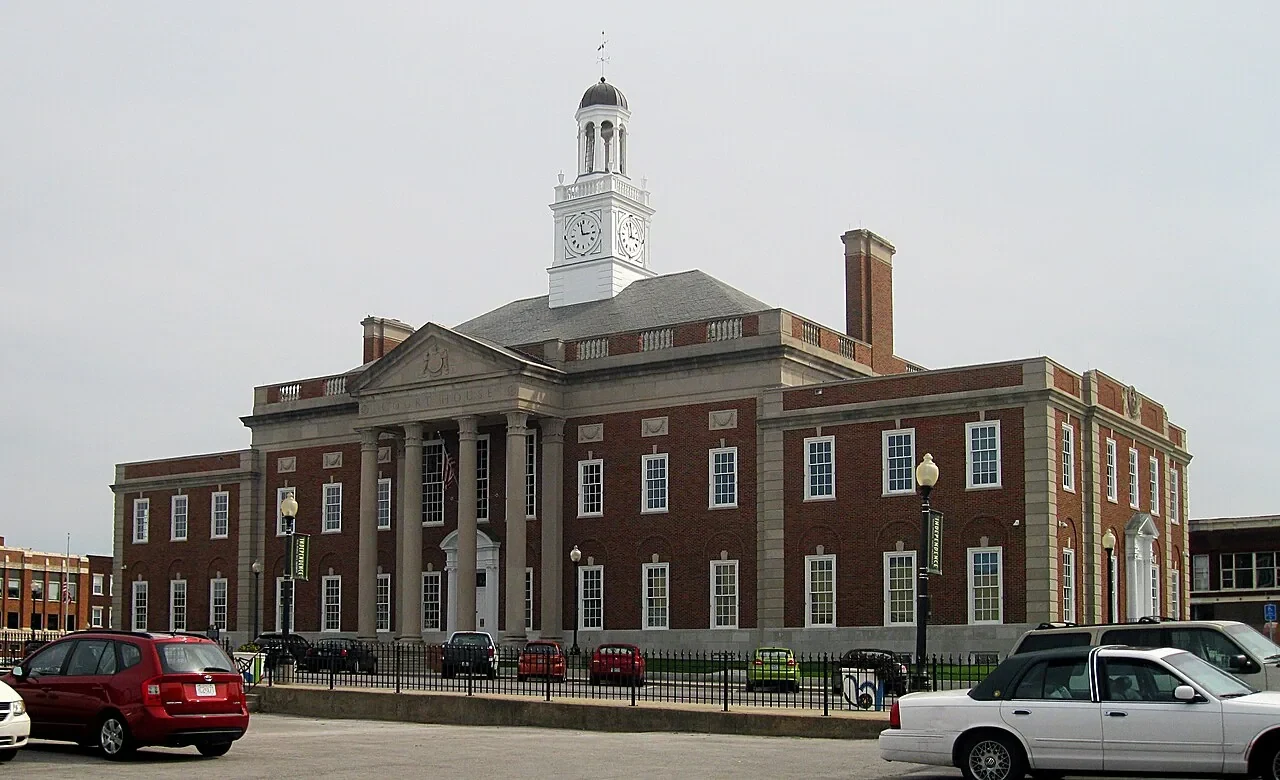
Commercial roofing in Midtown and along Truman Road, Independence, MO, begins with verified roof conditions and property-specific access coordination.
Independence lists a Midtown and Truman Road Corridor 353 Development Plan among its adopted area studies. Truman Road is a major east-west commercial route and appears in the City's corridor cleanup priorities. The Englewood and Procter neighborhood guide also identifies Maywood shopping along the road. These facts describe planning and neighborhood context. They do not show the roof system at any address, so we inspect the specific building before setting a repair or replacement scope.
We confirm the property entrance, service access, work hours, and any current street or sidewalk constraints with the owner or manager. Then we identify roof layers, drains, edges, seams, penetrations, and interior evidence of moisture. Each finding is tied to a roof zone and a water path. That creates an actionable scope for a building along the corridor without extending one property's condition to its neighbors.
Coordinate With the Property
A major commercial route can make vehicle entry and delivery timing important, but the exact access plan belongs to the building contact. Before mobilization, we confirm roof access, staging, lift location, loading rules, and pedestrian routes. If a corridor activity or cleanup schedule affects the address, the property team verifies that condition. We do not treat a general area plan as permission to block a lane or use an unapproved entrance.
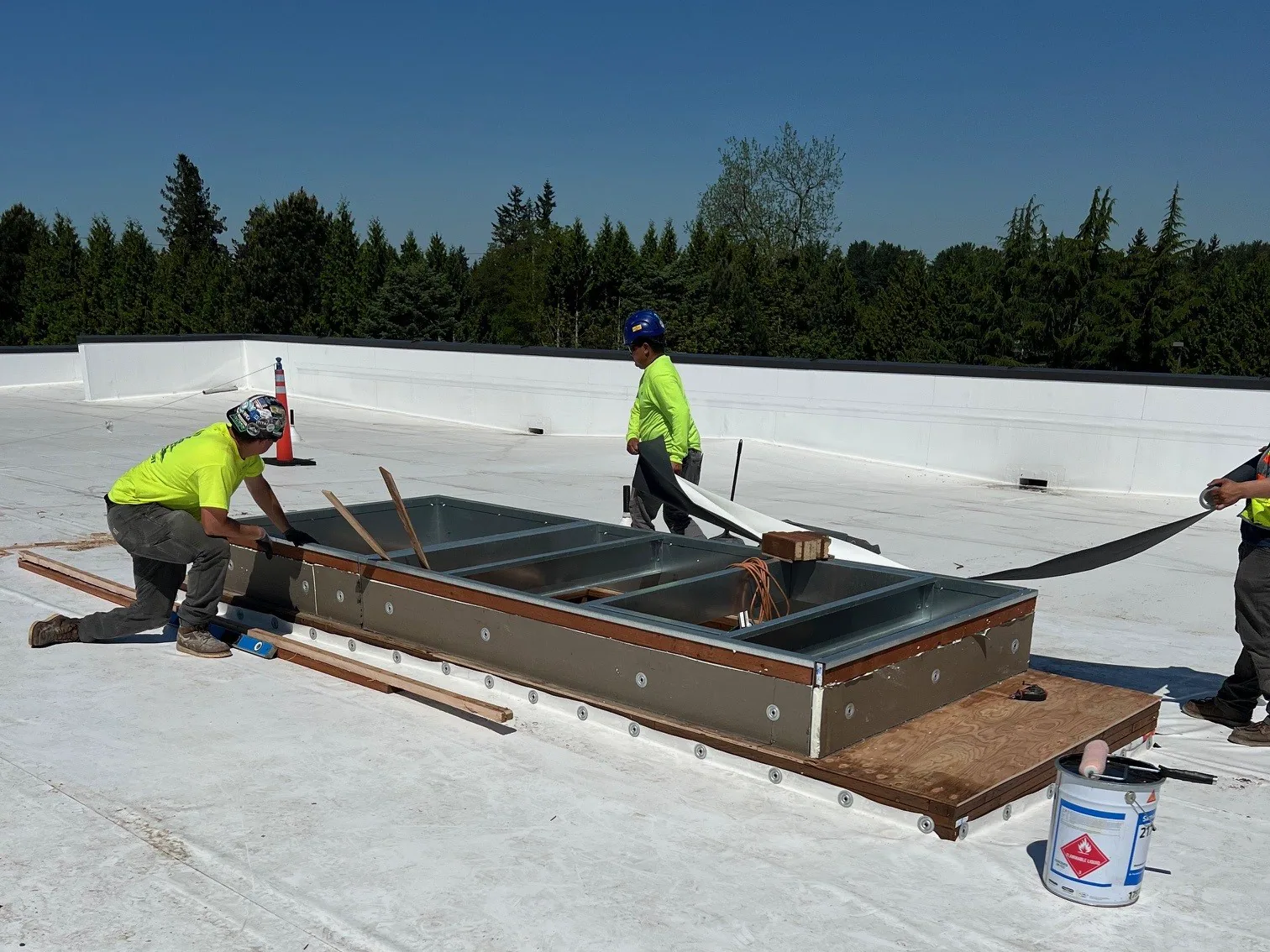
Work above occupied space needs a defined daily limit. Tear-off opens the assembly, and exposed insulation or deck needs temporary protection before the shift ends. We prepare dry-in materials, identify the stop line, and confirm who can approve changes if the weather or access window shifts. A phased work plan can sequence roof zones around business hours and deliveries while keeping each opened section secure.
Trace Water Across the Assembly
Water can cross a roof before it appears inside the building. We map the reported room to the roof above and examine likely routes through drains, seams, curbs, wall transitions, and previous repairs. A ceiling mark is a clue, not a location marker. We note whether the leak is active, weather-related, or recurring, then compare that history with the visible roof condition.
A repair depends on the material and substrate. A failed flashing may need a new tie-in; a split seam needs a compatible seam repair; wet insulation can require removal beyond the surface opening. If the moisture boundary is unclear, infrared survey work can direct test cuts. We keep measured wet areas separate from suspected areas in the scope. Commercial leak repair can stabilize active entry while the full path is investigated.
Confirm Materials and Details
Roofs along the same corridor may differ because of additions, prior repairs, or different construction dates. We identify the material at exposed seams, field patches, edges, and penetrations. Available drawings can show intended construction, but a roof inspection checks what is present today. A coating, overlay, or patch may conceal earlier layers and can make a test opening necessary before choosing the repair system.
New materials must be compatible with the existing membrane or metal. We check adhesive, primer, flashing, and attachment requirements for the selected detail. A patch over a loose edge or damp insulation will not correct the underlying mechanism. The scope should identify materials, locations, preparation, and the perimeter of the repair. Insulation and cover-board work may be needed when testing shows the substrate cannot support a surface repair.
Clear the Designed Outlet
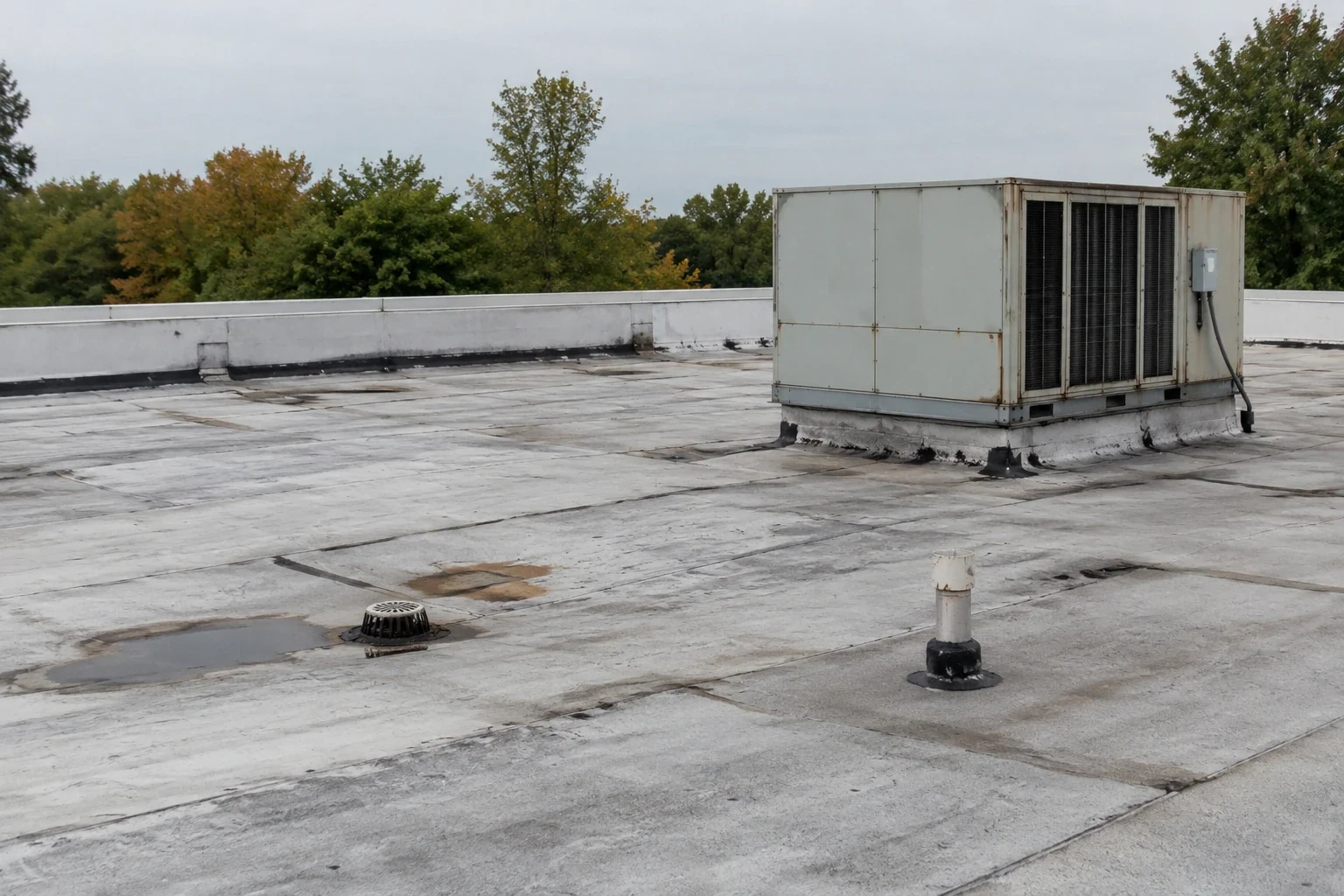
Roof drainage has to move water from the field to an outlet and away from the assembly. We check the surface slope, drains, scuppers, overflow routes, and connections. Debris can block a strainer, while a loose drain ring or split flashing can admit water. A low area may collect water because of deck deflection or insulation layout. We record where water remains and how long it persists before recommending a correction.
The City's cleanup program addresses public corridors; it does not maintain private roof drains. The owner should keep a separate roof maintenance record with drain photographs and completed service. If an outlet detail is damaged, drain and scupper repair can restore its connection when surrounding material remains sound. If a larger area is wet, we test it before replacing the membrane. That separates a blocked outlet from a structural or assembly issue and avoids treating both the same way.
Review Seasonal Stress
Winter freeze-thaw cycles can move flashing and metal edges. Spring hail may mark or puncture some roof surfaces, while summer heat changes the working time of adhesives and coatings. We inspect the actual property after an event and record visible impact or displaced material. An event report does not establish damage at every roof along Truman Road.
Scheduled work follows the product's weather requirements and the roof's condition. We verify that the substrate is dry and stable before installation, and we plan a temporary closure if a forecast shifts. A maintenance visit can clear drains, inspect edges and seams, and record conditions that need follow-up. Preventive maintenance helps the building manager track repairs by zone and schedule another check before a small detail failure becomes an interior leak.
Document the Final Work Limit
A localized repair is appropriate when the surrounding material is sound and the failure boundary is clear. Widespread moisture, loose attachment, repeated leakage, or deteriorated deck can support broader reconstruction. We explain the evidence, identify the material to be removed, and list what remains outside the authorized work. If concealed conditions change the scope, the owner receives photos and measurements before the repair expands.
A recover may be suitable only after reviewing deck strength, existing layers, drain height, code, and attachment. Replacement removes the unsuitable assembly and rebuilds the water plane, edges, curbs, and drainage details. Cost and timing depend on confirmed quantity, access, tear-off, selected materials, protection, and weather. We also inspect Maywood Business District and Noland Road Corridor, but each property receives a separate condition report. The closeout for Midtown or Truman Road names the inspected address and its actual repair zones.
For a roof near Truman Road, confirm the specific property and work area with its owner or manager before planning access. A street address alone does not reveal where a hatch, ladder point, or service entrance is located. The site contact can explain customer and delivery patterns; the roofing plan can then show a material route and a daily boundary that keep the affected area orderly. If multiple roof levels meet, inspect each transition that falls within the reported water path and show which connection is included. Clear limits prevent a repair at one roof level from being read as a correction to adjacent construction that was not opened or examined.
At the end of a workday, the crew should leave no exposed edge where wind-driven rain can enter beneath the remaining roof. Identify the temporary termination and who will check it if the installation is interrupted. Once the permanent tie-in is complete, note the materials and location in the property file. This small handoff matters when a building near a busy corridor receives service at different times or from different contractors: the next person can see where work stopped, what was sealed, and what still needs inspection.
Commercial Roofing Questions
Does Truman Road's development plan describe roof construction?
No. It identifies an adopted corridor study. We confirm roof layers, drainage, edges, and penetrations at the specific property.
Can corridor cleanup work replace roof drain maintenance?
No. Public roadway maintenance and private roof drainage are separate. We inspect and clear the building's drains, scuppers, and overflow paths as a roof service.
How do you plan around delivery traffic?
The site contact confirms current access and delivery windows. We schedule lifts and material handling using the approved route and keep pedestrian paths protected.
What records will I receive after a repair?
The closeout lists roof zones, materials, repair boundaries, photographs, drainage checks, and any item that remains untested or needs later attention.