Install and maintain Soprema commercial roofing in Independence, MO with system selection, substrate checks, membrane details, and repair documentation.
Soprema's commercial roofing portfolio includes SBS-modified bitumen, single-ply PVC, and PMMA or PMA liquid-applied membranes. Each has a different assembly, preparation method, and interface detail. At a commercial building near Eastgate Commerce Center or Truman Road, we identify the existing roof, drainage, and operating conditions before comparing a Soprema system with the project requirements.
Compare the Roofing Families
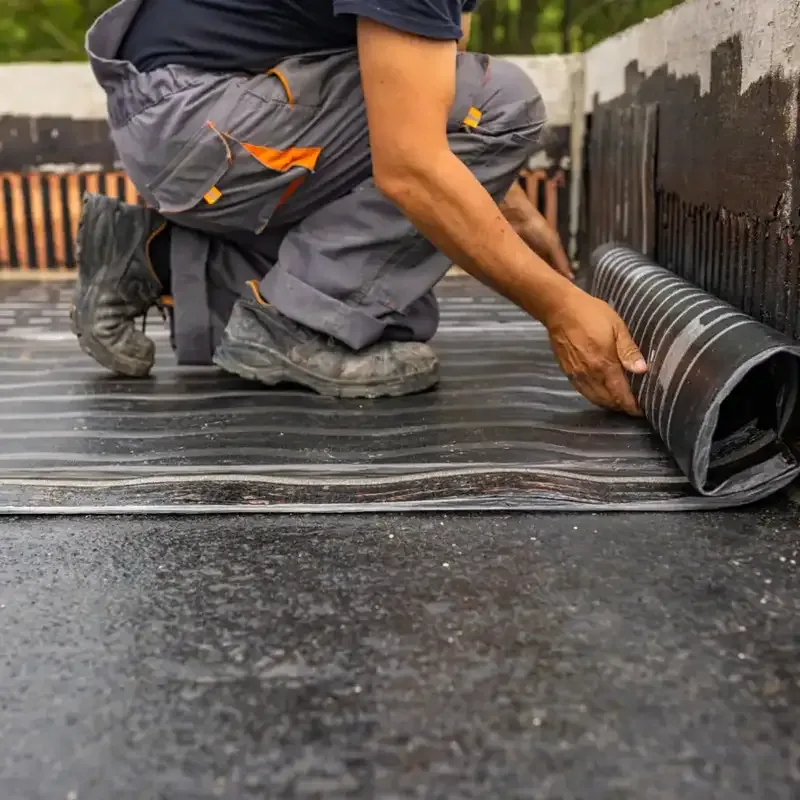
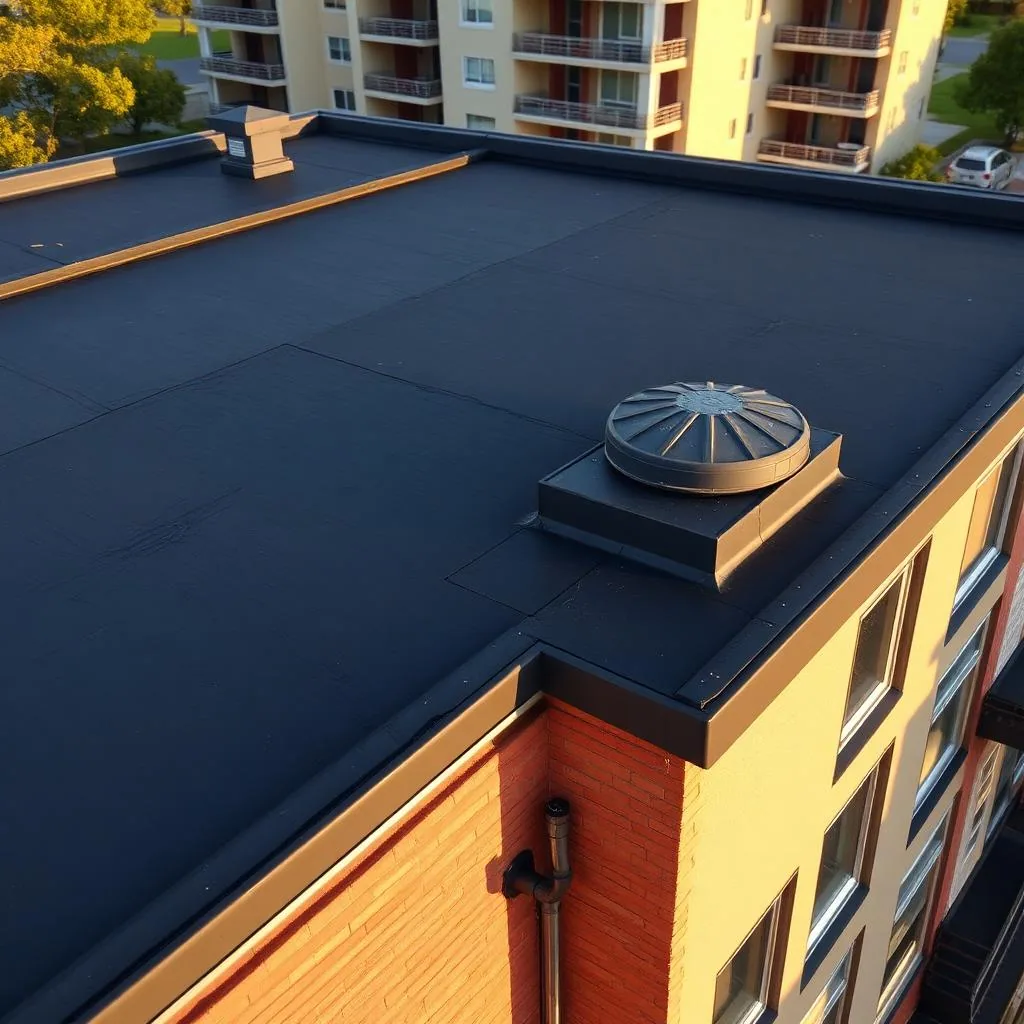
SBS-modified bitumen is built from roofing plies and compatible surfacing or cap sheets. Soprema's product range includes base and cap products with application methods such as heat welding, cold adhesive, or self-adhered installation, depending on the specified product. The project detail must identify the selected ply sequence and how laps, edges, drains, and penetrations will be completed. One application method should not be substituted for another without reviewing the system design.
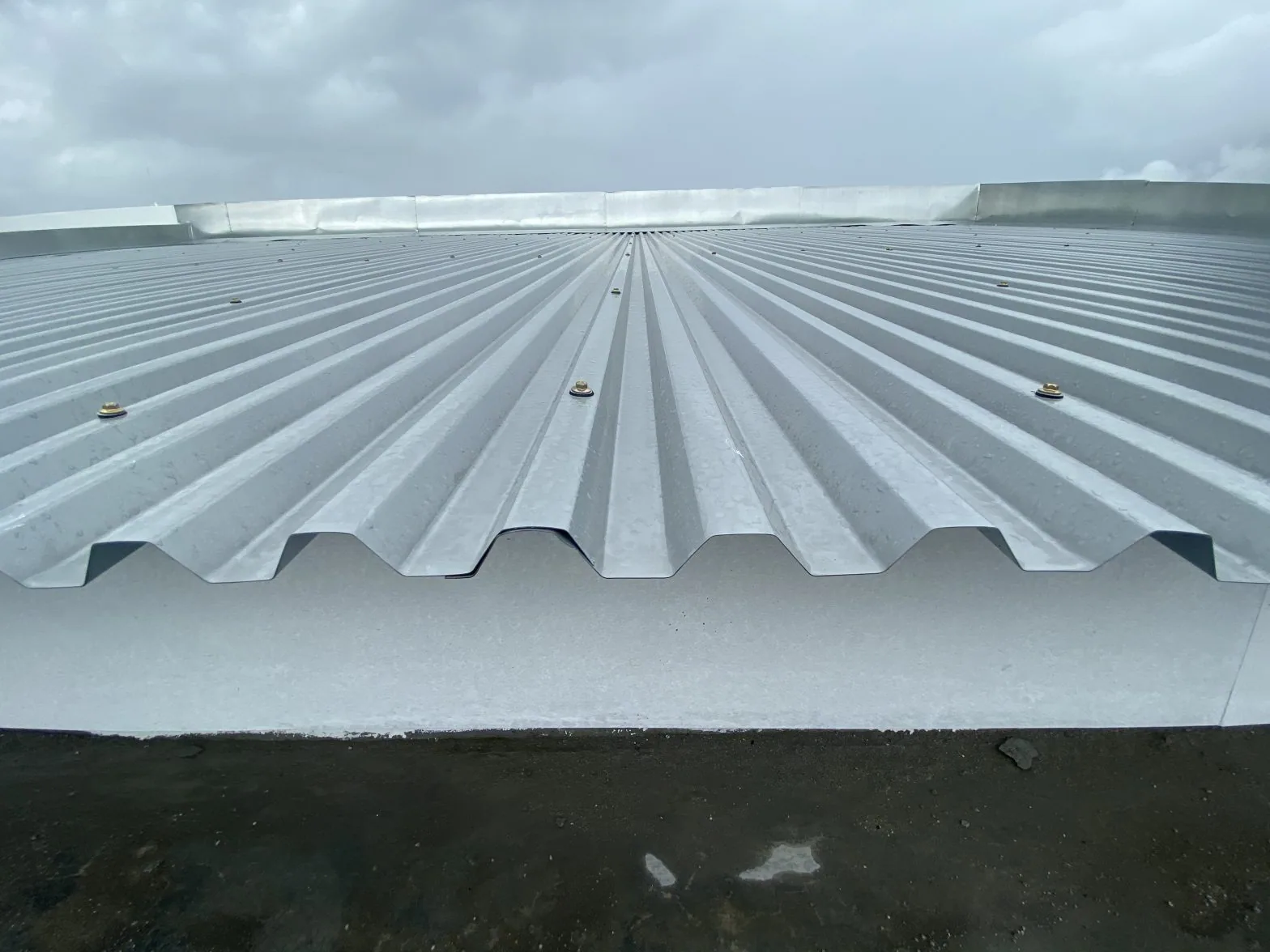
Soprema also manufactures Sentinel single-ply PVC membranes. Published system documents identify mechanically fastened and fully adhered options for particular products, with reinforced membrane and accessories. PVC seams are welded. A test seam and probe check confirm the field connection. Modified bitumen roofing and PVC roofing may both serve low-slope roofs, but have different substrates, seams, and repair materials.
PMMA and PMA liquid-applied membranes are another product family. A liquid system depends on substrate preparation, reinforcement at details where specified, resin compatibility, mixing, and cure. Use it only where the approved assembly and field conditions support the selected product. A coating or liquid flashing cannot correct unstable insulation or concealed deck damage that has not been addressed.
Choose by Roof Condition
Start with the building assembly and the failure mechanism. A multi-ply roof may need a localized cap or flashing repair, while widespread wet materials can require removal and replacement. A PVC sheet may fit when the design calls for a weldable single-ply surface. A liquid system may suit a complex detail when substrate and cure conditions are controlled. The product name matters less than a verified substrate, compatible materials, and details that drain correctly.
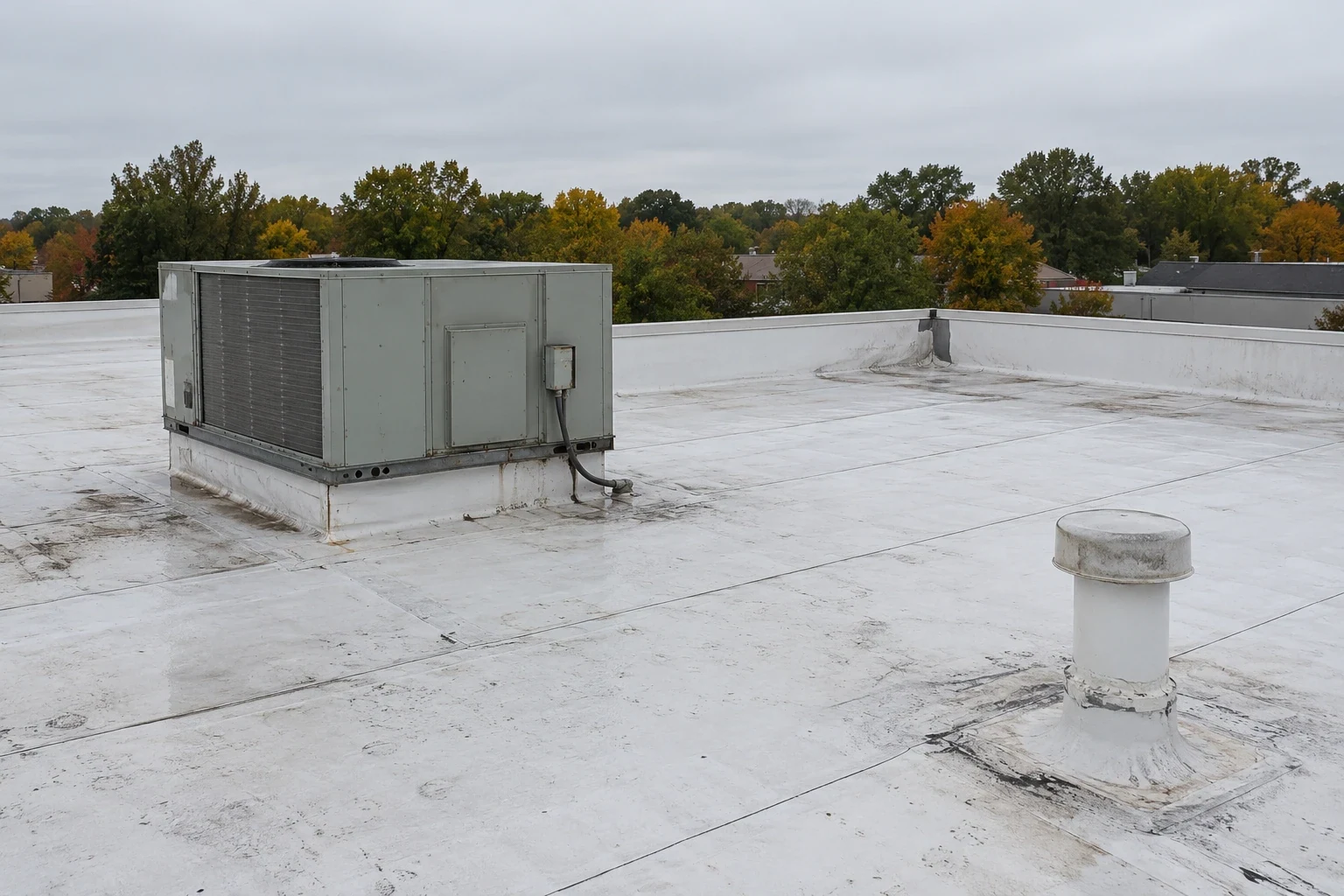
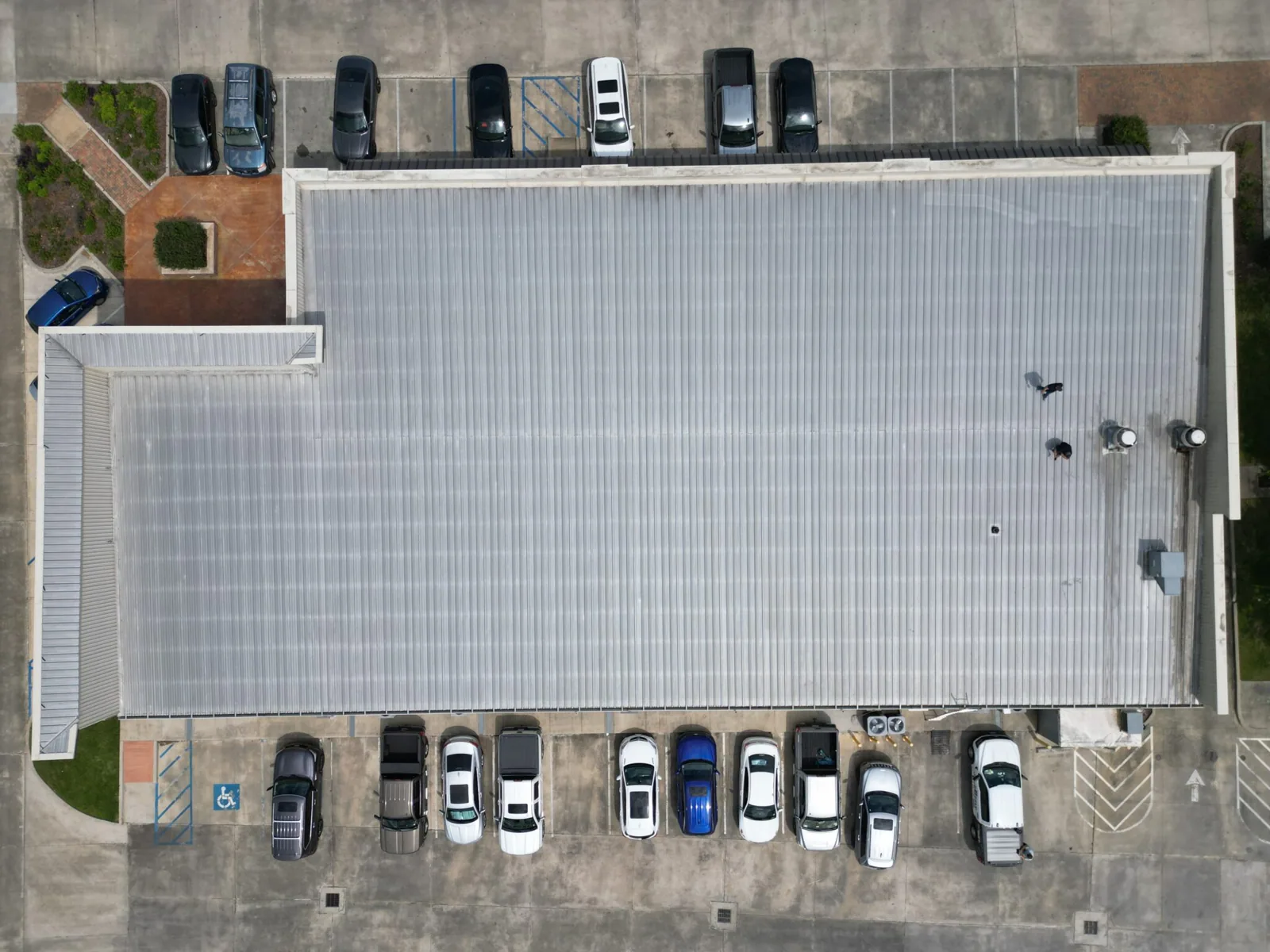
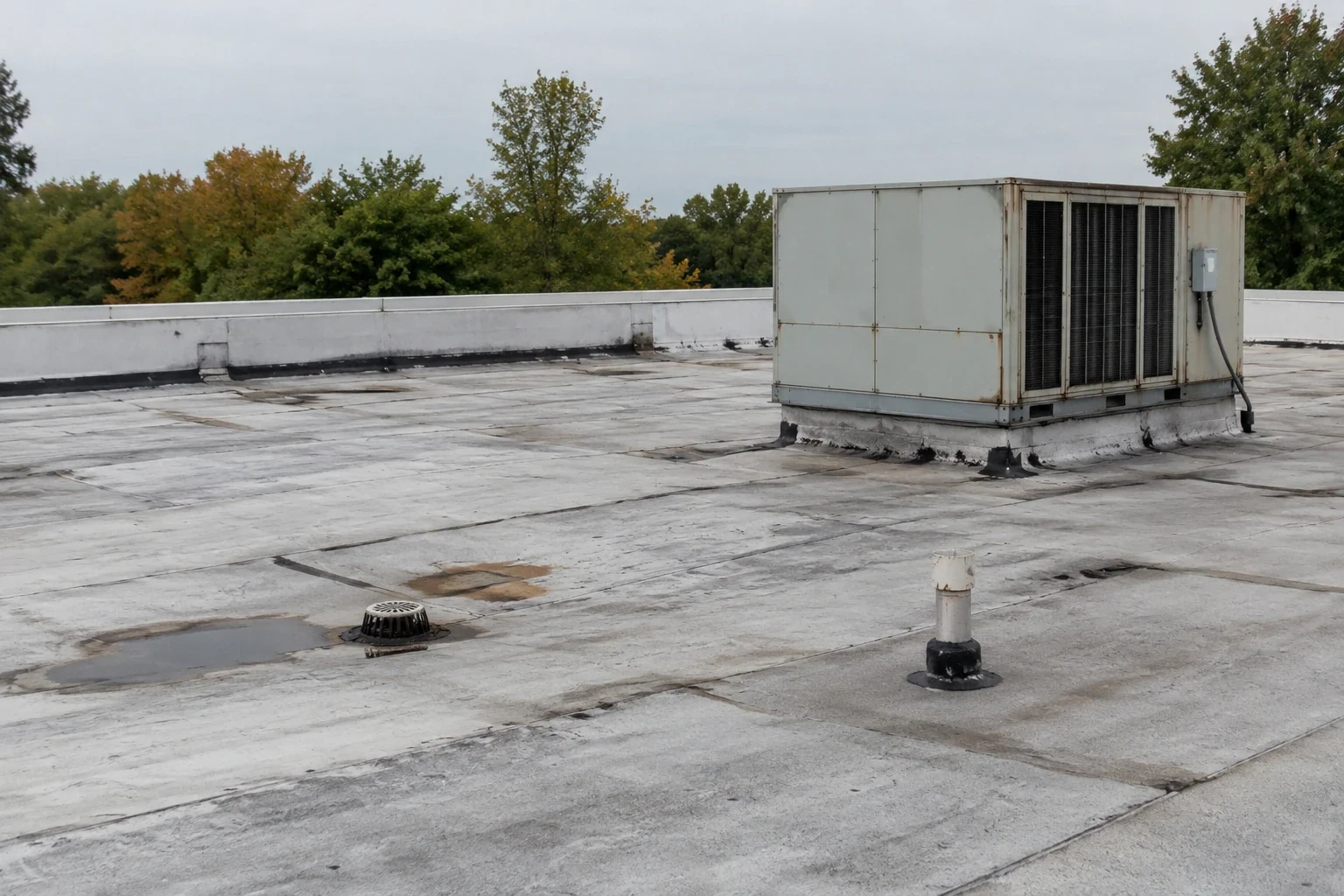
At Independence properties near Eastgate Commerce Center, staging and equipment access are confirmed at the exact address. Truman Road and the Independence Transit Center can help place a service route, but neither proves roof type or condition. We inspect the roof plan, drains, parapets, curbs, and old repairs before setting a repair boundary. A commercial roof inspection documents the assembly. Moisture survey work can identify test areas where insulation may be wet.
Exposure also shapes selection. A kitchen exhaust or manufacturing discharge may affect a roof surface, but the business category does not identify the chemicals present. Record the source, location, and material response, then check the product data and current system documents. If the exposure is uncertain, investigate before specifying an adhesive or membrane that could be incompatible.
Prepare and Verify Each Layer
For an SBS system, verify deck readiness, insulation, cover board, interply attachment, cap sheet, and approved application method. Heat-welded applications require trained handling and fire controls. Cold-applied products need the right coverage and cure conditions. Self-adhered sheets require clean, dry substrates and pressure across the bond. The scope should name the selected assembly rather than only a manufacturer and membrane.
For Sentinel PVC, inspect seams, flashings, terminations, and accessories. Confirm welder settings with a test seam and probe after cooling. For liquid-applied work, remove loose material, clean the substrate, measure coverage, reinforce transitions as specified, and confirm cure before exposing the membrane. If an existing layer is cracked or damp, prepare or remove it to the limit supported by inspection. Flashing repair and seam work need the product-specific preparation and tie-in method.
Document material delivery, roof zones completed, weather, test seams, and concealed conditions. Where a project changes after tear-off, photograph the deck or insulation and agree on the added work before rebuilding. Record where water will drain and how the new system meets existing edge metal. These checks help prevent a technically sound membrane from being compromised by an unresolved transition.
Plan Around Independence Conditions
Kansas City climate normals include a January low of 20 degrees and July highs near 89 degrees at the official observation station. The station data describes regional seasonal conditions, not the surface temperature at every roof. Cold can affect adhesives and self-adhered materials; hot weather can change working time and cure. We check the roof and product instructions on installation day and define a secure stop point for any weather delay.
Centerpoint Medical Center and the Independence Transit Center are local reference points for service planning. Neither location establishes the roof construction or condition at a nearby property. We confirm access, drainage, surface, and transitions at the actual address, then record which repairs follow from that inspection. Hail damage review records those findings by roof zone.
For a local service visit, Eastgate Commerce Center provides geographic context. The building contact still confirms loading access, roof route, interior protection, and operating hours. A medical or school facility may need work sequenced around sensitive areas, while a retail property may have delivery and tenant constraints. The roof scope identifies those logistics without using them to infer construction.
Evaluate a Recover Carefully
A recover may preserve some existing layers if the roof is dry, stable, and compatible with the new design. Inspect moisture, attachment, drainage, curbs, drains, and edge height. A core sample confirms the layers at that test location; broader concerns may call for additional openings. Do not add a new sheet over wet insulation or loose membrane. The new system must connect to a substrate it can hold.
Before approving a recover, define any cover board, separation layer, attachment or adhesive, perimeter and penetration work, and drainage correction. A recover evaluation can document why layers may remain. If removal is more appropriate, replacement planning sets the tear-off limits, deck contingencies, and daily dry-in sequence. Compare the complete assemblies and details, not the price of a single membrane.
For other product families, review Johns Manville or Carlisle SynTec system documents alongside Soprema's. A product comparison should identify membrane type, application, insulation, attachment, accessories, and repair procedure. That keeps the decision tied to what will be installed.
Keep the Specification Traceable
Retain the current product data, selected system specification, material labels, application notes, seam or cure checks, and project photographs. Record each repair and any layer removed. If water or deck damage extends beyond the planned boundary, document the exposed condition and confirm the scope before covering it. A later inspection should be able to identify the product and the transition detail.
Schedule a commercial roof review in Independence to evaluate a Soprema membrane or repair. We will inspect the assembly, verify substrate conditions, and document compatible system options and unresolved questions.
Commercial Roofing Questions
What commercial roofing systems does Soprema make?
Soprema's U.S. commercial line includes SBS-modified bitumen, PMMA or PMA liquid-applied membranes, and single-ply PVC. Current product data identifies the available assembly and application method.
Can a Soprema system be applied without a torch?
Some products use cold adhesive or self-adhered application, while others are heat-welded or torch-applied. The selected product and approved system determine the method.
Can PMMA be applied over an existing roof?
Only if the substrate and system are approved for that application. We inspect moisture, stability, preparation needs, and details before recommending a liquid system.
How do you check Sentinel PVC seams?
We set a test weld, verify conditions, and probe the cooled seam. Open areas are corrected and documented before the roof section is accepted.