Install and repair Holcim Elevate commercial roofing in Independence, MO with system selection, compatible details, seam checks, and assembly documentation.
Holcim Elevate's commercial systems include UltraPly TPO, RubberGard EPDM, PVC and PVC KEE, asphaltic products, metal, and insulation. The name on a membrane roll does not tell us whether it suits the roof. We identify the existing layers, deck, drainage, and operating conditions first. For a commercial building in Independence, product selection follows the assembly at the address. Confirm whether this is a repair, recover, or replacement project, who controls roof access, and which interior spaces need protection before product quantities and schedule are set for this specific project.
Compare UltraPly and RubberGard
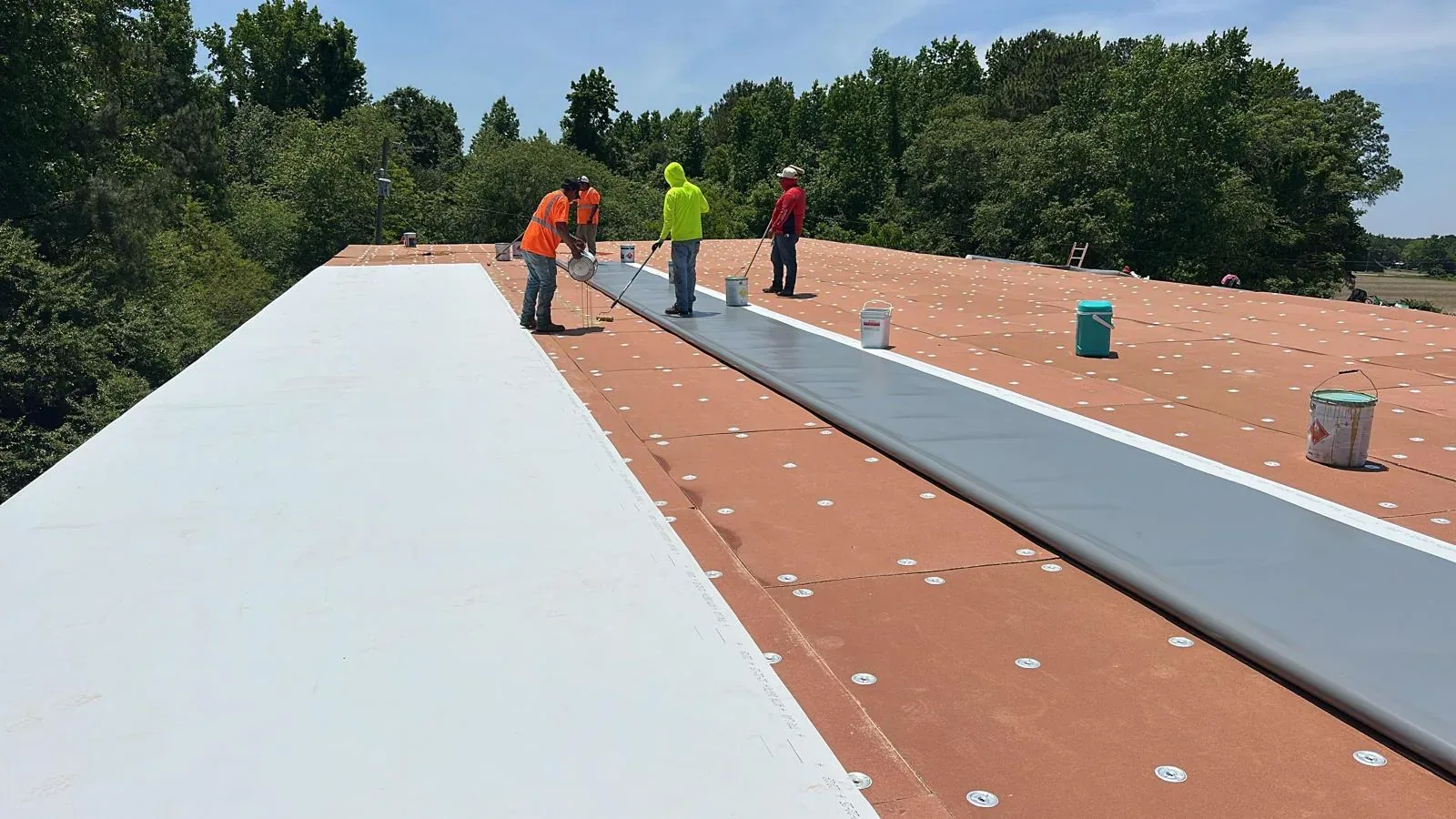
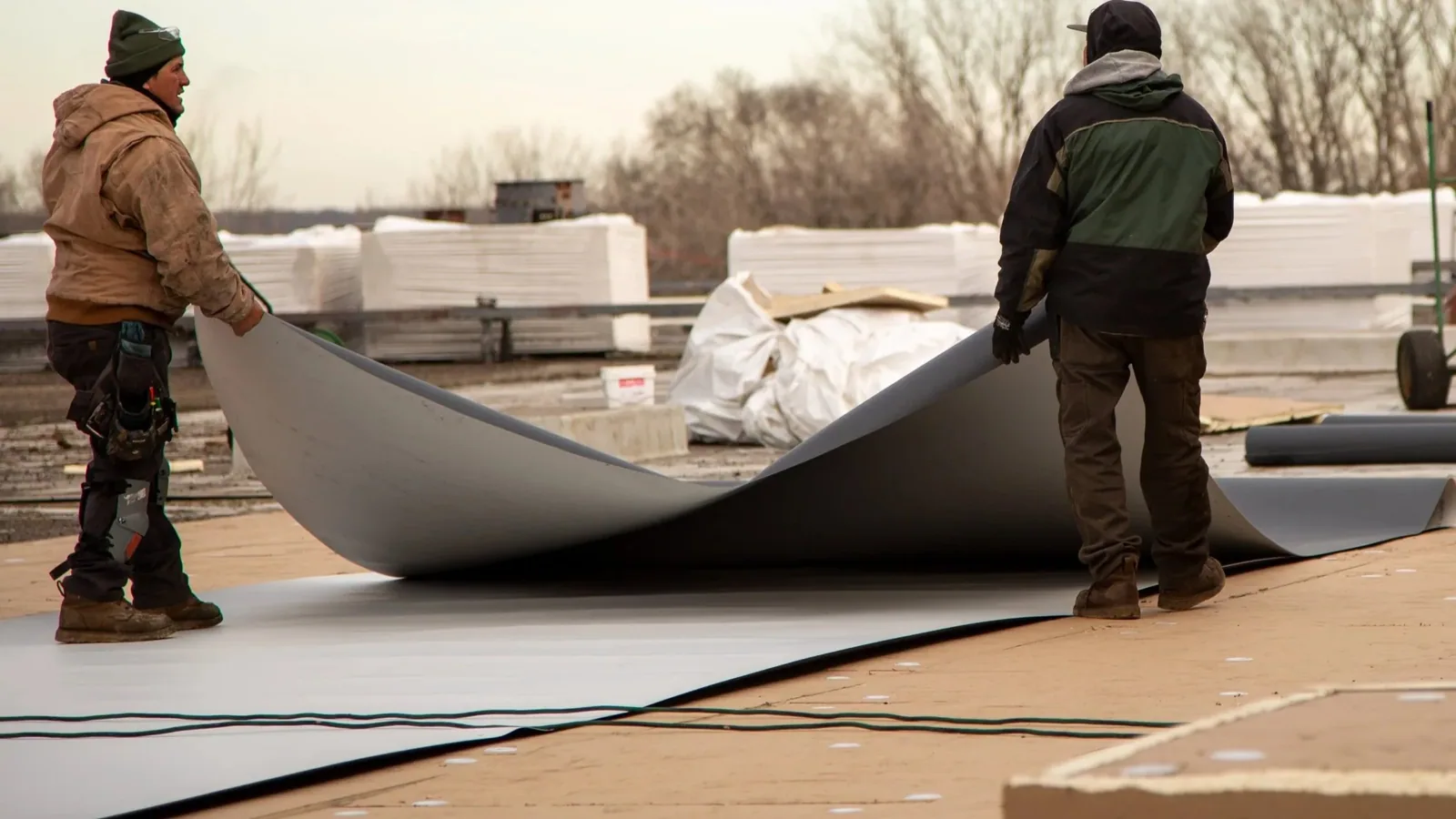
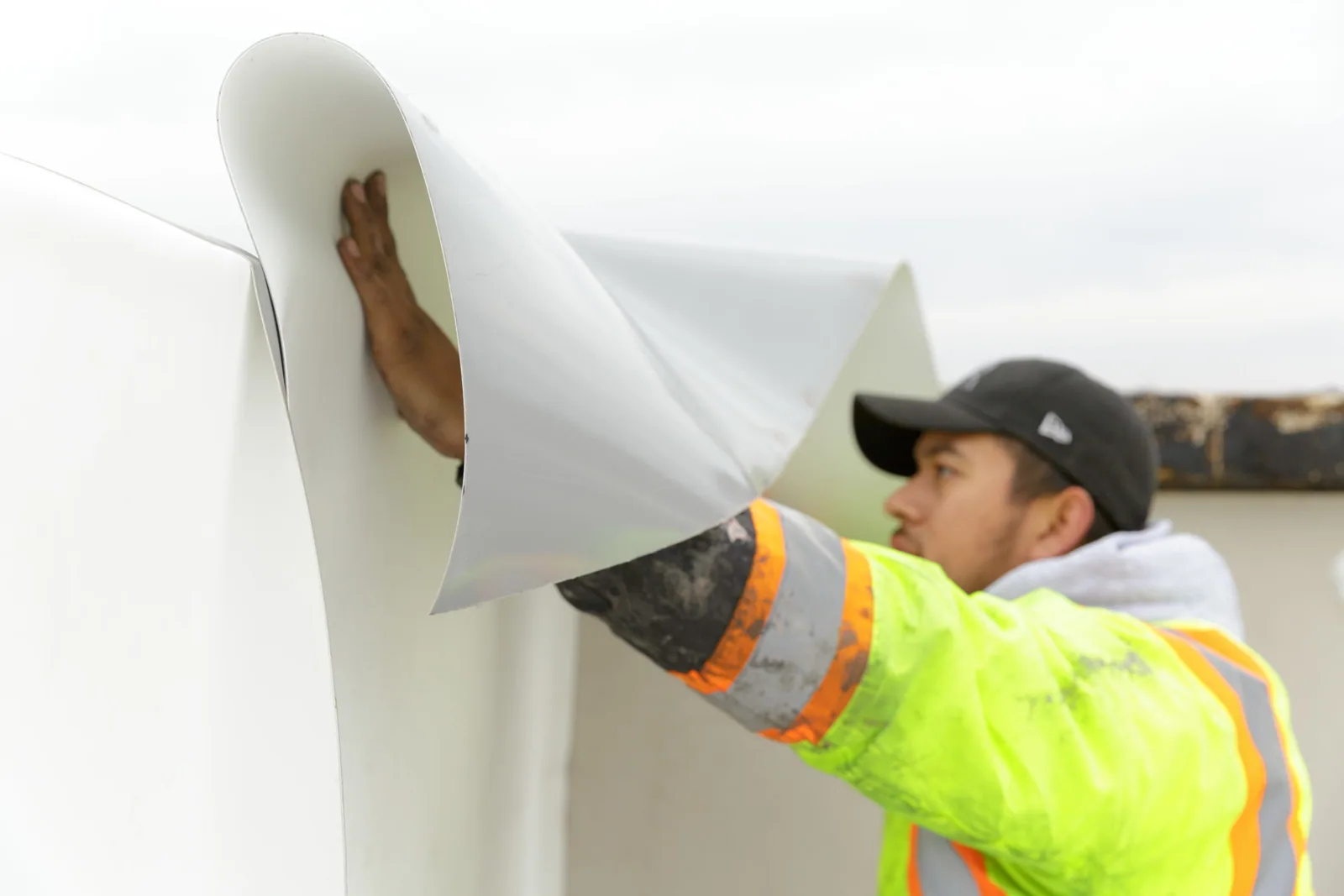
UltraPly TPO is a reinforced thermoplastic sheet with heat-welded seams. Holcim Elevate lists mechanically attached, adhered, induction-welded, and factory-adhered options. UltraPly TPO XR adds fleece backing and is described for added reinforcement and puncture resistance, including certain recover applications. UltraPly SA uses factory-applied adhesive. These configurations change the substrate, attachment, and installation checks. The design and current technical documents determine which applies. For a factory-adhered sheet, align the roll before releasing the backing and apply pressure across the membrane to develop contact. Check the substrate and weather first. Dust, condensation, or a surface outside the published limits can undermine bond quality. Follow the current application guide for storage, liner removal, rolling, and seam layout.
RubberGard EPDM is a synthetic-rubber membrane family. Published options include standard, reinforced, pre-taped, self-adhered, and white membranes. Each variant needs its compatible seam tape, adhesive, flashing, and substrate. TPO roofing and EPDM roofing differ in seam methods and system details, even where both cover a low-slope commercial roof.
Holcim Elevate also offers PVC and PVC KEE membranes. KEE formulations may be considered where a project has particular chemical exposures, but the specific substance, concentration, and product limitations require review. No membrane should be described as suitable for every chemical. A kitchen exhaust, industrial discharge, or rooftop coolant needs an accurate field assessment before material selection.
Design the Complete Roof
Membrane performance depends on the layers below and the details around it. Verify deck type, insulation, cover board, attachment, perimeter, drains, curbs, and penetrations. A roof with a sound field membrane can still leak at a short curb flashing or an open edge. A new system must connect to stable, compatible surfaces and preserve a continuous drainage path. We record the existing assembly before proposing the replacement layers.
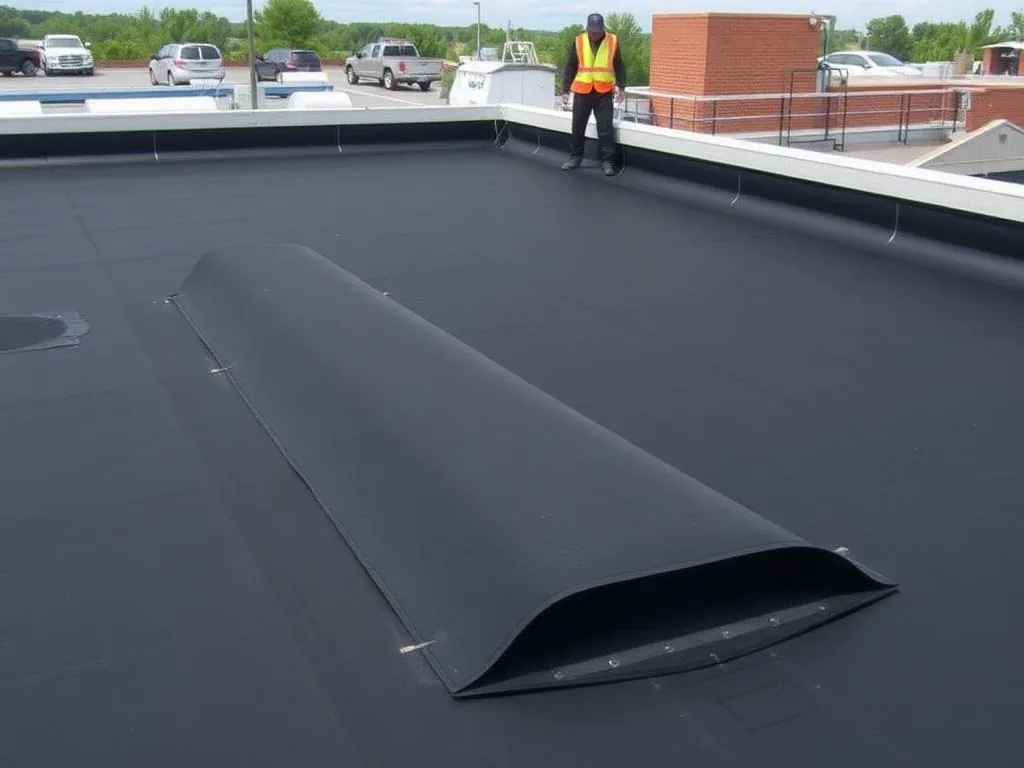
For welded TPO or PVC, prepare test seams, confirm temperature and speed settings, and probe the cooled joint. EPDM splices require a clean surface, proper primer, and the specified tape or accessory. At a curb or skylight, choose a flashing detail for the membrane family and corner condition. Flashing repair or seam work should follow the product's installation instructions rather than a generic patch method.
Winter conditions in Independence affect storage, surface moisture, adhesives, and work sequencing. The Kansas City climate table lists a January normal low of 20 degrees at the official station. That is regional context, not a live roof reading. We check the substrate and current weather before bonding or welding. A daily plan defines how much roof can be opened and dried in if conditions change.
Match Options to Roof Use
Building use can help identify likely exposures, but it cannot replace an inspection. Manufacturing equipment, commercial cooking, and HVAC systems may discharge heat or materials onto the roof. We locate the discharge and examine the surface. If chemical compatibility is in question, compare the exact product data with the actual exposure. A generic category such as industrial or restaurant does not identify roof chemistry.
Independence's employment includes manufacturing, healthcare, education, and retail. Properties near Eastgate Commerce Center and Historic Independence Square illustrate local settings, not specific roof construction. Confirm access, operating limits, drains, equipment, and maintenance paths at each address. Those details shape staging and repair sequence.
Reflective surfaces can change rooftop heat absorption, but the result for the building depends on insulation, HVAC efficiency, climate, use, and utility conditions. We do not promise a savings amount from membrane color alone. If energy performance is a project goal, record the existing insulation level, reflectance target, HVAC operation, and any planned rooftop equipment. The owner can then evaluate the roof choice as one part of the building plan rather than an isolated membrane attribute. Compare surface reflectance alongside thermal resistance and system requirements. A complete roof decision considers both assembly performance and operations below.
Verify Existing Layers
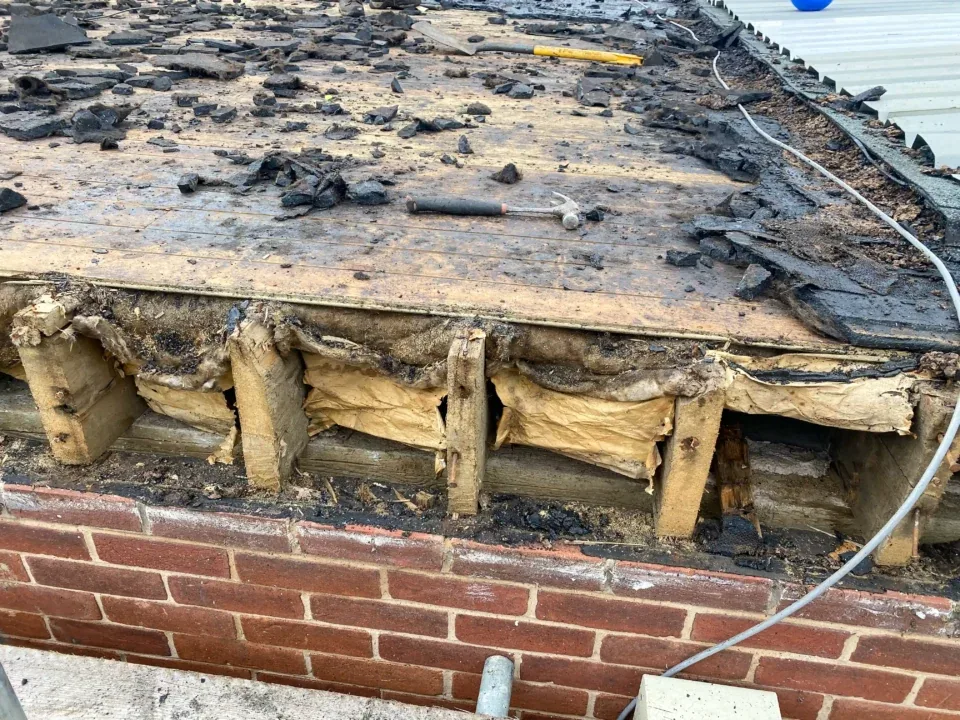
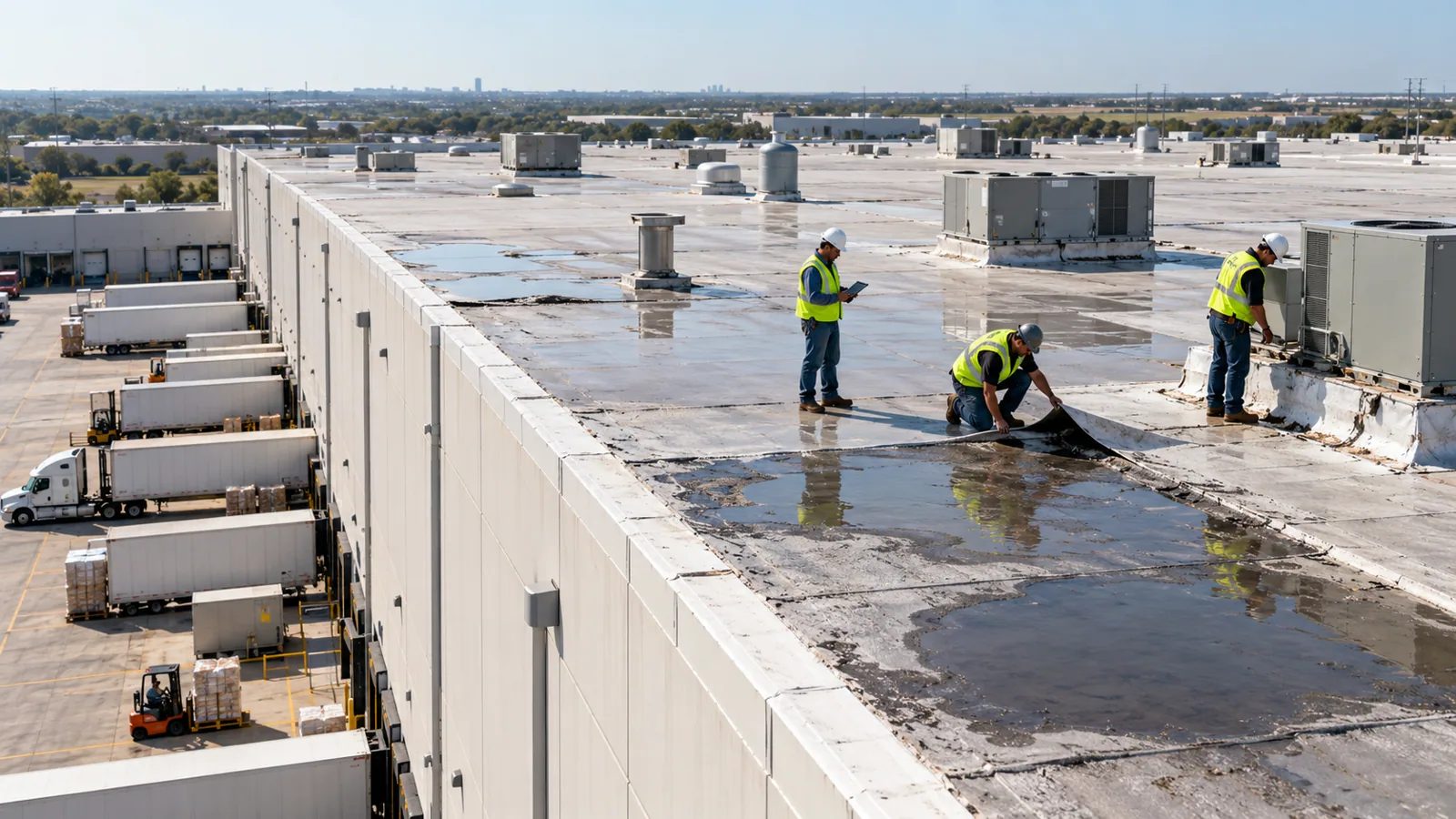
A recover may be feasible when the existing roof is dry, attached, and compatible with the new assembly. Core cuts can expose insulation and other concealed layers. Confirm drainage and the added height at curbs, doors, overflow drains, and perimeter metal. A fleece-backed sheet does not make a wet or unstable substrate suitable. Where materials are saturated or attachment has failed, remove them to a sound base and rebuild.
The recover scope should list the old layers that remain, the new insulation or cover board, attachment method, membrane, flashing, and inspection steps. A recover evaluation identifies the evidence behind that option. If removal is needed, replacement planning defines the tear-off and dry-in boundary. A roof inspection can map the assembly and locate areas for testing before that decision.
Compare Holcim Elevate with other product families by system rather than brand shorthand. Versico and Sika Sarnafil also publish commercial membrane systems. The project still has to resolve deck, attachment, drainage, edge details, warranty terms, and exposure for the particular property.
Document the Selected System
Record membrane name and configuration, attachment, insulation, cover board, compatible accessories, and flashing details before installation. During the work, retain delivery information, test-seam checks, substrate notes, and photographs. If demolition reveals an unexpected layer or moisture, stop at the agreed boundary, document the condition, and confirm the added work before covering it.
Schedule a commercial roof review in Independence to evaluate Holcim Elevate system options. We will inspect the existing roof, compare the assembly requirements, and define a repair, recover, or replacement scope based on field conditions.
Commercial Roofing Questions
What is the difference between UltraPly TPO and TPO XR?
TPO XR uses a fleece backing. Holcim Elevate describes added reinforcement and puncture resistance, with particular recover applications. The substrate and system documents determine where it fits.
Can RubberGard EPDM be mechanically attached?
Holcim Elevate lists several installation approaches for its EPDM family. We confirm the membrane variant, deck, fastening design, and current assembly requirements before selection. Verify the exact membrane configuration and approved fastening layout before installation; product family names alone do not define the assembly. Confirm the substrate, perimeter attachment, and flashing details in the current system documentation. At repairs, identify whether the existing sheet is reinforced, pre-taped, or another configuration before selecting primers and cover materials.
Is Holcim Elevate PVC KEE appropriate near a kitchen exhaust?
It may be considered, but the specific grease or chemical exposure and product limits must be checked. We inspect the discharge and review the exact product documentation.
Can a Holcim Elevate membrane be installed over an existing roof?
Some options support recover designs. Moisture, attachment, drainage, substrate, and height at details must be checked first. The proposed system has to match the existing assembly and its condition. Check moisture, securement, layer count, deck capacity, and height at drains or door thresholds before choosing a recover. UltraPly TPO and RubberGard EPDM have different product configurations, so identify the intended membrane and attachment in the scope. A core opening can clarify concealed layers where records are incomplete. Do not cover wet or loose material without resolving it first.