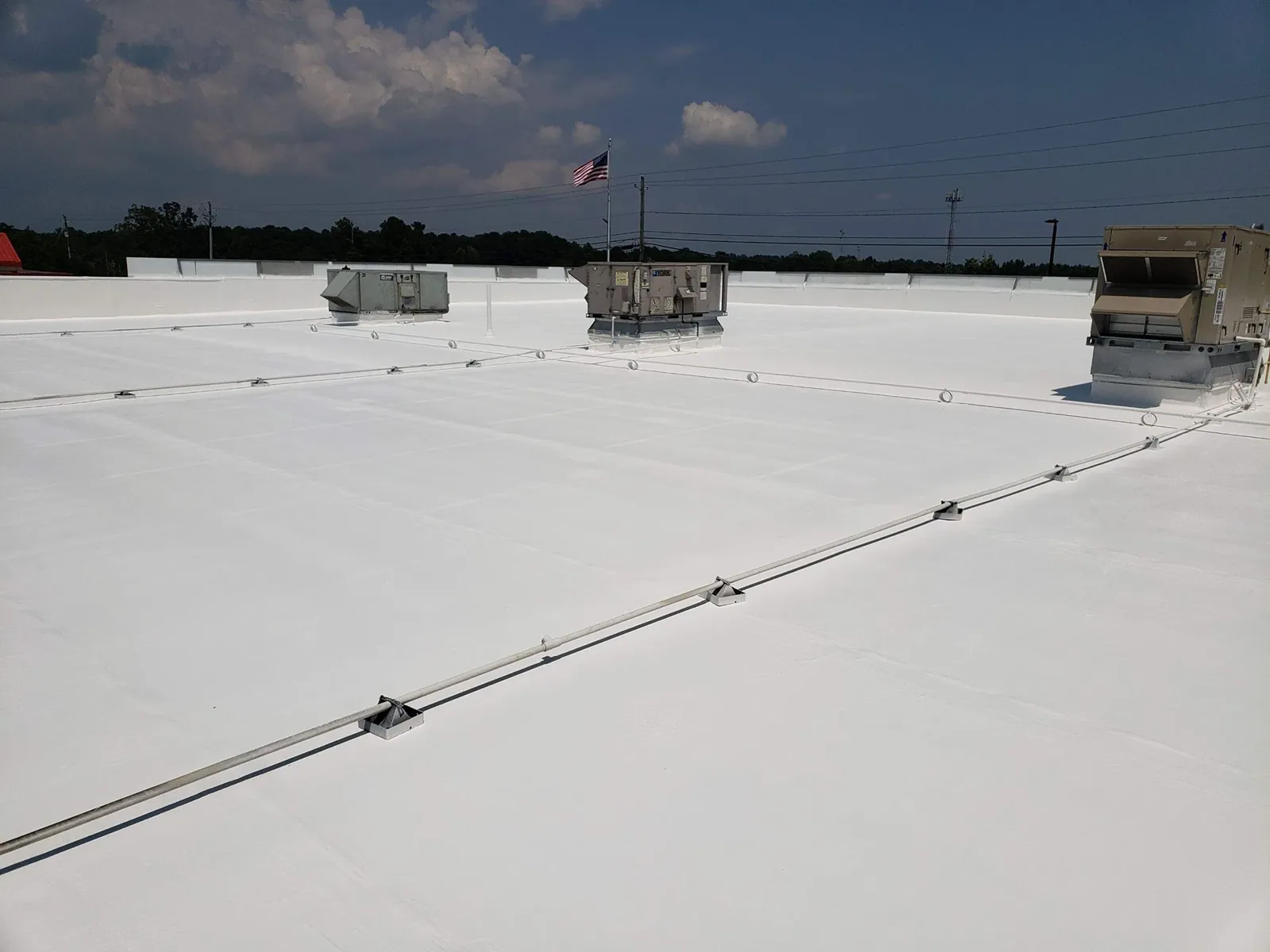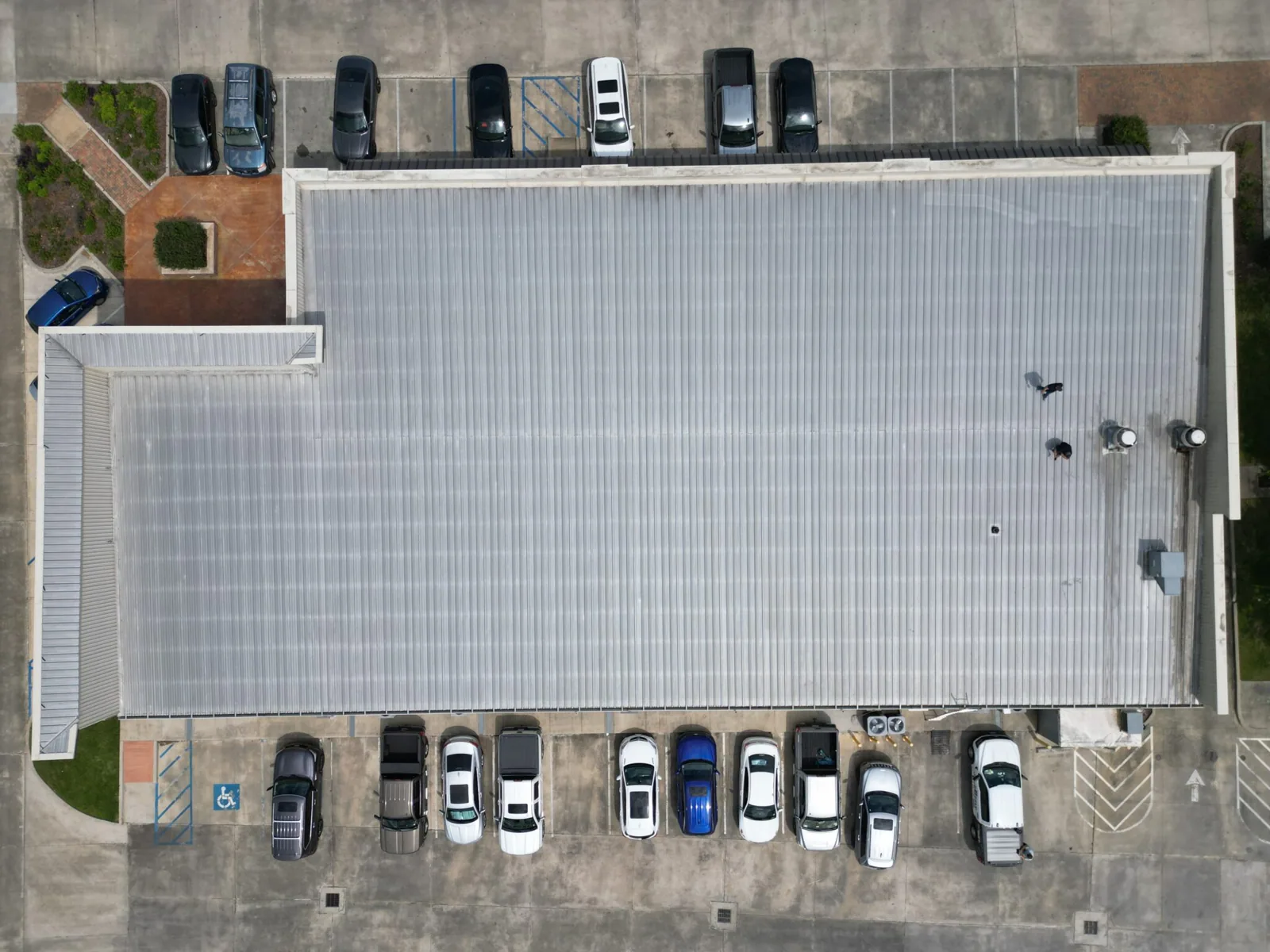
Commercial roof work in Fairmount, Independence, MO, begins with the building's assembly, drainage, and access plan along the US 24 corridor.
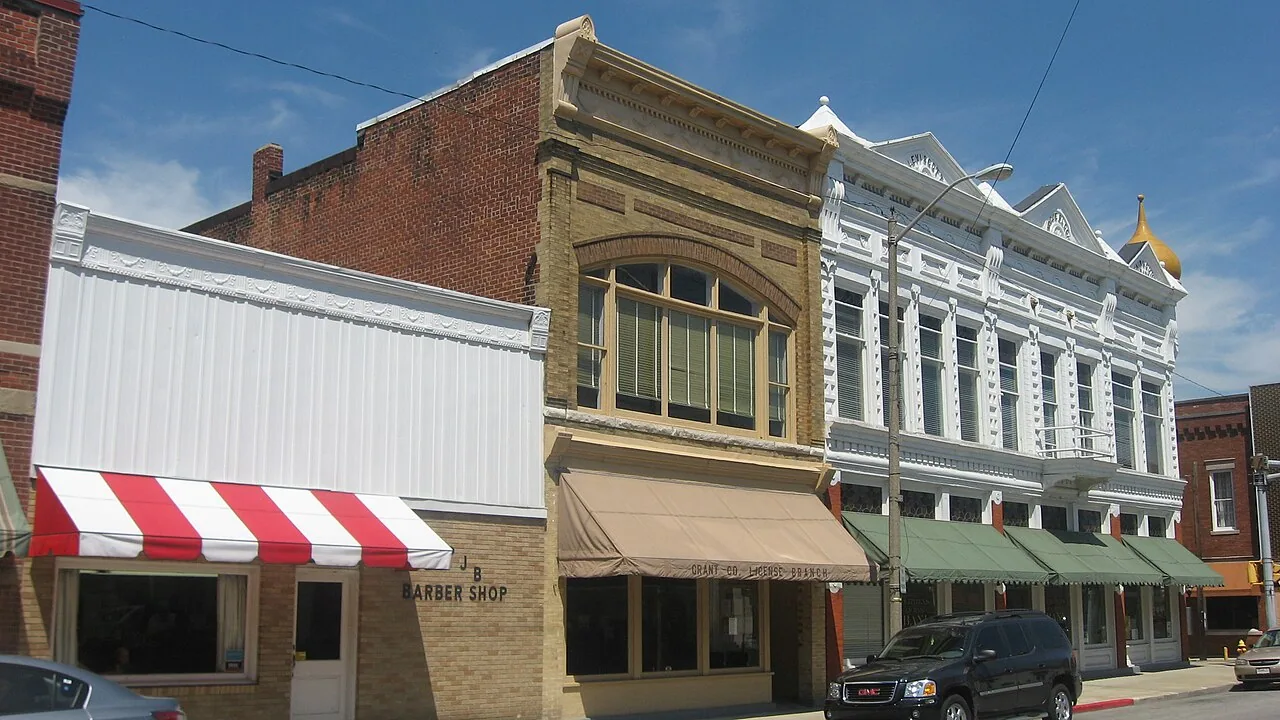
US 24 runs through Independence's Fairmount Business District, from Sterling Avenue to Cedar Avenue. Fairmount includes a shopping district along US 24, with Sterling Avenue retail among its commercial uses. The corridor's roadway and pedestrian work includes sidewalks, protected bicycle facilities, intersection changes, landscaping, and stormwater measures for adjacent businesses. Roof work belongs to the individual property: we confirm its roof assembly, drainage, and access conditions before selecting a scope.
At the first visit, we identify the membrane or metal system, inspect edges and transitions, trace drains and scuppers, and compare interior leak reports with roof conditions. We ask the property contact about deliveries, customer entrances, and any current work affecting the address. This gives the owner a repair plan tied to the building and an access sequence that can be coordinated with roadway or sidewalk work where it applies.
Check Access at the Property
A city corridor plan does not determine whether a particular driveway, loading door, or roof hatch is open during a contractor's visit. We confirm the exact route and current restrictions with the site contact. Before mobilization, the plan covers lift placement, delivery timing, material storage, debris removal, and protection for pedestrians. If a construction zone affects the approach, we adjust the sequence and identify a safe alternative rather than assuming the map shows field conditions.
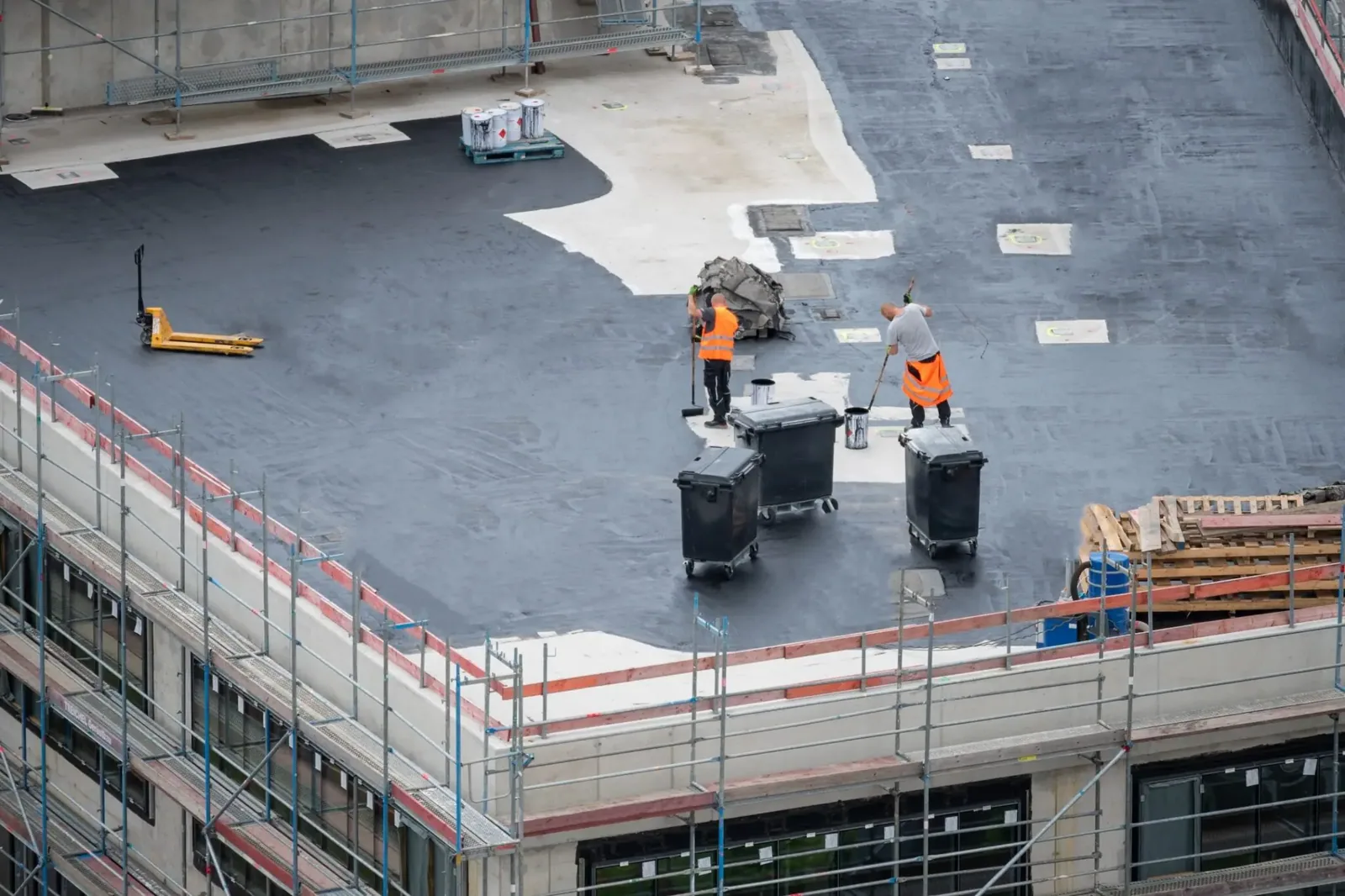
Some projects need a short, controlled roof opening; others can proceed without removing the existing membrane. Tear-off requires a dry-in limit sized to crew capacity and weather. We decide where the day's work stops and how each open section is secured before removal starts. Occupied-building roofing can divide work by zone and coordinate noisy or disruptive tasks with the property schedule. The field lead records any changed access condition before continuing.
Read the Roof Assembly
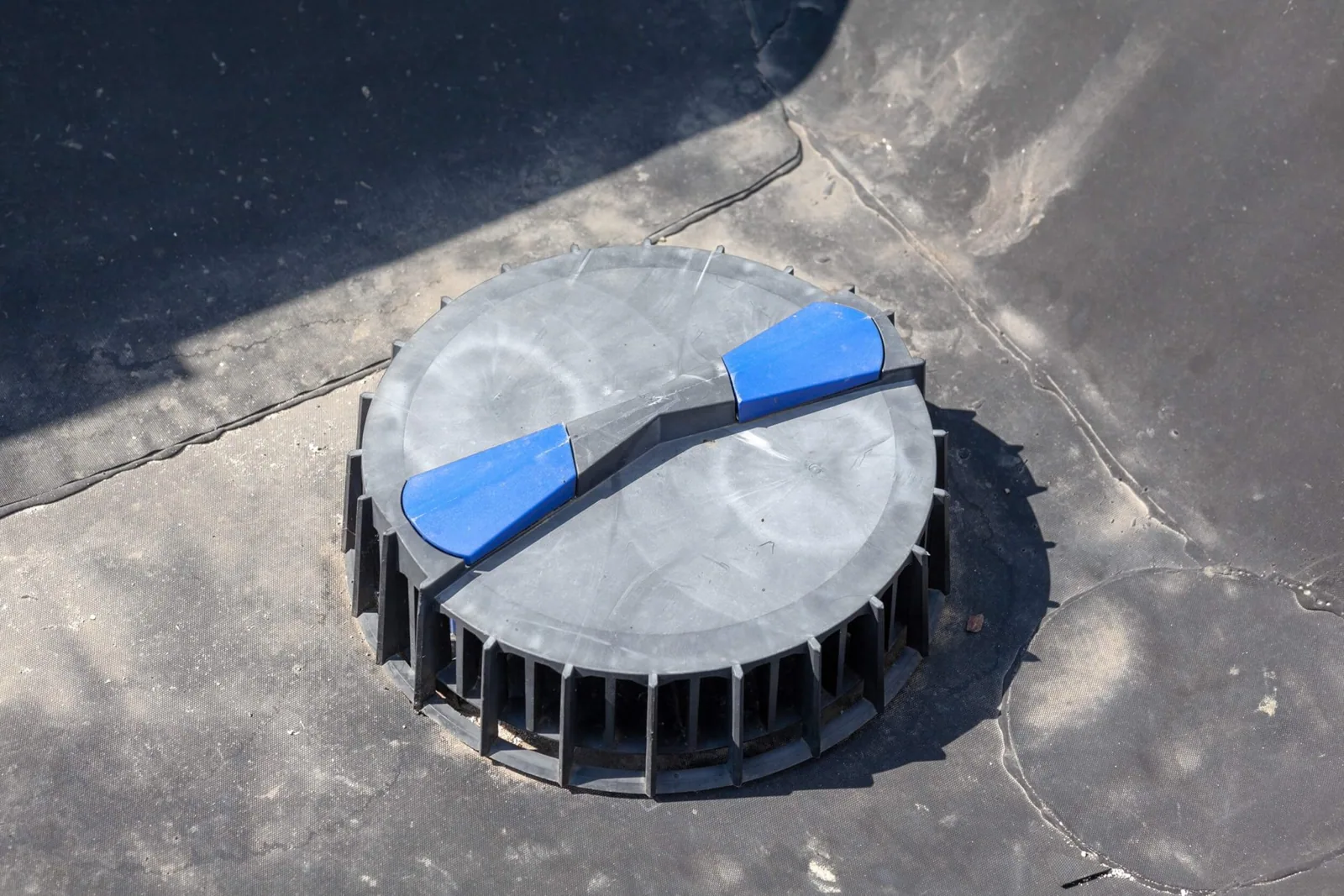
The Fairmount Business District's road and shopping context does not reveal a building's roof material. We inspect exposed edges, seams, penetrations, prior patches, and available roof records. A low-slope membrane, built-up system, modified bitumen, or metal roof each has a different way to move water and resist wind. If past repairs obscure the original detail, a test opening may be needed to verify insulation, deck, and layer count.
Repair products must match the existing assembly and provide a secure tie-in. A membrane patch needs a prepared, stable surface. Metal work must account for panel movement, fasteners, and flashing. A coating cannot correct wet insulation or failed attachment beneath it. A roof inspection records the observed material and separates confirmed defects from conditions that still need testing. This is especially useful when a building has several additions or prior roof repairs.
Review Drainage and Stormwater
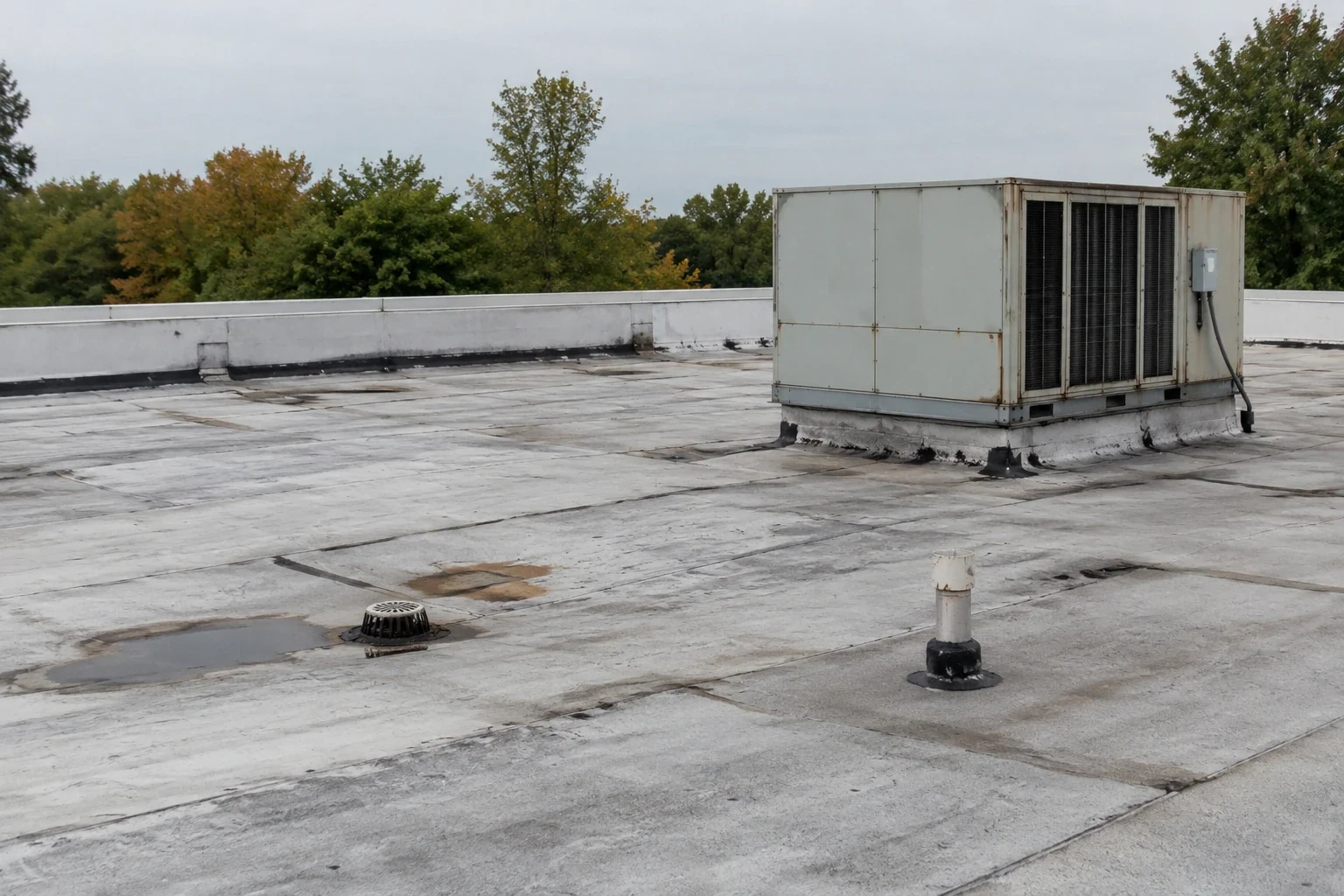
Public improvements along the Fairmount corridor include street and sidewalk stormwater measures. A building's roof drainage remains its own system, and must be inspected at the roof and discharge point. We check the roof slope, drain bowls, strainers, overflow scuppers, and leaders. We look for debris, a blocked outlet, a loose connection, or a low area that keeps water from reaching the drain. Then we compare the roof route with any interior moisture report.
A stain can sit below a drain line rather than below the entry point. We inspect the upslope route through seams, wall transitions, penetrations, and old repairs. If insulation may be wet, infrared survey methods can help choose confirmation points. Where the outlet itself is damaged, drain and scupper repair can restore the connection when surrounding membrane is sound. We state whether the scope corrects an outlet, a slope-related issue, or a water barrier detail.
Protect the Business Below
Retail businesses operate along US 24 in Fairmount, including the Sterling Avenue area. At an occupied commercial building, roofing activity can affect customer access, loading, noise, odors, and interior protection. The property representative identifies which doors, tenant spaces, and delivery windows matter. We set a staging and lift plan that avoids unnecessary interference, and communicate before work reaches an area above an active room.
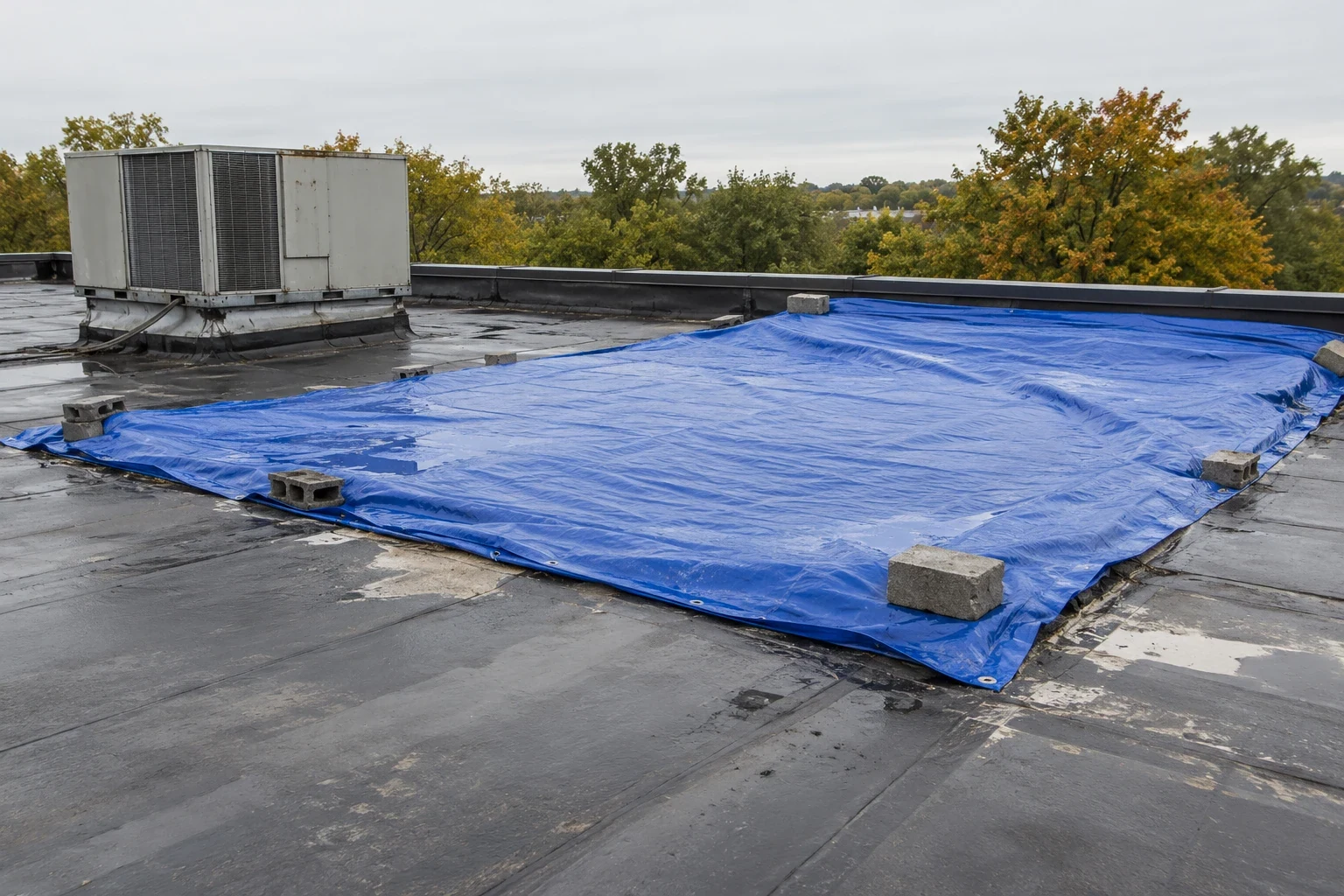
Materials and debris should travel on an agreed path. If crews need to open the roof, we protect the interior and limit the exposed area to what can be secured by the end of the shift. A leak response may need temporary protection before a permanent repair can be completed. Emergency roof response is available at any hour for active water entry, with follow-up inspection to verify the source and set the permanent repair scope. Work closes with a roof walk and drain check.
Select a Defensible Repair
A local split or puncture on a dry, well-attached field may accept a compatible repair. Failed flashing or loose edge metal needs a detail that restores attachment and water shedding. If testing finds wet insulation, corrosion, or repeated failure across several zones, a larger repair or replacement may be appropriate. We measure the confirmed area and photograph concealed conditions before asking the owner to authorize additional work.
A recover can be considered only after reviewing existing layers, deck capacity, drainage height, code, and fastener design. Otherwise removal and replacement may be necessary to reach a sound substrate. The written scope includes access, measured areas, material, protection, weather allowance, and tie-ins, which are the main timing and cost drivers. Repair work and replacement both need clear boundaries at curbs, drains, walls, and edges.
Track the Roof Through Road Work
Public improvements and private maintenance may overlap, so keep separate records for each scope. The roofing closeout should identify the property, roof zone, repair material, seam or attachment checks, and any deferred item. Photos show the work area before and after. If access changed because of roadway work, record the route used and any temporary protection that remains. That lets the owner compare future conditions with what was actually repaired.
Fairmount is a city redevelopment priority, but the roof recommendations remain building-specific. We also inspect other Independence locations including the US 24 Highway Corridor and Maywood Business District. The site contact at each property confirms current access separately. For the Sterling Avenue to Cedar Avenue segment, the roofing team coordinates its own staging with any confirmed corridor restrictions before delivering materials.
Along the Fairmount corridor, street improvements and a private building's roof work may involve different owners and schedules. Keep the proposal focused on the private roof: name the affected section, note any blocked or restricted entrance, and show where materials can be staged without assuming a public work area is available. Confirm how the roof drains connect to the building's own leaders before changing an edge or outlet detail. If water management work is proposed, explain the tie-in and overflow route in plain terms. That keeps the roof recommendation understandable while nearby street or sidewalk activity proceeds on its own schedule.
Commercial Roofing Questions
Will sidewalk or intersection construction affect a roof visit?
It may change an entrance or staging area. We confirm current conditions and access with the property representative before scheduling deliveries, lifts, or debris removal.
Does the corridor's stormwater plan cover the building's roof drains?
The public plan describes corridor improvements. We inspect the building's drains, overflow route, leaders, and roof slope separately.
How do you keep customers clear of roofing activity?
We agree on material routes, lift areas, work hours, and tenant notices with the site contact, then keep the active area controlled and protected.
Can a roof coating fix recurring leaks in Fairmount?
Only if the existing surface and substrate support that system. We trace the leak, check moisture and attachment, and confirm compatibility before considering a coating.