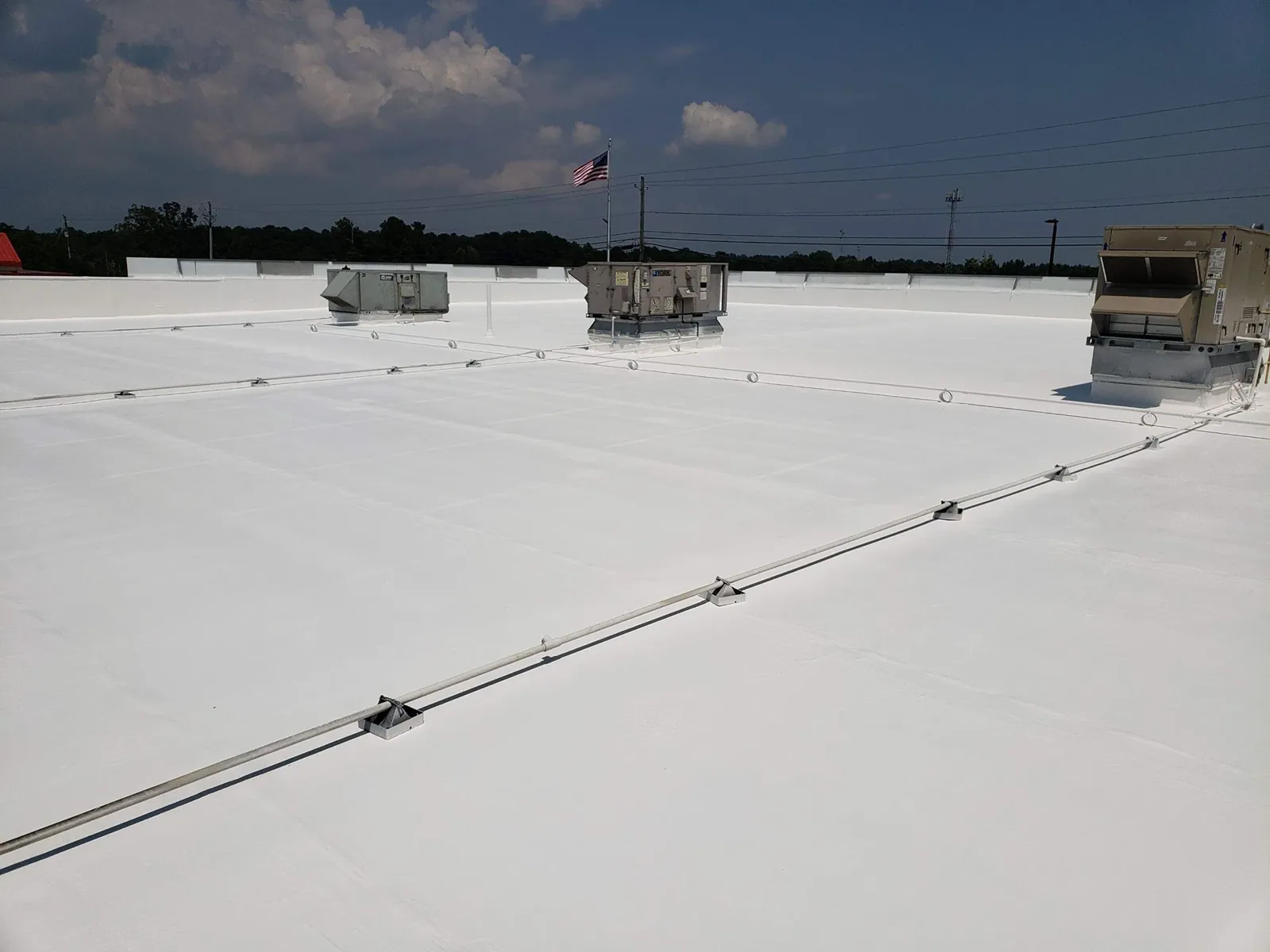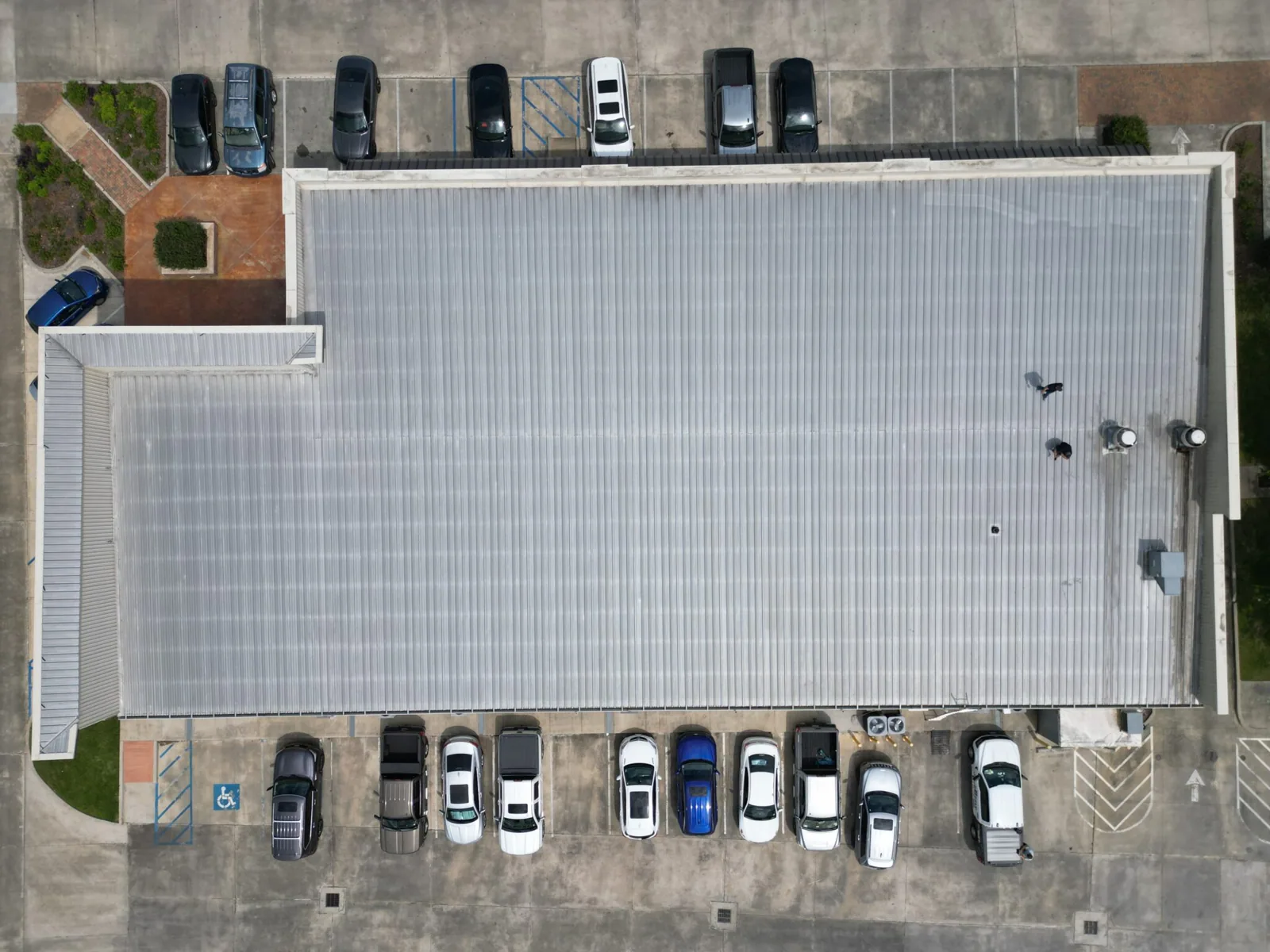
Commercial roofing in Maywood, Independence, MO, starts with a roof-specific diagnosis and access plan along the Truman Road corridor.
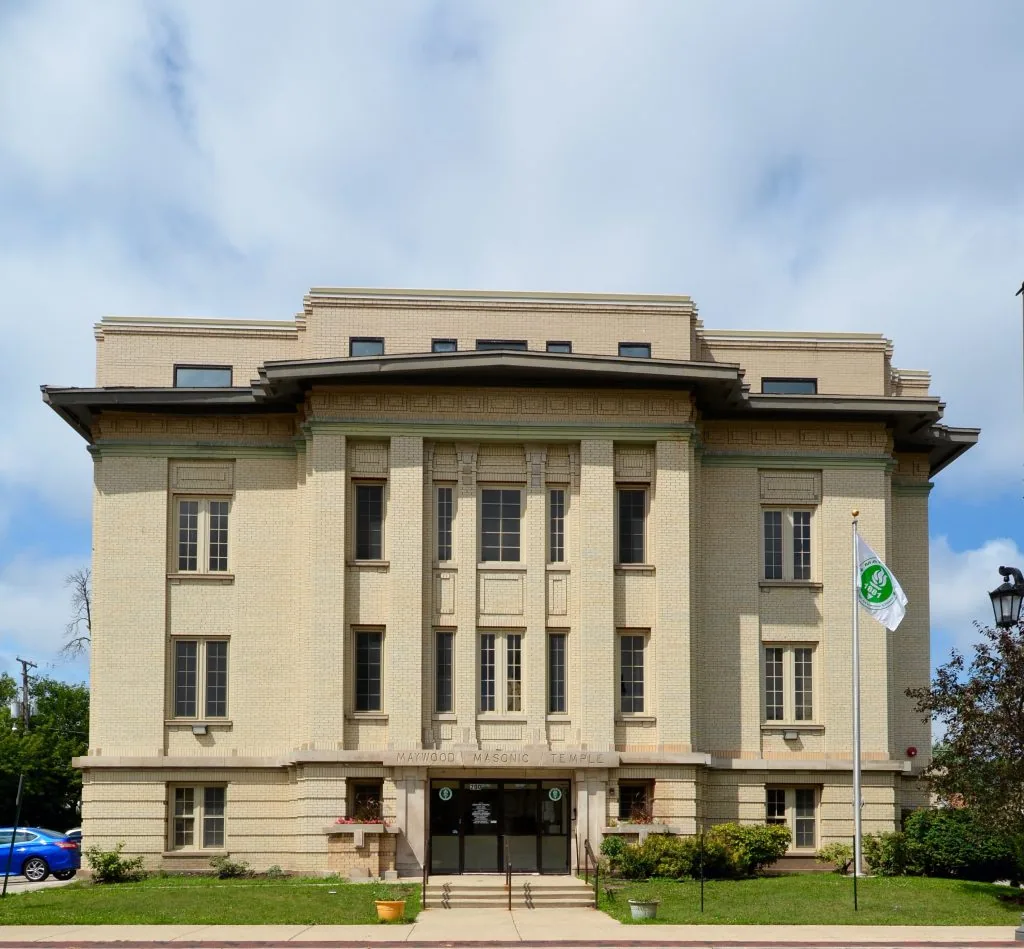
Maywood is one of Independence's five priority redevelopment areas and has received funding for streetscape improvements. The City identifies the Maywood Shopping District along Truman Road, an east-west corridor that also appears in the city's cleanup priorities. These public improvements frame how a roofing visit may need to coordinate access. They do not define the roof at any individual address. We inspect the building, identify the assembly, and set repair limits based on the conditions we can verify.
The property contact tells us which entrance, delivery area, roof access point, and operating window apply. We inspect seams, drains, edges, wall transitions, equipment supports, and interior leak evidence. A photo record ties each finding to a roof zone. That gives the owner and other project teams a shared reference before construction, instead of a scope based on street frontage or the appearance of nearby buildings.
Set Access Before Mobilization
Streetscape work can change where a vehicle may stop or where pedestrians move, but current access has to be confirmed at the specific property. We coordinate lift placement, material delivery, debris removal, and temporary barriers with the site representative. If a work zone affects the planned entrance, the team identifies a revised route before bringing materials to the site. That avoids unsafe staging and prevents a delivery delay from leaving an open roof area.
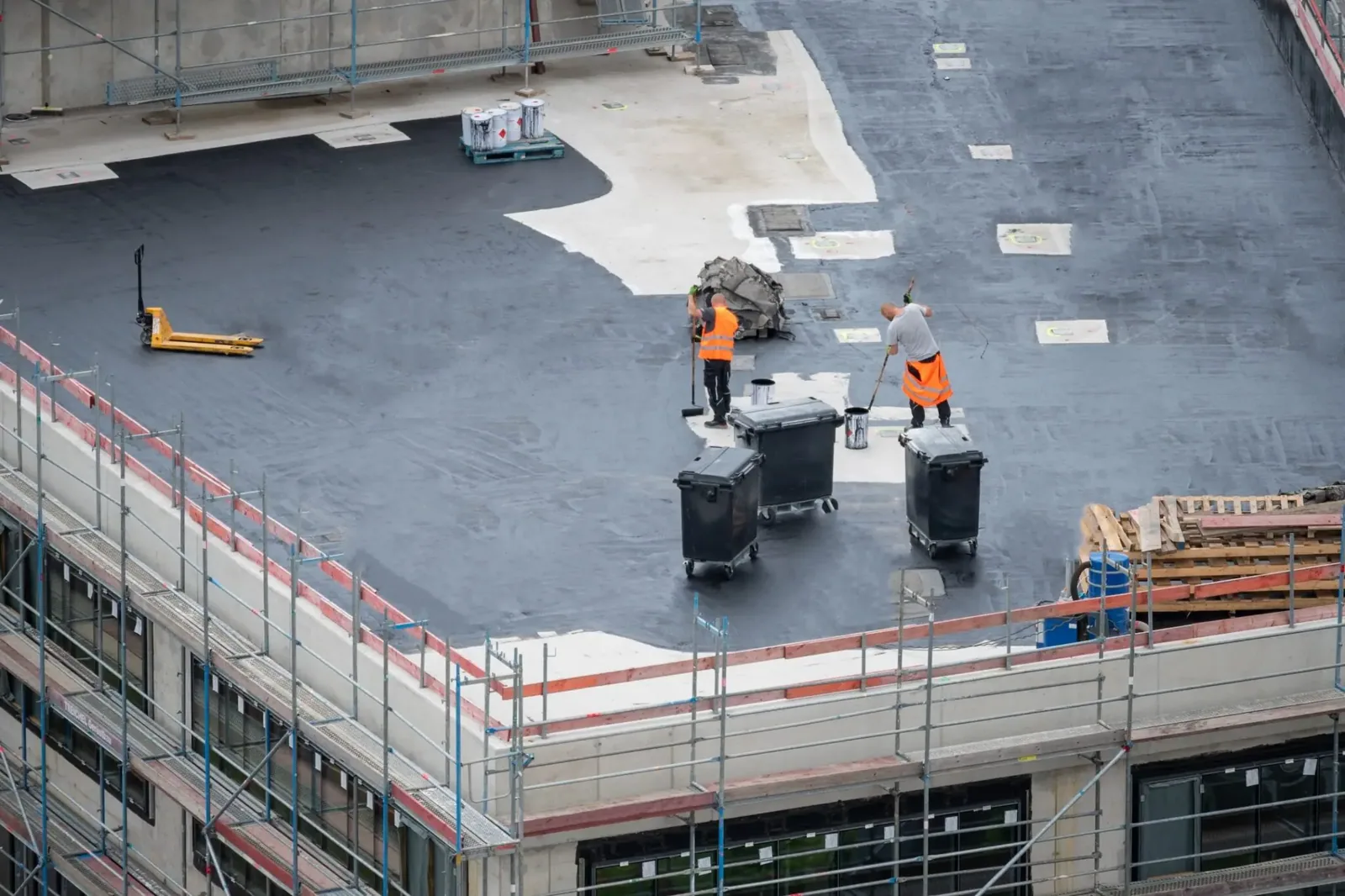
For tear-off, the day's footprint should fit the time available to remove, rebuild, and close the assembly. We prepare temporary dry-in materials first, then open only the section that can be protected before the shift ends. Tenant or customer areas below may require notice and interior protection. Occupied-building sequencing can break the scope into smaller roof zones and coordinate noisy work with the business schedule.
Identify the Failure Mechanism
A leak can begin at a membrane seam, roof edge, drain, curb, or wall transition. The interior stain may sit away from that opening because water moves along the deck or insulation. We compare the reported room with the roof layout and follow the likely path upslope. Then we inspect the material and repair history around each detail. A surface crack is not the full diagnosis if the substrate beneath it is wet or loose.
We document a defect that can be seen and separate it from an area that needs testing. Infrared mapping may help locate temperature differences across a roof, but a test opening confirms whether insulation is actually wet. Moisture survey work can focus that investigation. A written inspection report identifies conditions by roof zone and makes the next step clear to the property owner.
Match Materials to the Assembly
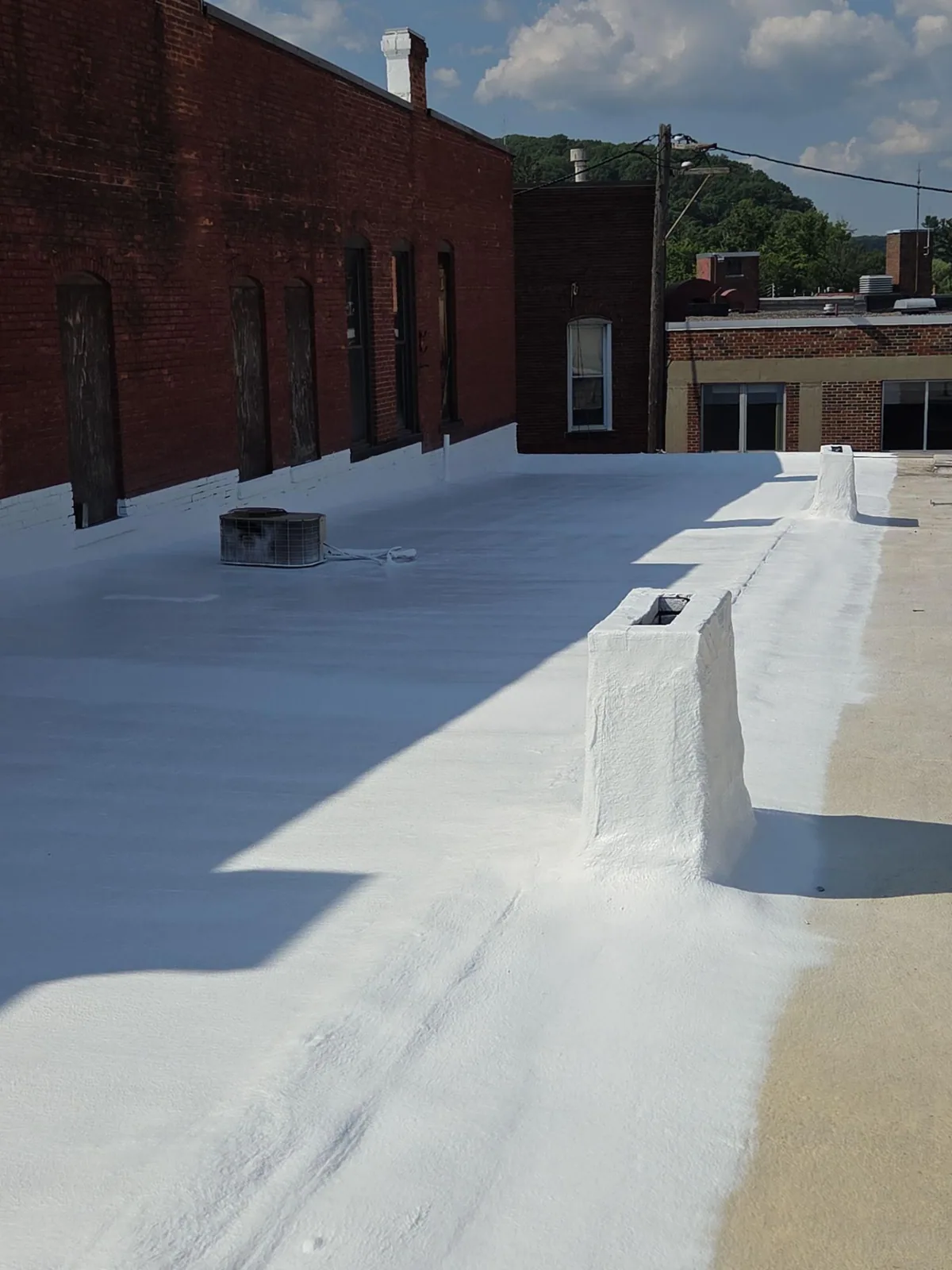
Before a repair, we identify the existing roof material at the field, edge, and penetrations. A single-ply sheet, modified bitumen, built-up roof, and metal panel each needs a compatible attachment and flashing method. A prior coating or overlay may obscure the original surface. Drawings can help, but field details must confirm the system. If the repair requires removing hidden layers, a test opening can establish deck and insulation condition.
New material needs a stable bond and a continuous water barrier. A patch should extend onto prepared, sound material. Metal flashing has to accommodate movement and remain attached. A coating cannot repair failed seams or stabilize a wet substrate. We note where the selected detail ties into the existing system and what preparation is required. A localized repair should state its edge and material, while larger reconstruction includes roof insulation, cover board, and termination details as required by the assembly.
Review Roof Drainage Separately
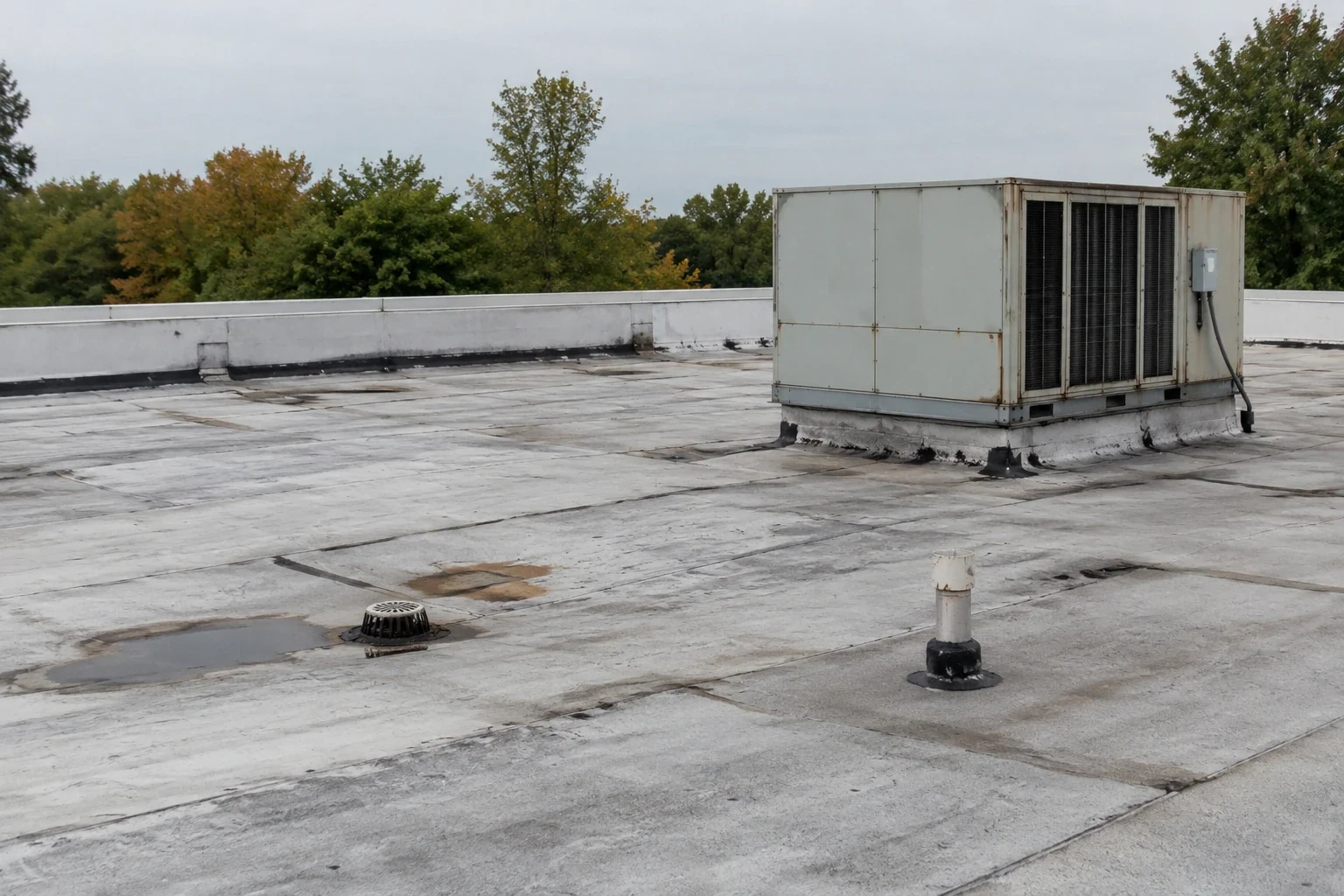
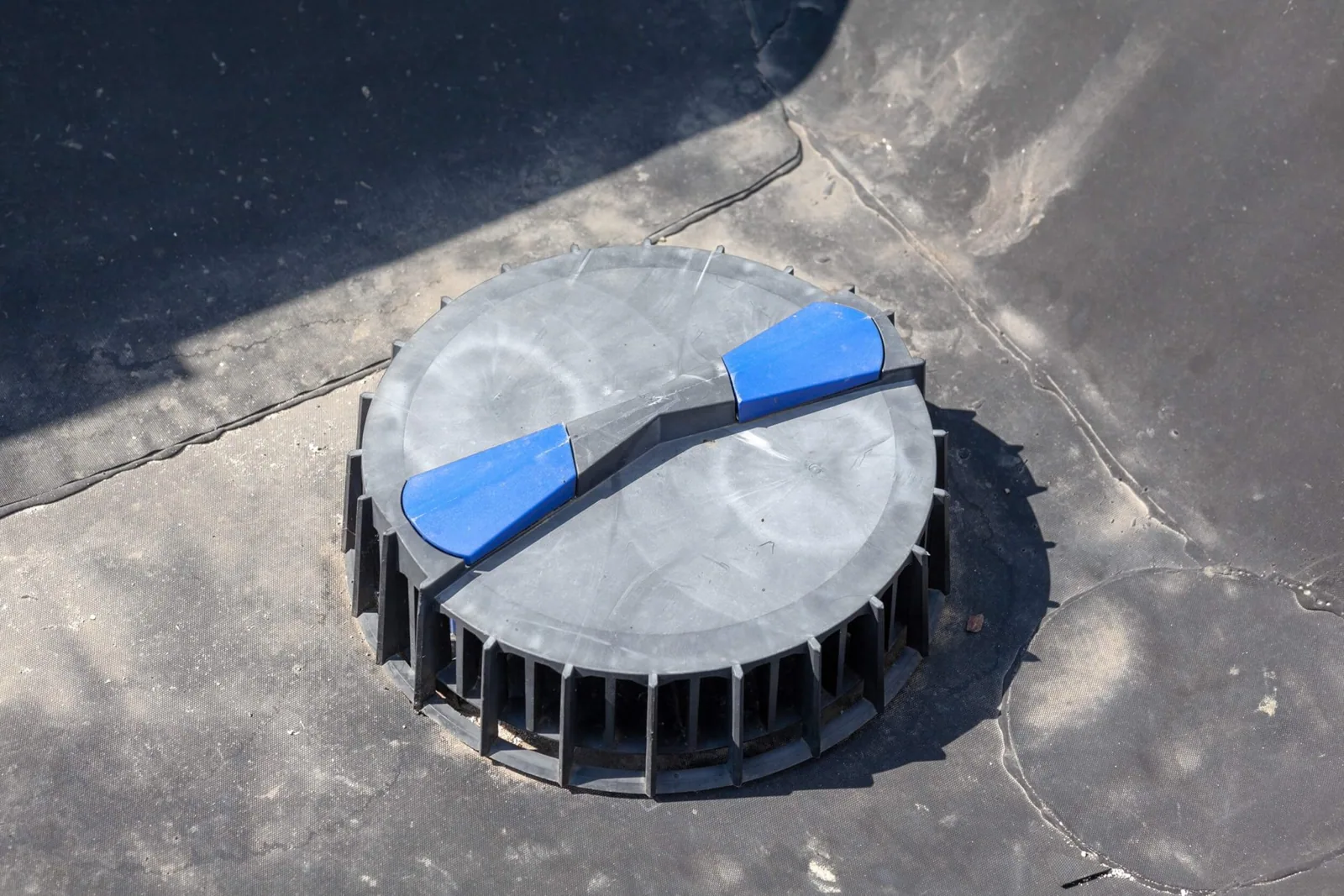
The Truman Road corridor's public cleanup program and the roof's drainage system serve different scopes. On the roof, we check drains, scuppers, leaders, strainers, overflow paths, and the surface leading to each outlet. We look for debris, standing water that persists after drainage time, a loose clamping ring, or a low point that directs water toward a seam. Each observation is marked by location and extent.
If an outlet is blocked, clearing it may restore flow. If the drain connection or membrane around it has failed, the repair must restore both the fitting and the surrounding water barrier. A low area may need further review of deck and insulation rather than a surface patch. Drain and scupper repairs can address the outlet when adjoining materials are sound. We record the water path after the work so future inspections can check the same condition.
Choose the Right Scope
A localized seam or flashing repair may be enough when surrounding materials remain dry and attached. If several areas fail, insulation is wet, or edge attachment is loose, the owner may need a broader repair or replacement. We define the base scope from testing and set a process for concealed conditions. If tear-off reveals additional damage, photographs and measurements support the request before the crew proceeds.
An overlay remains an option only when the deck can take the assembly, drains retain enough height, and existing layers meet code and fastening requirements. If those checks fail, we remove the unsuitable roof to reach a stable base. Cost and schedule depend on measured area, access, material, disposal, interior protection, and weather. Replacement planning should include drains, curbs, walls, perimeter metal, and a closeout inspection. We state what remains outside the work so later maintenance does not mistake an unchecked zone for a repaired one.
Maintain Through Redevelopment
Maywood's streetscape work can be planned alongside a commercial building project, but the owner should keep separate documentation for public improvements and private roof work. A roof closeout should show the property, material, repaired zone, seam and flashing checks, drain status, and any remaining concern. If access changes during the project, record the route and protection in place. Photos let a future manager compare the next visit with the documented repair.
Independence weather can move flashing through freeze-thaw cycles, expose weak seams to hail, and change installation conditions in summer heat. A maintenance schedule should track the actual system, drainage, and repair history. We can inspect other commercial districts such as Englewood Arts District and Fairmount Business District, with individual site reports. At Maywood, the annual review should check the roof and access plan separately from the status of Truman Road cleanup or streetscape work.
For an occupied property in the Maywood area, the condition report should help the manager decide what must happen first. Separate active entry that needs immediate protection from defects that can be scheduled, and identify the rooms or business functions below each roof section. Confirm the route for a ladder or lift and whether materials can be brought in during normal deliveries. If an opening reveals damage beyond the initial boundary, pause long enough to photograph the condition and explain the added work before the crew expands it. A short follow-up list can then show what was repaired, what is being monitored, and who needs to provide access for any remaining test.
Commercial Roofing Questions
Does the Maywood streetscape project determine roof access?
No. The property representative confirms current entrance, loading, lift, and pedestrian conditions for the exact address before we mobilize.
How do you locate a leak beneath a roof patch?
We inspect the patch edge and trace the water route through nearby seams, drains, walls, and penetrations. Testing confirms concealed moisture before repair limits are set.
Can you repair a roof while storefronts remain open?
Often, when access, noise, material routes, and interior protection are coordinated. The work plan sets which areas are active and when they will be closed.
What information should a roof closeout include?
The record should identify the roof zone, material, repair edge, drainage check, photographs, and any condition that still needs testing or approval.