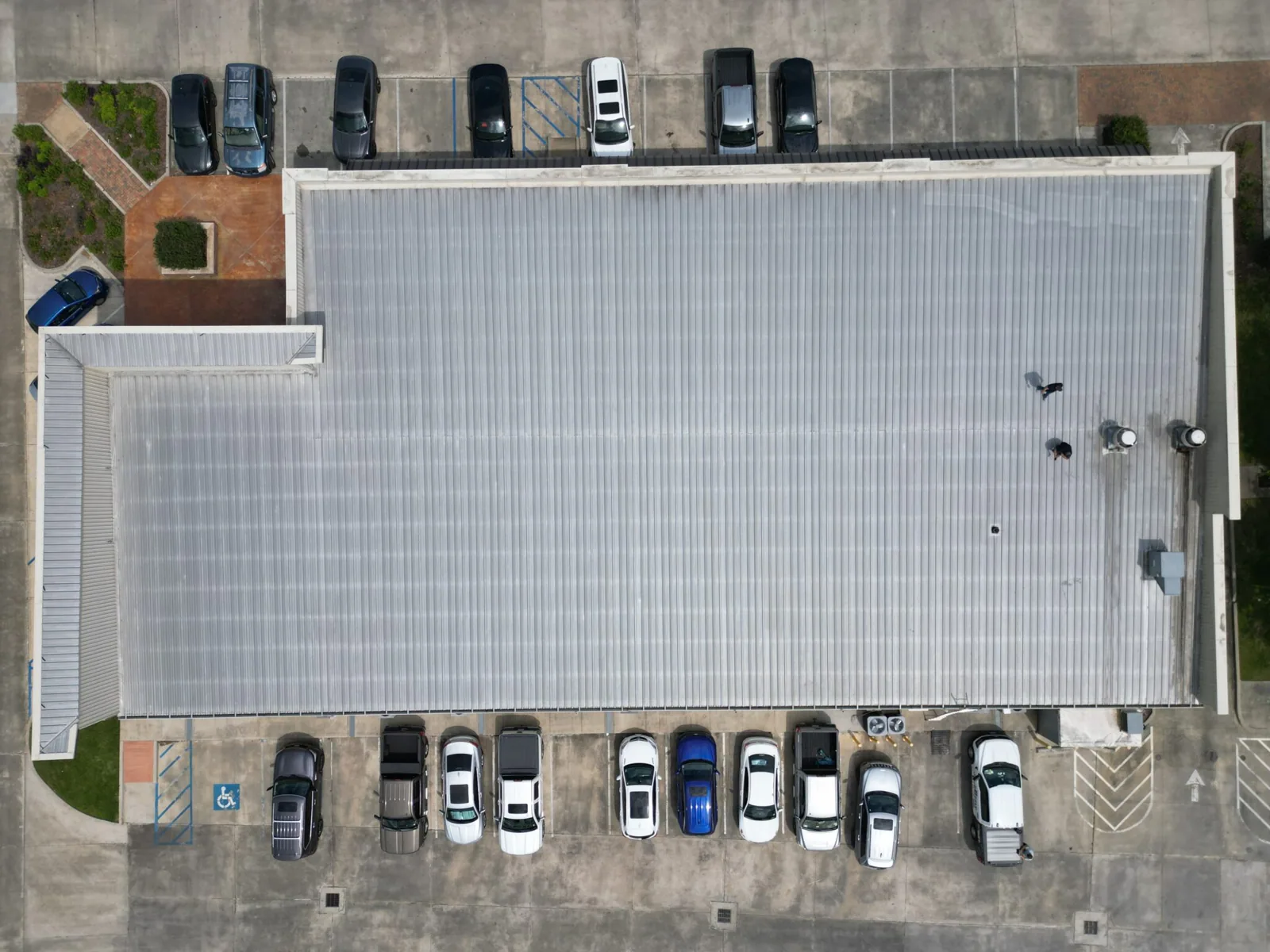
Commercial roofing near Truman neighborhood in Independence, MO, begins with site-specific inspection, roof mapping, and coordination around local access.
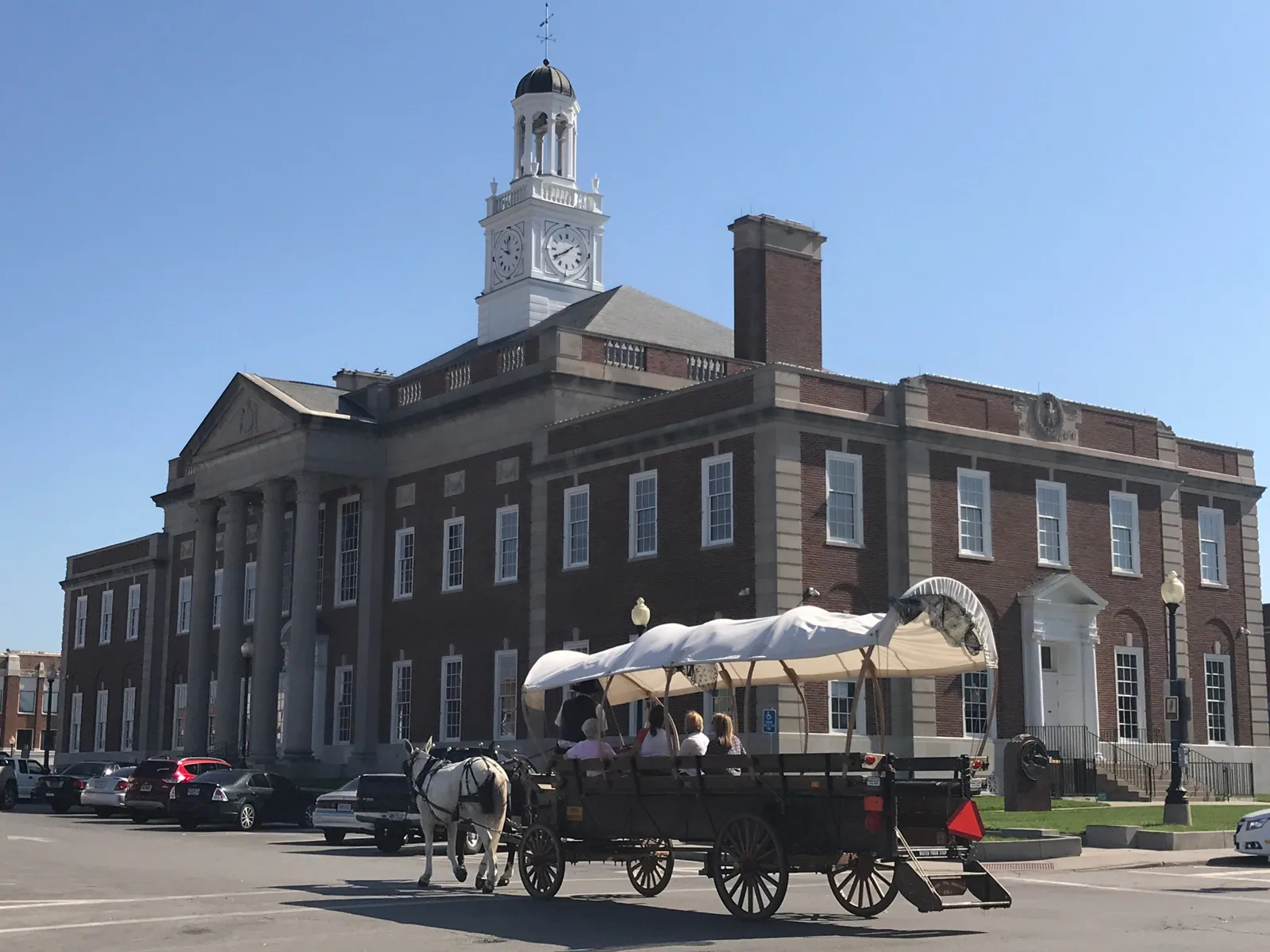
Truman neighborhood sits northwest of Independence Square between River Boulevard and Pleasant Street, south of US 24 and north of Truman Road. It is part of the Truman National Historic Landmark District and includes late-19th- to mid-20th-century homes with Colonial Revival, Queen Anne, Folk Victorian, Shirtwaist, and bungalow influences. The City guide also notes nearby Truman Library, Englewood, 23rd Street shopping, and Independence Transit Center. Those landmarks orient the area; commercial roof work still depends on the property under review.
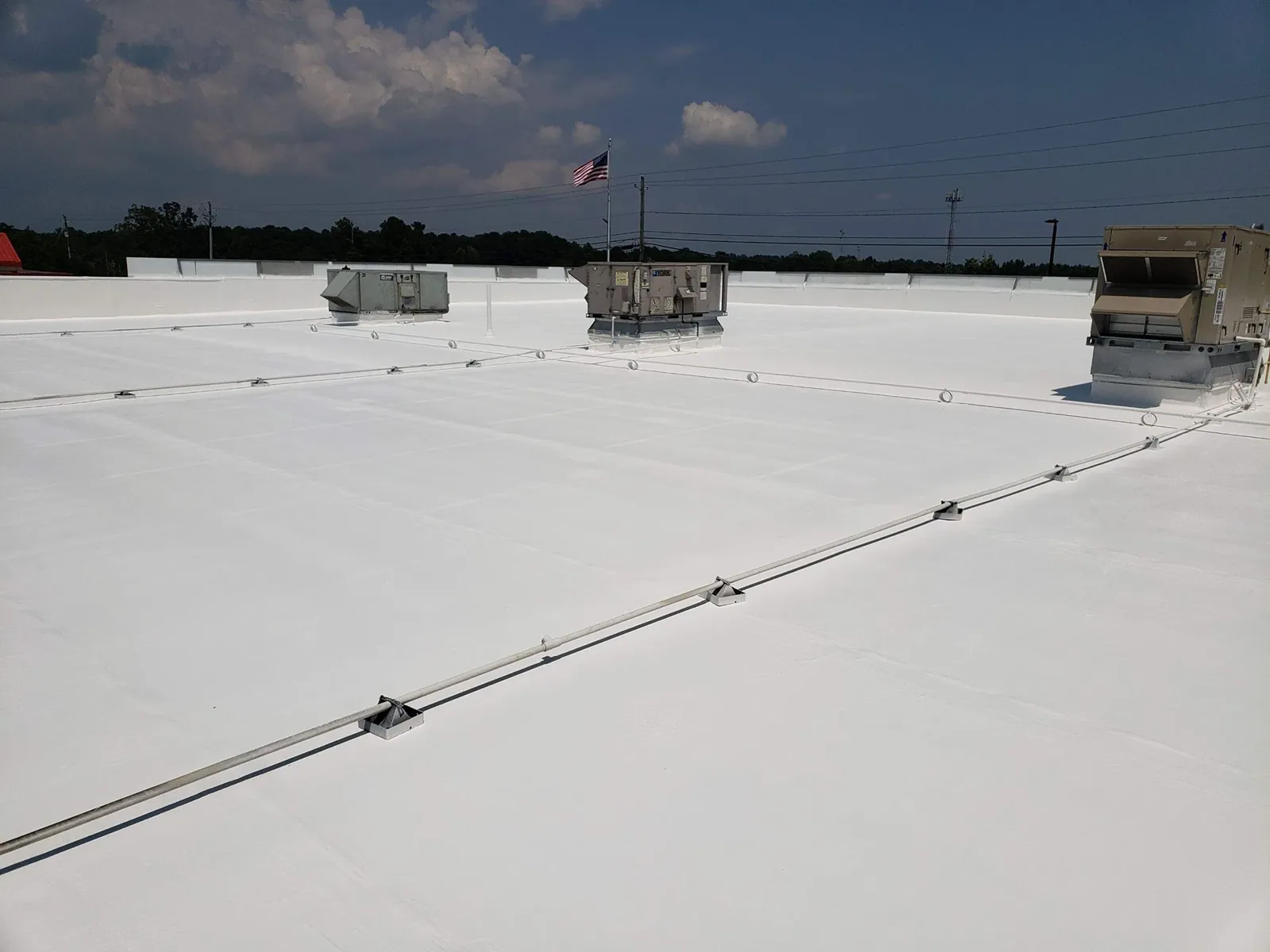
We inspect that building's visible roofing, trace water routes, and map the work area before recommending a repair. The owner confirms access, operating hours, delivery route, and any exterior preservation requirement that applies to the property. The report identifies the assembly we could verify, materials needing tests, and any area not accessible. This creates a roof scope tied to the building rather than to neighborhood architecture.
We include the inspection date and the representative who authorized access.
The owner receives the final photo record.
Respect the District, Verify the Roof
The neighborhood's historic district status and housing styles do not establish that a nearby commercial building has a historic roof. We examine actual roof edges, seams, flashing, drainage, and previous alterations. If a building is subject to a preservation review, the owner or project architect identifies the applicable rules before selecting materials. We document the existing detail before replacement work changes the roofline or a parapet interface.
At a roof-to-wall transition, we check whether flashing sheds water and remains attached to a sound substrate. A patch should not obscure an original detail without reviewing what it does. Available drawings and prior repair records can guide the inspection, while a test opening confirms concealed layers when necessary. A commercial roof survey records photographs and questions for the property team, providing a clear basis for coordinating roofing with an exterior rehabilitation project.
Separate Neighborhood Locations
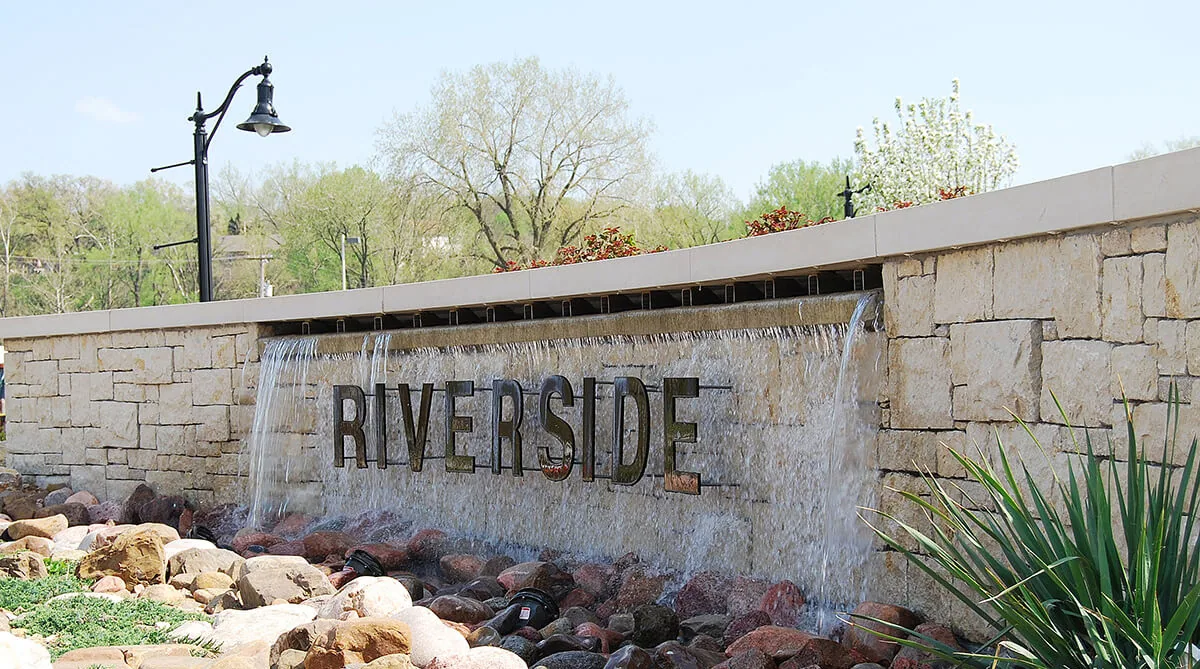
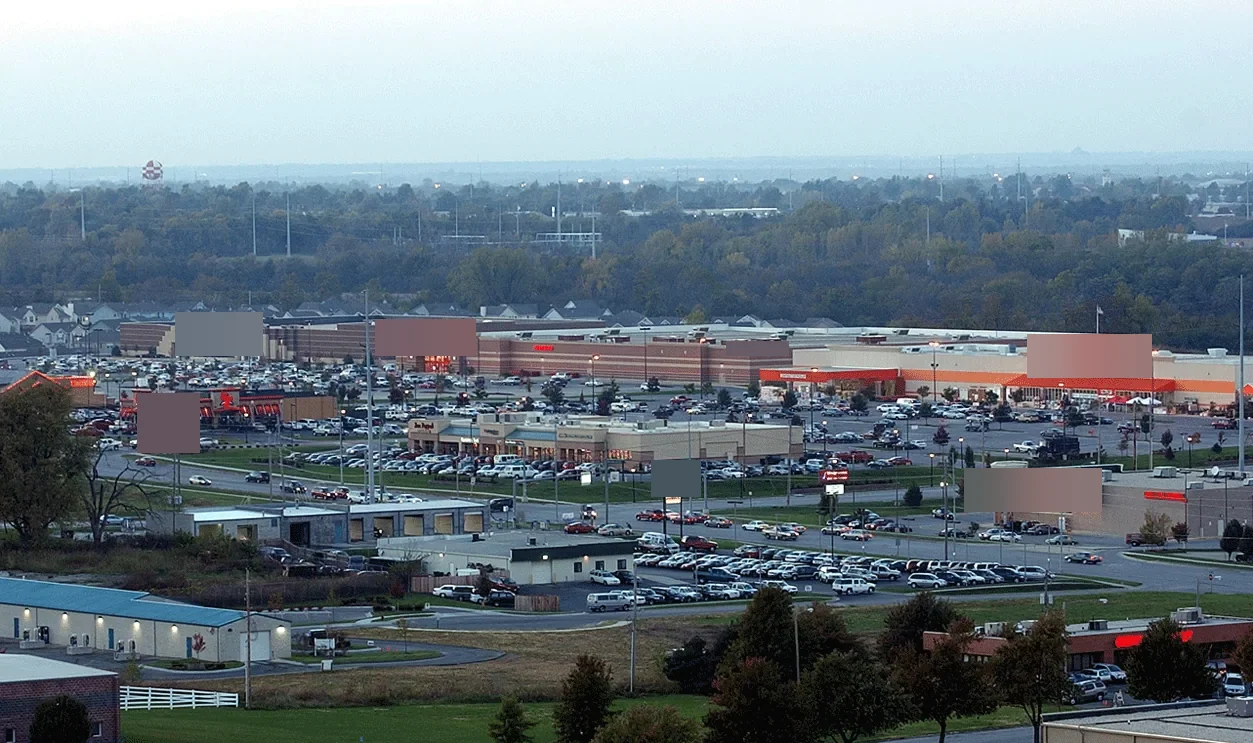
The City identifies Truman Library, Englewood, the Square, 23rd Street shopping, and the Transit Center as nearby places. Each has a separate roof and owner. We can inspect Riverside, Missouri and Belton, Missouri, but those reports do not describe a business roof inside Truman neighborhood. For each property, the site contact confirms access and any public or tenant area to keep clear.
Where a service vehicle approaches from Truman Road or US 24, the crew confirms current entrance and staging conditions. We do not infer access from a neighborhood map. Before a lift or debris container arrives, the property representative approves its location and the pedestrian route. If nearby public activity affects a planned work window, we verify that restriction directly and adjust the schedule.
Trace the Interior Symptom
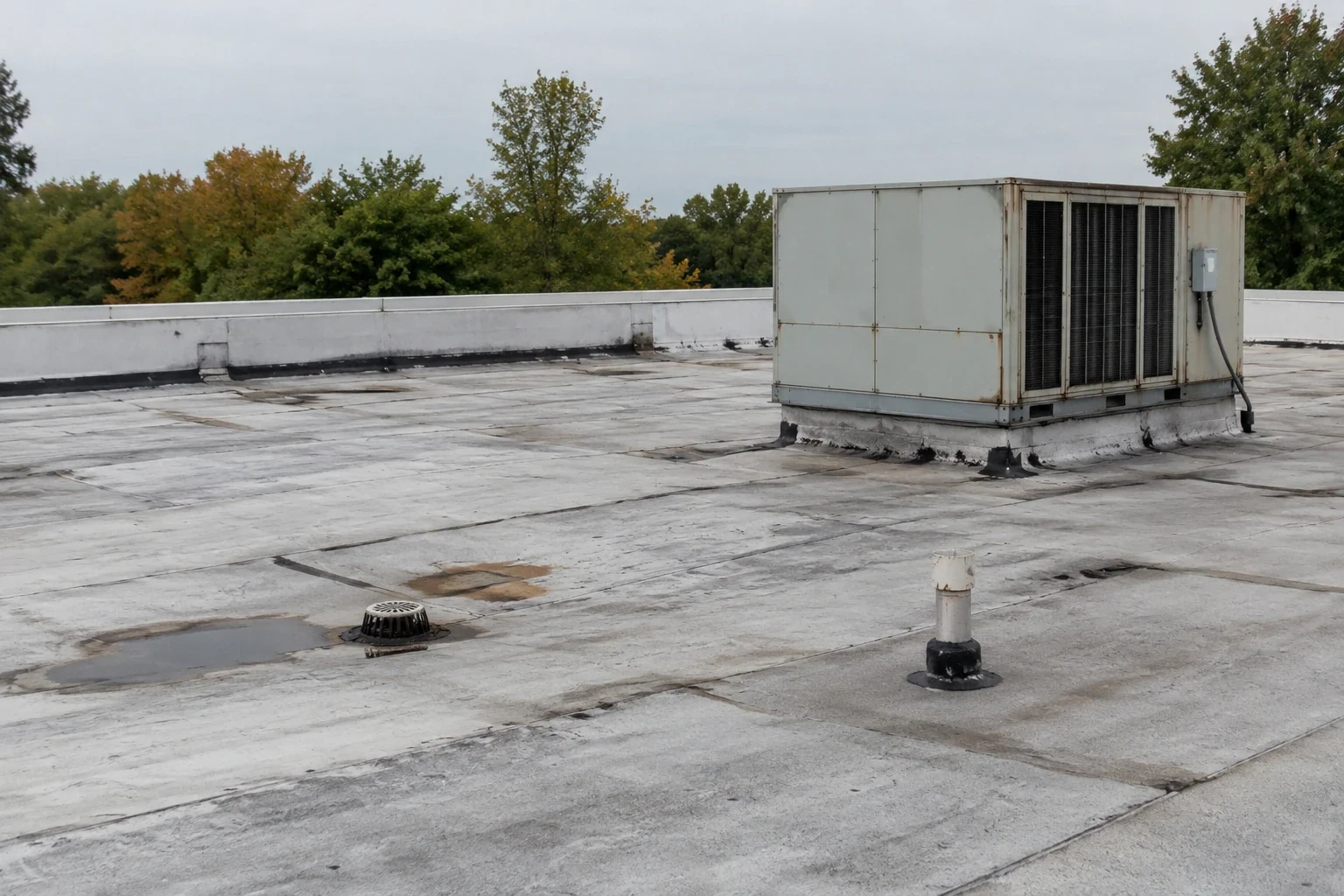
Water can enter at a parapet, roof seam, drain, penetration, or prior patch, then travel before showing in a room. We use the room report to narrow the search, then inspect plausible roof entry points above and upslope. Water can follow a deck, flashing leg, or conduit before it becomes visible. We record the condition inside separately from the roof detail that supports a diagnosis and test concealed areas when moisture changes the repair decision.
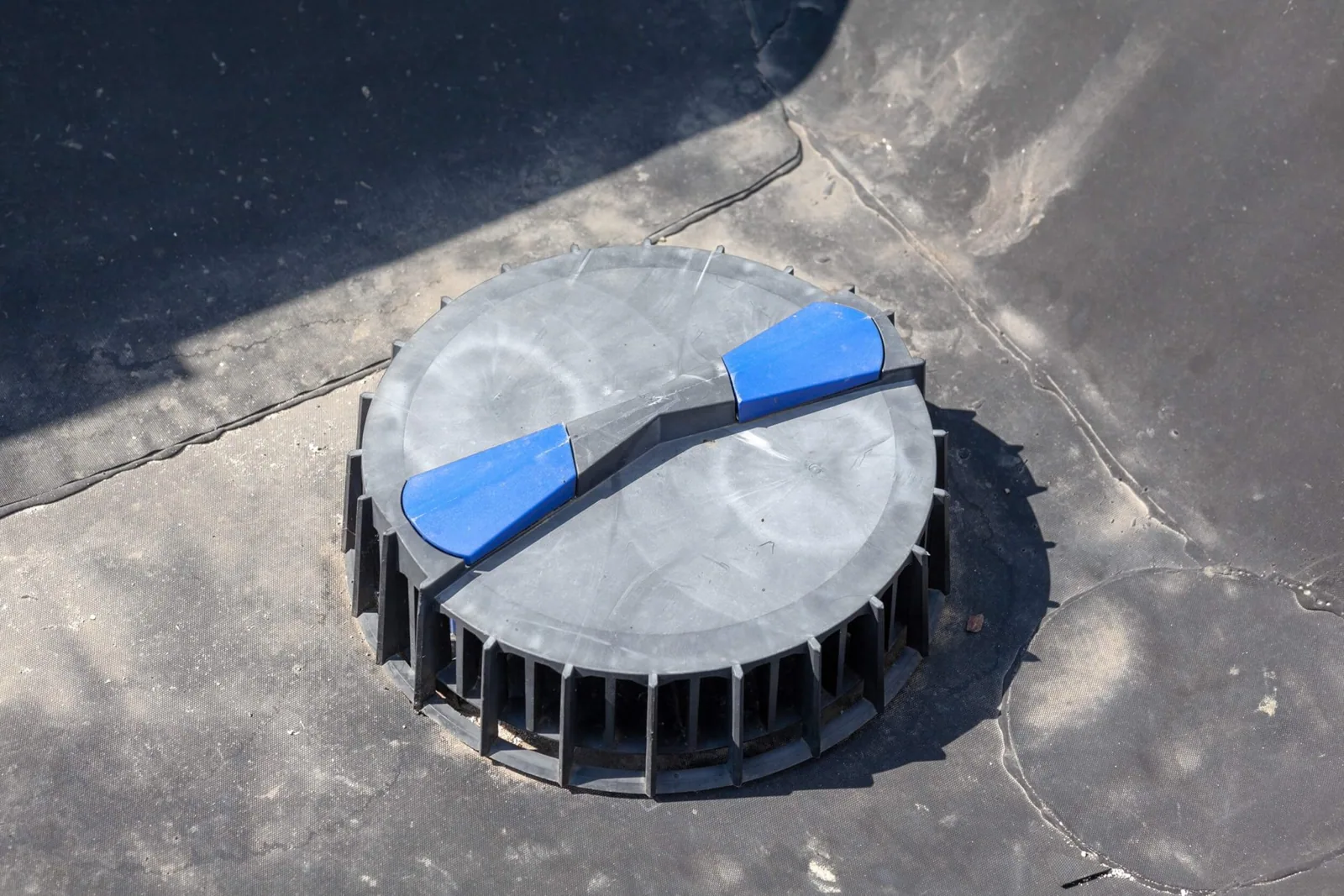
Drainage checks include slopes, bowls, strainers, overflow outlets, and the material around each fitting. We look for debris, a separated clamping ring, a blocked leader, or a depression holding water. If the surface may conceal wet insulation, infrared moisture mapping can direct a confirmation opening. Drainage repair can restore a failed outlet connection, provided the surrounding membrane remains sound.
Protect Occupied Space
A repair or replacement above occupied space needs an interior protection plan. The property contact identifies rooms, tenants, collections, or equipment that could be affected by noise, odors, dust, or a temporary opening. We schedule deliveries and lifts around approved access and define how each roof section will be secured before the shift ends. A historic designation may add project coordination, but the actual requirements come from the owner's authorized review.
We stage the membrane and dry-in materials before tear-off. The open area is sized to the crew's capacity and forecast so insulation is not left exposed. If a weather change or access restriction interrupts work, temporary protection is checked and recorded before departure. Occupied-building phasing can help coordinate work with neighboring uses and site operations. Final roof access is confirmed before the crew closes out the area.
Choose Materials for the Existing Assembly
A localized flashing gap or membrane puncture may accept a compatible repair if the surrounding materials are dry and attached. Widespread wet insulation, failed edges, repeated leaks, or deck deterioration may need a broader construction scope. We test uncertain areas and define where sound material begins. If removal uncovers a new condition, the owner receives photos and measurements before added work proceeds.
Recover depends on the existing roof, layer count, deck capacity, drainage height, code, and attachment design. Replacement can allow damaged layers to be removed and details rebuilt. The scope identifies material preparation, edge transitions, drains, curbs, and preservation review where applicable. A repair plan defines the local detail; replacement work explains the rebuilt system. Schedule and cost depend on area, access, material, protection, and weather.
Document What Was Changed
The closeout names the property, roof zones, materials, repairs, photographs, and follow-up needs. If a preservation representative reviewed the work, the record can include the approved detail and material specification provided by the owner. It also lists sections that could not be accessed or tested. That gives a future contractor a clear starting point without implying a condition that was not inspected.
Truman neighborhood's boundaries include River Boulevard, Pleasant Street, US 24, and Truman Road. Nearby destinations do not share one roof condition. We also serve Historic Independence Square and Englewood Arts District, with independent reports for each address. A Truman neighborhood roof file stays with the building, records its own drainage and flashing details, and identifies which maintenance action should happen next.
The facility receives a list of repairs completed, the method used at each interface, and any maintenance action that remains open. This record helps the next project team plan access and confirm whether later work altered the roof.
Truman's historic district context does not by itself determine how a commercial roof may be repaired. The owner or manager should identify the specific property and any preservation review that applies to that work. Once access is arranged, document the assembly and repair boundary, including how removal will be protected if weather interrupts the job. Coordinate around occupied rooms, collections, and public access where they are actually present at the building. If the proposed detail changes a visible edge or wall interface, explain the materials and review point before installation. This allows the owner to coordinate the repair with the appropriate property representatives while keeping construction recommendations tied to examined conditions.
Commercial Roofing Questions
Does the historic district status specify roofing materials?
It does not identify a particular roof system. The owner or architect confirms preservation requirements, and we inspect the installed assembly before proposing materials.
Can commercial roofing be coordinated with exterior rehabilitation?
Yes. We document roof-to-wall details and coordinate flashing responsibility, access, and material choices with the authorized project team.
Do the Library and nearby businesses share one roof condition?
No. Each building receives its own inspection, work authorization, and maintenance record.
What information will help you locate a reported leak?
The room, timing, weather conditions, and any recent work help us trace the route. We inspect the roof above and test concealed areas when needed.