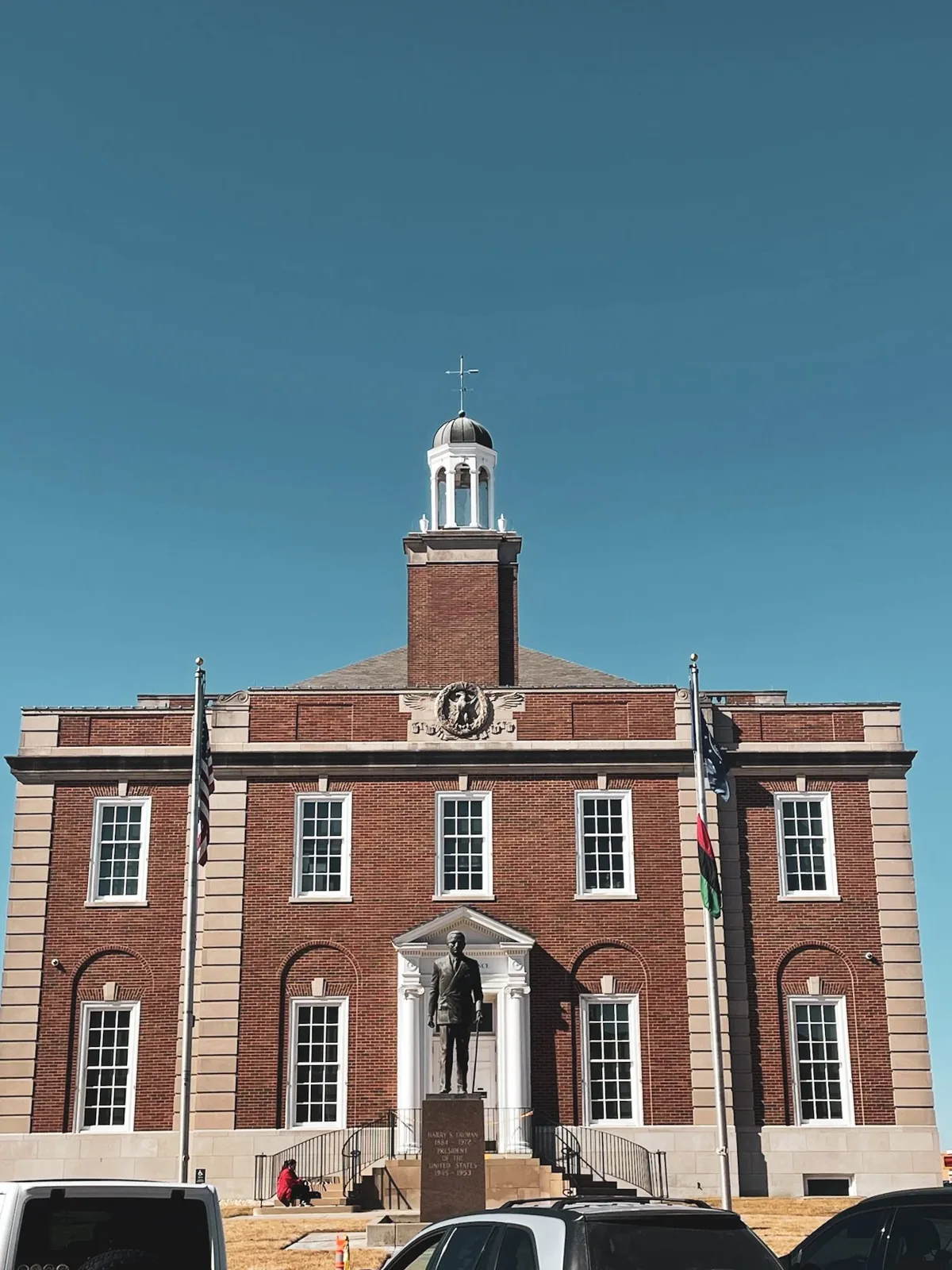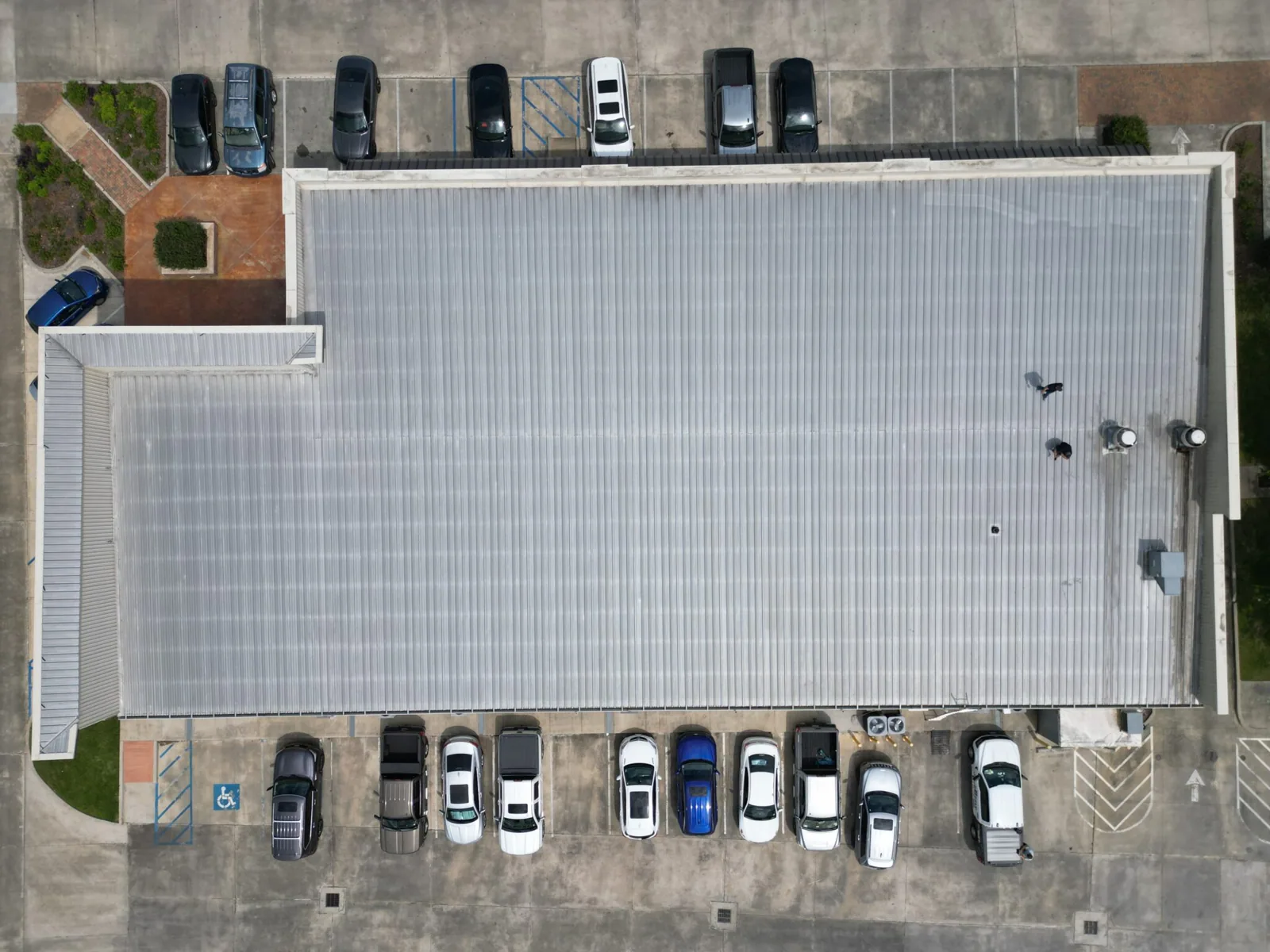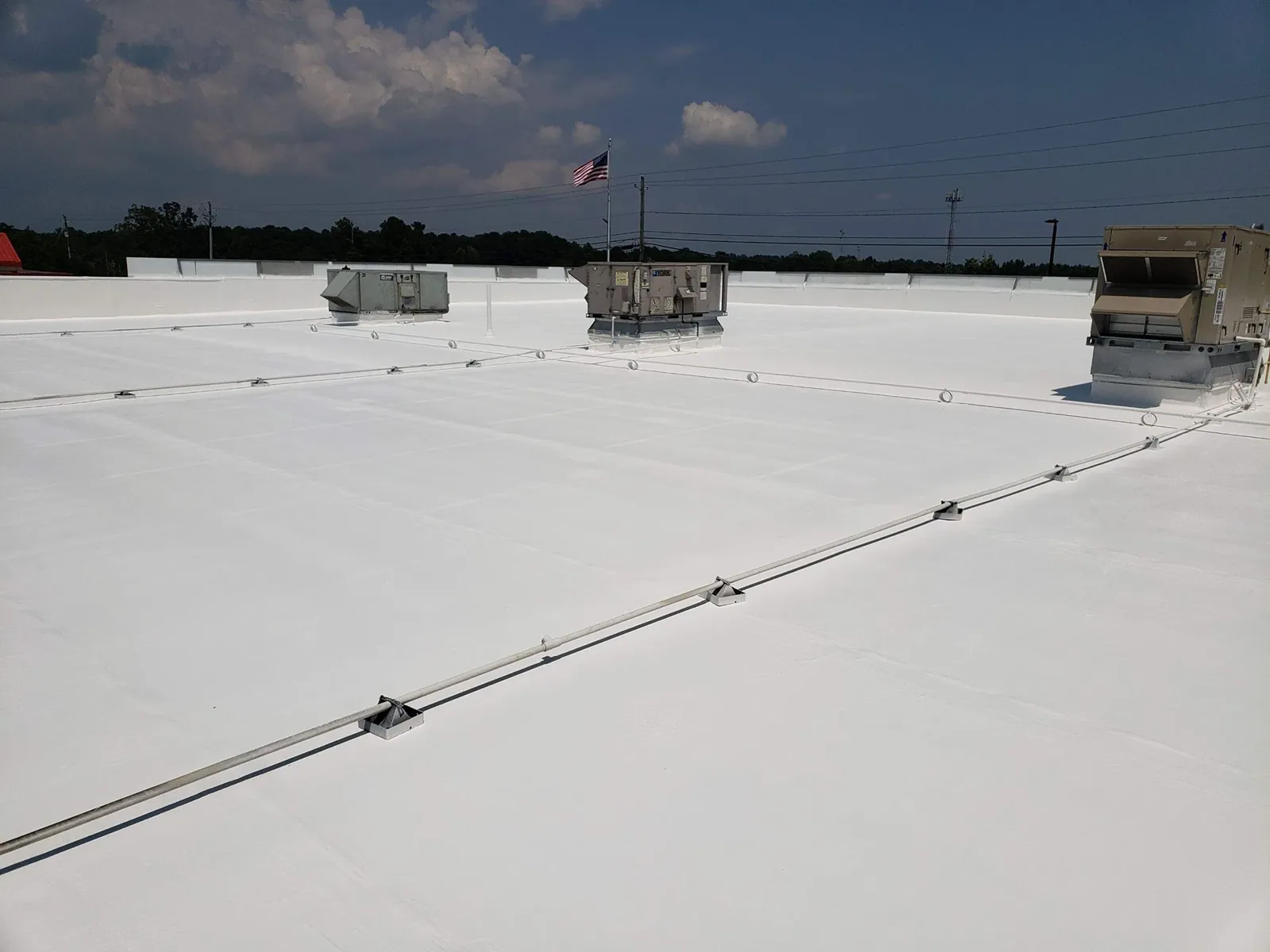
Commercial roofing near North Main in Independence, MO, begins with a field inspection and a scope matched to the building's actual roof system.
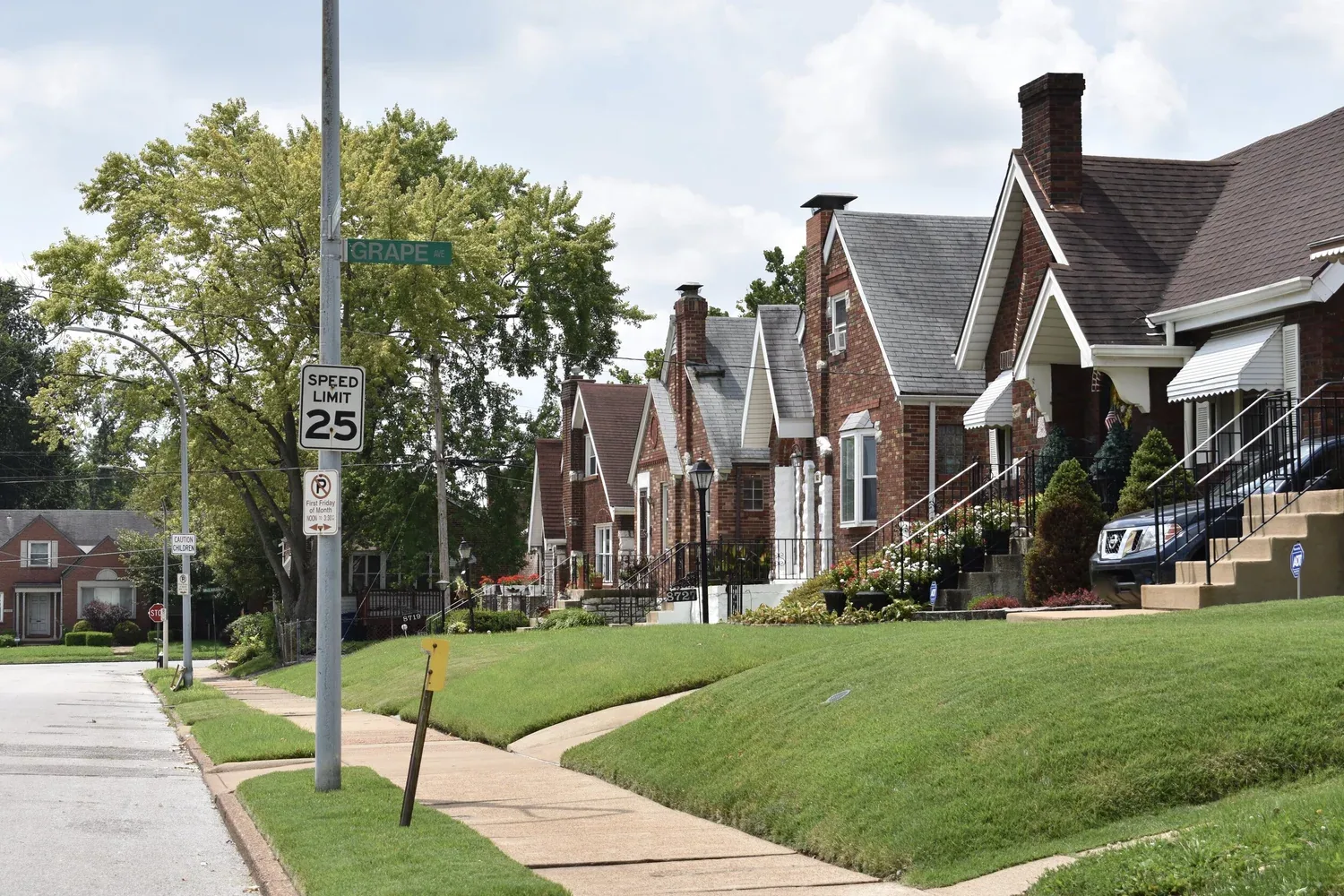
North Main sits just north of Independence Square between Liberty, Noland, US 24, and Truman Road. Nearby homes include late-19th-century structures, early-20th-century bungalows and Foursquares, and Victorian, Tudor, Craftsman, and Italianate styles. Shopping destinations include Independence Square, Hy-Vee, Sterling Apple Market, and Westlake Plaza. For commercial roofing, we focus on the specific business or institutional property, since neighborhood housing history says nothing about its roof assembly.
We inspect the building's roof details, trace drainage, and compare interior leak reports with the likely water route. The owner confirms access, staging, tenant hours, and any restrictions at the address. The written findings name the area inspected, the material we could identify, and any test needed to confirm what lies below. This gives a property owner a clear basis for maintenance or construction near North Main.
The closeout notes the inspection date, authorized scope, and photographs tied to each roof area.
Separate Nearby Properties
The neighborhood lies close to the Square and several listed shopping destinations. Those places can help locate a service request, but each business has its own owner and roof record. We may schedule inspections at Historic Independence Square or the 23rd Street and Sterling Avenue retail area; neither inspection substitutes for a North Main property visit. We verify the address and authorized work area before accessing the roof.
Historic residential architecture can inform a neighborhood description, but it does not establish whether a nearby commercial roof is original, renovated, or built with a particular material. We look for exposed terminations, seams, metal edges, curbs, drains, and signs of prior work. If the building has added wings or altered walls, those transitions are reviewed as separate details. A test opening may be required when concealed layers change the repair choice.
Examine the Interfaces
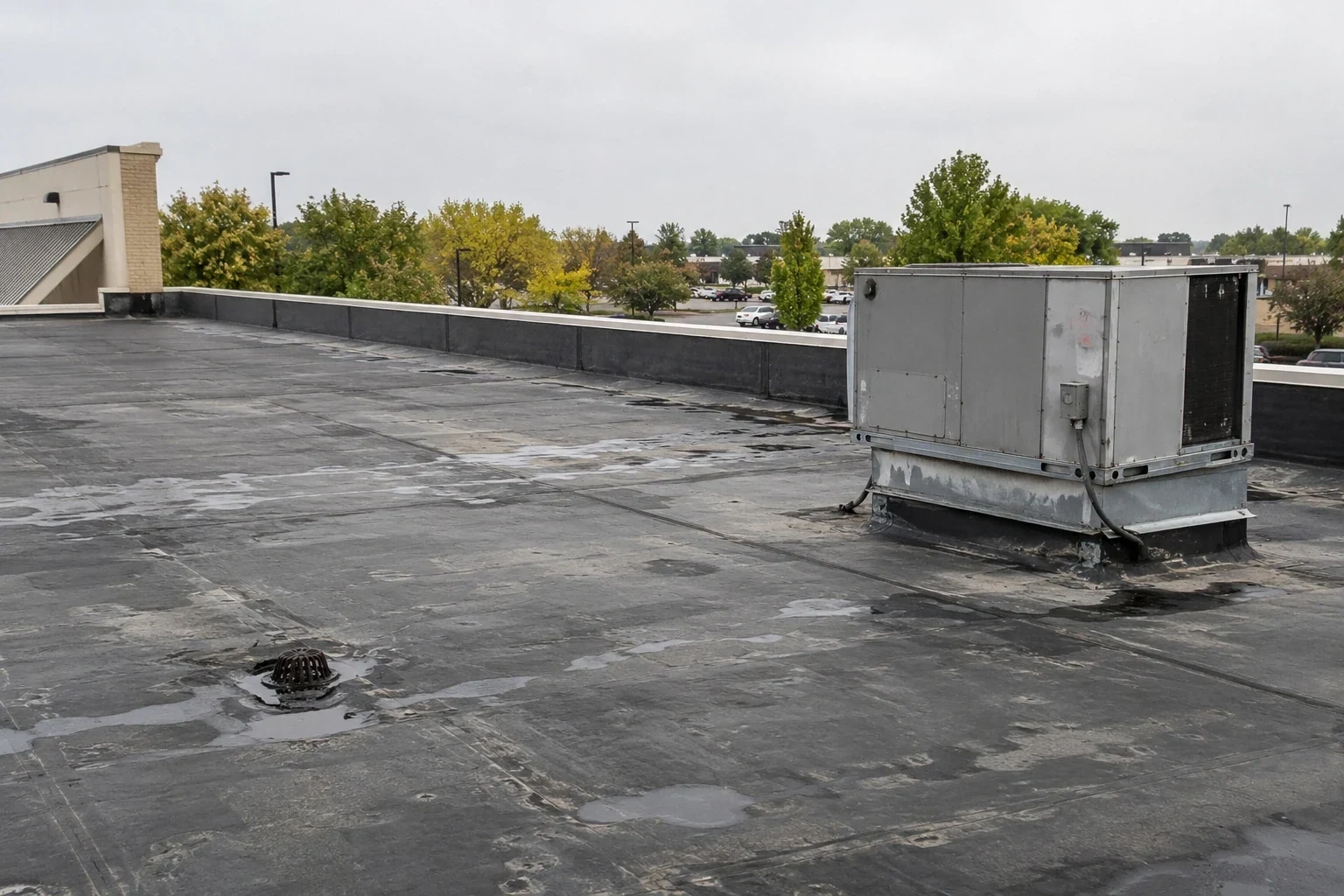
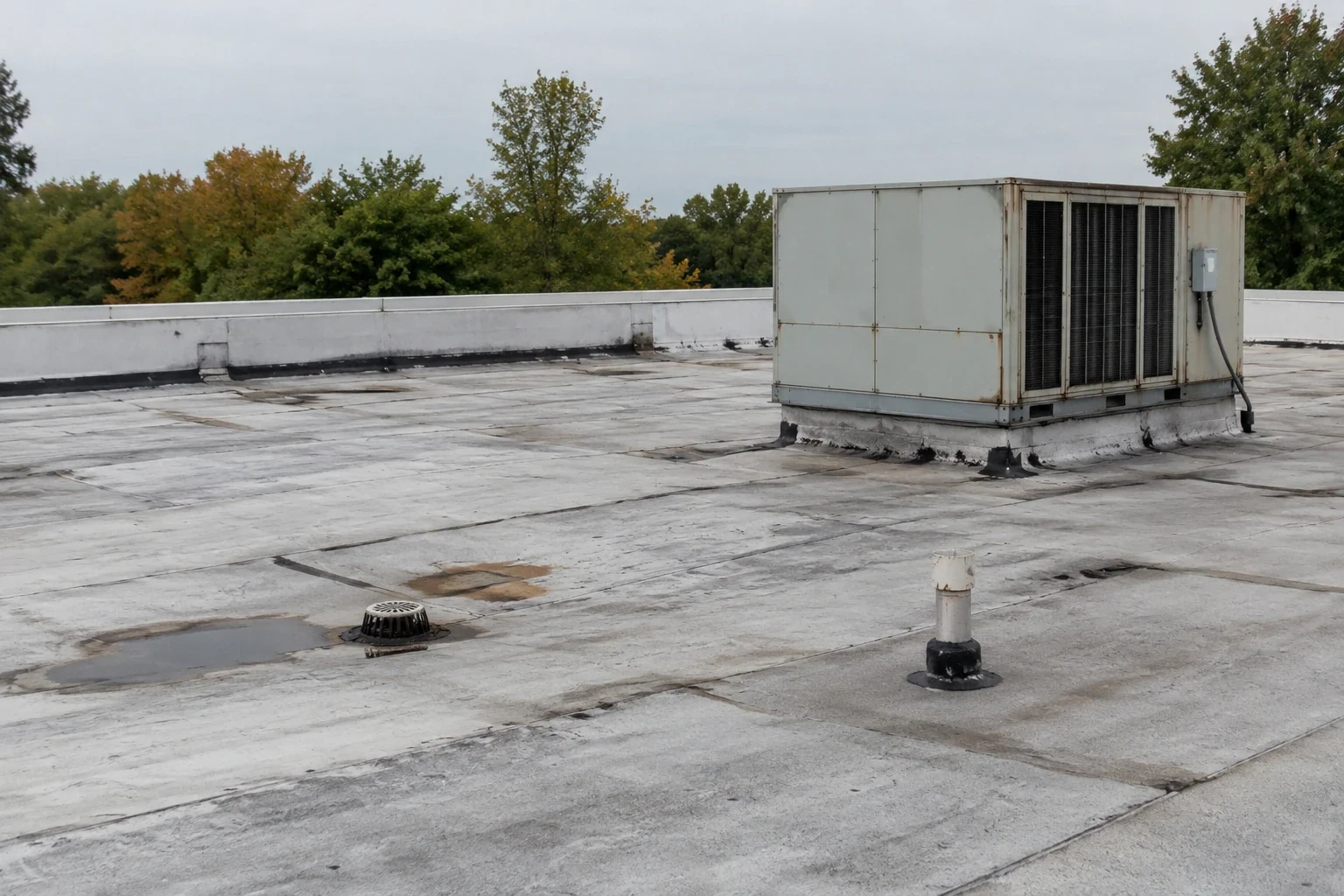
Roof leaks often develop where one material meets another: a wall flashing, curb, pipe, drain, expansion joint, or edge termination. We inspect those interfaces for attachment, movement, open laps, and water marks. A patch that covers the visible split may fail if the surface beneath it is damp or unstable. The inspection describes the failure mechanism and identifies the adjacent material that can accept a repair.
We review drawings when available and check them against what is visible. An old coating can change surface preparation; an overlay can conceal multiple layers. If the deck or insulation remains hidden and matters to the decision, we identify a safe test location. A commercial roof condition review provides photographs by roof zone and lists access limits, so the owner can distinguish a confirmed defect from a question that still needs evidence.
Map the Drainage Route
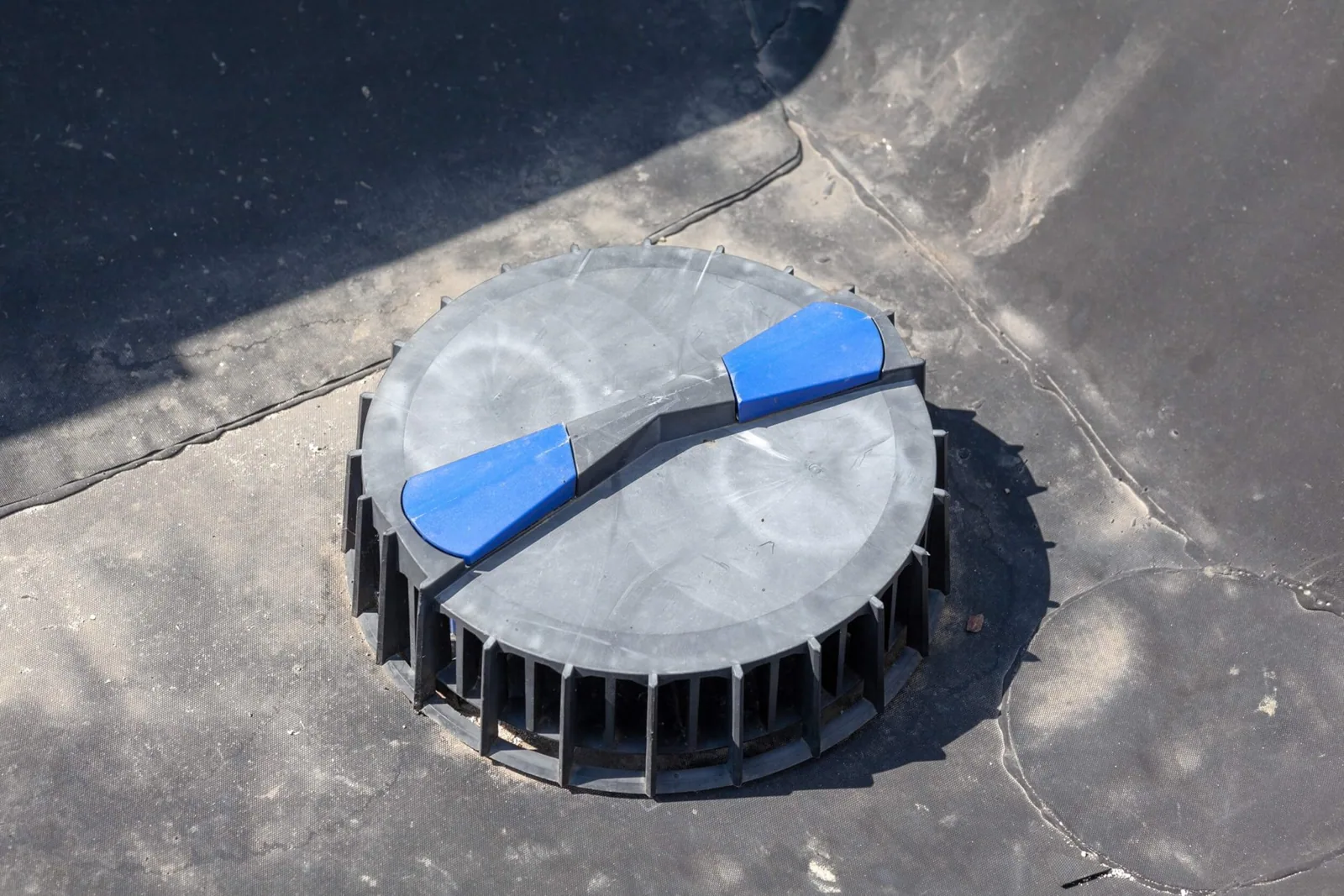
Water flow begins across the roof plane and ends at an outlet. We check the low points, strainers, drain bowls, scuppers, overflow path, and connection to leaders. Debris may block flow, while deck deflection or a poorly formed transition can keep water from reaching the outlet. We record how much water remains and where it sits after the roof has had time to drain.
An interior report helps direct inspection, but water can move along framing before it becomes visible. We look upslope from the reported area and inspect all related transitions. If moisture under the membrane is suspected, infrared testing can help pick locations for confirmation cuts. A core cut confirms wet insulation. A drain or scupper repair addresses the outlet detail only when the surrounding assembly can remain in service.
Plan Access Around the Business
Commercial properties near North Main may share tight access with customers, deliveries, or neighboring uses. The property contact confirms loading, parking, roof entry, and any sidewalk or lane constraints. We plan where a lift or debris container may go and keep pedestrian routes protected. If several tenants share a building, the schedule identifies which entrance or interior area needs notice.
When removal is required, we plan the amount of roof open at one time, temporary dry-in, and the end-of-shift inspection. Interior protection is set before work reaches an occupied space. Phased reroofing can sequence the work around business hours and reduce the exposure of unfinished areas. If a planned work window changes, the crew secures the assembly and confirms a revised start before continuing.
Select a Repair or Rebuild
A small split or puncture can be repaired if nearby materials are dry, bonded, and compatible. Repeated leaks, large wet areas, deteriorated deck, or multiple failed transitions may call for a broader project. We test uncertainty, measure the affected zone, and photograph what is opened. If the condition extends beyond the original limit, we share the evidence and obtain approval before proceeding.
An over-roof system is an option only when inspection confirms the old layers may remain and that structure, drain levels, and fasteners can carry another assembly. If water has reached insulation or deck, removal provides a more reliable base. Work duration and cost follow measured area, access, chosen system, disposal, tenant protection, and weather. Repair service should specify the material tie-in and limits. Replacement should cover field assembly, perimeter transitions, drains, and curbs.
Use Findings for Future Work
The closeout should list each roof zone, material, repair, water path, drain condition, and item left for testing. Photos connect the work to a fixed reference. If a later storefront or mechanical project changes an opening, the record helps identify the detail that needs inspection. The report also states whether the roof access route or a tenant schedule limited the inspection.
Independence Square, Sterling Apple Market, and Westlake Plaza are nearby shopping destinations. A commercial roof inspection remains specific to the building. We also serve Winner neighborhood and Truman neighborhood, where separate property reports are prepared. For a North Main address, the owner receives a roof file tied to observed conditions and the work that was authorized.
For budget planning, the report separates immediate water control from work that can wait for access or test results. It states which repair would restore service today and what additional inspection would resolve an unknown. That distinction helps a property owner compare options without pricing an unmeasured condition as if it were confirmed.
For commercial buildings near North Main, the service plan should account for access around customers, deliveries, and adjoining properties without assuming shared ownership. The manager can confirm the entry point and the roof hatch or ladder location; the proposal should show where materials will be staged and how work areas will be protected. Inspect the outlets and transitions within the defined roof zone, especially where additions or wall lines alter the drainage path. At closeout, connect photographs to the building and repaired detail, and list any adjacent area that still needs examination. That makes the record useful for later maintenance and avoids implying a neighborhood-wide condition from one visit.
Commercial Roofing Questions
Do the historic house styles tell you how nearby businesses are roofed?
No. They describe residential architecture. We inspect the commercial property and verify its roof system at the address.
Does a nearby shopping destination share the same roof condition?
No. Each property gets its own inspection. We do not transfer drainage or leak findings between buildings.
Can an inspection be done before a storefront renovation?
Yes. It can document roof interfaces, existing penetrations, and areas that need testing before new equipment or wall work begins.
What makes a roof repair expand beyond a patch?
Testing may reveal wet insulation, loose attachment, deteriorated deck, or failure across several transitions. We document the change and seek approval.