Commercial roof service near Winner neighborhood in Independence, MO, starts with property-level inspection and a safe access plan.
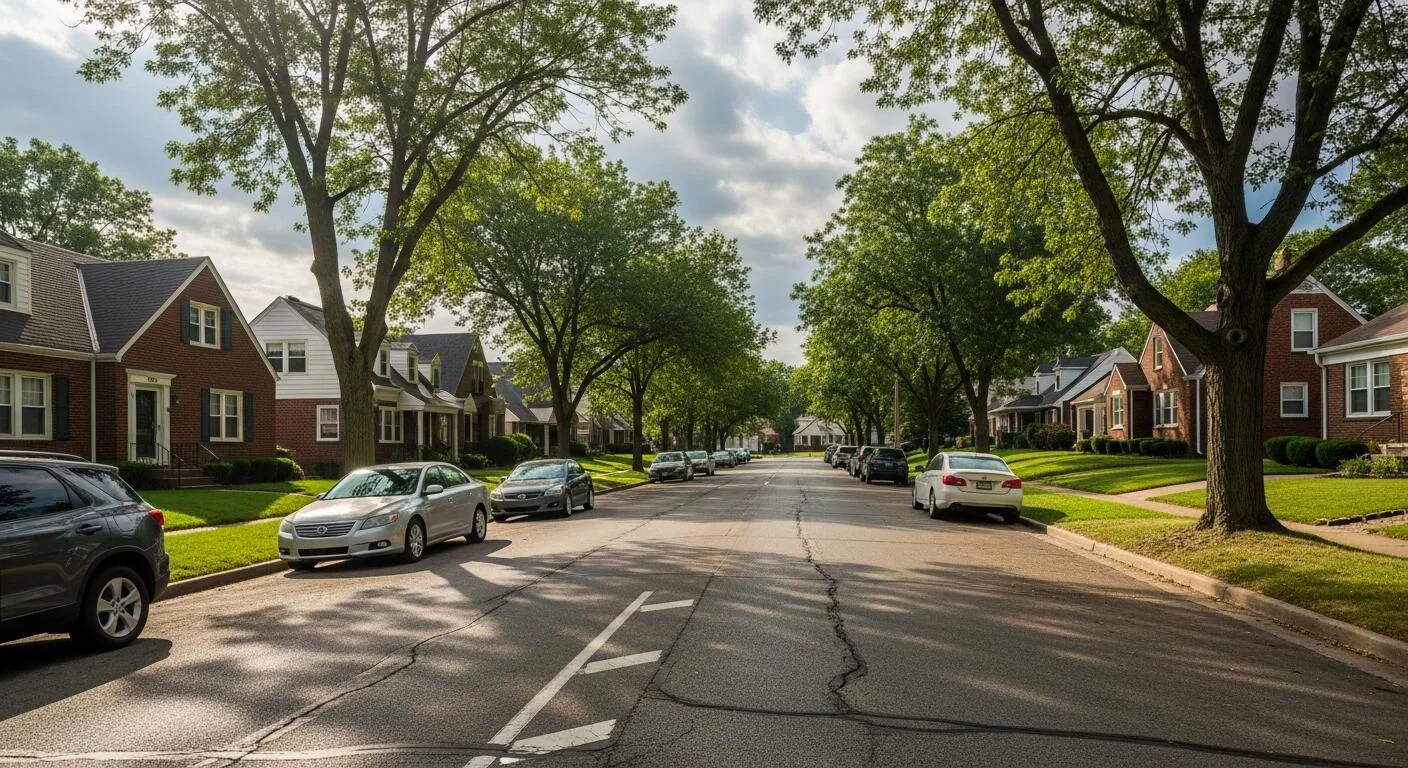
Winner neighborhood follows Winner Road from US 24 past Truman Road and curves east toward Sterling Avenue. The City guide describes a wide trolley-era right-of-way and surrounding early-20th-century homes with mid-century infill. It also places Englewood, Independence Square, the Fairmount shopping district, and Maywood retail nearby. Those details identify the neighborhood and adjacent commercial areas; they do not describe the roof of a specific business. We inspect the property named in the service request.
For a commercial roof, the visit identifies the installed surface, drainage route, seams, edges, penetrations, and interior water evidence. The property contact confirms address, access, loading, and business hours. We document the roof zone and any test needed before repair. A nearby housing style or street feature does not replace records or a field inspection of the business property.
Keep Nearby Districts Distinct
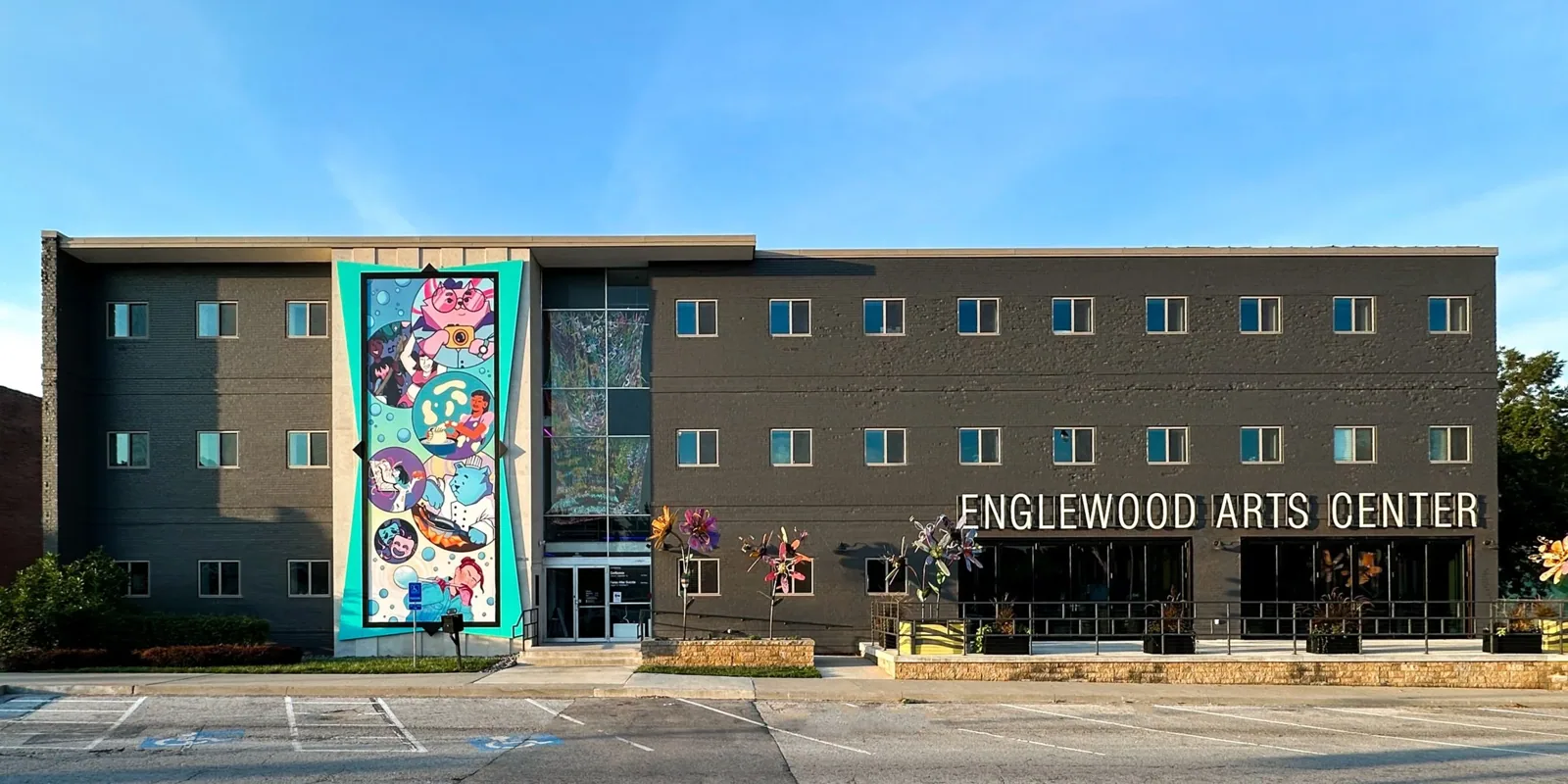
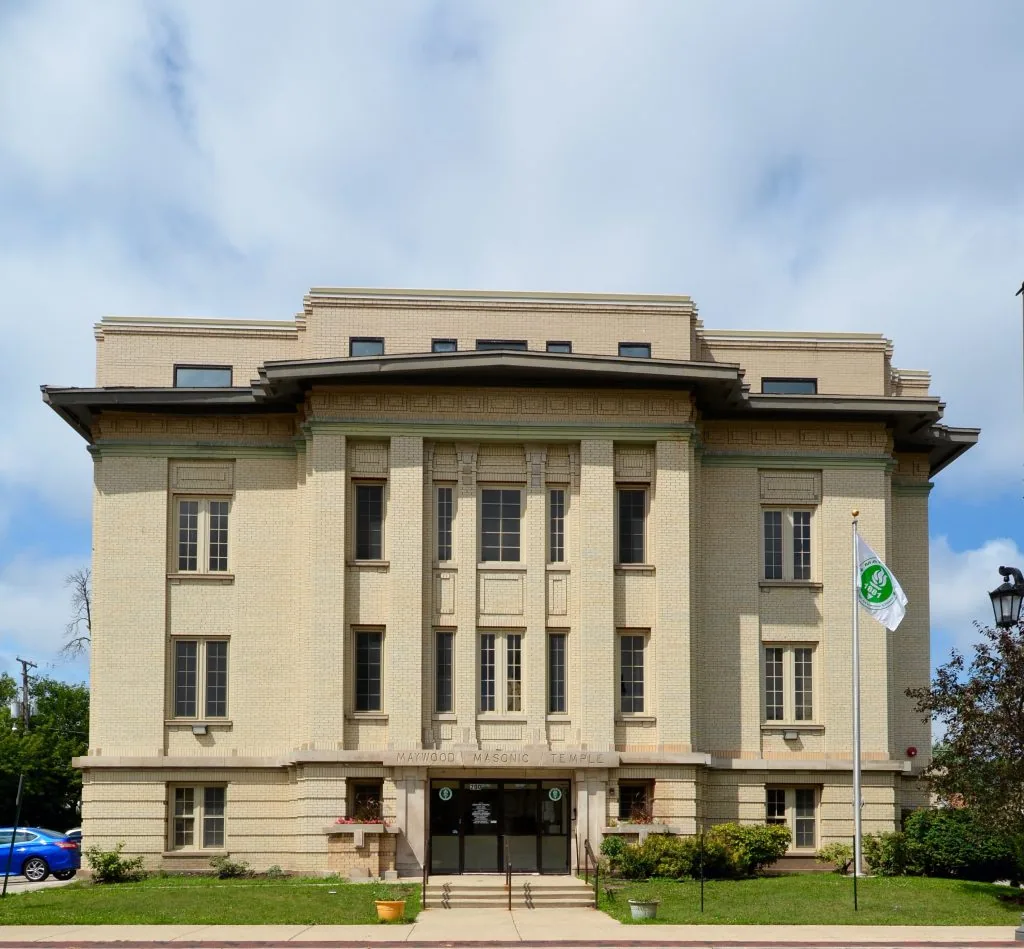
Winner is near Englewood, Independence Square, Fairmount, and Maywood. Those separate commercial areas have their own properties and access arrangements. A roof condition at one location does not establish a condition at another. We can inspect Englewood Arts District and Maywood Business District, but each receives an address-specific report.
For a property near Winner Road, the contact confirms the route from street to roof and identifies any loading or pedestrian constraint. We check whether access equipment is available and which areas below need protection. If a public project or tenant improvement changes the route, the schedule is verified before materials arrive. These checks keep a small roof repair separate from unrelated street or facade work.
Read the Roof Details
The trolley-era right-of-way and nearby housing history do not identify the commercial roof system. We look at exposed field seams, flashing terminations, edges, curbs, and earlier repairs. Available plans may describe the original installation, while a later addition or coating changes what is visible. If the substrate is concealed, a test opening can confirm insulation and deck where those layers affect the recommendation.
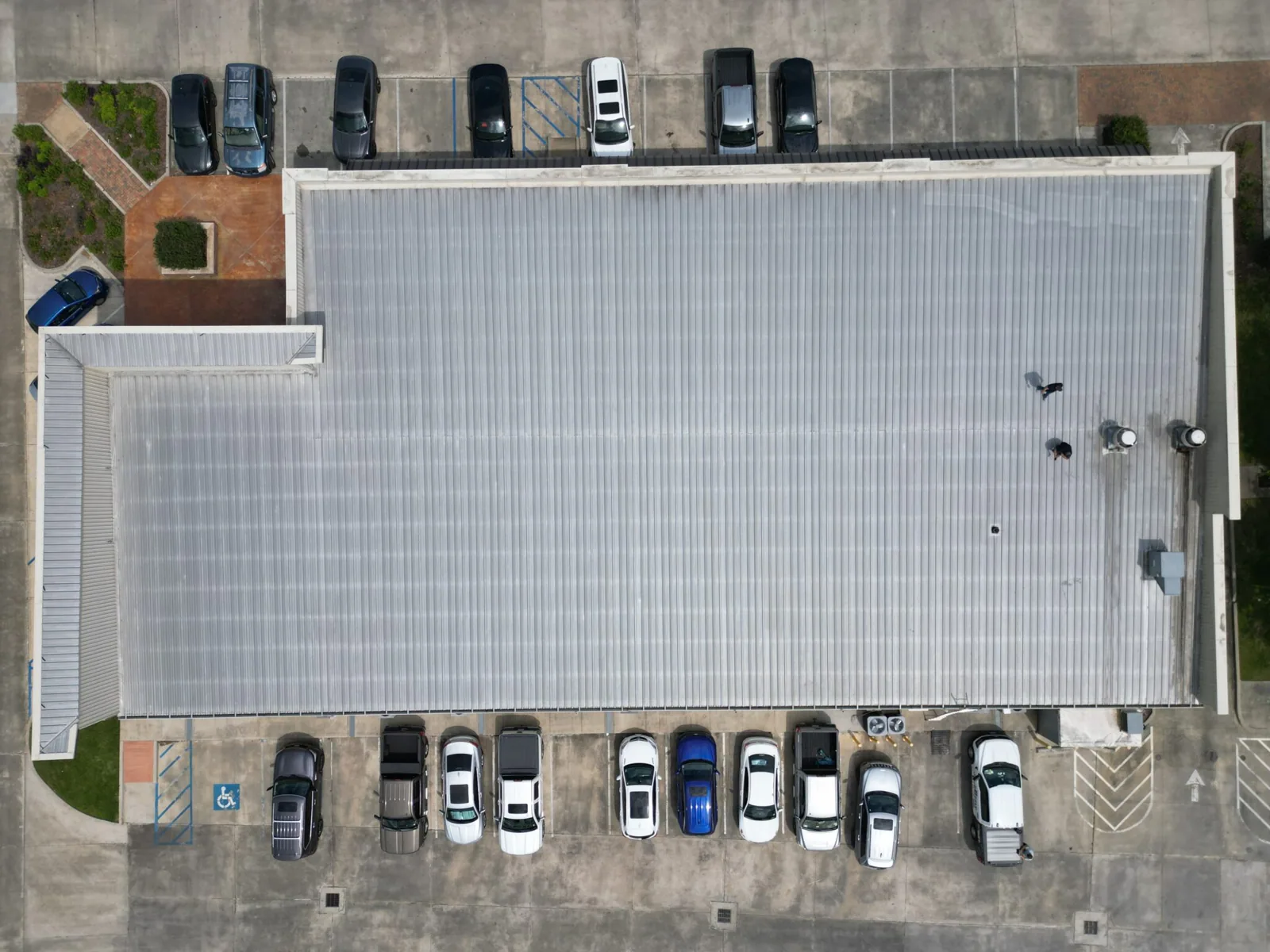
Different roof assemblies need different repair methods. Membrane patches require clean, compatible material and a sound bond. Metal seams need secure fasteners and a detail that allows movement. A coating cannot fix wet insulation or loose attachment underneath. A commercial roof inspection records the surface, visible failure, and any area that could not be verified. A manager can use that record to plan maintenance or compare repair options.
When the inspection supports more than one option, we compare the repair boundary, likely life of the remaining material, and work that can be verified without opening the entire roof. A test cut may answer a critical question about insulation and deck. We photograph the opening, record the material layers, and close the test area with a compatible detail. This gives the owner evidence for a capital decision without treating the entire roof as unknown.
Follow the Water Path
Water reaching a ceiling may have entered upslope from the visible stain. We compare the interior report with roof geometry, then inspect seams, drains, curbs, parapets, and previous patches along the likely route. We note whether leakage is active or recurring and what conditions accompanied it. The repair limit follows the confirmed source and tested materials, not the position of the first interior mark.
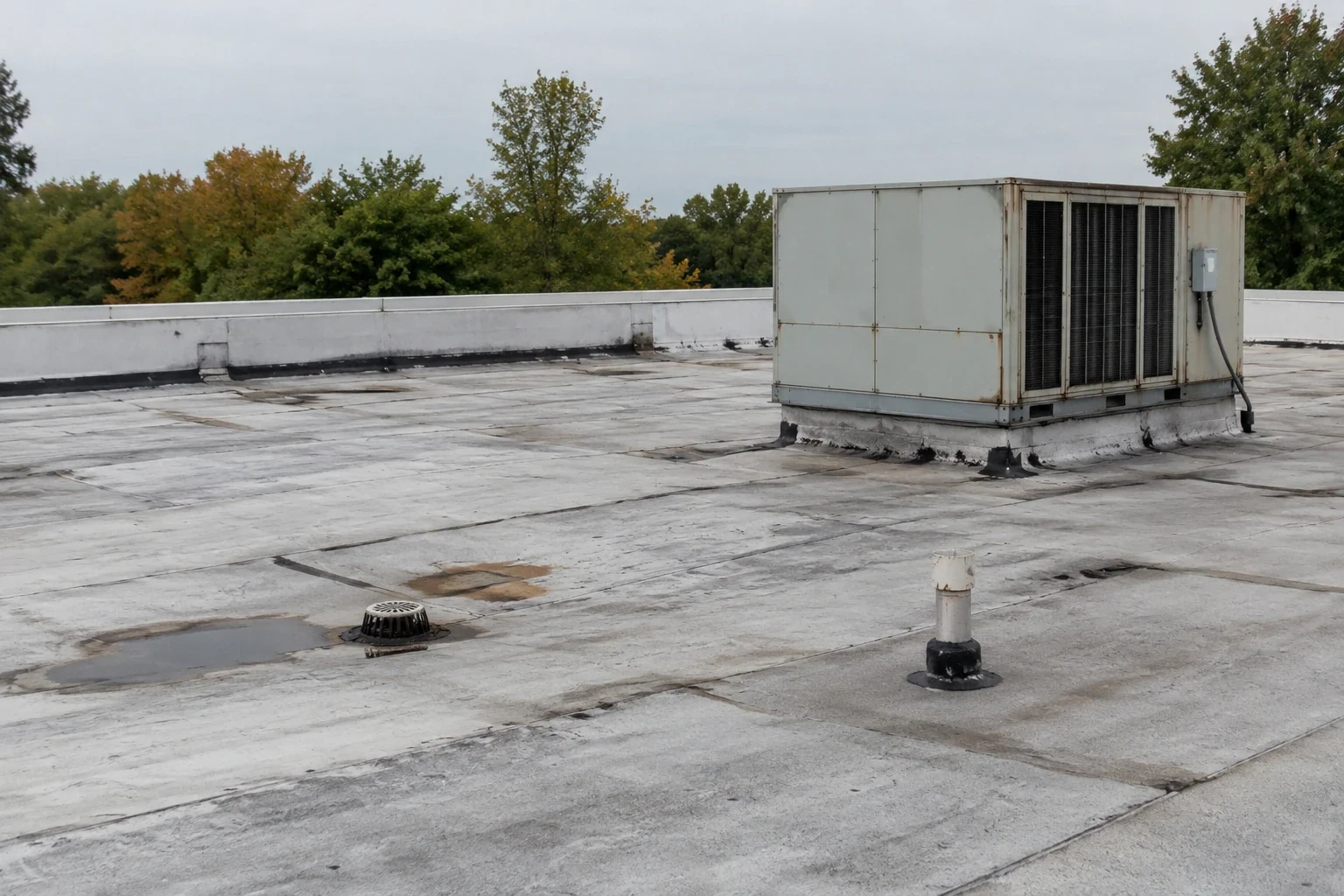
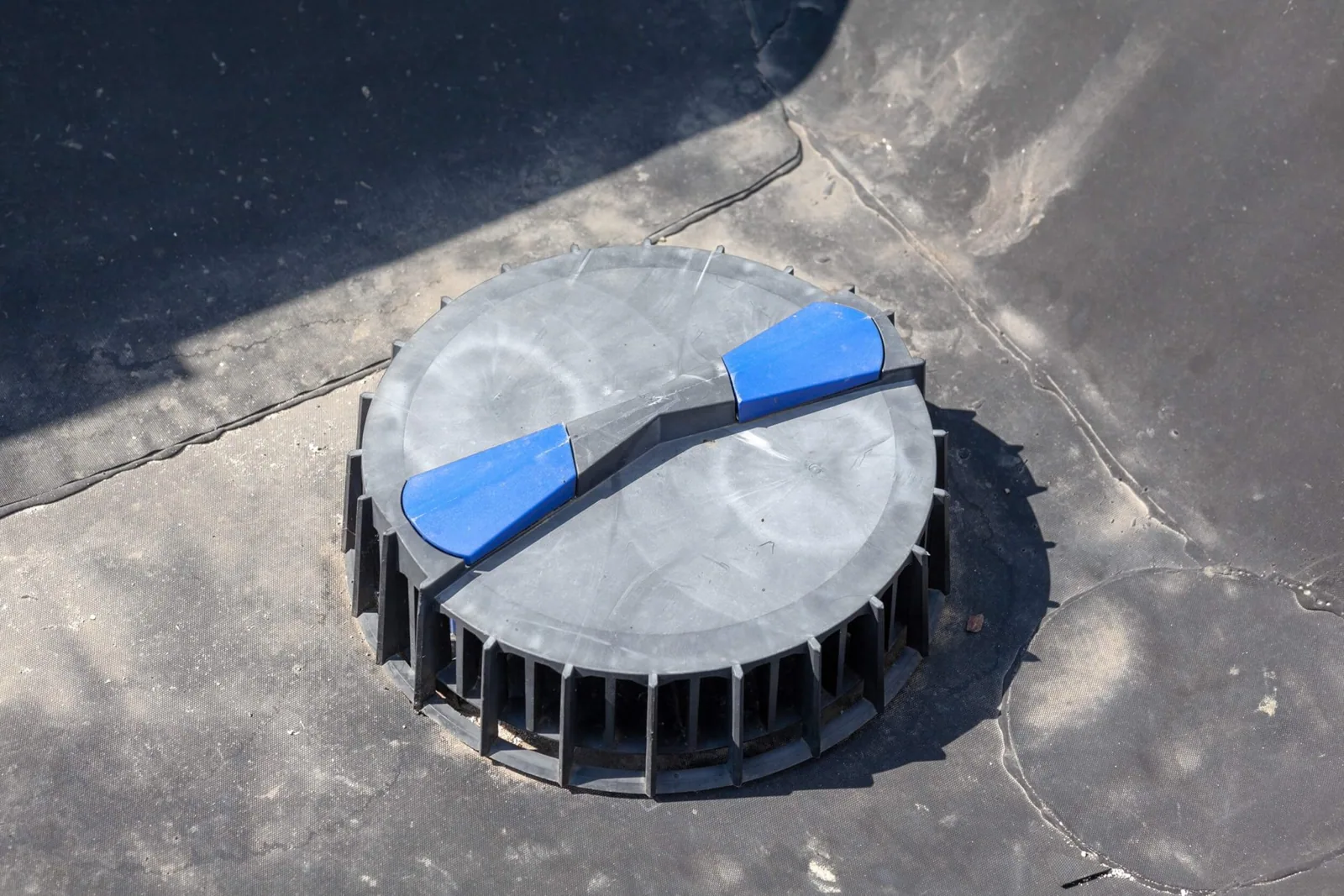
Drainage review checks strainers, drain bowls, scuppers, overflow outlets, and nearby membrane. We measure persistent water and inspect for blockage, low slope, or movement in the deck. If moisture under the field is suspected, infrared mapping can help choose test cuts. Testing confirms whether insulation is wet. Drainage repairs can restore an outlet connection when surrounding materials remain sound.
Check Conditions After a Storm
Centerpoint Medical Center is the recorded site of quarter-size hail in the March 2017 event. That report is not a condition finding for a Winner Road business. We inspect each property for punctures, fractures, loose edge metal, split flashing, and open seams, then locate each observation in the roof record.
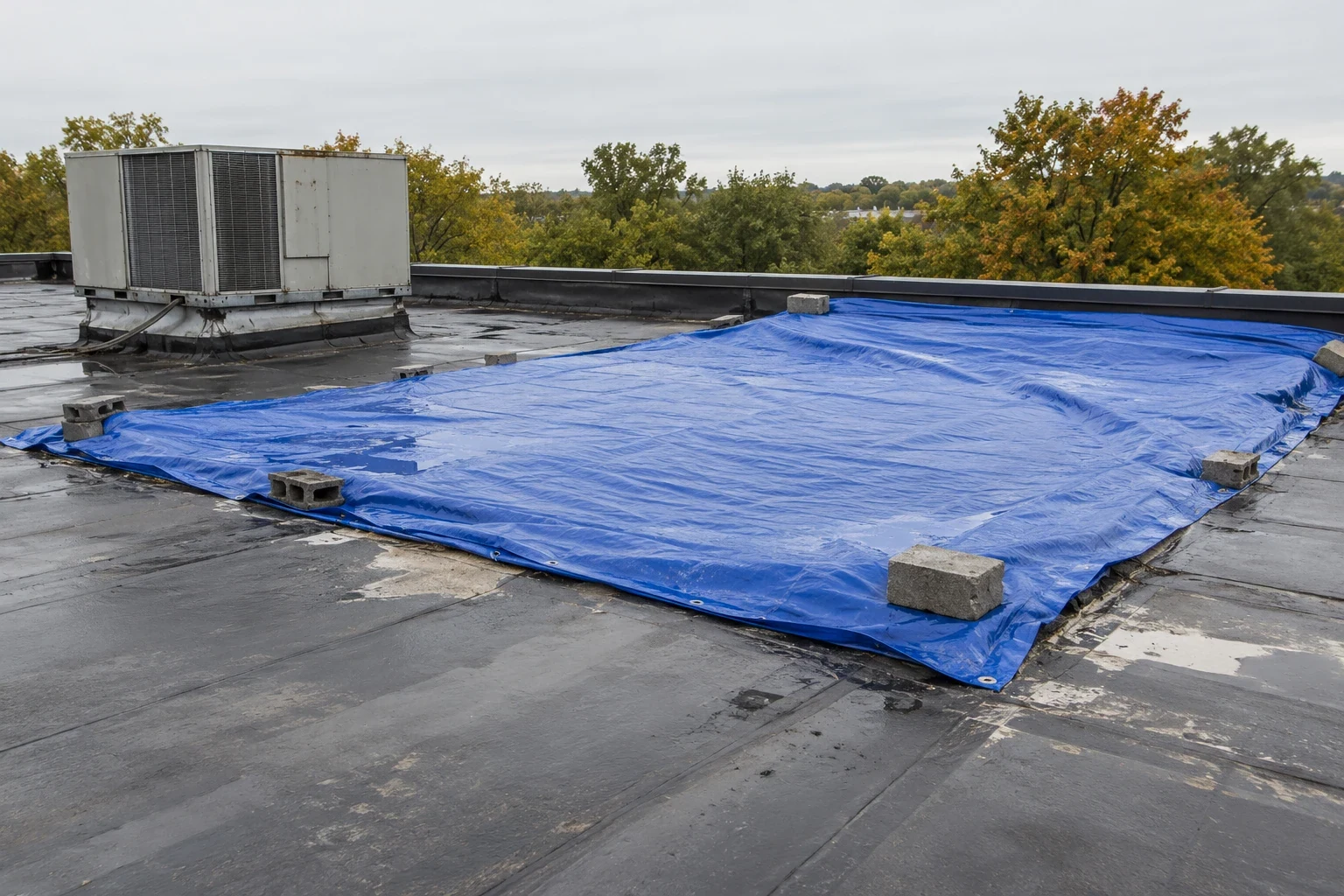
Temperature and moisture also affect installation. Adhesive and coating products follow their stated surface and weather requirements. If a forecast changes during tear-off, the crew protects the open section and checks the dry-in before leaving. An urgent leak can be stabilized while permanent repair is developed. Emergency response is available around the clock. The report states whether the visit addressed temporary protection, permanent repair, or both.
Each recommended repair also states the surface preparation, fastening or adhesion method, and inspection needed before the roof is returned to service. If a maintenance visit cannot access a section, we list the restriction and arrange a separate look when the owner can provide entry.
Decide How Far to Repair
A local seam or flashing defect may be repaired when nearby material remains dry and attached. Widespread moisture, repeated leakage, or deterioration at several transitions can justify a broader project. We inspect and test the roof before setting the limit. If removal uncovers hidden damage, we document it and obtain approval before expanding the work area.
An overlay can be evaluated after the owner confirms the roof can carry added material, drain details remain usable, and attachment meets project requirements. Where testing finds wet or weak components, those parts need removal before rebuilding. Cost and timing depend on the actual roof area, selected system, access, removal, interior protection, and weather. A measured repair identifies the detail and compatible tie-in; replacement specifies new membrane, insulation, edges, drains, and closeout checks.
Keep the Report With the Property
The closeout lists the address, assembly observed, roof zones repaired, materials used, water route, and issues needing further access. Photographs show a fixed reference for future inspection. If a tenant project later changes a penetration or rooftop support, the record helps identify which flashing should be reviewed. An untested section remains identified as such, so a future manager does not treat it as cleared.
Winner Road runs from US 24 past Truman Road and curves east toward Sterling Avenue. For neighboring commercial visits, our service area includes Historic Independence Square. Each site keeps a separate roof file. At Winner, an owner gets recommendations tied to the inspected business property and its actual access, drainage, and roof condition.
We retain the date of each visit and the contact who approved the work.
Winner Road, Englewood, the Square, and Fairmount are distinct parts of Independence, so a service call should identify the actual property within the broader neighborhood. Confirm the building contact and roof access, then note whether nearby customer activity or deliveries need coordination. Trace the reported leak through the roof plane and document the relevant seams, flashings, or outlets rather than carrying a finding from a nearby address. If the inspection reaches only one section, keep that limit in the written report. A location-specific record helps the owner schedule follow-up and preserves the distinction between the repair performed and other roofs along the road.
Commercial Roofing Questions
Do the homes along Winner Road tell you how nearby businesses are roofed?
No. The neighborhood guide describes surrounding residential construction. We inspect each commercial property separately.
Can roof work happen near an active trolley-era right-of-way?
We confirm current property access, pedestrian routes, and any street restrictions with the authorized contact before staging equipment.
How do you decide whether to patch or replace a roof?
We compare the confirmed failure area with substrate condition, moisture testing, attachment, and repeated leak history before recommending a scope.
Can an inspection cover multiple nearby districts?
We can schedule several addresses, but each property receives separate findings, photos, access notes, and repair recommendations.