Install and maintain GAF commercial roofing in Independence, MO with assembly selection, seam testing, compatible details, and roof-specific documentation.
GAF's commercial portfolio includes EverGuard TPO, PVC, and PVC KEE membranes, along with asphaltic and coating systems. The product family does not select the roof by itself. We inspect the deck, existing assembly, drainage, penetrations, and building use before comparing a GAF system with the project requirements. On a facility near Noland Road or Eastgate Commerce Center, the plan still begins with the roof section and the details it must keep watertight.
Match the Membrane to the Building
TPO and PVC are thermoplastic sheets with heat-welded seams. GAF lists mechanically attached, adhered, induction-welded, and fleece-back options within its EverGuard product range. PVC KEE adds a different formulation used where chemical exposure may be a consideration. The exposure needs to be identified and evaluated against current technical documents. Do not assume any roof membrane is protected from every chemical or process fluid.
EverGuard PVC and PVC KEE can be considered for low-slope assemblies where the specifier is weighing surface weathering, chemical exposure, and details. TPO may fit another set of performance and budget requirements. We compare surface condition, sheet attachment, insulation, cover board, edge details, and puncture risks before settling on an assembly. TPO roofing and PVC roofing explain the system-level differences without substituting for project-specific design.
GAF's commercial catalog also includes APP and SBS modified bitumen, built-up roofing, and coatings. Those systems have different layer sequences and installation methods. A dark asphaltic roof may not be a candidate for a direct membrane tie-in without a compatible recover design. At an existing building, identify every layer and check moisture before comparing a new membrane with restoration. recover feasibility depends on the existing assembly, not only on the membrane selected.
Detail the Whole Assembly
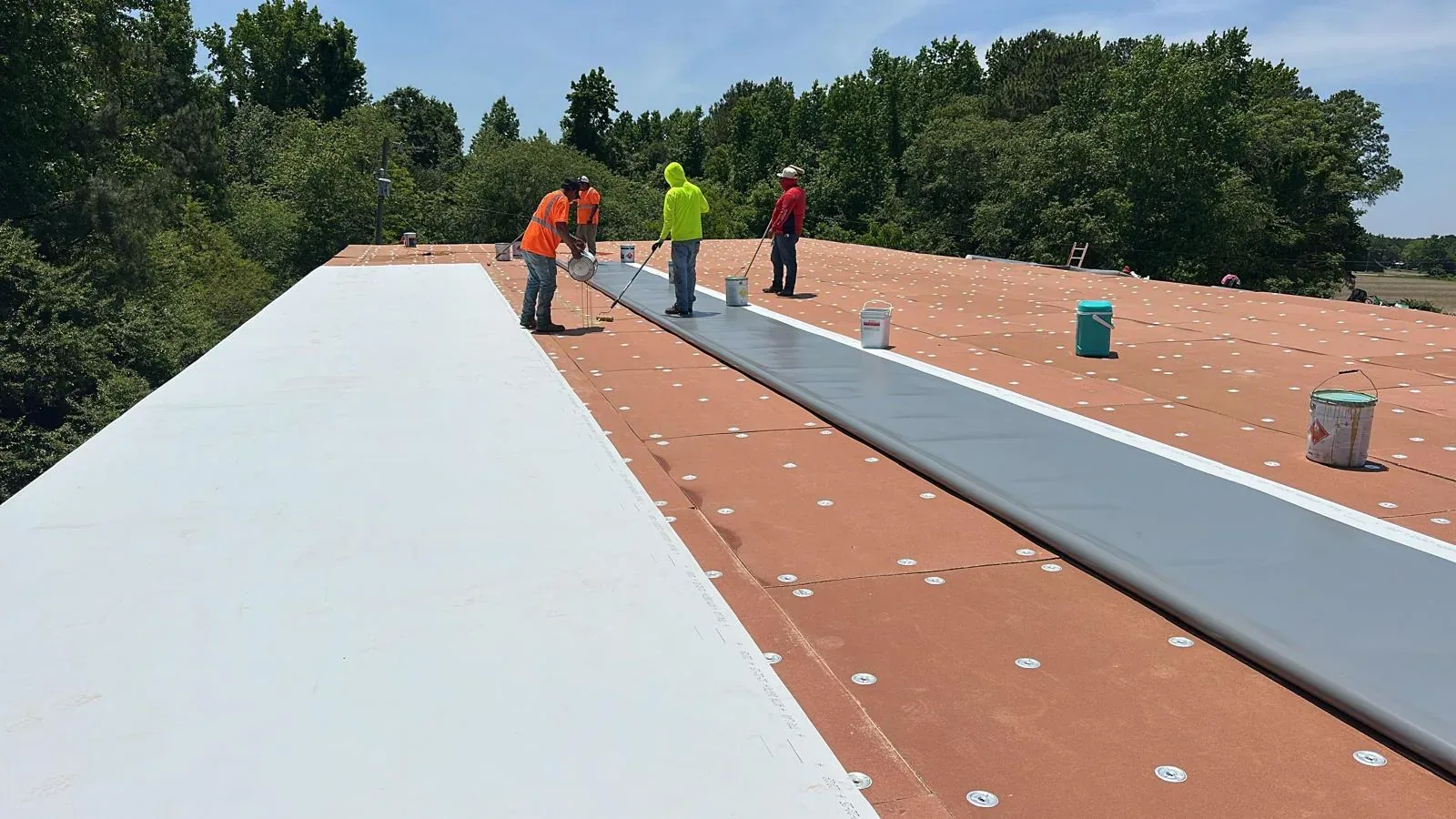
A single-ply roof is a system of deck, air or vapor control where required, insulation, cover board, membrane, attachment, edge conditions, and penetrations. Fastener pattern and sheet layout affect how the assembly responds to wind uplift. Adhesives need a suitable substrate and application conditions. Induction welding relies on compatible plates and controlled equipment settings. Each method has a different inspection point. The current GAF specification and installation manual govern the selected assembly.
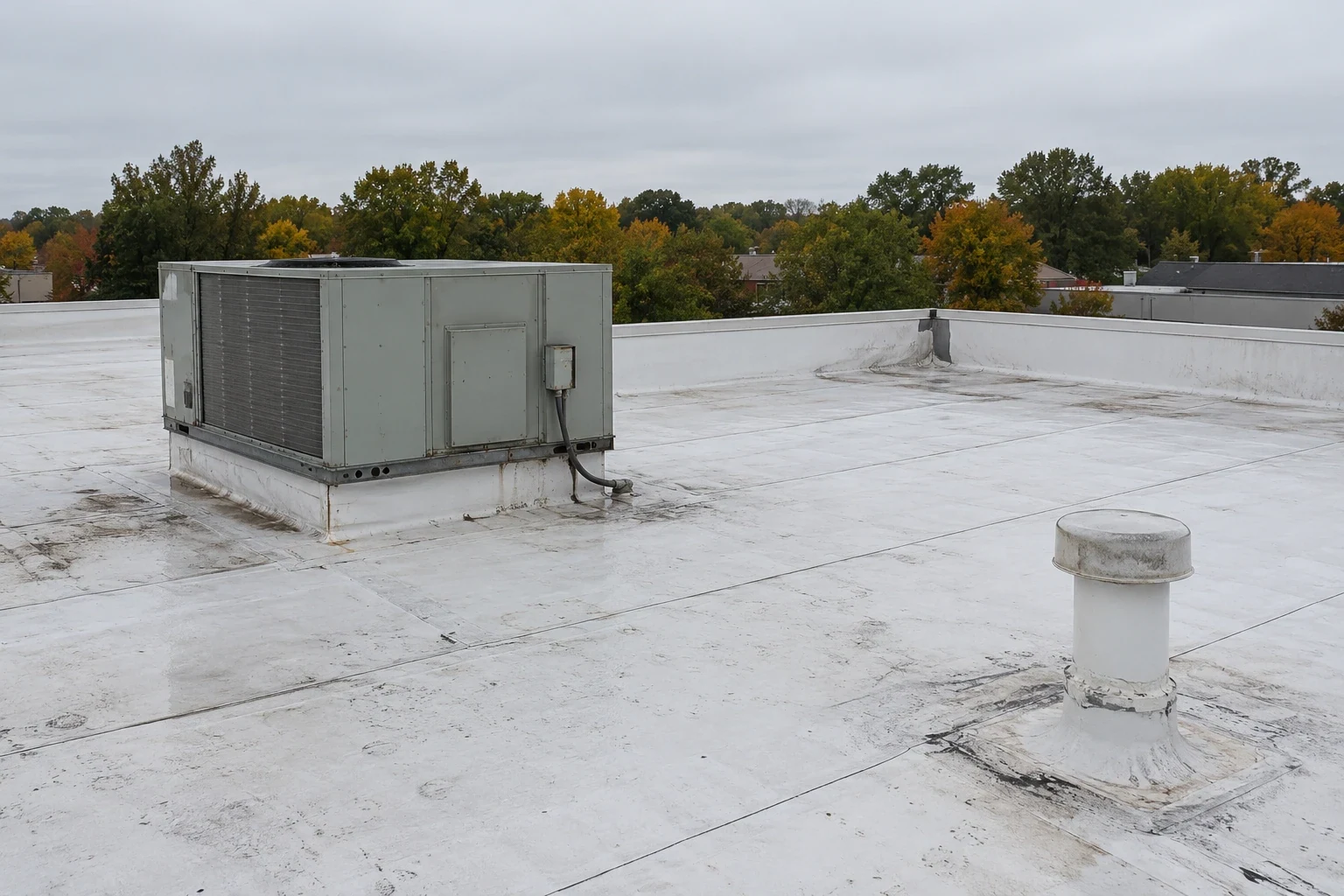
Seams need clean, dry surfaces and a weld width appropriate to the system. We set and verify welder settings on test seams, probe completed welds after cooling, and correct voids before moving on. Corners, T-joints, curbs, drains, and terminations need prefabricated or field-fabricated details suited to the system. A seam that looks closed at a distance still needs a close inspection. Seam repair and penetration flashing must account for the membrane and the layer beneath it.
Winter work in the Kansas City area needs attention to membrane storage, adhesive temperature, flash-off, and surface moisture. The National Weather Service January normal reflects freeze exposure at the official metro station. It does not describe conditions on every roof. We check the actual substrate and follow product temperature and weather limits before bonding or welding material. A work plan identifies dry-in limits if weather changes during the shift. It should also state who inspects temporary protection, which roof zones remain open, and how the crew confirms that each section is closed before leaving.
Evaluate the Roof Before Recovery
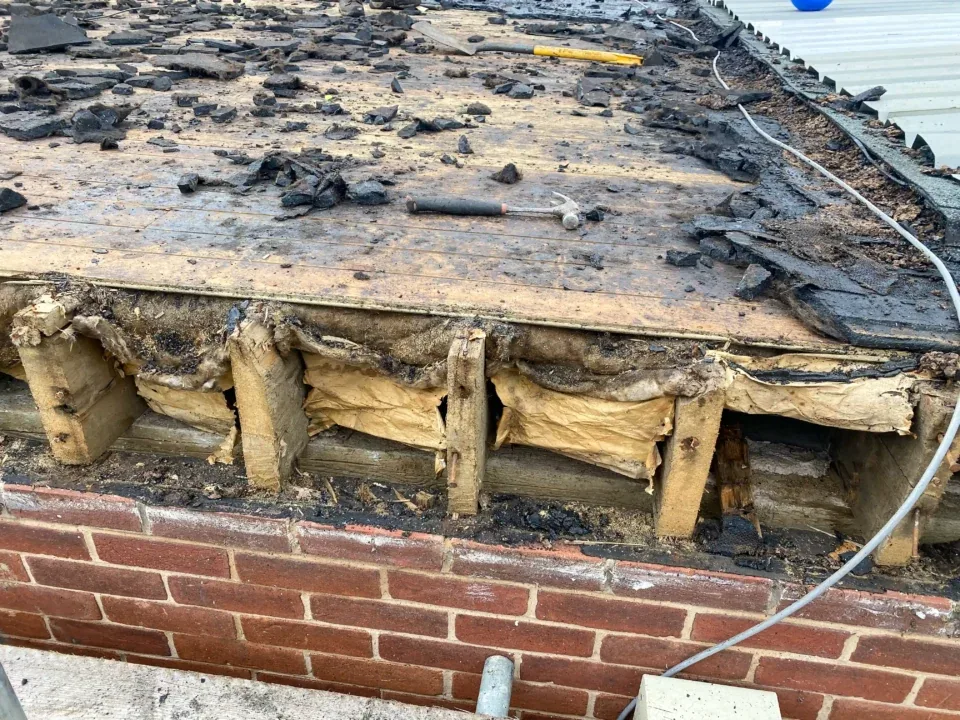
A recover can avoid removal only when the existing roof is structurally sound and significant moisture or deterioration is not present. Core cuts help evaluate insulation and other layers. GAF identifies substrate, building use, weather conditions, and existing roof material as factors in recover selection. We also check attachment, drainage, height at curbs, and the added build-up at edges. Where the deck or insulation is wet, a new sheet does not remove that moisture.
A recover design must show how the new system will attach, where water drains, and how transitions remain watertight. Fleece-back material may suit particular substrates when the specified adhesive and substrate conditions match. A coating is not a repair for wet insulation or loose membrane. If removal is needed, define the depth, replacement layers, and same-day dry-in sequence. A roof inspection and moisture mapping can help establish the starting condition before pricing the work.
Independence's July climate normal reaches 89 degrees on July 20 at the Kansas City observation site. Reflective surfaces can affect rooftop heat gain, but energy outcomes depend on insulation, HVAC efficiency, utility rates, and other building factors. We avoid promising savings from membrane color. Compare reflectivity and assembly requirements with the design and operating goals.
Keep Product and Project Records
Before installation, record the specified membrane, thickness, color, attachment, insulation, cover board, edge details, and approved accessories. During the work, retain delivery labels, substrate observations, test-weld checks, fastener patterns, and closeout photographs. If a hidden condition changes the scope, document the exposed assembly and approval before covering it. These records allow the owner to understand exactly what was installed.
Independence includes commercial properties around Eastgate Commerce Center and Historic Independence Square. Those locations help orient project logistics; they do not tell us which membrane a specific building needs. We confirm address, access, occupancy, staging, and drainage at each roof. For comparisons with other product lines, review Carlisle SynTec or Sika Sarnafil by assembly and technical documentation.
The written scope should also identify testing, inspection, and closeout responsibilities. A product name alone is not a complete specification. Confirm compatibility between membrane, adhesive, flashing, metal, and existing layers. Follow the applicable manufacturer's details and project requirements, and keep any exclusions or unresolved substrate conditions visible to the owner.
Choose from Verified Conditions
GAF offers several commercial system types, but the appropriate one depends on the roof and the operating environment. We inspect the existing assembly, compare compatible products, and describe the attachment and flashing details. The scope also identifies testing, field preparation, and closeout evidence so the selected system can be reviewed against the project documents. If wet materials, structural concerns, or drainage failures remain unresolved, those issues are identified before a new membrane is proposed.
Schedule a commercial roof review in Independence to evaluate a GAF system, repair, or recover. We will document the deck and roof layers, identify the failure mechanism, and define the scope needed for an informed product decision.
Commercial Roofing Questions
Does GAF make both TPO and PVC commercial membranes?
Yes. GAF's EverGuard line includes TPO, PVC, and PVC KEE membranes. The assembly and exposure determine which option merits review.
Can a GAF membrane go over an existing roof?
Some systems are designed for recover applications, but the existing roof must be evaluated for moisture, deterioration, attachment, and substrate compatibility first. A recover decision begins with the existing assembly, not the brand on the proposed membrane. Confirm attachment, moisture, layer count, and deck condition through records and test openings where needed. Then review how the selected system meets drains, parapets, and curbs. If the existing substrate cannot provide a stable base, remove the affected layers before installing the new system. Keep the written scope clear about what stays in place and what is rebuilt.
How do you verify a heat-welded seam?
We prepare a test weld, confirm settings, and probe the cooled seam. Voids or weak areas are corrected before the installation advances. Check the seam after it has cooled and test the full accessible run, including end laps and corners. If a repair bonds to an older sheet, confirm the existing surface can accept the new material and prepare it as required. Record repaired zones so later inspections can distinguish a new patch from the original installation.
Can a reflective membrane lower energy bills?
No. Building energy use also depends on insulation, HVAC, operation, climate, and utility rates. We describe the roof surface and avoid projecting savings without a building analysis.