Plan hotel and hospitality roof work in Independence, MO around guest access, occupied rooms, service areas, drainage, and documented repair phases.
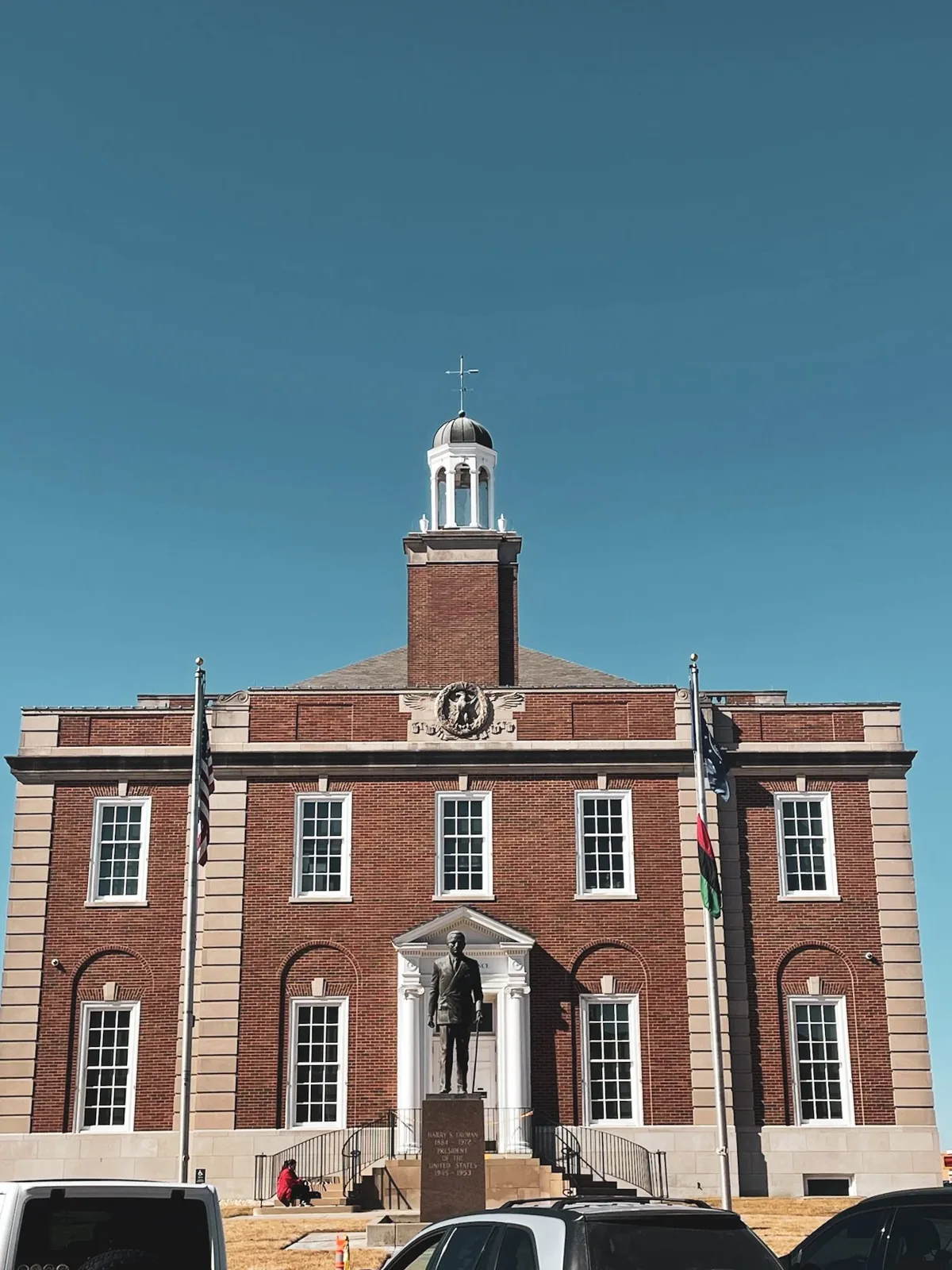
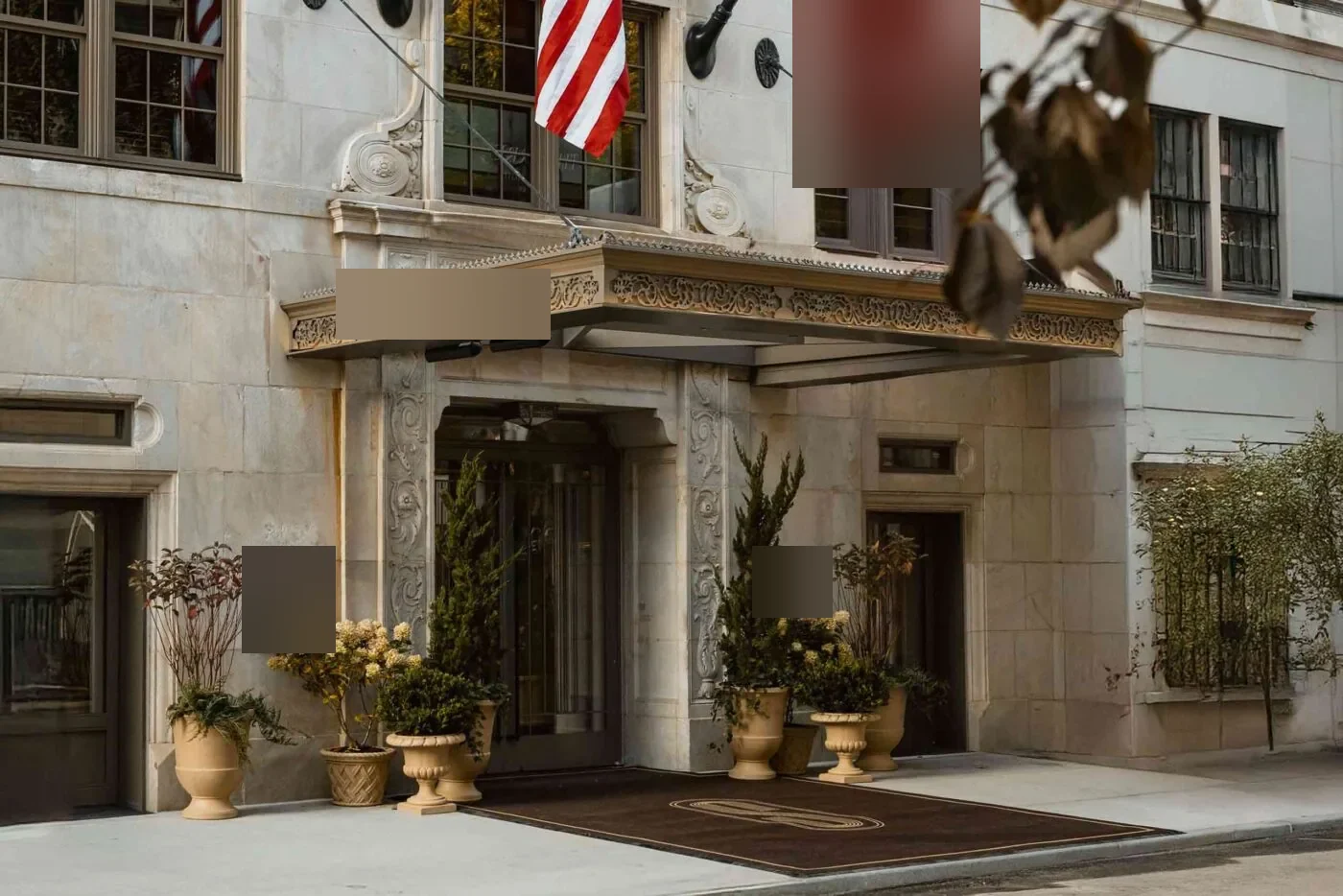
Hospitality roof work takes place above guest rooms, public areas, kitchens, offices, and service spaces, where each zone can have a different schedule. The property manager confirms the actual room uses and occupancy before work is set. In Independence, the Harry S. Truman Library has museum, research, office, and meeting functions, while Historic Independence Square brings shops and restaurants together in a walkable commercial district. These places contribute to the city's visitor and business context, but they do not describe a hotel's roof or operating hours. We inspect the property and plan around its staff and guests.
Keep Guests Outside the Work Zone
Before mobilization, identify check-in periods, occupied wings, service entrances, kitchen deliveries, meeting schedules, and routes that must remain open. A hotel may have 24-hour operations, but hours and room use vary by property. The manager sets the constraints. We show where crews enter, where lifts operate, how materials move, and which areas are isolated during overhead work.
Work above guest rooms may require a quieter window or additional interior protection. Work over a kitchen or service corridor may need separate access coordination. Confirm who can clear a room, move furnishings, protect equipment, and release the space after inspection. Avoid assuming that every room under a roof area is vacant because the hotel has a construction schedule.
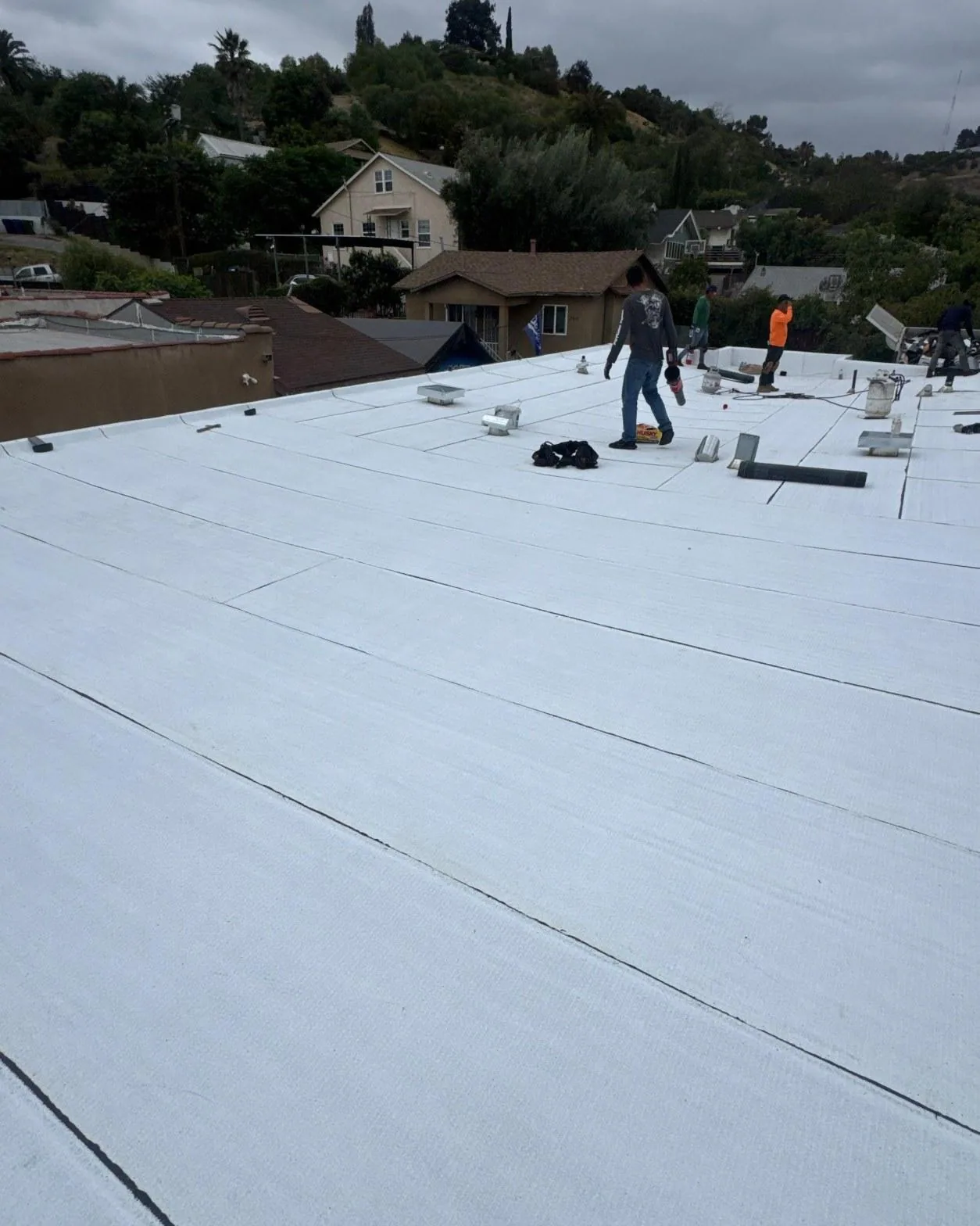
A phased sequence can divide the roof by wing, elevation, or system. Each phase needs a removal limit, daily dry-in, and a check before the next section opens. Occupied-hotel phasing can connect the roof plan to the manager's room and event calendar. For a multi-building property, number each wing and preserve the guest route between phases. Keep a contact list for the front desk, engineering staff, and the contractor's site lead so a schedule change reaches the crew before materials or lifts are moved.
Map the Property by Roof Area
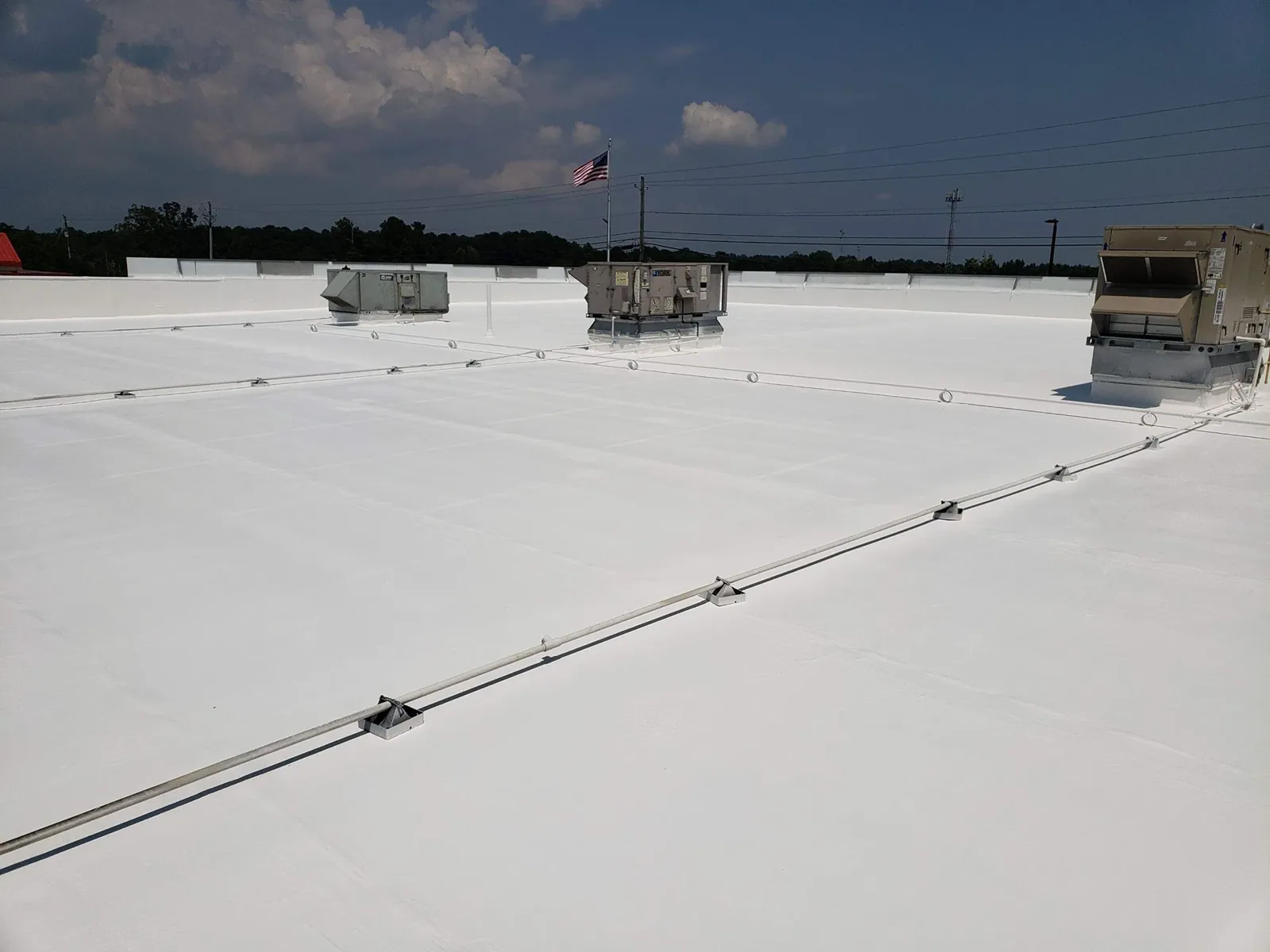
Hotels often have connected wings, canopies, rooftop equipment, and additions built at different times. Record each roof system separately. Identify deck, insulation, membrane or panel, attachment, drainage, edge details, penetrations, and past repairs. Mark the transitions between a low roof and a taller wall, between a canopy and a main roof, and between additions.
Guest reports and maintenance logs can show patterns, but a ceiling mark does not prove the opening above it. Compare the interior report with seams, drains, curb corners, parapets, and wall joints. Water may travel along the deck before reaching a finished room. A leak investigation should document where evidence aligns and where access is still needed.
Core cuts or moisture scans can help locate hidden wet areas when the owner authorizes testing. Record the test map, result, and limits. One sample cannot represent every roof section. A condition report can preserve dated photographs, water-path notes, and open items for operations and ownership.
Inspect Service and Kitchen Details
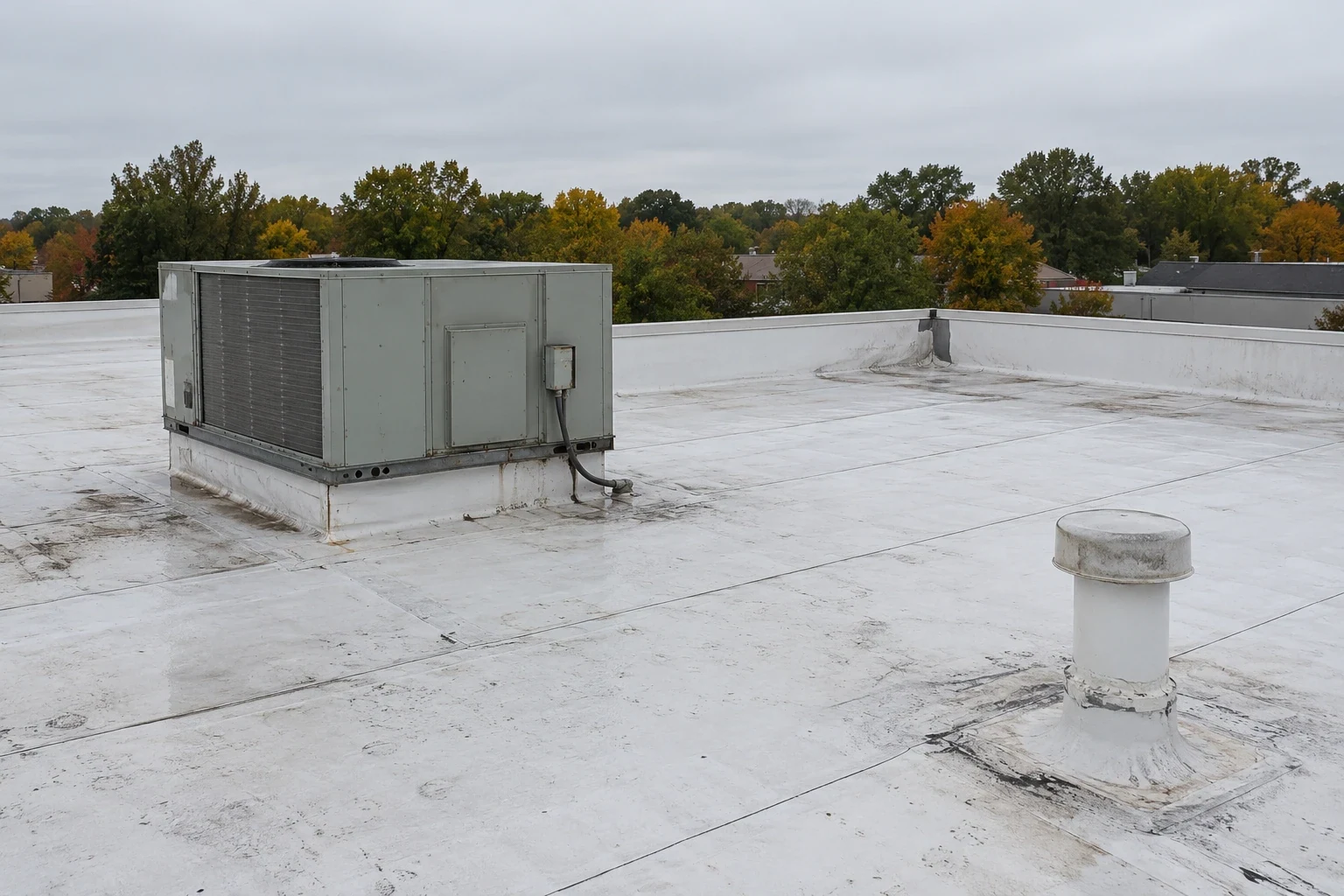
Mechanical units, exhaust, refrigeration, laundry vents, electrical routes, and communications can penetrate hospitality roofs where present. Inspect curb corners, flashing height, supports, boots, service paths, and membrane around each detail. Kitchen exhaust may leave residue near an outlet or curb; confirm its condition at the building rather than assuming a problem from the property type.
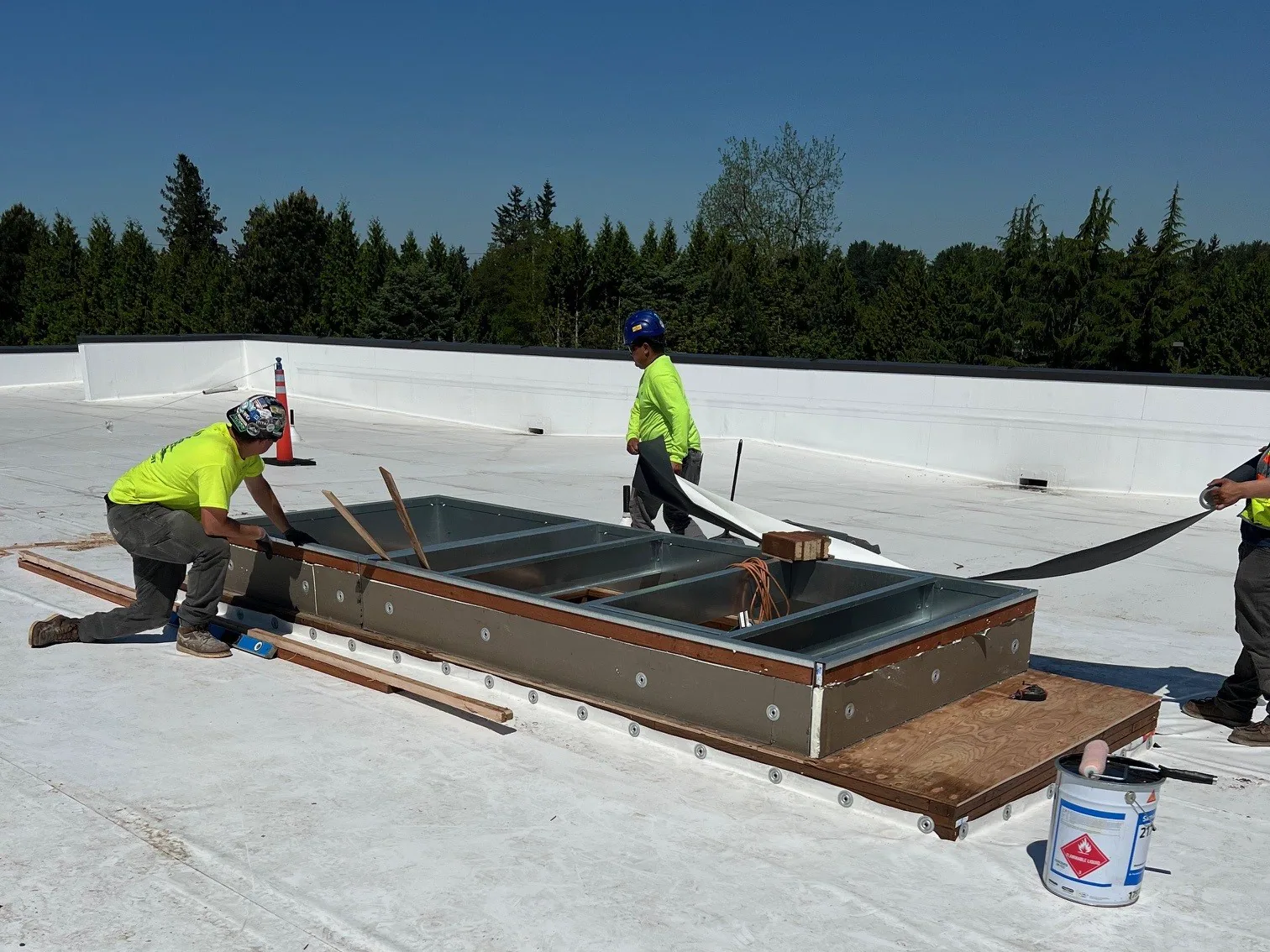
If a unit is lifted or replaced, coordinate the shutdown, temporary cover, substrate inspection, and final flashing across trades. Identify who removes equipment, who restores the roof, and who checks the finished curb before operation resumes. Service crews should use a route that does not abrade the roof or block drains. A curb can leak at one corner even when the field membrane is sound.
Different systems need different repair materials. PVC roofing and TPO, metal, or coating assemblies each have distinct seam and flashing details. Identify the existing system and any previous coating before choosing a product. Material compatibility and substrate condition set the repair method.
Use Independence Context Precisely
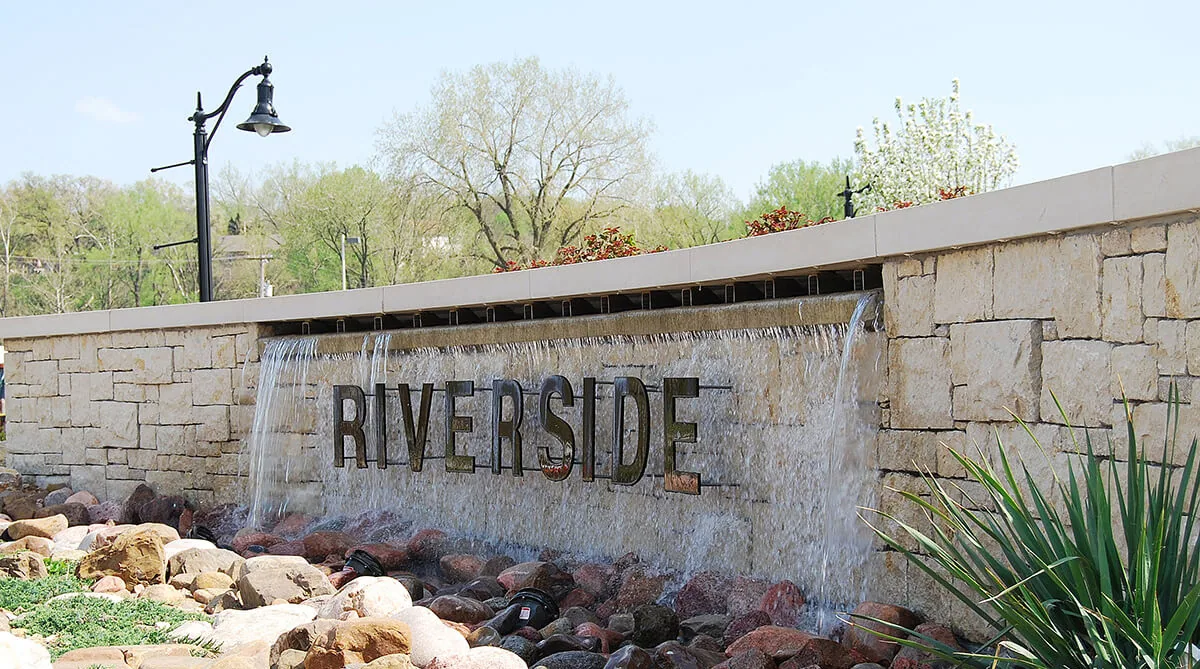
The Truman Library campus combines museum and research functions, and the Square contains locally owned shops and restaurants. Those destinations illustrate public and commercial activity in Independence. They do not establish guest traffic, event schedules, or roof construction at any lodging property. Work near Riverside, Missouri still requires a building-level roof survey, just as a hotel does.
Kansas City climate normals describe regional air temperatures, not roof conditions. After a reported storm, inspect the property for punctures, opened seams, displaced edge metal, damaged equipment supports, or water entry. Keep each finding tied to the building and roof area.
The city includes manufacturing, healthcare, education, social services, and retail alongside visitor-facing properties. The Square district provides a different local commercial context from a hotel, and does not stand in for the site's operations.
Set Guest-Safe Repair Boundaries
A repair scope should state the roof zone, defect, material, adjacent conditions tested, and the area included. Broad saturation, soft deck, or seams releasing across separate zones can call for a larger scope than a localized patch. For replacement, describe removal depth, insulation, drainage, edge work, equipment coordination, guest-area protection, and daily closure.
Recover is an option only when the existing assembly is stable, dry, and compatible with the specified system. If removal reveals concealed damage, photograph it and seek direction through the owner's approval process before changing quantities. The scope should distinguish base work from allowances so the operator can compare proposals and schedule room blocks accurately.
Closeout should include roof maps, before-and-after photographs, test results, installed materials, warranty documents when applicable, and unresolved maintenance. Property managers can keep the asset file current, while retail operators may have different opening and delivery patterns. A hotel group's room inventory and service schedule govern the specific sequence. Schedule an inspection to document the assembly and prepare a work plan the property can use.
At a property with guest rooms and public areas, divide the proposed roof work by the spaces it could affect. The facilities contact can identify rooms, meeting areas, kitchens, and service zones below the work, while the manager confirms occupancy and access arrangements for the actual dates. The contractor should show the work boundary, material route, daily opening limit, and temporary protection if rain or a delayed delivery interrupts installation. For connected wings or additions, describe each tie-in separately so the owner can see whether phasing leaves a vulnerable edge overnight. If equipment or exhaust work belongs to another trade, coordinate its completion before the final membrane connection. These details support a realistic operating plan instead of a broad promise to minimize guest disruption.
When comparing a repair with replacement, put operational effects beside construction quantities. A repair may limit immediate closure but leave other aging sections for later review; a larger phase may reduce repeat visits while requiring more advance coordination. State the condition that supports each alternative, what remains unknown, and how the temporary weather seal will be maintained. The hotel's representative can weigh room access, event dates, and service continuity against cost using the same defined roof area. After the work, keep a roof map and closeout photos with the property record so later staff can distinguish the completed section from adjoining areas that were not part of the project.
Commercial Roofing Questions
Can roof repairs happen while hotel rooms are occupied?
The manager identifies room use, guest routes, and acceptable work windows. We define the roof zone, protection, noise, and daily closure before opening the assembly.
How are leaks traced when water appears in a guest room?
The inspection compares the room location and report time with the roof drainage plane, seams, curbs, and wall transitions. Water may travel before it becomes visible, so the repair follows the confirmed path.
What should happen when rooftop equipment needs replacement?
Coordinate equipment shutdown, lifting, temporary weather protection, curb inspection, and final flashing. The project should assign each step to the mechanical or roofing trade before the unit moves.
Can a storm report establish damage at a hotel?
It provides a reason to inspect, not a condition finding. The hotel roof should be checked directly and photographs should identify any impact or displaced detail.