Coordinate retail and restaurant roof work in Independence, MO with repeatable inspections, tenant access, kitchen penetrations, and clear repair records.
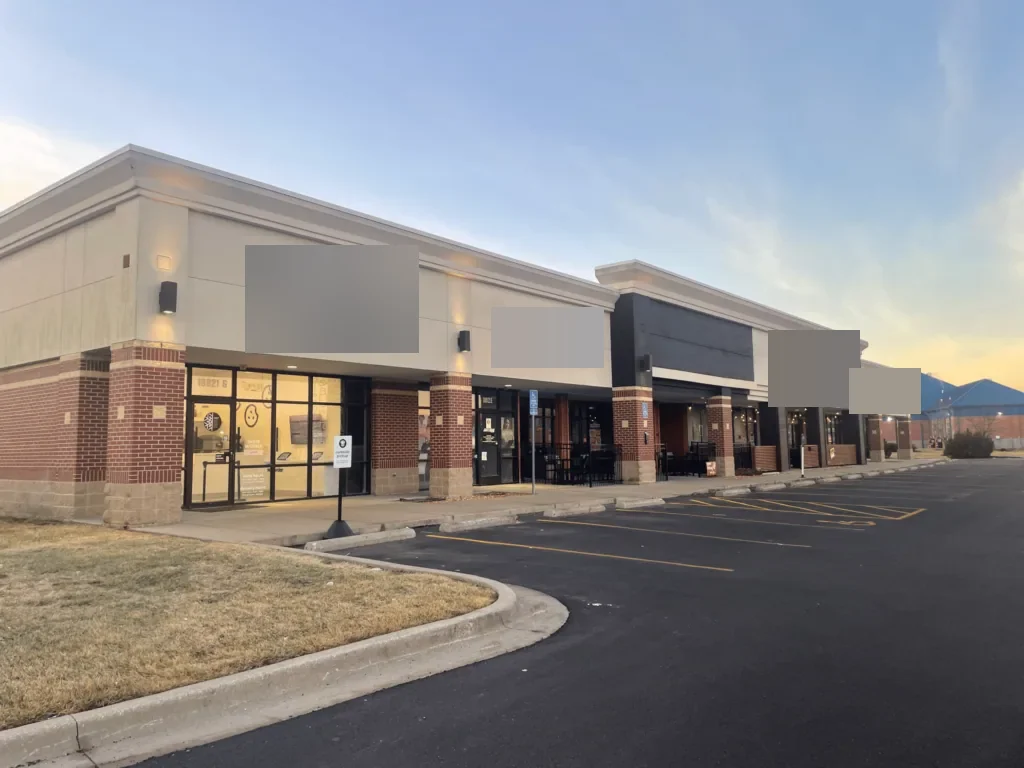
Multi-location retail and restaurant operators need consistent roof records without treating every building as identical. A shopping center, freestanding store, and restaurant kitchen create different access and penetration details. Independence, MO has retail clusters at Golden Acres and 23rd Street and Sterling Avenue, plus the locally owned storefronts around Historic Independence Square. Those places show the range of retail settings; we verify the roof at each location before recommending a scope.
Set a Repeatable Inspection Record
Use the same record fields across the chain: address, roof area, system, drainage, penetrations, access, previous repairs, test results, and photographs. Keep the observations tied to the building. A regional manager can compare reports more easily when the terminology stays consistent, but the repair decision still follows local conditions.
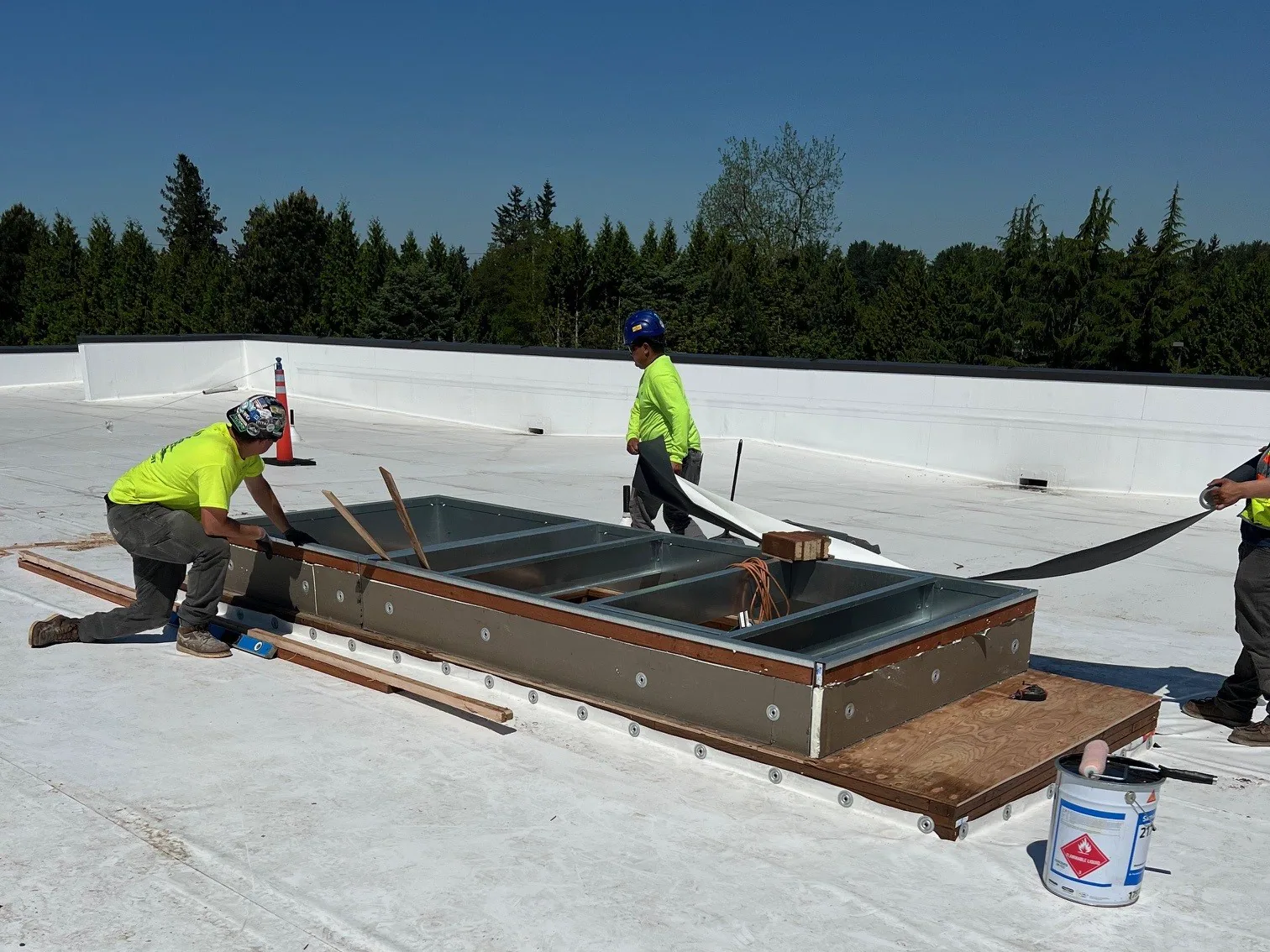
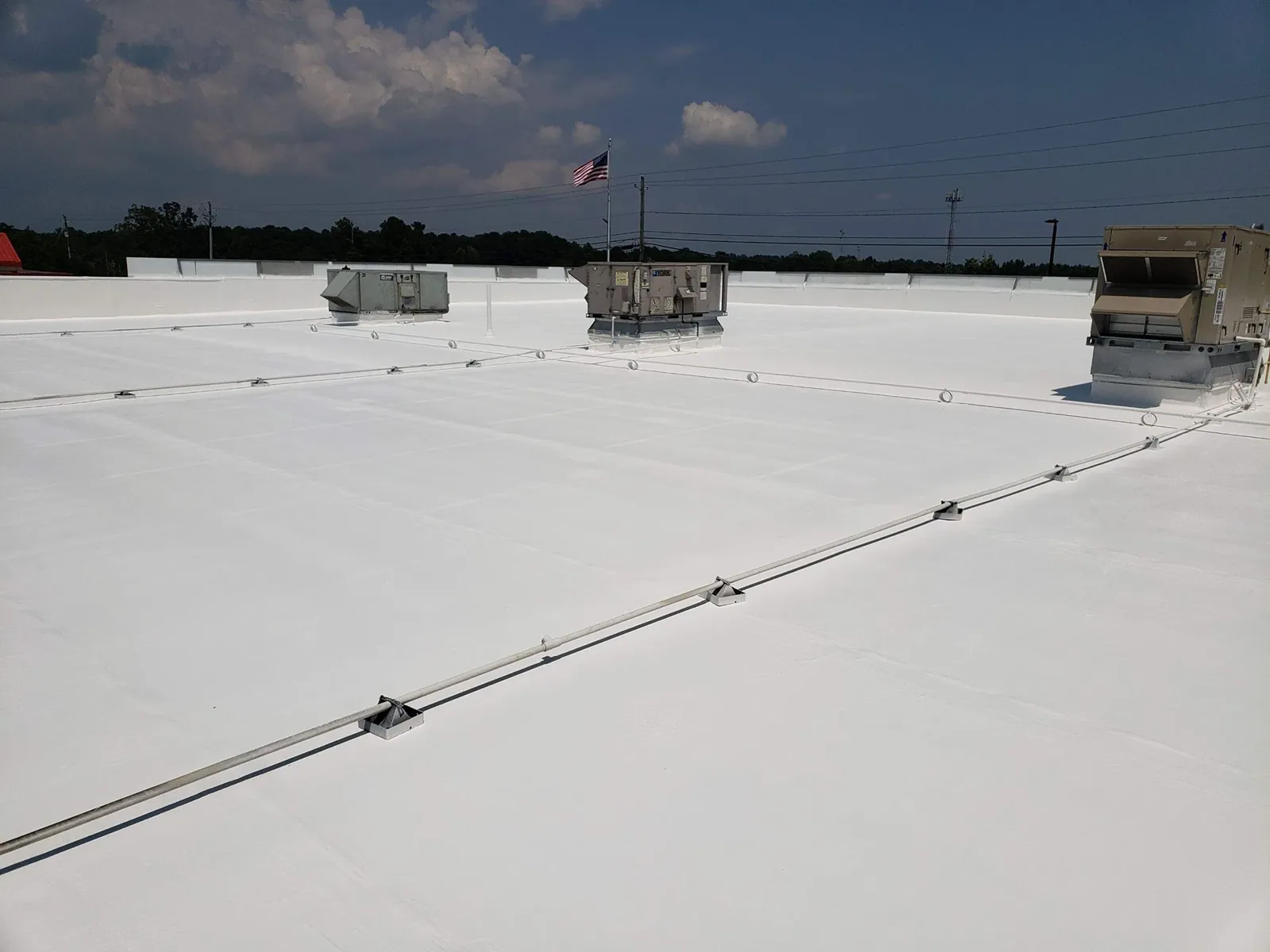
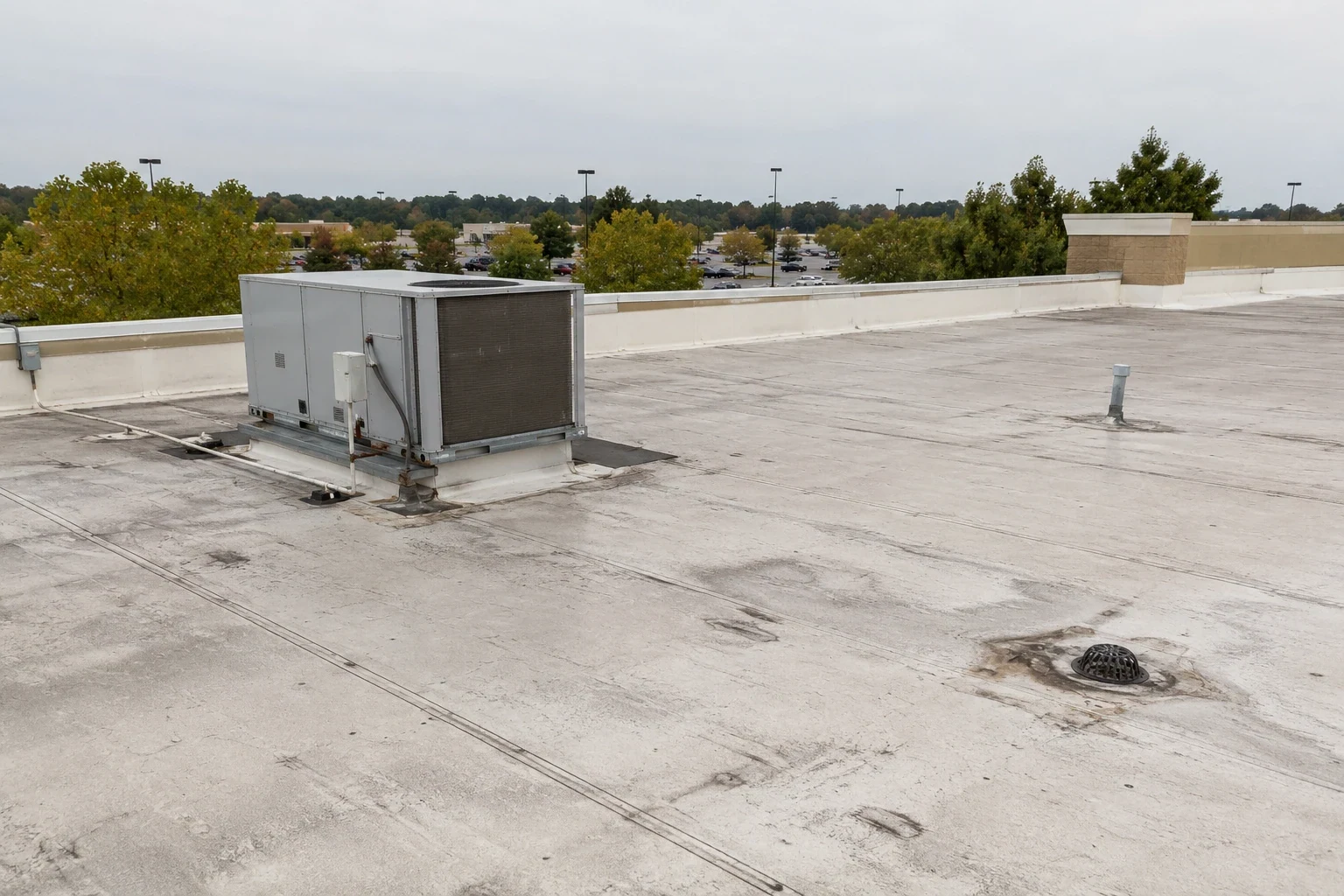
Inspect representative seams, drains, curb flashings, parapets, edge metal, and roof-to-wall transitions. Additions and remodels may leave more than one system at a property. A new exhaust fan above a kitchen or a sign support above a storefront can alter the roof after the original survey. Update the record after tenant work and identify which trade restored each penetration.
Merchant Square Antique Marketplace brings hundreds of vendors together in a large Independence retail property, while Golden Acres includes grocery and general-retail destinations. These facts describe distinct local retail patterns. They do not establish the tenant plan or roof assembly at another chain site. At 39th Street Retail Corridor, Independence, the property inspection still needs its own roof map and findings.
Trace Leaks Around Stores and Kitchens
Interior reports should identify the room, date, weather, and whether water continues. A stain near a dining area may not line up vertically with the roof opening. Compare the mark with drains, seams, exhaust curbs, parapets, canopy joints, and equipment supports. Water can travel along the deck or framing before appearing inside.
Restaurant roofs add grease exhaust, make-up air, refrigeration, gas piping, and frequent service access where those systems are present. Inspect curb corners, duct transitions, grease residue, sealant, and adjacent membrane for heat or chemical effects. The condition depends on the equipment and roof system, so verify it at the site. A leak investigation documents the suspected path and the evidence supporting it.
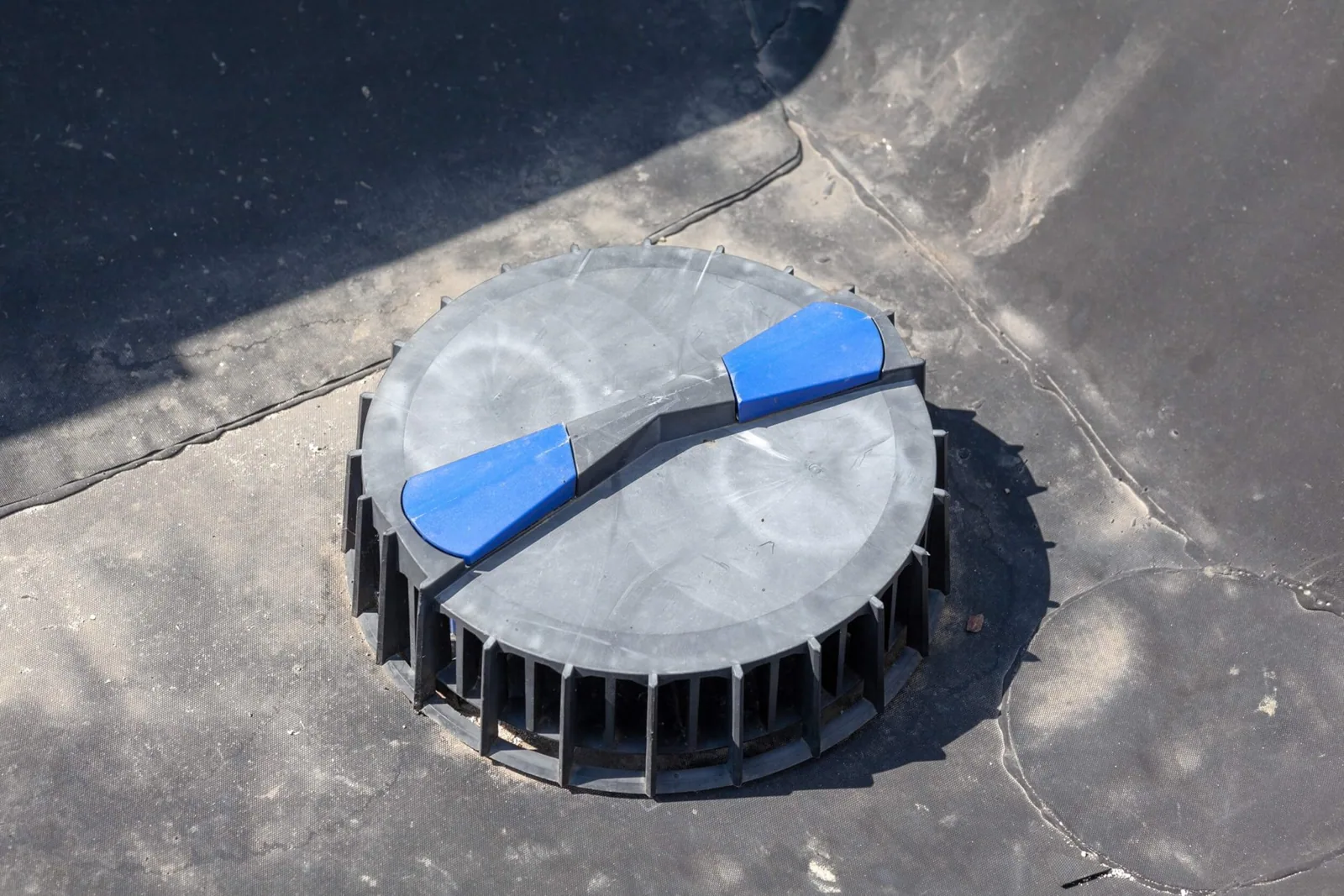
Retail canopies and signs create separate transitions. Verify the roof-to-wall flashing, edge termination, and attachment for sign supports. Keep water moving through the designed outlet. A drainage repair can address a clogged or damaged roof outlet; persistent water after clearance needs slope and deck review.
Keep Customer Routes Open
Work timing affects parking, loading, storefront entrances, food service, deliveries, and tenant schedules. The owner identifies active routes and restricted hours. The roof plan shows where lifts stage, which entrances remain available, and how a crew separates overhead work from customers. A phased job can move by roof area when each section can be closed safely at the end of a shift.
Coordinate with tenants before equipment is moved or a space is closed. If a roof opening is above a busy area, define interior protection and the conditions that must be checked before reopening. A retail phasing plan should include daily dry-in and alternate access where the site requires it.
For a chain that shares a property with other tenants, confirm who controls the roof and who approves penetrations. A property manager may coordinate the site, while the chain's facilities contact approves its equipment and service requirements. Responsibility for final flashing should be written into the project scope.
Connect Retail to the Local Market
Golden Acres includes Hy-Vee, Price Chopper, and Walmart Neighborhood Market. The 23rd and Sterling retail area includes Sun Fresh Market and a community improvement district. The Square's small storefronts and restaurants have a different operating pattern from a large grocery store. These local examples help frame the market but do not establish roof materials, service hours, or damage at another retailer.
Independence lists retail among its major employment sectors and includes commercial redevelopment along Noland Road, Fairmount, Englewood, and Maywood. A Golden Acres area record identifies neighborhood and shopping context. Inspection findings remain tied to each property and date.
Weather records use the Kansas City airport station for climate normals. A documented hail or wind event belongs to the named location. After a storm, check the actual roof for membrane impact, punctures, opened seams, displaced edge metal, and curb damage. The hail assessment should record direct findings instead of assuming all stores in the area were affected.
Make Chain Scopes Comparable
For each site, state roof system, work area, repair boundary, removal depth, insulation assumptions, flashing, drains, equipment coordination, protection, and daily closure. Separate base repairs from options for concealed moisture or deck damage. A repeatable scope lets the chain compare quantities, while site-specific access and assembly details remain visible. A location matrix can also track whether drains were cleared, which penetrations were repaired, and whether a return visit is open. Keep the underlying photo and roof-area label with each status. A single red, yellow, or green rating hides the difference between a blocked outlet and a failed membrane seam. Operations teams can then schedule work by actual condition rather than by color alone. Store-level exceptions should be visible before a standard detail is reused elsewhere.
Repair a localized defect when the substrate and adjacent material are stable. Widespread moisture, failing attachment, or corrosion can require a broader plan. Recover only after confirming the layers are dry and compatible with the proposed system. If roof coating is considered, inspect the surface, existing patches, and product compatibility first. TPO membrane repair and metal-panel repairs do not use the same detail.
Closeout records should include photographs before and after work, materials, test results, warranty documents when applicable, and open maintenance items. Hospitality operators also manage properties with active guests, but their room and service patterns differ from retail traffic. Schedule a portfolio review to map each assembly and define the work needed at each Independence location.
For a chain, standard fields make reports easier to compare, but the work plan still has to fit each store. Record the customer entrance, delivery periods, kitchen or sales areas below, rooftop equipment, and any route that needs to remain available. Decide whether a localized repair can be completed between operating periods or whether phased work would create repeated mobilization and tie-ins. Show each option with its work boundary, temporary protection, equipment coordination, and likely effect on the site. A regional manager can then approve a consistent process while allowing a particular store's schedule and roof assembly to control execution. Afterward, add dated photographs and the exact completed zone to that property's maintenance file.
Commercial Roofing Questions
Can a chain use one roof standard across every location?
A common record format helps compare sites, but repair materials and scope depend on each building's system, substrate, drainage, and access. Keep the method consistent while documenting local conditions.
What should be checked around a restaurant exhaust fan?
Inspect the curb, flashing, duct connection, adjacent membrane, grease residue, and service path. Confirm who restores the roof after equipment work and whether the installed materials remain compatible.
Can customers use an entrance beneath roof work?
The site plan determines whether overhead work can be separated from public access. Identify alternate entries, lift placement, exclusion zones, and the daily closure point with the operator.
Does a hail report near Independence prove roof damage at our stores?
No. Inspect each property for direct impact and record the affected areas. A regional event report is context, not a property condition finding.