Commercial roof work at Noland Fashion Square in Independence, MO, starts with a property-specific inspection and access plan for the Noland corridor.
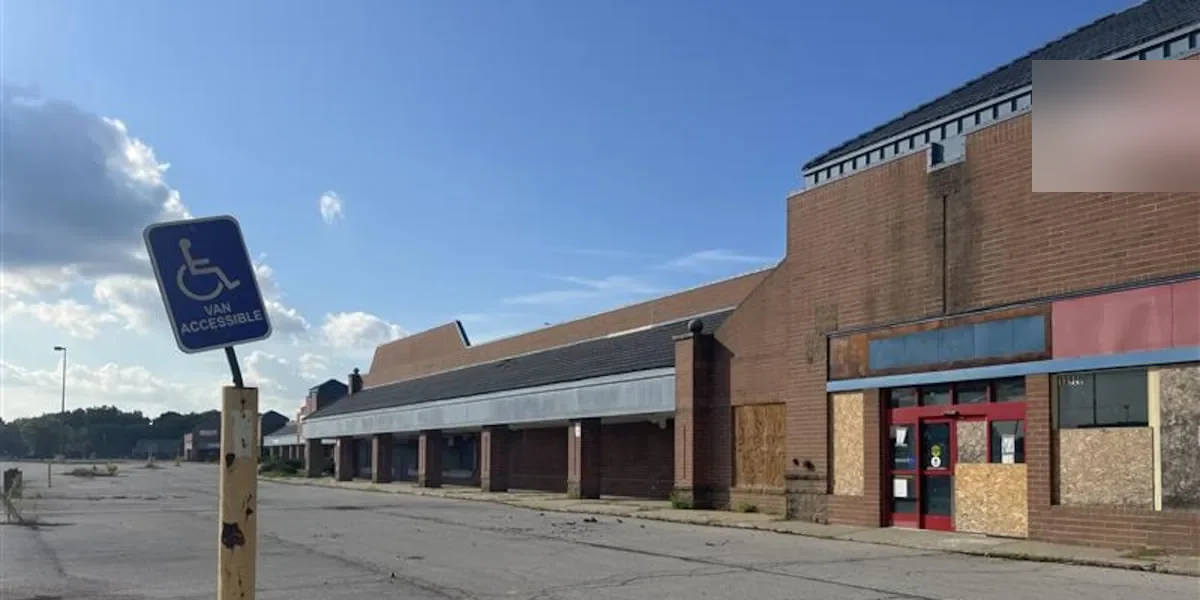
Noland Fashion Square is a named redevelopment plan area and an active community improvement district on the Noland corridor. The City is also upgrading a 1.7-mile Noland Road segment between US 24 and Fair Street with sidewalk, trail, intersection, and lighting work. Those civic projects make site access worth confirming before a roofing visit. They do not establish what any commercial roof contains. We inspect the specific property and set a scope from the visible assembly, drainage, and evidence of failure.
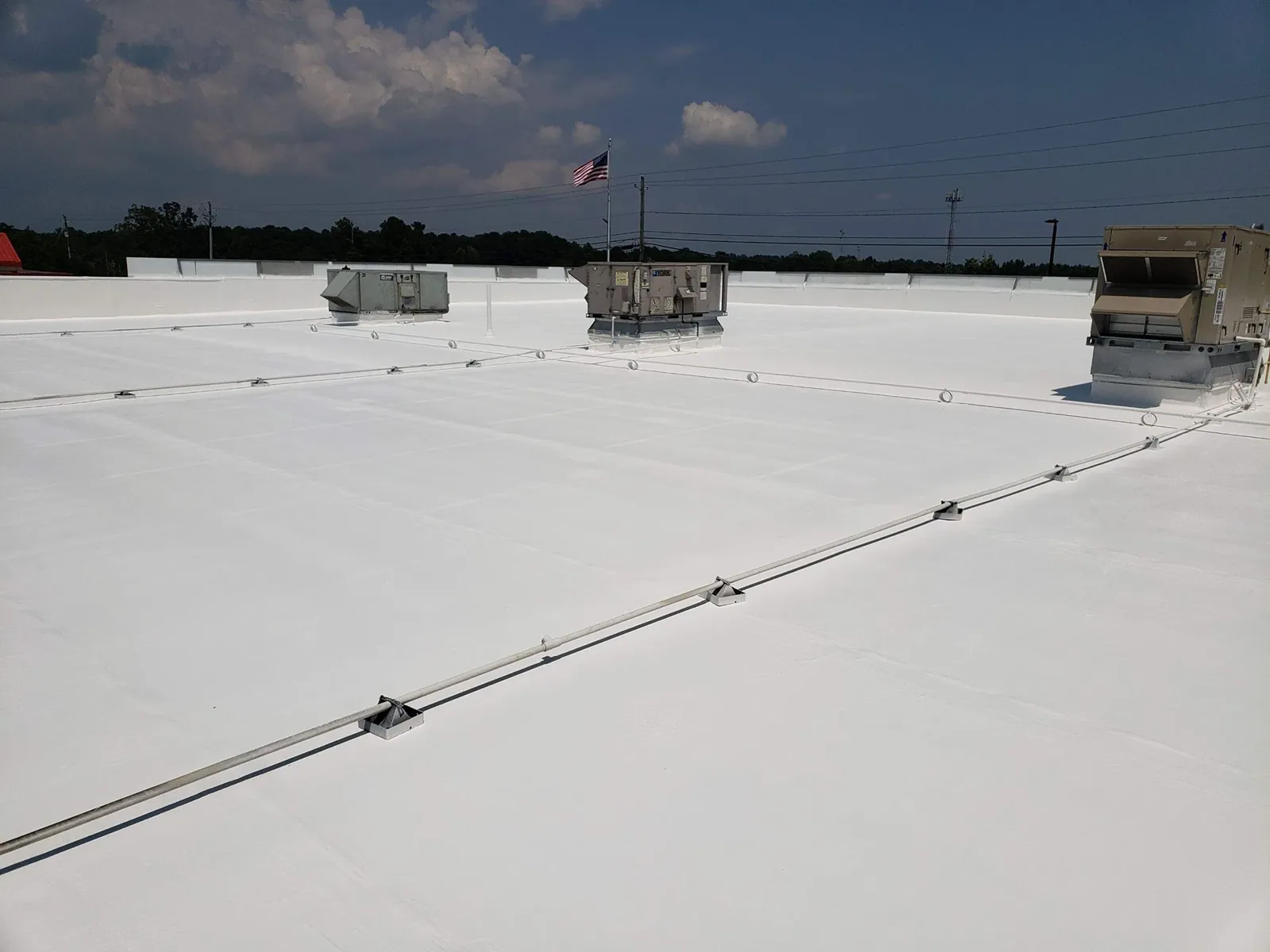
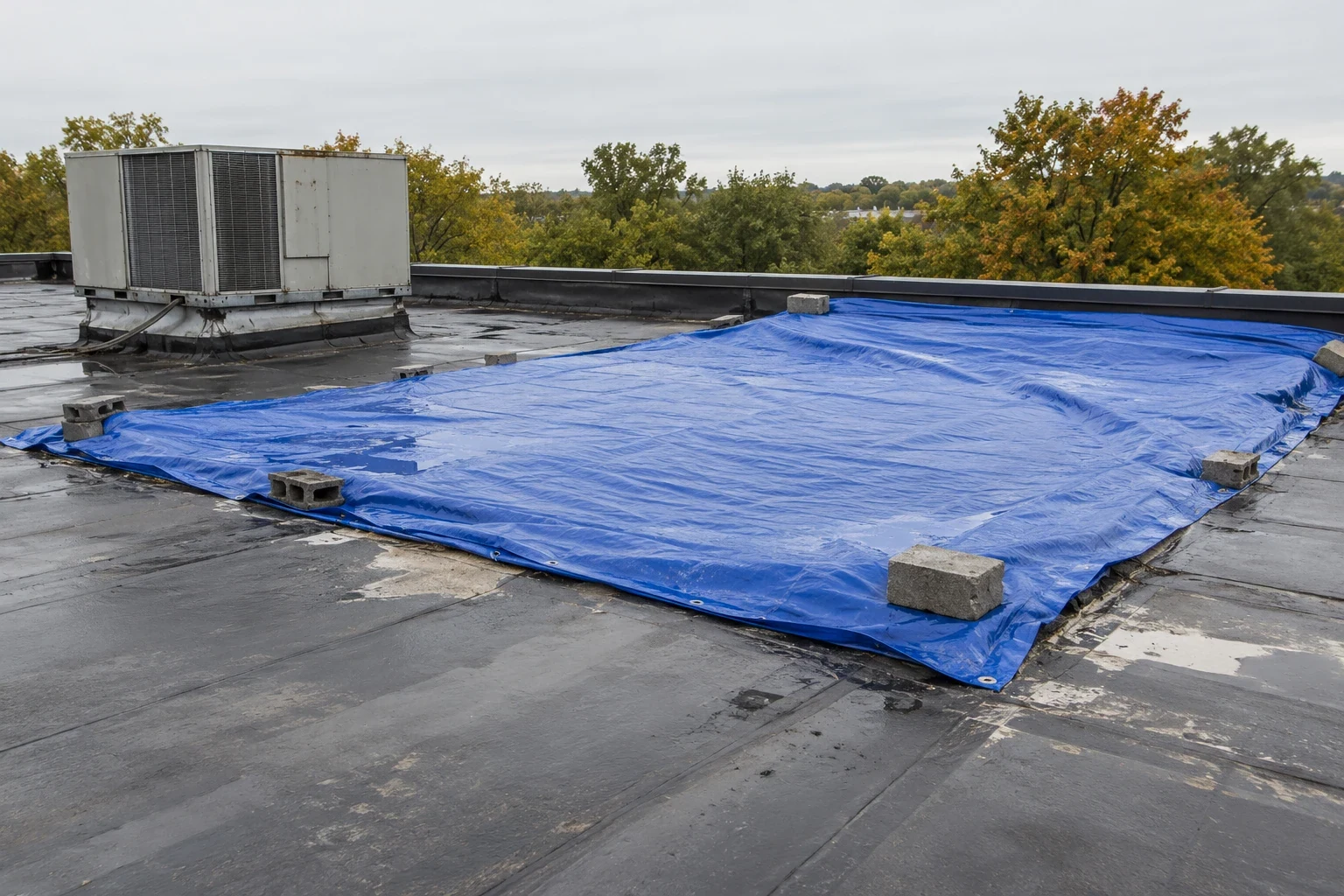
At the roof, we identify membrane or metal type, inspect seams and penetrations, follow water to drains, and check edges and wall transitions. The interior review compares stains or active leakage with the roof path above. The property contact confirms loading rules, entrance, hatch, work hours, and any temporary traffic or pedestrian restrictions. This makes the field report useful for a building project without assuming that all properties in the plan area share one condition.
Confirm the Noland Work Route
The City project includes pedestrian and intersection upgrades, but a posted project boundary does not show whether a given entrance is open on the day of roofing work. We verify the approach with the site representative and check current staging rules. Lift location, delivery window, waste removal, and pedestrian protection should be agreed before materials arrive. If the project changes access, we adjust the sequence rather than leave material or a roof opening unsecured.
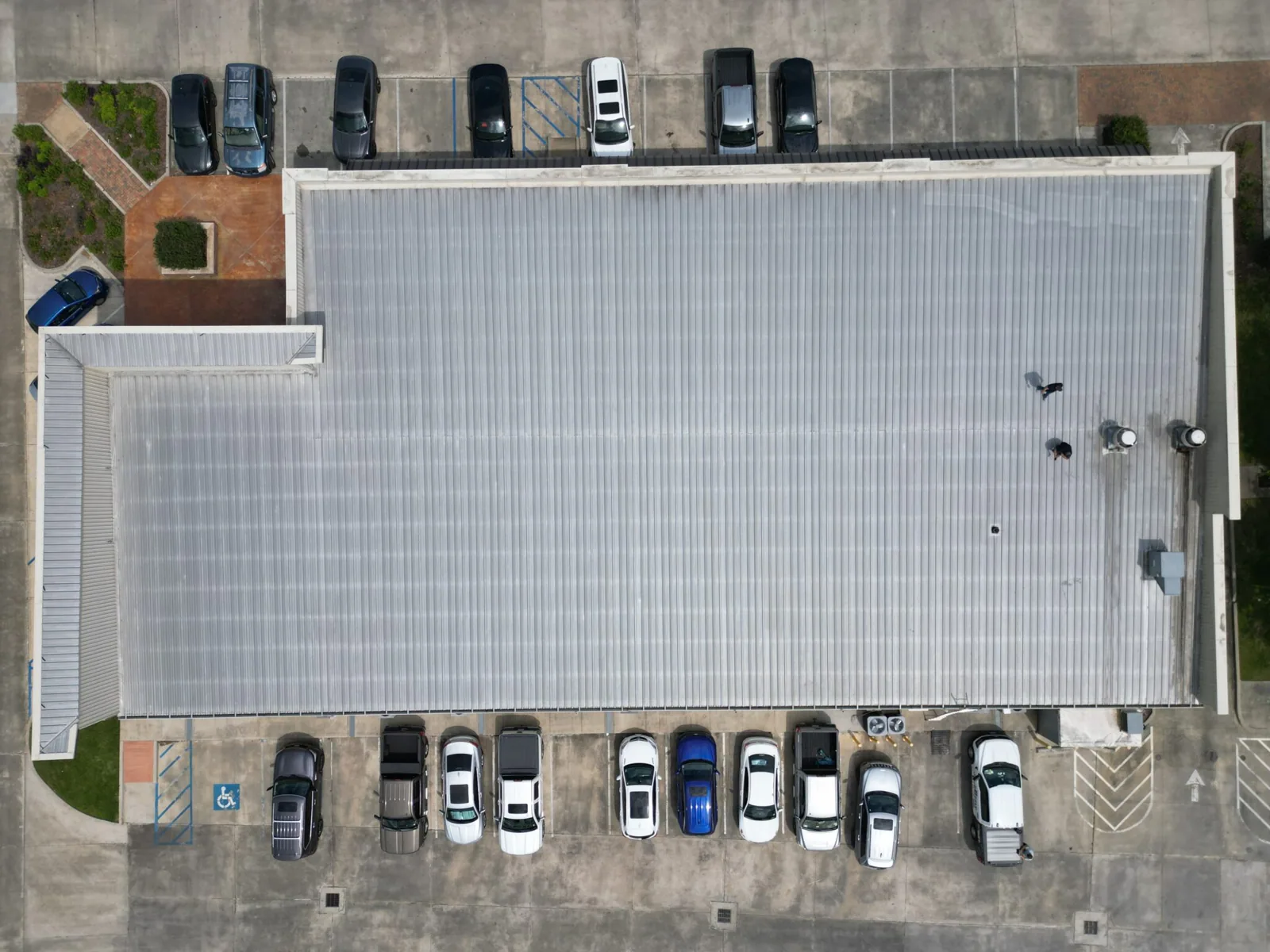
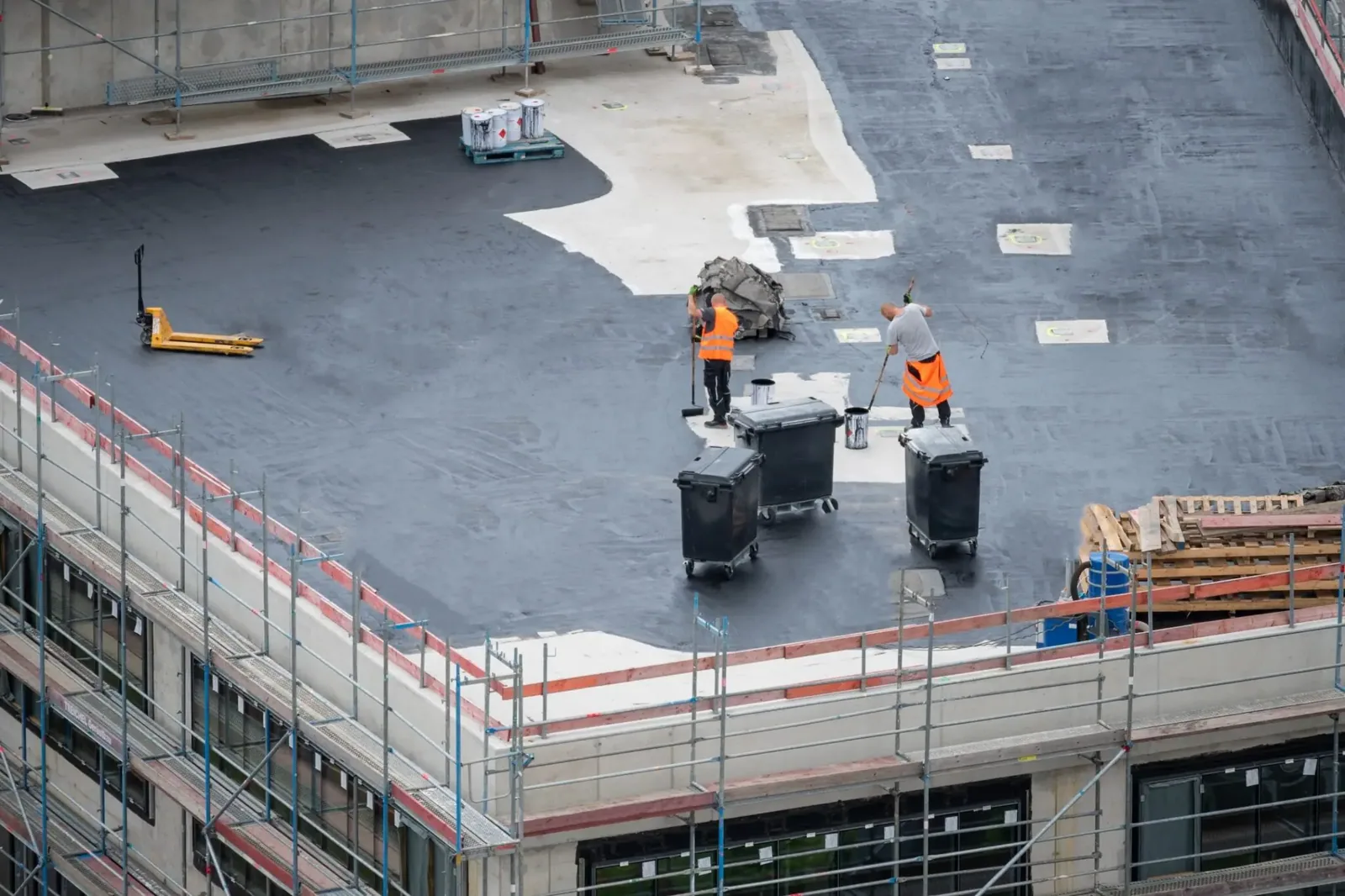
For occupied buildings, the crew plans an area it can complete and dry in during the approved shift. We identify the stop line, temporary protection, and any interior area requiring coverage. A phased reroofing plan can coordinate roof zones with tenant or business hours and reduce the chance that a corridor access change interrupts an exposed section. Daily closure includes a drain check and removal or secure storage of loose materials.
Find the Failure, Not Just the Stain
Water that reaches an interior ceiling can travel from a seam, drain, parapet, or rooftop penetration before it becomes visible. We compare the reported location with the roof geometry and inspect the likely path. Past repairs can redirect water or conceal a failed interface. We record the visible breach, suspected route, and any test that would confirm concealed moisture rather than treating the first clue as a complete diagnosis.
When the substrate is dry and firmly attached, a local patch may solve the problem. A wet insulation layer, loose edge, or repeated seam opening expands the repair boundary. We use test openings to confirm the condition and photograph the materials before rebuilding. An inspection with a roof-zone record helps the owner compare an immediate patch with a larger repair. If water is active inside, temporary protection can begin while the full scope is prepared.
Match New Material to Existing Work
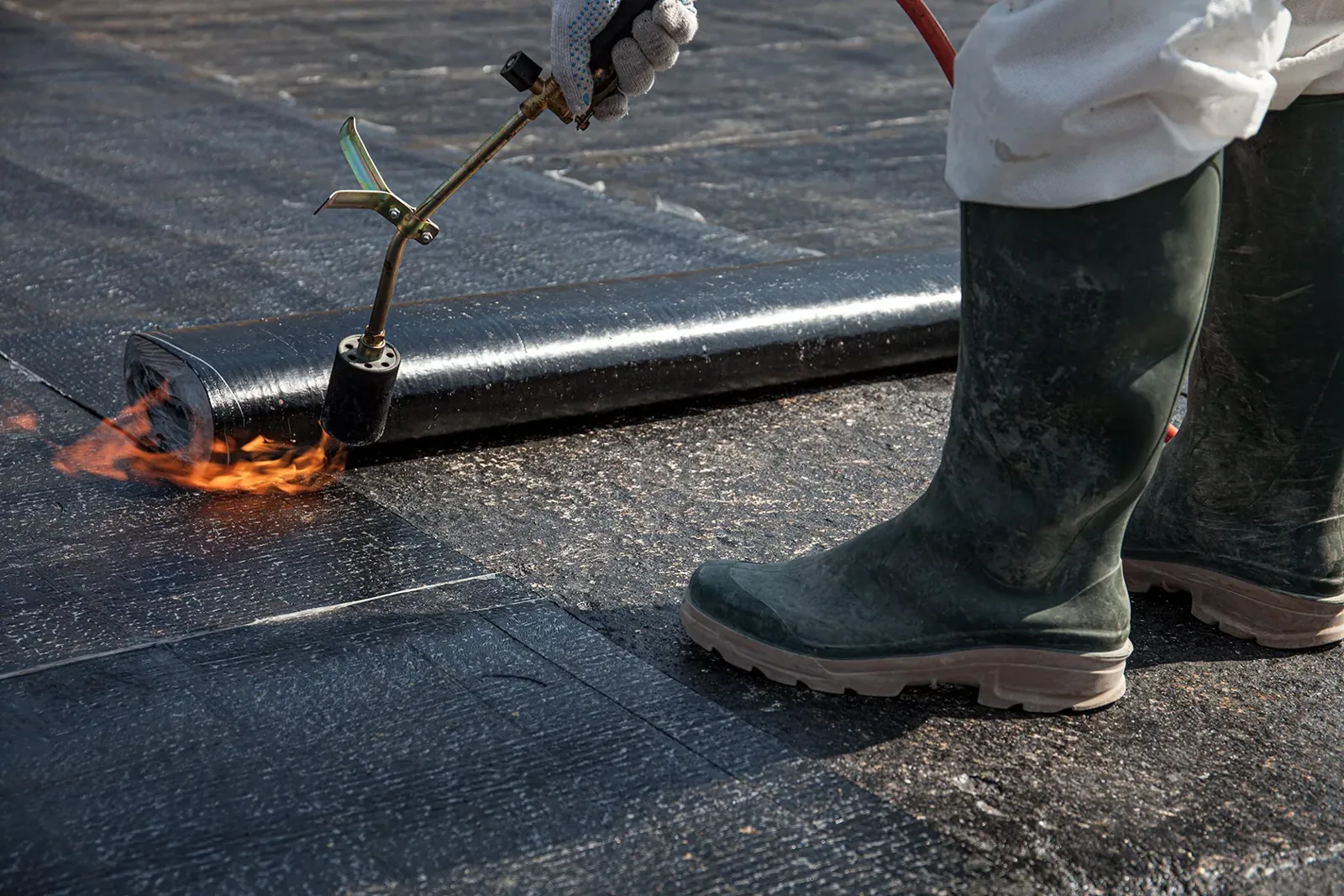
Repair material has to match the membrane or metal system already installed. We inspect exposed seams, edges, penetrations, and patches, then consult available records. If the roof contains multiple layers or a coating, a test cut may be needed to identify what lies below. A repair patch should bond to stable, prepared material, and its edge should connect to a sound area. Metal flashing needs attachment and movement allowance at the transition.
Drainage details matter as much as field membrane. We check slope and outlet height before adding a layer, since an overlay can reduce drainage clearance or hide damaged insulation. A coating is considered only when the surface is suitable and compatible. Insulation and cover-board replacement may be necessary where testing shows a weak or wet base. The written scope identifies preparation, attachment, edges, curbs, and material limits.
Schedule Around Seasonal Conditions
The March 2017 event included an east-northeast Independence hail observation of 1.75 inches and a separate quarter-size report at Centerpoint Medical Center. That history does not identify damage at Noland Fashion Square. We inspect the property's surface and transitions before selecting a repair. Products are applied only within their stated substrate and weather limits.
Roof replacement needs a weather-ready closure plan. If a forecast shifts, the crew closes a smaller area, protects exposed insulation, and documents any temporary condition. Maintenance work can clear outlets and review edge details before they become active leaks. Scheduled roof maintenance records the item, urgency, and follow-up interval. If an unexpected leak starts, emergency response is available around the clock, with the permanent repair tied to a confirmed source.
Select a Measured Construction Scope
Repair is appropriate when damage is limited and surrounding layers are sound. Repeated leakage, broad moisture, failed attachment, or deck damage can make replacement a better decision. We test uncertain areas and explain what the inspection confirms. The owner can compare the base scope with optional work for concealed damage, instead of treating unknown conditions as measured quantities.
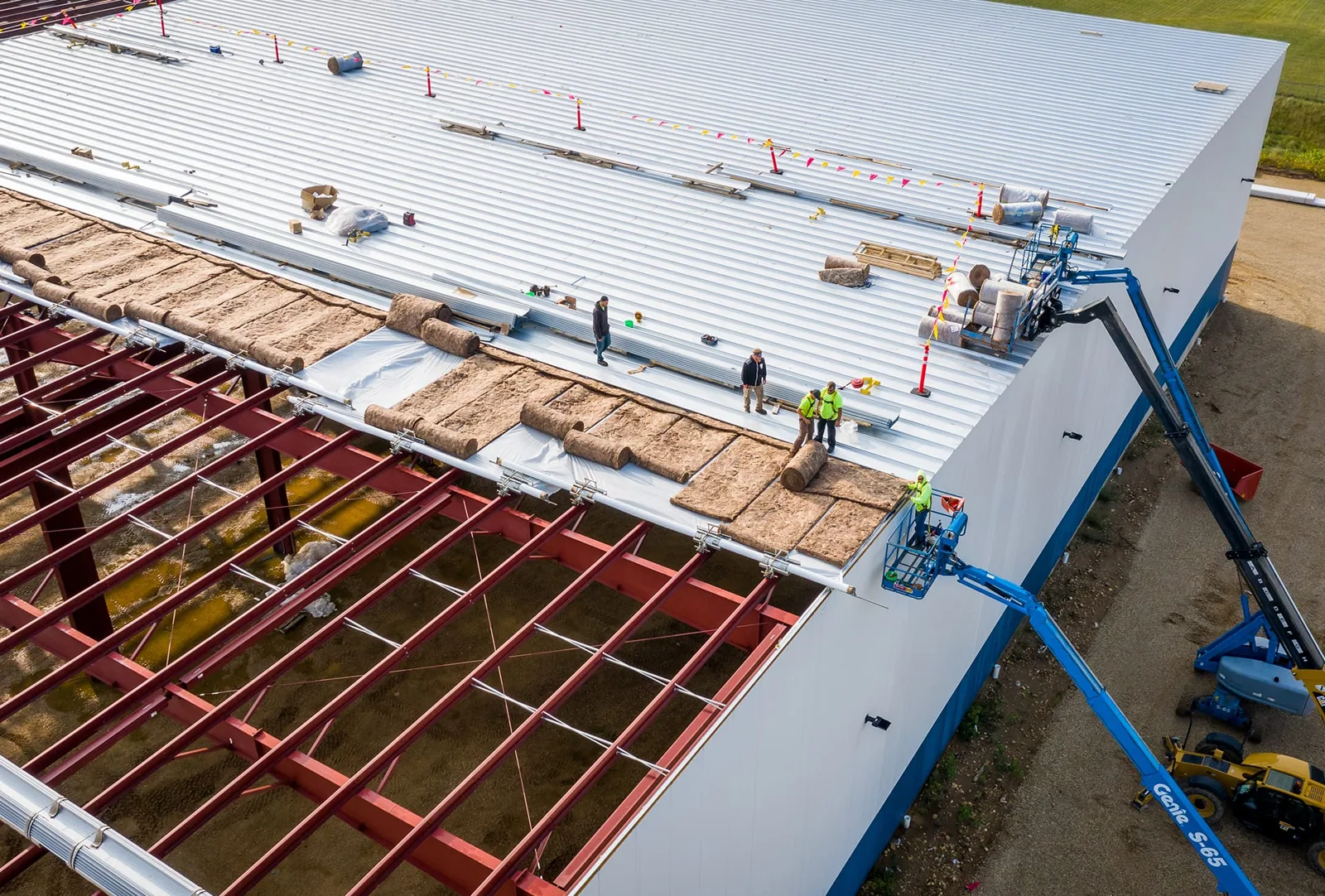
A recover is possible only when existing roof layers, drainage, deck, code, and attachment can support it. Removal may be needed to restore a reliable substrate. Schedule and cost depend on confirmed area, material, tear-off, access, interior protection, and weather. Repair work should name the affected detail and tie-in. A replacement scope includes field membrane, insulation, edges, drains, and curbs. We record the limit so future work does not assume an adjacent zone was included.
Connect Work to Its Address
A project closeout should identify the property, roof zone, installed material, seam or attachment checks, drainage result, and any item still awaiting access or testing. Photos should connect a repaired detail with a fixed roof reference. If Noland Road access changed during the work, the log can note the approved delivery route and temporary staging. Public streetscape work and private roof maintenance remain separate records.
Noland Fashion Square is part of the larger Noland corridor, but an individual building still needs an independent roof file. We also serve other properties along Noland Road and Raymore, Missouri. Those addresses receive separate inspection findings and access plans. For Noland Fashion Square, the follow-up record should list drains to revisit, flashing to monitor, and any work that awaits owner approval.
At a retail property in the Noland area, coordinate roof activity with the store's customer entrance, deliveries, and any service access that cannot be blocked. Identify the building and roof section by name in the work record, then connect each photograph to a seam, curb, drain, or edge that can be found again. If roof work affects a sign, mechanical unit, or electrical service, identify the responsible trade and the point when its work must be complete before the membrane tie-in. The closeout should show the finished detail and any deferred item separately. That gives the manager a practical service history without implying that nearby retail properties share the same roof condition.
Commercial Roofing Questions
Does Noland Fashion Square's improvement district include roofing work?
The district designation identifies a civic improvement area, not a roof scope. We assess each building and confirm the owner-authorized work separately.
How do sidewalk upgrades affect a roof replacement?
They may change the route for a lift, delivery, or pedestrian barrier. We confirm the current site access before setting staging and the daily work sequence.
Can you replace only one roof zone?
Yes, when the inspection shows a clear boundary and the remaining assembly is serviceable. We check tie-ins, drainage, and transitions before defining a phased scope.
What causes a repair scope to grow after tear-off?
Concealed wet insulation, deck deterioration, or failed attachment can extend beyond the visible surface defect. We document those findings and seek approval before expanding work.